

Joint Arthroscopy and Sports Medicine in India for Kenyan Patients
Ligament and cartilage injuries need the right operation and the right rehabilitation: what a Kenyan patient should check in India, and what it costs.
Roughly 70 to 80% of endurance running world champions since the late 1980s have been of Kenyan descent, a genuinely remarkable dominance in global athletics. But a study of professional endurance runners in Kenya's Rift Valley, home to much of this success, found that 63% had experienced a running-related injury, with the posterior thigh, lower back, and ankle among the most commonly affected sites. Behind Kenya's global athletic success sits a genuine, largely under-discussed burden of sports injury among the athletes producing it. Across 24 years of guiding Kenyan patients through treatment in India, joint arthroscopy and sports medicine is a category where this specific tension, world-class athletic achievement alongside significant injury prevalence, deserves direct attention, and it extends well beyond professional athletes to recreational footballers, runners, and active adults across the country. This article explains what joint arthroscopy and sports medicine treatment involve, why injury prevalence among Kenyan athletes matters for how sports medicine should be approached, what treatment costs in India compared with Kenya and Western countries, and the practical factors to weigh before deciding where to be treated.
Healing Journeys of Kenyan Patients
Key Takeaways
- The guide explains that sports injuries are a significant concern among Kenyan athletes and active adults. A Rift Valley study found that 63% of professional endurance runners had experienced a running-related injury, with the posterior thigh, lower back and ankle among the commonly affected areas. The guide uses this to emphasise the importance of proper diagnosis rather than simply continuing to train through an injury.
- Joint arthroscopy uses a small camera and specialised instruments through tiny incisions to diagnose and treat joint problems. Common applications include ACL reconstruction and meniscus repair in the knee, shoulder stabilisation for recurrent dislocations and arthroscopic treatment of selected ankle injuries.
- The guide highlights that more than 60% of patients with an ACL tear also have an accompanying meniscus tear, making complete assessment of the knee important. ACL reconstruction uses a graft to restore knee stability, while recovery for competitive athletes is structured around progressive physiotherapy and typically takes six to twelve months for return to sport.
- India has developed dedicated sports medicine and arthroscopy centres with orthopaedic surgeons who focus on athletic injuries. The guide highlights JCI and NABH-accredited facilities and structured physiotherapy programmes designed around return-to-sport goals rather than simply wound healing.
- The guide estimates joint arthroscopy, including ACL reconstruction or meniscus repair, at approximately US$2,500–6,000 in India, compared with US$3,500–9,000 in Kenya, US$12,000–20,000 in the UK and US$20,000–35,000 in the US. Patients should also budget for travel and accommodation and understand that rehabilitation continues for months after the initial treatment.
- The page 4 “Six Things to Check” graphic highlights independent verification of hospital accreditation, the surgeon's sport-specific case volume, MRI-confirmed diagnosis before travel, a complete cost quotation including graft material and physiotherapy, visa and travel planning, and a structured return-to-sport rehabilitation plan.
- Kenyan patients should send their MRI imaging before travelling so the surgeon can assess the injury and develop a treatment plan in advance. The guide recommends approximately one to two weeks in India for arthroscopy and initial recovery, followed by continued physiotherapy and rehabilitation in Kenya.
Quick Facts
- Author
- Dr. Dheeraj Bojwani
- Experience
- 24+ Years
- Treatment
- Joint Arthroscopy & Sports Medicine
- Patients
- Kenyan Patients
- First Assessment
- MRI-confirmed joint injury
- Key Specialist
- Sports Medicine / Arthroscopy Surgeon
- Main Procedures
- ACL reconstruction and meniscus repair
- Other Procedures
- Shoulder and ankle arthroscopy
- ACL Association
- More than 60% also have meniscus tears
- Recovery
- Six to twelve months for competitive return to sport after ACL reconstruction
- Case Volume
- Sport-specific annual surgical experience
- Hospital Check
- JCI / NABH accreditation
- Rehabilitation
- Structured physiotherapy and return-to-sport programme
- Cost Check
- Written estimate including surgery, graft material and physiotherapy
- India Cost
- US$2,500–6,000
- Kenya Cost
- US$3,500–9,000 private
- Medical Records
- MRI and previous treatment reports
- Visa
- Indian medical e-visa with hospital invitation
- Travel
- Nairobi–India flights
- Stay
- Approximately 1–2 weeks
- Follow-Up
- Continued physiotherapy and rehabilitation in Kenya
- Key Warning
- Treatment without sport-specific assessment or rehabilitation planning
- Decision Principle
- Prioritise accurate diagnosis, specialist arthroscopy experience and structured rehabilitation.
In Brief
For Kenyan patients considering joint arthroscopy in India, the key priorities are accurate imaging-based diagnosis, sport-specific surgical expertise and structured rehabilitation. Patients should verify the surgeon's experience with their exact injury, obtain a complete written quotation and arrange a return-to-sport physiotherapy plan before travelling.
What joint arthroscopy and sports medicine treatment actually involve
Arthroscopy, often called keyhole surgery, uses a thin camera and small surgical instruments inserted through tiny incisions to diagnose and repair joint problems without the larger incisions traditional open surgery requires. This applies across the major joints affected by sports injury: the knee for ACL tears and meniscus damage, the shoulder for recurring dislocations and rotator cuff injuries, and the ankle for ligament damage and cartilage injuries.
ACL tears and meniscus tears frequently occur together; more than 60% of patients diagnosed with an ACL tear also have an accompanying meniscus tear, meaning a thorough evaluation, not just an assessment of the most obvious injury, matters considerably. ACL reconstruction uses a tissue graft, either from the patient's own body or a donor source, to rebuild the torn ligament, restoring the knee's stability for pivoting and cutting movements essential to most sports. Recovery is a genuinely structured process; while the surgery itself is typically an outpatient procedure, a full return to competitive sport typically takes six to twelve months, built around progressive physiotherapy rather than time alone.
Shoulder arthroscopy follows similar principles for a different joint. Recurring shoulder dislocations, common after a first traumatic dislocation, particularly in younger, physically active patients, can be treated arthroscopically by tightening the surrounding soft tissue structures that normally keep the joint stable. Left untreated, a shoulder that has dislocated once tends to dislocate again, sometimes with progressively less force required each time, which is why arthroscopic stabilisation is often recommended after a first significant dislocation in an active young patient rather than waiting for repeated episodes.
Why injury prevalence among Kenyan athletes matters for how sports medicine should be approached
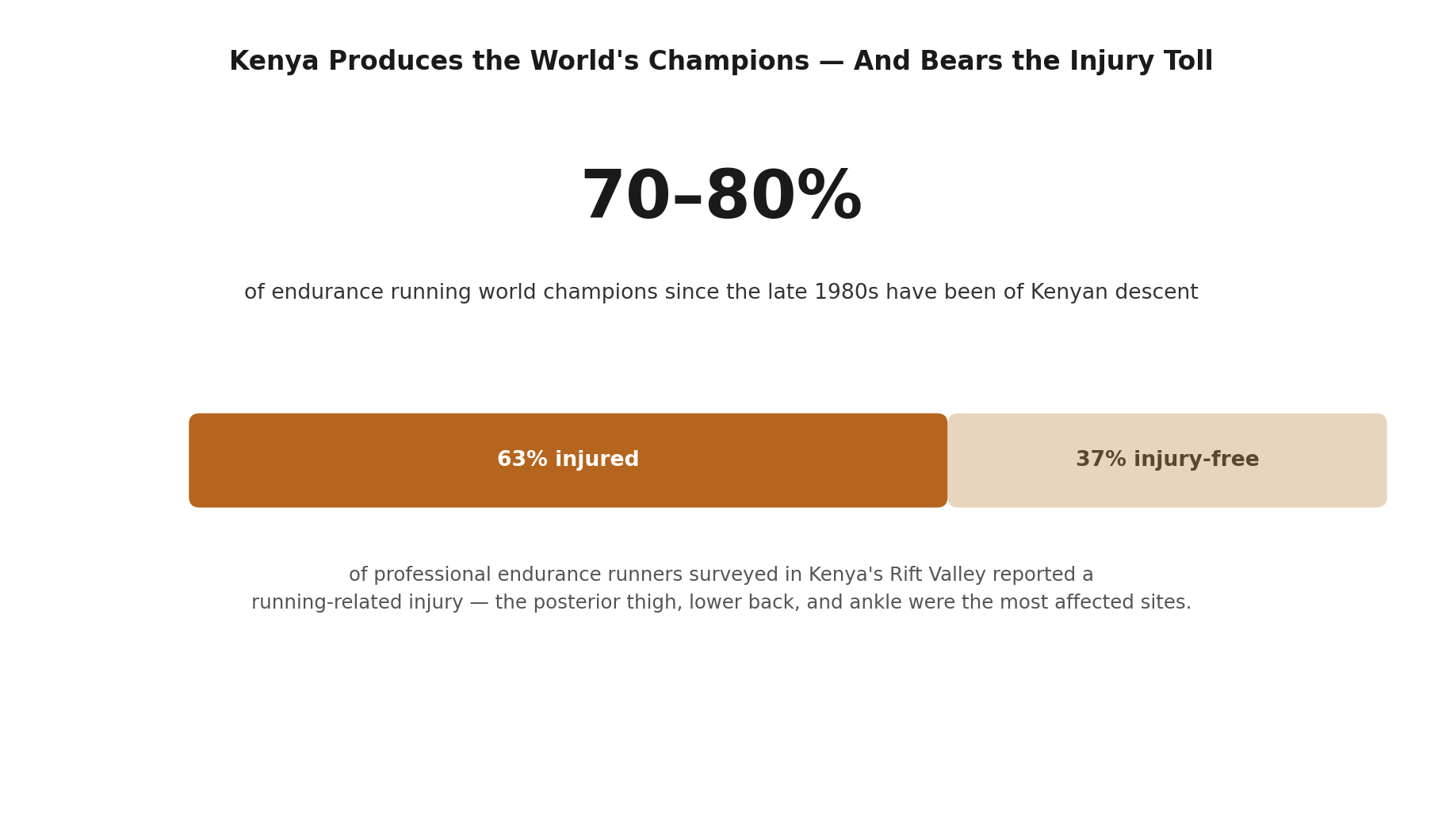
This is the pattern every Kenyan athlete, whether professional, semi-professional, or simply an active recreational participant, should understand clearly, because it reframes sports injury as a genuinely common, expected part of serious athletic participation rather than a rare misfortune. The Rift Valley study's 63% injury prevalence among professional endurance runners, with a notably higher rate among male runners specifically at 69%, describes a population where injury isn't the exception but a routine occupational hazard of elite training loads.
This matters practically because it means access to genuinely proper diagnosis and treatment for these injuries, not just rest and hope, deserves to be treated as a standard part of serious athletic participation in Kenya, not an afterthought. Football, Kenya's most widely played sport, carries its own well-documented pattern of knee and ankle injuries from cutting, pivoting, and contact, patterns consistent with what's been documented across footballing populations more broadly. Whether the athlete is a professional runner from the Rift Valley or a weekend football player in Nairobi, the same underlying principle applies: an accurately diagnosed, properly treated joint injury has a genuinely good chance of full recovery, while a poorly managed one risks long-term joint damage and early arthritis.
Why India has become a genuine hub for joint arthroscopy and sports medicine
India has developed extensive, dedicated sports medicine and arthroscopy capacity, with orthopaedic surgeons who specifically subspecialise in athletic injury, performing ACL reconstruction, meniscus repair, and shoulder stabilisation at a volume that builds genuine, sport-specific surgical judgement. This matters because outcomes for these procedures depend heavily on precise technique and graft placement, factors that improve meaningfully with focused, repeated experience in athletic populations specifically.
India's leading sports medicine centres combine this expertise with JCI and NABH accredited safety standards and structured, physiotherapy-led rehabilitation programmes designed around genuine return-to-sport goals, not just wound healing. In 24 years of guiding patients through this decision, the clearest advice I offer is direct: given how common sports injury genuinely is among Kenyan athletes, at every level, treating a joint injury as something that deserves proper diagnosis and surgical evaluation, rather than something to simply push through, is what actually protects a long athletic career or an active lifestyle.
This advice applies just as much to recreational and semi-professional players as to elite athletes. A knee that "gives way" occasionally, or a shoulder that dislocates and seems to pop back into place on its own, are commonly, and mistakenly, treated as manageable inconveniences rather than the structural injuries they actually represent. Left unaddressed, these patterns tend to worsen over time and increase the risk of long-term joint damage, making a proper evaluation worthwhile even when symptoms seem to come and go rather than persist constantly.
What it costs: India versus Kenya, the UK, and the US
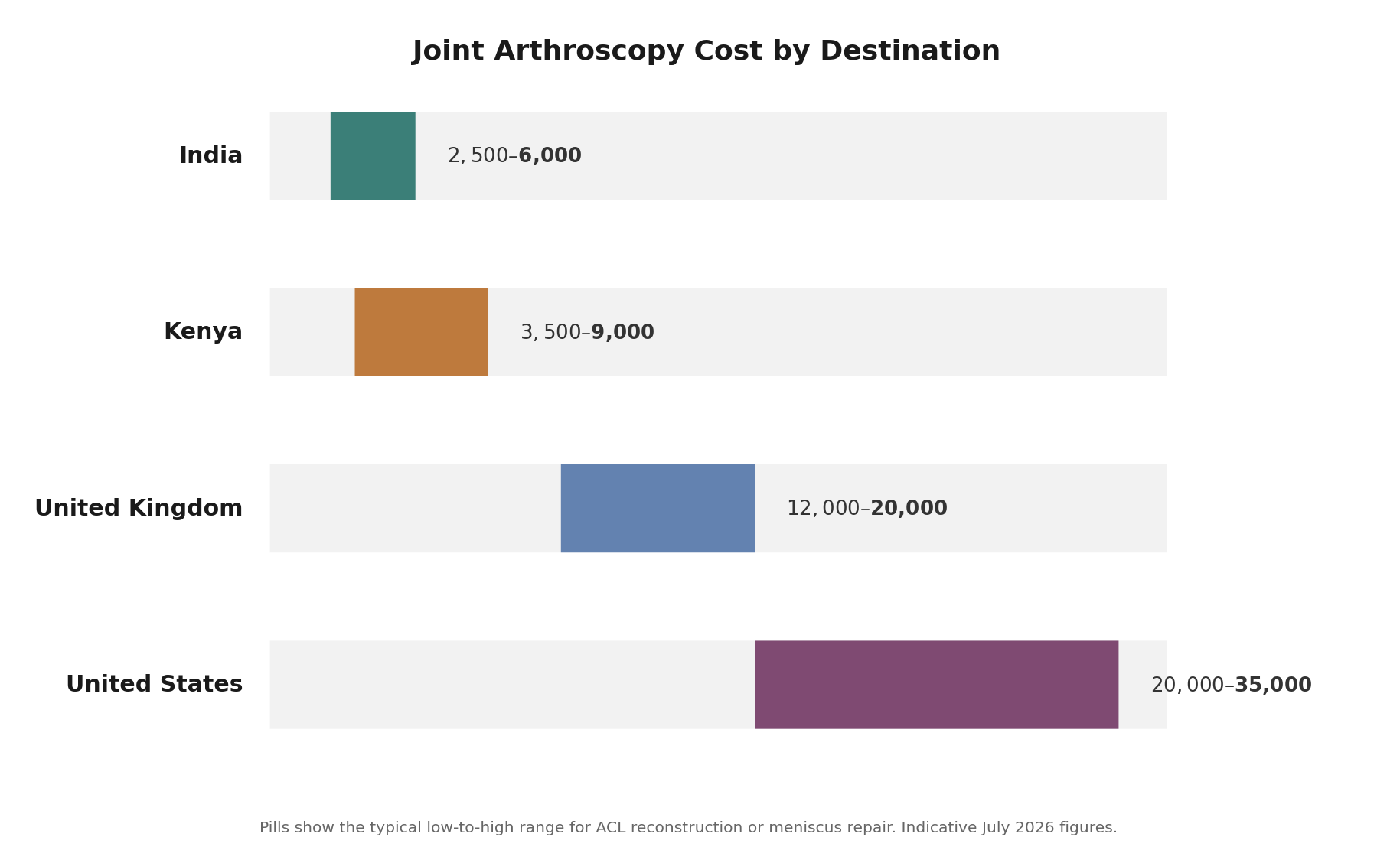
In India, joint arthroscopy, including ACL reconstruction or meniscus repair, typically costs between 2,500 and 6,000 US dollars. In Kenya, private arthroscopic surgery costs run roughly 3,500 to 9,000 dollars. In the UK, comparable surgery typically costs 12,000 to 20,000 dollars, and in the US, 20,000 to 35,000 dollars.
Beyond the procedure itself, budget for your stay. Direct flights between Nairobi and Delhi or Mumbai run roughly 550 to 850 dollars return, and joint arthroscopy typically requires one to two weeks in India for the procedure and initial recovery, though the fuller rehabilitation process continues for months afterward.
What a Kenyan patient should actually check before booking
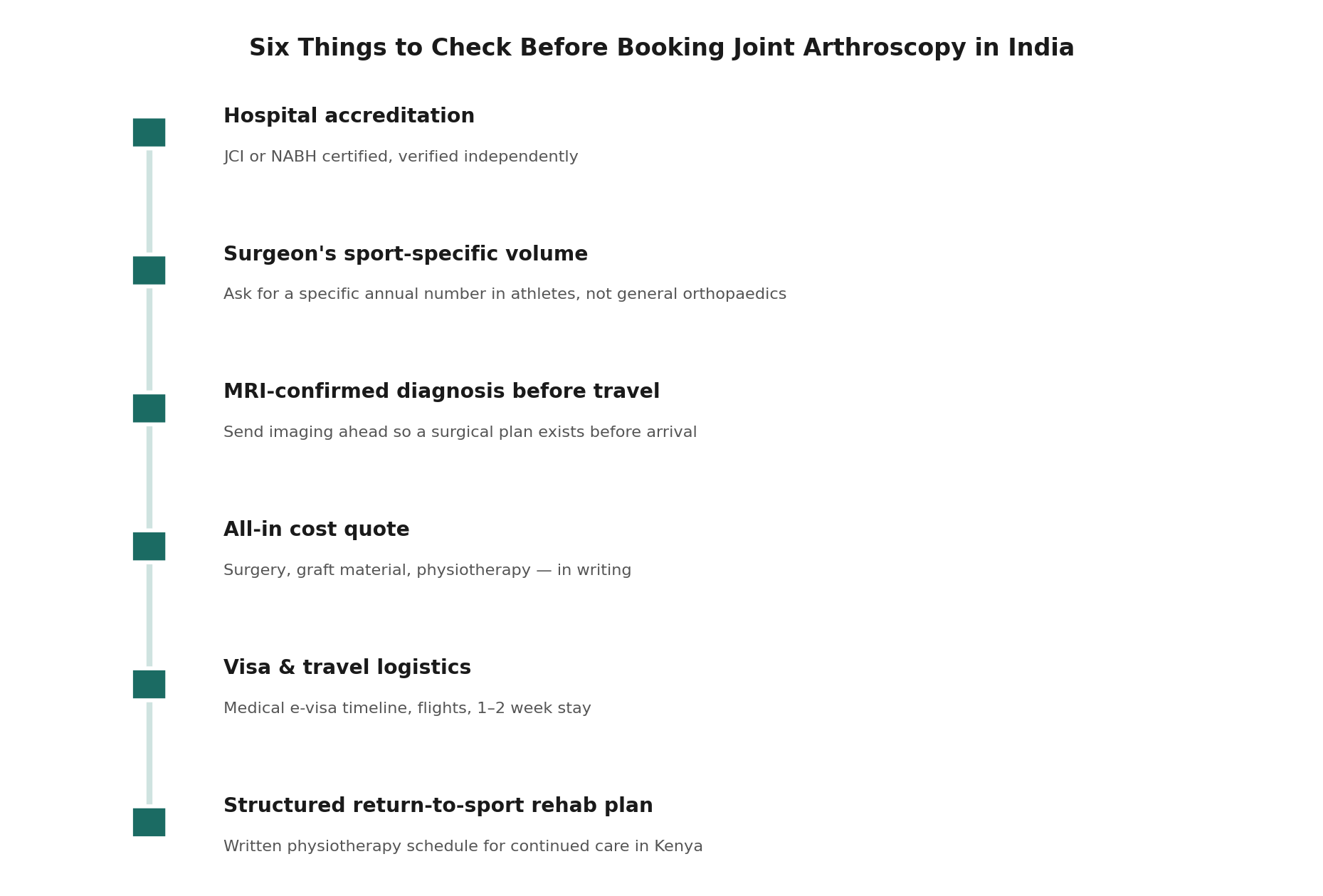
Given how much technique and structured rehabilitation matter here, work through these questions directly.
Confirm genuine accreditation. Ask whether the hospital holds JCI or NABH certification, and verify it independently.
Ask about the surgeon's sport-specific volume. A specific number, how many athletic injury cases matching your exact condition the surgeon personally treats each year, tells you more than general orthopaedic reputation.
Send MRI imaging ahead of travel. Sharing imaging in advance allows a genuine surgical plan to be developed before you arrive, not assessed for the first time on arrival.
Get the full cost breakdown in writing. Confirm what's included, surgery, graft material, and physiotherapy sessions.
Plan your visa and travel logistics. The Indian medical e-visa is typically issued within three to five working days once you have a formal hospital invitation letter.
Arrange a structured return-to-sport rehabilitation plan before you leave. Agree on a written physiotherapy schedule and identify continued care in Kenya to support your full recovery.
Straight Answers for Kenyan Patients about Joint Arthroscopy and Sports Medicine in India
How common are injuries among Kenya's professional endurance runners?
A study of professional endurance runners in Kenya's Rift Valley found 63% had experienced a running-related injury, with the posterior thigh, lower back, and ankle among the most commonly affected sites.
How much does joint arthroscopy cost in India compared to the US?
India typically costs 2,500 to 6,000 US dollars, against 20,000 to 35,000 dollars in the US.
Why are ACL and meniscus injuries often evaluated together?
More than 60% of patients diagnosed with an ACL tear also have an accompanying meniscus tear, meaning a thorough evaluation of the full knee, not just the most obvious injury, matters considerably.
How long does recovery take after ACL reconstruction?
While the surgery itself is typically an outpatient procedure, a full return to competitive sport typically takes six to twelve months, built around progressive, structured physiotherapy.
What does arthroscopy actually involve?
A thin camera and small surgical instruments inserted through tiny incisions diagnose and repair joint problems without the larger incisions traditional open surgery requires.
How do I get a medical visa to India from Kenya?
The Indian medical e-visa is typically issued within three to five working days once you have a formal invitation letter from the treating hospital.
A Closing Word
Kenya's global athletic dominance sits alongside a genuine, significant burden of sports injury among the athletes producing it, and the same pattern extends to footballers and active adults across the country more broadly. India's combination of dedicated sports medicine expertise, accredited safety standards, and structured rehabilitation, at a fraction of Western cost, makes it, for many Kenyan athletes and active patients facing a joint injury, worth investigating directly, treating the injury with the genuine surgical attention it deserves rather than simply hoping it resolves on its own.
Sources
- 🌐 A prevalence of running-related injuries among professional endurance runners in the Rift Valley, Kenya
- 🌐 Knee Arthroscopy (Arthroscopic Knee Surgery). Hospital for Special Surgery
- 🌐 Injuries in male and female semi-professional football (soccer) players in Nigeria: prospective study of a National Tournament. PMC
- 🌐 National Medical Commission of India — specialist registration verification
- 🌐 National Accreditation Board for Hospitals & Healthcare Providers (NABH) — accredited hospital directory
Frequently Asked Questions by Kenyans about Joint Arthroscopy and Sports Medicine in India
How common are sports injuries among Kenyan endurance runners?
A Rift Valley study cited in the guide found that 63% of professional endurance runners had experienced a running-related injury.
What does joint arthroscopy involve?
Arthroscopy uses a small camera and surgical instruments inserted through tiny incisions to diagnose and repair joint problems.
Which injuries can arthroscopy treat?
The guide highlights ACL tears, meniscus injuries, recurrent shoulder dislocations, rotator cuff injuries and selected ankle ligament or cartilage problems.
Why should ACL injuries be assessed for meniscus damage?
More than 60% of patients with an ACL tear also have an accompanying meniscus tear, so evaluating the entire knee is important.
How long does ACL reconstruction recovery take?
Although the surgery is typically performed as an outpatient procedure, return to competitive sport generally takes six to twelve months with structured physiotherapy.
How much does joint arthroscopy cost in India?
The guide estimates approximately US$2,500–6,000 for procedures such as ACL reconstruction or meniscus repair.
How does India's cost compare with Kenya?
Private arthroscopic surgery in Kenya is estimated at approximately US$3,500–9,000, compared with US$2,500–6,000 in India.
How long should Kenyan patients stay in India?
The guide recommends approximately one to two weeks for the procedure and initial recovery, while rehabilitation continues for several months.
What should Kenyan patients send before travelling?
Patients should send their MRI imaging and relevant medical records in advance so the surgeon can develop a treatment plan before arrival.
What should patients check before choosing a sports medicine surgeon?
The guide recommends checking hospital accreditation, sport-specific surgical volume, MRI-confirmed diagnosis, complete costs and a structured return-to-sport rehabilitation plan.
Page Summary
This five-page guide focuses on joint arthroscopy and sports medicine for Kenyan athletes and active patients. Page 2 highlights the 63% injury prevalence among professional endurance runners in Kenya's Rift Valley and explains why proper diagnosis matters. Page 3 compares arthroscopy costs in India, Kenya, the UK and US, while the page 4 “Six Things to Check” graphic highlights accreditation, surgeon-specific sports injury volume, MRI assessment, complete costing, travel logistics and return-to-sport rehabilitation.
Citation Block
| Topic | Information |
|---|---|
| Topic | Joint Arthroscopy & Sports Medicine in India for Kenyan Patients |
| Treatment | Joint Arthroscopy / Sports Medicine |
| Patients | Kenyan Patients |
| First Assessment | MRI-confirmed joint injury |
| Key Specialist | Sports Medicine / Arthroscopy Surgeon |
| Main Procedures | ACL reconstruction and meniscus repair |
| Other Procedures | Shoulder and ankle arthroscopy |
| ACL Association | More than 60% also have meniscus tears |
| Recovery | Six to twelve months for competitive return after ACL reconstruction |
| Case Volume | Sport-specific annual experience |
| Hospital Check | JCI / NABH accreditation |
| Rehabilitation | Structured return-to-sport physiotherapy |
| Cost Check | Written estimate including surgery, graft material and physiotherapy |
| India Cost | US$2,500–6,000 |
| Kenya Cost | US$3,500–9,000 private |
| Medical Records | MRI and previous treatment reports |
| Travel | Nairobi–India flights |
| Stay | Approximately 1–2 weeks |
| Follow-Up | Continued rehabilitation in Kenya |
| Surgeon Question | How many cases matching my exact sports injury do you personally treat each year? |
| Diagnosis Question | Can you review my MRI before I travel and confirm the treatment plan? |
| Rehabilitation Question | What is the expected return-to-sport rehabilitation schedule? |
| Cost Question | Does the quotation include surgery, graft material and physiotherapy? |
| Follow-Up Question | How will my rehabilitation continue after I return to Kenya? |
| Warning Signs | No sport-specific experience or structured rehabilitation plan |
| Payment Warning | Incomplete quotation excluding graft or physiotherapy costs |
| Key Decision | Verify injury-specific expertise, MRI assessment and return-to-sport rehabilitation |
Our Mission Statement
Our mission is to place patients at the centre of every healthcare decision by providing trustworthy, evidence-based, and unbiased medical information. We believe that informed patients make better decisions. Backed by personalised guidance from our experienced advisory team, we help patients understand their treatment options, compare them objectively, and confidently choose the path that best suits their medical needs and personal circumstances.
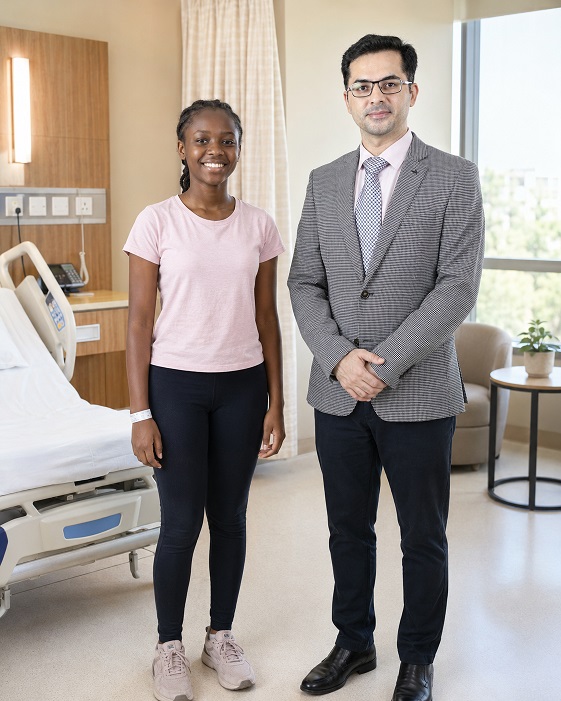
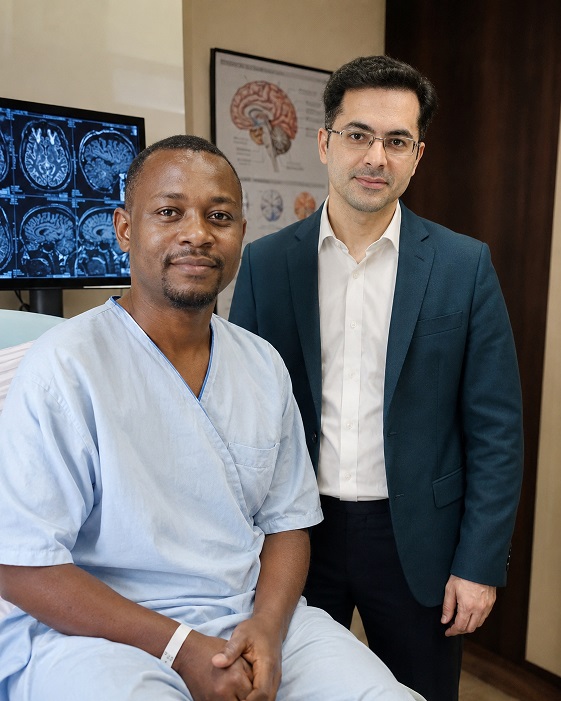
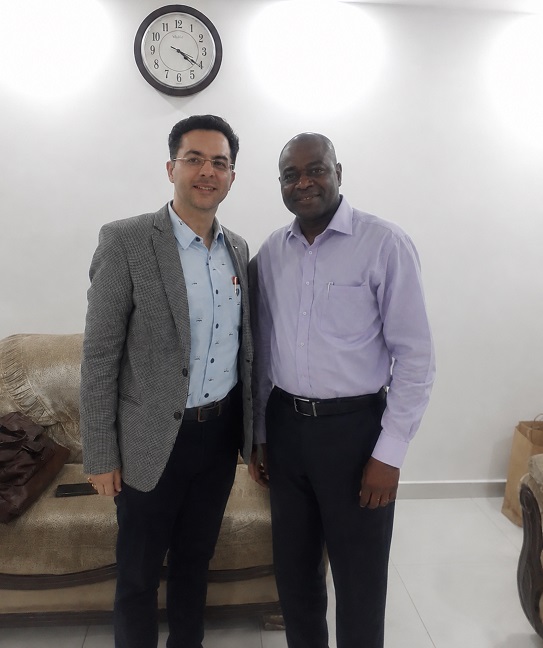
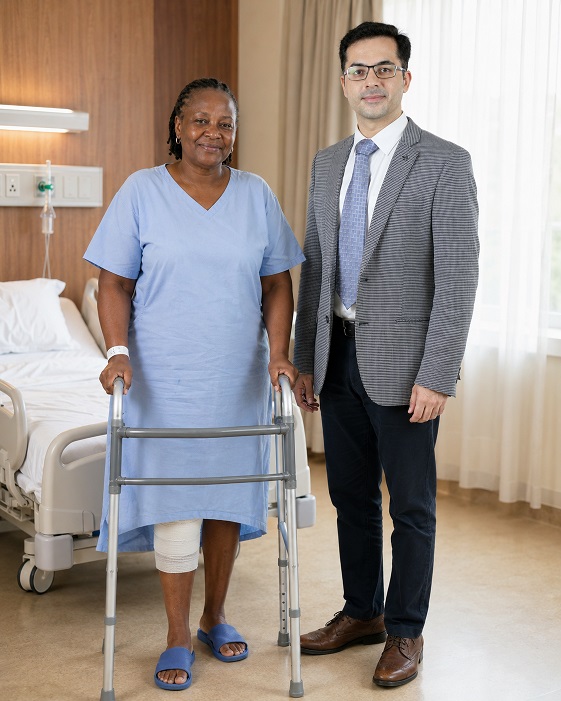
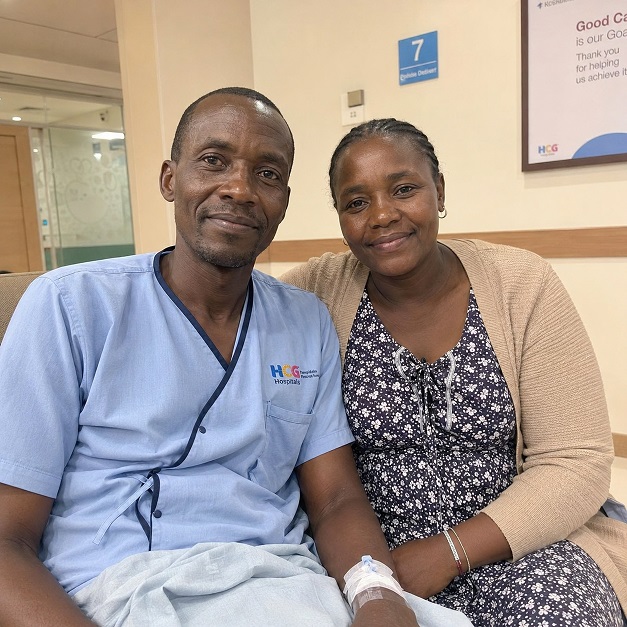
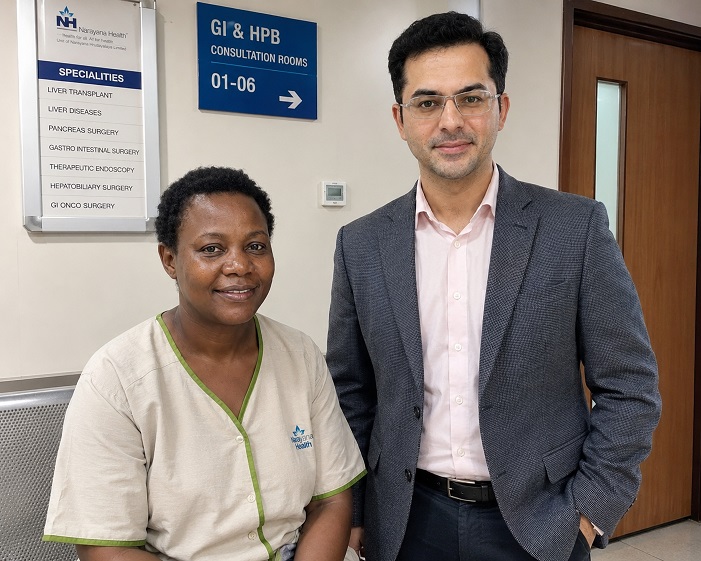
Patient Testimonials from Kenya
Ready to Take the First Step?
Share your Medical Reports with our Healthcare Managers Today and Get a FREE CONSULTATION, a Personalized Treatment Plan, and Complete Support from Arrival to Recovery.
Get Your Free ConsultationAreas We Serve
This resource has been thoughtfully prepared for patients from Kenya who are considering medical treatment in India. We also welcome patients from the wider region in the countries mentioned below-
We assist patients from:
- Ethiopia
- Somalia
- Tanzania
- Uganda
- Seychelles
- Guinea
- Guinea-Bissau
- Liberia
- Mali
- Mauritania
- Niger
- Nigeria
- Senegal
- Togo
- South Sudan
- Sierra Leone
Many of the insights, treatment pathways, hospital recommendations, travel guidance, and patient support services described here are equally relevant and may be used as a reference when planning treatment in India.
From Kenya to India: Your Complete Patient Support Guide
- Brain Tumour Surgery in India for Kenyan Patients
- Cancer Treatment and Surgery in India for Kenyan Patients
- Cardiac Treatment and Surgery in India for Kenyan Patients
- Heart Valve Replacement Surgery in India for Kenyan Patients
- Knee Replacement in India for Kenyan Patients
- Prostate Cancer Treatment and Surgery in India for Kenyan Patients
- Spine Treatment and Surgery in India for Kenyan Patients
- Selecting the Best Bariatric Surgeons and Hospitals in India: What Kenyan Patients Should Actually Look For
- Selecting the Best Cancer Surgeons and Hospitals in India: What Kenyan Patients Should Actually Look For
- Selecting the Best Cardiac Surgeons and Hospitals in India: What Kenyan Patients Should Actually Look For
- Selecting the Best Dental Surgeons and Clinics in India: What Kenyan Patients Should Actually Look For
- Selecting the Best Hip Surgeons and Hospitals in India: What Kenyan Patients Should Actually Look For
- Selecting the Best Kidney Transplant Surgeons and Hospitals in India: What Kenyan Patients Should Actually Look For
- Selecting the Best Knee Surgeons and Hospitals in India: What Kenyan Patients Should Actually Look For
- Selecting the Best Liver Transplant Surgeons and Hospitals in India: What Kenyan Patients Should Actually Look For
- Selecting the Best Neurosurgeons and Hospitals in India: What Kenyan Patients Should Actually Look For
- Selecting the Best Prostate Cancer Surgeons and Hospitals in India: What Kenyan Patients Should Actually Look For
- Selecting the Best Spine Surgeons and Hospitals in India: What Kenyan Patients Should Actually Look For