

15 Frequently Asked Questions: Joint Arthroscopy and Sports Medicine in India for Kenyan Patients
Introduction
Joint Arthroscopy and Sports Medicine cover the diagnosis, treatment and rehabilitation of sports injuries and other problems affecting the knee, shoulder, hip, ankle, elbow and other joints. Arthroscopy is a minimally invasive technique in which a small camera is introduced into a joint through a small incision. Depending on the injury, the surgeon may diagnose and treat conditions such as meniscus tears, ligament injuries, cartilage damage, shoulder instability, rotator cuff tears and selected hip or ankle problems. For Kenyan patients, India can be considered for specialist evaluation, arthroscopic surgery, ligament reconstruction, cartilage procedures and structured sports rehabilitation. India has dedicated sports-injury services providing arthroscopic and open ligament reconstruction, cartilage treatment, shoulder surgery and sports rehabilitation.
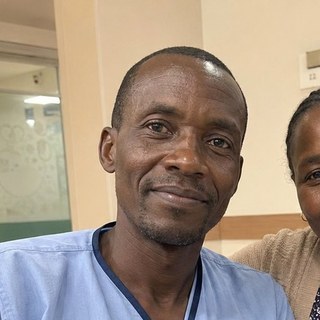
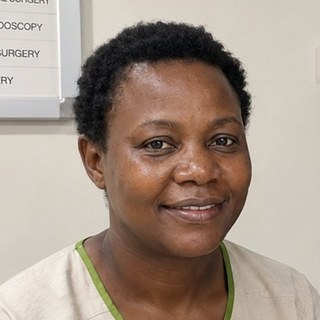
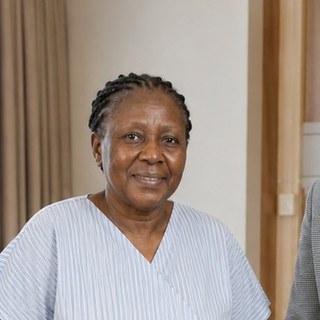
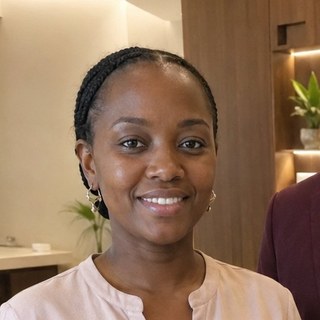
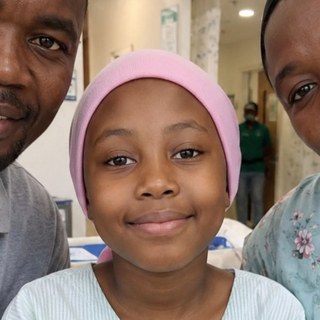
Healing Journeys of Kenyan Patients
In Brief
Joint Arthroscopy and Sports Medicine cover the diagnosis, treatment and rehabilitation of sports injuries and other problems affecting the knee, shoulder, hip, ankle, elbow and other joints. Arthroscopy is a minimally invasive technique in which a small camera is introduced into a joint through a small incision. Depending on the injury, the surgeon may diagnose and treat conditions such as meniscus tears, ligament injuries, cartilage damage, shoulder instability, rotator cuff tears and selected hip or ankle problems.
Q1 · Why do Kenyan patients consider Joint Arthroscopy and Sports Medicine in India?
Kenyan patients may consider India when a sports injury or joint problem requires specialist assessment, arthroscopic surgery or structured rehabilitation.
Common reasons include
- Access to orthopaedic and sports-medicine specialists.
- Arthroscopic treatment for knee injuries.
- ACL and PCL reconstruction.
- Meniscus repair or meniscectomy.
- Cartilage procedures.
- Shoulder arthroscopy.
- Rotator cuff repair.
- Shoulder instability and Bankart repair.
- Hip arthroscopy for selected conditions.
- Ankle arthroscopy and ligament procedures.
- Treatment of recurrent sports injuries.
- Second opinions before surgery.
- Post-operative physiotherapy and return-to-sport programmes.
Sports-injury centres in India describe treatment for injuries involving the hip, knee, ankle, shoulder, elbow and wrist, including ligament reconstruction and cartilage repair.
For Kenyan athletes involved in football, rugby, athletics, running, basketball, volleyball and other sports, treatment planning should also consider the level of physical activity and the patient's desired return-to-sport goals.
Q2 · How much does Joint Arthroscopy and Sports Medicine cost in India for Kenyan patients?
Costs vary according to the joint involved, severity of the injury, type of surgery, graft or implant, hospital category, surgeon, rehabilitation and length of stay.
For planning purposes, the following exchange rates are used:
For planning: US$1 ≈ KES 129.5 • US$1 ≈ INR 96
A Kenyan sports-injury medical-travel source currently lists approximately KES 390,000–650,000 for ACL reconstruction, KES 455,000–780,000 for rotator cuff repair and KES 325,000–585,000 for meniscus surgery.
Indian published 2026 planning ranges include approximately INR 80,000–150,000 for ACL reconstruction, INR 80,000–130,000 for meniscus repair and INR 100,000–150,000 for rotator cuff repair in some Indian markets. Costs at major international-patient hospitals can be higher depending on hospital category, implants and complexity.
| Treatment / Procedure Estimated Estimated | Kenya – Local Currency / USD | India – INR / USD | Indicative Saving |
|---|---|---|---|
| Diagnostic / Basic Knee Arthroscopy | KES 250,000– 400,000 US$1,930–3,090 | INR 60,000– 120,000 US$625–1,250 | 25–45% |
| Meniscus Repair / Meniscectomy | KES 325,000– 180,000 US$1,040– 585,000 US$2,510–4,520 | INR 100,000– 1,875 | 25–45% |
| ACL Reconstruction | KES 390,000– 300,000 US$1,565– 650,000 US$3,010–5,020 | INR 150,000– 3,125 | 25–45% |
| ACL + Meniscus Repair | KES 550,000– 350,000 US$2,085– 850,000 US$4,250–6,565 | INR 200,000– 3,645 | 20–40% |
| PCL / Multi-Ligament Reconstruction | KES 650,000– 1,000,000 US$5,020– 450,000 US$2,605– 7,720 | INR 250,000– 4,690 | 20–40% |
| Shoulder Arthroscopy / Bankart Repair | KES 450,000– 300,000 US$1,825– 700,000 US$3,475–5,405 | INR 175,000– 3,125 | 25–45% |
| Rotator Cuff Repair | KES 455,000– 350,000 US$2,085– 780,000 US$3,515–6,025 | INR 200,000– 3,645 | 20–40% |
| Hip Arthroscopy | KES 600,000– 450,000 US$2,605– 950,000 US$4,635–7,335 | INR 250,000– 4,690 | 20–40% |
| Complex Cartilage / Combined Arthroscopy | KES 650,000– 1,000,000 US$5,020– 500,000 US$3,125– 7,720 | INR 300,000– 5,210 | 20–40% |
These figures are indicative planning ranges rather than fixed hospital quotations. Indian government and hospital schedules also show substantial variation between different arthroscopic procedures and hospital categories.
The final quotation should clarify whether it includes
- Surgeon fees
- Anaesthesia
- Operating-room charges
- Arthroscopy equipment and consumables
- Graft
- Screws or anchors
- Implants
- Medicines
- Hospital stay
- Physiotherapy
- Follow-up consultations
Q3 · Which Indian cities can Kenyan patients consider?
Major Indian medical cities with orthopaedic and sports-injury services include:
City Common Sports-Medicine / Arthroscopy Areas
Knee ligament surgery, meniscus repair, shoulder arthroscopy, cartilage
| City | Considerations |
|---|---|
| Delhi / NCR | Knee ligament surgery, meniscus repair, shoulder arthroscopy, cartilage procedures and sports rehabilitation |
| Gurugram | Sports injuries, arthroscopy, ligament reconstruction and rehabilitation |
| Noida | Knee and shoulder arthroscopy, sports injury treatment and rehabilitation |
| Mumbai | Knee, shoulder, hip and ankle sports injuries |
| Chennai | Arthroscopy, ligament reconstruction and sports rehabilitation |
| Bengaluru | Sports injuries, knee and shoulder surgery and rehabilitation |
| Hyderabad | Arthroscopy, ligament surgery, cartilage treatment and rehabilitation |
| Kolkata | Knee, shoulder and sports-injury treatment |
| Pune | Arthroscopy, ACL reconstruction, meniscus and shoulder procedures |
| Ahmedabad | Sports injuries, arthroscopy and orthopaedic rehabilitation |
| Kochi | Knee and shoulder arthroscopy and sports rehabilitation |
| Thiruvananthapuram | Orthopaedic and sports-injury services |
| Goa | Orthopaedic assessment and selected sports-injury procedures |
| Nagpur | Arthroscopy, sports injuries and orthopaedic surgery |
The appropriate city should be selected according to the required procedure, specialist availability, hospital facilities and rehabilitation needs.
Q4 · Which hospitals in India can Kenyan patients consider?
Important: This is a broad medical-planning list. Not every hospital listed necessarily provides every arthroscopic or sports-medicine procedure. The exact specialist and procedure should be confirmed before travel.
Delhi Hospitals
- Fortis Escorts Heart Institute, New Delhi
- BLK-Max Super Speciality Hospital, New Delhi
- Max Super Speciality Hospital, Saket
- Indraprastha Apollo Hospitals, New Delhi
- Sir Ganga Ram Hospital
- Max Super Speciality Hospital, Patparganj
- Manipal Hospital, Dwarka
- Fortis Hospital, Vasant Kunj
- Institute of Brain and Spine Hospital (IBS Hospital)
- Dharamshila Narayana Hospital
- Indian Spinal Injuries Centre
- AIIMS New Delhi
Chennai Hospitals
- MGM Healthcare
- MIOT International
- Apollo Hospitals, Greams Road
- Sri Ramachandra Medical Centre
- SIMS Hospital
- Kauvery Hospital
- Gleneagles HealthCity Chennai
- Vijaya Hospital
- Apollo Speciality Hospitals
- Rela Hospital
Mumbai Hospitals
- Bombay Hospital & Medical Research Centre
- Lilavati Hospital & Research Centre
- Jaslok Hospital & Research Centre
- Gleneagles Hospital, Mumbai
- Nanavati Max Super Speciality Hospital
- Kokilaben Dhirubhai Ambani Hospital
- P. D. Hinduja Hospital & Medical Research Centre
- Sir H. N. Reliance Foundation Hospital
- Wockhardt Hospitals, Mumbai
- Apollo Hospitals, Mumbai
Bengaluru Hospitals
- Manipal Hospital, Old Airport Road
- Manipal Hospital, Whitefield
- Manipal Hospital, Yeshwanthpur
- Apollo Hospitals, Bengaluru
- Fortis Hospital, Bannerghatta Road
- Aster CMI Hospital
- Sakra World Hospital
- Narayana Health City
- Sagar Hospitals
- Kauvery Hospital, Bengaluru
Hyderabad Hospitals
- KIMS Hospitals
- Yashoda Hospitals
- Apollo Health City
- CARE Hospitals
- Continental Hospitals
- Gleneagles Hospitals, Hyderabad
- Sunshine Hospitals
- Star Hospitals
Gurugram Hospitals
- Fortis Memorial Research Institute (FMRI)
- Medanta – The Medicity
- Artemis Hospital
- Max Hospital, Gurugram
- CK Birla Hospital, Gurugram
- Manipal Hospital, Gurugram
- Paras Health
- Narayana Superspeciality Hospital
Noida Hospitals
- Fortis Hospital, Noida
- Jaypee Hospital
- Max Super Speciality Hospital, Noida
- Yatharth Hospital
- Kailash Hospital
- Metro Hospital & Heart Institute
- Metro Center for Neurosciences
Kolkata Hospitals
- Apollo Multispeciality Hospitals
- AMRI Hospitals
- Fortis Hospital, Anandapur
- Manipal Hospitals, Salt Lake
- Medica Superspecialty Hospital
- Narayana Superspeciality Hospital
- Ruby General Hospital
Pune Hospitals
- Ruby Hall Clinic
- Jehangir Hospital
- Deenanath Mangeshkar Hospital
- Sahyadri Super Speciality Hospital
- Aditya Birla Memorial Hospital
- Manipal Hospital, Kharadi
- Medicover Hospital, Pune
Ahmedabad Hospitals
- Apollo Hospitals, Ahmedabad
- Zydus Hospitals
- Sterling Hospitals
- Shalby Hospitals
- HCG Hospitals
- SAL Hospital
- CIMS Hospital
Kochi Hospitals
- Aster Medcity
- Amrita Hospital
- VPS Lakeshore Hospital
- Rajagiri Hospital
- Aster MIMS
- Lisie Hospital
- Renai Medicity
Thiruvananthapuram Hospitals
- KIMSHEALTH Hospital
- Ananthapuri Hospitals and Research Institute
- SUT Hospital
- SP Medifort Hospital
- PRS Hospital
- GG Hospital
Goa Hospitals
- Manipal Hospital, Goa
- Healthway Hospital
- Manipal Hospitals, Dona Paula
- Goa Medical College and Hospital
- Apollo Victor Hospital
Nagpur Hospitals
- Wockhardt Hospitals, Nagpur
- Max Multispeciality Hospital
- CARE Hospitals, Nagpur
- Kingsway Hospitals
- Lata Mangeshkar Hospital
Q5 · What types of Joint Arthroscopy and Sports Medicine treatments are available?
Treatment depends on the joint and the specific injury.
Knee
- Diagnostic knee arthroscopy
- Meniscus repair
- Partial meniscectomy
- ACL reconstruction
- PCL reconstruction
- Multi-ligament reconstruction
- Cartilage repair
- Patellar instability surgery
- Loose-body removal
- Synovectomy
Shoulder
- Rotator cuff repair
- Bankart repair
- Labral repair
- Shoulder instability surgery
- Biceps procedures
- Subacromial decompression
- AC-joint procedures
Hip
- Hip arthroscopy
- Labral repair
- Femoroacetabular impingement treatment
- Loose-body removal
- Selected cartilage procedures
Ankle
- Ankle arthroscopy
- Ligament stabilisation
- Cartilage procedures
- Impingement treatment
- Loose-body removal
Other Areas
Arthroscopy can also be used for selected elbow and wrist conditions.
Indian sports-injury centres specifically describe arthroscopic treatment across knee, ankle, shoulder and other joints, including ligament reconstruction, cartilage procedures and instability surgery.
Q6 · What are the benefits of arthroscopic surgery?
Arthroscopy uses small incisions rather than the larger incision required for many traditional open procedures.
Potential advantages may include
- Smaller surgical incisions.
- Less disruption of surrounding soft tissue.
- Reduced scarring.
- Earlier mobilisation in selected procedures.
- Shorter hospitalisation for many procedures.
- Ability to directly inspect structures inside the joint.
- Ability to diagnose and treat certain conditions during the same procedure.
However, arthroscopy is still surgery. Recovery depends on what was actually repaired or reconstructed. For example, recovery after a simple meniscectomy can be considerably different from recovery after ACL reconstruction or rotator cuff repair.
Q7 · Who may be suitable for Joint Arthroscopy or Sports Medicine treatment?
Patients may be considered when they have
- Persistent joint pain after sports injury.
- Meniscus tear.
- ACL or PCL injury.
- Recurrent knee instability.
- Shoulder dislocation or instability.
- Rotator cuff tear.
- Labral injury.
- Cartilage damage.
- Hip impingement.
- Ankle instability.
- Loose bodies within a joint.
- Sports-related joint problems that have not improved with conservative treatment.
Not every injury requires surgery.
Depending on the condition, treatment may instead involve
- Rest and activity modification.
- Physiotherapy.
- Strengthening.
- Bracing.
- Medication.
- Injection-based treatment in selected cases.
- Sports-specific rehabilitation.
The specialist should determine whether surgery is necessary.
Q8 · What medical documents should Kenyan patients send before travelling?
Patients should send as much relevant medical information as possible.
Useful documents include
- Orthopaedic consultation reports.
- MRI scans.
- X-rays.
- CT scans where applicable.
- Previous operation reports.
- Physiotherapy records.
- Previous injection details.
- Medication list.
- Previous sports injury history.
- Details of previous ligament or meniscus surgery.
- Current symptoms and duration.
- Information about sporting activity and training level.
For athletes, it is useful to explain the desired level of return to sport — recreational, competitive or professional.
The treating specialist can then assess whether surgery, rehabilitation or another treatment approach is appropriate.
Q9 · How does Joint Arthroscopy work?
A typical treatment pathway includes several stages.
Step 1 — Evaluation
The specialist reviews symptoms, physical examination findings and imaging.
Step 2 — Diagnosis
The exact injury is identified, such as ACL tear, meniscus tear, rotator cuff injury or cartilage damage.
Step 3 — Treatment Planning
The doctor decides whether conservative treatment or surgery is appropriate.
Step 4 — Pre-operative Assessment
If surgery is required, blood tests, anaesthesia assessment and other investigations may be performed.
Step 5 — Arthroscopic Procedure
The surgeon makes small incisions and introduces an arthroscope into the joint. Specialised instruments may then be used to repair, reconstruct, remove or treat damaged structures.
Step 6 — Early Rehabilitation
Pain control, movement exercises and physiotherapy begin according to the procedure.
Step 7 — Sports Rehabilitation
Strength, balance, flexibility, coordination and sport-specific movements are gradually introduced.
Q10 · What is Sports Medicine and how is it different from surgery?
Sports Medicine is broader than surgery.
It includes the prevention, diagnosis, treatment and rehabilitation of sports and exercise-related injuries.
Sports-medicine care may include
- Injury prevention.
- Physiotherapy.
- Strength and conditioning.
- Movement assessment.
- Bracing.
- Rehabilitation.
- Return-to-play planning.
- Treatment of overuse injuries.
- Management of acute injuries.
- Arthroscopic surgery when necessary.
A patient with a mild sports injury may only need rehabilitation, while an athlete with a complete ACL rupture and recurrent instability may require reconstruction followed by extensive rehabilitation.
The goal is not simply to perform surgery, but to restore safe function and help the patient return to desired activities when medically appropriate.
Q11 · What should Kenyan patients ask before accepting a quotation?
Before travelling, patients should ask
- What is the exact diagnosis?
- Is surgery definitely required?
- Could physiotherapy or another non-surgical treatment work?
- What exact arthroscopic procedure is being recommended?
- Will a graft be required?
- Which graft is being proposed for ACL reconstruction?
- Are implants, screws or anchors included?
- How long is the expected hospital stay?
- Is anaesthesia included?
- Are MRI and other investigations included?
- How many physiotherapy sessions are included?
- What is the expected rehabilitation period?
- When can normal walking resume?
- When can running begin?
- When can sports training resume?
- What complications or additional costs should be considered?
- What follow-up will be needed after returning to Kenya?
A written quotation is preferable to relying only on a verbal estimate.
Q12 · How long should Kenyan patients stay in India?
The required stay varies considerably.
Approximate planning periods may include
- Diagnostic arthroscopy: same day to 1 night.
- Meniscus surgery: approximately 1–3 nights.
- ACL reconstruction: approximately 1–3 nights.
- Combined ACL + meniscus surgery: approximately 1–3 nights.
- Shoulder arthroscopy: approximately 1–3 nights.
- Rotator cuff repair: approximately 1–3 nights.
- Hip arthroscopy: approximately 1–3 nights.
- Complex multi-ligament surgery: potentially longer.
The exact stay depends on the procedure, pain control, mobility, medical condition and hospital protocol.
Patients should also allow time for
- Initial consultation.
- MRI or other investigations.
- Pre-operative evaluation.
- Surgery.
- Early physiotherapy.
- Wound review.
- Discharge planning.
Some Indian sports-medicine pricing references describe many arthroscopic procedures as day-care or short-stay procedures, while more complex ligament reconstruction can require an overnight or longer stay.
Q13 · What is recovery and rehabilitation like?
Rehabilitation is one of the most important parts of sports-injury treatment.
Early Phase
The initial focus may be:
- Pain control.
- Swelling reduction.
- Wound care.
- Joint movement.
- Muscle activation.
- Safe walking.
Intermediate Phase
Treatment may progress to:
- Strengthening.
- Balance training.
- Flexibility.
- Controlled resistance exercises.
- Improved joint stability.
Advanced Phase
Athletes may eventually progress to:
- Running.
- Agility exercises.
- Jumping.
- Sport-specific drills.
- Strength testing.
- Functional assessment.
Return-to-Sport Phase
Return to sport should not be based only on the number of weeks since surgery. The patient may need to demonstrate adequate strength, stability, movement control and sport-specific readiness.
ACL reconstruction in particular can require a prolonged rehabilitation programme, and returning too early may increase the risk of reinjury.
Q14 · How can follow-up and rehabilitation be continued in Kenya?
Before returning home, Kenyan patients should obtain
- Operation report.
- Discharge summary.
- MRI/X-ray copies.
- Implant or graft details.
- Medication instructions.
- Physiotherapy protocol.
- Weight-bearing instructions.
- Brace instructions.
- Follow-up schedule.
- Return-to-sport recommendations.
The Indian treating team can provide a rehabilitation protocol that can then be continued with a qualified physiotherapist in Kenya.
For athletes, follow-up may involve both an orthopaedic specialist and sports physiotherapist.
Patients should not resume competitive sports simply because pain has disappeared. Functional recovery and medical clearance should guide the return.
Q15 · Should a Kenyan patient travel to India for Joint Arthroscopy and Sports Medicine?
India can be considered by Kenyan patients who require specialist evaluation, arthroscopic surgery or structured sports rehabilitation.
The decision should take into account
- Exact diagnosis.
- Severity of the injury.
- Whether surgery is necessary.
- Experience of the treating specialist with the particular procedure.
- Hospital facilities.
- Graft and implant options.
- Rehabilitation programme.
- Total treatment cost.
- Expected time in India.
- Follow-up arrangements in Kenya.
For athletes, the quality and continuity of rehabilitation are particularly important because surgery alone does not complete the treatment process.
The most useful approach is to obtain a specialist review of the MRI and clinical history before travelling and to confirm the proposed procedure, total cost and rehabilitation plan in writing.
Kenyan Patient Pre-Travel Checklist
Medical Preparation
- Orthopaedic/sports-medicine consultation report
- MRI/X-ray/CT scans collected
- Previous operation reports collected
- Current medication list prepared
- Previous physiotherapy records collected
- Exact diagnosis confirmed
- Surgical and non-surgical options discussed
Surgery Preparation
- Exact procedure confirmed
- Graft type confirmed if ACL reconstruction is planned
- Implant/anchor/screw costs clarified
- Surgeon and anaesthesia fees clarified
- Hospital stay clarified
- Additional procedure charges explained
- Rehabilitation plan discussed
Travel Preparation
- Medical visa arranged if applicable
- Passport and accompanying-person documents ready
- Accommodation arranged
- Airport transfer planned
- Sufficient time reserved for consultation and follow-up
- Travel insurance checked where applicable
Before Returning to Kenya
- Operation report collected
- Discharge summary collected
- Imaging copies collected
- Implant/graft information collected
- Physiotherapy protocol received
- Brace/crutch instructions understood
- Follow-up schedule confirmed
- Kenyan physiotherapist or orthopaedic follow-up arranged
Final Note
Joint Arthroscopy and Sports Medicine treatment should be planned according to the patient's specific injury, activity level, treatment goals and long-term rehabilitation needs. For Kenyan patients travelling to India, early review of MRI scans and medical records can help determine whether surgery is necessary and which procedure may be appropriate. Patients should also plan for rehabilitation, because successful sports-injury treatment involves much more than the operation itself. A clear diagnosis, an appropriate procedure and a structured rehabilitation programme are the key elements of a well-planned sports-medicine journey.
Page Summary
This page answers 15 frequently asked questions about joint arthroscopy and sports medicine in India for Kenyan patients. It covers why patients travel for treatment, an indicative Kenya-versus-India cost comparison, the Indian cities and hospitals to consider, the treatment and surgical options available, how to obtain a quotation remotely, second opinions, advanced options, recovery, unexpected costs, combining treatments, medical visa and travel planning, length of stay, follow-up after returning to Kenya, and a complete pre-travel checklist.

Our Mission Statement
Our mission is to place patients at the centre of every healthcare decision by providing trustworthy, evidence-based, and unbiased medical information. We believe that informed patients make better decisions. Backed by personalised guidance from our experienced advisory team, we help patients understand their treatment options, compare them objectively, and confidently choose the path that best suits their medical needs and personal circumstances.
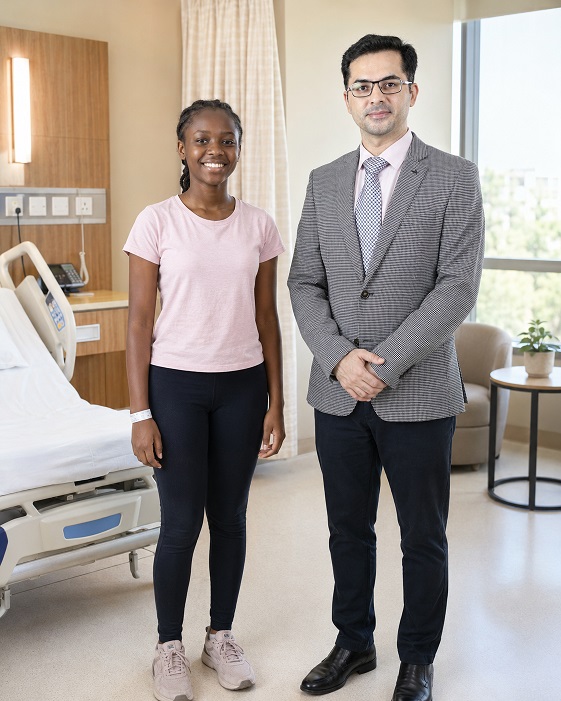
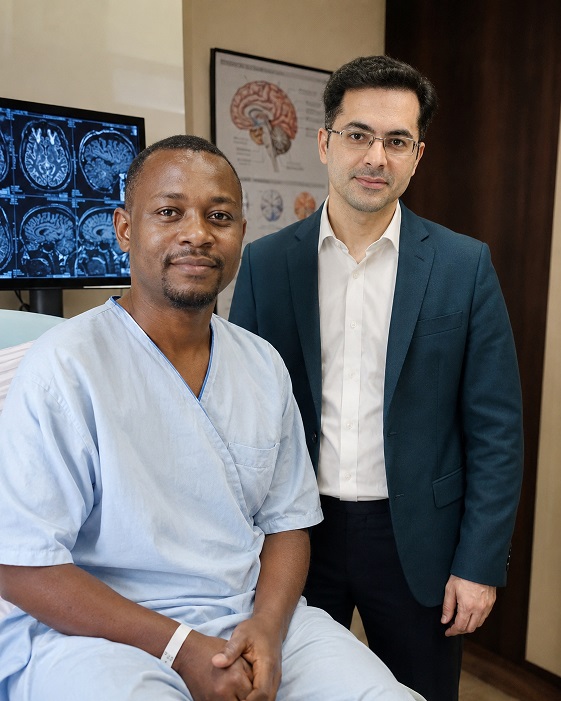
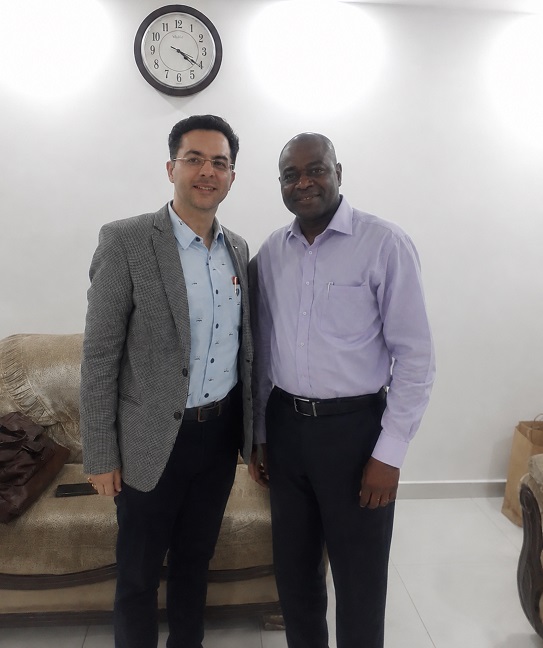
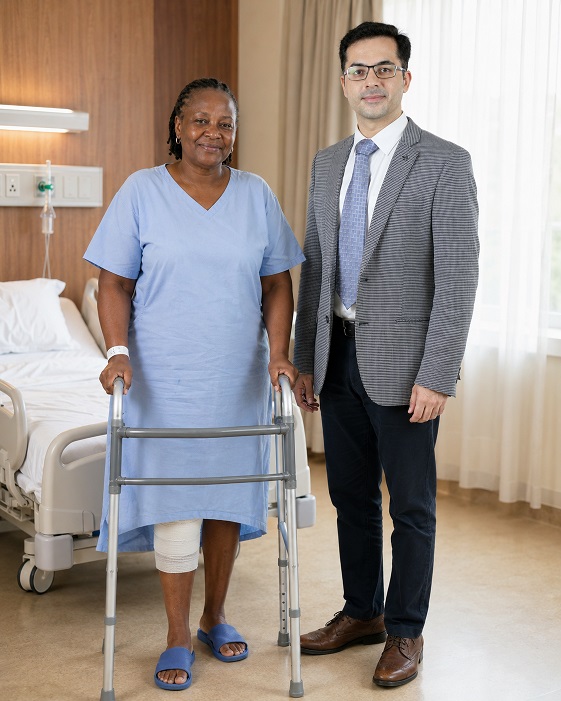
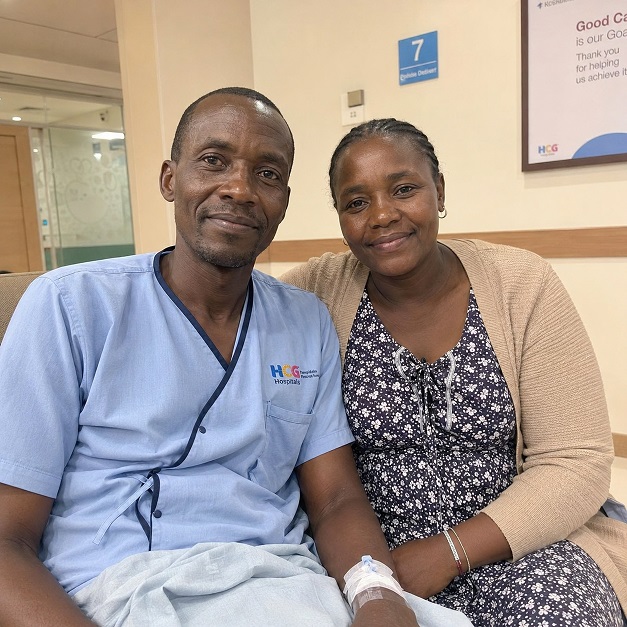
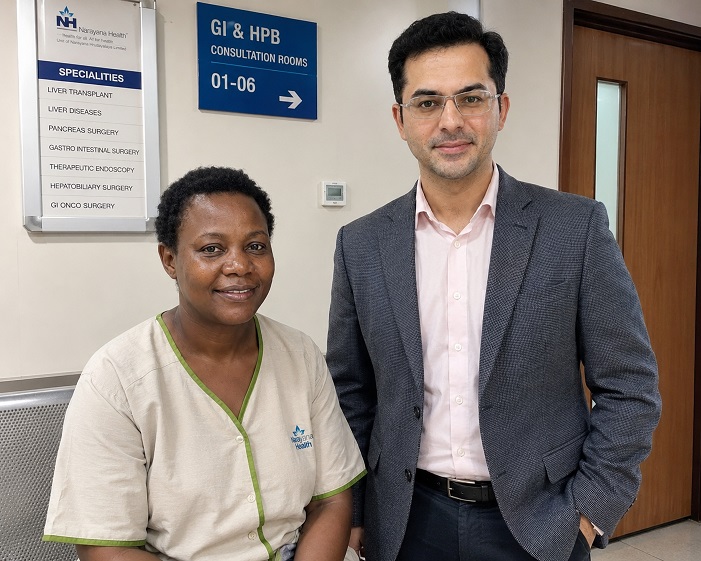
Patient Testimonials from Kenya
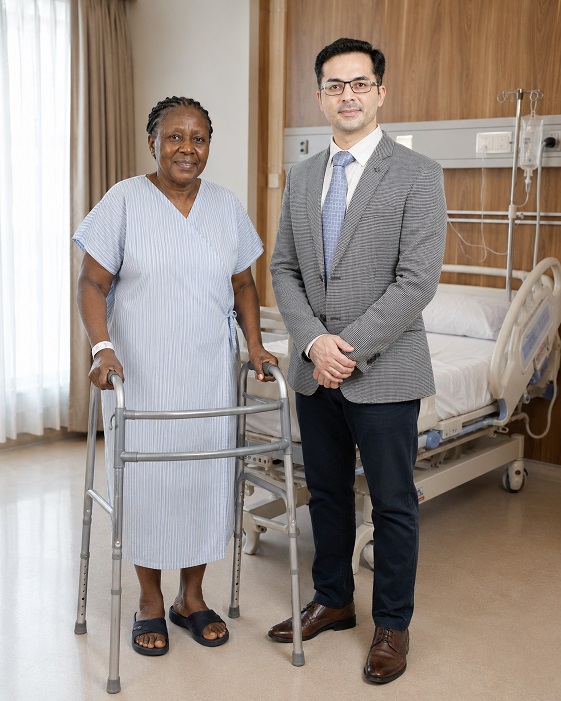
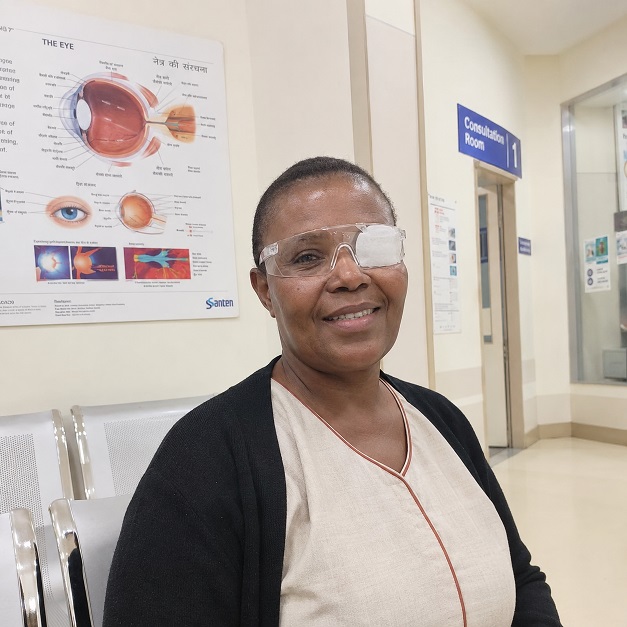
Ready to Take the First Step?
Share your Medical Reports with our Healthcare Managers Today and Get a FREE CONSULTATION, a Personalized Treatment Plan, and Complete Support from Arrival to Recovery.
Get Your Free ConsultationAreas We Serve
This resource has been thoughtfully prepared for patients from Kenya who are considering medical treatment in India. We also welcome patients from the wider region in the countries mentioned below-
We assist patients from:
- Ethiopia
- Somalia
- Tanzania
- Uganda
- Seychelles
- Guinea
- Guinea-Bissau
- Liberia
- Mali
- Mauritania
- Niger
- Nigeria
- Senegal
- Togo
- South Sudan
- Sierra Leone
Many of the insights, treatment pathways, hospital recommendations, travel guidance, and patient support services described here are equally relevant and may be used as a reference when planning treatment in India.
From Kenya to India: Your Complete Patient Support Guide
- Brain Tumour Surgery in India for Kenyan Patients
- Cancer Treatment and Surgery in India for Kenyan Patients
- Cardiac Treatment and Surgery in India for Kenyan Patients
- Heart Valve Replacement Surgery in India for Kenyan Patients
- Knee Replacement in India for Kenyan Patients
- Prostate Cancer Treatment and Surgery in India for Kenyan Patients
- Spine Treatment and Surgery in India for Kenyan Patients
- Selecting the Best Bariatric Surgeons and Hospitals in India: What Kenyan Patients Should Actually Look For
- Selecting the Best Cancer Surgeons and Hospitals in India: What Kenyan Patients Should Actually Look For
- Selecting the Best Cardiac Surgeons and Hospitals in India: What Kenyan Patients Should Actually Look For
- Selecting the Best Dental Surgeons and Clinics in India: What Kenyan Patients Should Actually Look For
- Selecting the Best Hip Surgeons and Hospitals in India: What Kenyan Patients Should Actually Look For
- Selecting the Best Kidney Transplant Surgeons and Hospitals in India: What Kenyan Patients Should Actually Look For
- Selecting the Best Knee Surgeons and Hospitals in India: What Kenyan Patients Should Actually Look For
- Selecting the Best Liver Transplant Surgeons and Hospitals in India: What Kenyan Patients Should Actually Look For
- Selecting the Best Neurosurgeons and Hospitals in India: What Kenyan Patients Should Actually Look For
- Selecting the Best Prostate Cancer Surgeons and Hospitals in India: What Kenyan Patients Should Actually Look For
- Selecting the Best Spine Surgeons and Hospitals in India: What Kenyan Patients Should Actually Look For