

15 Frequently Asked Questions: IVF and Fertility Treatment in India for Kenyan Patients
Introduction
Infertility can affect both women and men and may result from problems involving ovulation, ovarian reserve, fallopian tubes, sperm quality, the uterus, endometriosis, age-related fertility decline or unexplained factors. IVF (In Vitro Fertilisation) is an assisted reproductive technology in which eggs are collected and fertilised with sperm in a laboratory. The resulting embryo may then be transferred into the uterus. For Kenyan patients, India offers a range of fertility treatments including IVF, ICSI, frozen embryo transfer, fertility preservation, donor-egg IVF, donor-sperm treatment and specialised fertility evaluation. India's Assisted Reproductive Technology (Regulation) Act, 2021 provides a regulatory framework for ART clinics and ART banks. The National ART & Surrogacy Portal maintains registration information for ART clinics and banks.
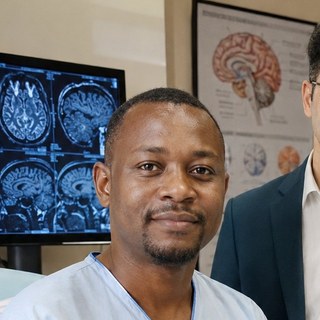
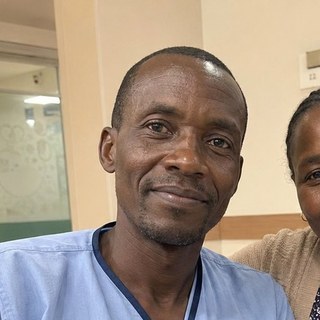
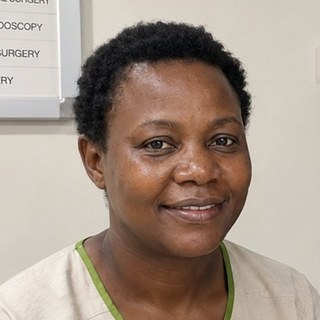
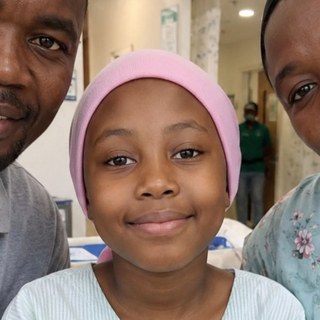
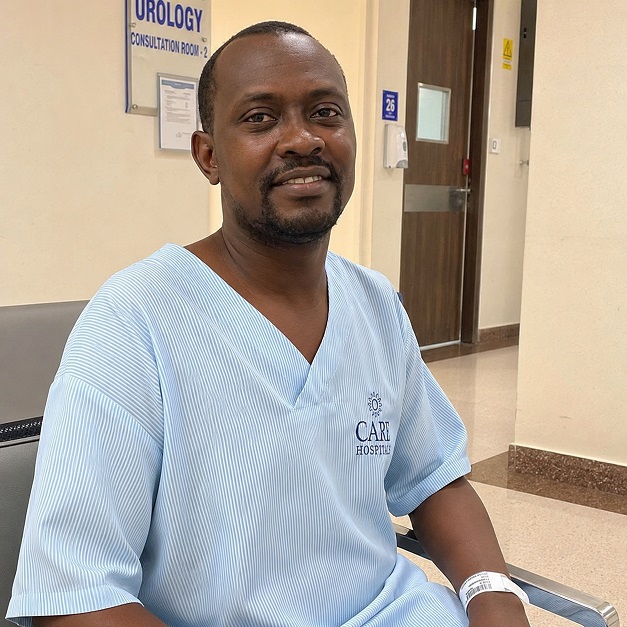
Healing Journeys of Kenyan Patients





In Brief
Infertility can affect both women and men and may result from problems involving ovulation, ovarian reserve, fallopian tubes, sperm quality, the uterus, endometriosis, age-related fertility decline or unexplained factors. IVF (In Vitro Fertilisation) is an assisted reproductive technology in which eggs are collected and fertilised with sperm in a laboratory. The resulting embryo may then be transferred into the uterus. For Kenyan patients, India offers a range of fertility treatments including IVF, ICSI, frozen embryo transfer, fertility preservation, donor-egg IVF, donor-sperm treatment and specialised fertility evaluation.
Q1 · Why do Kenyan patients consider IVF and Fertility Treatment in India?
Kenyan patients may consider India for fertility treatment because Indian fertility centres offer a broad range of assisted reproductive technologies and fertility investigations.
Potential reasons include
- IVF treatment
- ICSI for selected male-factor infertility
- Fertility evaluation for both partners
- Treatment for unexplained infertility
- Fertility treatment after previous unsuccessful IVF
- Donor-egg IVF where legally and medically appropriate
- Donor-sperm treatment where legally and medically appropriate
- Frozen embryo transfer
- Embryo freezing
- Egg or sperm freezing
- Fertility preservation
- Treatment for selected endometriosis-related infertility
- Treatment for ovulation-related infertility
- Preimplantation genetic testing in selected cases
India's national ART framework specifically regulates ART clinics and banks and addresses assisted reproductive technology for infertility and fertility preservation.
For Kenyan patients, an important advantage of obtaining a preliminary opinion before travel is that the fertility team can review previous IVF reports, hormone tests, semen analysis and ultrasound findings before recommending the treatment pathway.
Q2 · How much does IVF and Fertility Treatment cost in India for Kenyan patients?
The following figures are indicative planning estimates for private fertility treatment.
| Treatment | Kenya – Local Currency / USD | India – INR / USD | Indicative Saving |
|---|---|---|---|
| Fertility evaluation and basic assessment | KES 50,000–100,000 US$385–770 | INR 20,000–50,000 US$210–520 | 25–50% |
| Standard IVF – one cycle | KES 450,000–700,000 US$3,475–5,405 | INR 220,000–400,000 US$2,290–4,165 | 20–45% |
| IVF with ICSI | KES 550,000–850,000 US$4,250–6,565 | INR 280,000–450,000 US$2,915–4,690 | 20–45% |
| Frozen Embryo Transfer (FET) | KES 180,000–300,000 US$1,390–2,315 | INR 70,000–150,000 US$730–1,565 | 25–50% |
| Donor-egg IVF | KES 700,000–1,100,000 US$5,405–8,495 | INR 250,000–500,000 US$2,605–5,210 | 30–55% |
| Embryo freezing / cryopreservation | KES 120,000–220,000 US$925–1,700 | INR 50,000–120,000 US$520–1,250 | 25–50% |
| Fertility preservation / egg freezing | KES 500,000–800,000 US$3,860–6,180 | INR 200,000–400,000 US$2,085–4,165 | 20–45% |
| IVF with PGT where clinically indicated | KES 750,000–1,200,000 US$5,790–9,270 | INR 400,000–750,000 US$4,165–7,815 | 15–40% |
Current published Indian fertility estimates vary by clinic, city and treatment package. Published 2026 estimates place standard IVF broadly around INR 200,000–400,000, while donor-egg IVF can vary substantially depending on donor-related services, laboratory treatment and additional procedures.
Patients should ask whether the quotation includes
- Consultation
- Ultrasound monitoring
- Stimulation medicines
- Egg retrieval
- Anaesthesia
- Laboratory charges
- IVF or ICSI
- Embryo culture
- Embryo transfer
- Embryo freezing
- Storage
- Donor-related charges
- PGT or other genetic testing
A written itemised quotation is strongly recommended before beginning treatment.
Q3 · Which Indian cities can Kenyan patients consider?
Kenyan patients can consider several major Indian medical cities for IVF and Fertility Treatment. Indian City Relevant Fertility Services
| City | Considerations |
|---|---|
| New Delhi / Delhi | IVF, ICSI, fertility evaluation, donor treatment, embryo freezing and |
| Mumbai | IVF, ICSI, fertility preservation, donor programmes and reproductive medicine |
| Chennai | IVF, ICSI, fertility evaluation, reproductive surgery and assisted reproduction |
| Bengaluru | IVF, ICSI, fertility preservation, reproductive endocrinology and advanced fertility care |
| Hyderabad | IVF, ICSI, fertility evaluation, donor treatment and assisted reproductive services |
| Gurugram | IVF, fertility assessment, ICSI and advanced reproductive medicine |
| Noida | IVF, fertility evaluation and assisted reproductive treatment |
| Kolkata | IVF, ICSI, fertility assessment and reproductive medicine |
| Pune | IVF, ICSI and fertility treatment |
| Ahmedabad | IVF, ICSI, fertility evaluation and assisted reproduction |
| Kochi | IVF, ICSI, fertility assessment and reproductive medicine |
| Thiruvananthapuram | Fertility evaluation and assisted reproductive treatment |
| Goa | Selected fertility and assisted-reproduction services |
| Nagpur | Fertility evaluation, IVF and selected assisted-reproductive services |
The official National ART & Surrogacy Registry maintains registered ART clinics and banks across Indian states, providing an important reference when selecting a fertility provider.
For Kenyan patients, the city should be selected according to the required fertility treatment, specialist expertise, embryology laboratory, ART registration status, donor programme availability and follow-up arrangements.
Q4 · Which hospitals in India can Kenyan patients consider?
Important: This is a broad hospital reference list. Not every hospital listed necessarily operates a full IVF laboratory or provides every ART service. Patients should confirm the fertility department, ART registration, embryology laboratory and exact treatment availability before travelling.
Delhi Hospitals
- Fortis Escorts Heart Institute, New Delhi
- BLK-Max Super Speciality Hospital, New Delhi
- Max Super Speciality Hospital, Saket
- Indraprastha Apollo Hospitals, New Delhi
- Sir Ganga Ram Hospital
- Max Super Speciality Hospital, Patparganj
- Manipal Hospital, Dwarka
- Fortis Hospital, Vasant Kunj
- Institute of Brain and Spine Hospital (IBS Hospital)
- Dharamshila Narayana Hospital
- Indian Spinal Injuries Centre
- AIIMS New Delhi
Chennai Hospitals
- MGM Healthcare
- MIOT International
- Apollo Hospitals, Greams Road
- Sri Ramachandra Medical Centre
- SIMS Hospital
- Kauvery Hospital
- Gleneagles HealthCity Chennai
- Vijaya Hospital
- Apollo Speciality Hospitals
- Rela Hospital
Mumbai Hospitals
- Bombay Hospital & Medical Research Centre
- Lilavati Hospital & Research Centre
- Jaslok Hospital & Research Centre
- Gleneagles Hospital, Mumbai
- Nanavati Max Super Speciality Hospital
- Kokilaben Dhirubhai Ambani Hospital
- P. D. Hinduja Hospital & Medical Research Centre
- Sir H. N. Reliance Foundation Hospital
- Wockhardt Hospitals, Mumbai
- Apollo Hospitals, Mumbai
Bengaluru Hospitals
- Manipal Hospital, Old Airport Road
- Manipal Hospital, Whitefield
- Manipal Hospital, Yeshwanthpur
- Apollo Hospitals, Bengaluru
- Fortis Hospital, Bannerghatta Road
- Aster CMI Hospital
- Sakra World Hospital
- Narayana Health City
- Sagar Hospitals
- Kauvery Hospital, Bengaluru
Hyderabad Hospitals
- KIMS Hospitals
- Yashoda Hospitals
- Apollo Health City
- CARE Hospitals
- Continental Hospitals
- Gleneagles Hospitals, Hyderabad
- Sunshine Hospitals
- Star Hospitals
Gurugram Hospitals
- Fortis Memorial Research Institute (FMRI)
- Medanta – The Medicity
- Artemis Hospital
- Max Hospital, Gurugram
- CK Birla Hospital, Gurugram
- Manipal Hospital, Gurugram
- Paras Health
- Narayana Superspeciality Hospital
Noida Hospitals
- Fortis Hospital, Noida
- Jaypee Hospital
- Max Super Speciality Hospital, Noida
- Yatharth Hospital
- Kailash Hospital
- Metro Hospital & Heart Institute
- Metro Center for Neurosciences
Kolkata Hospitals
- Apollo Multispeciality Hospitals
- AMRI Hospitals
- Fortis Hospital, Anandapur
- Manipal Hospitals, Salt Lake
- Medica Superspecialty Hospital
- Narayana Superspeciality Hospital
- Ruby General Hospital
Pune Hospitals
- Ruby Hall Clinic
- Jehangir Hospital
- Deenanath Mangeshkar Hospital
- Sahyadri Super Speciality Hospital
- Aditya Birla Memorial Hospital
- Manipal Hospital, Kharadi
- Medicover Hospital, Pune
Ahmedabad Hospitals
- Apollo Hospitals, Ahmedabad
- Zydus Hospitals
- Sterling Hospitals
- Shalby Hospitals
- HCG Hospitals
- SAL Hospital
- CIMS Hospital
Kochi Hospitals
- Aster Medcity
- Amrita Hospital
- VPS Lakeshore Hospital
- Rajagiri Hospital
- Aster MIMS
- Lisie Hospital
- Renai Medicity
Thiruvananthapuram Hospitals
- KIMSHEALTH Hospital
- Ananthapuri Hospitals and Research Institute
- SUT Hospital
- SP Medifort Hospital
- PRS Hospital
- GG Hospital
Goa Hospitals
- Manipal Hospital, Goa
- Healthway Hospital
- Manipal Hospitals, Dona Paula
- Goa Medical College and Hospital
- Apollo Victor Hospital
Nagpur Hospitals
- Wockhardt Hospitals, Nagpur
- Max Multispeciality Hospital
- CARE Hospitals, Nagpur
- Kingsway Hospitals
- Lata Mangeshkar Hospital
Q5 · What types of IVF and Fertility Treatment are available?
1. Standard IVF
Eggs are retrieved and fertilised with sperm in a laboratory. Suitable embryos may then be transferred into the uterus.
2. ICSI
Intracytoplasmic Sperm Injection involves injecting a single sperm directly into an egg. It may be considered in selected cases of male-factor infertility or previous fertilisation problems.
3. Frozen Embryo Transfer
A previously frozen embryo is thawed and transferred into the uterus during an appropriately prepared cycle.
4. Donor-Egg IVF
Donor eggs may be used when a patient cannot use her own eggs or when donor treatment is medically indicated and legally permissible.
5. Donor-Sperm Treatment
Donor sperm may be considered in selected circumstances subject to Indian ART regulations and eligibility requirements.
6. Embryo Freezing
Suitable embryos can be cryopreserved for future treatment where appropriate.
7. Egg Freezing
Eggs can be frozen for future use in selected patients and circumstances.
8. Sperm Freezing
Sperm may be cryopreserved for future fertility treatment.
9. Fertility Preservation
Egg, sperm or embryo preservation may be considered before certain medical treatments or when fertility preservation is otherwise clinically appropriate.
10. Preimplantation Genetic Testing
Embryos may undergo genetic testing in selected cases where clinically indicated. The decision should be based on specialist genetic and fertility counselling.
Q6 · What are the benefits of IVF and Fertility Treatment?
Depending on the cause of infertility, assisted reproductive treatment may provide an option when natural conception has been difficult.
Potential benefits include
- Treatment of selected causes of infertility
- IVF for tubal-factor infertility
- ICSI for selected male-factor infertility
- Fertility treatment after previous unsuccessful attempts
- Embryo freezing for future use
- Fertility preservation
- Donor-gamete treatment where appropriate
- Treatment planning based on ovarian and sperm assessment
- Access to specialised embryology laboratories
- Opportunity to coordinate fertility treatment with reproductive surgery where required
The potential benefit varies substantially according to age, ovarian reserve, sperm quality, diagnosis, embryo development and other factors.
Q7 · Who may be suitable for IVF?
IVF may be considered for patients with
- Blocked or damaged fallopian tubes
- Certain forms of male-factor infertility
- Ovulation disorders
- Endometriosis-related infertility
- Reduced ovarian reserve
- Unexplained infertility
- Previous unsuccessful fertility treatment
- Fertility problems following certain medical treatments
- Need for donor eggs or sperm where permitted
- Certain genetic or reproductive indications
The decision requires evaluation of both partners where applicable.
India's ART regulatory framework sets eligibility requirements. The Government of India's published FAQ states that women must be between 21 and below 50 years and men between 21 and below 55 years for ART services, with additional legal requirements depending on the treatment. It also states that foreign patients can access IVF subject to applicable eligibility criteria.
Q8 · What medical documents should Kenyan patients send?
For a preliminary fertility assessment, Kenyan patients should ideally provide
- Previous IVF reports
- Previous embryo-transfer reports
- Pregnancy history
- Menstrual history
- Ovarian reserve tests such as AMH, where available
- Hormonal test results
- Pelvic ultrasound
- AFC/antral follicle count where available
- Hysteroscopy or uterine evaluation reports, if previously performed
- HSG or tubal assessment where available
- Semen analysis
- Previous sperm-treatment reports
- Genetic testing reports, where relevant
- Previous operation reports
- Current medication list
For couples with previous unsuccessful IVF, the complete previous IVF cycle details can be particularly useful.
Q9 · How does IVF treatment work?
Step 1 — Fertility Evaluation
The fertility specialist reviews both partners' medical and reproductive history.
Step 2 — Ovarian Stimulation
Medicines are used to stimulate development of multiple follicles when appropriate.
Step 3 — Monitoring
Ultrasound and blood tests may be used to monitor follicular development.
Step 4 — Egg Retrieval
When the follicles are ready, eggs are retrieved through a guided procedure under appropriate sedation or anaesthesia.
Step 5 — Fertilisation
Eggs may be fertilised using conventional IVF or ICSI, depending on the clinical indication.
Step 6 — Embryo Culture
Embryos are monitored in the embryology laboratory as they develop.
Step 7 — Embryo Transfer or Freezing
An appropriate embryo may be transferred into the uterus, while suitable additional embryos may be frozen where appropriate.
Step 8 — Pregnancy Testing
A pregnancy test is performed after the appropriate interval following embryo transfer.
The exact protocol varies according to ovarian reserve, age, previous treatment and the clinic's treatment plan.
Q10 · What alternatives to IVF may be considered?
IVF is not always the first or only fertility treatment.
Depending on the diagnosis, alternatives may include
1. Ovulation Induction
Medication may be used to stimulate ovulation in selected patients.
2. Timed Intercourse
For certain ovulation-related fertility problems, intercourse may be timed around ovulation.
3. Intrauterine Insemination (IUI)
Prepared sperm is placed into the uterus around the time of ovulation.
4. Fertility Surgery
Selected patients may benefit from surgery for conditions such as certain tubal problems, endometriosis or uterine abnormalities.
5. ICSI
ICSI is generally used as part of IVF rather than as a completely separate fertility pathway and may be recommended for selected male-factor cases.
6. Donor-Gamete Treatment
Donor eggs or sperm may be considered in appropriate circumstances subject to medical assessment and Indian regulations.
The most appropriate treatment depends on the cause of infertility rather than simply choosing the most advanced technology.
Q11 · What should Kenyan patients ask before accepting an IVF quotation?
Before confirming treatment, patients should ask
- Is the quotation for one complete IVF cycle?
- Are fertility medicines included?
- Are scans and blood tests included?
- Is egg retrieval included?
- Is anaesthesia included?
- Is IVF or ICSI included?
- How many days of embryo culture are included?
- Is embryo transfer included?
- Is embryo freezing included?
- How long is embryo storage included?
- Is PGT included or separate?
- Are donor-related costs included where applicable?
- What happens if no suitable embryo develops?
- What happens if the cycle is cancelled?
- Which costs are excluded from the package?
Patients should request an itemised quotation rather than relying only on an advertised package price.
Q12 · How long should Kenyan patients stay in India?
The length of stay depends on the treatment protocol.
For international patients, a practical plan may involve
- Initial consultation and testing: 2–4 days
- Ovarian stimulation and monitoring: approximately 10–14 days in many IVF protocols
- Egg retrieval: usually a short hospital/clinic visit
- Embryo transfer: may occur several days later or during a subsequent frozen cycle
- Post-transfer review: according to the fertility team's instructions
An international patient may therefore need approximately 2–3 weeks in India for a fresh IVF cycle, although the exact duration depends on the protocol, monitoring requirements and whether the patient undergoes a fresh or frozen embryo transfer.
Some patients may instead complete preliminary investigations in Kenya and return to India for the treatment cycle.
Patients should discuss the timing with the fertility clinic before booking flights.
Q13 · What is recovery like after IVF and Fertility Treatment?
IVF usually does not require a prolonged hospital recovery.
After egg retrieval, some patients may experience
- Mild pelvic discomfort
- Bloating
- Fatigue
- Mild spotting
- Temporary abdominal discomfort
The fertility team will advise when normal activities can resume. Patients should also understand the symptoms of ovarian hyperstimulation syndrome (OHSS) and seek urgent medical attention if significant abdominal swelling, severe pain, vomiting, breathing difficulty, reduced urine output or other concerning symptoms occur.
After embryo transfer, patients generally receive medication and instructions from the fertility team. Routine daily activity is usually determined by the treating clinician rather than requiring prolonged bed rest.
Q14 · How can follow-up be managed after returning to Kenya?
Before leaving India, patients should obtain
- IVF cycle summary
- Egg-retrieval report
- Embryology report
- Number of eggs retrieved
- Fertilisation results
- Embryo development report
- Embryo-transfer report
- Frozen embryo details
- Medication instructions
- Pregnancy-test date
- Follow-up schedule
- Contact details of the fertility clinic
If pregnancy occurs, the fertility clinic should provide guidance on the timing of the first ultrasound and subsequent antenatal care.
For frozen embryos, patients should obtain clear information about
- Number of embryos stored
- Embryo development stage
- Storage arrangements
- Future transfer requirements
- Applicable fees
- Required follow-up
Q15 · Should a Kenyan patient consider travelling to India for IVF and Fertility Treatment?
India can be considered by Kenyan patients seeking IVF, ICSI, fertility evaluation, fertility preservation, embryo freezing or other assisted reproductive treatments.
Before travelling, patients should compare
- Diagnosis and cause of infertility
- Age and ovarian reserve
- Previous fertility treatment
- Male-factor evaluation
- Embryology laboratory
- ART registration
- Specialist experience
- Treatment protocol
- Medication costs
- Donor-treatment eligibility where relevant
- Embryo-freezing and storage arrangements
- Total treatment cost
- Expected duration in India
- Follow-up arrangements in Kenya
India's ART framework is specifically designed to regulate ART clinics and banks, and the official national registry provides information on registered ART establishments. Patients should verify that the clinic they select is appropriately registered and that the proposed treatment is legally available to them.
For Kenyan patients, a useful first step is to send previous fertility reports, hormone tests, ultrasound findings, semen analysis and previous IVF records for a preliminary specialist review before travelling.
Kenyan Patient Pre-Travel Checklist
Medical Documents
- Previous IVF reports
- Embryology reports
- Previous embryo-transfer reports
- AMH/ovarian reserve tests
- Hormonal tests
- Pelvic ultrasound
- AFC report where available
- Semen analysis
- Tubal assessment where available
- Previous pregnancy records
- Previous fertility surgery reports
- Genetic reports where relevant
- Current medication list
Treatment Planning
- Confirm the cause of infertility
- Obtain a preliminary fertility opinion
- Confirm recommended IVF/ICSI protocol
- Understand medication requirements
- Ask whether fresh or frozen transfer is planned
- Confirm embryo-freezing arrangements
- Confirm donor-treatment eligibility if applicable
- Discuss the expected number of days in India
Cost
- Request a complete itemised quotation
- Confirm consultation charges
- Confirm medication costs
- Confirm monitoring costs
- Confirm egg-retrieval charges
- Confirm IVF/ICSI charges
- Confirm embryo-transfer charges
- Confirm freezing and storage charges
- Confirm PGT charges if applicable
- Ask about additional or cancellation charges
Travel
- Check medical-visa requirements
- Confirm clinic appointment
- Carry all fertility records
- Carry ultrasound and scan images
- Plan accommodation for the treatment period
- Allow flexibility in return-flight dates
- Consider whether a companion is required
Before Returning to Kenya
- Obtain complete IVF cycle report
- Obtain embryology report
- Obtain embryo-transfer report
- Record the number of embryos frozen
- Obtain medication instructions
- Confirm pregnancy-test date
- Confirm follow-up schedule
- Obtain emergency contact information
- Understand the next steps if pregnancy occurs
Final Note
IVF and Fertility Treatment in India for Kenyan Patients can include IVF, ICSI, frozen embryo transfer, fertility preservation, embryo freezing, donor-gamete treatment and specialised fertility evaluation, depending on the patient's medical needs and applicable regulations. India's ART framework provides regulation of assisted reproductive technology clinics and banks, while the National ART & Surrogacy Registry provides information on registered establishments. For Kenyan patients, obtaining a preliminary fertility assessment before travelling can help clarify the recommended treatment, expected number of visits, approximate cost, medication requirements, embryo-transfer plan and follow-up arrangements.
Page Summary
This page answers 15 frequently asked questions about ivf and fertility treatment in India for Kenyan patients. It covers why patients travel for treatment, an indicative Kenya-versus-India cost comparison, the Indian cities and hospitals to consider, the treatment and surgical options available, how to obtain a quotation remotely, second opinions, advanced options, recovery, unexpected costs, combining treatments, medical visa and travel planning, length of stay, follow-up after returning to Kenya, and a complete pre-travel checklist.


Our Mission Statement
Our mission is to place patients at the centre of every healthcare decision by providing trustworthy, evidence-based, and unbiased medical information. We believe that informed patients make better decisions. Backed by personalised guidance from our experienced advisory team, we help patients understand their treatment options, compare them objectively, and confidently choose the path that best suits their medical needs and personal circumstances.
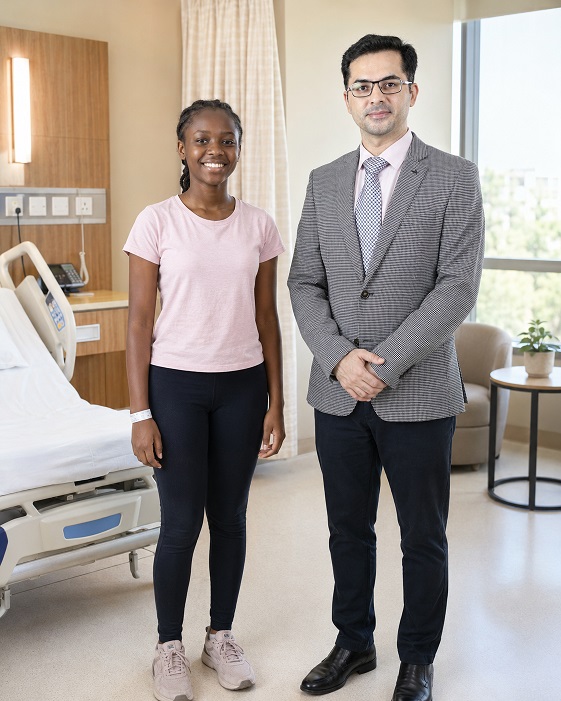
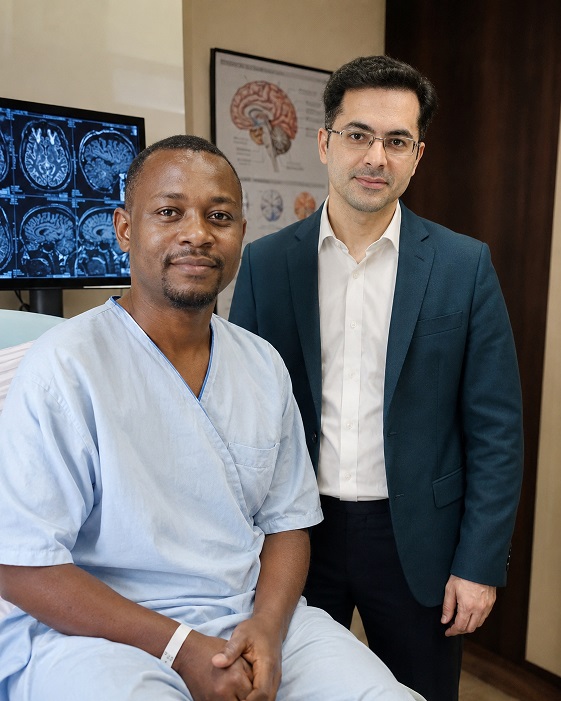
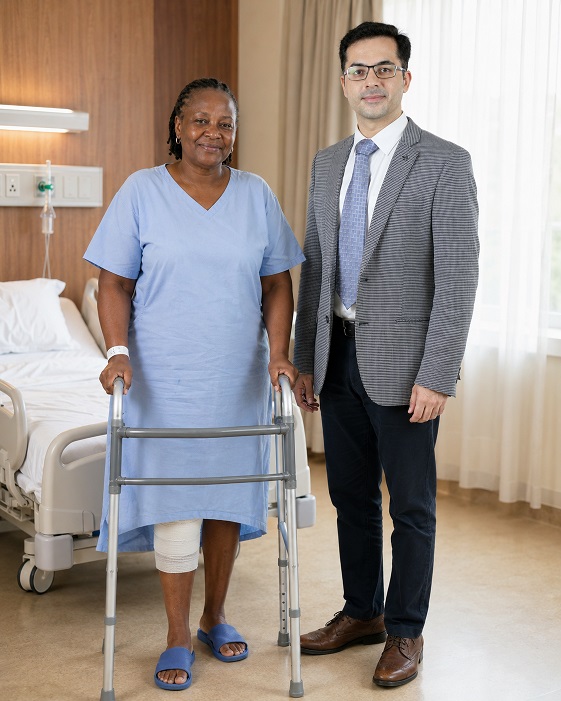
Patient Testimonials from Kenya

Ready to Take the First Step?
Share your Medical Reports with our Healthcare Managers Today and Get a FREE CONSULTATION, a Personalized Treatment Plan, and Complete Support from Arrival to Recovery.
Get Your Free ConsultationAreas We Serve
This resource has been thoughtfully prepared for patients from Kenya who are considering medical treatment in India. We also welcome patients from the wider region in the countries mentioned below-
We assist patients from:
- Ethiopia
- Somalia
- Tanzania
- Uganda
- Seychelles
- Guinea
- Guinea-Bissau
- Liberia
- Mali
- Mauritania
- Niger
- Nigeria
- Senegal
- Togo
- South Sudan
- Sierra Leone
Many of the insights, treatment pathways, hospital recommendations, travel guidance, and patient support services described here are equally relevant and may be used as a reference when planning treatment in India.
From Kenya to India: Your Complete Patient Support Guide
- Brain Tumour Surgery in India for Kenyan Patients
- Cancer Treatment and Surgery in India for Kenyan Patients
- Cardiac Treatment and Surgery in India for Kenyan Patients
- Heart Valve Replacement Surgery in India for Kenyan Patients
- Knee Replacement in India for Kenyan Patients
- Prostate Cancer Treatment and Surgery in India for Kenyan Patients
- Spine Treatment and Surgery in India for Kenyan Patients
- Selecting the Best Bariatric Surgeons and Hospitals in India: What Kenyan Patients Should Actually Look For
- Selecting the Best Cancer Surgeons and Hospitals in India: What Kenyan Patients Should Actually Look For
- Selecting the Best Cardiac Surgeons and Hospitals in India: What Kenyan Patients Should Actually Look For
- Selecting the Best Dental Surgeons and Clinics in India: What Kenyan Patients Should Actually Look For
- Selecting the Best Hip Surgeons and Hospitals in India: What Kenyan Patients Should Actually Look For
- Selecting the Best Kidney Transplant Surgeons and Hospitals in India: What Kenyan Patients Should Actually Look For
- Selecting the Best Knee Surgeons and Hospitals in India: What Kenyan Patients Should Actually Look For
- Selecting the Best Liver Transplant Surgeons and Hospitals in India: What Kenyan Patients Should Actually Look For
- Selecting the Best Neurosurgeons and Hospitals in India: What Kenyan Patients Should Actually Look For
- Selecting the Best Prostate Cancer Surgeons and Hospitals in India: What Kenyan Patients Should Actually Look For
- Selecting the Best Spine Surgeons and Hospitals in India: What Kenyan Patients Should Actually Look For