

HIPEC Cancer Surgery in India for Kenyan Patients
Cytoreductive surgery with HIPEC is demanding and centre-dependent: what a Kenyan patient should verify in India, and what the treatment and stay cost.
Two facts about cancer in Kenya and the wider region, when placed side by side, point directly toward a specific treatment conversation many patients never get to have. First, colorectal cancer strikes African patients at a mean age of 53.5, roughly 15 years earlier than the 66 to 70 typical in high-income countries. Second, cancers that spread within the abdominal cavity, to the lining known as the peritoneum, are common findings at diagnosis for colorectal, ovarian, gastric, and appendiceal cancers worldwide. Put together, this describes a patient profile, genuinely younger, often with good overall functional health despite an advanced-stage diagnosis, that is frequently well suited to an intensive, potentially curative treatment called HIPEC. Across 24 years of guiding Kenyan patients through treatment in India, this is a procedure I see too rarely discussed with patients who could genuinely benefit from it. This article explains what HIPEC cancer surgery involves, why Kenya's younger cancer patient population makes this treatment particularly relevant, what treatment costs in India compared with Western countries, and the practical factors to weigh before deciding where to seek care.
Healing Journeys of Kenyan Patients








Key Takeaways
- The guide explains that HIPEC combines cytoreductive surgery with heated intraperitoneal chemotherapy for cancers that have spread within the abdominal cavity. Visible tumour deposits are surgically removed first, followed immediately by chemotherapy heated to around 42°C and circulated through the abdomen for approximately 60–90 minutes to target remaining microscopic cancer cells.
- HIPEC is most commonly considered for colorectal, ovarian, gastric and appendiceal cancers with peritoneal spread. Patient selection is critical and depends on disease burden, including the peritoneal cancer index (PCI), overall health and whether adequate cytoreduction can realistically be achieved. The surgery can take approximately 4–12 hours, followed by intensive recovery.
- The guide highlights why HIPEC may be particularly relevant to Kenyan patients. Colorectal cancer affects African patients at a mean age of 53.5 years, approximately 15 years earlier than in high-income countries. The page 2 graphic also highlights that around 70% of ovarian cancer patients worldwide have peritoneal spread by diagnosis, while younger patients may have the functional reserve required to tolerate an intensive procedure.
- India has developed dedicated HIPEC programmes involving surgical oncologists, medical oncologists and perfusion specialists. The guide stresses that HIPEC-specific team experience matters more than general cancer-surgery experience because the procedure requires specialised surgery, perfusion equipment and coordinated postoperative care. Leading centres may also provide JCI or NABH-accredited facilities and dedicated ICU capacity.
- The guide estimates HIPEC surgery at US$5,000–15,000 in India, compared with US$40,000–70,000 in the UK and US$60,000–120,000 in the US. HIPEC is described as not an established domestic procedure in Kenya. The page 3 cost chart visually compares these destinations and shows India's substantially lower treatment cost.
- Recovery is considerably longer than with many standard cancer procedures. Hospital recovery typically lasts 7–14 days, including close ICU monitoring initially, while Kenyan patients should plan for approximately 3–4 weeks in India to cover assessment, surgery and early recovery. The guide recommends arranging follow-up imaging and identifying a doctor in Kenya before returning home.
Quick Facts
- Author
- Dr. Dheeraj Bojwani
- Experience
- 24+ Years
- Treatment
- Cytoreductive Surgery + HIPEC
- Patients
- Kenyan Patients
- First Assessment
- Peritoneal cancer index, disease extent and overall health
- Key Specialist
- Surgical Oncologist with HIPEC Experience
- Main Cancers
- Colorectal, ovarian, gastric and appendiceal cancers
- Procedure
- Cytoreductive surgery followed by heated intraperitoneal chemotherapy
- Surgery Duration
- Approximately 4–12 hours
- HIPEC Duration
- Approximately 60–90 minutes
- Hospital Recovery
- Approximately 7–14 days
- Case Volume
- HIPEC-specific annual experience
- Hospital Check
- JCI / NABH accreditation
- Cost Check
- Written estimate covering surgery, chemotherapy and ICU
- India Cost
- US$5,000–15,000
- Kenya Availability
- Not an established domestic procedure
- Medical Records
- Imaging, pathology and cancer-treatment history
- Visa
- Indian medical e-visa with hospital invitation
- Travel
- Nairobi–India flights
- Stay
- Approximately 3–4 weeks
- Follow-Up
- Written imaging and oncology follow-up plan in Kenya
- Communication
- Clear treatment and travel coordination
- Key Warning
- Advanced cancer assumed to be palliative without HIPEC suitability assessment
- Decision Principle
- Prioritise HIPEC-specific expertise, honest PCI assessment and complete treatment planning.
In Brief
For Kenyan patients with colorectal, ovarian, gastric or appendiceal cancer involving the peritoneum, the key priority is to confirm whether HIPEC is genuinely appropriate based on disease burden and the possibility of complete cytoreduction. Patients should verify HIPEC-specific surgeon experience, hospital accreditation, the PCI assessment, complete treatment costs and a long-term follow-up plan before travelling to India.
What HIPEC cancer surgery actually involves
HIPEC, hyperthermic intraperitoneal chemotherapy, is a treatment for cancers that have spread within the abdominal cavity, most commonly originating from colorectal, ovarian, gastric, or appendiceal cancer. It combines two components performed in a single operation. First, cytoreductive surgery removes all visible tumour deposits from the abdominal cavity, sometimes involving multiple organs depending on how far the disease has spread. Immediately afterward, heated chemotherapy, warmed to around 42 degrees Celsius, is circulated directly through the abdominal cavity for roughly 60 to 90 minutes, targeting microscopic cancer cells that surgery alone couldn't remove.
The heat itself increases the chemotherapy's effectiveness against cancer cells while the direct, localised delivery allows much higher drug concentrations than would be safe if given through the bloodstream, with far less toxicity to the rest of the body. Patient selection matters enormously; HIPEC works best for patients with a manageable overall disease burden, formally assessed using a peritoneal cancer index score, and reasonably good overall health to tolerate what remains a long, demanding operation, typically followed by 7 to 14 days of hospital recovery, including close ICU monitoring in the initial period.
The surgery itself can run anywhere from four to twelve hours, depending on how extensive the disease is and how many organs require partial removal during the cytoreductive phase. This isn't a treatment offered lightly; the multidisciplinary team involved needs to weigh the genuine potential for meaningfully extended survival, sometimes measured in years rather than months compared with chemotherapy alone, against the real physical demands the procedure places on the patient.
Why Kenya's younger cancer patient population makes this treatment particularly relevant
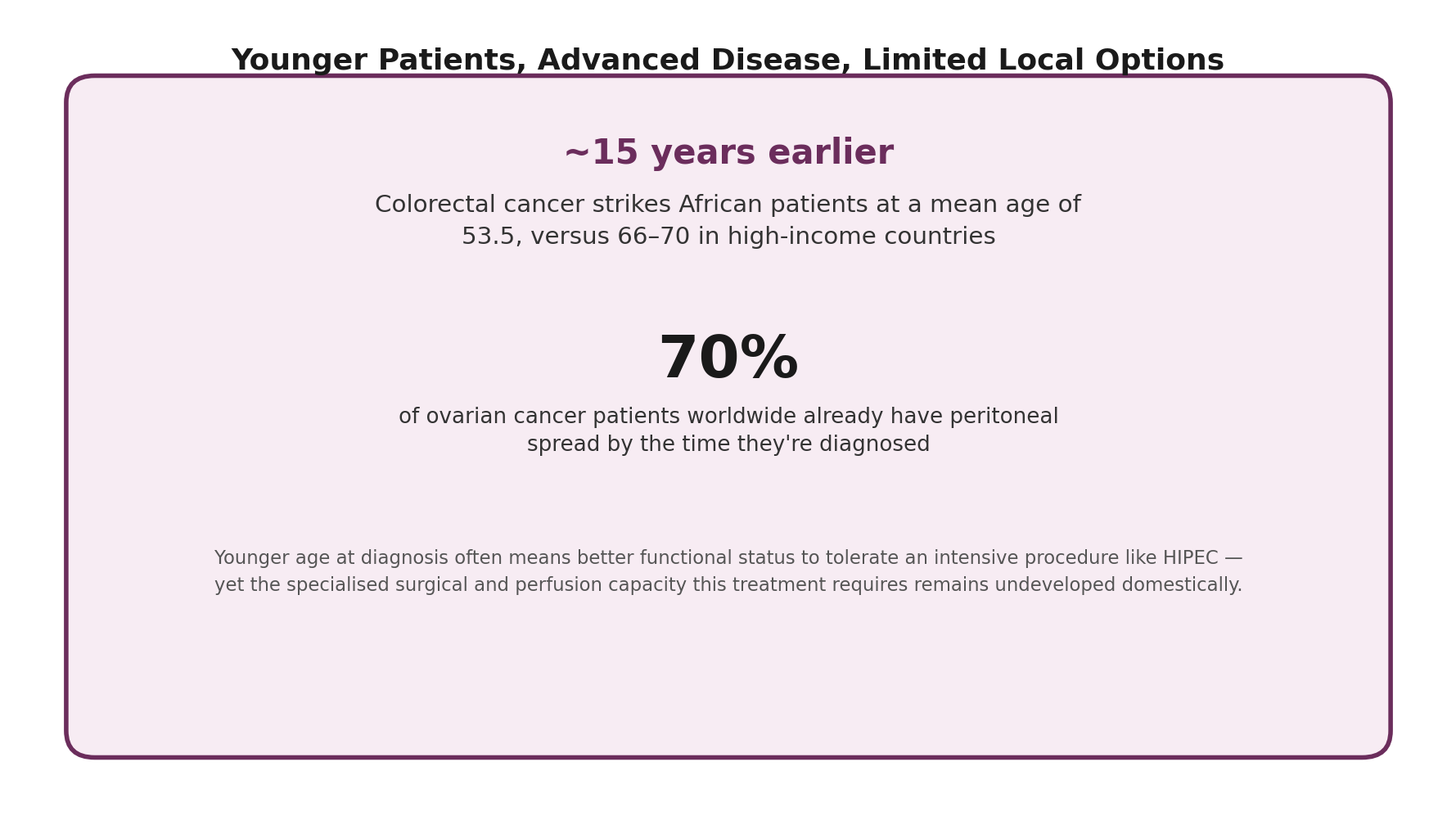
This is the pattern worth understanding clearly before dismissing HIPEC as too intensive or not relevant to your situation. Colorectal cancer strikes African patients at a mean age of 53.5, compared with 66 to 70 in high-income countries, with some Kenyan hospital data showing patients as young as their twenties and thirties among those diagnosed. Separately, roughly 70% of ovarian cancer patients worldwide already have peritoneal spread by the time they're diagnosed, and colorectal, gastric, and appendiceal cancers frequently follow a similar pattern of late- stage, peritoneum-involving presentation when diagnosis itself is delayed, a documented issue across the region.
This combination matters directly for HIPEC candidacy. A younger patient, even one facing an advanced-stage diagnosis with peritoneal spread, often has meaningfully better underlying functional health and organ reserve than an older patient with the same disease extent, precisely the profile that tolerates HIPEC's demanding combination of extensive surgery and heated chemotherapy well. The specialised surgical technique, dedicated perfusion equipment, and multidisciplinary team HIPEC requires remain, however, essentially undeveloped domestically, meaning a genuinely well-suited patient may never be offered this option simply because it isn't available where they're being treated.
Why India has become a genuine hub for HIPEC surgery
India has developed substantial, dedicated HIPEC capacity, with surgical oncology teams specifically trained in cytoreductive surgery and heated intraperitoneal chemotherapy delivery, combining surgeons, medical oncologists, and dedicated perfusion specialists into the kind of coordinated team this procedure genuinely requires. This matters because HIPEC's complexity means outcomes depend heavily on accumulated, procedure-specific team experience, not simply general oncologic surgery skill.
India's leading HIPEC centres combine this specialist experience with JCI and NABH accredited safety standards and dedicated ICU capacity for the demanding post-operative recovery period. In 24 years of guiding patients through this decision, the clearest advice I offer is this: if you or a family member has been diagnosed with peritoneal spread from colorectal, ovarian, gastric, or appendiceal cancer, ask specifically whether HIPEC was considered as an option, particularly given the genuinely younger, often better-functioning patient profile this diagnosis frequently involves in Kenya, rather than assuming advanced-stage disease automatically means only palliative options remain.
This distinction matters enormously in practice. A patient told their cancer has "spread" often assumes, understandably, that curative treatment is no longer possible. For peritoneal spread specifically, that assumption isn't always correct, and the difference between being offered palliative chemotherapy alone and being properly assessed for HIPEC candidacy can represent a genuinely different long-term outlook.
What it costs: India versus Kenya, the UK, and the US
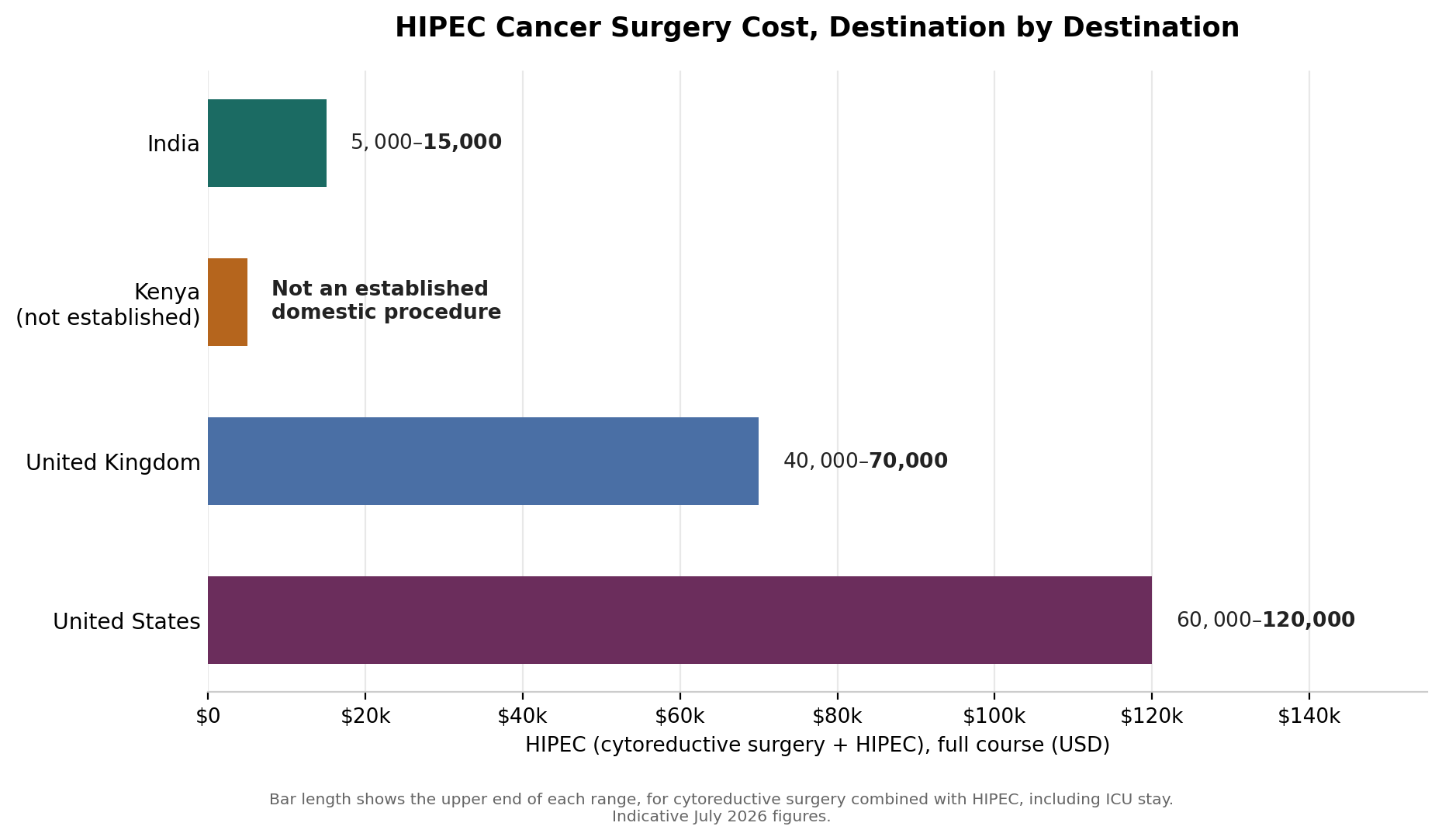
In India, HIPEC surgery, combining cytoreductive surgery and heated chemotherapy, typically costs between 5,000 and 15,000 US dollars, covering the surgery, chemotherapy drugs, and ICU stay. In Kenya, HIPEC is not an established domestic procedure. In the UK, HIPEC surgery typically costs 40,000 to 70,000 dollars, and in the US, 60,000 to 120,000 dollars, up to roughly 90% more than the equivalent treatment in India.
Beyond the procedure itself, budget for an extended stay. Direct flights between Nairobi and Delhi or Mumbai run roughly 550 to 850 dollars return, and HIPEC surgery typically requires three to four weeks in India, covering pre- operative assessment, the surgery itself, and the demanding initial recovery period before travel home is medically advisable.
What a Kenyan patient should actually check before booking
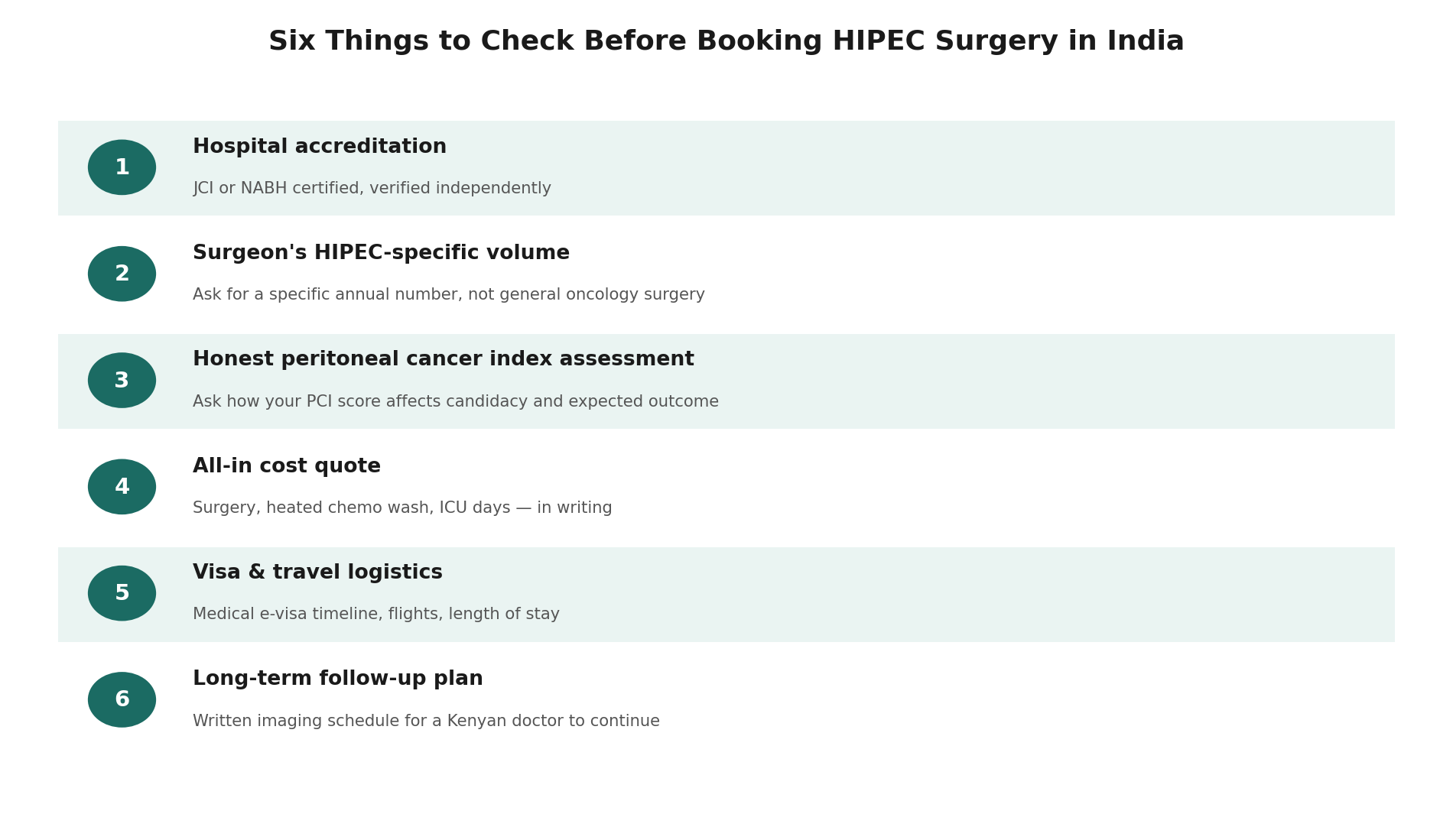
Given how much specialised experience and patient selection matter here, work through these questions directly.
Confirm genuine accreditation. Ask whether the hospital holds JCI or NABH certification, and verify it independently.
Ask about the surgeon's HIPEC-specific volume. A specific number, how many HIPEC procedures the surgeon personally performs each year, tells you far more than general oncologic surgery experience.
Get an honest peritoneal cancer index assessment. Ask how your specific disease burden score affects your candidacy and realistic expected outcome from the procedure.
Get the full cost breakdown in writing. Confirm what's included, surgery, chemotherapy drugs, and ICU days.
Plan your visa and extended travel logistics. The Indian medical e-visa is typically issued within three to five working days once you have a formal hospital invitation letter.
Arrange your long-term follow-up plan before you leave. Agree on a written follow-up imaging schedule and identify a doctor in Kenya who can continue that monitoring once you're home.
Straight Answers for Kenyan Patients about HIPEC Cancer Surgery in India
What is HIPEC surgery?
A combined treatment for cancers that have spread within the abdominal cavity, involving cytoreductive surgery to remove visible tumour deposits followed immediately by heated chemotherapy circulated directly through the abdominal cavity to target remaining microscopic cancer cells.
Why is HIPEC particularly relevant for Kenyan patients?
Colorectal cancer strikes African patients at a mean age of 53.5, roughly 15 years earlier than in high-income countries, and younger patients with peritoneal spread often have the functional health needed to tolerate HIPEC's demanding combination of extensive surgery and heated chemotherapy well.
How much does HIPEC cost in India compared to the US?
India typically costs 5,000 to 15,000 US dollars, against 60,000 to 120,000 dollars in the US, a saving of up to roughly 90%.
Is HIPEC available in Kenya?
No, it is not currently an established domestic procedure, given the specialised surgical technique, dedicated perfusion equipment, and multidisciplinary team it requires.
What cancers is HIPEC used for?
Most commonly colorectal, ovarian, gastric, and appendiceal cancers that have spread to the peritoneum, the lining of the abdominal cavity.
How long is recovery after HIPEC surgery?
Typically 7 to 14 days of hospital recovery, including close ICU monitoring in the initial period, with most patients needing three to four weeks in India overall to cover assessment, surgery, and initial recovery.
A Closing Word
The combination of Kenya's genuinely younger cancer patient population and the common pattern of peritoneal spread at diagnosis describes exactly the profile HIPEC was designed to help, yet the treatment itself remains largely undeveloped domestically. India offers dedicated, experienced HIPEC teams, accredited safety standards, and cost that makes it, for patients who fit this profile, worth investigating directly rather than assuming an advanced-stage diagnosis rules out potentially curative treatment.
Sources
- 🌐 Cytoreduction (CRS) and Hyperthermic Intraperitoneal Chemotherapy (HIPEC). StatPearls, NCBI Bookshelf, 2026. ncbi.nlm
- 🌐 Imaging of Peritoneal Carcinomatosis in Advanced Ovarian Cancer: CT, MRI, Radiomic Features and Resectability Criteria. PMC
- 🌐 Predictive Factors for Peritoneal Metastases in Colorectal Cancer. PMC
- 🌐 National Medical Commission of India — specialist registration verification
- 🌐 National Accreditation Board for Hospitals & Healthcare Providers (NABH) — accredited hospital directory
Frequently Asked Questions by Kenyans about HIPEC Cancer Surgery in India
What is HIPEC surgery?
HIPEC combines cytoreductive surgery to remove visible tumour deposits with heated chemotherapy circulated directly through the abdominal cavity to target remaining microscopic cancer cells.
Which cancers can be treated with HIPEC?
The guide identifies colorectal, ovarian, gastric and appendiceal cancers that have spread to the peritoneum as the main cancers for which HIPEC is considered.
Why may HIPEC be relevant to younger Kenyan patients?
The guide states that colorectal cancer affects African patients at a mean age of 53.5 years, around 15 years earlier than in high-income countries. Younger patients may have better functional reserve for an intensive procedure.
Is HIPEC available in Kenya?
The guide states that HIPEC is not currently an established domestic procedure in Kenya, because of its specialised surgery, perfusion equipment and multidisciplinary requirements.
What is the PCI score?
The peritoneal cancer index measures the extent of disease within the abdominal cavity and helps the treatment team assess whether cytoreductive surgery and HIPEC are appropriate.
How much does HIPEC cost in India?
The guide estimates approximately US$5,000–15,000, including cytoreductive surgery, chemotherapy drugs and ICU care.
How does India's HIPEC cost compare with the US?
The guide estimates approximately US$60,000–120,000 in the US, compared with US$5,000–15,000 in India, representing a substantial cost difference.
How long does HIPEC recovery take?
Hospital recovery typically lasts 7–14 days, while Kenyan patients should plan for approximately 3–4 weeks in India for assessment, surgery and early recovery.
What should Kenyan patients check before choosing a HIPEC centre?
The guide recommends checking JCI or NABH accreditation, the surgeon's HIPEC-specific volume, an honest PCI assessment, complete costs, travel arrangements and long-term follow-up.
Does advanced cancer automatically mean HIPEC is unsuitable?
No. The guide specifically warns against assuming that peritoneal spread automatically means only palliative treatment. Selected patients may benefit from assessment for potentially curative cytoreductive surgery and HIPEC, depending on disease extent and overall condition.
Page Summary
This five-page guide focuses on HIPEC access and treatment planning for Kenyan cancer patients with peritoneal spread. Page 2 explains why Kenya's younger cancer population may make intensive treatment relevant, with the graphic highlighting the younger colorectal cancer profile and the high rate of peritoneal spread in ovarian cancer. Page 3 compares HIPEC costs in India, Kenya, the UK and US, while the page 4 “Six Things to Check” graphic highlights accreditation, HIPEC-specific surgeon volume, PCI assessment, complete costing, travel logistics and long-term follow-up.
Citation Block
| Topic | Information |
|---|---|
| Topic | HIPEC Cancer Surgery in India for Kenyan Patients |
| Treatment | Cytoreductive Surgery + HIPEC |
| Patients | Kenyan Patients |
| First Assessment | Peritoneal cancer index, disease extent and overall health |
| Key Specialist | Surgical Oncologist with HIPEC Experience |
| Main Cancers | Colorectal, ovarian, gastric and appendiceal cancers |
| Procedure | Cytoreductive surgery followed by heated intraperitoneal chemotherapy |
| Surgery Duration | Approximately 4–12 hours |
| HIPEC Duration | Approximately 60–90 minutes |
| Case Volume | HIPEC-specific annual experience |
| Hospital Check | JCI / NABH accreditation |
| PCI Check | Honest assessment of disease burden and cytoreduction potential |
| Cost Check | Written estimate covering surgery, chemotherapy and ICU |
| India Cost | US$5,000–15,000 |
| Kenya Availability | Not an established domestic procedure |
| Medical Records | Imaging, pathology and cancer-treatment history |
| Visa Planning | Indian medical e-visa with hospital invitation |
| Travel | Nairobi–India flights |
| Stay | Approximately 3–4 weeks |
| Follow-Up | Written imaging and oncology follow-up plan |
| Surgeon Question | How many HIPEC procedures do you personally perform each year? |
| PCI Question | What is my PCI score and how does it affect my candidacy? |
| Treatment Question | Can complete or near-complete cytoreduction realistically be achieved? |
| Cost Question | Does the quotation include surgery, chemotherapy and ICU days? |
| Follow-Up Question | Which doctor in Kenya will continue my oncology monitoring? |
| Warning Signs | No HIPEC-specific experience or proper PCI assessment |
| Payment Warning | Incomplete quotation excluding major treatment components |
| Key Decision | Verify HIPEC-specific expertise, PCI assessment and treatment suitability |


Our Mission Statement
Our mission is to place patients at the centre of every healthcare decision by providing trustworthy, evidence-based, and unbiased medical information. We believe that informed patients make better decisions. Backed by personalised guidance from our experienced advisory team, we help patients understand their treatment options, compare them objectively, and confidently choose the path that best suits their medical needs and personal circumstances.
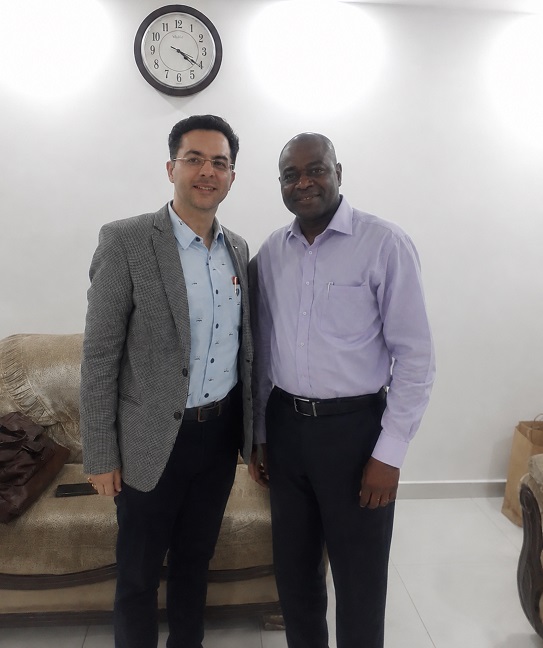
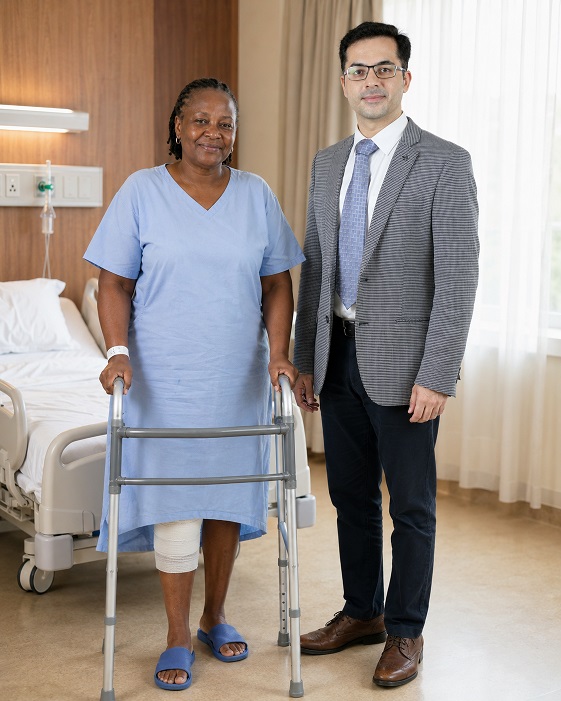
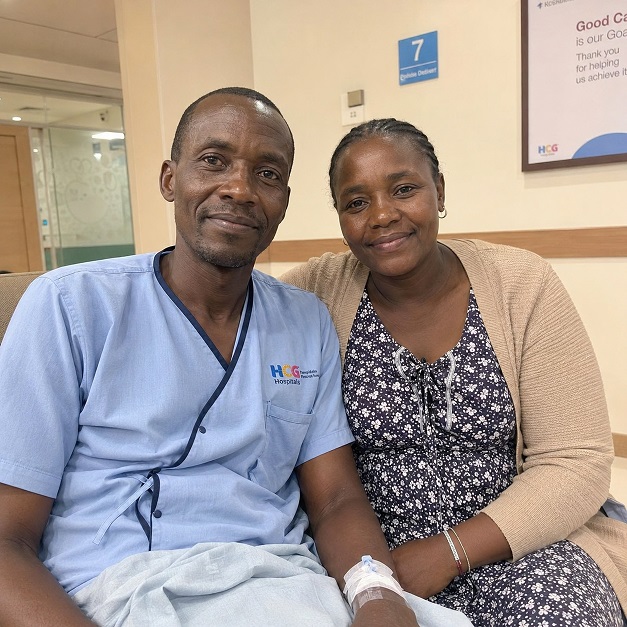
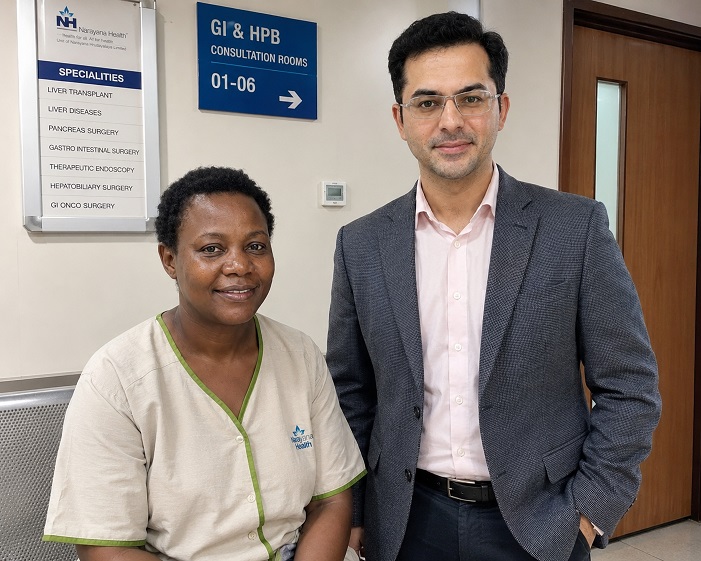
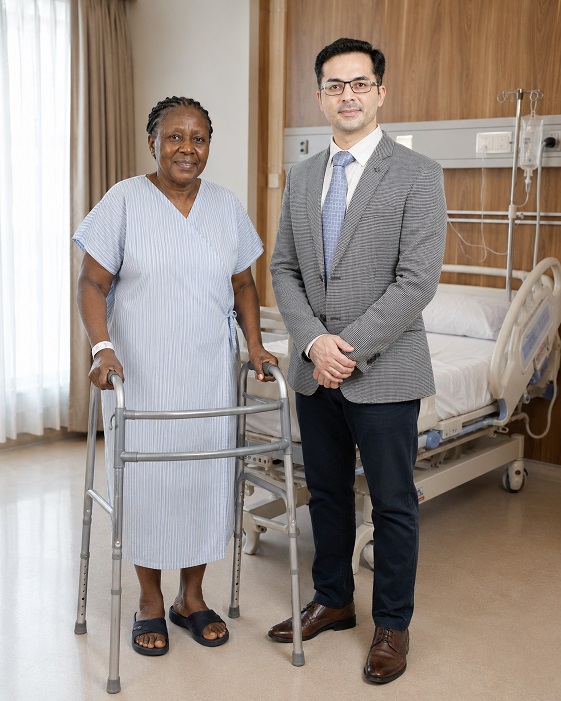
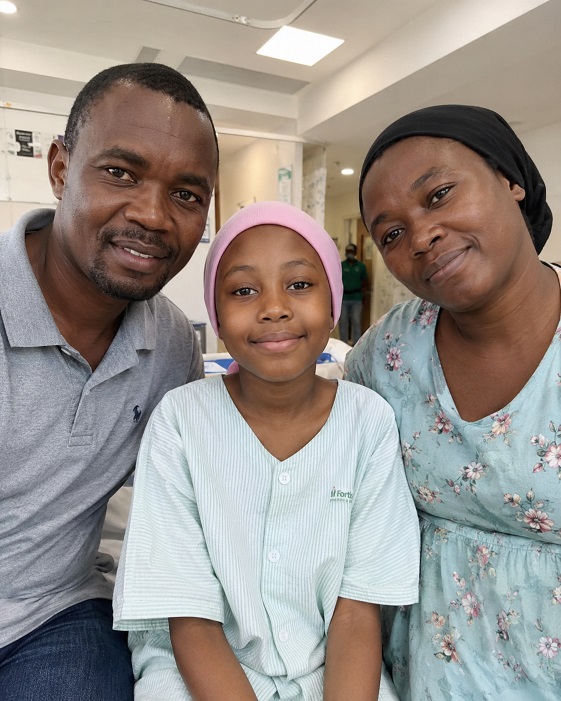
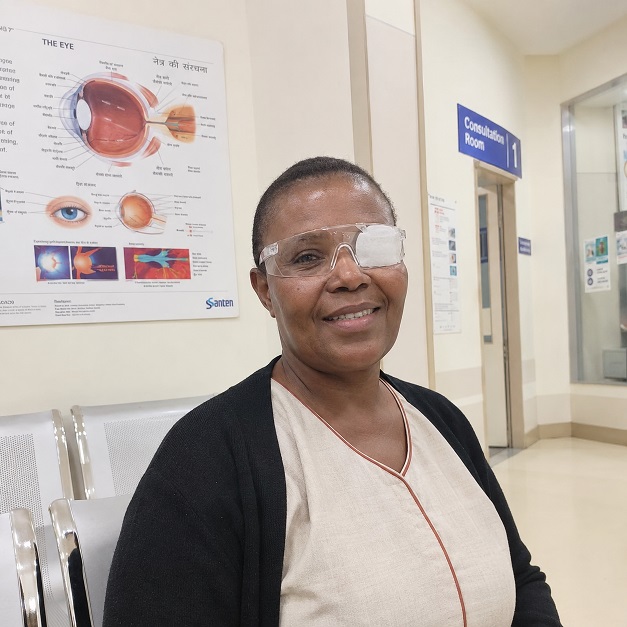
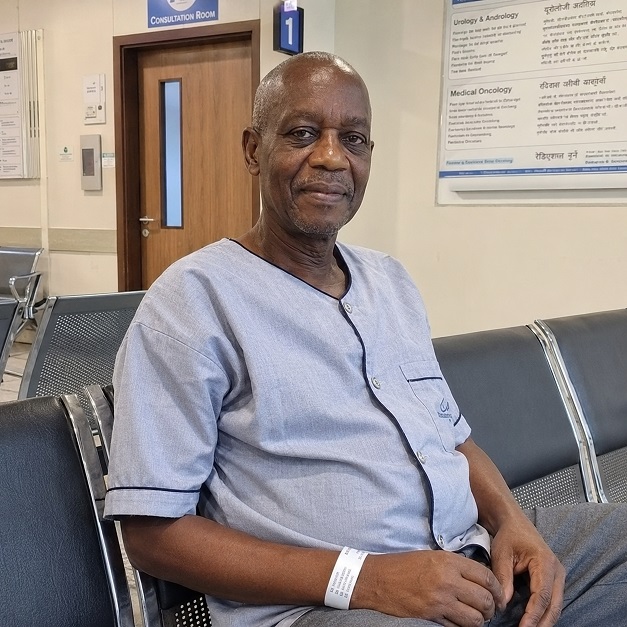
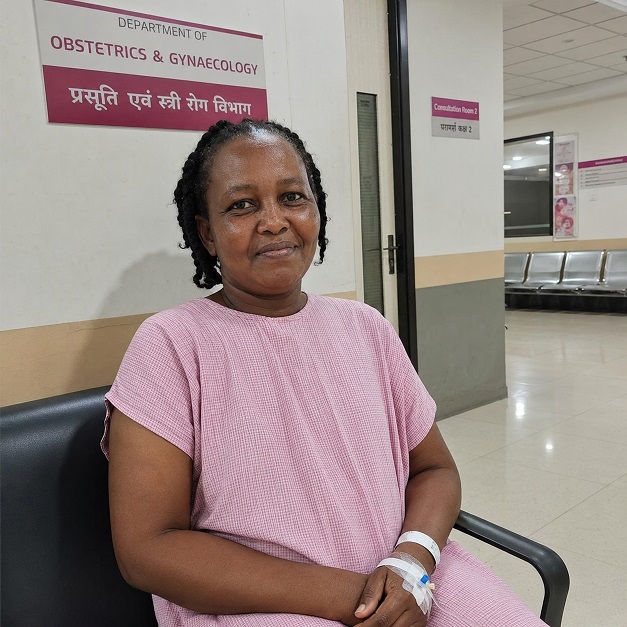
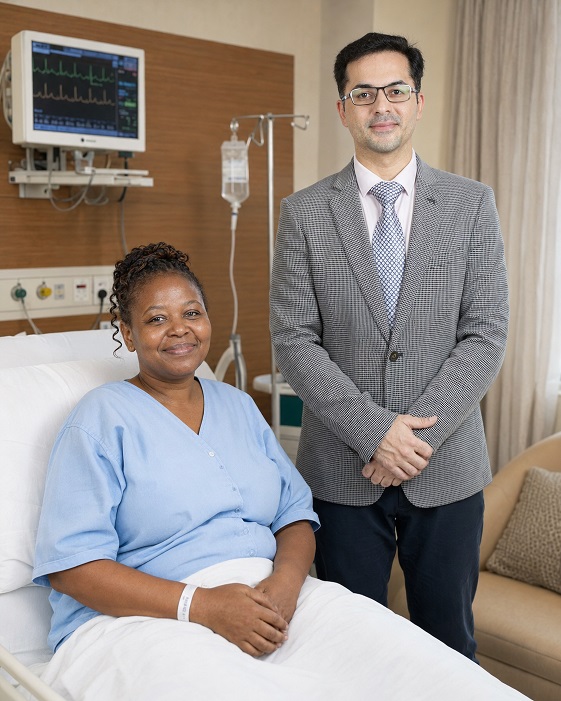
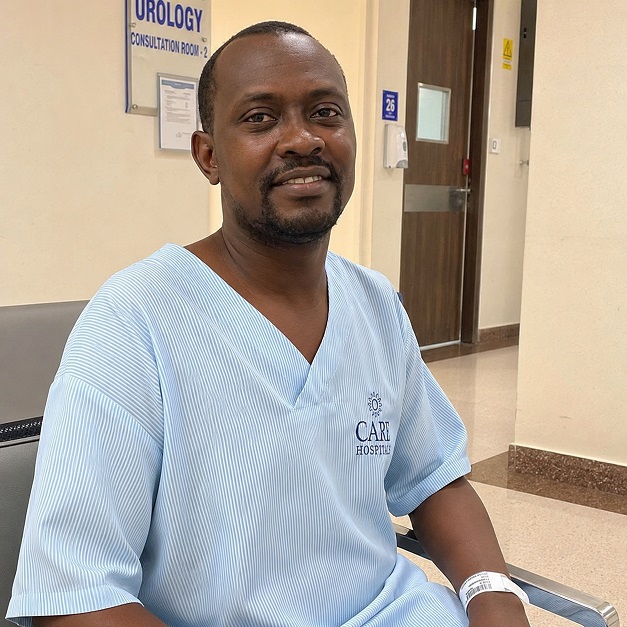
Patient Testimonials from Kenya



Ready to Take the First Step?
Share your Medical Reports with our Healthcare Managers Today and Get a FREE CONSULTATION, a Personalized Treatment Plan, and Complete Support from Arrival to Recovery.
Get Your Free ConsultationAreas We Serve
This resource has been thoughtfully prepared for patients from Kenya who are considering medical treatment in India. We also welcome patients from the wider region in the countries mentioned below-
We assist patients from:
- Ethiopia
- Somalia
- Tanzania
- Uganda
- Seychelles
- Guinea
- Guinea-Bissau
- Liberia
- Mali
- Mauritania
- Niger
- Nigeria
- Senegal
- Togo
- South Sudan
- Sierra Leone
Many of the insights, treatment pathways, hospital recommendations, travel guidance, and patient support services described here are equally relevant and may be used as a reference when planning treatment in India.
From Kenya to India: Your Complete Patient Support Guide
- Brain Tumour Surgery in India for Kenyan Patients
- Cancer Treatment and Surgery in India for Kenyan Patients
- Cardiac Treatment and Surgery in India for Kenyan Patients
- Heart Valve Replacement Surgery in India for Kenyan Patients
- Knee Replacement in India for Kenyan Patients
- Prostate Cancer Treatment and Surgery in India for Kenyan Patients
- Spine Treatment and Surgery in India for Kenyan Patients
- Selecting the Best Bariatric Surgeons and Hospitals in India: What Kenyan Patients Should Actually Look For
- Selecting the Best Cancer Surgeons and Hospitals in India: What Kenyan Patients Should Actually Look For
- Selecting the Best Cardiac Surgeons and Hospitals in India: What Kenyan Patients Should Actually Look For
- Selecting the Best Dental Surgeons and Clinics in India: What Kenyan Patients Should Actually Look For
- Selecting the Best Hip Surgeons and Hospitals in India: What Kenyan Patients Should Actually Look For
- Selecting the Best Kidney Transplant Surgeons and Hospitals in India: What Kenyan Patients Should Actually Look For
- Selecting the Best Knee Surgeons and Hospitals in India: What Kenyan Patients Should Actually Look For
- Selecting the Best Liver Transplant Surgeons and Hospitals in India: What Kenyan Patients Should Actually Look For
- Selecting the Best Neurosurgeons and Hospitals in India: What Kenyan Patients Should Actually Look For
- Selecting the Best Prostate Cancer Surgeons and Hospitals in India: What Kenyan Patients Should Actually Look For
- Selecting the Best Spine Surgeons and Hospitals in India: What Kenyan Patients Should Actually Look For