

15 Frequently Asked Questions: HIP REPLACEMENT IN INDIA FOR KENYAN PATIENTS
Introduction
Hip replacement is a major orthopedic procedure used to replace a severely damaged or diseased hip joint with an artificial joint. It is commonly considered when hip pain, stiffness and loss of mobility become significant and conservative treatment is no longer providing adequate relief. Kenyan patients considering hip replacement in India may have access to a wide range of orthopedic hospitals, joint-replacement specialists, implant options, rehabilitation services and different treatment approaches. The treatment plan is not the same for every patient. It depends on the underlying diagnosis, age, bone quality, activity level, previous surgeries, general health, imaging findings and the condition of the hip joint. Patients should ideally obtain a specialist opinion before making travel arrangements. Medical records and recent imaging can often be reviewed before the patient travels, helping the orthopedic team understand the case and prepare an initial treatment plan. Important: This guide is for educational and treatment-planning purposes only. It does not replace a physical examination or specialist medical advice. The final procedure, implant, hospital stay, recovery plan and treatment cost must be confirmed by the treating orthopedic team.
Healing Journeys of Kenyan Patients









In Brief
Hip replacement is a major orthopedic procedure used to replace a severely damaged or diseased hip joint with an artificial joint. It is commonly considered when hip pain, stiffness and loss of mobility become significant and conservative treatment is no longer providing adequate relief. Kenyan patients considering hip replacement in India may have access to a wide range of orthopedic hospitals, joint-replacement specialists, implant options, rehabilitation services and different treatment approaches.
Q1 · Why Do Kenyan Patients Consider Hip Replacement in India?
Kenyan patients may consider India for hip replacement when hip disease has progressed to the point where pain and reduced mobility are affecting normal daily life.
Common reasons for considering hip replacement include
- Severe osteoarthritis of the hip
- Avascular necrosis of the femoral head
- Hip fracture
- Previous hip trauma
- Rheumatoid arthritis
- Severe cartilage loss
- Developmental hip abnormalities
- Previous hip surgery
- Chronic and persistent hip pain
- Difficulty walking
- Difficulty climbing stairs
- Difficulty standing for prolonged periods
- Difficulty sitting or getting up from a chair
- Reduced ability to perform normal activities
For some patients, medication, physiotherapy, weight management, activity modification or other conservative treatments may provide relief. However, when the hip joint has severe structural damage, these measures may no longer provide sufficient improvement.
India is considered by some international patients because it has multiple large medical centres with orthopedic and joint-replacement departments. Patients can also find different implant choices and surgical approaches depending on the hospital and clinical requirements.
For international patients, treatment planning should also include postoperative rehabilitation and follow-up. A successful hip replacement does not end when the operation is completed; appropriate physiotherapy, mobility training and continued medical follow-up are important parts of recovery.
Q2 · How Much Does Hip Replacement Cost in India for Kenyan Patients?
The cost of hip replacement depends on several factors, including the type of surgery, implant, hospital, surgeon, room category, investigations, medical condition and length of stay.
For this comparison, the planning exchange rates used are:
For planning: US$1 ≈ KES 129.5 • US$1 ≈ INR 96
The following figures are indicative private/self-pay planning ranges for international treatment. They are not fixed hospital quotations.
| Hip Replacement in Procedure | Kenya – Local Currency / USD | India – INR / USD | Indicative Saving |
|---|---|---|---|
| Total Hip Replacement – One Hip | KES 715,000– 350,000 US$2,605– 1,040,000 US$5,520–8,030 | INR 250,000– 3,645 | 30–50% |
| Premium / Advanced Implant | KES 850,000– 500,000 US$3,645– 1,250,000 US$6,565–9,650 | INR 350,000– 5,210 | 30–45% |
| Bilateral Hip Replacement | KES 1,300,000– 1,900,000 US$10,040– 700,000 US$4,690– 14,670 | INR 450,000– 7,290 | 30–50% |
| Robotic-Assisted Hip Replacement | KES 1,400,000– 2,000,000 US$10,810– 700,000 US$4,170– 15,445 | INR 400,000– 7,290 | 25–45% |
| Revision Hip Replacement | KES 1,500,000– 2,200,000 US$11,585– 900,000 US$5,210– 16,990 | INR 500,000– 9,375 | 25–45% |
Published Indian hospital information currently gives an average Total Hip Replacement range of approximately INR 1.5–4 lakh. Robotic-assisted hip replacement is published separately at approximately INR 4–7 lakh, depending on the hospital and individual treatment requirements.
Kenya-facing private treatment estimates for Total Hip Replacement can vary considerably; one current Kenya medical-treatment source lists approximately KES 715,000–1,040,000.
Kenya's published healthcare tariff framework also lists Total Hip Replacement including implants at KES 336,000 under its specified tariff structure. This is a healthcare tariff reference and should not be treated as a universal private-hospital cash price for international patients.
Factors That Can Change the Final Cost
The final quotation may depend on:
- Type of hip replacement
- Implant brand and model
- Implant material
- Ceramic or polyethylene bearing
- Cemented or uncemented fixation
- One hip or both hips
- Primary or revision surgery
- Robotic or computer-assisted technology
- Surgeon's professional fee
- Hospital and city
- Room category
- Number of hospital days
- Preoperative investigations
- Postoperative medicines
- Physiotherapy
- Additional medical treatment
- Unexpected complications
What Should Be Confirmed in the Quotation?
Kenyan patients should ask whether the quotation includes:
- Hip implant
- Surgeon fee
- Anaesthesia
- Operation theatre
- Hospital room
- Nursing charges
- Medicines
- Investigations
- Physiotherapy
- Follow-up consultations
- Additional hospital stay
- Emergency or complication-related expenses
A written quotation is preferable to relying on a verbal estimate.
Important: The costs above are planning estimates only. The actual quotation should be obtained after a specialist reviews the patient's medical records and imaging.
Q3 · Which Indian Cities Can Kenyan Patients Consider for Hip Replacement?
Kenyan patients can consider several major Indian medical cities for hip replacement. Different cities have multiple hospitals, orthopedic departments and rehabilitation facilities.
| City | Indian Why Kenyan Patients May Consider the for Hip Replacement |
|---|---|
| Delhi | , Gurugram, Mumbai, Chennai, Bengaluru and Hyderabad are among the major Indian medical |
| Gurugram | Advanced orthopaedics, joint replacement and modern hospital facilities |
| Noida | Joint replacement, orthopaedic surgery and rehabilitation services |
| Mumbai | Advanced orthopaedic care, joint replacement and complex cases |
| Chennai | Established orthopaedic centres, joint replacement and rehabilitation |
| Bengaluru | Joint replacement, advanced orthopaedics and rehabilitation |
| Hyderabad | Hip replacement, orthopaedic surgery and multidisciplinary care |
| Kolkata | Joint replacement and comprehensive orthopaedic services |
| Pune | Joint replacement, orthopaedic surgery and rehabilitation |
| Ahmedabad | Orthopaedic surgery, joint replacement and rehabilitation |
| Kochi | Advanced orthopaedics, joint replacement and rehabilitation |
| Thiruvananthapuram | Orthopaedic treatment and postoperative rehabilitation |
| Goa | Orthopaedic and joint replacement services |
| Nagpur | Orthopaedic surgery, joint replacement and rehabilitation |
Major Medical Cities for Hip Replacement
Delhi, Gurugram, Mumbai, Chennai, Bengaluru and Hyderabad are among the major Indian medical centres that Kenyan patients can consider.
However, the city should not be selected based only on price.
Patients should also consider
- Availability of the required orthopedic specialist
- Hospital's joint-replacement facilities
- Proposed implant
- Experience with complex or revision cases
- Rehabilitation facilities
- Expected treatment duration
- International-patient support
- Travel convenience
- Postoperative follow-up
A patient with a straightforward primary hip replacement may have different requirements from a patient requiring revision surgery, treatment after a fracture or bilateral hip replacement.
Important: Not every hospital in every city provides every implant, robotic system or surgical technique. Patients should confirm the exact treatment and surgeon availability before travelling.
Q4 · Which Hospitals in India Can Kenyan Patients Consider?
Kenyan patients can consider hospitals in several major Indian medical cities. The appropriate hospital depends on the patient's diagnosis, required procedure, surgeon availability, implant requirements, budget and rehabilitation needs.
Hospital note: This is a reference list of hospitals in the selected medical cities. The inclusion of a hospital does not mean that every hospital listed provides every hip implant, robotic system, surgical approach or revision procedure. Availability should be confirmed directly with the treating orthopedic team.
Delhi Hospitals
- Fortis Escorts Heart Institute, New Delhi
- BLK-Max Super Speciality Hospital, New Delhi
- Max Super Speciality Hospital, Saket
- Indraprastha Apollo Hospitals, New Delhi
- Sir Ganga Ram Hospital
- Max Super Speciality Hospital, Patparganj
- Manipal Hospital, Dwarka
- Fortis Hospital, Vasant Kunj
- Institute of Brain and Spine Hospital (IBS Hospital)
- Dharamshila Narayana Hospital
- Indian Spinal Injuries Centre
- AIIMS New Delhi
Chennai Hospitals
- MGM Healthcare
- MIOT International
- Apollo Hospitals, Greams Road
- Sri Ramachandra Medical Centre
- SIMS Hospital
- Kauvery Hospital
- Gleneagles HealthCity Chennai
- Vijaya Hospital
- Apollo Speciality Hospitals
- Rela Hospital
Mumbai Hospitals
- Bombay Hospital & Medical Research Centre
- Lilavati Hospital & Research Centre
- Jaslok Hospital & Research Centre
- Gleneagles Hospital, Mumbai
- Nanavati Max Super Speciality Hospital
- Kokilaben Dhirubhai Ambani Hospital
- P. D. Hinduja Hospital & Medical Research Centre
- Sir H. N. Reliance Foundation Hospital
- Wockhardt Hospitals, Mumbai
- Apollo Hospitals, Mumbai
Bengaluru Hospitals
- Manipal Hospital, Old Airport Road
- Manipal Hospital, Whitefield
- Manipal Hospital, Yeshwanthpur
- Apollo Hospitals, Bengaluru
- Fortis Hospital, Bannerghatta Road
- Aster CMI Hospital
- Sakra World Hospital
- Narayana Health City
- Sagar Hospitals
- Kauvery Hospital, Bengaluru
Hyderabad Hospitals
- KIMS Hospitals
- Yashoda Hospitals
- Apollo Health City
- CARE Hospitals
- Continental Hospitals
- Gleneagles Hospitals, Hyderabad
- Sunshine Hospitals
- Star Hospitals
Gurugram Hospitals
- Fortis Memorial Research Institute (FMRI)
- Medanta – The Medicity
- Artemis Hospital
- Max Hospital, Gurugram
- CK Birla Hospital, Gurugram
- Manipal Hospital, Gurugram
- Paras Health
- Narayana Superspeciality Hospital
Noida Hospitals
- Fortis Hospital, Noida
- Jaypee Hospital
- Max Super Speciality Hospital, Noida
- Yatharth Hospital
- Kailash Hospital
- Metro Hospital & Heart Institute
- Metro Center for Neurosciences
Kolkata Hospitals
- Apollo Multispeciality Hospitals
- AMRI Hospitals
- Fortis Hospital, Anandapur
- Manipal Hospitals, Salt Lake
- Medica Superspecialty Hospital
- Narayana Superspeciality Hospital
- Ruby General Hospital
Pune Hospitals
- Ruby Hall Clinic
- Jehangir Hospital
- Deenanath Mangeshkar Hospital
- Sahyadri Super Speciality Hospital
- Aditya Birla Memorial Hospital
- Manipal Hospital, Kharadi
- Medicover Hospital, Pune
Ahmedabad Hospitals
- Apollo Hospitals, Ahmedabad
- Zydus Hospitals
- Sterling Hospitals
- Shalby Hospitals
- HCG Hospitals
- SAL Hospital
- CIMS Hospital
Kochi Hospitals
- Aster Medcity
- Amrita Hospital
- VPS Lakeshore Hospital
- Rajagiri Hospital
- Aster MIMS
- Lisie Hospital
- Renai Medicity
Thiruvananthapuram Hospitals
- KIMSHEALTH Hospital
- Ananthapuri Hospitals and Research Institute
- SUT Hospital
- SP Medifort Hospital
- PRS Hospital
- GG Hospital
Goa Hospitals
- Manipal Hospital, Goa
- Healthway Hospital
- Manipal Hospitals, Dona Paula
- Goa Medical College and Hospital
- Apollo Victor Hospital
Nagpur Hospitals
- Wockhardt Hospitals, Nagpur
- Max Multispeciality Hospital
- CARE Hospitals, Nagpur
- Kingsway Hospitals
- Lata Mangeshkar Hospital
Q5 · What Is Hip Replacement and What Types Are Available?
Hip replacement is a surgical procedure in which damaged portions of the hip joint are removed and replaced with artificial components.
The natural hip is a ball-and-socket joint. The ball is the femoral head and the socket is part of the pelvis. When cartilage and bone become severely damaged, the surfaces may become painful and movement may become difficult.
Total Hip Replacement
In Total Hip Replacement, both major damaged surfaces are replaced:
- The damaged femoral head is replaced with an artificial ball.
- The damaged socket is prepared and fitted with an artificial socket component.
- A bearing surface allows movement between the components.
Total Hip Replacement is commonly used for advanced arthritis and other severe forms of hip-joint damage.
1. Partial Hip Replacement
Partial replacement generally replaces the femoral head while retaining the natural socket.
It may be considered for selected patients, particularly some older patients with specific types of hip fracture.
2. Bilateral Hip Replacement
Patients with severe disease in both hips may require replacement of both hips.
Depending on the patient's health and orthopedic assessment, both hips may be treated during one operation or through separate procedures.
3. Revision Hip Replacement
Revision surgery is performed when an existing hip implant needs to be removed, repaired or replaced.
Reasons may include
- Implant loosening
- Wear
- Infection
- Fracture around the implant
- Dislocation
- Damage to surrounding bone
Revision procedures can be more complex than primary hip replacement.
Robotic-Assisted Hip Replacement
Robotic or computer-assisted technology may be used for planning and surgical guidance in selected cases.
It does not automatically mean that the procedure is better for every patient. The orthopedic surgeon should determine whether the technology is appropriate for the patient's anatomy and clinical condition.
Q6 · What Are the Benefits of Hip Replacement?
For appropriately selected patients, hip replacement may provide significant improvement in pain and mobility.
Potential benefits can include
- Reduction in chronic hip pain
- Improved walking ability
- Improved ability to stand
- Better performance of daily activities
- Improved hip function
- Reduced disability caused by severe joint disease
- Greater independence in routine activities
- Improved sleep when pain has been disturbing sleep
- Improved ability to participate in appropriate low-impact activities
Patients should understand that hip replacement is intended to improve pain and function; it does not necessarily restore the hip to its original natural condition.
Recovery also depends on factors such as age, muscle strength, bone quality, general health, rehabilitation and the underlying cause of the hip problem.
Patients should follow their orthopedic surgeon's instructions regarding activity and rehabilitation.
Q7 · Who May Be Suitable for Hip Replacement?
Hip replacement may be considered when the hip joint is severely damaged and the patient has persistent symptoms that significantly interfere with daily life.
Possible indications include
- Advanced osteoarthritis
- Avascular necrosis
- Severe hip fracture
- Rheumatoid arthritis
- Post-traumatic arthritis
- Severe cartilage damage
- Certain developmental hip disorders
- Failed previous hip procedures
- Persistent pain despite non-surgical treatment
- Major reduction in mobility
The orthopedic surgeon may assess
- X-rays
- CT scans when required
- MRI where appropriate
- Bone quality
- Joint-space damage
- Muscle condition
- Previous operations
- General health
- Weight
- Medication history
- Infection risk
- Heart and lung health
Age alone does not determine whether someone can undergo hip replacement. Overall health, joint damage, symptoms and expected benefit are important factors.
Not every patient with hip pain requires hip replacement. In some cases, non-surgical treatment or hip-preserving procedures may be appropriate.
Q8 · What Medical Documents Should Kenyan Patients Send?
Kenyan patients should ideally send their medical information before travelling to India so that the orthopedic team can review the case.
Useful documents include
- Recent hip X-rays
- MRI reports, if available
- CT reports, if available
- Previous medical reports
- Previous operation reports
- Discharge summaries
- Blood-test reports
- Current medication list
- Information about allergies
- Previous implant details in revision cases
- Physiotherapy records where relevant
- A short description of current symptoms
Patients should also mention
- How long they have had pain
- Which hip is affected
- Whether both hips are affected
- Whether they can walk independently
- Whether they use a walking stick or walker
- Previous injuries
- Previous hip surgery
- Existing medical conditions
- Previous infections
- Current medications
Clear and recent medical information can help the specialist understand the case before the patient's arrival.
However, remote medical review does not replace an in-person examination. Additional tests may be requested after the patient reaches India.
Q9 · How Is Hip Replacement Performed?
The exact technique depends on the patient's condition, anatomy, surgeon's approach and type of implant.
Step 1: Preoperative Evaluation
The patient undergoes
- Orthopedic consultation
- Physical examination
- X-rays
- Blood tests
- Medical clearance
- Anaesthesia assessment
Other investigations may be required depending on the patient's age and medical history.
Step 2: Anaesthesia
Hip replacement can be performed using regional/spinal or general anaesthesia, depending on the patient's health and the anaesthesiologist's assessment.
Step 3: Surgical Access
The surgeon reaches the hip joint through an appropriate surgical approach.
Step 4: Removal of Damaged Bone
The damaged femoral head is removed and the socket is prepared.
Step 5: Implant Placement
The artificial components are positioned and checked for alignment, stability and movement.
Step 6: Closure
The surgical area is closed and the patient is transferred to recovery. Apollo Hospitals describes Total Hip Replacement as a procedure that can generally take approximately one to three hours, depending on complexity.
Complex revision procedures can take considerably longer.
Q10 · What Are the Treatment Alternatives, Implant Options and Insurance Considerations?
Hip replacement is not automatically required for every patient with hip pain.
Depending on the diagnosis and severity, treatment may include
- Physiotherapy
- Exercise modification
- Weight management
- Pain-management medicines
- Activity modification
- Selected injections
- Treatment of underlying medical conditions
- Hip-preserving procedures in selected younger patients
When hip replacement is necessary, different implant combinations may be considered.
Implant Materials
Depending on the selected system, implants may include:
- Metal components
- Ceramic components
- Polyethylene bearing surfaces
- Different fixation methods
Cemented and Uncemented Implants
A cemented implant uses bone cement to secure the component.
An uncemented implant is designed to achieve fixation through bone growth around the implant.
The appropriate option depends on the patient's age, bone quality, anatomy, diagnosis and surgeon's assessment.
Insurance Considerations
Kenyan patients should confirm whether their insurance covers treatment outside Kenya. Questions should include:
- Is overseas surgery covered?
- Is pre-authorisation required?
- Is the implant covered?
- Is hospitalisation covered?
- Is physiotherapy covered?
- Are complications covered?
- Is follow-up after returning to Kenya covered?
- What documentation is required for reimbursement?
Patients should obtain written confirmation from the insurance provider whenever possible.
Q11 · What Should Kenyan Patients Ask Before Accepting a Hip Replacement Quotation?
Before accepting a treatment quotation, patients should ask the hospital for a clear written breakdown.
Important questions include
- What exact hip replacement procedure is recommended?
- Is the quotation for one hip or both hips?
- Is the implant included?
- Which implant brand and model is proposed?
- What material is the bearing surface?
- Is the implant cemented or uncemented?
- Is the surgeon's professional fee included?
- Is anaesthesia included?
- Are operation-theatre charges included?
- How many hospital days are included?
- Are medicines included?
- Are investigations included?
- Is physiotherapy included?
- What happens if the patient needs additional hospital days?
- What expenses are excluded?
- What is the expected total treatment duration in India?
- What follow-up is recommended after returning to Kenya?
Why Is an Itemised Quotation Important?
Hip replacement costs can vary substantially because implant type, room category, primary versus revision surgery and additional treatment can affect the final bill. Hospitals may therefore provide different quotations for apparently similar procedures. A patient should understand the complete package before making travel arrangements.
Q12 · How Long Should Kenyan Patients Stay in India?
The total stay depends on the patient's medical condition, surgical complexity and recovery speed.
A Kenyan patient may need time for
Before Surgery
- Initial orthopedic consultation
- Imaging
- Blood tests
- Medical clearance
- Anaesthesia assessment
After Surgery
- Hospital recovery
- Pain management
- Wound monitoring
- Physiotherapy
- Walking practice
- Follow-up examination
International patients may require additional time after discharge before travelling home.
For uncomplicated cases, a practical international treatment-planning period can be around 2–3 weeks, but the treating orthopedic team should decide when the patient is medically fit to travel.
Patients requiring revision surgery, bilateral procedures or treatment of complications may need a longer stay.
Patients should avoid booking a return flight too early without discussing travel timing with the medical team.
Q13 · What Is Recovery Like After Hip Replacement?
Recovery occurs gradually and differs from one patient to another. In many cases, supervised movement begins soon after surgery.
The rehabilitation team may help the patient
- Sit safely
- Stand safely
- Walk with assistance
- Use a walker or crutches
- Perform prescribed exercises
- Improve muscle strength
- Gradually increase walking distance
Early Recovery
The first phase focuses on:
- Pain control
- Wound care
- Safe movement
- Prevention of complications
- Beginning physiotherapy
Intermediate Recovery
The patient gradually works on:
- Strength
- Balance
- Walking
- Stair climbing
- Daily activities
Longer-Term Recovery
Patients gradually return to normal activities according to their surgeon's instructions.
High-impact activities may be restricted depending on the patient's implant, age, activity level and surgeon's recommendations.
Patients should not independently increase activity simply because pain has improved.
The rehabilitation programme should be individualized.
Q14 · How Can Kenyan Patients Continue Follow-Up After Returning Home?
Before returning to Kenya, patients should obtain a complete set of medical documents.
These should ideally include
- Final discharge summary
- Operative report
- Implant details
- Implant identification card/details
- Postoperative X-rays
- Medication list
- Physiotherapy instructions
- Follow-up schedule
- Emergency instructions
- Treating hospital contact information
The patient should also understand
- When the next orthopedic review is required
- How long physiotherapy should continue
- Which exercises are permitted
- Which movements should be avoided
- When walking aids can be reduced
- When driving may be resumed
- When work can be resumed
Follow-up can be coordinated between the Indian orthopedic team and a healthcare professional in Kenya.
Warning Signs After Returning Home
Patients should seek medical attention promptly if they develop:
- Fever
- Increasing wound redness
- Wound discharge
- Increasing or severe pain
- Sudden swelling
- Calf pain or swelling
- Sudden difficulty walking
- Sudden inability to bear weight
- Chest pain
- Breathing difficulty
These symptoms should not be ignored.
Q15 · Should a Kenyan Patient Travel to India for Hip Replacement?
Hip replacement in India may be an option for Kenyan patients who require joint replacement and are considering treatment outside Kenya.
Before travelling, patients should carefully evaluate
- Their diagnosis
- Severity of hip damage
- Specialist recommendation
- Proposed surgical technique
- Implant selection
- Hospital facilities
- Surgeon availability
- Complete treatment cost
- Expected hospital stay
- Rehabilitation arrangements
- Follow-up after returning to Kenya
- Travel requirements
Patients should first provide their medical reports and imaging for specialist review whenever possible.
After receiving a medical opinion, patients should request a detailed written treatment plan and quotation.
International treatment planning should consider the complete journey, rather than only the surgical price. Accommodation, flights, medical investigations, rehabilitation, additional hospital stay and follow-up may also affect the total expense.
The final decision should be made after discussing the expected benefits, risks, alternatives and recovery requirements with a qualified orthopedic specialist.
Kenyan Patient Pre-Travel Checklist
Medical Documents
- Recent hip X-rays
- MRI/CT reports, if required
- Blood-test reports
- Previous medical records
- Previous operation reports
- Discharge summaries
- Current medication list
- Allergy information
- Previous implant details, if applicable
- Physiotherapy records, if available
Treatment Planning
- Orthopedic specialist opinion
- Diagnosis confirmed
- Proposed procedure confirmed
- One or both hips confirmed
- Implant type discussed
- Implant brand/model discussed
- Written quotation received
- Hospital stay discussed
- Physiotherapy plan discussed
- Follow-up plan confirmed
Travel Planning
- Passport validity checked
- Appropriate medical visa arranged
- Medical documents prepared
- Flights planned according to medical advice
- Accommodation arranged
- Attendant/caregiver planned if required
- Airport transfer arranged
- Return travel planned only after considering recovery requirements
Financial Planning
- Surgery quotation reviewed
- Implant charges confirmed
- Surgeon charges confirmed
- Anaesthesia charges confirmed
- Hospital stay charges confirmed
- Additional-stay charges understood
- Medicines and investigations clarified
- Physiotherapy expenses considered
- Travel and accommodation budget planned
- Emergency/contingency funds considered
Final Note
Hip replacement can be an important treatment option for patients suffering from severe hip damage, persistent pain and significant loss of mobility. Kenyan patients considering treatment in India should obtain a specialist medical opinion, understand the recommended procedure and implant, compare the complete treatment quotation, plan adequate recovery time and arrange appropriate rehabilitation and follow-up after returning to Kenya. Plan carefully. Travel safely. Follow your orthopedic team's rehabilitation advice and maintain appropriate follow-up after returning to Kenya.
Page Summary
This page answers 15 frequently asked questions about hip replacement in India for Kenyan patients. It covers why patients travel for treatment, an indicative Kenya-versus-India cost comparison, the Indian cities and hospitals to consider, the treatment and surgical options available, how to obtain a quotation remotely, second opinions, advanced options, recovery, unexpected costs, combining treatments, medical visa and travel planning, length of stay, follow-up after returning to Kenya, and a complete pre-travel checklist.


Our Mission Statement
Our mission is to place patients at the centre of every healthcare decision by providing trustworthy, evidence-based, and unbiased medical information. We believe that informed patients make better decisions. Backed by personalised guidance from our experienced advisory team, we help patients understand their treatment options, compare them objectively, and confidently choose the path that best suits their medical needs and personal circumstances.
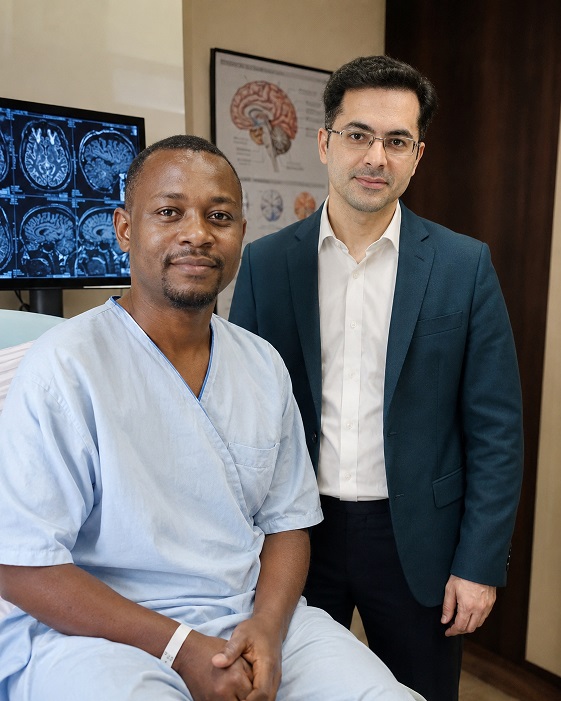
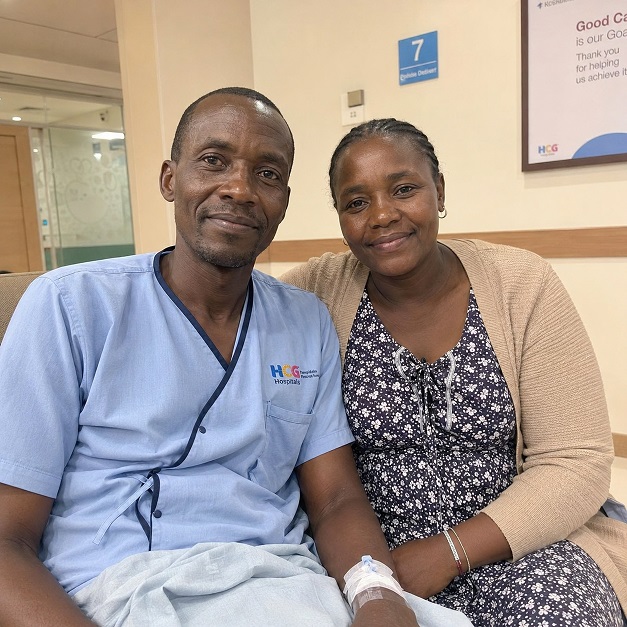
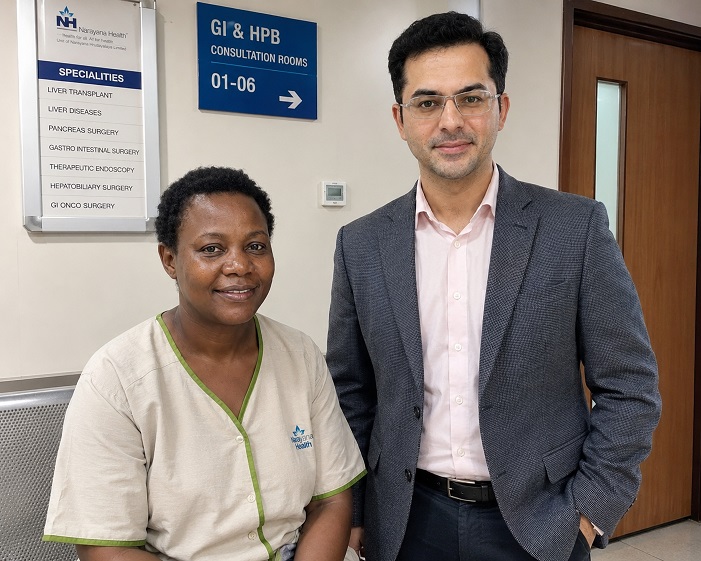
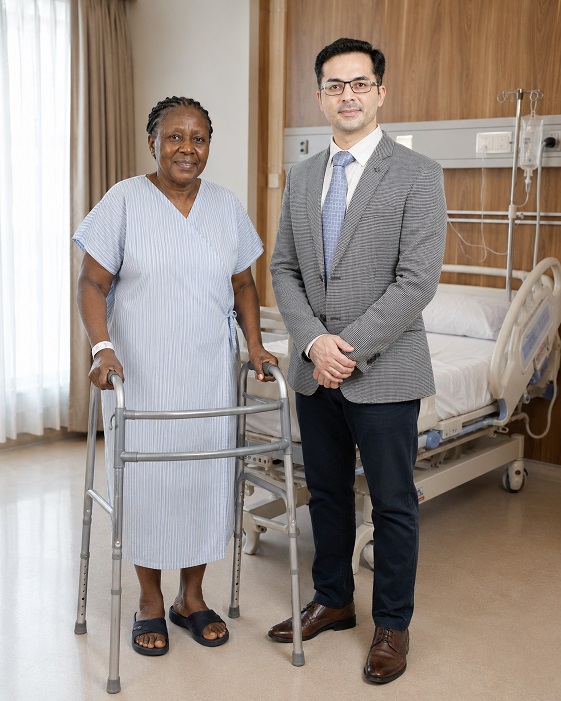
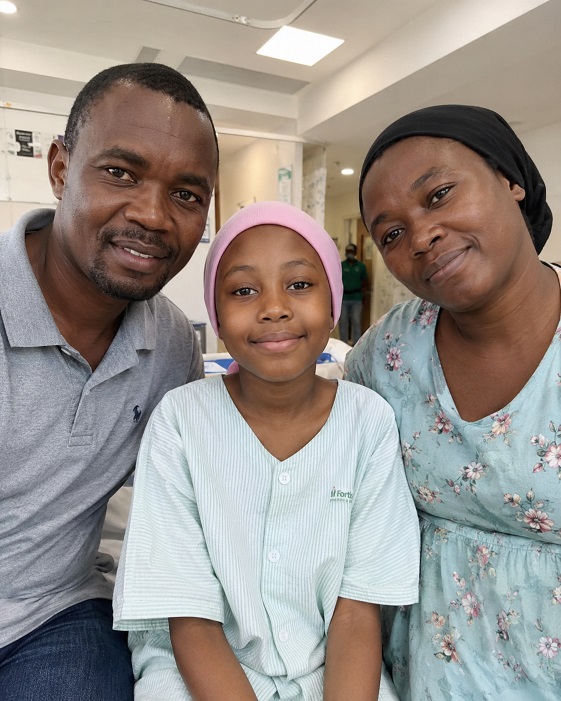
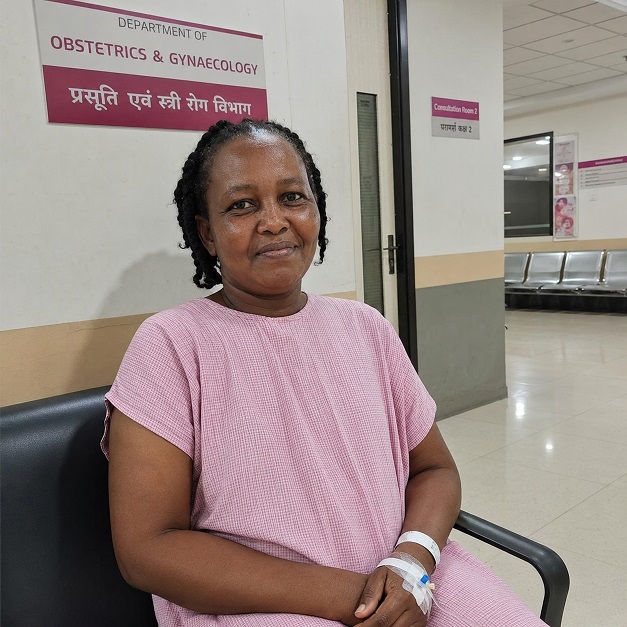
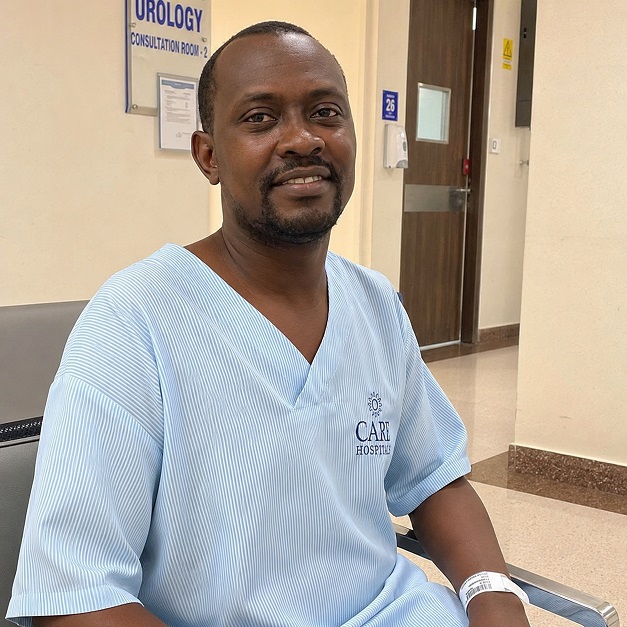
Patient Testimonials from Kenya







Ready to Take the First Step?
Share your Medical Reports with our Healthcare Managers Today and Get a FREE CONSULTATION, a Personalized Treatment Plan, and Complete Support from Arrival to Recovery.
Get Your Free ConsultationAreas We Serve
This resource has been thoughtfully prepared for patients from Kenya who are considering medical treatment in India. We also welcome patients from the wider region in the countries mentioned below-
We assist patients from:
- Ethiopia
- Somalia
- Tanzania
- Uganda
- Seychelles
- Guinea
- Guinea-Bissau
- Liberia
- Mali
- Mauritania
- Niger
- Nigeria
- Senegal
- Togo
- South Sudan
- Sierra Leone
Many of the insights, treatment pathways, hospital recommendations, travel guidance, and patient support services described here are equally relevant and may be used as a reference when planning treatment in India.
From Kenya to India: Your Complete Patient Support Guide
- Brain Tumour Surgery in India for Kenyan Patients
- Cancer Treatment and Surgery in India for Kenyan Patients
- Cardiac Treatment and Surgery in India for Kenyan Patients
- Heart Valve Replacement Surgery in India for Kenyan Patients
- Knee Replacement in India for Kenyan Patients
- Prostate Cancer Treatment and Surgery in India for Kenyan Patients
- Spine Treatment and Surgery in India for Kenyan Patients
- Selecting the Best Bariatric Surgeons and Hospitals in India: What Kenyan Patients Should Actually Look For
- Selecting the Best Cancer Surgeons and Hospitals in India: What Kenyan Patients Should Actually Look For
- Selecting the Best Cardiac Surgeons and Hospitals in India: What Kenyan Patients Should Actually Look For
- Selecting the Best Dental Surgeons and Clinics in India: What Kenyan Patients Should Actually Look For
- Selecting the Best Hip Surgeons and Hospitals in India: What Kenyan Patients Should Actually Look For
- Selecting the Best Kidney Transplant Surgeons and Hospitals in India: What Kenyan Patients Should Actually Look For
- Selecting the Best Knee Surgeons and Hospitals in India: What Kenyan Patients Should Actually Look For
- Selecting the Best Liver Transplant Surgeons and Hospitals in India: What Kenyan Patients Should Actually Look For
- Selecting the Best Neurosurgeons and Hospitals in India: What Kenyan Patients Should Actually Look For
- Selecting the Best Prostate Cancer Surgeons and Hospitals in India: What Kenyan Patients Should Actually Look For
- Selecting the Best Spine Surgeons and Hospitals in India: What Kenyan Patients Should Actually Look For