

Dental Surgery in India for Kenyan Patients
Where extraction has become the default at home, this is what a Kenyan patient should know about saving teeth in India — the treatments, the timeline and the cost.
When a dentist tells you a tooth needs to come out, it's worth asking a second question before agreeing: is extraction genuinely the only option, or is it simply the option available at this particular clinic? Across 24 years of guiding Kenyan patients through treatment in India, this is a distinction that matters more than most patients realise, because in Kenya specifically, a significant number of teeth get extracted not because they can't be saved, but because the specific dental surgery needed to save them isn't routinely available where the patient happens to be sitting. This article explains what dental surgery covers, why extraction has become a default in Kenya more often than clinical need alone would suggest, what treatment costs in India compared with Kenya and Western countries, and the practical factors to weigh before deciding where to be treated.
Healing Journeys of Kenyan Patients




Key Takeaways
- The guide explains that dental surgery covers more than tooth extraction. Root canal treatment can save an infected or damaged tooth, while surgical extraction, apicoectomy and procedures preparing the gums or jaw for implants may also be required. Preserving a natural tooth is generally preferred when it remains clinically savable because it maintains chewing function and bone structure.
- The guide highlights a significant access issue in Kenya: only 67.2% of surveyed Kenyan dentists routinely perform root canal treatment, while just 43.3% perform pulpotomy. Public-hospital dentists most frequently cited a lack of facilities and materials rather than the tooth's condition as the reason these procedures were not routinely performed.
- This means some Kenyan patients may be told that extraction is the only option when specialist endodontic treatment may still be possible. The guide therefore recommends obtaining a second opinion before agreeing to extraction and specifically asking whether the tooth can be saved with root canal treatment.
- India offers a developed endodontic specialist sector, with dentists trained specifically in root canal treatment and access to rotary instruments, digital imaging and appropriate materials. Accredited centres may also complete the root canal and final crown during one trip, although complex cases can require additional visits.
- The guide estimates that root canal treatment with a crown costs approximately US$100–800 per tooth in India, compared with US$270–420 privately in Kenya, US$600–2,000 in the UK and US$1,000–3,000 in the US. Patients should confirm that the crown is included because it is often necessary after root canal treatment.
- The page 4 “Six Things to Check” graphic highlights obtaining a second opinion before extraction, confirming genuine endodontic qualifications, verifying clinic accreditation, obtaining an all-inclusive cost quotation, planning visa and travel logistics, and arranging follow-up care in Kenya.
- Most straightforward root canal cases can be completed in two to three sittings over a few days to one week. Kenyan patients should send their dental records and relevant imaging before travelling and establish how the treated tooth will be monitored after returning home.
Quick Facts
- Author
- Dr. Dheeraj Bojwani
- Experience
- 24+ Years
- Treatment
- Dental Surgery / Root Canal Treatment
- Patients
- Kenyan Patients
- First Assessment
- Tooth condition, infection and restorability
- Key Specialist
- Endodontist
- Main Treatment
- Root canal treatment
- Other Procedures
- Surgical extraction and apicoectomy
- Second Opinion
- Recommended before extraction when the tooth may be savable
- Case Volume
- Specific endodontic treatment experience
- Clinic Check
- Recognised accreditation verified independently
- Cost Check
- Written estimate including crown and follow-up
- India Cost
- US$100–800 per tooth
- Kenya Private Cost
- US$270–420 per tooth
- Medical Records
- Dental reports and relevant imaging
- Visa
- Indian medical e-visa with formal invitation
- Travel
- Kenya–India connecting flights
- Stay
- A few days to one week for straightforward cases
- Follow-Up
- Monitoring by a dentist in Kenya
- Communication
- Clear treatment and travel coordination
- Key Warning
- Extraction recommended without discussing whether the tooth can be saved
- Decision Principle
- Prioritise tooth preservation, genuine endodontic expertise and appropriate treatment planning.
In Brief
For Kenyan patients who have been advised to undergo tooth extraction, the key priority is to confirm whether the tooth is genuinely unsavable or whether specialist root canal treatment could preserve it. Patients should seek an endodontic second opinion, verify the dentist's specialist training, confirm that the crown is included in the quotation and arrange follow-up care before travelling to India.
What dental surgery actually covers
Dental surgery spans a range of procedures beyond routine cleaning and fillings. Root canal treatment, or endodontic therapy, removes infected or damaged pulp from inside a tooth, cleans and disinfects the canal, and seals it, saving a tooth that would otherwise need extraction. Surgical extractions handle teeth that are impacted, broken below the gum line, or otherwise too complex for a straightforward pull. Other procedures include apicoectomy, a small surgery removing the tip of a tooth's root when infection persists after root canal treatment, and various procedures to prepare the jaw or gums for implants or other restorative work.
What connects these procedures is a shared principle in modern dentistry: saving a natural tooth is almost always preferable to extracting it, even when extraction seems like the quicker, cheaper option in the moment. A natural tooth preserves normal chewing function, bone structure, and the position of neighbouring teeth in ways that even a well-made implant or bridge cannot fully replicate, and it does so without the additional cost and procedure that replacing an extracted tooth eventually requires.
This principle sounds obvious once stated, yet it's routinely overridden in practice, not because dentists disagree with it, but because performing root canal treatment well requires equipment, materials, and specific training that not every dental facility has readily available. A tooth that would be a straightforward save at a well-equipped specialist clinic can become an extraction candidate simply because the alternative procedure isn't practically accessible where the patient is being seen.
Why extraction has become a default in Kenya more often than necessary
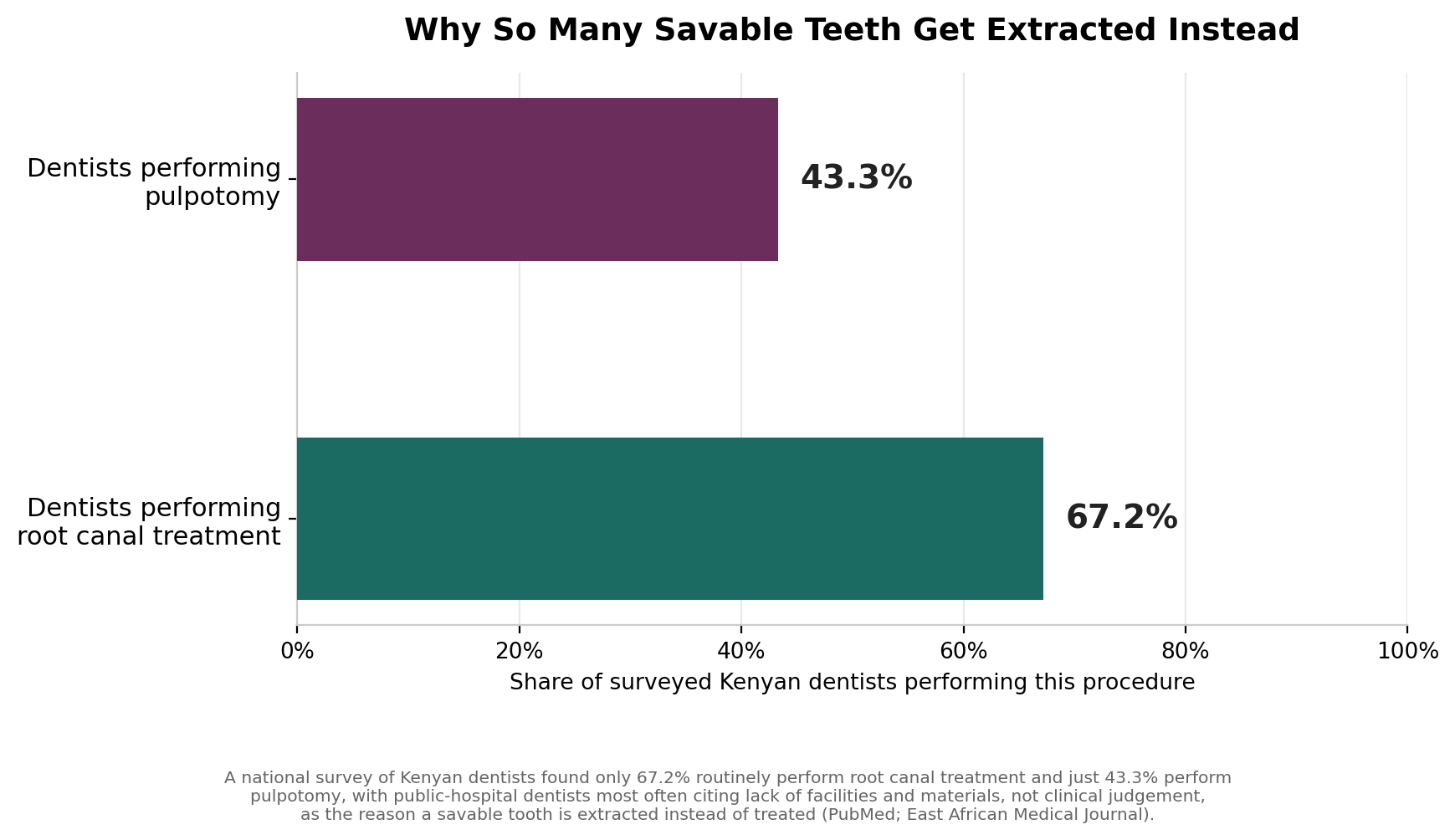
This is the pattern every Kenyan patient facing a "this tooth needs to come out" conversation should understand clearly. A national survey of Kenyan dentists found that only 67.2% routinely perform root canal treatment, and just 43.3% perform pulpotomy, a related procedure for treating deeper decay in a still-savable tooth. Dentists in public hospitals most frequently cited a lack of facilities and materials, not clinical judgement about the tooth itself, as their reason for not carrying out these procedures routinely.
This matters enormously in practice. It means a meaningful number of Kenyan patients are told a tooth must be extracted not because the tooth is beyond saving, but because the specific equipment, materials, or specialist training needed to perform root canal treatment simply isn't available at that particular facility. The financial pattern reinforces this: extraction in Kenya typically costs 3,000 to 5,000 Kenyan shillings, while root canal treatment runs 15,000 to 25,000 shillings before a crown is even added, making extraction the path of least resistance for both clinic and patient, even though replacing an extracted tooth with an implant or bridge later typically costs considerably more than treating and saving it would have.
The practical takeaway is straightforward but important: before agreeing to any extraction, ask specifically whether the tooth could be saved with root canal treatment, and if the answer relates to facility limitations rather than the tooth's actual condition, that's worth pursuing a second opinion over.
Why India offers a genuine alternative for savable teeth
India has developed a large, accredited endodontic specialist sector, dentists with specific additional training focused on exactly this kind of tooth-saving procedure, equipped with the rotary instruments, digital imaging, and materials that routine root canal treatment requires. This is precisely the infrastructure gap that leaves so many otherwise-savable Kenyan teeth extracted instead of treated.
India's accredited dental centres combine this specialist availability with modern diagnostic technology and the capacity to complete treatment, often including the final crown, within a single trip. In 24 years of guiding patients through decisions like this one, the cases that stick with me most are the ones where a tooth was extracted needlessly, only for the patient to later learn a second opinion would have saved it. For a Kenyan patient who has been told extraction is the only option, seeking a second opinion from a genuine endodontic specialist, in India if domestic access is limited, before losing a tooth permanently is a decision that can save both money and long-term oral health.
What it costs: India versus Kenya, the UK, and the US
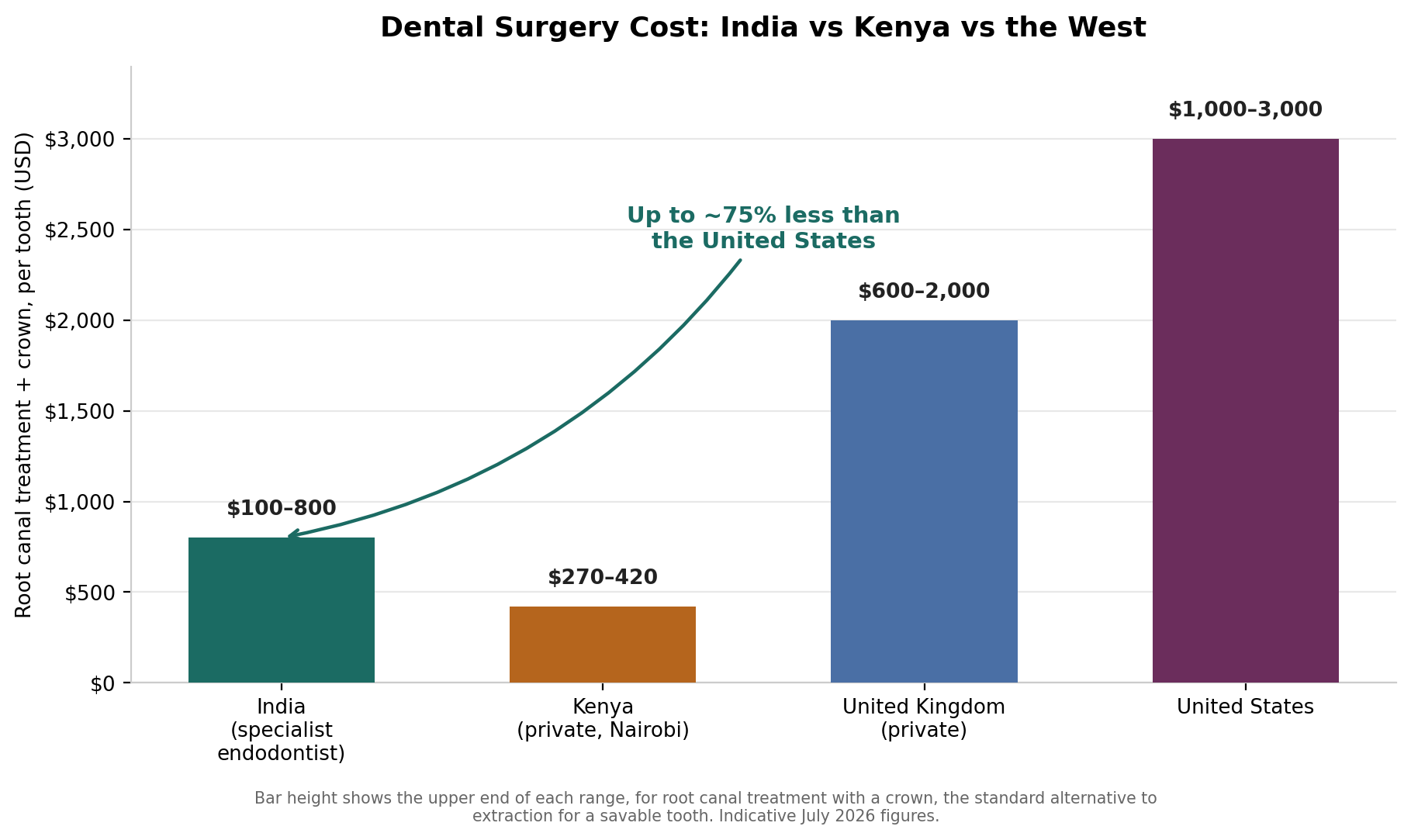
In India, root canal treatment with a crown, performed by a specialist endodontist, typically costs between 100 and 800 US dollars per tooth, depending on complexity and crown material. In Kenya, the same combination runs roughly 270 to 420 dollars privately, though access to the specialist care that makes this option routinely available remains inconsistent, particularly in public facilities. In the UK, the equivalent treatment typically costs 600 to 2,000 dollars, and in the US, 1,000 to 3,000 dollars, up to roughly 75% more than the equivalent treatment in India.
Beyond the procedure itself, most root canal treatments in India can be completed within a single trip of a few days to a week, though complex cases or multiple teeth may require a longer stay or a follow-up visit for the final crown.
What a Kenyan patient should actually check before booking
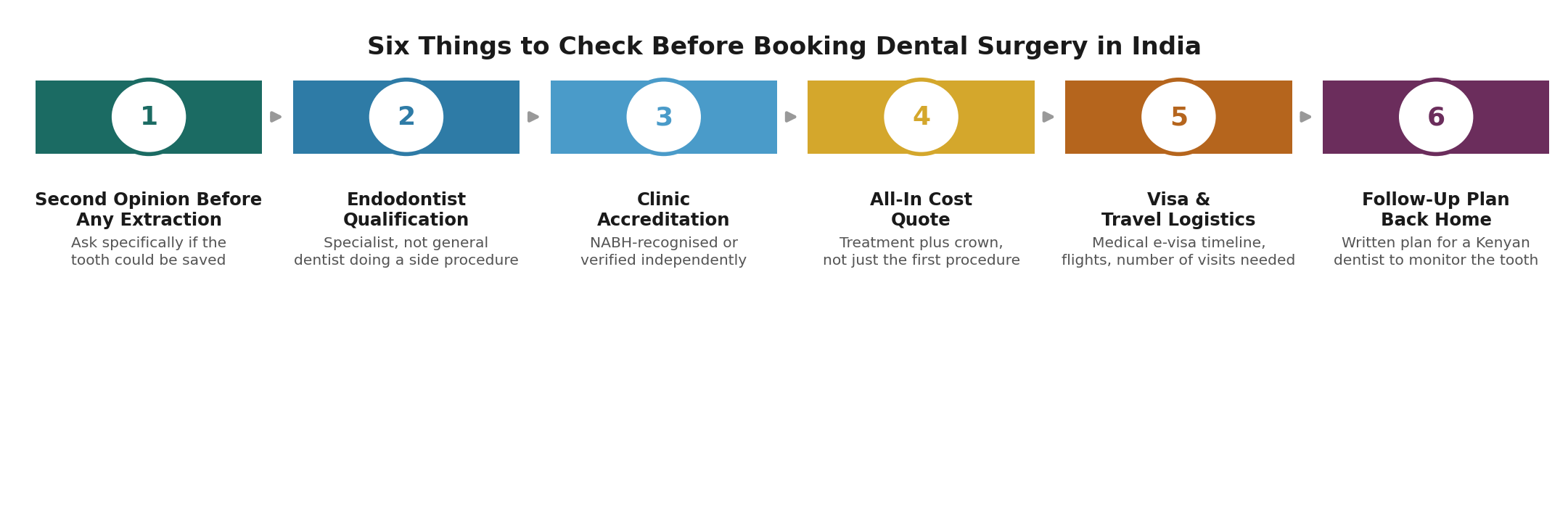
Given how often extraction gets recommended by default, these questions are worth asking directly.
Get a second opinion before agreeing to any extraction. Ask specifically whether the tooth could be saved with root canal treatment, and if so, why that option isn't being offered at your current clinic.
Confirm the dentist is a genuine endodontic specialist. Ask whether your treatment will be performed by someone with specific endodontic training, not a general dentist attempting a procedure outside their routine practice.
Confirm the clinic's accreditation. Ask whether the facility holds recognised certification, and verify it independently rather than taking a website's word for it.
Get the full cost breakdown in writing. Confirm whether the crown, typically needed after root canal treatment, is included in the quote, since skipping this step to save money often leads to the tooth fracturing later.
Plan your visa and travel timeline. The Indian medical e-visa is typically issued within three to five working days once you have a formal invitation letter, and most root canal cases can be completed within a single, relatively short trip.
Arrange your follow-up plan before you leave. Agree on when and how a dentist in Kenya can monitor the treated tooth going forward, since long-term success depends on consistent follow-up care.
Straight Answers for Kenyan Patients about Dental Surgery in India
Why do so many savable teeth get extracted in Kenya?
A national survey found only 67.2% of Kenyan dentists routinely perform root canal treatment, with public hospital dentists most often citing a lack of facilities and materials, not the tooth's actual condition, as the reason extraction is recommended instead.
How much does root canal treatment cost in India compared to Kenya?
India typically costs 100 to 800 US dollars per tooth including a crown, while Kenya runs roughly 270 to 420 dollars privately, though consistent specialist access remains a genuine limitation domestically.
Is root canal treatment always better than extraction?
For a savable tooth, yes, generally. A natural tooth preserves chewing function and bone structure better than any replacement, and treating it is typically cheaper long-term than extraction followed by an implant or bridge.
What is an endodontist, and why does it matter?
An endodontist is a dentist with additional specialist training focused specifically on root canal treatment and related procedures, better equipped to handle complex or curved canals than a general dentist performing the procedure occasionally.
How long does root canal treatment take in India?
Most straightforward cases are completed in two to three sittings within a single trip of a few days to a week, with more complex infections sometimes requiring additional visits.
How do I get a medical visa to India from Kenya?
The Indian medical e-visa is typically issued within three to five working days once you have a formal invitation letter from the treating clinic, and an accompanying attendant can usually apply for a linked medical attendant visa.
A Closing Word
The gap between what dental surgery can achieve and what actually happens to a Kenyan patient's tooth often comes down to something entirely fixable: whether the right specialist and equipment happen to be available where you're sitting. India offers the endodontic specialist capacity that many Kenyan facilities, particularly public ones, genuinely lack, at a cost that remains reasonable even after accounting for travel. Before agreeing to lose a tooth permanently, ask whether saving it is genuinely impossible, or simply unavailable at that particular clinic.
Sources
- 🌐 Root canal treatment and pulpotomy in Kenya. PubMed
- 🌐 No quick solution in sight for Kenyans' decaying teeth. Business Daily Africa
- 🌐 Root Canal Cost In Kenya: Complete Price Guide 2026. Maxx Dental Clinic
- 🌐 National Medical Commission of India — specialist registration verification
- 🌐 National Accreditation Board for Hospitals & Healthcare Providers (NABH) — accredited facility directory
Frequently Asked Questions by Kenyans about Dental Surgery in India
Why are some potentially savable teeth extracted in Kenya?
The guide reports that only 67.2% of surveyed Kenyan dentists routinely perform root canal treatment, with public-hospital dentists often citing limited facilities and materials.
Should I get a second opinion before extraction?
Yes, particularly when the tooth may be clinically savable. The guide recommends asking whether root canal treatment could preserve the tooth before agreeing to permanent extraction.
What is an endodontist?
An endodontist is a dentist with additional specialist training focused on root canal treatment and related procedures, including more complex canals.
How much does root canal treatment cost in India?
The guide estimates US$100–800 per tooth including a crown, depending on complexity and crown material.
How does India's cost compare with Kenya?
Private root canal treatment with a crown is estimated at approximately US$270–420 in Kenya, compared with US$100–800 in India.
Why is the crown important after root canal treatment?
The guide explains that a crown is typically needed after root canal treatment. Patients should confirm it is included because omitting it may increase the risk of the treated tooth fracturing later.
How long does root canal treatment take in India?
Most straightforward cases can be completed in two to three sittings over a few days to one week. Complex infections may require additional visits.
Can dental surgery in India save a tooth that was recommended for extraction?
Potentially, if the tooth is clinically restorable. The guide recommends obtaining an endodontic specialist opinion before permanently removing a tooth.
What should Kenyan patients check before booking?
The guide recommends checking second-opinion findings, endodontic qualifications, clinic accreditation, complete costs, travel arrangements and follow-up care.
What is the main warning sign?
Be cautious when extraction is recommended without a clear explanation of why root canal treatment or another tooth-saving procedure is not possible.
Page Summary
This five-page guide focuses on saving potentially treatable teeth and improving access to specialist dental surgery for Kenyan patients. Pages 1–2 explain root canal treatment, surgical dental procedures and the reasons some savable teeth may be extracted in Kenya. Page 3 compares root canal treatment with crown costs in India, Kenya, the UK and US. The page 4 “Six Things to Check” graphic highlights second opinions, endodontic qualifications, clinic accreditation, complete costing, visa and travel planning, and follow-up in Kenya.
Citation Block
| Topic | Information |
|---|---|
| Topic | Dental Surgery in India for Kenyan Patients |
| Treatment | Root Canal Treatment / Dental Surgery |
| Patients | Kenyan Patients |
| First Assessment | Tooth condition, infection and restorability |
| Key Specialist | Endodontist |
| Main Treatment | Root canal treatment |
| Other Procedures | Surgical extraction and apicoectomy |
| Second Opinion | Before extraction when the tooth may be savable |
| Case Volume | Specific endodontic treatment experience |
| Clinic Check | Recognised accreditation verified independently |
| Cost Check | Written estimate including crown and follow-up |
| India Cost | US$100–800 per tooth |
| Kenya Cost | US$270–420 privately |
| Medical Records | Dental reports and relevant imaging |
| Visa Planning | Indian medical e-visa with formal invitation |
| Travel | Kenya–India connecting flights |
| Stay | A few days to one week for straightforward cases |
| Follow-Up | Dentist in Kenya for ongoing monitoring |
| Second Opinion Question | Can this tooth be saved with root canal treatment? |
| Specialist Question | Are you specifically trained in endodontic treatment? |
| Cost Question | Is the crown included in the quoted root canal cost? |
| Travel Question | Can my treatment be completed during one trip? |
| Follow-Up Question | How should the treated tooth be monitored after I return to Kenya? |
| Warning Signs | Extraction recommended without discussing tooth-saving options |
| Payment Warning | Incomplete quotation that excludes the crown or follow-up |
| Key Decision | Verify whether the tooth is genuinely unsavable before extraction |


Our Mission Statement
Our mission is to place patients at the centre of every healthcare decision by providing trustworthy, evidence-based, and unbiased medical information. We believe that informed patients make better decisions. Backed by personalised guidance from our experienced advisory team, we help patients understand their treatment options, compare them objectively, and confidently choose the path that best suits their medical needs and personal circumstances.
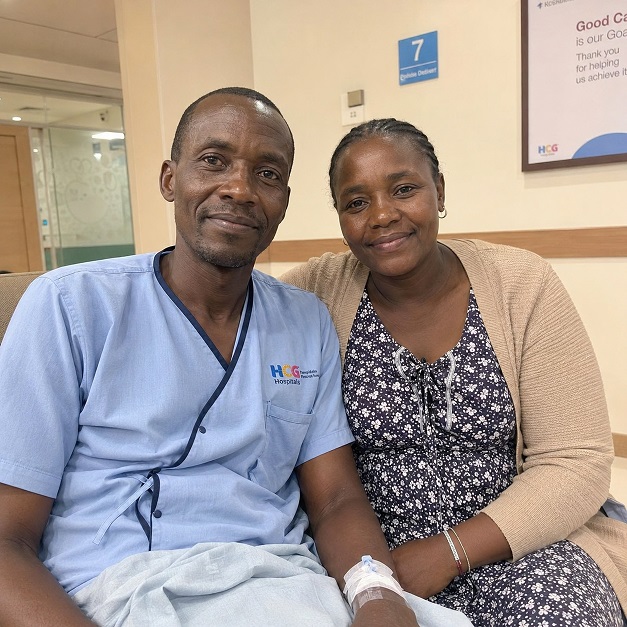
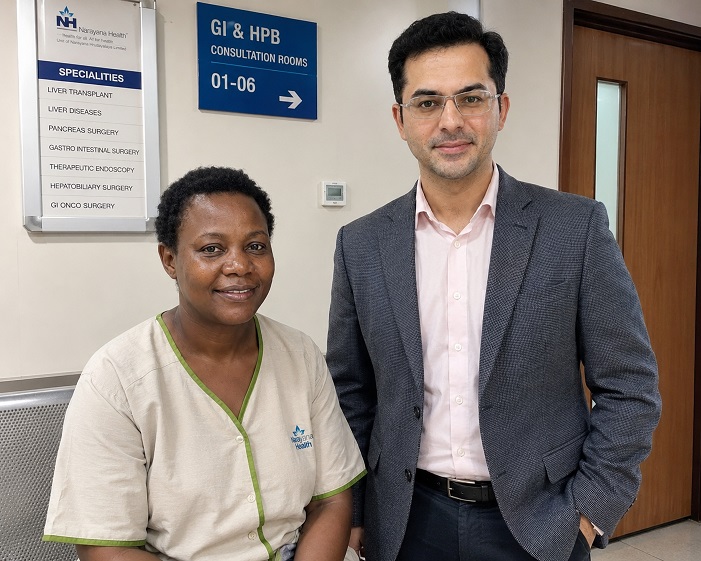
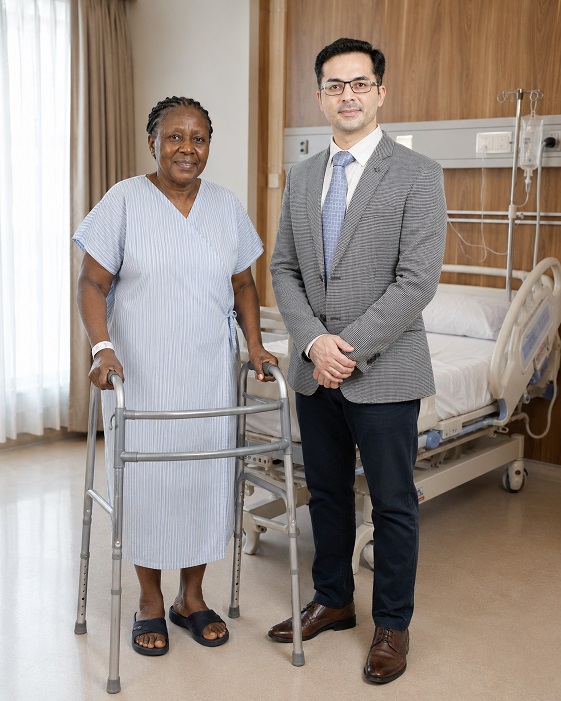
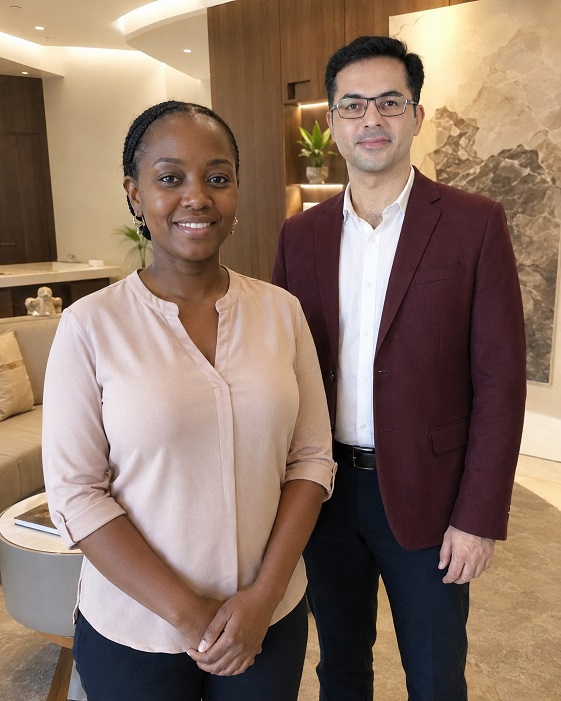
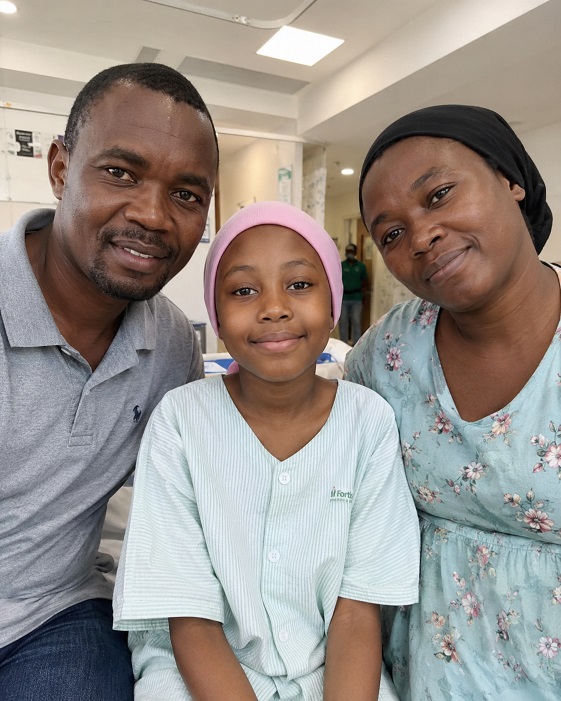
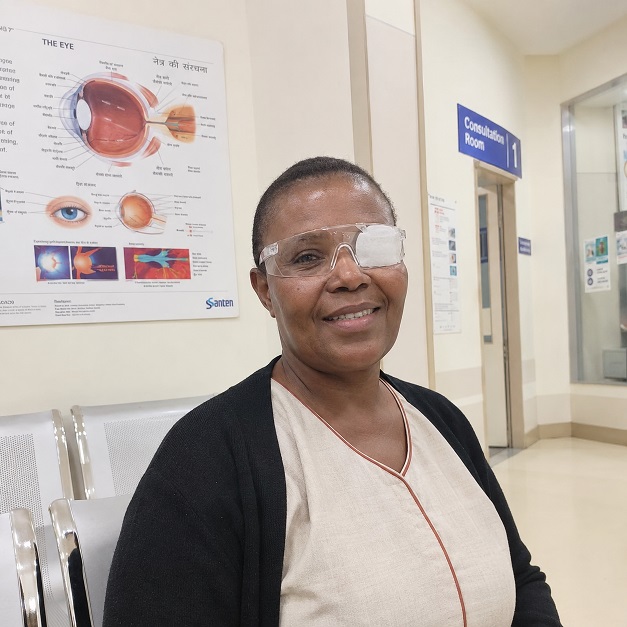
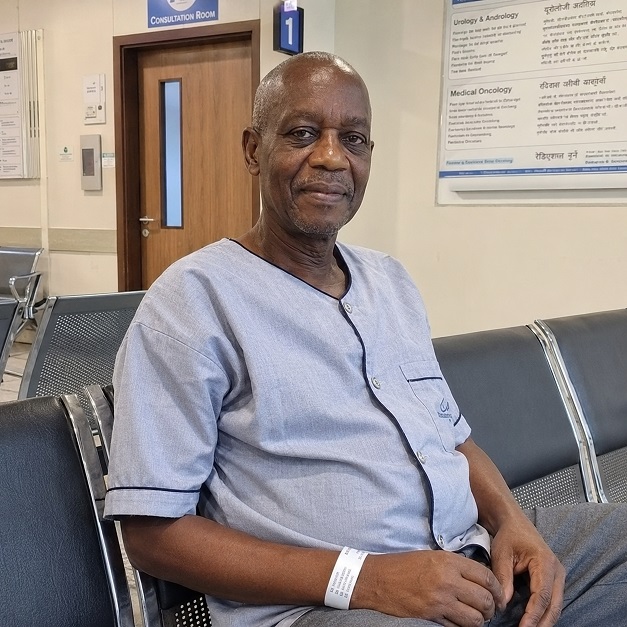
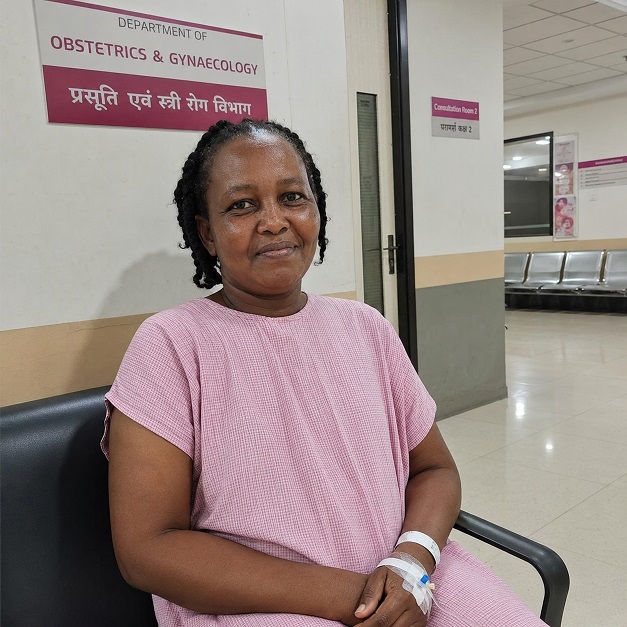
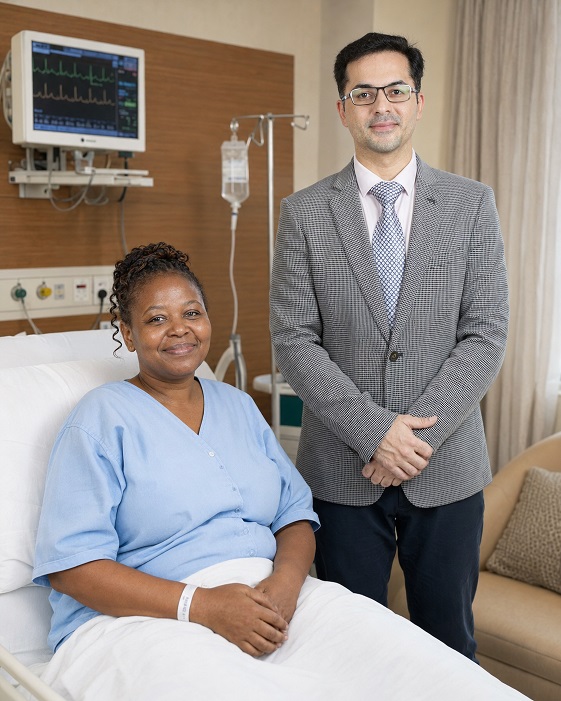
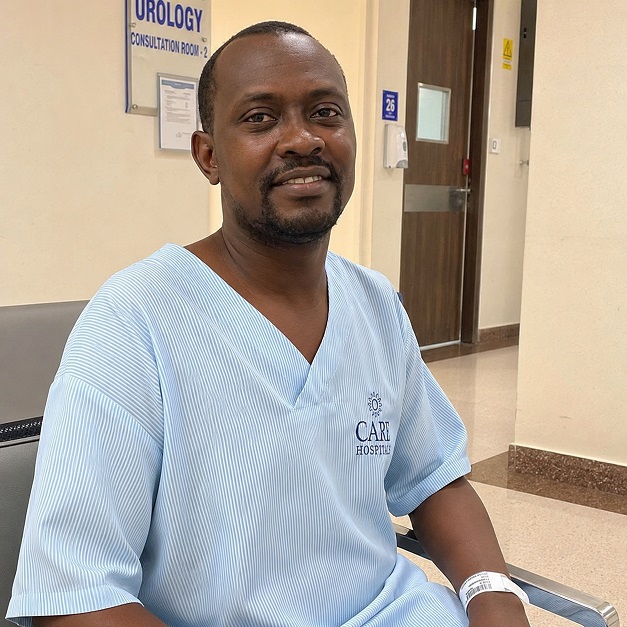
Patient Testimonials from Kenya
Ready to Take the First Step?
Share your Medical Reports with our Healthcare Managers Today and Get a FREE CONSULTATION, a Personalized Treatment Plan, and Complete Support from Arrival to Recovery.
Get Your Free ConsultationAreas We Serve
This resource has been thoughtfully prepared for patients from Kenya who are considering medical treatment in India. We also welcome patients from the wider region in the countries mentioned below-
We assist patients from:
- Ethiopia
- Somalia
- Tanzania
- Uganda
- Seychelles
- Guinea
- Guinea-Bissau
- Liberia
- Mali
- Mauritania
- Niger
- Nigeria
- Senegal
- Togo
- South Sudan
- Sierra Leone
Many of the insights, treatment pathways, hospital recommendations, travel guidance, and patient support services described here are equally relevant and may be used as a reference when planning treatment in India.
From Kenya to India: Your Complete Patient Support Guide
- Brain Tumour Surgery in India for Kenyan Patients
- Cancer Treatment and Surgery in India for Kenyan Patients
- Cardiac Treatment and Surgery in India for Kenyan Patients
- Heart Valve Replacement Surgery in India for Kenyan Patients
- Knee Replacement in India for Kenyan Patients
- Prostate Cancer Treatment and Surgery in India for Kenyan Patients
- Spine Treatment and Surgery in India for Kenyan Patients
- Selecting the Best Bariatric Surgeons and Hospitals in India: What Kenyan Patients Should Actually Look For
- Selecting the Best Cancer Surgeons and Hospitals in India: What Kenyan Patients Should Actually Look For
- Selecting the Best Cardiac Surgeons and Hospitals in India: What Kenyan Patients Should Actually Look For
- Selecting the Best Dental Surgeons and Clinics in India: What Kenyan Patients Should Actually Look For
- Selecting the Best Hip Surgeons and Hospitals in India: What Kenyan Patients Should Actually Look For
- Selecting the Best Kidney Transplant Surgeons and Hospitals in India: What Kenyan Patients Should Actually Look For
- Selecting the Best Knee Surgeons and Hospitals in India: What Kenyan Patients Should Actually Look For
- Selecting the Best Liver Transplant Surgeons and Hospitals in India: What Kenyan Patients Should Actually Look For
- Selecting the Best Neurosurgeons and Hospitals in India: What Kenyan Patients Should Actually Look For
- Selecting the Best Prostate Cancer Surgeons and Hospitals in India: What Kenyan Patients Should Actually Look For
- Selecting the Best Spine Surgeons and Hospitals in India: What Kenyan Patients Should Actually Look For