

15 Frequently Asked Questions: Cornea Transplant and Advanced Eye Surgery in India for Kenyan Patients
Introduction
The cornea is the transparent front surface of the eye and plays an important role in focusing light. Damage or disease affecting the cornea can cause blurred vision, glare, pain, light sensitivity and, in advanced cases, significant loss of vision. Kenyan patients with corneal scarring, keratoconus, corneal dystrophies, endothelial disease, previous failed corneal grafts, corneal infections or serious eye injuries may be evaluated for advanced corneal treatment in India. Depending on the condition, treatment may include corneal collagen cross-linking, DALK, DSAEK, DMEK, penetrating keratoplasty, therapeutic keratoplasty, ocular-surface reconstruction or limbal stem-cell transplantation. AIIMS and other Indian corneal centres list these procedures among their advanced corneal services.
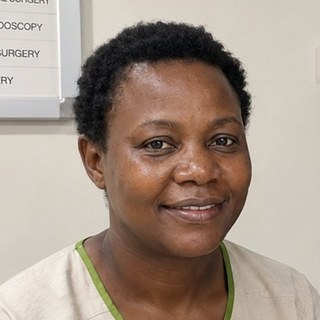
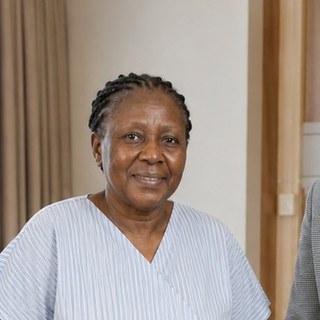
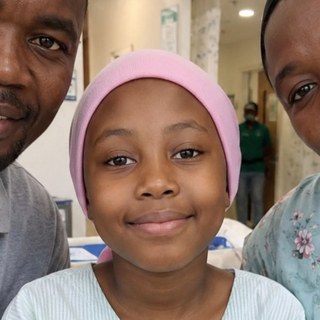
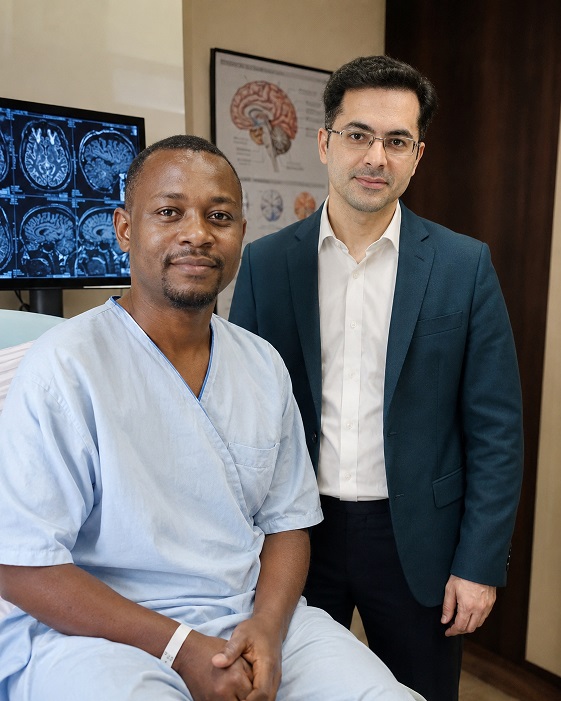
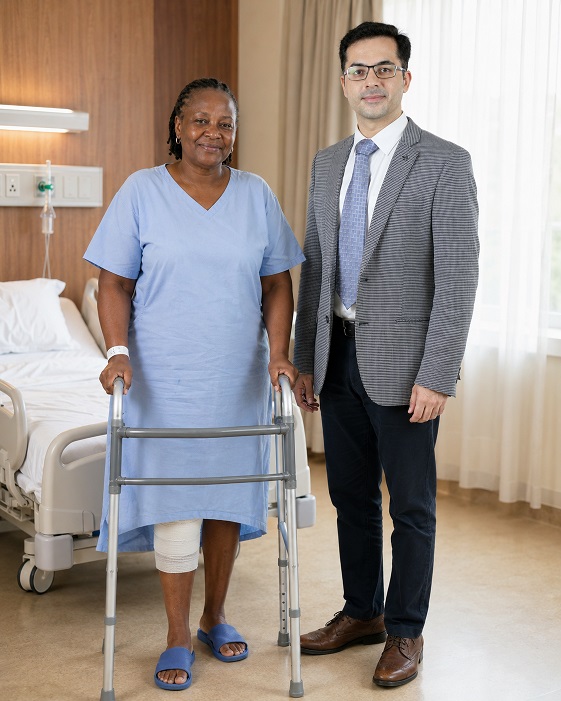
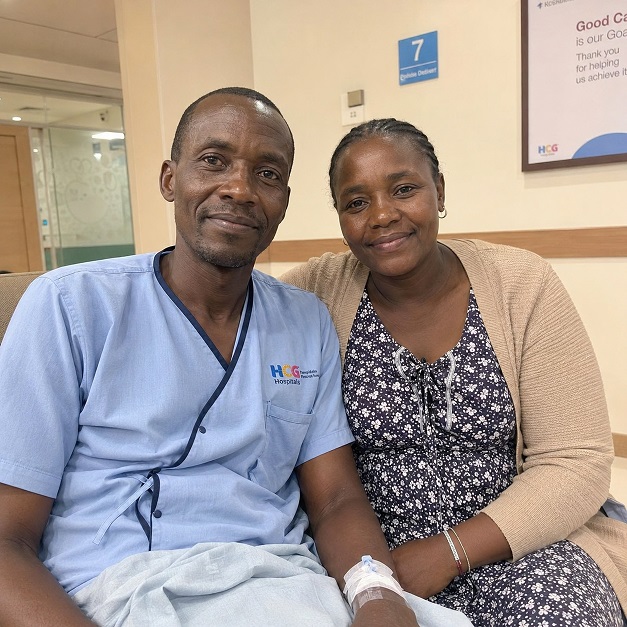
Healing Journeys of Kenyan Patients


In Brief
The cornea is the transparent front surface of the eye and plays an important role in focusing light. Damage or disease affecting the cornea can cause blurred vision, glare, pain, light sensitivity and, in advanced cases, significant loss of vision. Kenyan patients with corneal scarring, keratoconus, corneal dystrophies, endothelial disease, previous failed corneal grafts, corneal infections or serious eye injuries may be evaluated for advanced corneal treatment in India.
Q1 · Why do Kenyan patients consider Cornea Transplant and Advanced Eye Surgery in India?
Kenyan patients may consider India when they require specialist treatment for advanced corneal disease or when previous treatment has not restored adequate vision.
Possible reasons include
- Corneal transplant surgery
- Advanced keratoconus treatment
- Corneal scarring
- Corneal dystrophies
- Endothelial corneal disease
- Previous failed corneal graft
- Corneal injury or trauma
- Severe corneal infection after the infection has been controlled
- Ocular-surface disease
- Limbal stem-cell deficiency
- Advanced corneal degeneration
- Specialist second opinion
Indian corneal centres offer both full-thickness and partial-thickness transplantation, allowing surgeons to replace only the diseased portion of the cornea when clinically appropriate.
For international patients, sending recent corneal scans, previous reports and photographs before travel can help the specialist determine whether a transplant or another corneal procedure may be appropriate.
Q2 · How much does Cornea Transplant and Advanced Eye Surgery cost in India for Kenyan patients?
The following are indicative private-healthcare planning estimates.
| Procedure | Kenya – Local Currency / USD | India – INR / USD | Indicative Saving |
|---|---|---|---|
| Corneal collagen cross-linking | KES 180,000–300,000 US$1,390–2,315 | INR 50,000–100,000 US$520–1,040 | 25–50% |
| Penetrating Keratoplasty (PK) | KES 450,000–750,000 US$3,475–5,790 | INR 150,000–300,000 US$1,565–3,125 | 25–50% |
| DALK – Deep Anterior Lamellar Keratoplasty | KES 500,000–850,000 US$3,860–6,565 | INR 180,000–350,000 US$1,875–3,645 | 25–50% |
| DSAEK / DSEK | KES 550,000–900,000 US$4,250–6,950 | INR 200,000–400,000 US$2,085–4,165 | 25–50% |
| DMEK | KES 650,000–1,050,000 US$5,020–8,110 | INR 250,000–500,000 US$2,605–5,210 | 25–50% |
| Therapeutic keratoplasty | KES 500,000–900,000 US$3,860–6,950 | INR 200,000–400,000 US$2,085–4,165 | 25–50% |
| Complex / repeat corneal graft | KES 800,000–1,400,000 US$6,180–10,810 | INR 350,000–700,000 US$3,645–7,290 | 20–45% |
| Limbal stem-cell / ocular- surface reconstruction | KES 900,000–1,600,000 US$6,950–12,355 | INR 400,000–900,000 US$4,165–9,375 | 20–45% |
| Keratoprosthesis / artificial cornea | KES 1,000,000–1,800,000 US$7,720–13,900 | INR 500,000–1,000,000 US$5,210–10,420 | 20–45% |
Published Indian estimates vary by procedure and hospital. Current Indian sources place corneal transplantation broadly from around INR 50,000 to INR 250,000 per eye, with DMEK, DSAEK, DALK and PK costs varying according to the technique and complexity.
The quotation may include or exclude
- Cornea specialist consultation
- Corneal scans
- Eye-bank/donor tissue charges
- Surgeon fees
- Operating-room charges
- Anaesthesia
- Medicines and eye drops
- Hospitalisation
- Follow-up visits
- Additional procedures
Patients should therefore request a complete itemised quotation per eye before travelling.
Q3 · Which Indian cities can Kenyan patients consider?
Kenyan patients can consider several major Indian medical cities for Cornea Transplant and Advanced Eye Surgery.
Indian City Relevant Corneal and Eye-Care Services
| City | Considerations |
|---|---|
| New Delhi / Delhi | Corneal transplantation, DALK, endothelial keratoplasty, ocular-surface |
| Mumbai | DMEK, DSEK, DALK, penetrating keratoplasty and advanced corneal care |
| Chennai | Corneal transplantation, keratoconus treatment and advanced ophthalmic surgery |
| Bengaluru | Corneal transplantation, keratoconus management and advanced eye surgery |
| Hyderabad | Corneal transplantation, complex corneal disease and advanced ophthalmology |
| Gurugram | Corneal and advanced ophthalmic evaluation and surgical care |
| Noida | Corneal disease management and selected advanced eye procedures |
| Kolkata | Corneal transplantation and advanced ophthalmic services |
| Pune | Corneal surgery, keratoconus treatment and advanced ophthalmology |
| Ahmedabad | Corneal care, transplantation and selected advanced eye procedures |
| Kochi | Corneal disease management and advanced ophthalmic surgery |
| Thiruvananthapuram | Corneal and ophthalmic surgical services |
| Goa | Selected corneal and ophthalmic procedures |
| Nagpur | Corneal transplantation, DMEK/DSAEK and advanced corneal services |
For example, AIIMS New Delhi lists penetrating keratoplasty, DALK, DSAEK, DMEK, therapeutic keratoplasty, ocular-surface reconstruction and limbal stem-cell transplantation among its corneal services. Guru Nanak Eye Centre in Delhi also lists PK, DALK, DSAEK, limbal procedures and collagen cross-linking, supported by a dedicated eye bank.
For complex cases, patients should select the city according to the specific corneal procedure required, surgeon experience, eye-bank support, diagnostic facilities and postoperative follow-up, rather than simply selecting a city based on its general medical reputation.
Q4 · Which hospitals in India can Kenyan patients consider?
Important: This is a broad hospital reference list. Not every hospital listed necessarily has a dedicated cornea-transplant unit or performs every advanced corneal procedure. Patients should specifically confirm the cornea specialist, eye-bank arrangements and exact procedure availability before travelling.
Delhi Hospitals
- Fortis Escorts Heart Institute, New Delhi
- BLK-Max Super Speciality Hospital, New Delhi
- Max Super Speciality Hospital, Saket
- Indraprastha Apollo Hospitals, New Delhi
- Sir Ganga Ram Hospital
- Max Super Speciality Hospital, Patparganj
- Manipal Hospital, Dwarka
- Fortis Hospital, Vasant Kunj
- Institute of Brain and Spine Hospital (IBS Hospital)
- Dharamshila Narayana Hospital
- Indian Spinal Injuries Centre
- AIIMS New Delhi
Chennai Hospitals
- MGM Healthcare
- MIOT International
- Apollo Hospitals, Greams Road
- Sri Ramachandra Medical Centre
- SIMS Hospital
- Kauvery Hospital
- Gleneagles HealthCity Chennai
- Vijaya Hospital
- Apollo Speciality Hospitals
- Rela Hospital
Mumbai Hospitals
- Bombay Hospital & Medical Research Centre
- Lilavati Hospital & Research Centre
- Jaslok Hospital & Research Centre
- Gleneagles Hospital, Mumbai
- Nanavati Max Super Speciality Hospital
- Kokilaben Dhirubhai Ambani Hospital
- P. D. Hinduja Hospital & Medical Research Centre
- Sir H. N. Reliance Foundation Hospital
- Wockhardt Hospitals, Mumbai
- Apollo Hospitals, Mumbai
Bengaluru Hospitals
- Manipal Hospital, Old Airport Road
- Manipal Hospital, Whitefield
- Manipal Hospital, Yeshwanthpur
- Apollo Hospitals, Bengaluru
- Fortis Hospital, Bannerghatta Road
- Aster CMI Hospital
- Sakra World Hospital
- Narayana Health City
- Sagar Hospitals
- Kauvery Hospital, Bengaluru
Hyderabad Hospitals
- KIMS Hospitals
- Yashoda Hospitals
- Apollo Health City
- CARE Hospitals
- Continental Hospitals
- Gleneagles Hospitals, Hyderabad
- Sunshine Hospitals
- Star Hospitals
Gurugram Hospitals
- Fortis Memorial Research Institute (FMRI)
- Medanta – The Medicity
- Artemis Hospital
- Max Hospital, Gurugram
- CK Birla Hospital, Gurugram
- Manipal Hospital, Gurugram
- Paras Health
- Narayana Superspeciality Hospital
Noida Hospitals
- Fortis Hospital, Noida
- Jaypee Hospital
- Max Super Speciality Hospital, Noida
- Yatharth Hospital
- Kailash Hospital
- Metro Hospital & Heart Institute
- Metro Center for Neurosciences
Kolkata Hospitals
- Apollo Multispeciality Hospitals
- AMRI Hospitals
- Fortis Hospital, Anandapur
- Manipal Hospitals, Salt Lake
- Medica Superspecialty Hospital
- Narayana Superspeciality Hospital
- Ruby General Hospital
Pune Hospitals
- Ruby Hall Clinic
- Jehangir Hospital
- Deenanath Mangeshkar Hospital
- Sahyadri Super Speciality Hospital
- Aditya Birla Memorial Hospital
- Manipal Hospital, Kharadi
- Medicover Hospital, Pune
Ahmedabad Hospitals
- Apollo Hospitals, Ahmedabad
- Zydus Hospitals
- Sterling Hospitals
- Shalby Hospitals
- HCG Hospitals
- SAL Hospital
- CIMS Hospital
Kochi Hospitals
- Aster Medcity
- Amrita Hospital
- VPS Lakeshore Hospital
- Rajagiri Hospital
- Aster MIMS
- Lisie Hospital
- Renai Medicity
Thiruvananthapuram Hospitals
- KIMSHEALTH Hospital
- Ananthapuri Hospitals and Research Institute
- SUT Hospital
- SP Medifort Hospital
- PRS Hospital
- GG Hospital
Goa Hospitals
- Manipal Hospital, Goa
- Healthway Hospital
- Manipal Hospitals, Dona Paula
- Goa Medical College and Hospital
- Apollo Victor Hospital
Nagpur Hospitals
- Wockhardt Hospitals, Nagpur
- Max Multispeciality Hospital
- CARE Hospitals, Nagpur
- Kingsway Hospitals
- Lata Mangeshkar Hospital
Q5 · What types of Cornea Transplant and Advanced Eye Surgery are available?
Penetrating Keratoplasty (PK)
PK is a full-thickness corneal transplant in which the damaged cornea is replaced with donor corneal tissue.
It may be considered for severe corneal scarring, advanced corneal disease, certain perforations and cases where deeper layers of the cornea are affected.
DALK — Deep Anterior Lamellar Keratoplasty
DALK replaces the diseased anterior layers while preserving the patient's healthy endothelium.
It may be considered for conditions such as keratoconus and selected anterior corneal scars.
1. DSAEK / DSEK
This is an endothelial keratoplasty in which the damaged inner corneal layer is replaced with donor tissue.
It can be used for selected endothelial disorders and corneal swelling caused by endothelial dysfunction.
2. DMEK
DMEK replaces an even thinner layer of diseased endothelial tissue.
It is used for selected endothelial disorders such as Fuchs' dystrophy and other conditions causing endothelial failure.
3. Corneal Cross-Linking
Cross-linking is commonly used to strengthen the cornea in selected patients with progressive keratoconus or corneal ectatic disorders. AIIMS lists customized cross-linking techniques among its corneal services.
4. Therapeutic Keratoplasty
May be considered when diseased corneal tissue needs to be removed because of certain infections or severe structural damage.
5. Limbal Stem-Cell Transplantation
Selected patients with limbal stem-cell deficiency may require ocular-surface reconstruction or limbal stem-cell transplantation.
6. Keratoprosthesis
An artificial cornea may be considered in selected complex cases, including some cases involving repeated graft failure.
Q6 · What are the benefits of Cornea Transplant and Advanced Eye Surgery?
Depending on the condition, treatment may help to
- Improve corneal clarity
- Improve visual function
- Reduce corneal irregularity
- Treat advanced corneal scarring
- Manage selected endothelial disorders
- Stabilise progressive keratoconus
- Restore the corneal surface
- Treat selected severe corneal infections
- Improve vision after certain previous eye injuries
- Provide an option after failed previous corneal treatment
Partial-thickness procedures such as DALK, DSAEK and DMEK replace only the diseased portion of the cornea when appropriate, rather than replacing the entire cornea.
The expected benefit depends heavily on the condition of the cornea, retina, optic nerve and other structures of the eye.
Q7 · Who may be suitable for Cornea Transplant or Advanced Eye Surgery?
Patients may be evaluated for advanced corneal treatment when they have
- Advanced keratoconus
- Corneal scarring
- Corneal dystrophy
- Fuchs' endothelial disease
- Corneal oedema
- Severe corneal infection after appropriate assessment
- Corneal trauma
- Previous failed corneal graft
- Corneal degeneration
- Limbal stem-cell deficiency
- Severe ocular-surface disease
- Certain corneal perforations
Not every patient requires a transplant.
For example, a patient with progressive keratoconus may be considered for corneal cross-linking or specialised contact lenses before transplantation, depending on the condition. AIIMS lists both cross-linking and several forms of keratoplasty in its corneal service.
Q8 · What medical documents should Kenyan patients send?
Before travelling, patients should ideally provide
- Recent eye examination report
- Corneal topography or tomography
- Pentacam report, if available
- Pachymetry/corneal-thickness report
- Specular microscopy, where relevant
- OCT or anterior-segment OCT, where available
- Previous eye-operation reports
- Previous corneal-transplant records
- Previous infection reports
- Medication and eye-drop list
- Visual-acuity records
- Previous contact-lens history
- Previous treatment for keratoconus or corneal disease
For international patients, corneal topography/tomography and previous surgical records can be particularly useful for preliminary assessment.
The final decision should be made after a specialist examination.
Q9 · How is Cornea Transplant and Advanced Eye Surgery performed?
Step 1 — Corneal Assessment
The ophthalmologist examines the cornea and evaluates visual acuity, corneal shape, thickness and other eye structures.
Step 2 — Advanced Diagnostics
Depending on the condition, tests may include
- Corneal topography
- Corneal tomography
- Pachymetry
- Specular microscopy
- Anterior-segment OCT
- Slit-lamp examination
- Eye-pressure measurement
Step 3 — Selection of Procedure
The surgeon determines whether the patient requires
- Cross-linking
- DALK
- DSAEK
- DMEK
- PK
- Therapeutic keratoplasty
- Ocular-surface reconstruction
- Limbal stem-cell treatment
- Another corneal procedure
Step 4 — Donor Tissue
For transplantation, appropriate donor corneal tissue is obtained through an authorised eye-bank system.
Step 5 — Surgery
The diseased portion of the cornea is removed and replaced or treated according to the selected procedure.
Step 6 — Postoperative Care
Patients receive medications, usually including prescribed eye drops, and undergo regular monitoring of the graft and eye pressure. Indian eye centres describe dedicated eye-bank facilities and a range of full-and partial-thickness corneal transplantation procedures.
Q10 · What alternatives to Corneal Transplant may be considered?
A corneal transplant is not always the first treatment.
Depending on the diagnosis, alternatives may include
1. Specialised Contact Lenses
Rigid gas-permeable or scleral lenses may improve vision in selected patients with irregular corneas.
2. Corneal Cross-Linking
May help stabilise progressive keratoconus by strengthening the corneal tissue.
3. Intracorneal Ring Segments
Selected keratoconus patients may be evaluated for corneal implants to modify corneal shape.
4. Medical Treatment
Certain corneal infections and inflammatory conditions may require medication rather than transplantation.
5. Surface Reconstruction
Selected ocular-surface conditions may be treated with membrane transplantation or other reconstructive techniques.
6. Laser or Other Refractive Procedures
Only selected patients with appropriate corneal thickness and stability may be candidates for refractive procedures.
The appropriate treatment depends on the underlying disease and the structural condition of the cornea.
Q11 · What should Kenyan patients ask before accepting a quotation?
Patients should ask
- What exactly is causing the vision problem?
- Is a corneal transplant necessary?
- Which transplant technique is recommended?
- Why is PK, DALK, DSAEK or DMEK being recommended?
- Is the procedure for one eye or both eyes?
- Is donor corneal tissue included?
- Is the donor tissue sourced through an authorised eye bank?
- What diagnostic tests are included?
- What medicines and eye drops are included?
- How many follow-up visits are included?
- How long should the patient stay in India?
- Will stitches be required?
- When might stitches need to be removed?
- What are the possible graft-related complications?
- How will follow-up be managed after returning to Kenya?
For complex cases, patients should also ask about the surgeon's experience with the specific transplant technique, rather than only asking about general ophthalmology experience.
Q12 · How long should Kenyan patients stay in India?
The required stay varies according to the procedure and the patient's recovery.
For planning purposes
- Diagnostic evaluation: 2–4 days
- Cross-linking: often a short clinical visit with follow-up
- DMEK/DSAEK: approximately 1–2 weeks may be planned for international patients
- DALK: approximately 2–3 weeks
- Penetrating keratoplasty: approximately 2–3 weeks or longer
- Complex or repeat graft: potentially 3–4 weeks or more
The exact duration depends on postoperative examination, graft condition, eye pressure and the surgeon's assessment.
International patients should avoid booking a very tight return schedule because corneal transplantation requires ongoing monitoring after surgery.
Q13 · What is recovery like after Cornea Transplant and Advanced Eye Surgery?
Recovery depends strongly on the procedure.
1. After DMEK / DSAEK
Visual recovery may begin relatively early, but vision can continue to improve over time as the transplanted endothelial tissue settles and the cornea clears.
2. After DALK
Vision may improve progressively as the cornea heals, and recovery can take longer than after some endothelial procedures.
3. After PK
Because the entire corneal thickness is replaced and sutures are generally involved, visual recovery can take considerably longer.
4. After Cross-Linking
Patients may experience temporary discomfort, light sensitivity, watering and blurred vision during the initial healing period.
5. Long-Term Follow-Up
Corneal-transplant patients may require:
- Prescription eye drops
- Regular eye-pressure checks
- Graft monitoring
- Visual-acuity assessment
- Suture management where applicable
- Monitoring for graft rejection or failure
A corneal transplant is not considered a one-time procedure with no further care. Long-term ophthalmic follow-up is important.
Q14 · How can follow-up be managed after returning to Kenya?
Before leaving India, patients should obtain
- Complete surgical report
- Corneal-transplant details
- Donor-tissue documentation where applicable
- Discharge summary
- Medication and eye-drop schedule
- Eye-pressure records
- Follow-up schedule
- Visual-acuity record
- Instructions regarding eye protection
- Warning signs requiring urgent review
The patient should arrange follow-up with an ophthalmologist in Kenya who can monitor the graft and eye pressure.
Patients should be particularly clear about symptoms that may indicate a possible graft rejection or other postoperative complication, such as sudden deterioration in vision, increasing redness, pain or increased light sensitivity.
The Indian corneal surgeon should also specify when an in-person review in India is required.
Q15 · Should a Kenyan patient consider travelling to India for Cornea Transplant and Advanced Eye Surgery?
India can be considered by Kenyan patients requiring corneal transplantation, DMEK, DSAEK, DALK, penetrating keratoplasty, keratoconus treatment, ocular-surface reconstruction or a specialist corneal second opinion.
Before travelling, patients should compare
- Exact corneal diagnosis
- Severity and depth of corneal damage
- Recommended procedure
- Experience of the corneal surgeon
- Eye-bank and donor-tissue arrangements
- Diagnostic technology
- Expected recovery period
- Total treatment cost
- Need for long-term eye drops
- Follow-up arrangements in Kenya
- Possibility of further procedures
The key question is not simply whether a centre performs corneal transplantation. The important issue is which corneal procedure is appropriate for the patient's specific disease.
A useful first step for Kenyan patients is to send recent corneal scans, ophthalmology reports, previous surgery records and medication details for a preliminary specialist opinion before travelling.
Kenyan Patient Pre-Travel Checklist
Medical Documents
- Recent ophthalmology report
- Visual-acuity records
- Corneal topography/tomography
- Pentacam report where available
- Pachymetry report
- Specular microscopy where relevant
- Anterior-segment OCT where available
- Previous eye-surgery reports
- Previous transplant records
- Previous infection reports
- Current eye-drop and medication list
Treatment Planning
- Confirm exact corneal diagnosis
- Confirm whether transplantation is necessary
- Understand why a particular technique is recommended
- Confirm whether DMEK, DSAEK, DALK or PK is planned
- Ask about donor-tissue arrangements
- Confirm expected recovery time
- Understand long-term follow-up requirements
Cost
- Request an itemised quotation
- Confirm surgeon charges
- Confirm donor-tissue/eye-bank charges
- Confirm diagnostic-test charges
- Confirm operating-room charges
- Confirm medicines and eye drops
- Confirm hospitalisation charges
- Ask about follow-up charges
Travel
- Check medical-visa requirements
- Confirm appointment with the corneal specialist
- Carry all eye reports and scan images
- Arrange suitable accommodation
- Consider whether a companion is required
- Allow adequate time for postoperative monitoring
- Avoid booking a tight return flight
Before Returning to Kenya
- Obtain complete surgical report
- Obtain corneal transplant details
- Obtain donor-tissue documentation where applicable
- Collect medication instructions
- Record the eye-drop schedule
- Obtain follow-up plan
- Arrange ophthalmology follow-up in Kenya
- Understand warning signs of graft complications
- Confirm when an in-person review in India may be required
Final Note
Cornea Transplant and Advanced Eye Surgery in India for Kenyan Patients can include DMEK, DSAEK/ DSEK, DALK, penetrating keratoplasty, corneal cross-linking, therapeutic keratoplasty and selected ocular-surface or limbal stem-cell procedures. Indian corneal centres provide both full-thickness and modern partial-thickness transplantation. The choice of procedure depends on which layer of the cornea is diseased and the overall condition of the eye. For Kenyan patients, obtaining a specialist review based on recent corneal imaging and complete ophthalmology records before travelling can help clarify the appropriate procedure, expected stay, approximate cost and long-term follow-up requirements.
Page Summary
This page answers 15 frequently asked questions about cornea transplant and advanced eye surgery in India for Kenyan patients. It covers why patients travel for treatment, an indicative Kenya-versus-India cost comparison, the Indian cities and hospitals to consider, the treatment and surgical options available, how to obtain a quotation remotely, second opinions, advanced options, recovery, unexpected costs, combining treatments, medical visa and travel planning, length of stay, follow-up after returning to Kenya, and a complete pre-travel checklist.


Our Mission Statement
Our mission is to place patients at the centre of every healthcare decision by providing trustworthy, evidence-based, and unbiased medical information. We believe that informed patients make better decisions. Backed by personalised guidance from our experienced advisory team, we help patients understand their treatment options, compare them objectively, and confidently choose the path that best suits their medical needs and personal circumstances.
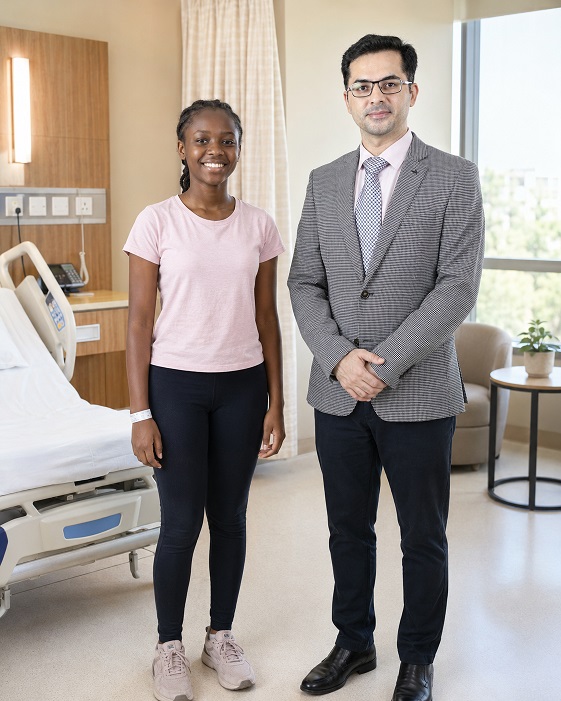
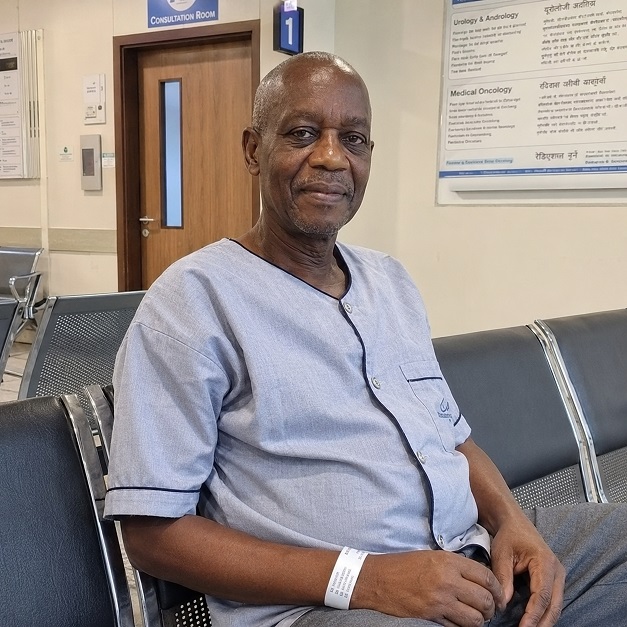
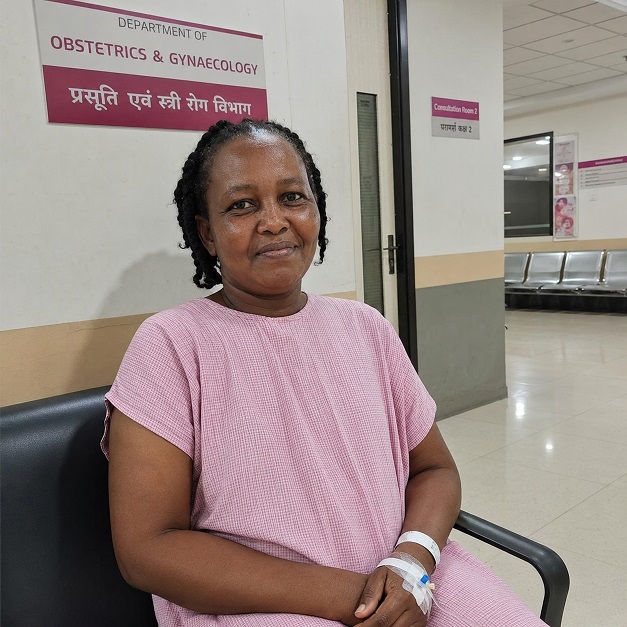
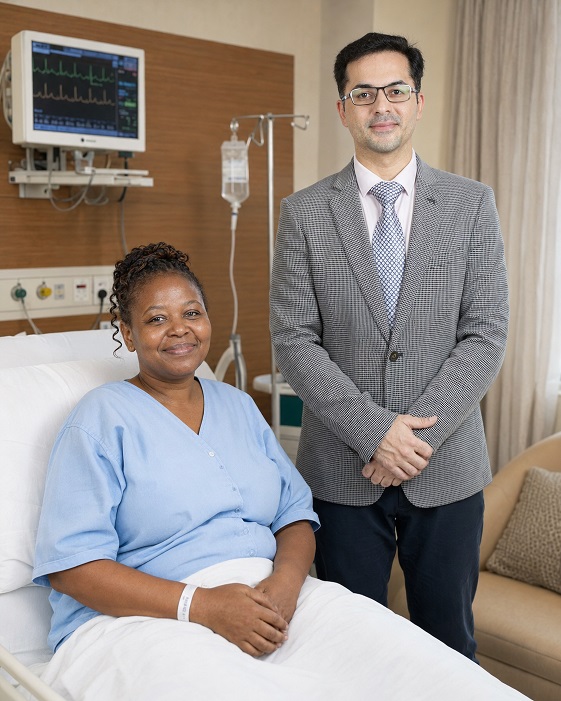
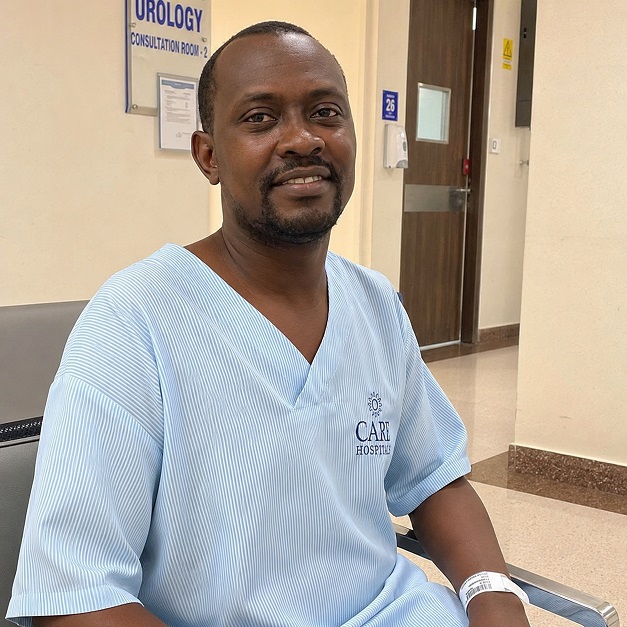
Patient Testimonials from Kenya

Ready to Take the First Step?
Share your Medical Reports with our Healthcare Managers Today and Get a FREE CONSULTATION, a Personalized Treatment Plan, and Complete Support from Arrival to Recovery.
Get Your Free ConsultationAreas We Serve
This resource has been thoughtfully prepared for patients from Kenya who are considering medical treatment in India. We also welcome patients from the wider region in the countries mentioned below-
We assist patients from:
- Ethiopia
- Somalia
- Tanzania
- Uganda
- Seychelles
- Guinea
- Guinea-Bissau
- Liberia
- Mali
- Mauritania
- Niger
- Nigeria
- Senegal
- Togo
- South Sudan
- Sierra Leone
Many of the insights, treatment pathways, hospital recommendations, travel guidance, and patient support services described here are equally relevant and may be used as a reference when planning treatment in India.
From Kenya to India: Your Complete Patient Support Guide
- Brain Tumour Surgery in India for Kenyan Patients
- Cancer Treatment and Surgery in India for Kenyan Patients
- Cardiac Treatment and Surgery in India for Kenyan Patients
- Heart Valve Replacement Surgery in India for Kenyan Patients
- Knee Replacement in India for Kenyan Patients
- Prostate Cancer Treatment and Surgery in India for Kenyan Patients
- Spine Treatment and Surgery in India for Kenyan Patients
- Selecting the Best Bariatric Surgeons and Hospitals in India: What Kenyan Patients Should Actually Look For
- Selecting the Best Cancer Surgeons and Hospitals in India: What Kenyan Patients Should Actually Look For
- Selecting the Best Cardiac Surgeons and Hospitals in India: What Kenyan Patients Should Actually Look For
- Selecting the Best Dental Surgeons and Clinics in India: What Kenyan Patients Should Actually Look For
- Selecting the Best Hip Surgeons and Hospitals in India: What Kenyan Patients Should Actually Look For
- Selecting the Best Kidney Transplant Surgeons and Hospitals in India: What Kenyan Patients Should Actually Look For
- Selecting the Best Knee Surgeons and Hospitals in India: What Kenyan Patients Should Actually Look For
- Selecting the Best Liver Transplant Surgeons and Hospitals in India: What Kenyan Patients Should Actually Look For
- Selecting the Best Neurosurgeons and Hospitals in India: What Kenyan Patients Should Actually Look For
- Selecting the Best Prostate Cancer Surgeons and Hospitals in India: What Kenyan Patients Should Actually Look For
- Selecting the Best Spine Surgeons and Hospitals in India: What Kenyan Patients Should Actually Look For