

Colorectal Cancer Treatment and Surgery in India for Kenyan Patients
Why stage at diagnosis decides so much in colorectal cancer, and what a Kenyan patient should check about the surgeon, the hospital and the cost before travelling to India.
Two numbers from Kenyan clinical data tell the story of colorectal cancer more clearly than almost any other statistic in this series. Five-year survival for localized colorectal cancer in Kenya stands at a genuinely strong 90%, comparable to outcomes anywhere in the world. But for patients whose disease has already spread by the time it's found, that figure collapses to just 15%. And up to 29% of Kenyan colorectal cancer patients are only diagnosed when the tumour causes an emergency bowel obstruction, meaning the disease was already advanced before anyone knew it was there. Across 24 years of guiding Kenyan patients through treatment in India, few things matter as much for colorectal cancer specifically as getting to genuinely experienced surgical care as early and as decisively as possible, and this is precisely where India's depth of colorectal surgical expertise makes a real, measurable difference. This article explains what colorectal cancer treatment and surgery involve, why stage at diagnosis matters so enormously for Kenyan patients specifically, why India has become the clear choice for so many patients in this exact situation, and the practical factors to weigh before deciding where to be treated.
Healing Journeys of Kenyan Patients




Key Takeaways
- The guide highlights a major difference in colorectal cancer outcomes according to stage at diagnosis. Five-year survival for localized colorectal cancer in Kenya is around 90%, compared with only 15% once the disease has spread. It also reports that up to 29% of Kenyan colorectal cancer patients are diagnosed when the tumour causes emergency bowel obstruction, emphasising the importance of timely diagnosis and treatment.
- Treatment commonly involves surgical removal of the affected colon or rectum, with chemotherapy and, particularly for rectal cancer, radiation added according to tumour stage and location. Laparoscopic and robotic surgery may offer less blood loss, less pain and faster recovery when clinically appropriate, while total mesorectal excision (TME) is highlighted as an important technique for rectal cancer.
- India offers dedicated colorectal cancer programmes with high surgical volume, laparoscopic and robotic expertise, multidisciplinary tumour boards and access to chemotherapy, radiation and advanced treatments such as HIPEC when indicated. The guide also highlights JCI and NABH accreditation and reported success rates of 97–99% for many colorectal procedures.
- The guide recommends that Kenyan patients verify the surgeon's colorectal-specific case volume, rather than relying on general gastrointestinal surgery experience. Patients should also ask whether minimally invasive surgery genuinely suits their tumour or whether open surgery is clinically preferable. The page 4 “Six Things to Check” graphic highlights accreditation, colorectal-specific surgeon volume, surgical approach, complete costing, urgent travel planning and long-term surveillance.
- The guide gives approximate complete colorectal cancer treatment costs of US$5,000–15,000 in India, compared with US$8,000–20,000 privately in Kenya, US$25,000–45,000 in the UK and US$50,000–100,000 in the US. Kenyan patients should obtain a written estimate covering surgery, chemotherapy and stoma care where required, rather than comparing surgery prices alone.
- A complete treatment course involving surgery and initial chemotherapy may require approximately three to six weeks in India, depending on the individual treatment plan. Patients should send their actual imaging, pathology and medical records before travelling and arrange a written colonoscopy and imaging surveillance plan with a doctor in Kenya for ongoing follow-up.
Quick Facts
- Author
- Dr. Dheeraj Bojwani
- Experience
- 24+ Years
- Treatment
- Colorectal Cancer Treatment & Surgery
- Patients
- Kenyan Patients
- First Assessment
- Tumour stage, location, imaging and pathology
- Key Specialist
- Colorectal Cancer Surgeon
- Surgical Options
- Open, laparoscopic or robotic surgery
- Rectal Cancer Technique
- Total Mesorectal Excision
- Case Volume
- Colorectal cancer procedures matching the patient's case
- Multidisciplinary Care
- Surgery, chemotherapy and radiation where required
- Advanced Treatment
- HIPEC for selected peritoneal spread
- Hospital Check
- JCI / NABH accreditation
- Cost Check
- Written estimate covering surgery, chemotherapy and stoma care if required
- India Cost
- US$5,000–15,000
- Kenya Private Cost
- US$8,000–20,000
- Medical Records
- Imaging, pathology and treatment reports
- Visa
- Indian medical e-visa with hospital invitation
- Travel
- Nairobi–India flights
- Stay
- Approximately 3–6 weeks
- Follow-Up
- Colonoscopy and imaging surveillance
- Communication
- Clear treatment and travel coordination
- Key Warning
- Treatment delayed or surgical approach recommended without case-specific explanation
- Decision Principle
- Prioritise colorectal-specific expertise, timely treatment and coordinated multidisciplinary care.
In Brief
For Kenyan patients considering colorectal cancer treatment in India, the key priorities are timely treatment, colorectal-specific surgical expertise and a case-specific decision between open, laparoscopic or robotic surgery. Patients should verify surgeon experience, hospital accreditation, complete treatment costs and a long-term surveillance plan before travelling.
What colorectal cancer treatment and surgery actually involve
Colorectal cancer, affecting the colon or rectum, is treated primarily through surgical removal of the affected segment, called a colectomy or rectal resection, often combined with chemotherapy and, for rectal cancer specifically, radiation therapy depending on the tumour's stage and location. The choice of surgical approach genuinely matters: laparoscopic and robotic techniques use small incisions and specialised instruments to remove the tumour with less blood loss, less pain, and meaningfully faster recovery than traditional open surgery, without compromising the thoroughness of cancer removal when performed by genuinely experienced hands.
For rectal cancer specifically, precision matters enormously; a technique called total mesorectal excision, removing the rectum along with its surrounding fatty tissue and lymph nodes in one intact piece, has become the recognised standard for reducing local recurrence, and it requires real surgical skill to execute properly. In cases where the cancer is caught early, surgery alone may be curative; for more advanced disease, a coordinated combination of surgery, chemotherapy, and sometimes radiation offers the best chance at long-term survival, which is exactly why a genuinely multidisciplinary treatment team matters as much as the surgeon alone.
Why stage at diagnosis matters so enormously for Kenyan patients specifically
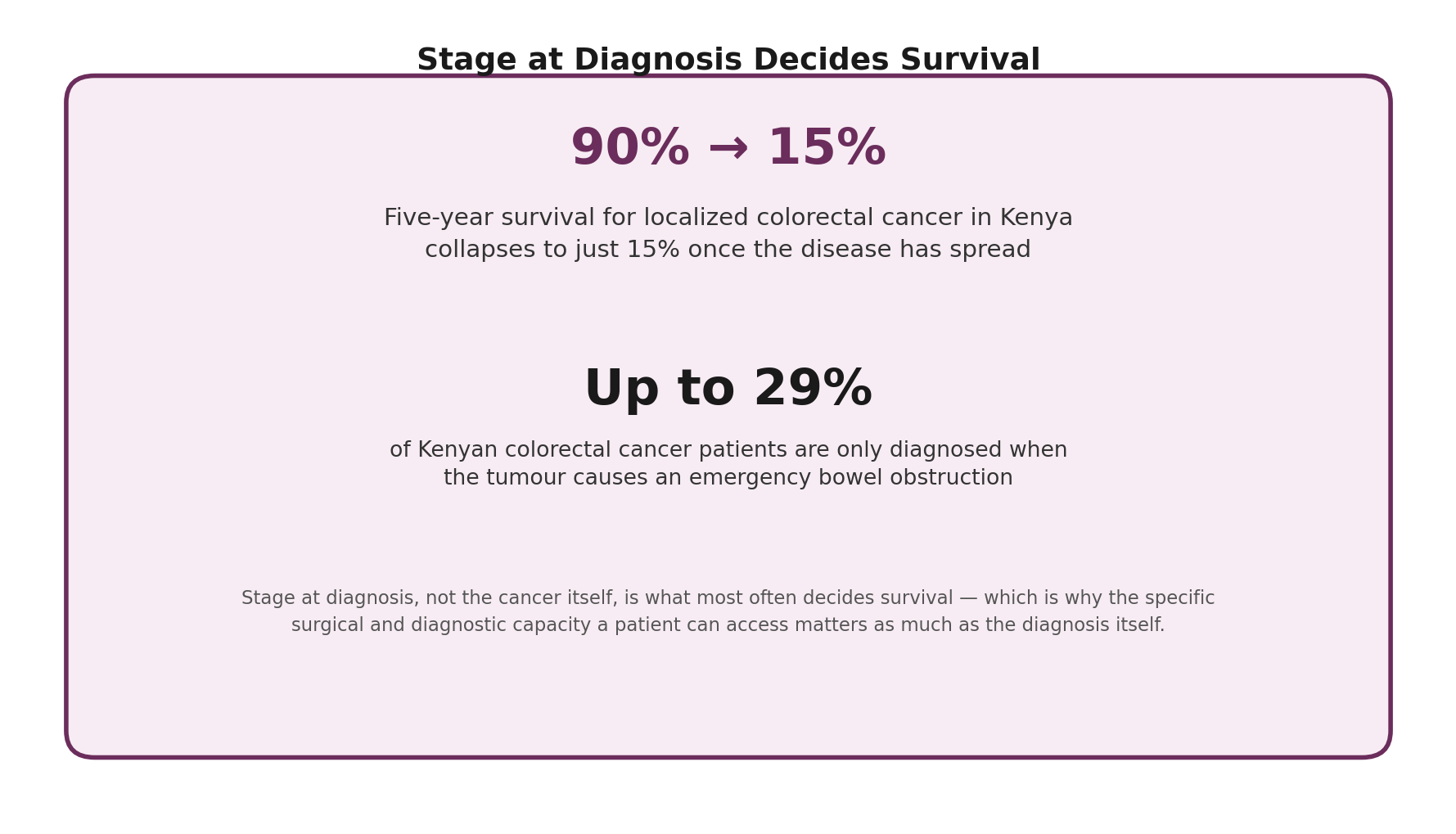
This is the fact every Kenyan patient facing a colorectal cancer diagnosis needs to understand clearly, because it changes everything about how urgently to act. The gap between 90% survival for localized disease and just 15% for distant, spread disease isn't a small variation, it's the difference between a genuinely treatable condition and one that has become extremely difficult to manage. Compounding this, colorectal cancer in Kenya and across Africa tends to strike a notably younger population, with a mean age around 53.5 compared with 66 to 70 in high-income countries, and a documented pattern of more advanced disease at diagnosis.
The emergency obstruction figure, up to 29% of Kenyan patients, deserves particular attention. An emergency bowel obstruction means the tumour has grown large enough to physically block the colon, a situation that often forces immediate surgery under far less favourable conditions than a planned, carefully staged operation would allow. This isn't a reflection of any individual patient's choices; it reflects gaps in screening access and symptom recognition across the healthcare system. What it does mean, practically, is that once a diagnosis is made, whether through screening or symptoms, moving quickly toward genuinely experienced surgical care becomes one of the single most important decisions a patient can make.
Why India is the clear choice for colorectal cancer treatment
This is where India's case becomes genuinely compelling, not as one option among many but as the destination that specifically addresses what Kenyan colorectal cancer patients need most. India's leading cancer centres perform colorectal surgery, including complex laparoscopic and robotic-assisted procedures, at a volume and frequency that most healthcare systems, including Kenya's, simply cannot yet match domestically. This translates directly into surgeons who have performed hundreds or thousands of these exact procedures, refined total mesorectal excision technique specifically, and multidisciplinary tumour boards that plan treatment collaboratively rather than leaving a single surgeon to manage a complex case alone.
India's colorectal cancer programmes combine this surgical depth with JCI and NABH accredited safety standards, reported success rates in the 97 to 99% range for many colorectal procedures, and, critically, the full combined- modality infrastructure, chemotherapy, radiation, and even advanced options like HIPEC for cases with peritoneal spread, available under one coordinated system. In 24 years of guiding patients through this exact decision, I've seen consistently that patients who move quickly toward a high-volume, genuinely experienced colorectal surgical programme, rather than waiting or settling for whatever is locally available, are the ones who get the best possible outcome from wherever their disease happens to be staged. For a Kenyan patient facing this diagnosis, India offers precisely that: speed, surgical depth, and a fully coordinated system, at a cost that remains genuinely accessible.
What it costs: India versus Kenya, the UK, and the US
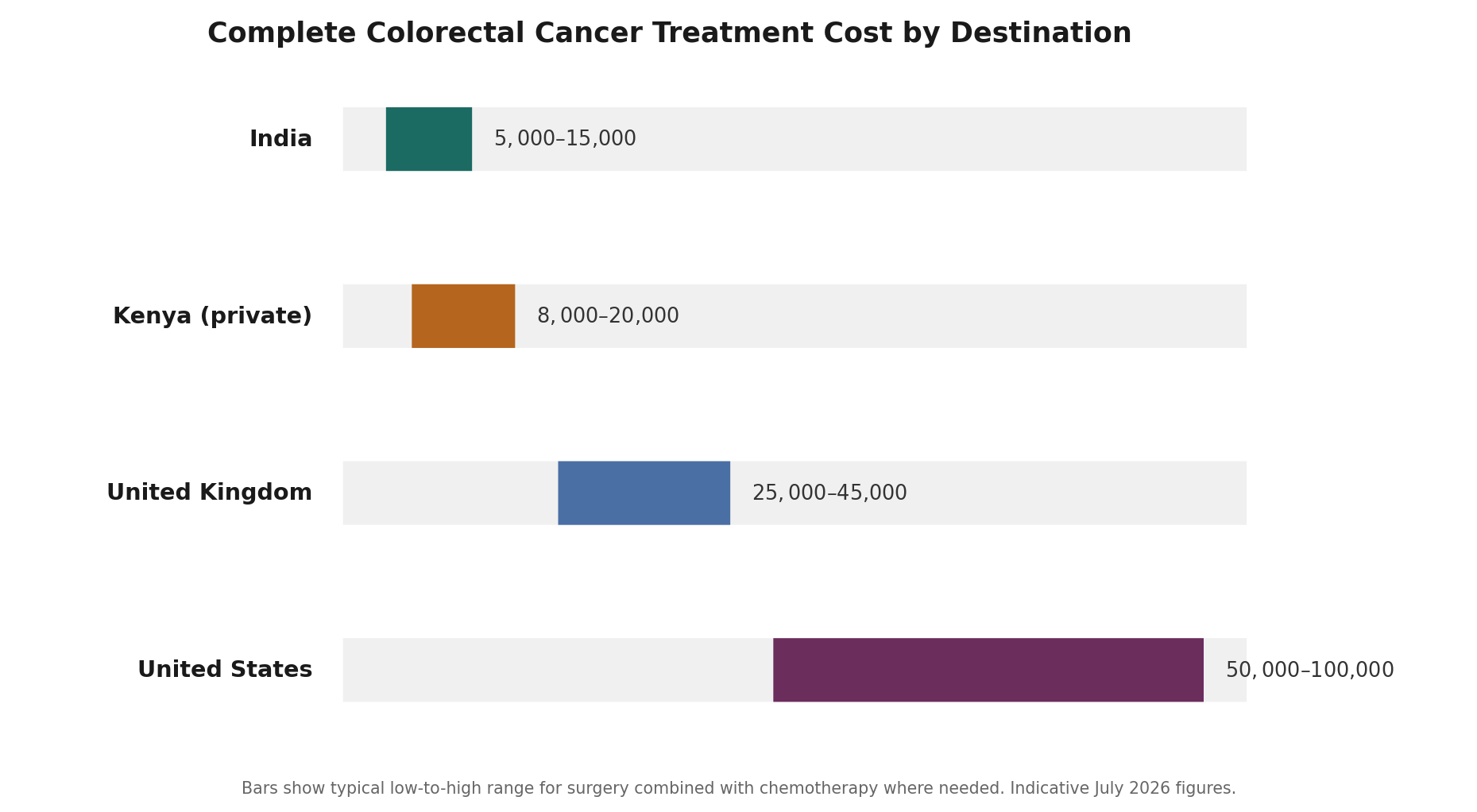
In India, complete colorectal cancer treatment, covering surgery and chemotherapy where needed, typically costs between 5,000 and 15,000 US dollars. In Kenya, private colorectal cancer treatment costs run roughly 8,000 to 20,000 dollars. In the UK, treatment typically costs 25,000 to 45,000 dollars, and in the US, 50,000 to 100,000 dollars, up to roughly 90% more than the equivalent treatment in India.
Beyond treatment itself, budget for an extended stay. Direct flights between Nairobi and Delhi or Mumbai run roughly 550 to 850 dollars return, and a complete treatment course, including surgery and initial chemotherapy cycles, typically requires three to six weeks in India, depending on the specific treatment plan.
What a Kenyan patient should actually check before booking
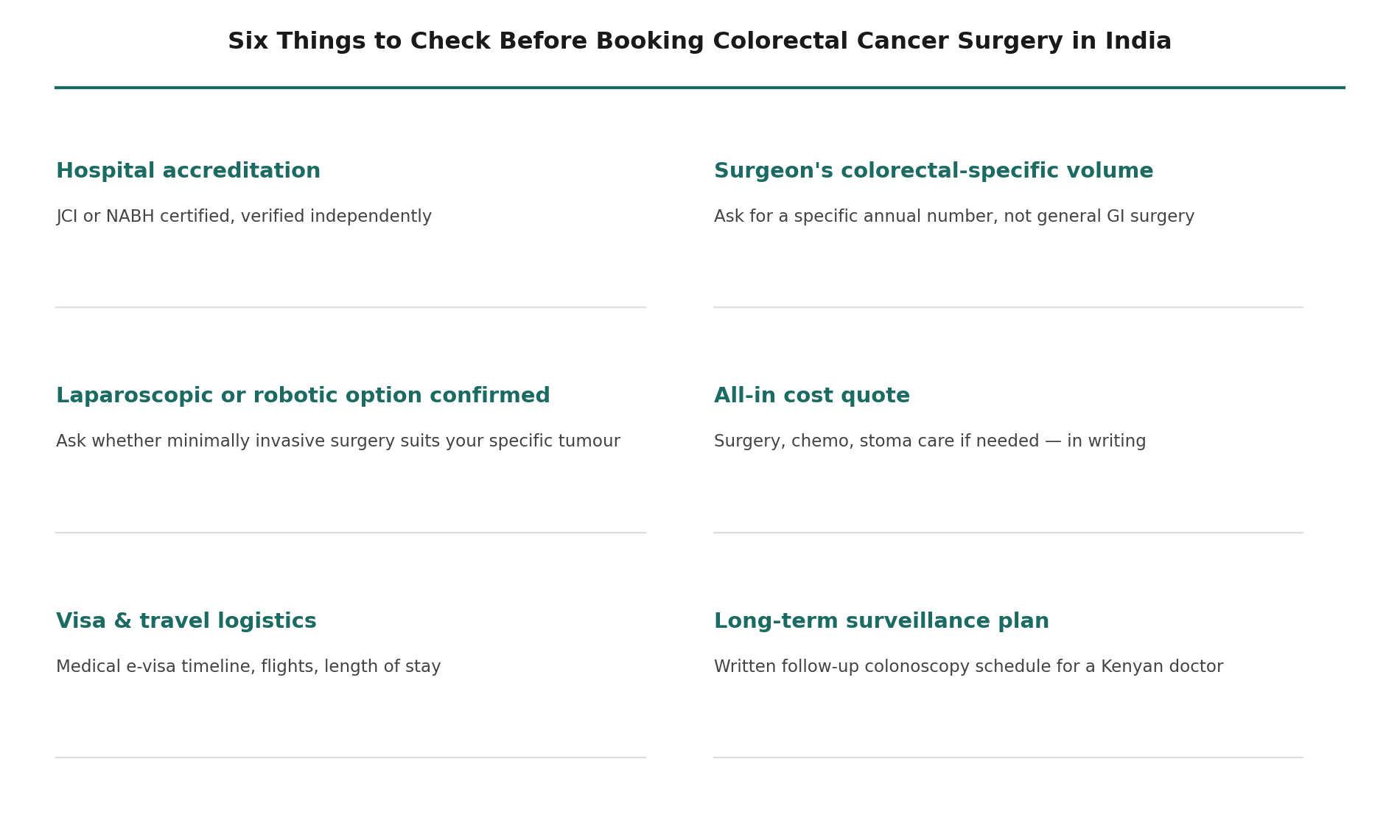
Given how much surgical experience and speed matter here, work through these questions directly.
Confirm genuine accreditation. Ask whether the hospital holds JCI or NABH certification, and verify it independently.
Ask about the surgeon's colorectal-specific volume. A specific number, how many colorectal cancer procedures matching your exact case the surgeon personally performs each year, tells you far more than general gastrointestinal surgery reputation.
Confirm whether a laparoscopic or robotic option genuinely suits your case. Ask your surgeon to explain, based on your specific tumour, whether minimally invasive surgery is appropriate or whether open surgery is genuinely the better choice.
Get the full cost breakdown in writing. Confirm what's included, surgery, chemotherapy, and stoma care if required.
Plan your visa and travel timeline urgently. The Indian medical e-visa is typically issued within three to five working days once you have a formal hospital invitation letter.
Arrange your long-term surveillance plan before you leave. Agree on a written follow-up colonoscopy and imaging schedule and identify a doctor in Kenya who can continue that monitoring.
Straight Answers for Kenyan Patients about Colorectal Cancer Treatment and Surgery in India
Why does stage at diagnosis matter so much for colorectal cancer?
Five-year survival for localized colorectal cancer in Kenya is around 90%, but collapses to just 15% once the disease has spread, making early, decisive treatment genuinely decisive for long-term outcomes.
How much does colorectal cancer treatment cost in India compared to the US?
India typically costs 5,000 to 15,000 US dollars for complete treatment, against 50,000 to 100,000 dollars in the US, a saving of up to roughly 90%.
Why do so many Kenyan patients present with emergency bowel obstruction?
Up to 29% of Kenyan colorectal cancer patients are diagnosed only when the tumour causes an emergency blockage, reflecting gaps in screening access and symptom recognition across the healthcare system rather than any individual patient's choices.
What makes India's colorectal surgery programmes particularly strong?
High surgical volume across laparoscopic, robotic, and total mesorectal excision technique, combined with multidisciplinary tumour boards, JCI and NABH accreditation, and reported success rates in the 97 to 99% range for many procedures.
Is colorectal cancer surgery always performed laparoscopically in India?
No. The right approach depends on the specific tumour; a good surgeon will explain clearly whether minimally invasive or open surgery is genuinely the better choice for your case.
How do I get a medical visa to India from Kenya?
The Indian medical e-visa is typically issued within three to five working days once you have a formal invitation letter from the treating hospital.
A Closing Word
The gap between 90% and 15% survival in Kenyan colorectal cancer data isn't a statistic to feel discouraged by, it's a clear, actionable signal about how much speed and surgical quality matter once a diagnosis is made. India's combination of high-volume colorectal surgical expertise, full multidisciplinary treatment infrastructure, accredited safety standards, and cost that remains a fraction of Western pricing makes it, for the great majority of Kenyan patients facing this diagnosis, the clearest and most decisive choice available today.
Sources
- 🌐 Colon Cancer. KESHO Kenya — clinical overview by Dr. Abdi Hakin Mohamed, Surgical Oncologist. kesho-kenya.org/event/ colon-cancer
- 🌐 Barriers and recommendations for colorectal cancer screening in Africa
- 🌐 Colorectal Cancer Treatment Cost in India. Hospisity, 2026. hospisity.com/treatments/colorectal-cancer-treatment-cost-in-ind ia
- 🌐 National Medical Commission of India — specialist registration verification
- 🌐 National Accreditation Board for Hospitals & Healthcare Providers (NABH) — accredited hospital directory
Frequently Asked Questions by Kenyans about Colorectal Cancer Treatment and Surgery in India
Why does stage at diagnosis matter so much?
The guide reports approximately 90% five-year survival for localized colorectal cancer in Kenya, compared with around 15% once the disease has spread.
How common is emergency bowel obstruction at diagnosis?
The guide reports that up to 29% of Kenyan colorectal cancer patients are diagnosed when the tumour causes an emergency bowel obstruction.
What are the main colorectal cancer treatment options?
Treatment may include surgery, chemotherapy and radiation, depending on the tumour's stage and location.
What is total mesorectal excision?
TME removes the rectum together with surrounding fatty tissue and lymph nodes in one intact specimen and is highlighted in the guide as an important technique for rectal cancer.
Is laparoscopic or robotic surgery always better?
No. The guide recommends asking whether minimally invasive surgery genuinely suits the specific tumour, as open surgery may be more appropriate in some cases.
Why should Kenyan patients check colorectal-specific surgeon volume?
A surgeon's experience with colorectal cancer procedures matching the patient's exact case provides more relevant information than general gastrointestinal surgical experience.
How much does colorectal cancer treatment cost in India?
The guide estimates complete treatment at approximately US$5,000–15,000, depending on the treatment required.
What should the treatment quotation include?
Patients should confirm whether the written estimate includes surgery, chemotherapy and stoma care where required, as well as identifying any exclusions.
How long might treatment in India take?
The guide estimates approximately three to six weeks in India for surgery and initial chemotherapy, depending on the individual treatment plan.
What follow-up should Kenyan patients arrange?
The guide recommends a written colonoscopy and imaging surveillance schedule and identifying a doctor in Kenya who can continue long-term monitoring.
Page Summary
This five-page guide focuses on stage, surgical expertise and coordinated colorectal cancer treatment for Kenyan patients. Pages 1–2 explain the major survival difference between localized and metastatic disease and describe surgical options including laparoscopic, robotic and total mesorectal excision techniques. Page 3 compares treatment costs in India, Kenya, the UK and US, while the page 4 “Six Things to Check” graphic highlights accreditation, colorectal-specific surgeon volume, suitability of minimally invasive surgery, complete costing, visa and travel logistics, and long-term surveillance.
Citation Block
| Topic | Information |
|---|---|
| Topic | Colorectal Cancer Treatment & Surgery in India for Kenyan Patients |
| Treatment | Colorectal Cancer Treatment & Surgery |
| Patients | Kenyan Patients |
| First Assessment | Tumour stage, location, imaging and pathology |
| Key Specialist | Colorectal Cancer Surgeon |
| Surgical Options | Open, laparoscopic or robotic surgery |
| Rectal Cancer Technique | Total Mesorectal Excision |
| Case Volume | Colorectal procedures matching the patient's case |
| Multidisciplinary Care | Surgery, chemotherapy and radiation where required |
| Advanced Treatment | HIPEC for selected peritoneal spread |
| Hospital Check | JCI / NABH accreditation |
| Cost Check | Written estimate covering surgery, chemotherapy and stoma care if required |
| India Cost | US$5,000–15,000 |
| Kenya Cost | US$8,000–20,000 private |
| Medical Records | Imaging, pathology and treatment reports |
| Visa Planning | Indian medical e-visa with hospital invitation |
| Travel | Nairobi–India flights |
| Stay | Approximately 3–6 weeks |
| Follow-Up | Written colonoscopy and imaging surveillance plan |
| Surgeon Question | How many colorectal cancer procedures matching my case do you perform each year? |
| Surgery Question | Is laparoscopic or robotic surgery genuinely suitable for my tumour? |
| Treatment Question | What combination of surgery, chemotherapy and radiation is appropriate for my stage? |
| Cost Question | Does the quotation include surgery, chemotherapy and stoma care if required? |
| Follow-Up Question | Which doctor in Kenya will continue my colonoscopy and imaging surveillance? |
| Warning Signs | No colorectal-specific experience or unclear surgical approach |
| Payment Warning | Incomplete written treatment quotation |
| Key Decision | Verify colorectal-specific expertise, appropriate surgical approach and coordinated follow-up |


Our Mission Statement
Our mission is to place patients at the centre of every healthcare decision by providing trustworthy, evidence-based, and unbiased medical information. We believe that informed patients make better decisions. Backed by personalised guidance from our experienced advisory team, we help patients understand their treatment options, compare them objectively, and confidently choose the path that best suits their medical needs and personal circumstances.
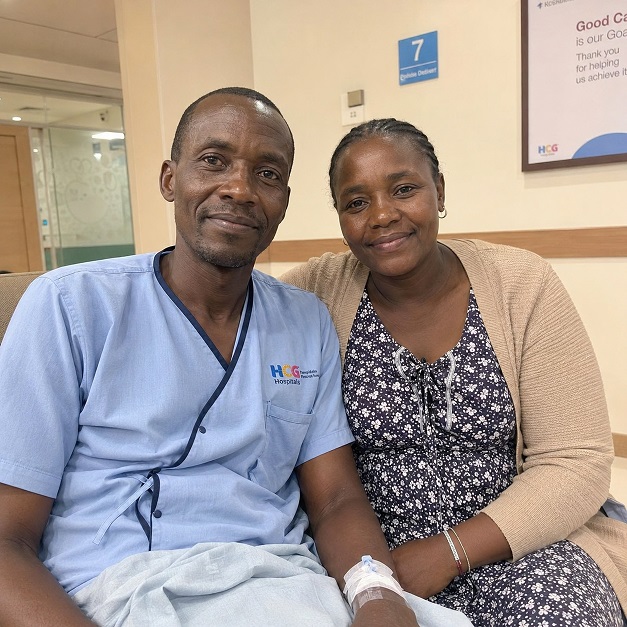
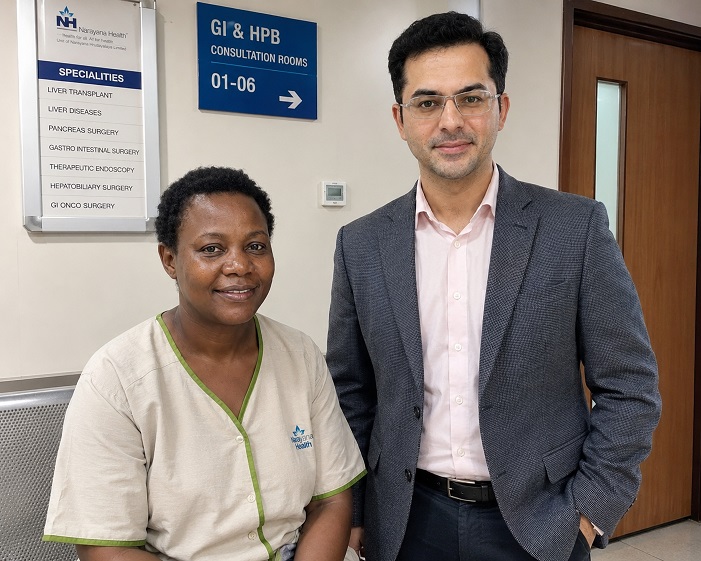
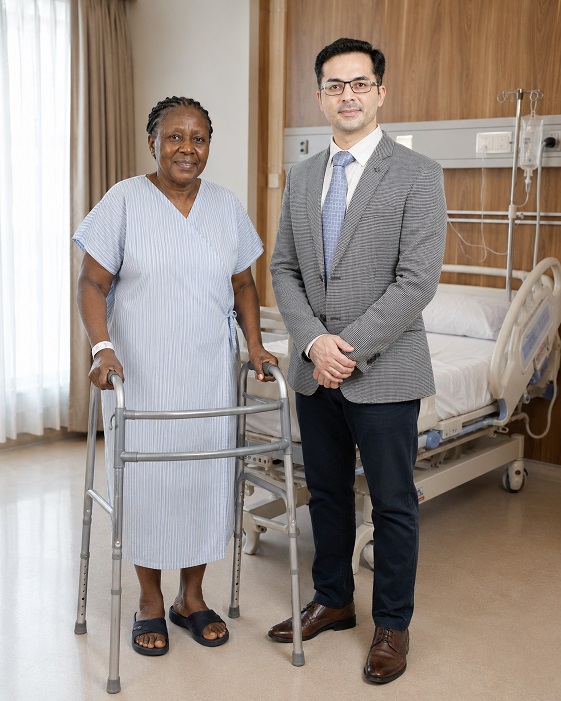
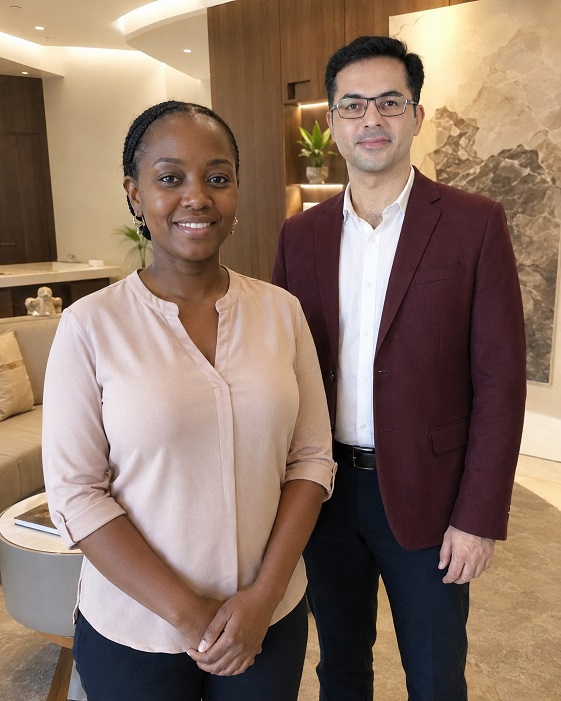
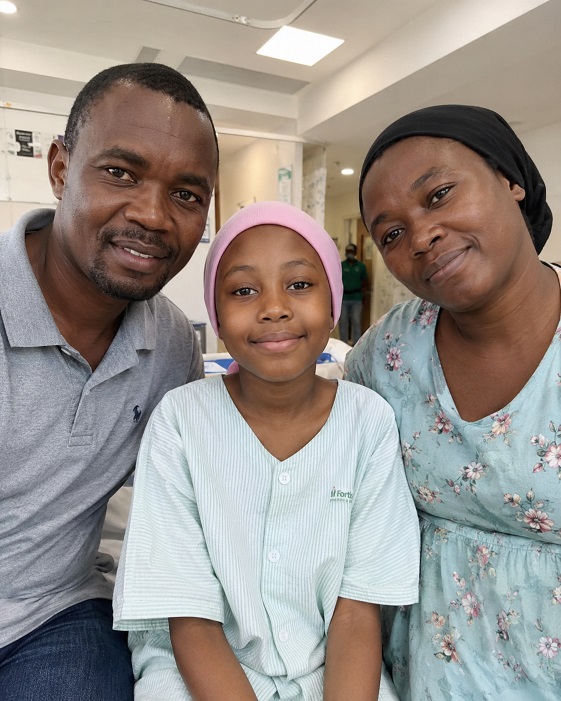
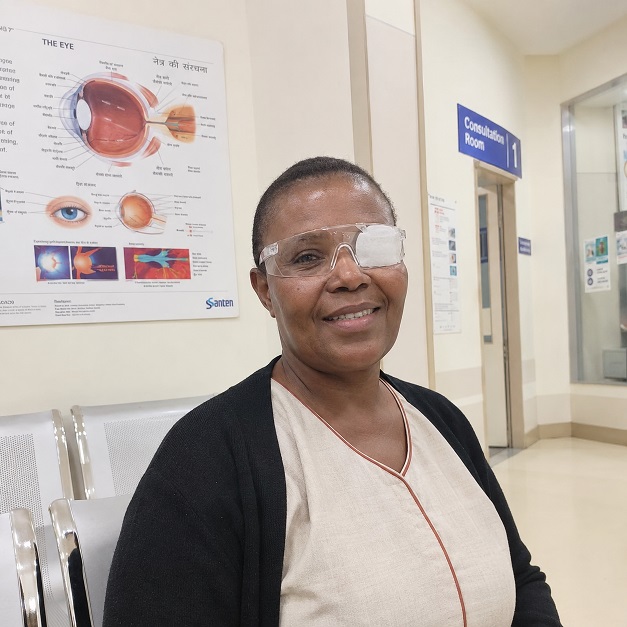
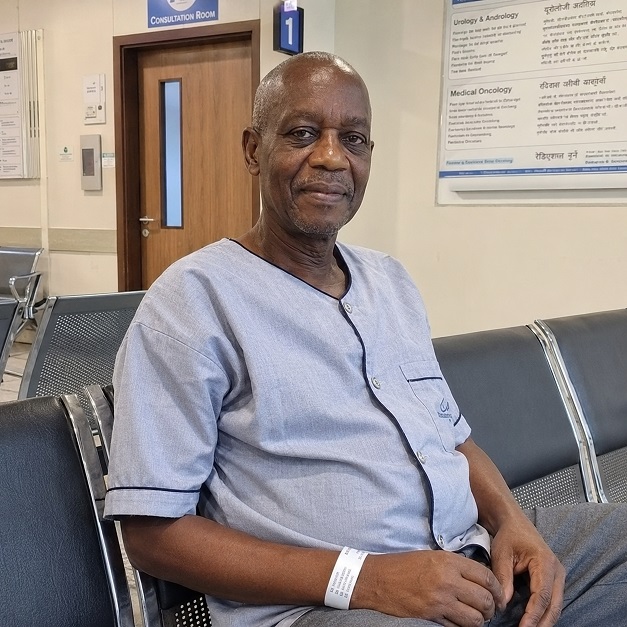
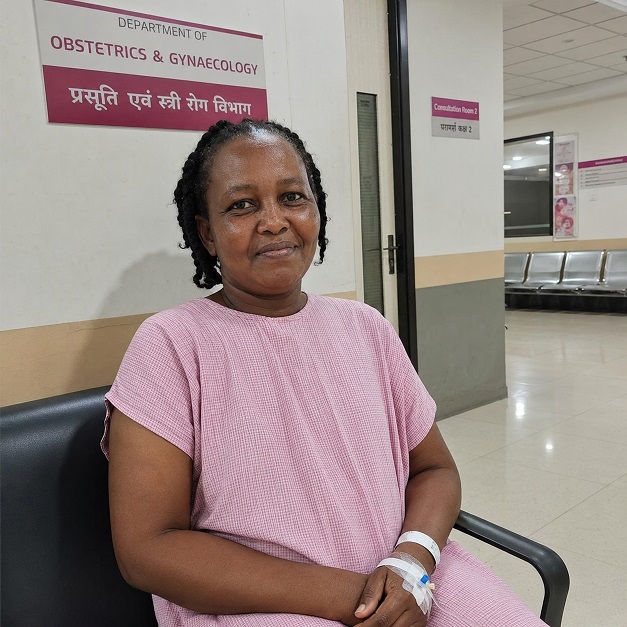
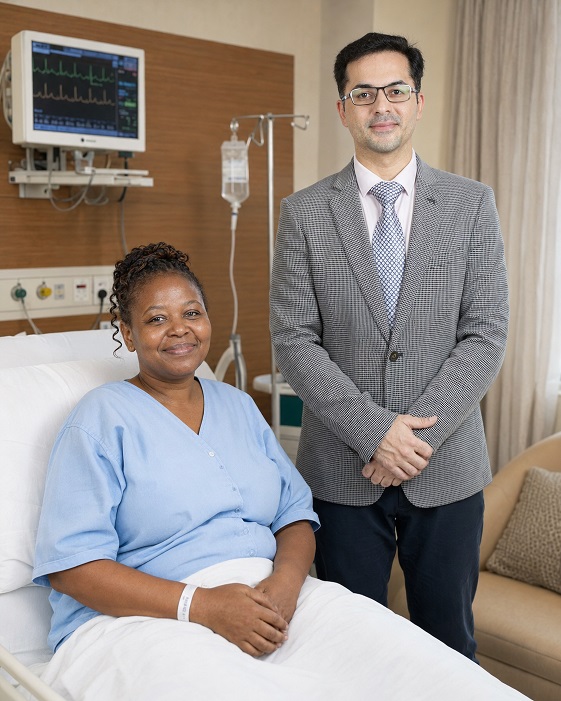
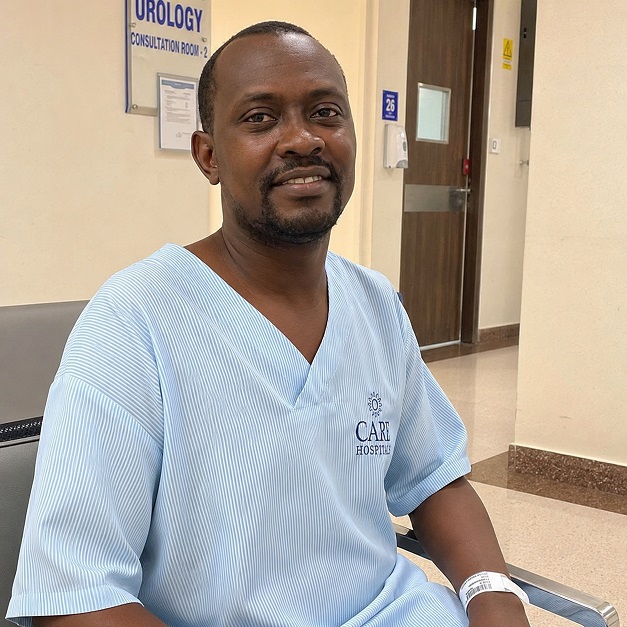
Patient Testimonials from Kenya
Ready to Take the First Step?
Share your Medical Reports with our Healthcare Managers Today and Get a FREE CONSULTATION, a Personalized Treatment Plan, and Complete Support from Arrival to Recovery.
Get Your Free ConsultationAreas We Serve
This resource has been thoughtfully prepared for patients from Kenya who are considering medical treatment in India. We also welcome patients from the wider region in the countries mentioned below-
We assist patients from:
- Ethiopia
- Somalia
- Tanzania
- Uganda
- Seychelles
- Guinea
- Guinea-Bissau
- Liberia
- Mali
- Mauritania
- Niger
- Nigeria
- Senegal
- Togo
- South Sudan
- Sierra Leone
Many of the insights, treatment pathways, hospital recommendations, travel guidance, and patient support services described here are equally relevant and may be used as a reference when planning treatment in India.
From Kenya to India: Your Complete Patient Support Guide
- Brain Tumour Surgery in India for Kenyan Patients
- Cancer Treatment and Surgery in India for Kenyan Patients
- Cardiac Treatment and Surgery in India for Kenyan Patients
- Heart Valve Replacement Surgery in India for Kenyan Patients
- Knee Replacement in India for Kenyan Patients
- Prostate Cancer Treatment and Surgery in India for Kenyan Patients
- Spine Treatment and Surgery in India for Kenyan Patients
- Selecting the Best Bariatric Surgeons and Hospitals in India: What Kenyan Patients Should Actually Look For
- Selecting the Best Cancer Surgeons and Hospitals in India: What Kenyan Patients Should Actually Look For
- Selecting the Best Cardiac Surgeons and Hospitals in India: What Kenyan Patients Should Actually Look For
- Selecting the Best Dental Surgeons and Clinics in India: What Kenyan Patients Should Actually Look For
- Selecting the Best Hip Surgeons and Hospitals in India: What Kenyan Patients Should Actually Look For
- Selecting the Best Kidney Transplant Surgeons and Hospitals in India: What Kenyan Patients Should Actually Look For
- Selecting the Best Knee Surgeons and Hospitals in India: What Kenyan Patients Should Actually Look For
- Selecting the Best Liver Transplant Surgeons and Hospitals in India: What Kenyan Patients Should Actually Look For
- Selecting the Best Neurosurgeons and Hospitals in India: What Kenyan Patients Should Actually Look For
- Selecting the Best Prostate Cancer Surgeons and Hospitals in India: What Kenyan Patients Should Actually Look For
- Selecting the Best Spine Surgeons and Hospitals in India: What Kenyan Patients Should Actually Look For