

Cervical and Lumbar Disc Replacement Surgery in India for Kenyan Patients
Fusion or disc replacement: how a Kenyan patient decides which spine operation fits, who should perform it in India, and what it costs.
If a car accident or motorcycle crash has left you with a damaged disc in your neck or lower back, one number should shape how you think about your treatment options: the mean age of death from road traffic crashes in Kenya is just 35 years, and the patients who survive with serious spinal injury are, on average, similarly young. Across 24 years of guiding Kenyan patients through treatment in India, disc surgery is one of the clearer cases where the specific technique chosen matters enormously more for a younger patient than an older one, and it's a distinction many patients aren't given the chance to properly weigh. This article explains what cervical and lumbar disc replacement surgery involves, why the choice between fusion and disc replacement matters so much for Kenya's typically young patient population, what treatment costs in India compared with Kenya and Western countries, and the practical factors to weigh before deciding where to be treated.
Healing Journeys of Kenyan Patients







Key Takeaways
- The guide explains that disc replacement and spinal fusion solve spinal disc problems in fundamentally different ways. Fusion permanently joins the adjacent vertebrae and eliminates movement at the treated level, while artificial disc replacement is designed to preserve motion. This distinction may be particularly important for younger Kenyan patients who may have decades of active spinal use ahead of them.
- The guide highlights that road traffic crashes are a major cause of serious spinal injury in Kenya, with the mean age of death from road traffic crashes documented at 35 years. Because many patients with significant disc injuries are relatively young, the long-term implications of choosing fusion rather than a motion-preserving option deserve careful consideration.
- Neither procedure is universally better. The appropriate choice depends on the injury, number of levels affected, bone quality and spinal stability. Severe instability, certain fracture patterns or multi-level disease may favour fusion. The guide therefore recommends an honest, case-specific assessment rather than assuming disc replacement is automatically appropriate for younger patients.
- India has developed dedicated expertise in both spinal fusion and disc replacement, allowing some centres to offer a genuine choice between the two techniques. The guide particularly warns Kenyan patients not to accept fusion simply because it is more readily available domestically without first asking whether disc replacement was considered and ruled out for clinical reasons.
- The guide gives approximate spinal surgery costs of US$6,000–13,000 in India and Kenya, compared with US$20,000–40,000 in the UK and US$40,000–90,000 in the US. The Indian estimate includes surgery, the implant where relevant and hospital stay. Most patients may need approximately one to two weeks in India for surgery and initial recovery.
- The page 4 “Six Things to Check” graphic recommends independently verifying JCI or NABH accreditation, asking specifically about the surgeon's annual artificial disc replacement volume rather than fusion volume, obtaining an honest candidacy assessment, receiving a complete written cost quotation, planning the medical visa and travel timeline, and arranging long-term imaging follow-up with a doctor in Kenya.
- The guide recommends sending actual spinal imaging and medical records to the surgeons being compared. Kenyan patients should specifically ask why fusion or disc replacement is better suited to their case, how much disc replacement experience the surgeon has and what follow-up imaging will be required after returning home.
Quick Facts
- Author
- Dr. Dheeraj Bojwani
- Experience
- 24+ Years
- Treatment
- Cervical & Lumbar Disc Replacement Surgery
- Patients
- Kenyan Patients
- First Assessment
- Disc injury, levels affected, bone quality and spinal stability
- Key Specialist
- Spine Surgeon
- Treatment Choice
- Disc replacement vs spinal fusion
- Specialist Experience
- Artificial disc replacement-specific volume
- Technology
- Cervical or lumbar artificial disc implant
- Case Volume
- Disc replacement procedures in last 12 months
- Hospital Check
- JCI / NABH accreditation
- Cost Check
- Written estimate covering surgery, implant and hospital stay
- India Cost
- US$6,000–13,000
- Kenya Cost
- US$6,000–13,000
- Medical Records
- Actual spinal imaging and medical reports
- Visa
- Indian medical e-visa with hospital invitation
- Travel
- Nairobi–India flights
- Stay
- Approximately 1–2 weeks
- Follow-Up
- Written imaging and spine monitoring plan
- Communication
- Clear treatment and travel coordination
- Key Warning
- Fusion recommended without explaining whether disc replacement was clinically considered
- Decision Principle
- Prioritise genuine disc-replacement expertise and an honest fusion-versus-replacement assessment.
In Brief
For Kenyan patients considering cervical or lumbar disc surgery in India, the key decision is to obtain a genuine, case-specific comparison between disc replacement and fusion, particularly for younger patients. Patients should verify the surgeon's artificial disc experience, candidacy assessment, implant and surgical costs, hospital accreditation and long-term follow-up plan before travelling.
What cervical and lumbar disc replacement surgery actually involves
When a spinal disc, the cushioning structure between vertebrae, is severely damaged or herniated, and conservative treatment hasn't relieved the pain or nerve compression, surgery becomes the next option. There are two fundamentally different surgical approaches. Spinal fusion removes the damaged disc and permanently joins the two adjacent vertebrae together, using bone graft and often metal hardware, eliminating movement at that spinal level entirely to relieve pain and stabilise the spine. Disc replacement, by contrast, removes the damaged disc and replaces it with an artificial device designed to preserve natural movement at that level.
Both techniques are well-established and can effectively relieve pain, but they solve the problem in fundamentally different ways, and that difference matters more the more years of life remain ahead of the patient. Fusion, by eliminating motion at one spinal level, places additional mechanical stress on the discs immediately above and below over the following decades, a phenomenon called adjacent segment disease, which can eventually require further surgery. Disc replacement, by preserving natural motion, is specifically designed to reduce this long-term risk, which is why it's often considered particularly well suited to younger, otherwise healthy patients facing decades of continued spinal use.
Neither technique is universally superior; the right choice depends on the specific injury, the number of levels affected, bone quality, and overall spinal stability. Severe instability, certain fracture patterns, or multi-level disease may still favour fusion even in a younger patient, and a good surgeon should be able to explain this reasoning clearly rather than presenting it as an automatic default.
Why the choice between fusion and disc replacement matters so much for Kenya's patient population
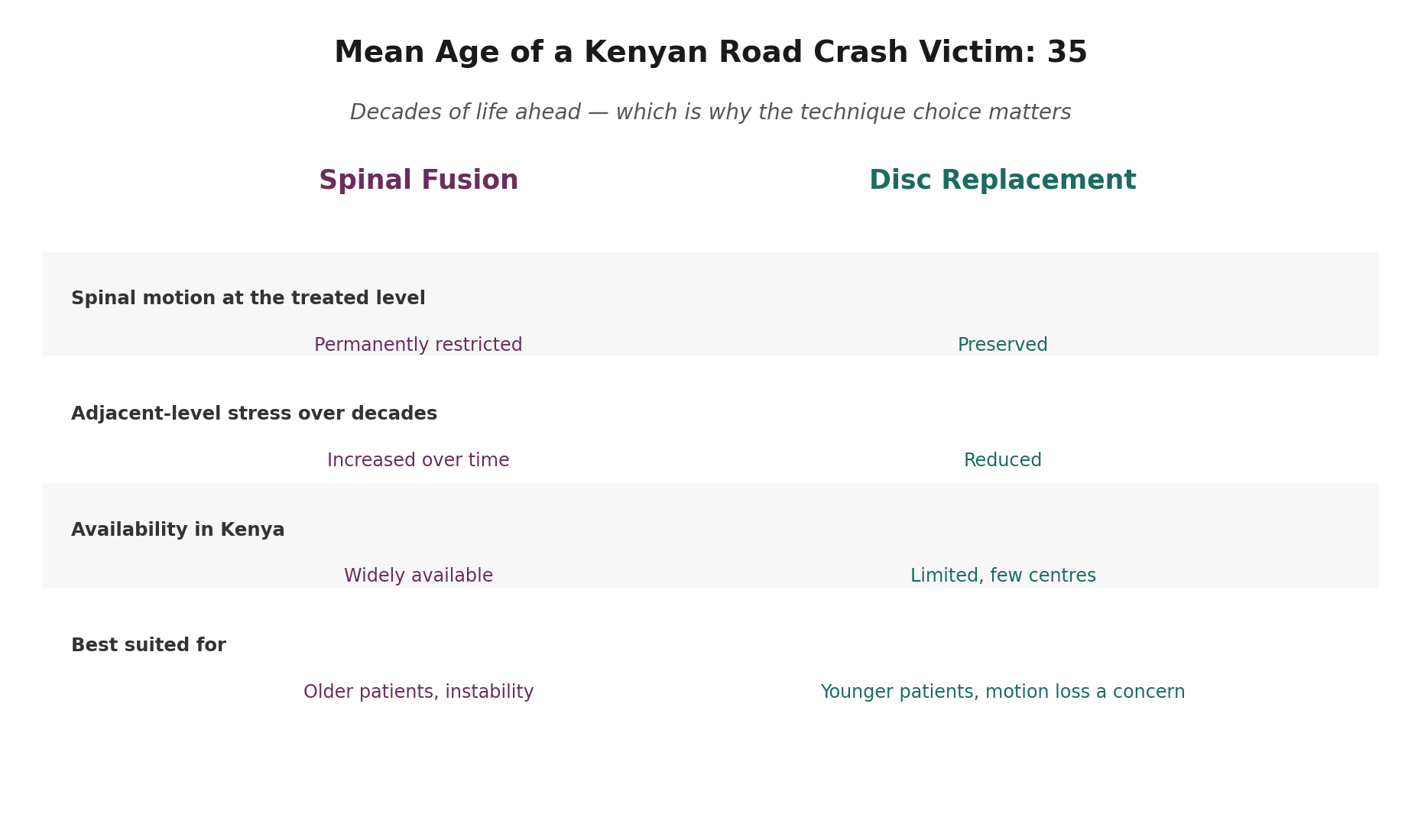
This is the pattern every Kenyan patient facing spinal disc surgery should understand clearly. Road traffic crashes remain a major cause of serious spinal injury in Kenya, and the demographic reality is stark: the mean age of death from road traffic crashes in Kenya has been documented at 35 years, with vehicle passengers and, increasingly, motorcyclists most affected. Patients who survive these crashes with significant disc injury are, correspondingly, often relatively young, frequently with 30, 40, or more years of active life still ahead of them.
Spinal fusion remains far more widely available across Kenya's spine surgery centres than disc replacement, which requires specific implant availability and surgeon training that remains concentrated in fewer hands. This creates a genuine mismatch: the technique most readily available domestically isn't necessarily the technique best suited to the age profile of many patients who need it. A fusion performed on a 30-year-old carries real long-term adjacent segment disease risk over the following decades, a consideration that matters far less for a 65-year-old patient with a similar injury.
Why India has become a genuine hub for both fusion and disc replacement
India has developed substantial, dedicated expertise in both spinal fusion and disc replacement specifically, with spine surgeons who can offer a genuine, technically informed choice between the two approaches rather than defaulting to whichever technique happens to be available. This matters enormously for a younger patient specifically, since the long-term motion-preservation benefits of disc replacement are most relevant precisely for the patient profile common among Kenya's road traffic injury cases.
India's leading spine centres combine this technique-specific expertise with JCI and NABH accredited safety standards and surgeons who routinely handle the full range of cervical and lumbar disc pathology. In 24 years of guiding patients through this decision, the clearest advice I offer younger patients specifically is this: don't accept a surgical plan without first understanding whether disc replacement was genuinely considered and ruled out for clinical reasons, rather than simply not being available where you happened to seek care.
This distinction matters practically, not just theoretically. A patient in their thirties facing fusion today, when disc replacement might have been clinically appropriate, is potentially facing a second, more complex revision surgery decades later if adjacent segment disease develops. Getting the initial technique choice right, based on genuine clinical judgement rather than local availability, is one of the more consequential decisions in this entire treatment pathway.
What it costs: India versus Kenya, the UK, and the US
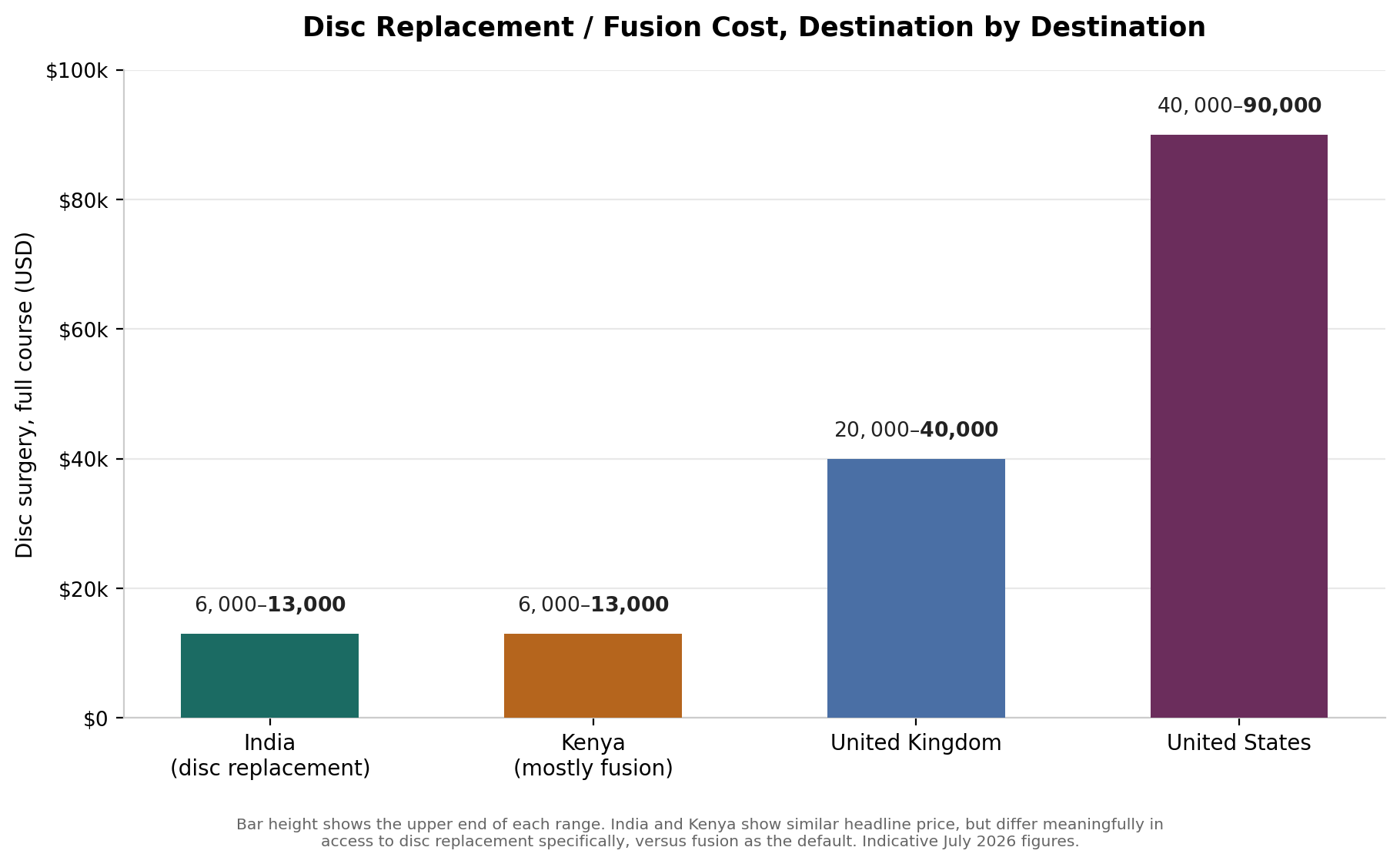
In India, both spinal fusion and disc replacement typically cost between 6,000 and 13,000 US dollars, covering surgery, the implant where relevant, and hospital stay. In Kenya, spine surgery costs run a similar 6,000 to 13,000 dollars, though as the availability pattern shows, this figure more often reflects fusion than disc replacement specifically. In the UK, private spine surgery typically costs 20,000 to 40,000 dollars, and in the US, 40,000 to 90,000 dollars.
Beyond the procedure itself, budget for travel. Direct flights between Nairobi and Delhi or Mumbai run roughly 550 to 850 dollars return, and most disc surgery patients need one to two weeks in India, covering the surgery and initial recovery before travel home is medically advisable.
What a Kenyan patient should actually check before booking
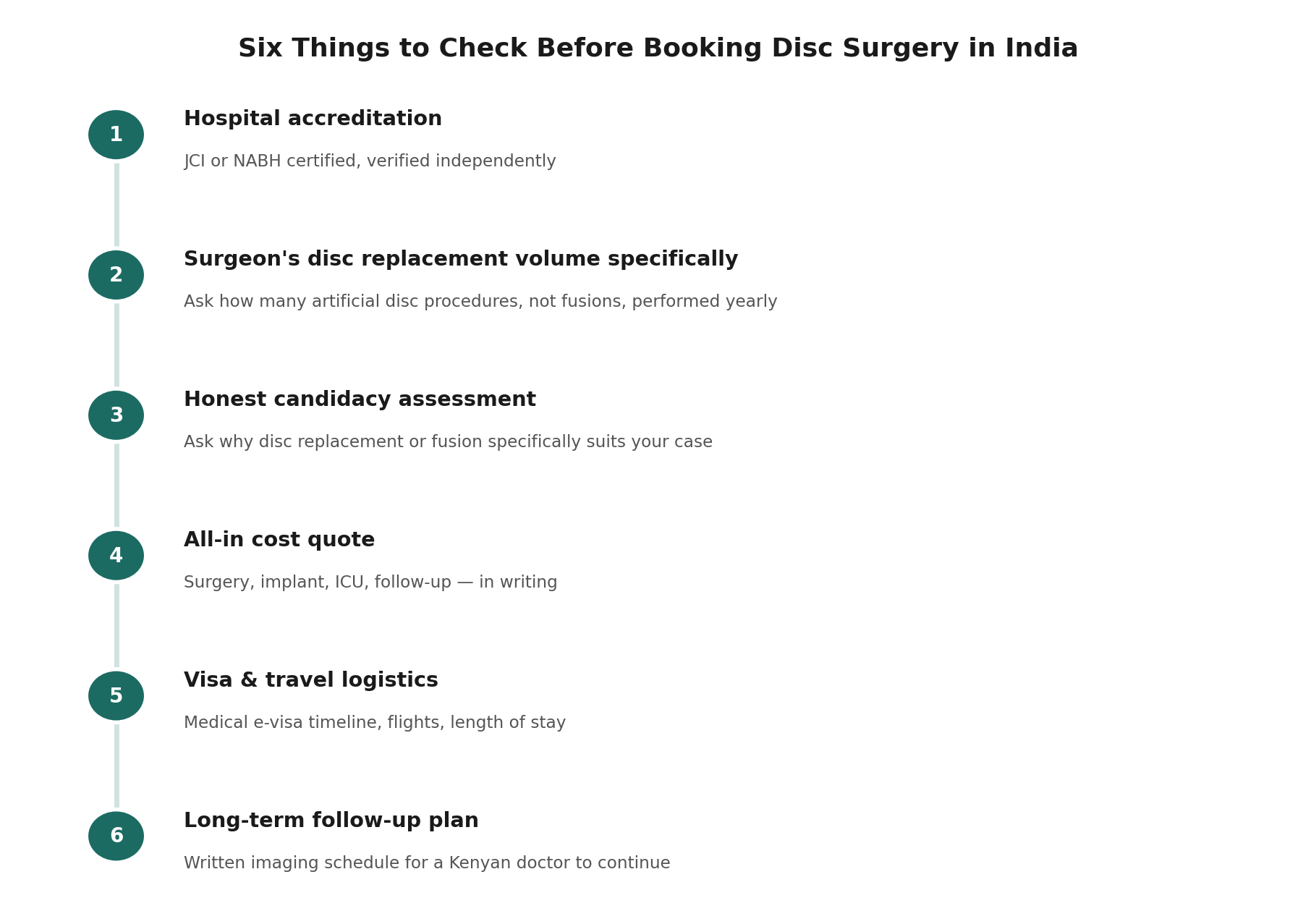
Given how much the specific technique matters for a younger patient, work through these questions directly.
Confirm genuine accreditation. Ask whether the hospital holds JCI or NABH certification, and verify it independently.
Ask about the surgeon's disc replacement volume specifically. A specific number, how many artificial disc procedures, not fusions, the surgeon personally performs each year, tells you whether this is a genuine option at that centre.
Get an honest candidacy assessment. Ask your surgeon to explain, based on your specific injury, why fusion or disc replacement is the better fit for you, particularly if you're relatively young.
Get the full cost breakdown in writing. Confirm what's included, surgery, the implant, and follow-up consultations.
Plan your visa and travel timeline. The Indian medical e-visa is typically issued within three to five working days once you have a formal hospital invitation letter.
Arrange your long-term follow-up plan before you leave. Agree on a written imaging follow-up schedule and identify a doctor in Kenya who can continue monitoring, particularly important for tracking adjacent segment health after fusion.
Straight Answers for Kenyan Patients about Cervical and Lumbar Disc Replacement Surgery in India
Why does the choice between fusion and disc replacement matter more for younger patients?
Fusion eliminates motion at the treated spinal level, placing added stress on adjacent discs over subsequent decades, a risk called adjacent segment disease. Disc replacement preserves natural motion, reducing this long-term risk, which matters more the more years of active life remain ahead.
How much does disc surgery cost in India compared to the US?
India typically costs 6,000 to 13,000 US dollars for either fusion or disc replacement, against 40,000 to 90,000 dollars in the US.
Is disc replacement widely available in Kenya?
Spinal fusion is far more widely available across Kenya's spine centres than disc replacement, which requires specific implant availability and surgeon training that remains concentrated in fewer hands.
Why are Kenyan disc surgery patients often relatively young?
Road traffic crashes are a major cause of serious spinal injury in Kenya, and the mean age of death from road traffic crashes has been documented at 35 years, meaning many disc injury patients are young adults with decades of active life ahead.
What is adjacent segment disease?
A condition where the discs above and below a spinal fusion experience increased mechanical stress over time, potentially requiring further surgery years or decades later. Disc replacement is designed specifically to reduce this risk.
How do I get a medical visa to India from Kenya?
The Indian medical e-visa is typically issued within three to five working days once you have a formal invitation letter from the treating hospital.
A Closing Word
For a Kenyan patient facing spinal disc surgery, often young, often following a road traffic crash, the choice between fusion and disc replacement carries decades of consequence that many patients aren't given a genuine opportunity to weigh, simply because one technique is more readily available domestically than the other. India offers real expertise in both, and the honest, case-specific conversation that decision deserves. Before agreeing to any spinal surgery, ask directly whether disc replacement was genuinely considered for your case.
Sources
- 🌐 Road traffic injuries in Kenya: the health burden and risk factors in two districts. PubMed
- 🌐 Global, regional, and national burden of spinal injuries attributable to road injuries: a systematic analysis with projections to 2046
- 🌐 Best Spine Surgeon in Nairobi, Kenya — Revive Ortho Spine Centre
- 🌐 National Medical Commission of India — specialist registration verification
- 🌐 National Accreditation Board for Hospitals & Healthcare Providers (NABH) — accredited hospital directory
Frequently Asked Questions by Kenyans about Cervical and Lumbar Disc Replacement Surgery in India
Why can disc replacement be important for younger patients?
Fusion eliminates movement at the treated spinal level, while disc replacement preserves motion. The guide explains that this distinction can matter more for younger patients with decades of spinal use ahead.
Is disc replacement always better than fusion?
No. The guide states that the appropriate technique depends on injury pattern, affected levels, bone quality and spinal stability.
Why is fusion more commonly available in Kenya?
The guide states that spinal fusion is far more widely available across Kenyan spine centres, while disc replacement requires specialised implant availability and surgeon training.
Why should Kenyan patients ask about disc replacement before accepting fusion?
A patient should understand whether disc replacement was genuinely considered and ruled out for clinical reasons, rather than simply unavailable at the centre where treatment was initially offered.
Which surgeon should Kenyan patients choose?
Look for a spine surgeon with specific artificial disc replacement experience, rather than judging expertise only from the number of spinal fusion procedures performed.
How much does disc surgery cost in India?
The guide gives an approximate cost of US$6,000–13,000 for disc replacement or fusion in India, including surgery, implant where applicable and hospital stay.
How does the cost compare with the US?
The guide estimates US private spine surgery at approximately US$40,000–90,000, compared with US$6,000–13,000 in India.
How long might a Kenyan patient stay in India?
The guide recommends planning for approximately one to two weeks for surgery and initial recovery before returning home, subject to medical advice.
What records should be sent before travelling?
Patients should provide actual spinal imaging and relevant medical reports to the surgeons being compared so that candidacy can be assessed properly.
What is the main warning sign?
Be cautious if a surgeon recommends fusion without explaining whether disc replacement was considered, particularly when the patient is relatively young and may potentially benefit from motion preservation.
Page Summary
This six-page guide focuses on the choice between spinal fusion and artificial disc replacement for Kenyan patients, particularly younger patients following road traffic injuries. Pages 1–2 explain the differences between the two techniques and why long-term motion preservation may matter, while page 3 compares treatment costs in India, Kenya, the UK and US. The page 4 “Six Things to Check” graphic highlights hospital accreditation, disc-replacement-specific surgeon volume, honest candidacy assessment, complete costing, visa and travel logistics, and long-term follow-up.
Citation Block
| Topic | Information |
|---|---|
| Topic | Cervical & Lumbar Disc Replacement Surgery in India for Kenyan Patients |
| Treatment | Cervical & Lumbar Disc Replacement |
| Patients | Kenyan Patients |
| First Assessment | Disc injury, affected levels, bone quality and spinal stability |
| Key Specialist | Spine Surgeon |
| Treatment Choice | Disc replacement vs spinal fusion |
| Specialist Experience | Artificial disc replacement-specific experience |
| Case Volume | Disc replacement procedures in last 12 months |
| Implant | Cervical or lumbar artificial disc |
| Candidacy Assessment | Honest case-specific assessment of replacement vs fusion |
| Hospital Check | JCI / NABH accreditation |
| Cost Check | Written estimate covering surgery, implant and hospital stay |
| India Cost | US$6,000–13,000 |
| Kenya Cost | US$6,000–13,000 |
| Medical Records | Actual spinal imaging and medical reports |
| Visa Planning | Indian medical e-visa with hospital invitation |
| Travel | Nairobi–India flights |
| Stay | Approximately 1–2 weeks |
| Follow-Up | Written imaging follow-up plan |
| Surgeon Question | How many artificial disc procedures do you personally perform each year? |
| Treatment Question | Why is disc replacement or fusion better suited to my injury? |
| Candidacy Question | What specific factors make me suitable or unsuitable for disc replacement? |
| Cost Question | Does the quotation include the implant, surgery and hospital stay? |
| Follow-Up Question | What imaging and monitoring will I need after returning to Kenya? |
| Warning Signs | Fusion recommended without genuinely considering disc replacement |
| Payment Warning | Incomplete written treatment quotation |
| Key Decision | Verify disc-replacement-specific expertise and an honest fusion-versus-replacement assessment |


Our Mission Statement
Our mission is to place patients at the centre of every healthcare decision by providing trustworthy, evidence-based, and unbiased medical information. We believe that informed patients make better decisions. Backed by personalised guidance from our experienced advisory team, we help patients understand their treatment options, compare them objectively, and confidently choose the path that best suits their medical needs and personal circumstances.
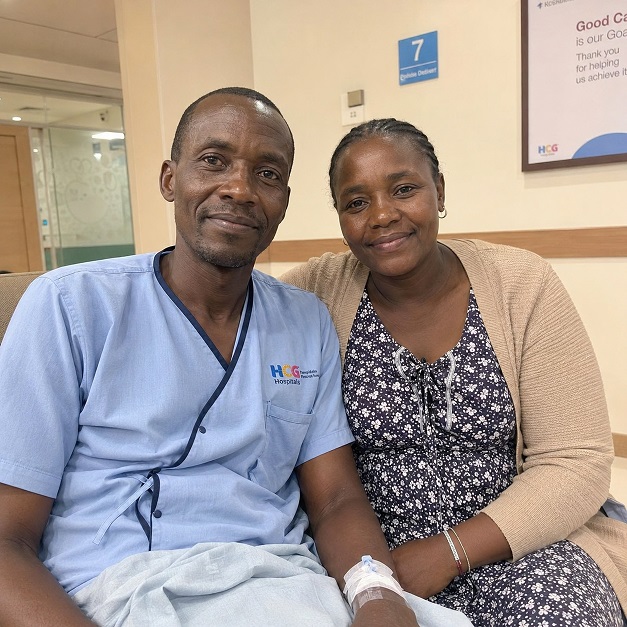
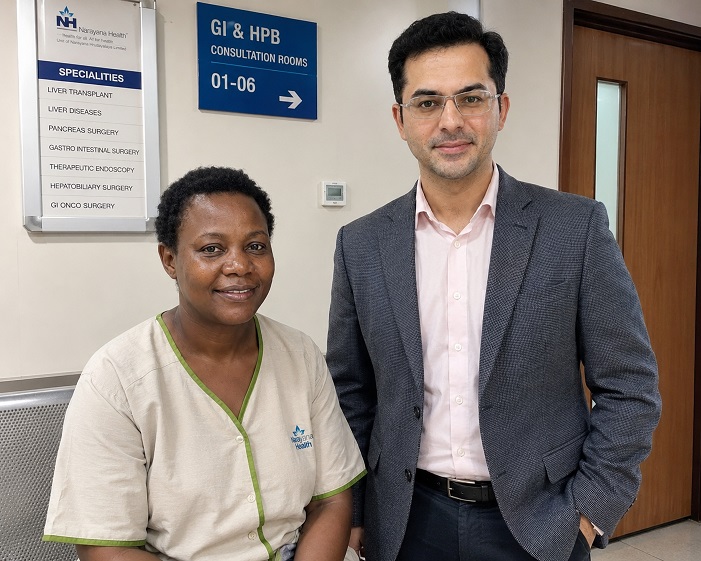
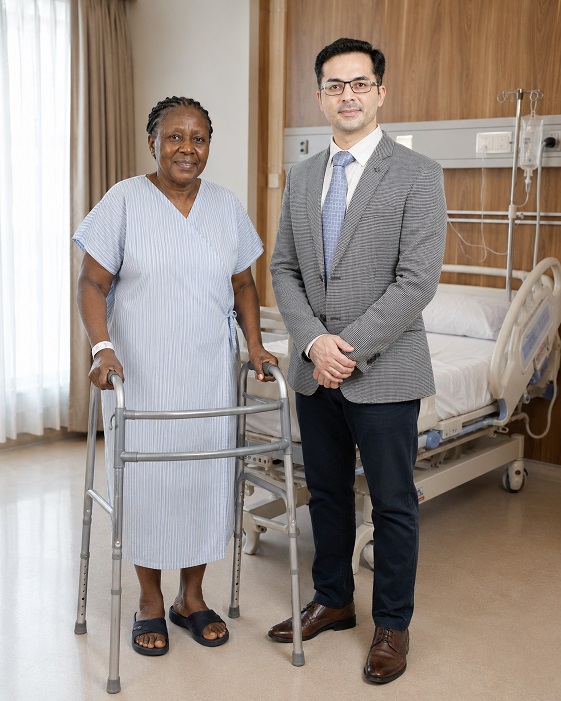
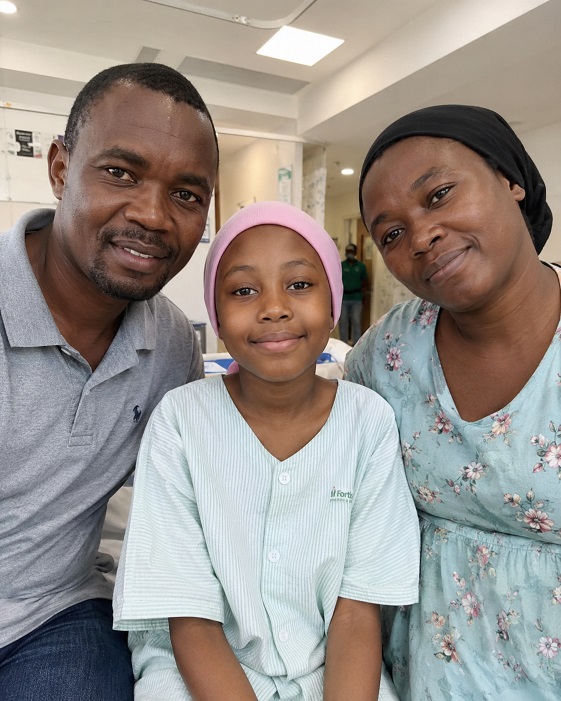
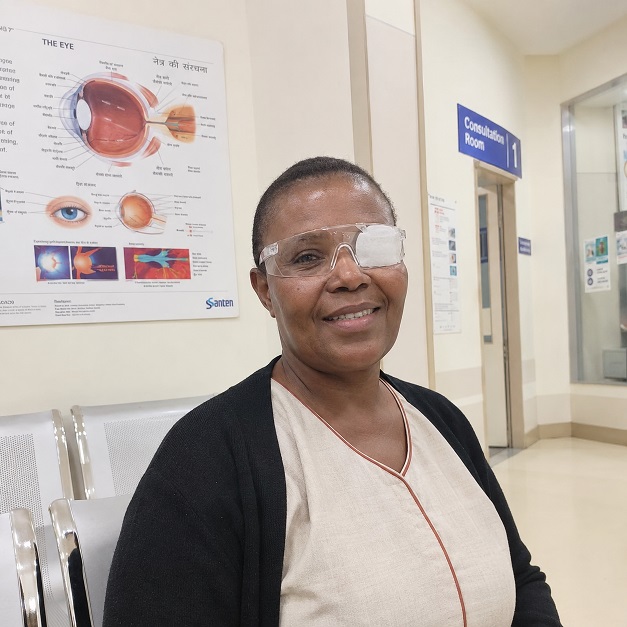
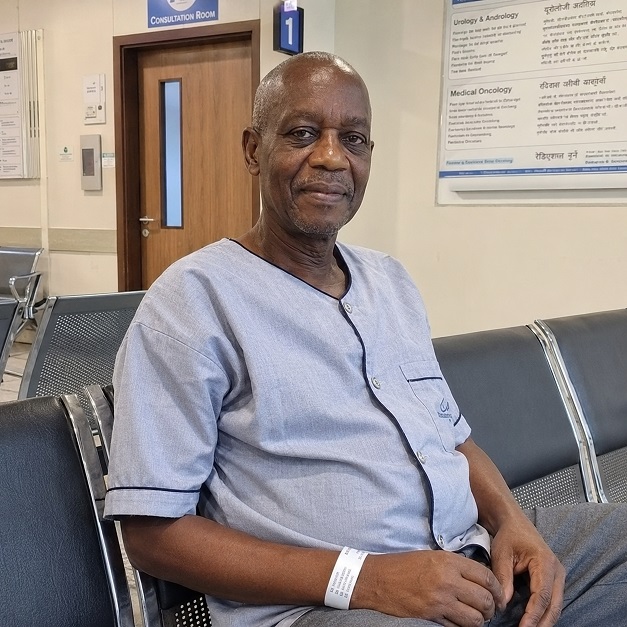
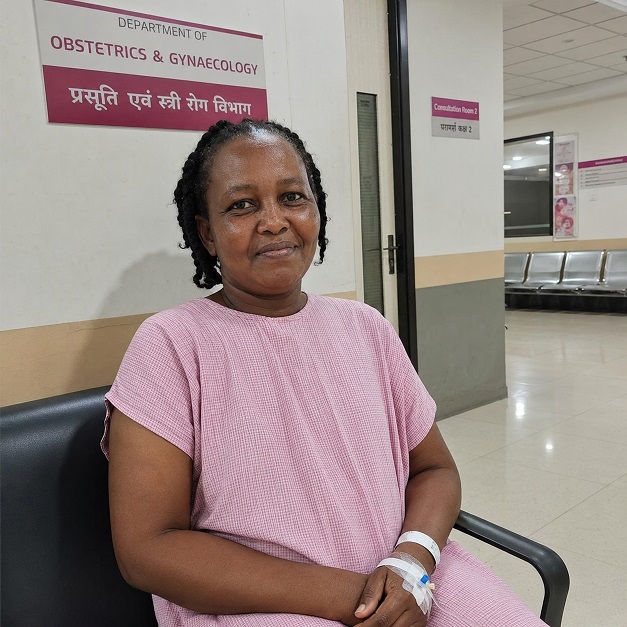
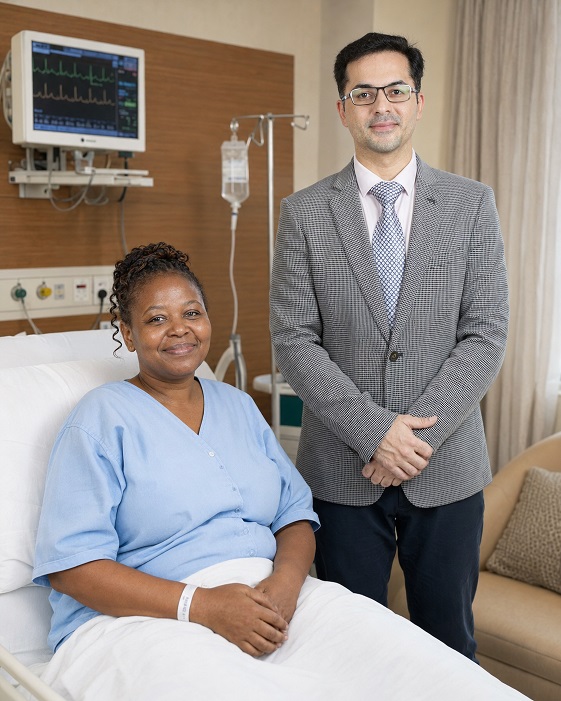
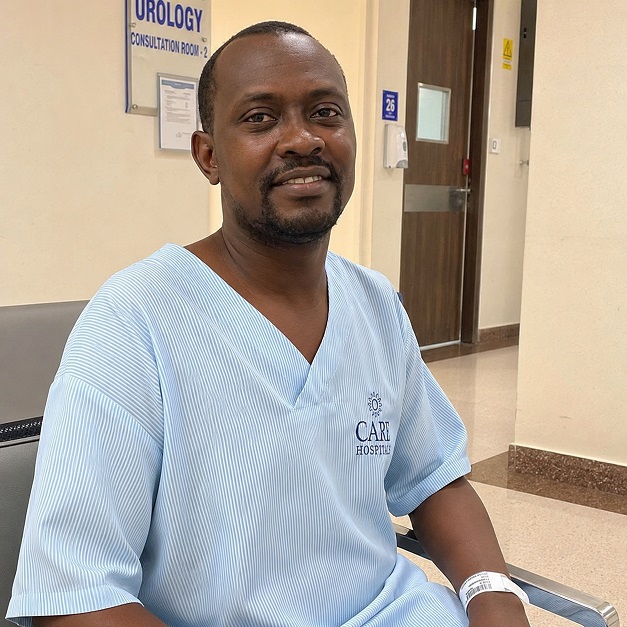
Patient Testimonials from Kenya


Ready to Take the First Step?
Share your Medical Reports with our Healthcare Managers Today and Get a FREE CONSULTATION, a Personalized Treatment Plan, and Complete Support from Arrival to Recovery.
Get Your Free ConsultationAreas We Serve
This resource has been thoughtfully prepared for patients from Kenya who are considering medical treatment in India. We also welcome patients from the wider region in the countries mentioned below-
We assist patients from:
- Ethiopia
- Somalia
- Tanzania
- Uganda
- Seychelles
- Guinea
- Guinea-Bissau
- Liberia
- Mali
- Mauritania
- Niger
- Nigeria
- Senegal
- Togo
- South Sudan
- Sierra Leone
Many of the insights, treatment pathways, hospital recommendations, travel guidance, and patient support services described here are equally relevant and may be used as a reference when planning treatment in India.
From Kenya to India: Your Complete Patient Support Guide
- Brain Tumour Surgery in India for Kenyan Patients
- Cancer Treatment and Surgery in India for Kenyan Patients
- Cardiac Treatment and Surgery in India for Kenyan Patients
- Heart Valve Replacement Surgery in India for Kenyan Patients
- Knee Replacement in India for Kenyan Patients
- Prostate Cancer Treatment and Surgery in India for Kenyan Patients
- Spine Treatment and Surgery in India for Kenyan Patients
- Selecting the Best Bariatric Surgeons and Hospitals in India: What Kenyan Patients Should Actually Look For
- Selecting the Best Cancer Surgeons and Hospitals in India: What Kenyan Patients Should Actually Look For
- Selecting the Best Cardiac Surgeons and Hospitals in India: What Kenyan Patients Should Actually Look For
- Selecting the Best Dental Surgeons and Clinics in India: What Kenyan Patients Should Actually Look For
- Selecting the Best Hip Surgeons and Hospitals in India: What Kenyan Patients Should Actually Look For
- Selecting the Best Kidney Transplant Surgeons and Hospitals in India: What Kenyan Patients Should Actually Look For
- Selecting the Best Knee Surgeons and Hospitals in India: What Kenyan Patients Should Actually Look For
- Selecting the Best Liver Transplant Surgeons and Hospitals in India: What Kenyan Patients Should Actually Look For
- Selecting the Best Neurosurgeons and Hospitals in India: What Kenyan Patients Should Actually Look For
- Selecting the Best Prostate Cancer Surgeons and Hospitals in India: What Kenyan Patients Should Actually Look For
- Selecting the Best Spine Surgeons and Hospitals in India: What Kenyan Patients Should Actually Look For