

15 Frequently Asked Questions: Cardiac Surgery in India for Kenyan Patients
Introduction
Cardiac surgery covers surgical treatment of diseases affecting the heart, coronary arteries, heart valves, aorta and certain congenital heart conditions. Common procedures include Coronary Artery Bypass Grafting (CABG), heart valve repair or replacement, congenital heart surgery, aortic surgery and selected minimally invasive or robotic cardiac procedures. For Kenyan patients, India can be considered when specialist cardiac evaluation or surgery is required. Indian cardiac centres provide a range of cardiac surgical procedures, supported by cardiac imaging, intensive care, cardiac anaesthesia and rehabilitation. Kenya's current health-sector tariff schedule includes procedures such as CABG, valve replacement, congenital heart repairs and complex aortic surgery, demonstrating the range of cardiac procedures available within the Kenyan healthcare system as well.
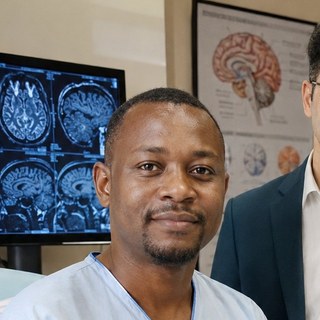
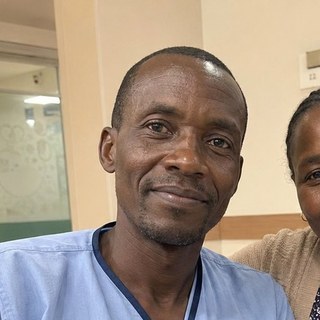
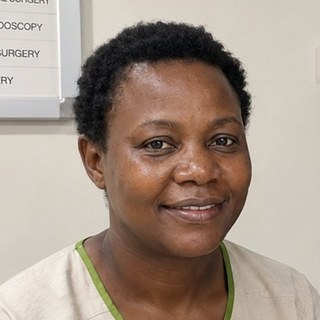
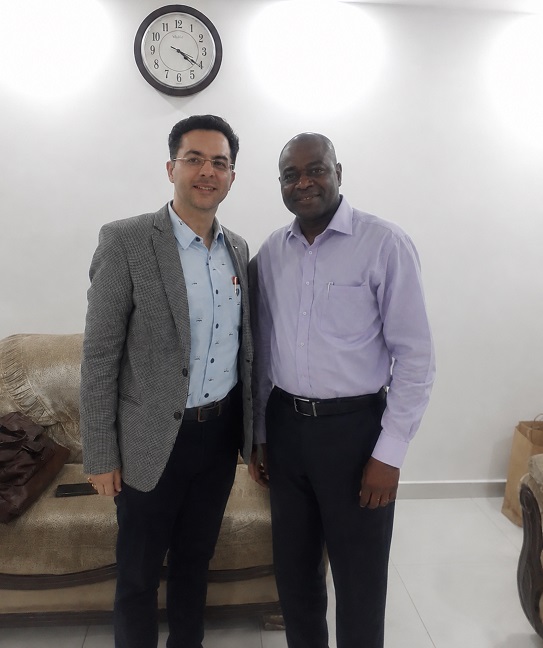
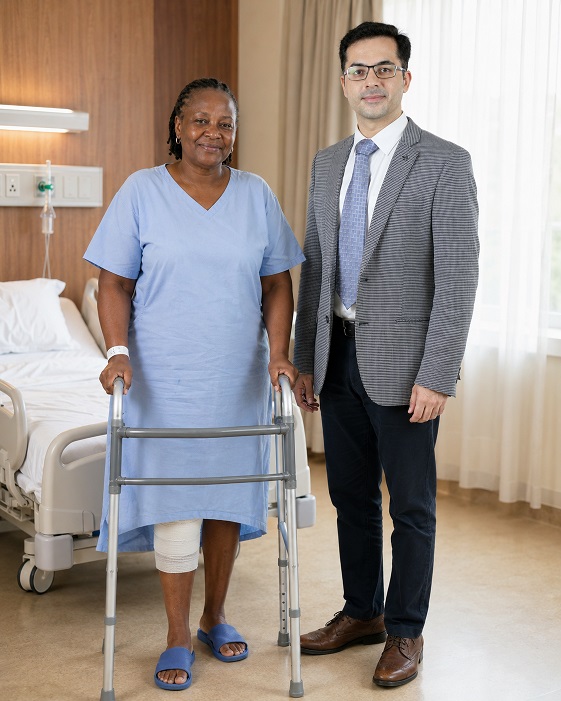
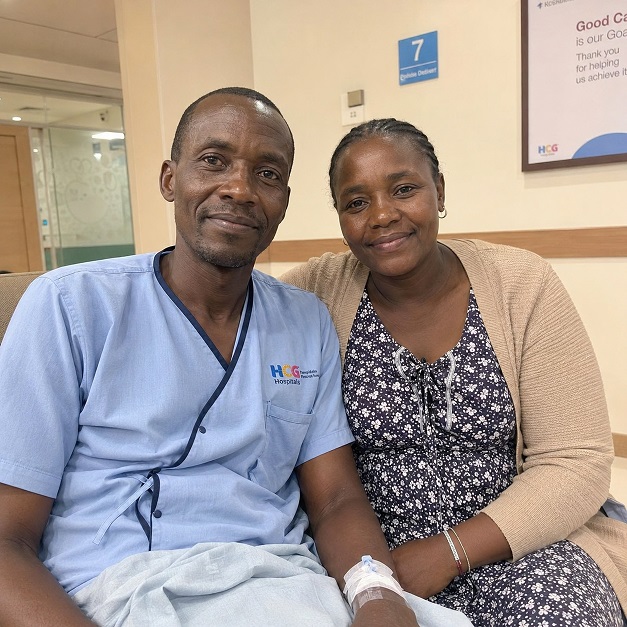
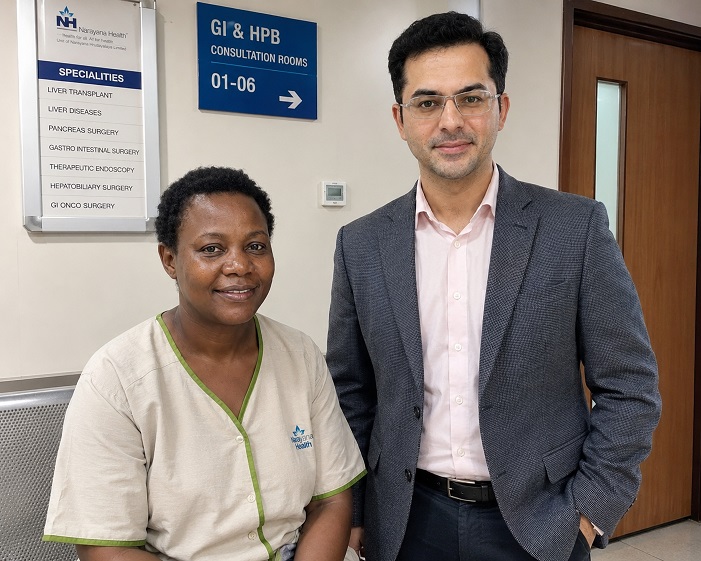
Healing Journeys of Kenyan Patients






In Brief
Cardiac surgery covers surgical treatment of diseases affecting the heart, coronary arteries, heart valves, aorta and certain congenital heart conditions. Common procedures include Coronary Artery Bypass Grafting (CABG), heart valve repair or replacement, congenital heart surgery, aortic surgery and selected minimally invasive or robotic cardiac procedures. For Kenyan patients, India can be considered when specialist cardiac evaluation or surgery is required. Indian cardiac centres provide a range of cardiac surgical procedures, supported by cardiac imaging, intensive care, cardiac anaesthesia and rehabilitation.
Q1 · Why do Kenyan patients consider Cardiac Surgery in India?
Kenyan patients may consider India when they require specialised cardiac surgery, a second opinion or treatment for a complex heart condition.
Common reasons include
- Coronary artery disease requiring bypass surgery.
- Severe valve disease.
- Multiple valve disease.
- Congenital heart defects.
- Aortic aneurysm or selected aortic conditions.
- Previous cardiac surgery requiring further intervention.
- Complex coronary artery disease.
- Failed or unsuitable previous treatment.
- Need for a specialist cardiac second opinion.
- Access to advanced cardiac imaging and intensive care.
- Minimally invasive or selected robotic cardiac procedures.
- Structured cardiac rehabilitation.
Common cardiac operations include CABG, valve repair or replacement and complex aortic procedures. Current Indian government cardiac schedules also list CABG, valve replacement, valve repair, ascending-aorta replacement and several congenital procedures.
For Kenyan patients, the decision to travel should be based on the specific cardiac diagnosis and urgency of treatment rather than cost alone.
Q2 · How much does Cardiac Surgery cost in India for Kenyan patients?
Cardiac surgery costs vary according to the procedure, number of vessels or valves involved, implant or prosthetic-valve requirements, hospital category, ICU stay, complications and the patient's overall condition.
For planning purposes, the following exchange rates are used:
For planning: US$1 ≈ KES 129.5 • US$1 ≈ INR 96
Kenya's current health-sector tariff lists CABG at KES 868,000, CABG with one valve replacement at KES 1,220,800, and double-valve replacement at KES 1,248,800. These are healthcare-package/tariff reference figures rather than universal private self-pay prices.
Indian 2026 sources show CABG commonly ranging around INR 2.5–5.5 lakh in some private-hospital estimates, while current hospital schedules show considerable variation depending on room category and complexity.
| Treatment / Estimated Estimated Procedure | Kenya – Local Currency / USD | India – INR / USD | Indicative Saving |
|---|---|---|---|
| CABG / Coronary Bypass Surgery Single Valve | KES 850,000– 1,200,000 US$6,565–9,265 | INR 350,000– 600,000 US$3,645–6,250 | 20–40% |
| Repair / Replacement | KES 950,000– 1,300,000 US$7,335–10,040 | INR 350,000– 650,000 US$3,645–6,770 | 20–40% |
| Double Valve Replacement | KES 1,200,000– 1,500,000 US$9,265–11,585 | INR 500,000– 800,000 US$5,210–8,335 | 20–40% |
| CABG + Single Valve Surgery | KES 1,250,000– 1,600,000 US$9,650–12,355 | INR 550,000– 900,000 US$5,730–9,375 | 20–35% |
| Complex / Multi- Valve Cardiac Surgery | KES 1,400,000– 2,000,000 US$10,810– 1,100,000 US$6,770– 15,445 | INR 650,000– 11,460 | 15–35% |
| Aortic Surgery / Aneurysm Repair Selected | KES 1,400,000– 2,300,000 US$10,810– 1,300,000 US$7,290– 17,760 | INR 700,000– 13,545 | 15–35% |
| Congenital Heart Surgery | KES 900,000– 1,500,000 US$6,950–11,585 | INR 400,000– 800,000 US$4,170–8,335 | 20–40% |
| Complex Congenital Heart Surgery | KES 1,200,000– 1,000,000 US$6,250– 1,800,000 US$9,265–13,900 | INR 600,000– 10,420 | 15–35% |
These are indicative planning ranges and not fixed hospital quotations. Actual costs can be substantially different, particularly for emergency surgery, complex congenital cases, aortic surgery, prolonged ICU care or expensive valve/prosthetic devices.
For example, one current Indian cardiac package schedule includes hospital stay, ICCU monitoring, routine investigations, medicines and consumables within specified limits, while some blood products and additional services are excluded.
Costs that should be clarified
Before accepting a quotation, ask whether it includes:
- Cardiac surgeon fees.
- Cardiologist fees.
- Anaesthesia.
- Operating-room charges.
- ICU/CCU stay.
- Ward stay.
- Valve/prosthetic device.
- Grafts.
- Medicines.
- Blood products.
- Investigations.
- Imaging.
- Consumables.
- Physiotherapy.
- Cardiac rehabilitation.
- Additional ICU days.
The written quotation should clearly identify what is included and what may be charged separately.
Q3 · Which Indian cities can Kenyan patients consider?
City Cardiac Treatment Areas
CABG, valve surgery, complex cardiac surgery, aortic procedures and cardiac
| City | Considerations |
|---|---|
| Delhi / NCR | CABG, valve surgery, complex cardiac surgery, aortic procedures and cardiac critical care |
| Gurugram | CABG, valve replacement, minimally invasive cardiac procedures and complex cardiac care |
| Noida | Coronary surgery, valve procedures and cardiac evaluation |
| Mumbai | CABG, valve surgery, congenital and complex cardiac procedures |
| Chennai | Coronary bypass, valve surgery, congenital heart surgery and cardiac rehabilitation |
| Bengaluru | CABG, valve surgery, minimally invasive cardiac procedures and advanced cardiac care |
| Hyderabad | CABG, valve surgery, congenital and complex cardiac procedures |
| Kolkata | Coronary surgery, valve replacement and cardiac rehabilitation |
| Pune | CABG, valve surgery and cardiac intervention |
| Ahmedabad | Coronary and valve surgery and cardiac critical care |
| Kochi | Cardiac surgery, valve treatment and rehabilitation |
| Thiruvananthapuram | Cardiac surgery and specialist cardiac evaluation |
| Goa | Cardiac evaluation and selected cardiac surgical services |
| Nagpur | Cardiac surgery, coronary disease management and cardiac rehabilitation |
For complex cardiac cases, the most important consideration is the availability of the required cardiac surgeon, cardiologist, cardiac anaesthesia team, ICU/CCU, blood bank, imaging and rehabilitation services.
Q4 · Which hospitals in India can Kenyan patients consider?
Important: This is a broad medical-planning list. Not every hospital listed necessarily performs every cardiac procedure. The patient's exact diagnosis should be matched with an appropriate cardiac centre and specialist before travel.
Delhi Hospitals
- Fortis Escorts Heart Institute, New Delhi
- BLK-Max Super Speciality Hospital, New Delhi
- Max Super Speciality Hospital, Saket
- Indraprastha Apollo Hospitals, New Delhi
- Sir Ganga Ram Hospital
- Max Super Speciality Hospital, Patparganj
- Manipal Hospital, Dwarka
- Fortis Hospital, Vasant Kunj
- Institute of Brain and Spine Hospital (IBS Hospital)
- Dharamshila Narayana Hospital
- Indian Spinal Injuries Centre
- AIIMS New Delhi
Chennai Hospitals
- MGM Healthcare
- MIOT International
- Apollo Hospitals, Greams Road
- Sri Ramachandra Medical Centre
- SIMS Hospital
- Kauvery Hospital
- Gleneagles HealthCity Chennai
- Vijaya Hospital
- Apollo Speciality Hospitals
- Rela Hospital
Mumbai Hospitals
- Bombay Hospital & Medical Research Centre
- Lilavati Hospital & Research Centre
- Jaslok Hospital & Research Centre
- Gleneagles Hospital, Mumbai
- Nanavati Max Super Speciality Hospital
- Kokilaben Dhirubhai Ambani Hospital
- P. D. Hinduja Hospital & Medical Research Centre
- Sir H. N. Reliance Foundation Hospital
- Wockhardt Hospitals, Mumbai
- Apollo Hospitals, Mumbai
Bengaluru Hospitals
- Manipal Hospital, Old Airport Road
- Manipal Hospital, Whitefield
- Manipal Hospital, Yeshwanthpur
- Apollo Hospitals, Bengaluru
- Fortis Hospital, Bannerghatta Road
- Aster CMI Hospital
- Sakra World Hospital
- Narayana Health City
- Sagar Hospitals
- Kauvery Hospital, Bengaluru
Hyderabad Hospitals
- KIMS Hospitals
- Yashoda Hospitals
- Apollo Health City
- CARE Hospitals
- Continental Hospitals
- Gleneagles Hospitals, Hyderabad
- Sunshine Hospitals
- Star Hospitals
Gurugram Hospitals
- Fortis Memorial Research Institute (FMRI)
- Medanta – The Medicity
- Artemis Hospital
- Max Hospital, Gurugram
- CK Birla Hospital, Gurugram
- Manipal Hospital, Gurugram
- Paras Health
- Narayana Superspeciality Hospital
Noida Hospitals
- Fortis Hospital, Noida
- Jaypee Hospital
- Max Super Speciality Hospital, Noida
- Yatharth Hospital
- Kailash Hospital
- Metro Hospital & Heart Institute
- Metro Center for Neurosciences
Kolkata Hospitals
- Apollo Multispeciality Hospitals
- AMRI Hospitals
- Fortis Hospital, Anandapur
- Manipal Hospitals, Salt Lake
- Medica Superspecialty Hospital
- Narayana Superspeciality Hospital
- Ruby General Hospital
Pune Hospitals
- Ruby Hall Clinic
- Jehangir Hospital
- Deenanath Mangeshkar Hospital
- Sahyadri Super Speciality Hospital
- Aditya Birla Memorial Hospital
- Manipal Hospital, Kharadi
- Medicover Hospital, Pune
Ahmedabad Hospitals
- Apollo Hospitals, Ahmedabad
- Zydus Hospitals
- Sterling Hospitals
- Shalby Hospitals
- HCG Hospitals
- SAL Hospital
- CIMS Hospital
Kochi Hospitals
- Aster Medcity
- Amrita Hospital
- VPS Lakeshore Hospital
- Rajagiri Hospital
- Aster MIMS
- Lisie Hospital
- Renai Medicity
Thiruvananthapuram Hospitals
- KIMSHEALTH Hospital
- Ananthapuri Hospitals and Research Institute
- SUT Hospital
- SP Medifort Hospital
- PRS Hospital
- GG Hospital
Goa Hospitals
- Manipal Hospital, Goa
- Healthway Hospital
- Manipal Hospitals, Dona Paula
- Goa Medical College and Hospital
- Apollo Victor Hospital
Nagpur Hospitals
- Wockhardt Hospitals, Nagpur
- Max Multispeciality Hospital
- CARE Hospitals, Nagpur
- Kingsway Hospitals
- Lata Mangeshkar Hospital
Q5 · What types of Cardiac Surgery are available in India?
Coronary Artery Surgery
- CABG / bypass surgery.
- On-pump CABG.
- Off-pump CABG.
- Multi-vessel bypass surgery.
- Selected minimally invasive or robotic CABG.
Valve Surgery
- Mitral valve repair.
- Mitral valve replacement.
- Aortic valve repair.
- Aortic valve replacement.
- Tricuspid valve surgery.
- Pulmonary valve surgery.
- Double-valve surgery.
Aortic Surgery
- Ascending aorta replacement.
- Selected aortic aneurysm surgery.
- Aortic dissection repair.
- Complex aortic reconstruction.
Congenital Heart Surgery
Depending on age and diagnosis, procedures may include:
- ASD closure.
- VSD repair.
- PDA procedures.
- Tetralogy of Fallot repair.
- Coarctation repair.
- Complex congenital heart reconstruction.
Kenya's health-sector tariff includes CABG, double-valve replacement, complex congenital heart disease repair, aortic surgery and several other cardiothoracic procedures.
Q6 · What are the benefits of specialised Cardiac Surgery in India?
Potential advantages of specialist cardiac care may include
- Dedicated cardiac surgical teams.
- Cardiac anaesthesia expertise.
- Intensive cardiac-care facilities.
- Advanced cardiac imaging.
- Cardiac catheterisation facilities.
- Blood-bank support.
- Cardiac rehabilitation.
- Multidisciplinary decision-making.
- Access to different surgical approaches depending on the patient's condition.
- International-patient coordination in many major centres.
For example, cardiac surgery packages at some Indian centres specifically combine cardiac surgeons, cardiologists, anaesthetists, ICU monitoring, investigations and rehabilitation.
The appropriate treatment still depends on the individual patient's anatomy, disease severity, age and overall health.
Q7 · Who may be suitable for Cardiac Surgery?
Patients may be referred for cardiac surgery when they have conditions such as
- Significant coronary artery disease.
- Multi-vessel coronary disease.
- Severe valve disease.
- Valve disease unsuitable for or not adequately managed by other approaches.
- Multiple valve disease.
- Aortic aneurysm or selected aortic disease.
- Certain congenital heart defects.
- Failed previous cardiac surgery.
- Certain complications requiring surgical treatment.
However, not every heart condition requires surgery.
Depending on the diagnosis, alternatives may include
- Medication.
- Lifestyle modification.
- Coronary angioplasty/stenting.
- Catheter-based valve procedures.
- Monitoring.
- Electrophysiology procedures.
- Other minimally invasive treatments.
A cardiologist and cardiac surgeon should determine the most appropriate treatment pathway.
Q8 · What medical documents should Kenyan patients send before travelling?
Cardiac patients should send their complete medical records for specialist review.
Important documents may include
- Cardiologist consultation reports.
- ECG.
- Echocardiogram.
- Coronary angiography/catheterisation report.
- CT coronary angiography where applicable.
- Cardiac MRI where applicable.
- Previous cardiac operation reports.
- Previous stent information.
- Previous valve/implant details.
- Blood-test results.
- Kidney-function tests.
- Diabetes-related reports where applicable.
- Current medication list.
- Previous hospital discharge summaries.
For patients who have undergone previous cardiac procedures, the exact details of the previous treatment are especially important.
The cardiac team can use these records to determine whether additional investigations are required before travel.
Q9 · How does Cardiac Surgery work?
The process usually includes several stages.
Step 1 — Cardiac Evaluation
The cardiologist reviews symptoms, medical history and previous investigations.
Step 2 — Diagnostic Confirmation
Additional tests may include
- Echocardiography.
- ECG.
- Coronary angiography.
- CT imaging.
- Blood tests.
- Cardiac MRI in selected cases.
Step 3 — Treatment Planning
The heart team determines whether medication, catheter-based treatment or surgery is most appropriate.
Step 4 — Pre-operative Assessment
The patient may undergo anaesthesia evaluation and additional medical clearance.
Step 5 — Surgery
Depending on the condition, surgery may involve bypass grafting, valve repair/replacement, congenital defect repair or aortic reconstruction.
Step 6 — Intensive Care
After major cardiac surgery, the patient is generally monitored in a cardiac ICU/critical-care environment.
Step 7 — Ward Recovery
Once stable, the patient moves to a regular cardiac ward before discharge.
Step 8 — Cardiac Rehabilitation
Recovery continues with gradual mobilisation, breathing exercises, medication management and rehabilitation.
Q10 · What are the alternatives to open-heart surgery?
Not every cardiac patient requires open surgery.
Depending on the diagnosis, alternatives may include
- Medication.
- Coronary angioplasty.
- Stent placement.
- Catheter-based valve procedures.
- TAVR/TAVI for selected aortic-valve patients.
- Transcatheter closure of selected congenital defects.
- Electrophysiology procedures.
- Lifestyle and risk-factor management.
For example, current Indian cardiac cost references distinguish surgical CABG from catheter-based interventions and transcatheter valve procedures.
The choice should be based on the patient's anatomy, disease severity, surgical risk and long-term treatment objectives.
Q11 · What should Kenyan patients ask before accepting a cardiac-surgery quotation?
Patients and families should ask
- What is the exact heart condition?
- Why is surgery being recommended?
- Is there a non-surgical or catheter-based alternative?
- What exact surgery is planned?
- How many vessels or valves are involved?
- What type of valve will be used, if applicable?
- Is the valve cost included?
- How many ICU days are included?
- How many ward days are included?
- Are medicines included?
- Are blood products included?
- Are investigations included?
- What happens if the patient requires additional ICU days?
- What are the major risks associated with the procedure?
- How long is cardiac rehabilitation expected to take?
- When can the patient travel back to Kenya?
- What follow-up will be required in Kenya?
A written package is strongly preferable, particularly for international patients.
Q12 · How long should Kenyan patients stay in India?
The duration depends on the type of cardiac surgery and recovery.
Approximate planning periods may be
- Cardiac evaluation: 3–5 days.
- CABG: approximately 7–14 days.
- Single-valve surgery: approximately 7–14 days.
- Double-valve surgery: approximately 10–18 days.
- Complex cardiac surgery: approximately 2–3 weeks or longer.
- Major aortic surgery: potentially 2–4 weeks or longer.
- Complex congenital surgery: highly variable.
These are planning estimates, not guarantees.
For example, an Indian cardiac package may include several days of ICU monitoring followed by ward care, but the actual stay depends on postoperative recovery.
Patients should not book a return flight until the treating cardiac team confirms that travel is medically appropriate.
Q13 · What is recovery like after Cardiac Surgery?
Recovery generally occurs in stages.
Early Recovery
The focus may include:
- ICU monitoring.
- Pain management.
- Breathing exercises.
- Gradual mobilisation.
- Wound care.
- Medication adjustment.
- Prevention of complications.
Intermediate Recovery
Patients may gradually begin:
- Walking.
- Light daily activities.
- Structured cardiac rehabilitation.
- Breathing and strengthening exercises.
Longer-Term Recovery
The cardiac team may advise:
- Cardiac rehabilitation.
- Heart-healthy diet.
- Blood-pressure control.
- Diabetes management.
- Cholesterol management.
- Smoking cessation where applicable.
- Regular cardiology follow-up.
The recovery period varies considerably between CABG, valve surgery, congenital surgery and major aortic procedures.
Patients should follow their surgeon's instructions regarding lifting, driving, air travel, work and physical activity.
Q14 · How can follow-up be managed after returning to Kenya?
Before leaving India, patients should collect
- Final diagnosis.
- Discharge summary.
- Operation report.
- Echocardiogram report.
- ECG.
- Coronary angiography images/report if applicable.
- Valve or implant details.
- Medication list.
- Wound-care instructions.
- Cardiac rehabilitation plan.
- Follow-up schedule.
Follow-up can then be continued with a cardiologist in Kenya.
Patients may require
- Repeat echocardiography.
- ECG.
- Medication review.
- Blood-pressure monitoring.
- Blood tests.
- Anticoagulation monitoring for certain mechanical valves.
- Cardiac rehabilitation.
Patients should know which symptoms require urgent medical attention after returning home.
Q15 · Should a Kenyan patient travel to India for Cardiac Surgery?
India can be considered by Kenyan patients who require specialist cardiac evaluation or surgery, including CABG, valve surgery, selected congenital heart procedures and complex cardiac reconstruction.
The decision should be based on
- Exact diagnosis.
- Severity of the cardiac condition.
- Recommended treatment.
- Experience of the cardiac team with that procedure.
- ICU and cardiac-care facilities.
- Availability of required implants or valves.
- Expected hospital stay.
- Total treatment cost.
- Rehabilitation arrangements.
- Follow-up availability in Kenya.
For patients with urgent or unstable cardiac conditions, travel should only be undertaken after appropriate medical assessment and clearance.
The safest planning approach is to have the cardiac records and investigations reviewed by the treating team before travel and to obtain a clear written treatment plan and quotation.
Kenyan Patient Pre-Travel Checklist
Medical Preparation
- Cardiologist reports collected
- ECG collected
- Echocardiogram collected
- Coronary angiography/CT reports collected
- Previous cardiac operation reports collected
- Previous stent/valve information collected
- Blood-test reports prepared
- Current medication list prepared
- Specialist opinion received
Surgery Preparation
- Exact procedure confirmed
- Surgical alternatives discussed
- Valve/device type confirmed if applicable
- ICU stay clarified
- Hospital stay clarified
- Blood products clarified
- Medicine and investigation costs clarified
- Additional-day charges clarified
- Rehabilitation plan discussed
Travel Preparation
- Medical visa arranged if applicable
- Passport and accompanying-person documents ready
- Hospital invitation letter obtained where required
- Accommodation arranged
- Airport transfer arranged
- Sufficient stay planned
- Return flight kept flexible until medically cleared
Before Returning to Kenya
- Discharge summary collected
- Operation report collected
- Echo/ECG reports collected
- Angiography records collected
- Valve/device information collected
- Medication instructions received
- Cardiac rehabilitation plan received
- Follow-up appointment confirmed
- Kenyan cardiologist identified
Final Note
Cardiac surgery requires careful planning because the appropriate procedure depends on the patient's heart anatomy, disease severity, previous treatment and overall medical condition. For Kenyan patients considering treatment in India, sending the complete cardiac records and imaging for specialist review before travelling can help the medical team understand the condition and prepare an appropriate treatment plan. The final cost should be confirmed in writing, including the procedure, ICU/ward stay, implants or valves, medicines, investigations and possible additional charges. For heart surgery, the priority should always be timely specialist evaluation, an appropriate surgical plan and safe postoperative follow-up.
Page Summary
This page answers 15 frequently asked questions about cardiac surgery in India for Kenyan patients. It covers why patients travel for treatment, an indicative Kenya-versus-India cost comparison, the Indian cities and hospitals to consider, the treatment and surgical options available, how to obtain a quotation remotely, second opinions, advanced options, recovery, unexpected costs, combining treatments, medical visa and travel planning, length of stay, follow-up after returning to Kenya, and a complete pre-travel checklist.


Our Mission Statement
Our mission is to place patients at the centre of every healthcare decision by providing trustworthy, evidence-based, and unbiased medical information. We believe that informed patients make better decisions. Backed by personalised guidance from our experienced advisory team, we help patients understand their treatment options, compare them objectively, and confidently choose the path that best suits their medical needs and personal circumstances.
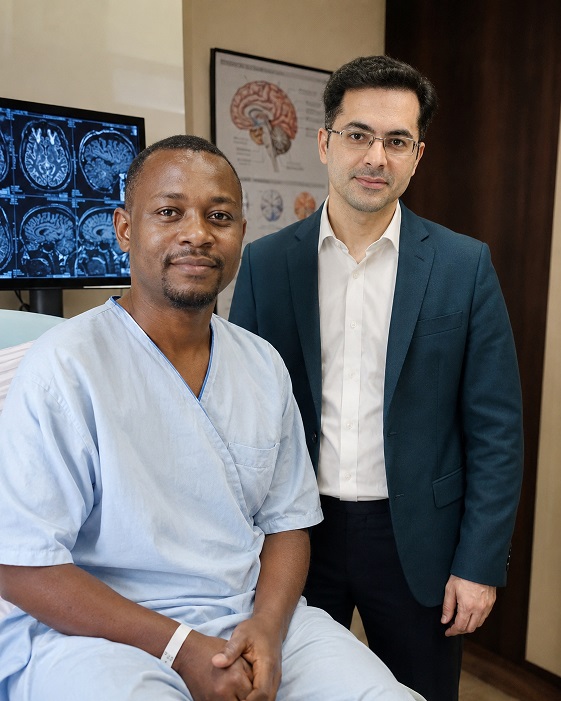
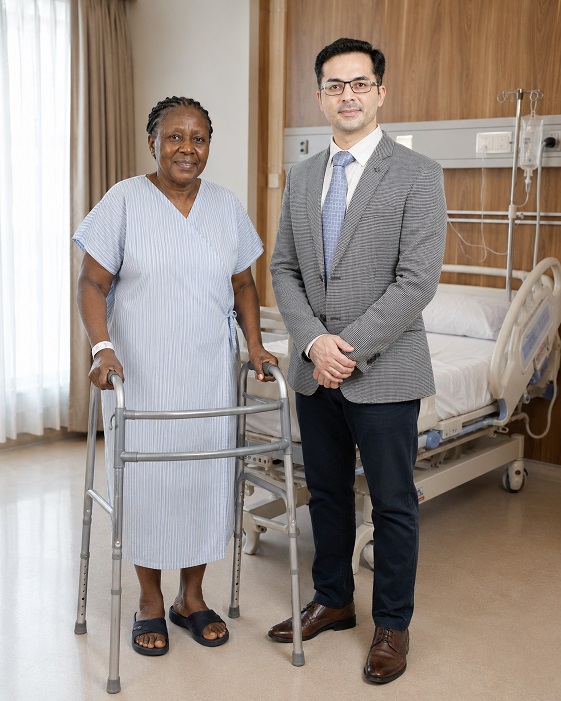
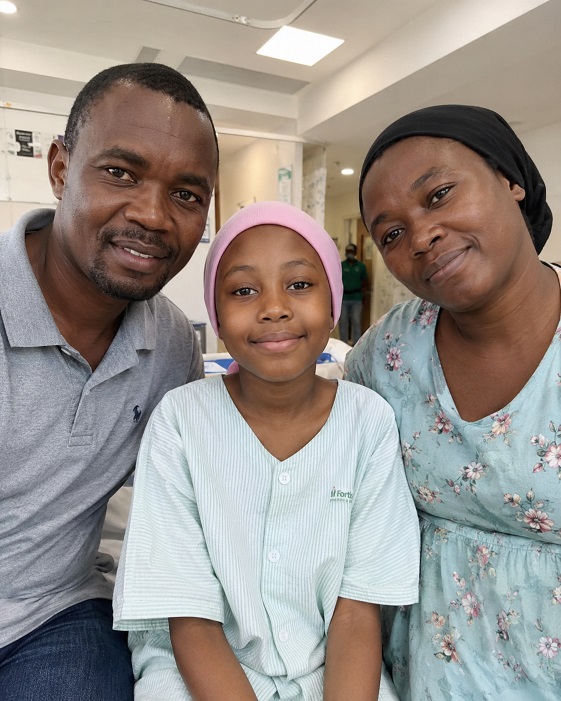
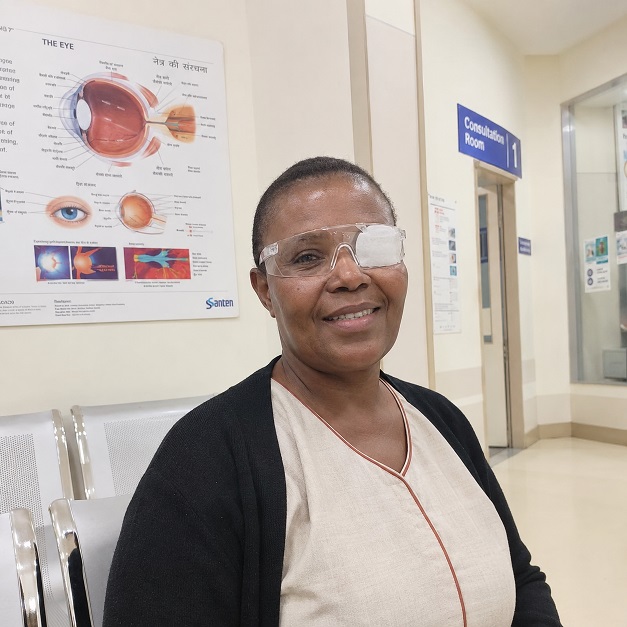
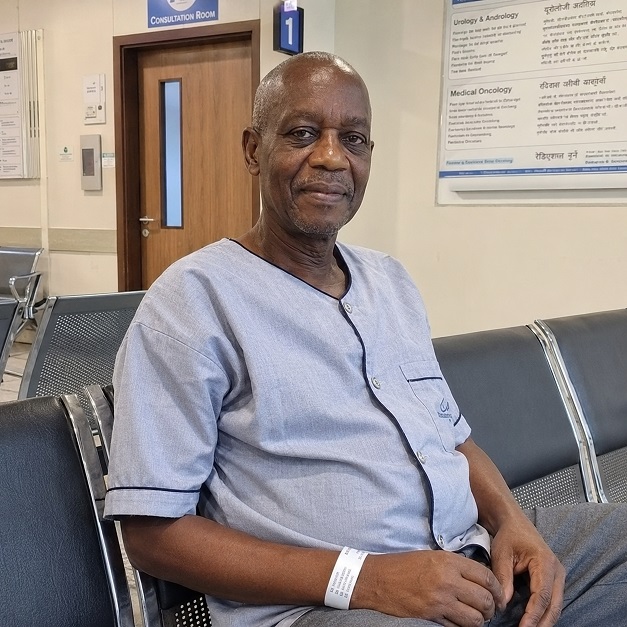
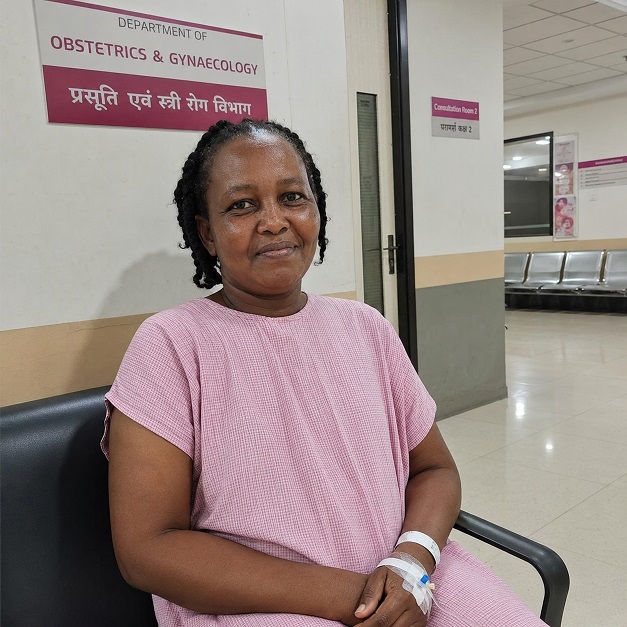
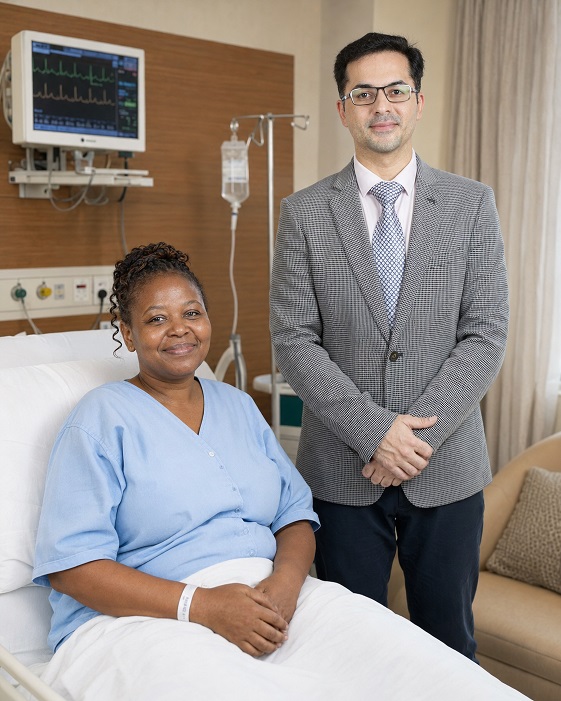
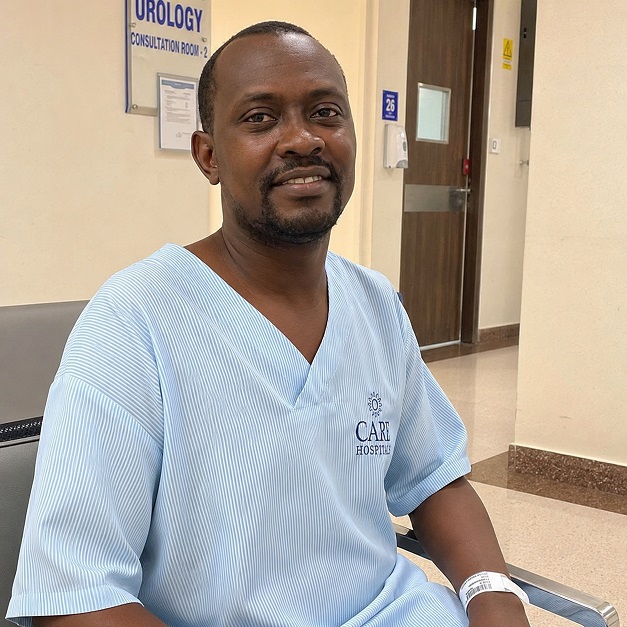
Patient Testimonials from Kenya


Ready to Take the First Step?
Share your Medical Reports with our Healthcare Managers Today and Get a FREE CONSULTATION, a Personalized Treatment Plan, and Complete Support from Arrival to Recovery.
Get Your Free ConsultationAreas We Serve
This resource has been thoughtfully prepared for patients from Kenya who are considering medical treatment in India. We also welcome patients from the wider region in the countries mentioned below-
We assist patients from:
- Ethiopia
- Somalia
- Tanzania
- Uganda
- Seychelles
- Guinea
- Guinea-Bissau
- Liberia
- Mali
- Mauritania
- Niger
- Nigeria
- Senegal
- Togo
- South Sudan
- Sierra Leone
Many of the insights, treatment pathways, hospital recommendations, travel guidance, and patient support services described here are equally relevant and may be used as a reference when planning treatment in India.
From Kenya to India: Your Complete Patient Support Guide
- Brain Tumour Surgery in India for Kenyan Patients
- Cancer Treatment and Surgery in India for Kenyan Patients
- Cardiac Treatment and Surgery in India for Kenyan Patients
- Heart Valve Replacement Surgery in India for Kenyan Patients
- Knee Replacement in India for Kenyan Patients
- Prostate Cancer Treatment and Surgery in India for Kenyan Patients
- Spine Treatment and Surgery in India for Kenyan Patients
- Selecting the Best Bariatric Surgeons and Hospitals in India: What Kenyan Patients Should Actually Look For
- Selecting the Best Cancer Surgeons and Hospitals in India: What Kenyan Patients Should Actually Look For
- Selecting the Best Cardiac Surgeons and Hospitals in India: What Kenyan Patients Should Actually Look For
- Selecting the Best Dental Surgeons and Clinics in India: What Kenyan Patients Should Actually Look For
- Selecting the Best Hip Surgeons and Hospitals in India: What Kenyan Patients Should Actually Look For
- Selecting the Best Kidney Transplant Surgeons and Hospitals in India: What Kenyan Patients Should Actually Look For
- Selecting the Best Knee Surgeons and Hospitals in India: What Kenyan Patients Should Actually Look For
- Selecting the Best Liver Transplant Surgeons and Hospitals in India: What Kenyan Patients Should Actually Look For
- Selecting the Best Neurosurgeons and Hospitals in India: What Kenyan Patients Should Actually Look For
- Selecting the Best Prostate Cancer Surgeons and Hospitals in India: What Kenyan Patients Should Actually Look For
- Selecting the Best Spine Surgeons and Hospitals in India: What Kenyan Patients Should Actually Look For