

Cardiac Pacemaker Treatment in India for Kenyan Patients
How a Kenyan patient chooses the right pacemaker and the right cardiac centre in India, and what the implant, the stay and the long-term checks actually cost.
A pacemaker is one of the most reliable, well-established treatments in all of cardiology, correcting a dangerously slow or irregular heartbeat with a small implanted device and a success rate that's been proven over decades. It's also, across Africa, a treatment that remains roughly 200 times less accessible per capita than in Europe. For a Kenyan patient with complete heart block, a condition where the heart's electrical signal stops reaching the lower chambers properly, this gap isn't an abstract statistic; it's the difference between a straightforward, well-understood fix and a genuinely life-threatening wait. Across 24 years of guiding Kenyan patients through treatment in India, few conditions in this series have as clear and as urgent a solution as this one. This article explains what pacemaker treatment involves, why access remains so limited across Africa despite genuine efforts to close the gap, what treatment costs in India compared with Kenya and Western countries, and the practical factors to weigh before deciding where to be treated.
Healing Journeys of Kenyan Patients







Key Takeaways
- The guide explains that a pacemaker is an established treatment for dangerously slow or irregular heart rhythms, particularly complete heart block. It describes single-chamber, dual-chamber and biventricular devices, with the appropriate device depending on the patient's specific cardiac condition.
- Pacemaker access across Africa remains limited, with the guide citing access roughly 200 times lower per capita than in Europe. Kenya has made progress through local training initiatives and participation in a 2022–2024 international trial of reconditioned pacemakers, but access may still be limited for patients requiring prompt treatment.
- India performs more than 20,000 pacemaker implantations annually, with accredited cardiac centres offering electrophysiologists and interventional cardiologists experienced in different device types. The guide also highlights access to MRI-compatible and leadless pacemakers and reported implantation success rates around 95%.
- Before choosing a centre, Kenyan patients should confirm that the device type matches their specific arrhythmia, verify the cardiologist's personal annual implantation volume and independently check JCI or NABH accreditation. The page 4 “Six Things to Check” graphic specifically highlights accreditation, device selection, cardiologist implantation volume, complete costing, visa/travel planning and long-term device monitoring.
- The guide gives an approximate complete pacemaker implantation cost of US$4,000–7,500 in India, compared with US$6,000–15,000 privately in Kenya, US$15,000–25,000 in the UK and US$20,000–40,000 in the US. The Indian estimate includes the device, surgery and hospital stay, but patients should obtain a written breakdown confirming what is included.
- Pacemaker implantation itself generally takes one to two hours under local anaesthesia with light sedation, while the guide estimates an overall stay of approximately five to seven days in India for assessment, implantation and initial recovery. Long-term monitoring remains important, with device checks typically required every six to twelve months.
- Kenyan patients should send their cardiac reports and rhythm-related records to the centres being compared and confirm the exact recommended device before travelling. A written long-term monitoring plan should also identify a cardiologist in Kenya who can continue device follow-up after the patient returns home.
Quick Facts
- Author
- Dr. Dheeraj Bojwani
- Experience
- 24+ Years
- Treatment
- Cardiac Pacemaker Implantation
- Patients
- Kenyan Patients
- First Assessment
- Arrhythmia and cardiac conduction problem
- Key Specialist
- Electrophysiologist / Interventional Cardiologist
- Device Options
- Single-chamber, dual-chamber and biventricular
- Device Check
- MRI-compatible or leadless options where appropriate
- Case Volume
- Pacemaker procedures performed annually
- Hospital Check
- JCI / NABH accreditation
- Procedure Time
- Approximately 1–2 hours
- India Cost
- US$4,000–7,500
- Kenya Private Cost
- US$6,000–15,000
- Medical Records
- Cardiac reports and rhythm records
- Visa
- Indian medical e-visa with hospital invitation
- Travel
- Nairobi–India flights
- Stay
- Approximately 5–7 days
- Follow-Up
- Device monitoring every 6–12 months
- Communication
- Clear treatment and travel coordination
- Key Warning
- Device recommended without explaining why it suits the patient's condition
- Decision Principle
- Prioritise correct device selection, implantation expertise and long-term monitoring.
In Brief
For Kenyan patients considering pacemaker treatment in India, the key priorities are matching the device to the specific heart rhythm problem, verifying the cardiologist's implantation experience and choosing an accredited cardiac centre. Patients should obtain a complete written cost estimate, plan their short stay in India and establish long-term device monitoring in Kenya before travelling.
What pacemaker treatment actually involves
A pacemaker is a small device, typically implanted just under the skin below the collarbone, connected by thin wires to the heart, that monitors the heart's natural rhythm and sends electrical impulses whenever the heart beats too slowly or misses a beat. It's most commonly needed for complete heart block, where electrical signals from the heart's upper chambers fail to reach the lower chambers, and for other significant conduction disorders that cause the heart to beat dangerously slowly.
There are several types: single-chamber pacemakers, using one lead to pace either the upper or lower heart chamber; dual-chamber pacemakers, the most common type, coordinating pacing between both chambers for a more naturally timed heartbeat; and biventricular devices, used for certain heart failure patients, which synchronise both lower chambers to improve overall pumping efficiency. Implantation itself is a well-established, minimally invasive procedure, typically completed in one to two hours under local anaesthesia with light sedation, with most patients discharged within a few days and back to normal activity within weeks.
Once implanted, a pacemaker requires periodic follow-up, typically every six to twelve months, to check battery life and confirm the device is functioning correctly. Modern devices have battery lives ranging from five to fifteen years depending on the model and how actively the device is pacing, and replacement, when eventually needed, is generally a shorter, simpler procedure than the original implantation since the existing leads can usually be reused.
Why access remains so limited across Africa despite genuine efforts to close the gap
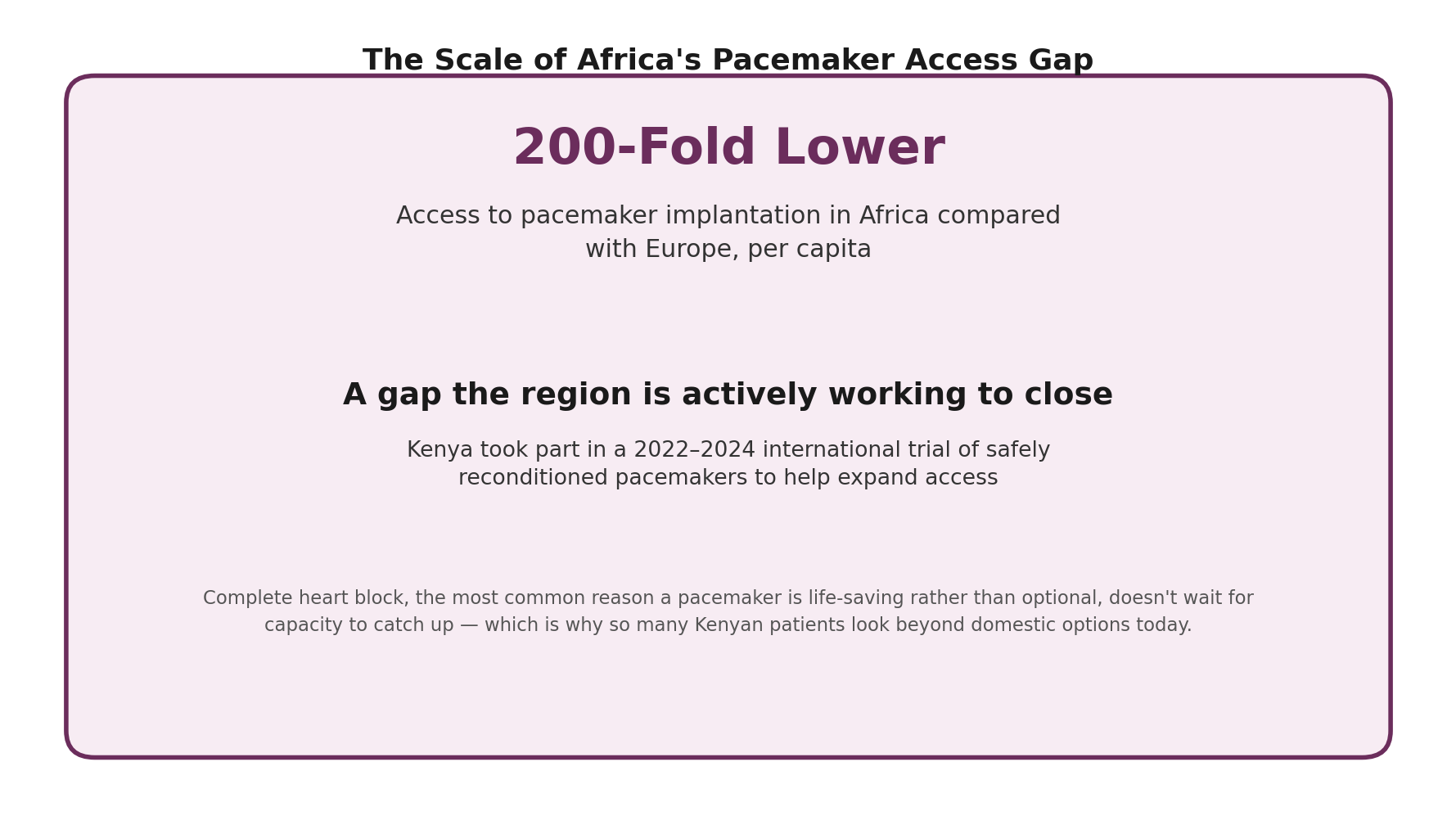
This is the fact every Kenyan patient facing a pacemaker recommendation needs to understand clearly. Per capita access to pacemaker implantation across Africa is roughly 200 times lower than in Europe, according to data compiled by the Pan African Society of Cardiology. This isn't a reflection of the procedure's difficulty or safety, pacemaker implantation is among the most standardised, well-understood procedures in modern cardiology; it reflects a genuine gap in cardiology workforce, implanting specialists, and device availability across much of the continent.
There's real, encouraging progress worth knowing about. Kenya took part in an international randomised controlled trial, running from May 2022 to June 2024, testing the safety of carefully reconditioned pacemakers, cleaned, tested, and sterilised under an FDA-approved protocol, as a way to expand access in lower-resource settings. Kenya-based initiatives have also worked to train local doctors in implantation technique and provide devices directly to patients who couldn't otherwise afford them. These efforts matter and represent genuine progress, but they don't yet close a 200-fold gap, and for a patient with complete heart block today, a condition that can be genuinely life-threatening if left untreated, the honest, practical reality is that domestic capacity may not be immediately available when it's needed most.
Why India has become a genuine hub for pacemaker treatment
India performs pacemaker implantation at enormous scale, with over 20,000 procedures completed annually and a well-established network of accredited cardiac centres staffed by electrophysiologists and interventional cardiologists with deep, sustained experience across every device type. This matters because complete heart block specifically requires prompt, competent treatment, and India's combination of scale and speed means a patient can typically move from consultation to implantation within days, not months.
India's leading cardiac centres combine this volume with JCI and NABH accredited safety standards, access to the full range of modern devices including MRI-compatible and leadless pacemakers, and reported implantation success rates around 95%. In 24 years of guiding patients through this decision, the clearest advice I offer is straightforward: for a condition as time-sensitive as complete heart block, the combination of India's speed, genuine surgical volume, and accessible cost makes it, for the great majority of Kenyan patients facing this diagnosis, the clearest path to getting treated promptly and well.
Device selection also benefits meaningfully from this depth of experience. India's high implantation volume means cardiologists routinely handle the full spectrum of arrhythmia presentations, including complex cases requiring biventricular pacing or devices compatible with specific future medical needs like MRI scanning, decisions that benefit enormously from a cardiologist who has personally managed many similar cases rather than encountering them occasionally.
What it costs: India versus Kenya, the UK, and the US
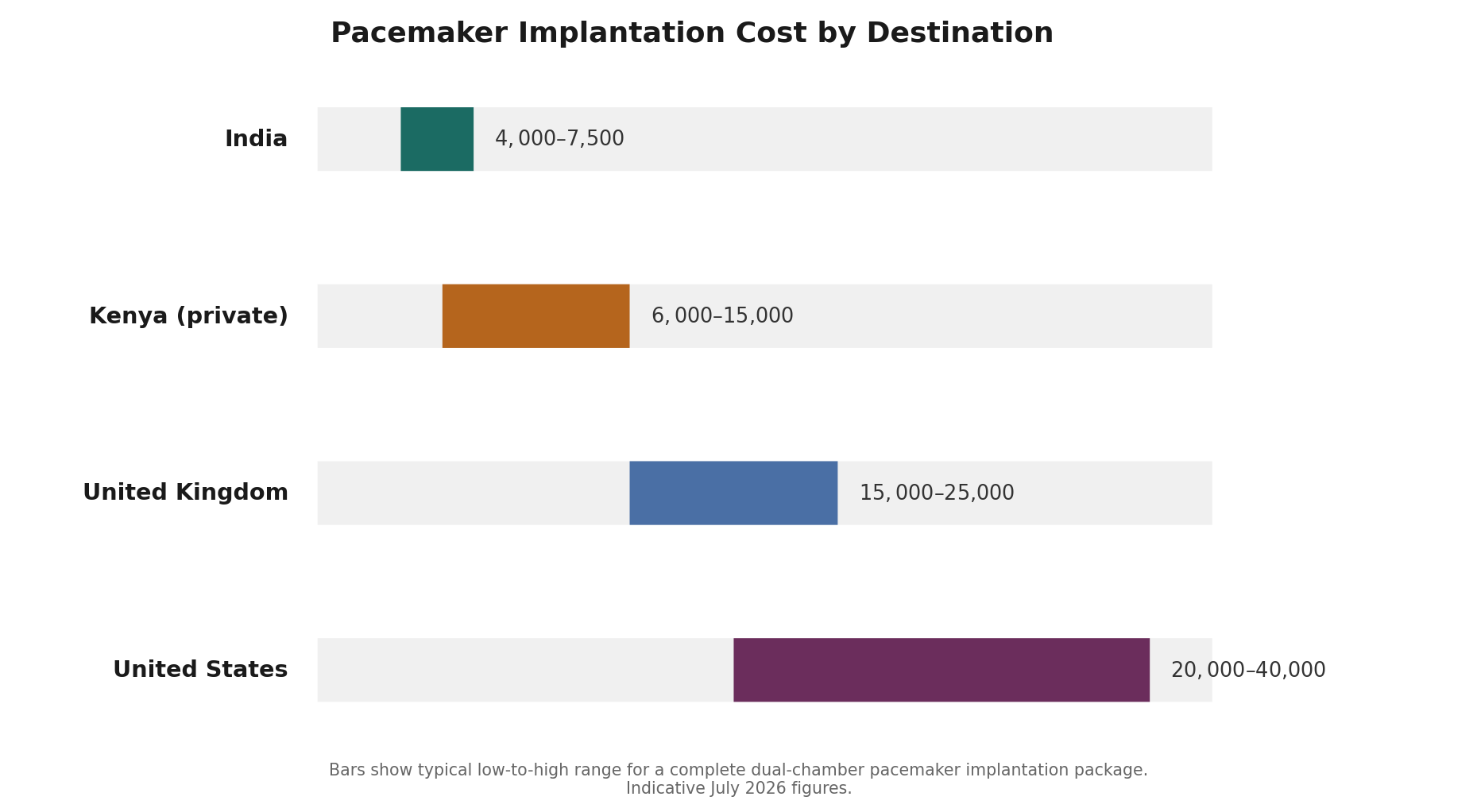
In India, complete pacemaker implantation typically costs between 4,000 and 7,500 US dollars, covering the device, surgery, and hospital stay. In Kenya, private pacemaker implantation costs run roughly 6,000 to 15,000 dollars, where access is available. In the UK, pacemaker implantation typically costs 15,000 to 25,000 dollars, and in the US, 20,000 to 40,000 dollars, up to roughly 85% more than the equivalent treatment in India.
Beyond the procedure itself, budget for travel. Direct flights between Nairobi and Delhi or Mumbai run roughly 550 to 850 dollars return, and pacemaker implantation typically requires just five to seven days in India, covering pre-operative assessment, the procedure, and initial recovery before travel home is medically advisable.
What a Kenyan patient should actually check before booking
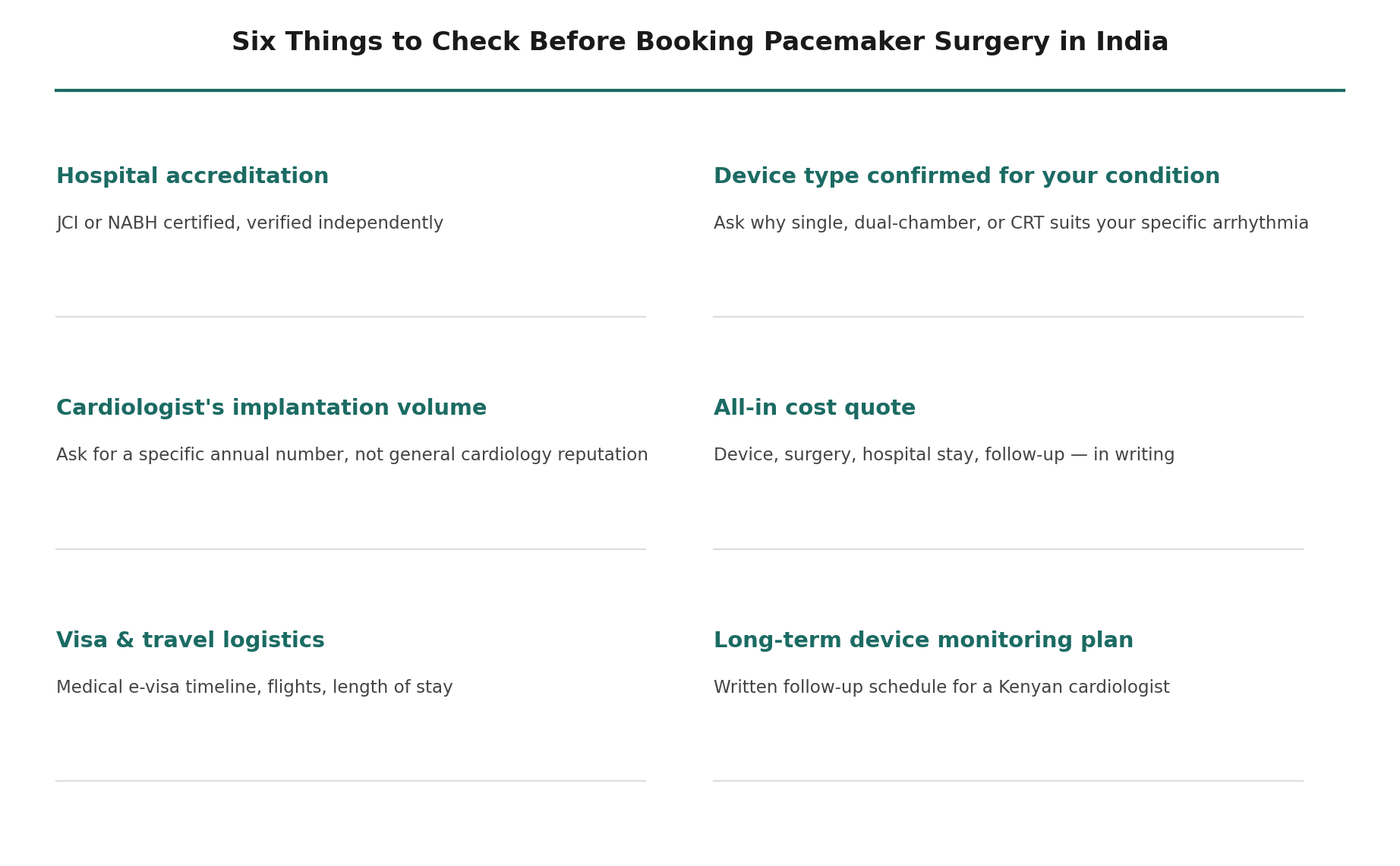
Given how much prompt treatment and device fit matter here, work through these questions directly.
Confirm genuine accreditation. Ask whether the hospital holds JCI or NABH certification, and verify it independently.
Confirm the device type suits your specific condition. Ask your cardiologist to explain, based on your specific arrhythmia, why a single-chamber, dual-chamber, or biventricular device is being recommended.
Ask about the cardiologist's implantation volume. A specific number, how many pacemaker procedures the cardiologist personally performs each year, tells you more than general cardiology reputation.
Get the full cost breakdown in writing. Confirm what's included, the device, surgery, hospital stay, and follow-up consultations.
Plan your visa and travel timeline urgently. The Indian medical e-visa is typically issued within three to five working days once you have a formal hospital invitation letter.
Arrange your long-term device monitoring plan before you leave. Agree on a written follow-up schedule and identify a doctor in Kenya who can continue monitoring the device once you're home.
Straight Answers for Kenyan Patients about Cardiac Pacemaker Treatment in India
How significant is the pacemaker access gap in Africa?
Per capita access to pacemaker implantation across Africa is roughly 200 times lower than in Europe, according to Pan African Society of Cardiology data, reflecting a genuine gap in cardiology workforce and device availability rather than any difficulty with the procedure itself.
How much does pacemaker implantation cost in India compared to the US?
India typically costs 4,000 to 7,500 US dollars for a complete implantation, against 20,000 to 40,000 dollars in the US, a saving of up to roughly 85%.
Is Kenya making progress on pacemaker access?
Yes. Kenya took part in a 2022-2024 international trial of safely reconditioned pacemakers, and local initiatives have worked to train doctors and provide devices to patients who couldn't otherwise afford them, though these efforts haven't yet closed the overall gap.
What is complete heart block?
A condition where electrical signals from the heart's upper chambers fail to reach the lower chambers properly, causing a dangerously slow heartbeat that a pacemaker corrects reliably.
How long does pacemaker implantation take?
The procedure itself typically takes one to two hours under local anaesthesia, and most patients need five to seven days in India overall, covering assessment, the procedure, and initial recovery.
How do I get a medical visa to India from Kenya?
The Indian medical e-visa is typically issued within three to five working days once you have a formal invitation letter from the treating hospital.
A Closing Word
The 200-fold gap in pacemaker access between Africa and Europe is real, and genuine efforts are underway to close it. But for a Kenyan patient with complete heart block today, that gap matters right now, not once regional capacity eventually catches up. India offers exactly what this specific, time-sensitive condition demands: high-volume, accredited, prompt treatment at a cost that remains genuinely accessible, making it, for the great majority of patients facing this diagnosis, the clearest option available today.
Sources
- 🌐 Reconditioned pacemakers provide new hope for patients in low- and middle-income countries. European Society of Cardiology, 2025
- 🌐 Statistics on the use of cardiac electronic devices and interventional electrophysiological procedures in Africa
- 🌐 Sponsor a Heartbeat — pacemaker access initiative for Kenyan patients
- 🌐 National Medical Commission of India — specialist registration verification
- 🌐 National Accreditation Board for Hospitals & Healthcare Providers (NABH) — accredited hospital directory
Frequently Asked Questions by Kenyans about Cardiac Pacemaker Treatment in India
What conditions commonly require a pacemaker?
The guide identifies complete heart block and other significant conduction disorders causing dangerously slow heart rates as common reasons for pacemaker implantation.
What types of pacemakers are available?
The guide describes single-chamber, dual-chamber and biventricular devices, with selection depending on the patient's cardiac condition.
How should the correct device be selected?
The cardiologist should explain why a single-chamber, dual-chamber or biventricular device is appropriate for the patient's specific arrhythmia.
Why do Kenyan patients consider treatment in India?
The guide highlights India's high implantation volume, accredited cardiac centres and access to different modern pacemaker technologies.
How much does pacemaker implantation cost in India?
The guide gives an approximate cost of US$4,000–7,500, including the device, surgery and hospital stay.
How long does pacemaker implantation take?
The procedure generally takes one to two hours under local anaesthesia with light sedation.
How long should a Kenyan patient stay in India?
The guide estimates approximately five to seven days for assessment, implantation and initial recovery before returning home, subject to medical advice.
How often does a pacemaker require monitoring?
The guide states that modern pacemakers generally require follow-up every six to twelve months to check battery life and device function.
What should patients check before booking?
The guide recommends verifying JCI or NABH accreditation, device suitability, the cardiologist's implantation volume, complete costs, travel arrangements and long-term device monitoring.
What is the main warning sign?
Patients should be cautious if the centre does not clearly explain why a particular device is appropriate for their condition or cannot provide a clear long-term monitoring plan.
Page Summary
This five-page guide focuses on pacemaker access, appropriate device selection and specialist experience for Kenyan patients. Pages 1–2 explain pacemaker types and Africa's significant access gap, while page 3 compares treatment costs in India, Kenya, the UK and US and outlines the expected five-to-seven-day stay. The page 4 “Six Things to Check” graphic highlights hospital accreditation, device suitability, cardiologist implantation volume, complete costing, visa and travel logistics, and long-term device monitoring.
Citation Block
| Topic | Information |
|---|---|
| Topic | Cardiac Pacemaker Treatment in India for Kenyan Patients |
| Treatment | Cardiac Pacemaker Implantation |
| Patients | Kenyan Patients |
| First Assessment | Arrhythmia and cardiac conduction problem |
| Key Specialist | Electrophysiologist / Interventional Cardiologist |
| Device Options | Single-chamber, dual-chamber and biventricular |
| Device Selection | Match device to specific arrhythmia |
| Device Technology | MRI-compatible and leadless options where appropriate |
| Case Volume | Pacemaker procedures performed annually |
| Hospital Check | JCI / NABH accreditation |
| Procedure Time | Approximately 1–2 hours |
| Cost Check | Written estimate covering device, surgery and hospital stay |
| India Cost | US$4,000–7,500 |
| Kenya Cost | US$6,000–15,000 private |
| Medical Records | Cardiac and rhythm-related reports |
| Visa Planning | Indian medical e-visa with hospital invitation |
| Travel | Nairobi–India flights |
| Stay | Approximately 5–7 days |
| Device Monitoring | Every 6–12 months |
| Home Follow-Up | Kenyan cardiologist for ongoing device monitoring |
| Device Question | Why is this specific pacemaker suitable for my condition? |
| Specialist Question | How many pacemaker procedures do you personally perform each year? |
| Cost Question | Does the quotation include the device, surgery and hospital stay? |
| Follow-Up Question | Who will monitor my pacemaker after I return to Kenya? |
| Warning Signs | Device type not clearly explained or matched to the condition |
| Payment Warning | Incomplete written treatment quotation |
| Key Decision | Verify device suitability, implantation experience and long-term monitoring |


Our Mission Statement
Our mission is to place patients at the centre of every healthcare decision by providing trustworthy, evidence-based, and unbiased medical information. We believe that informed patients make better decisions. Backed by personalised guidance from our experienced advisory team, we help patients understand their treatment options, compare them objectively, and confidently choose the path that best suits their medical needs and personal circumstances.
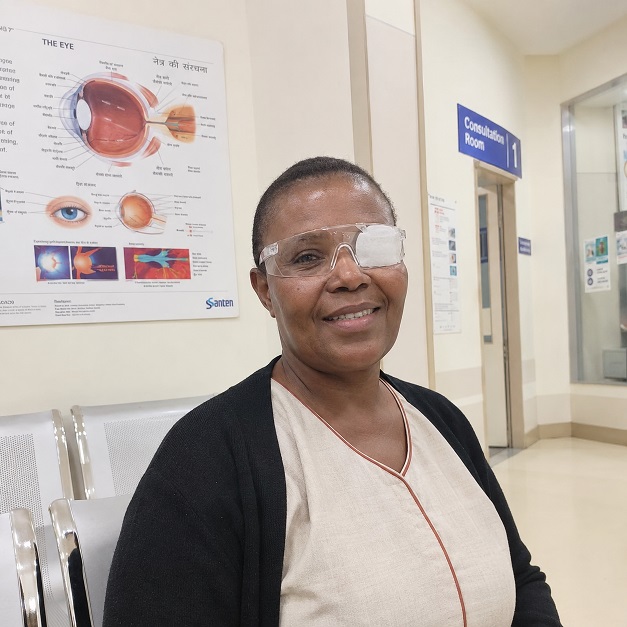
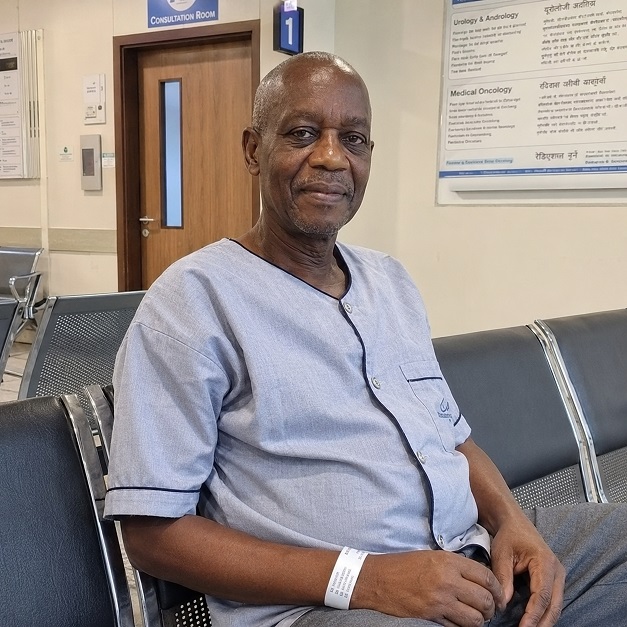
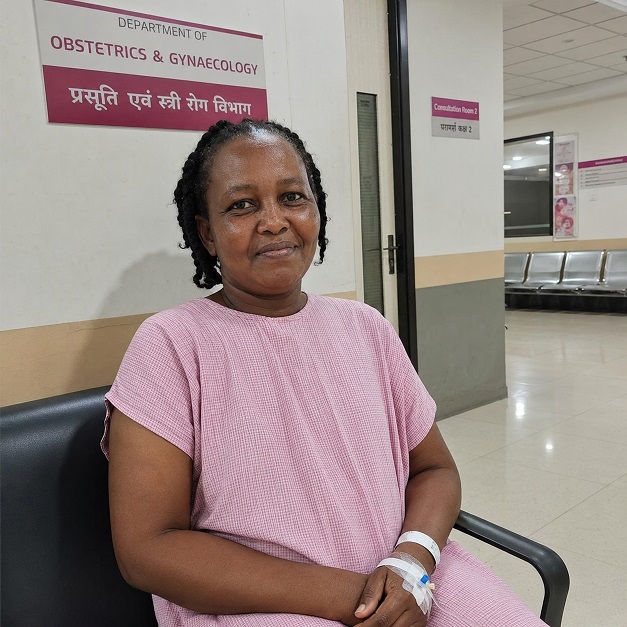
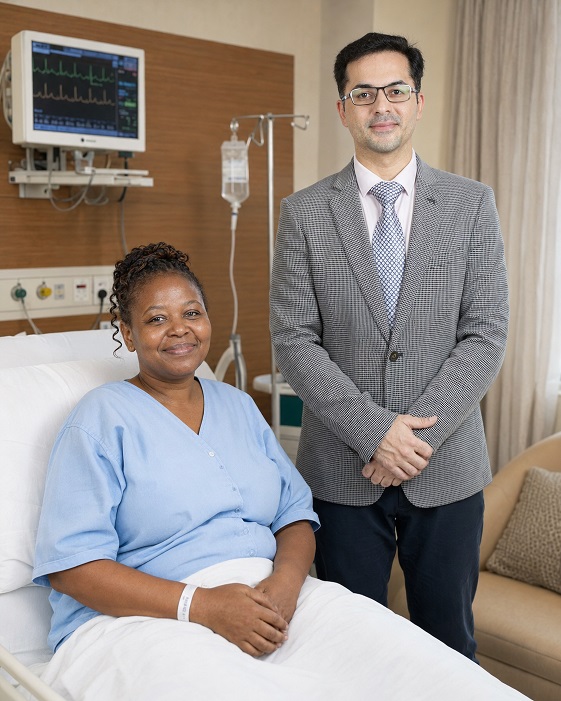
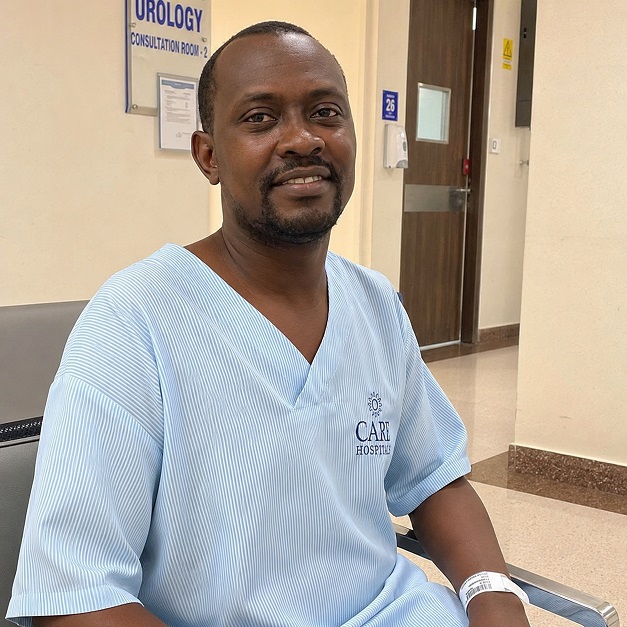
Patient Testimonials from Kenya


Ready to Take the First Step?
Share your Medical Reports with our Healthcare Managers Today and Get a FREE CONSULTATION, a Personalized Treatment Plan, and Complete Support from Arrival to Recovery.
Get Your Free ConsultationAreas We Serve
This resource has been thoughtfully prepared for patients from Kenya who are considering medical treatment in India. We also welcome patients from the wider region in the countries mentioned below-
We assist patients from:
- Ethiopia
- Somalia
- Tanzania
- Uganda
- Seychelles
- Guinea
- Guinea-Bissau
- Liberia
- Mali
- Mauritania
- Niger
- Nigeria
- Senegal
- Togo
- South Sudan
- Sierra Leone
Many of the insights, treatment pathways, hospital recommendations, travel guidance, and patient support services described here are equally relevant and may be used as a reference when planning treatment in India.
From Kenya to India: Your Complete Patient Support Guide
- Brain Tumour Surgery in India for Kenyan Patients
- Cancer Treatment and Surgery in India for Kenyan Patients
- Cardiac Treatment and Surgery in India for Kenyan Patients
- Heart Valve Replacement Surgery in India for Kenyan Patients
- Knee Replacement in India for Kenyan Patients
- Prostate Cancer Treatment and Surgery in India for Kenyan Patients
- Spine Treatment and Surgery in India for Kenyan Patients
- Selecting the Best Bariatric Surgeons and Hospitals in India: What Kenyan Patients Should Actually Look For
- Selecting the Best Cancer Surgeons and Hospitals in India: What Kenyan Patients Should Actually Look For
- Selecting the Best Cardiac Surgeons and Hospitals in India: What Kenyan Patients Should Actually Look For
- Selecting the Best Dental Surgeons and Clinics in India: What Kenyan Patients Should Actually Look For
- Selecting the Best Hip Surgeons and Hospitals in India: What Kenyan Patients Should Actually Look For
- Selecting the Best Kidney Transplant Surgeons and Hospitals in India: What Kenyan Patients Should Actually Look For
- Selecting the Best Knee Surgeons and Hospitals in India: What Kenyan Patients Should Actually Look For
- Selecting the Best Liver Transplant Surgeons and Hospitals in India: What Kenyan Patients Should Actually Look For
- Selecting the Best Neurosurgeons and Hospitals in India: What Kenyan Patients Should Actually Look For
- Selecting the Best Prostate Cancer Surgeons and Hospitals in India: What Kenyan Patients Should Actually Look For
- Selecting the Best Spine Surgeons and Hospitals in India: What Kenyan Patients Should Actually Look For