

Breast Cancer Treatment and Surgery in India for Kenyan Patients
What breast cancer treatment in India involves for a Kenyan patient, from molecular testing and breast-conserving surgery to surgeon experience, cost and follow-up back home.
Breast cancer in Kenya doesn't follow the pattern most people expect from Western health messaging, which tends to focus on postmenopausal risk. Kenyan women are diagnosed at a mean age of 51.9, roughly a decade earlier than the Western average, with the disease concentrated in the 25 to 54 age bracket, precisely the years of peak economic productivity and, often, active parenting. Combined with a disease course that frequently presents more aggressively than in Western populations, this describes a genuinely different clinical picture than the one most breast cancer awareness material was written around. Across 24 years of guiding Kenyan patients through treatment in India, understanding this age and disease pattern shapes almost everything about how treatment should be approached. This article explains what breast cancer treatment and surgery involve, why the age and disease pattern in Kenya specifically matters for treatment planning, what treatment costs in India compared with Kenya and Western countries, and the practical factors to weigh before deciding where to be treated.
Healing Journeys of Kenyan Patients



Key Takeaways
- The guide explains that breast cancer in Kenya is diagnosed at a younger mean age of 51.9 years, with cases concentrated in the 25–54 age group, roughly a decade earlier than Western populations. It also highlights that Kenyan patients are frequently diagnosed at more advanced stages, making timely diagnosis, referral and treatment particularly important.
- Breast cancer treatment may involve surgery, chemotherapy, radiation, hormone therapy and targeted therapy, depending on the stage and molecular subtype. The guide distinguishes breast-conserving surgery from mastectomy and stresses that, for suitable early-stage cases, both can provide similar long-term survival. Oncoplastic surgery and reconstruction can also help address cosmetic and quality-of-life considerations.
- The guide places particular importance on molecular subtyping, including hormone-receptor and HER2 testing, because these results influence the additional treatments that may benefit an individual patient. For younger Kenyan women, fertility considerations before chemotherapy and long-term surveillance are also highlighted as important parts of treatment planning.
- India has developed substantial dedicated breast cancer treatment capacity, including oncoplastic breast surgeons, comprehensive molecular testing and access to chemotherapy, targeted therapy and radiation. The guide recommends checking whether a centre genuinely offers breast-conserving surgery rather than automatically recommending mastectomy when conservation may be appropriate.
- The page 4 “Six Things to Check” graphic highlights hospital accreditation, genuine oncoplastic and breast-conserving surgery experience, the surgeon's specific breast cancer volume, an all-inclusive treatment quotation, visa and travel planning, and a long-term follow-up plan. Patients should independently verify JCI or NABH accreditation and ask for the surgeon's experience with cases matching their cancer subtype and stage.
- The guide gives an approximate complete treatment cost of US$2,400–11,000 in India, compared with US$5,000–20,000 for private treatment in Kenya, US$20,000–40,000 in the UK and US$45,000–80,000 in the US. Kenyan patients should obtain a written estimate covering surgery, chemotherapy, radiation and reconstruction where planned, rather than comparing only the surgical price.
- For Kenyan patients, the guide recommends sending actual imaging, pathology and relevant medical reports to the specialists being compared. Treatment involving surgery and initial chemotherapy may require approximately four to eight weeks in India, depending on the treatment plan. A written surveillance schedule and a doctor in Kenya should be identified before returning home.
Quick Facts
- Author
- Dr. Dheeraj Bojwani
- Experience
- 24+ Years
- Treatment
- Breast Cancer Treatment & Surgery
- Patients
- Kenyan Patients
- First Assessment
- Cancer stage, tumour characteristics and imaging
- Key Specialist
- Breast Cancer / Oncoplastic Breast Surgeon
- Diagnostic Check
- Hormone-receptor and HER2 testing
- Surgical Options
- Breast-conserving surgery or mastectomy
- Oncoplastic Care
- Breast shape and symmetry preservation where appropriate
- Case Volume
- Matching cancer subtype and stage
- Reconstruction
- Discussed when mastectomy is required or preferred
- Hospital Check
- JCI / NABH accreditation
- Cost Check
- Written estimate covering surgery, chemotherapy, radiation and reconstruction if planned
- India Cost
- US$2,400–11,000
- Kenya Private Cost
- US$5,000–20,000
- Medical Records
- Imaging, pathology and treatment reports
- Visa
- Indian medical e-visa with hospital invitation
- Travel
- Nairobi–India flights
- Stay
- Approximately 4–8 weeks depending on treatment
- Communication
- Clear treatment and travel coordination
- Follow-Up
- Written surveillance plan in Kenya
- Key Warning
- Mastectomy recommended without discussing appropriate breast-conserving options
- Decision Principle
- Prioritise dedicated breast cancer expertise, accurate molecular assessment and appropriate surgical options.
In Brief
For Kenyan patients considering breast cancer treatment in India, the key priorities are accurate molecular assessment, a breast cancer surgeon with relevant subtype and stage-specific experience, and genuine access to breast-conserving and oncoplastic options where appropriate. Patients should also verify hospital accreditation, obtain a complete treatment quotation and establish long-term follow-up in Kenya before travelling.
What breast cancer treatment and surgery actually involve
Treatment for breast cancer is typically built around surgery, combined with some combination of chemotherapy, radiation, hormone therapy, and targeted therapy, depending on the cancer's specific stage, size, and molecular subtype. The two main surgical approaches are breast-conserving surgery, sometimes called a lumpectomy, which removes the tumour and a margin of surrounding tissue while preserving the rest of the breast, and mastectomy, which removes the entire breast. For early-stage disease, both approaches generally achieve similar long-term survival, meaning the choice often comes down to tumour size and location, patient preference, and whether radiotherapy, typically required after breast-conserving surgery, is genuinely accessible.
Oncoplastic techniques, which combine cancer removal with plastic surgery methods to preserve breast shape and symmetry, have become an increasingly important part of modern breast cancer surgery, offering meaningfully better cosmetic and psychological outcomes without compromising cancer treatment effectiveness. Beyond surgery, treatment increasingly depends on molecular subtyping, testing the tumour for hormone receptors and HER2 status, since this determines which additional treatments, hormone therapy, targeted therapy, or specific chemotherapy regimens, will actually benefit that specific patient.
Reconstruction, whether performed at the same time as mastectomy or as a separate later procedure, has also become a standard part of comprehensive breast cancer care rather than an optional extra. For a younger patient in particular, the psychological and quality-of-life impact of reconstruction options genuinely matters, and a treatment centre's willingness and ability to discuss this openly, rather than treating it as secondary to the cancer treatment itself, is often a meaningful signal of overall care quality.
Why the age and disease pattern in Kenya specifically matters for treatment planning
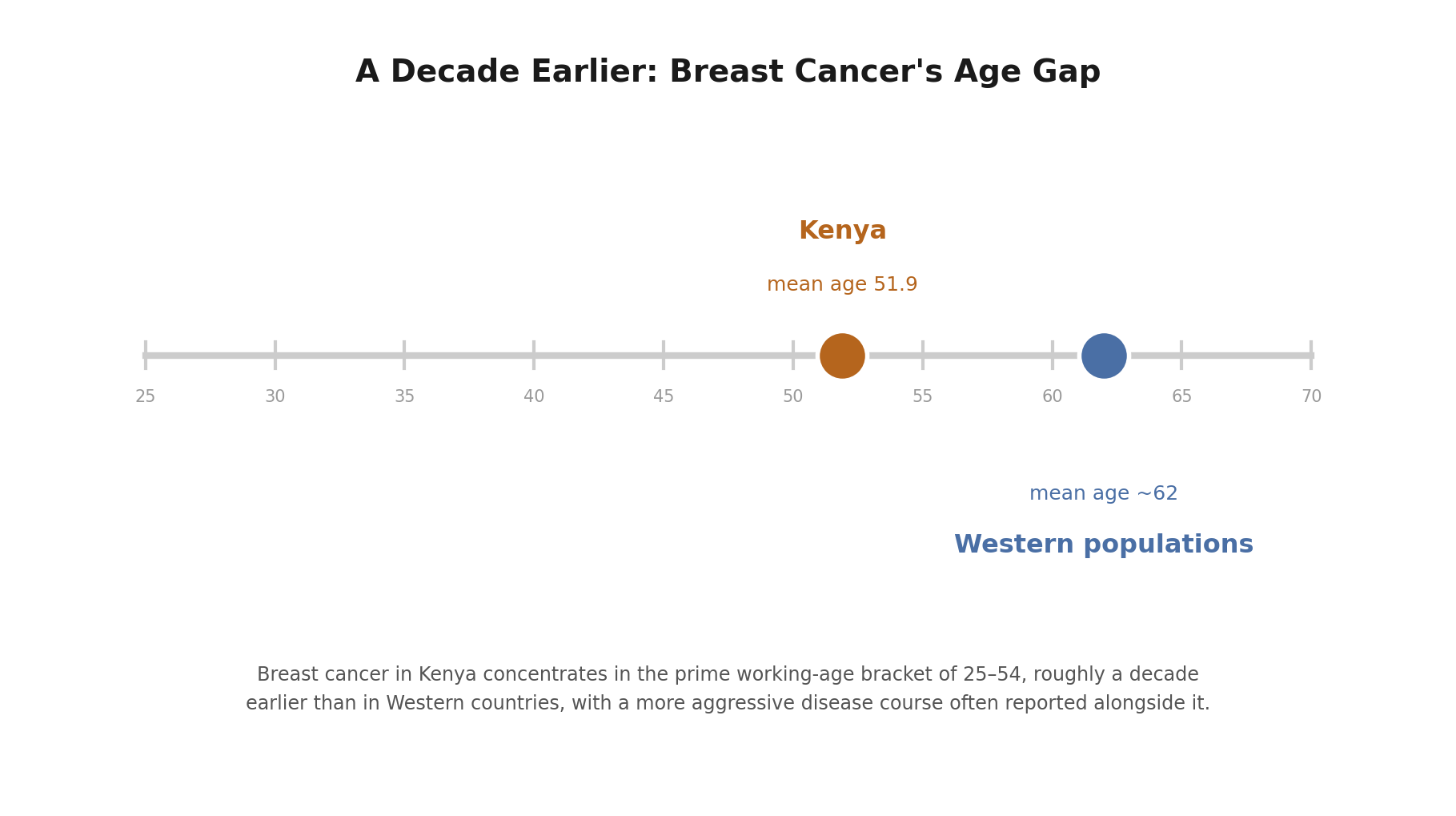
This is the pattern every Kenyan woman and her family should understand clearly when facing a breast cancer diagnosis. Kenyan research confirms breast cancer occurs in a notably younger population than in Western countries, a mean age of 51.9 compared with roughly a decade older elsewhere, concentrated in the prime working- age bracket of 25 to 54. The disease is also frequently diagnosed at more advanced stages and follows a more aggressive clinical course than typically seen in Western patient populations, a pattern researchers link to delays across the healthcare system, from symptom recognition through referral to actual treatment initiation.
This combination matters directly for how treatment should be approached. A younger patient facing years of continued working life, and often ongoing family responsibilities, has genuinely different priorities around breast- conserving options, fertility considerations before chemotherapy, and long-term surveillance than an older patient might. Kenya has recently taken meaningful steps to address this: in February 2026, the Ministry of Health launched the IMARA-BC initiative, a three-year programme expanding access to timely diagnosis, treatment, and survivorship support for women across the country, a genuinely positive development worth being aware of alongside understanding what treatment options exist beyond Kenya's borders.
Why India has become a genuine hub for breast cancer treatment
India has developed substantial, dedicated breast cancer treatment capacity, with oncoplastic breast surgeons who combine cancer removal with reconstructive technique as standard practice, not an occasional add-on, alongside comprehensive molecular subtyping and the full range of modern chemotherapy, targeted therapy, and radiation options. This matters because a younger patient population, precisely the profile common in Kenya, benefits enormously from surgeons genuinely experienced in balancing effective cancer treatment with long-term cosmetic and functional outcomes.
India's leading breast cancer centres combine this experience with JCI and NABH accredited safety standards and reported five-year survival rates around 93% for early-stage disease, figures that compare favourably with outcomes globally. In 24 years of guiding patients through this decision, the clearest advice I offer is this: ask specifically whether breast-conserving surgery is genuinely being offered as an option for your case, not simply mastectomy by default, particularly given how much this choice matters for a younger patient with decades of life ahead.
This isn't a criticism of mastectomy, which remains the right choice for many patients based on tumour size, location, or personal preference. It's a recommendation to make sure that choice is genuinely being offered as one option among several, based on your specific case, rather than being presented as the only available path simply because breast-conserving surgery combined with radiotherapy requires infrastructure and follow-up capacity that isn't available everywhere.
What it costs: India versus Kenya, the UK, and the US
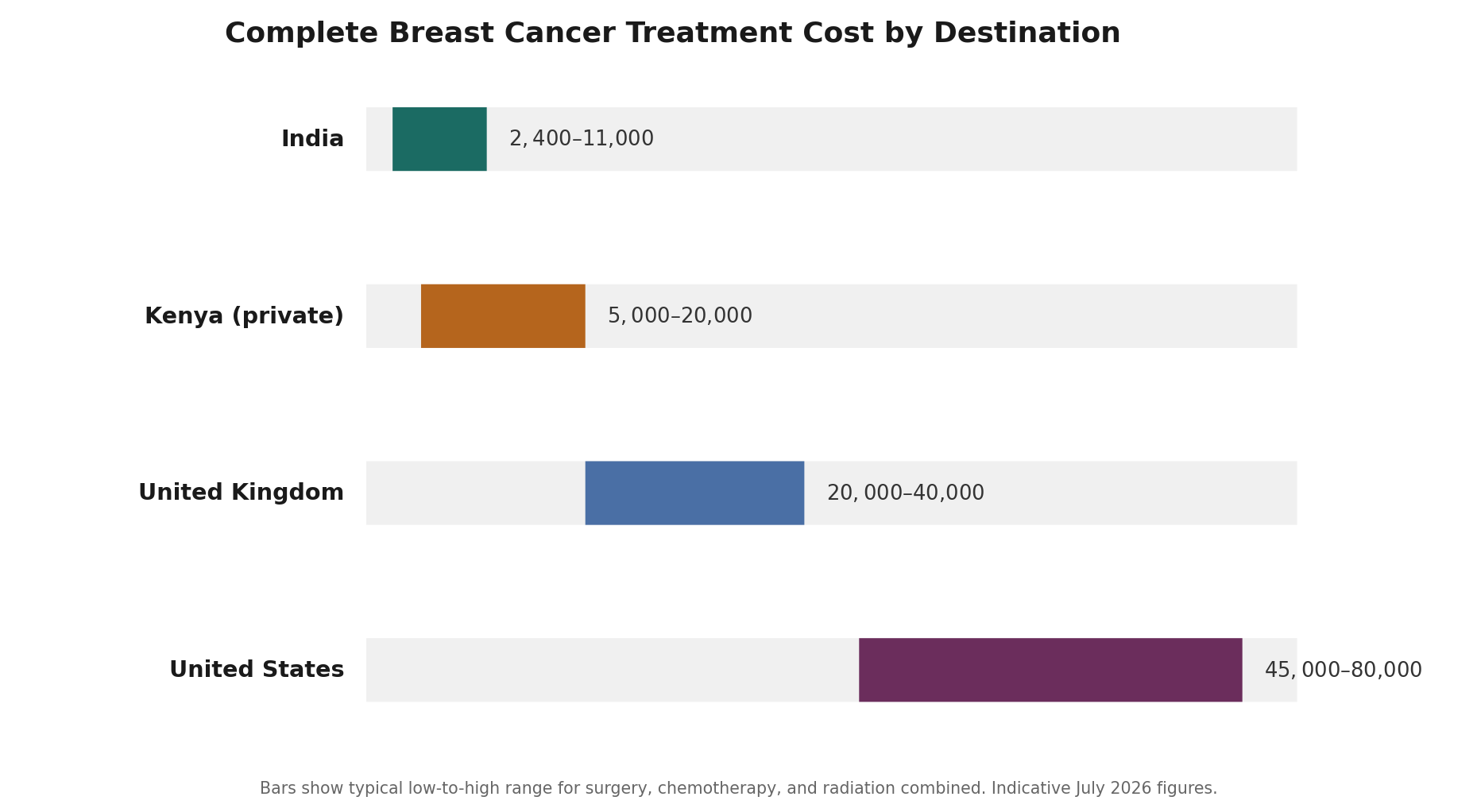
In India, complete breast cancer treatment, covering surgery, chemotherapy, and radiation, typically costs between 2,400 and 11,000 US dollars, depending on stage and specific treatment combination. In Kenya, private breast cancer treatment costs run roughly 5,000 to 20,000 dollars. In the UK, treatment typically costs 20,000 to 40,000 dollars, and in the US, 45,000 to 80,000 dollars.
Beyond treatment itself, budget for an extended stay. Direct flights between Nairobi and Delhi or Mumbai run roughly 550 to 850 dollars return, and a complete treatment course, including surgery and initial chemotherapy cycles, typically requires four to eight weeks in India, depending on the specific treatment plan.
What a Kenyan patient should actually check before booking
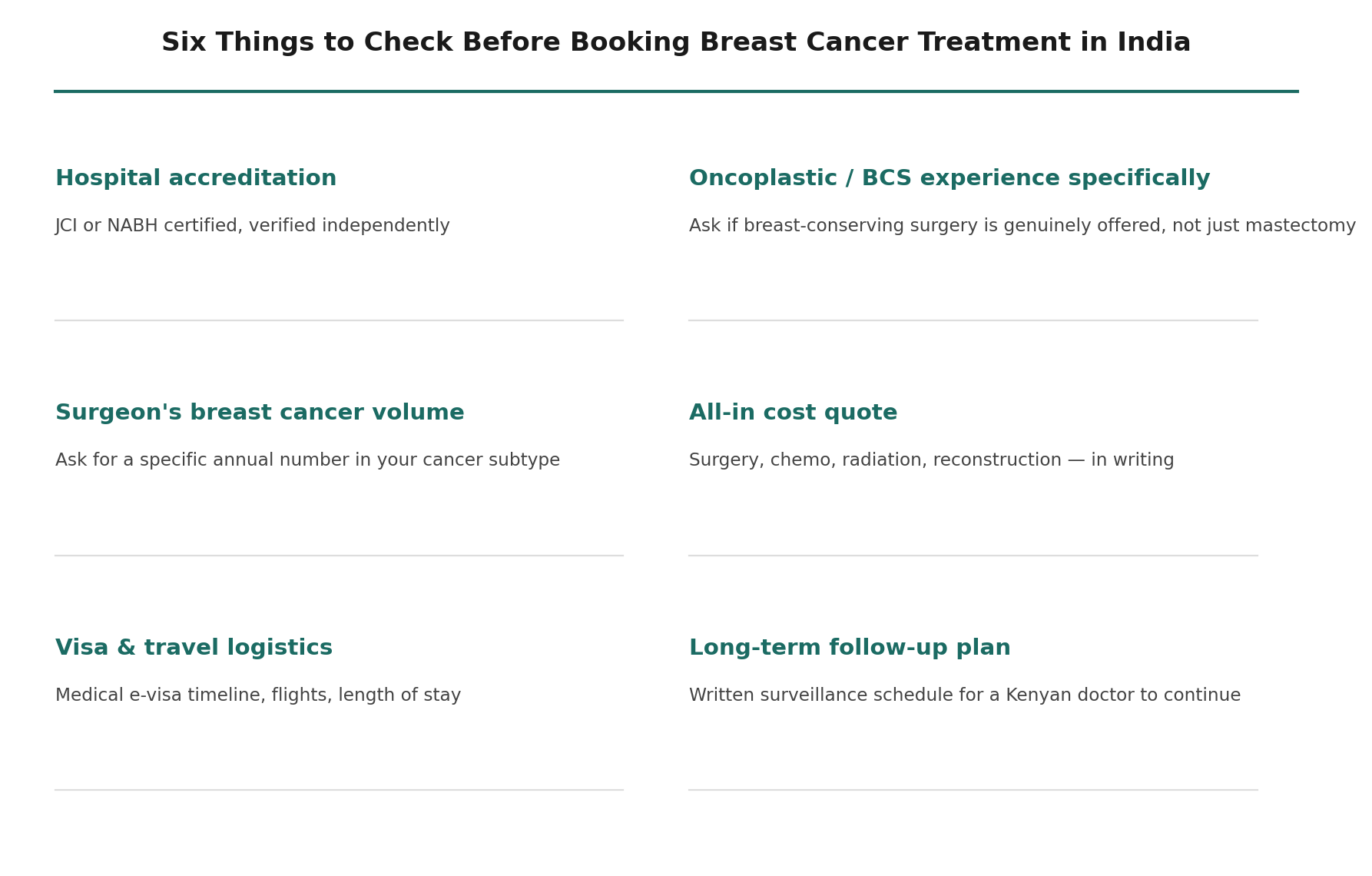
Given how much the specific approach matters here, work through these questions directly.
Confirm genuine accreditation. Ask whether the hospital holds JCI or NABH certification, and verify it independently.
Ask whether oncoplastic and breast-conserving surgery is genuinely offered. Confirm this isn't a centre that defaults to mastectomy regardless of whether breast conservation would be equally effective for your case.
Ask about the surgeon's breast cancer volume specifically. A specific number, how many cases matching your cancer subtype and stage the surgeon personally treats each year, tells you more than general oncology reputation.
Get the full cost breakdown in writing. Confirm what's included, surgery, chemotherapy, radiation, and reconstruction if planned.
Plan your visa and travel timeline. The Indian medical e-visa is typically issued within three to five working days once you have a formal hospital invitation letter.
Arrange your long-term follow-up plan before you leave. Agree on a written surveillance schedule and identify a doctor in Kenya who can continue monitoring once you're home.
Straight Answers for Kenyan Patients about Breast Cancer Treatment and Surgery in India
At what age does breast cancer typically strike Kenyan women?
Kenyan research shows a mean age of 51.9 at diagnosis, roughly a decade earlier than in Western populations, with the disease concentrated in the 25 to 54 age bracket.
How much does breast cancer treatment cost in India compared to the US?
India typically costs 2,400 to 11,000 US dollars for complete treatment, against 45,000 to 80,000 dollars in the US.
What's the difference between breast-conserving surgery and mastectomy?
Breast-conserving surgery removes the tumour and surrounding tissue while preserving the rest of the breast, typically followed by radiotherapy. Mastectomy removes the entire breast. For early-stage disease, both generally achieve similar long-term survival.
What is Kenya's IMARA-BC initiative?
A three-year programme launched by the Ministry of Health in February 2026, expanding access to timely breast cancer diagnosis, treatment, and survivorship support for women across Kenya.
Why does Kenya's younger patient age matter for treatment planning?
Younger patients often have different priorities around breast-conserving options, fertility considerations before chemotherapy, and decades of subsequent surveillance, all of which deserve treatment planning tailored to that specific life stage.
How do I get a medical visa to India from Kenya?
The Indian medical e-visa is typically issued within three to five working days once you have a formal invitation letter from the treating hospital.
A Closing Word
Breast cancer in Kenya strikes women roughly a decade earlier than in Western countries, concentrated in the prime working and family years, a pattern that deserves treatment planning built around it, not adapted from guidance written for an older population. India offers the oncoplastic expertise, comprehensive molecular subtyping, and accredited safety standards that make it, for many of the younger Kenyan women I've guided through this decision, worth investigating fully before accepting the first treatment plan offered.
Sources
- 🌐 Quality of life of patients one year after breast-conserving surgery versus modified radical mastectomy for early breast cancer
- 🌐 Delayed breast cancer presentation, diagnosis, and treatment in Kenya. PubMed
- 🌐 Kenya Launches IMARA–BC to Transform Breast Cancer Care Nationwide. Kenya Ministry of Health, 2026
- 🌐 National Medical Commission of India — specialist registration verification
- 🌐 National Accreditation Board for Hospitals & Healthcare Providers (NABH) — accredited hospital directory
Frequently Asked Questions by Kenyans about Breast Cancer Treatment and Surgery in India
At what age is breast cancer commonly diagnosed in Kenyan women?
The guide reports a mean diagnosis age of 51.9 years, with breast cancer concentrated in the 25–54 age group, roughly a decade earlier than in Western populations.
What are the main breast cancer surgery options?
The two main approaches are breast-conserving surgery, which removes the tumour while preserving the breast, and mastectomy, which removes the entire breast.
Are breast-conserving surgery and mastectomy equally effective?
For suitable early-stage disease, the guide states that both approaches generally achieve similar long-term survival, although the appropriate choice depends on the individual case.
Why is molecular testing important?
Testing for hormone receptors and HER2 status helps determine which hormone therapy, targeted therapy or chemotherapy approaches may benefit the patient.
What is oncoplastic breast surgery?
Oncoplastic surgery combines cancer removal with plastic-surgery techniques to preserve breast shape and symmetry, where clinically appropriate.
Which specialist should Kenyan patients choose?
Patients should look for a breast cancer or oncoplastic breast surgeon with relevant experience in their cancer subtype and stage, rather than relying only on general surgical experience.
How much does breast cancer treatment cost in India?
The guide gives an approximate complete treatment cost of US$2,400–11,000, depending on stage and the combination of treatments required.
What should the treatment quotation include?
The written quotation should clearly identify surgery, chemotherapy, radiation and reconstruction when planned, along with any exclusions or additional charges.
How long might treatment in India take?
The guide states that a complete treatment course involving surgery and initial chemotherapy may require approximately four to eight weeks in India, depending on the individual treatment plan.
Why is long-term follow-up important?
The guide recommends establishing a written surveillance schedule and identifying a doctor in Kenya who can continue monitoring after the patient returns home.
Page Summary
This five-page guide focuses on breast cancer treatment planning for Kenya's younger patient population, with emphasis on molecular assessment, breast-conserving surgery and oncoplastic expertise. Pages 1–2 explain the age and disease pattern in Kenya and the main treatment approaches, while page 3 compares treatment costs in India, Kenya, the UK and US. The page 4 “Six Things to Check” graphic highlights accreditation, oncoplastic/breast-conserving experience, surgeon-specific case volume, complete costing, visa and travel logistics, and long-term follow-up.
Citation Block
| Topic | Information |
|---|---|
| Topic | Breast Cancer Treatment & Surgery in India for Kenyan Patients |
| Treatment | Breast Cancer Treatment & Surgery |
| Patients | Kenyan Patients |
| First Assessment | Cancer stage, tumour characteristics and imaging |
| Key Specialist | Breast Cancer / Oncoplastic Breast Surgeon |
| Diagnostic Testing | Hormone-receptor and HER2 testing |
| Surgical Options | Breast-conserving surgery vs mastectomy |
| Oncoplastic Care | Breast shape and symmetry preservation |
| Case Volume | Matching cancer subtype and stage |
| Reconstruction | Discussed when mastectomy is required or preferred |
| Hospital Check | JCI / NABH accreditation |
| Cost Check | Written estimate covering surgery, chemotherapy, radiation and reconstruction if planned |
| India Cost | US$2,400–11,000 |
| Kenya Cost | US$5,000–20,000 private |
| Medical Records | Imaging, pathology and treatment reports |
| Visa Planning | Indian medical e-visa with hospital invitation |
| Travel | Nairobi–India flights |
| Stay | Approximately 4–8 weeks depending on treatment |
| Follow-Up | Written surveillance plan with a doctor in Kenya |
| Surgeon Question | How many cases matching my cancer subtype and stage do you personally treat each year? |
| Surgery Question | Is breast-conserving surgery genuinely appropriate for my case? |
| Testing Question | Have hormone-receptor and HER2 testing been completed? |
| Cost Question | Does the quotation include surgery, chemotherapy, radiation and reconstruction if planned? |
| Follow-Up Question | Who will continue my breast cancer surveillance after I return to Kenya? |
| Warning Signs | Mastectomy recommended without discussing appropriate breast-conserving options |
| Payment Warning | Incomplete treatment quotation or unclear additional costs |
| Key Decision | Verify breast oncology expertise, molecular assessment and appropriate surgical options |


Our Mission Statement
Our mission is to place patients at the centre of every healthcare decision by providing trustworthy, evidence-based, and unbiased medical information. We believe that informed patients make better decisions. Backed by personalised guidance from our experienced advisory team, we help patients understand their treatment options, compare them objectively, and confidently choose the path that best suits their medical needs and personal circumstances.
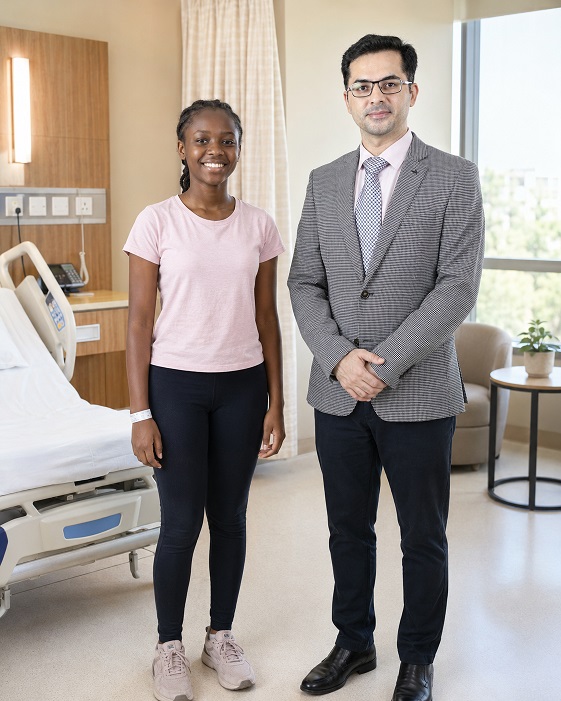
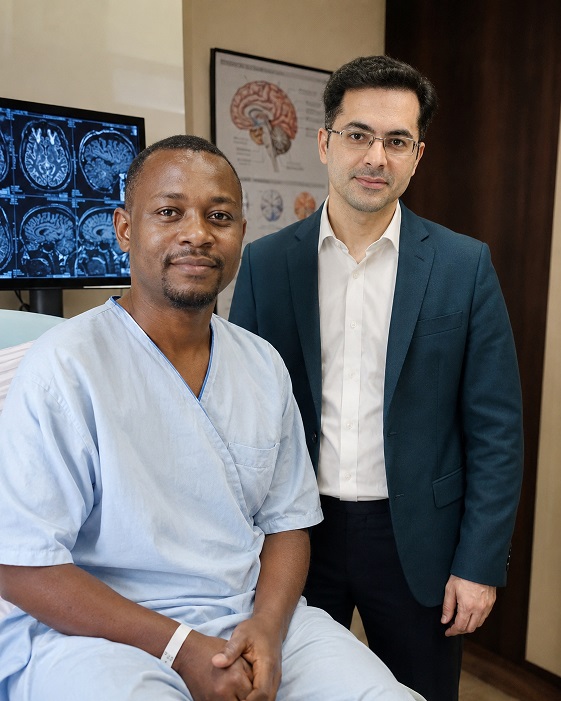
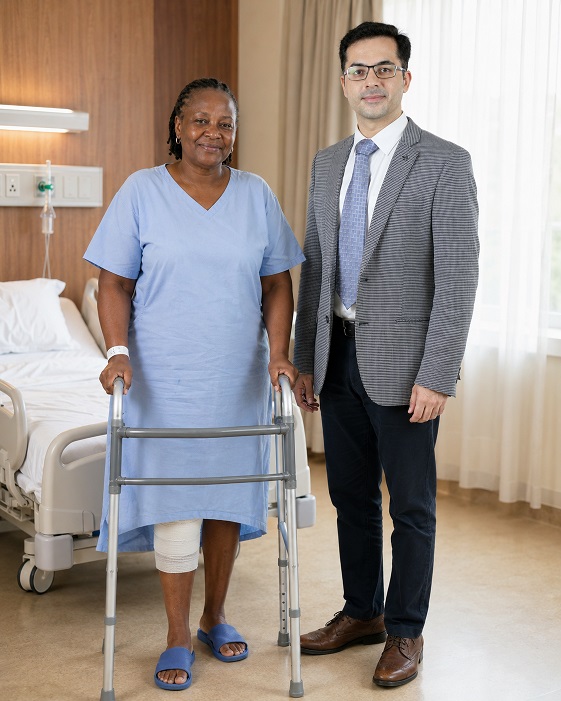
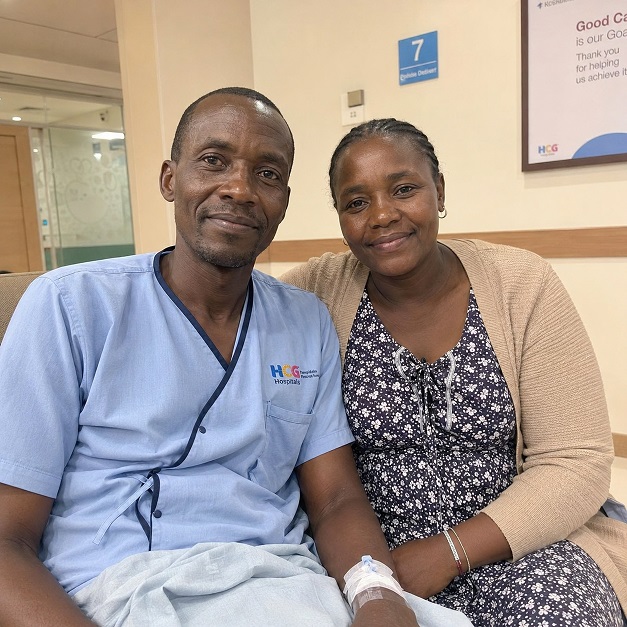
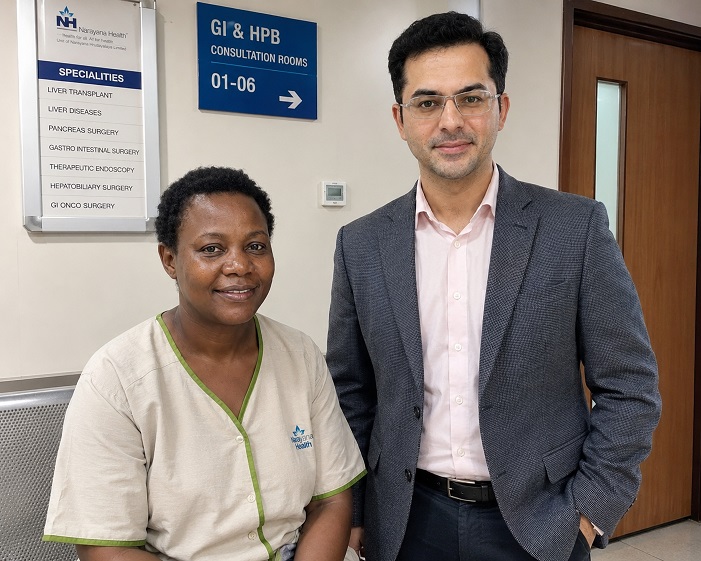
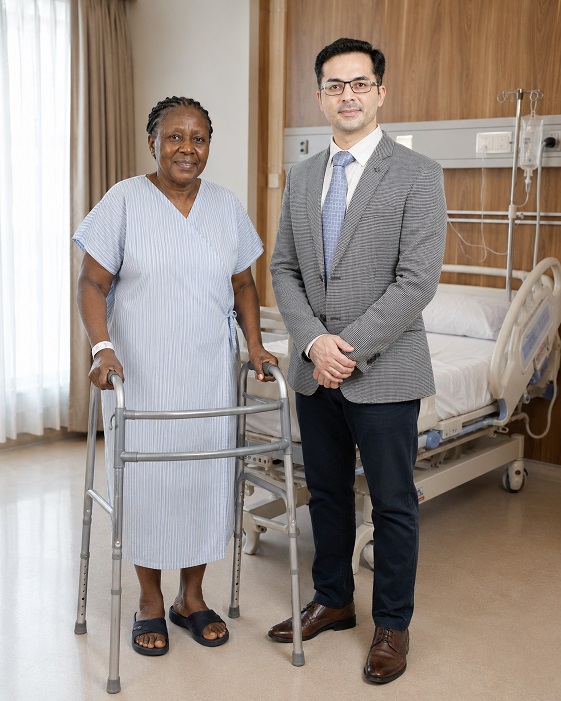
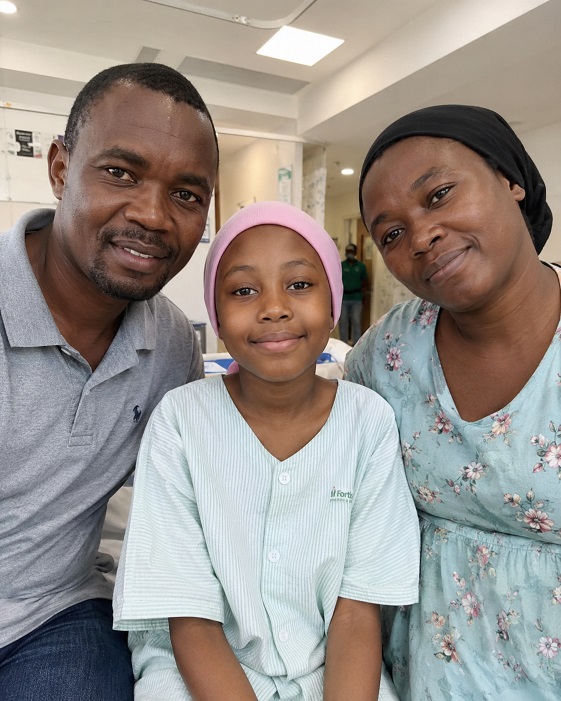
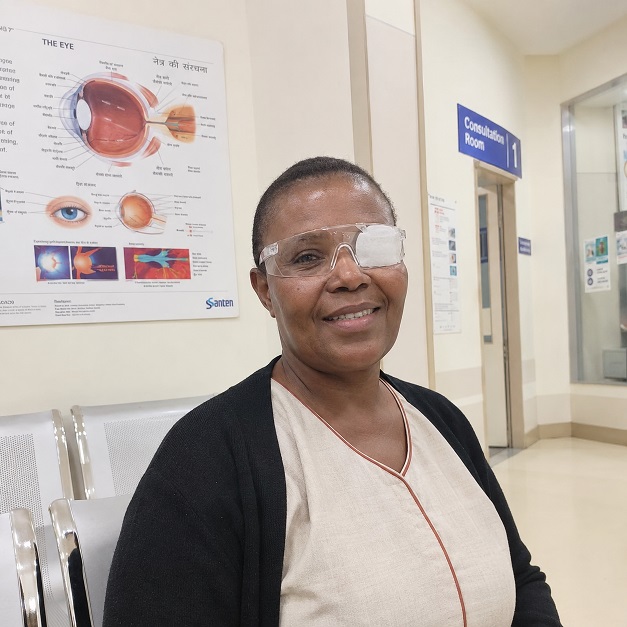
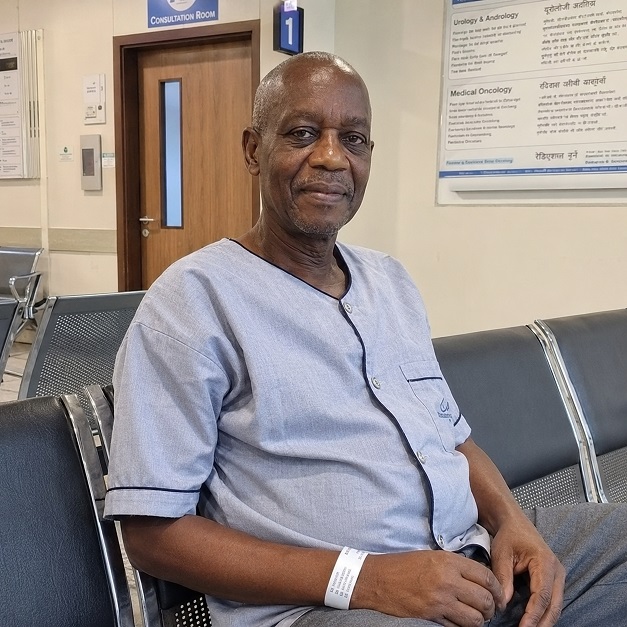
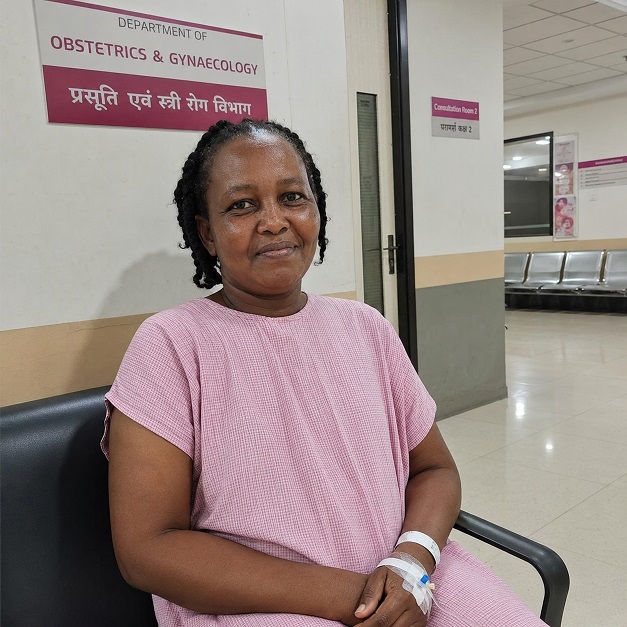
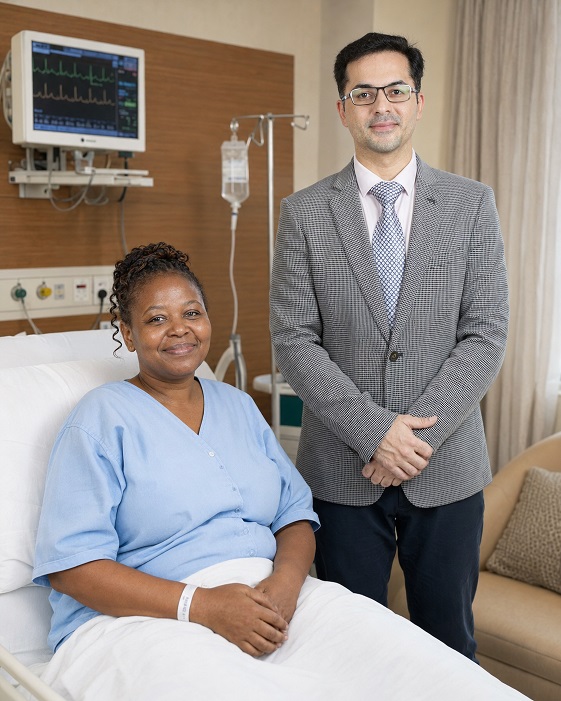
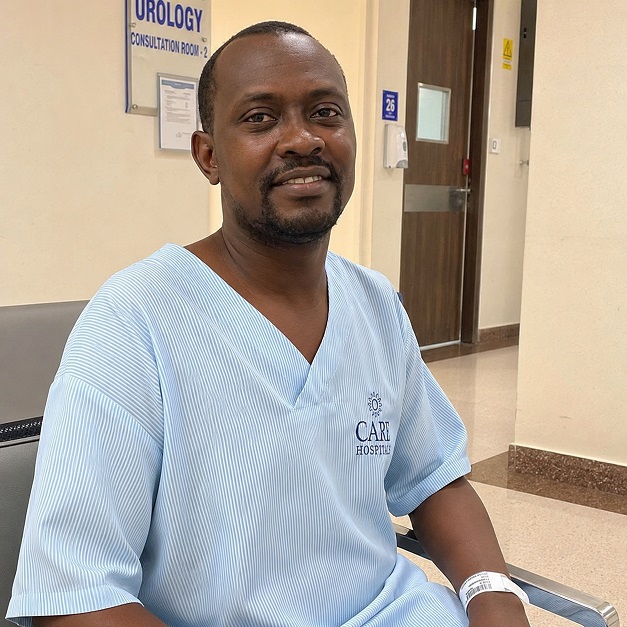
Patient Testimonials from Kenya
Ready to Take the First Step?
Share your Medical Reports with our Healthcare Managers Today and Get a FREE CONSULTATION, a Personalized Treatment Plan, and Complete Support from Arrival to Recovery.
Get Your Free ConsultationAreas We Serve
This resource has been thoughtfully prepared for patients from Kenya who are considering medical treatment in India. We also welcome patients from the wider region in the countries mentioned below-
We assist patients from:
- Ethiopia
- Somalia
- Tanzania
- Uganda
- Seychelles
- Guinea
- Guinea-Bissau
- Liberia
- Mali
- Mauritania
- Niger
- Nigeria
- Senegal
- Togo
- South Sudan
- Sierra Leone
Many of the insights, treatment pathways, hospital recommendations, travel guidance, and patient support services described here are equally relevant and may be used as a reference when planning treatment in India.
From Kenya to India: Your Complete Patient Support Guide
- Brain Tumour Surgery in India for Kenyan Patients
- Cancer Treatment and Surgery in India for Kenyan Patients
- Cardiac Treatment and Surgery in India for Kenyan Patients
- Heart Valve Replacement Surgery in India for Kenyan Patients
- Knee Replacement in India for Kenyan Patients
- Prostate Cancer Treatment and Surgery in India for Kenyan Patients
- Spine Treatment and Surgery in India for Kenyan Patients
- Selecting the Best Bariatric Surgeons and Hospitals in India: What Kenyan Patients Should Actually Look For
- Selecting the Best Cancer Surgeons and Hospitals in India: What Kenyan Patients Should Actually Look For
- Selecting the Best Cardiac Surgeons and Hospitals in India: What Kenyan Patients Should Actually Look For
- Selecting the Best Dental Surgeons and Clinics in India: What Kenyan Patients Should Actually Look For
- Selecting the Best Hip Surgeons and Hospitals in India: What Kenyan Patients Should Actually Look For
- Selecting the Best Kidney Transplant Surgeons and Hospitals in India: What Kenyan Patients Should Actually Look For
- Selecting the Best Knee Surgeons and Hospitals in India: What Kenyan Patients Should Actually Look For
- Selecting the Best Liver Transplant Surgeons and Hospitals in India: What Kenyan Patients Should Actually Look For
- Selecting the Best Neurosurgeons and Hospitals in India: What Kenyan Patients Should Actually Look For
- Selecting the Best Prostate Cancer Surgeons and Hospitals in India: What Kenyan Patients Should Actually Look For
- Selecting the Best Spine Surgeons and Hospitals in India: What Kenyan Patients Should Actually Look For