

15 Frequently Asked Questions: Bone Marrow Transplant Treatment in India for Kenyan Patients
Introduction
Bone Marrow Transplant (BMT), also known as Hematopoietic Stem Cell Transplantation (HSCT), is an advanced treatment used for selected blood cancers and serious blood, immune and bone-marrow disorders. Depending on the disease and the patient's medical condition, transplantation may use the patient's own stem cells (autologous transplant) or stem cells from a suitable donor (allogeneic transplant). Donor options may include a fully matched related donor, matched unrelated donor, haploidentical or partially matched family donor, and in selected circumstances cord-blood-derived stem cells. India has established hematopoietic cell transplantation programmes and the Indian Council of Medical Research maintains National Guidelines for Hematopoietic Cell Transplantation. International quality standards such as FACT-JACIE are also used by some transplant programmes.
Healing Journeys of Kenyan Patients



In Brief
Bone Marrow Transplant (BMT), also known as Hematopoietic Stem Cell Transplantation (HSCT), is an advanced treatment used for selected blood cancers and serious blood, immune and bone-marrow disorders. Depending on the disease and the patient's medical condition, transplantation may use the patient's own stem cells (autologous transplant) or stem cells from a suitable donor (allogeneic transplant). Donor options may include a fully matched related donor, matched unrelated donor, haploidentical or partially matched family donor, and in selected circumstances cord-blood-derived stem cells.
Q1 · Why do Kenyan patients consider Bone Marrow Transplant in India?
Bone marrow transplantation may be recommended when conventional treatment alone is unlikely to provide adequate disease control or when transplantation offers an established treatment or potentially curative strategy for a particular condition.
Kenyan patients may consider India for
- Acute leukemia
- Relapsed or high-risk leukemia
- Certain lymphomas
- Multiple myeloma
- Myelodysplastic syndromes
- Aplastic anaemia
- Thalassemia
- Selected inherited blood disorders
- Certain immune deficiencies
- Other conditions for which HSCT is considered appropriate
India has dedicated adult and paediatric transplant programmes, and some Indian centres have international cellular-therapy accreditation.
For example, the current FACT accreditation listing includes Indian centres providing adult and paediatric autologous and allogeneic hematopoietic progenitor-cell transplantation.
Patients should not choose a transplant centre solely on the basis of price. The relevant disease experience, transplant type, infection-control facilities, laboratory support, ICU capability, donor programme and long-term follow-up arrangements are important.
Q2 · How much does Bone Marrow Transplant cost in India for Kenyan patients?
The cost of BMT/HSCT can vary substantially depending on the disease, transplant type, donor source, conditioning treatment, hospital, complications, length of admission, medicines and post-transplant monitoring.
For planning purposes:
For planning: US$1 ≈ KES 129.5 • US$1 ≈ INR 96
Indicative Bone Marrow Transplant Cost Comparison
| Treatment / Transplant Type | Kenya – Local Currency / USD | India – INR / USD | Indicative Saving |
|---|---|---|---|
| Autologous Bone Marrow Transplant | KES 3,000,000–4,500,000 US$23,165–34,750 | INR 700,000–1,200,000 US$7,290–12,500 | Approx. 40– 65% |
| Matched Related Donor – Allogeneic BMT | KES 4,000,000–6,500,000 US$30,890–50,190 | INR 1,200,000–1,800,000 US$12,500–18,750 | Approx. 35– 60% |
| Matched Unrelated Donor Transplant | KES 5,000,000–8,000,000 US$38,610–61,775 | INR 1,500,000–2,500,000 US$15,625–26,040 | Approx. 30– 55% |
| Haploidentical / Half- Matched Transplant | KES 5,000,000–8,500,000 US$38,610–65,640 | INR 1,600,000–2,700,000 US$16,665–28,125 | Approx. 30– 55% |
| Paediatric Bone Marrow Transplant | KES 4,500,000–7,500,000 US$34,750–57,915 | INR 1,400,000–2,400,000 US$14,585–25,000 | Approx. 30– 55% |
| Complex / High-Risk HSCT | KES 6,000,000–9,000,000+ US$46,330–69,500+ | INR 2,000,000–3,500,000+ US$20,835–36,460+ | Approx. 25– 50% |
Important: These figures are indicative planning estimates, not fixed hospital quotations. The final cost can be substantially different depending on diagnosis and treatment requirements.
As an illustration of the variability in Indian pricing, PGIMER currently publishes an approximate cost of INR 4–6 lakh for adult autologous transplantation and INR 10–12 lakh for allogeneic transplantation, while noting that costs vary by disease. Private international-patient packages may be higher depending on hospital and clinical complexity.
The quotation should clarify whether it includes
- Pre-transplant investigations
- Stem-cell collection
- Donor testing
- Conditioning chemotherapy
- Transplant procedure
- Isolation room
- ICU if required
- Blood and platelet support
- Anti-infective medicines
- Immunosuppressive medicines
- Management of complications
- Post-transplant monitoring
Q3 · Which Indian cities can Kenyan patients consider?
Major Indian medical cities with haematology, oncology and transplant infrastructure include:
Indian City Why It May Be Considered
| City | Considerations |
|---|---|
| Delhi | Large tertiary hospitals and specialised haematology/transplant services |
| Chennai | Established oncology, haematology and cellular-therapy facilities |
| Mumbai | Major cancer and blood-disorder treatment centres |
| Bengaluru | Advanced haematology and transplant programmes |
| Hyderabad | Multiple tertiary hospitals with oncology and transplant services |
| Gurugram | Large private super-speciality hospitals |
| Noida | Tertiary hospitals with specialist oncology services |
| Kolkata | Major eastern India centre for blood cancers and transplantation |
| Pune | Established tertiary and cancer-care facilities |
| Ahmedabad | Specialist oncology and haematology services |
| Kochi | Advanced tertiary medical infrastructure |
| Thiruvananthapuram | Specialist medical and oncology services |
| Chandigarh | Major tertiary medical centre |
| Nagpur | Growing haematology and transplant infrastructure |
For BMT, the specific transplant programme is more important than the city alone. Patients should confirm that the centre treats their particular disease and performs the required transplant type.
Q4 · Which hospitals in India can Kenyan patients consider?
The following hospitals can be considered when researching treatment options in India. Not every hospital listed necessarily provides every type of bone marrow transplant. The exact transplant programme, disease-specific experience and current availability should be confirmed before travel.
For a BMT patient, the final hospital shortlist should be narrowed to centres with an appropriate haematopoietic-cell transplant programme, rather than treating this entire list as a list of active BMT centres.
Delhi Hospitals
- Fortis Escorts Heart Institute, New Delhi
- BLK-Max Super Speciality Hospital, New Delhi
- Max Super Speciality Hospital, Saket
- Indraprastha Apollo Hospitals, New Delhi
- Sir Ganga Ram Hospital
- Max Super Speciality Hospital, Patparganj
- Manipal Hospital, Dwarka
- Fortis Hospital, Vasant Kunj
- Institute of Brain and Spine Hospital (IBS Hospital)
- Dharamshila Narayana Hospital
- Indian Spinal Injuries Centre
- AIIMS New Delhi
Chennai Hospitals
- MGM Healthcare
- MIOT International
- Apollo Hospitals, Greams Road
- Sri Ramachandra Medical Centre
- SIMS Hospital
- Kauvery Hospital
- Gleneagles HealthCity Chennai
- Vijaya Hospital
- Apollo Speciality Hospitals
- Rela Hospital
Mumbai Hospitals
- Bombay Hospital & Medical Research Centre
- Lilavati Hospital & Research Centre
- Jaslok Hospital & Research Centre
- Gleneagles Hospital, Mumbai
- Nanavati Max Super Speciality Hospital
- Kokilaben Dhirubhai Ambani Hospital
- P. D. Hinduja Hospital & Medical Research Centre
- Sir H. N. Reliance Foundation Hospital
- Wockhardt Hospitals, Mumbai
- Apollo Hospitals, Mumbai
Bengaluru Hospitals
- Manipal Hospital, Old Airport Road
- Manipal Hospital, Whitefield
- Manipal Hospital, Yeshwanthpur
- Apollo Hospitals, Bengaluru
- Fortis Hospital, Bannerghatta Road
- Aster CMI Hospital
- Sakra World Hospital
- Narayana Health City
- Sagar Hospitals
- Kauvery Hospital, Bengaluru
Hyderabad Hospitals
- KIMS Hospitals
- Yashoda Hospitals
- Apollo Health City
- CARE Hospitals
- Continental Hospitals
- Gleneagles Hospitals, Hyderabad
- Sunshine Hospitals
- Star Hospitals
Gurugram Hospitals
- Fortis Memorial Research Institute (FMRI)
- Medanta – The Medicity
- Artemis Hospital
- Max Hospital, Gurugram
- CK Birla Hospital, Gurugram
- Manipal Hospital, Gurugram
- Paras Health
- Narayana Superspeciality Hospital
Noida Hospitals
- Fortis Hospital, Noida
- Jaypee Hospital
- Max Super Speciality Hospital, Noida
- Yatharth Hospital
- Kailash Hospital
- Metro Hospital & Heart Institute
- Metro Center for Neurosciences
Kolkata Hospitals
- Apollo Multispeciality Hospitals
- AMRI Hospitals
- Fortis Hospital, Anandapur
- Manipal Hospitals, Salt Lake
- Medica Superspecialty Hospital
- Narayana Superspeciality Hospital
- Ruby General Hospital
Pune Hospitals
- Ruby Hall Clinic
- Jehangir Hospital
- Deenanath Mangeshkar Hospital
- Sahyadri Super Speciality Hospital
- Aditya Birla Memorial Hospital
- Manipal Hospital, Kharadi
- Medicover Hospital, Pune
Ahmedabad Hospitals
- Apollo Hospitals, Ahmedabad
- Zydus Hospitals
- Sterling Hospitals
- Shalby Hospitals
- HCG Hospitals
- SAL Hospital
- CIMS Hospital
Kochi Hospitals
- Aster Medcity
- Amrita Hospital
- VPS Lakeshore Hospital
- Rajagiri Hospital
- Aster MIMS
- Lisie Hospital
- Renai Medicity
Thiruvananthapuram Hospitals
- KIMSHEALTH Hospital
- Ananthapuri Hospitals and Research Institute
- SUT Hospital
- SP Medifort Hospital
- PRS Hospital
- GG Hospital
Goa Hospitals
- Manipal Hospital, Goa
- Healthway Hospital
- Manipal Hospitals, Dona Paula
- Goa Medical College and Hospital
- Apollo Victor Hospital
Nagpur Hospitals
- Wockhardt Hospitals, Nagpur
- Max Multispeciality Hospital
- CARE Hospitals, Nagpur
- Kingsway Hospitals
- Lata Mangeshkar Hospital
Q5 · What types of Bone Marrow Transplant are available?
Autologous Transplant
The patient's own stem cells are collected and stored before high-dose treatment. After conditioning therapy, the stored cells are returned to the patient.
Autologous transplantation is used for selected diseases, including certain cases of
- Multiple myeloma
- Lymphoma
- Other selected blood cancers
The exact indication depends on the patient's disease and response to treatment.
Allogeneic Transplant
Stem cells are obtained from another person who is appropriately matched or otherwise medically suitable.
Potential donor sources include
- Matched sibling
- Matched related donor
- Matched unrelated donor
- Haploidentical family donor
- Selected cord blood sources
Allogeneic transplantation introduces donor immune cells and therefore has different benefits and risks from autologous transplantation.
Haploidentical Transplant
A haploidentical donor is partially matched, commonly a close family member. This approach has expanded transplant opportunities for patients who do not have a fully matched donor.
Cord Blood Transplant
Stem cells collected from umbilical cord blood can be used in selected situations. Availability, cell dose, disease and patient characteristics determine whether this is appropriate.
Q6 · What are the possible benefits of Bone Marrow Transplant?
For appropriately selected patients, HSCT may provide
- Potential long-term disease control
- Potential cure for selected diseases
- Treatment of certain high-risk blood cancers
- Treatment of selected inherited blood disorders
- Treatment of certain severe bone-marrow failure disorders
- Replacement of diseased or abnormal blood-forming cells
- Access to donor immune activity in selected allogeneic transplants
In some diseases, transplantation may be considered when there is a high risk of relapse or when the disease has returned after earlier treatment.
However, BMT is a complex therapy with significant risks. The potential benefits must always be balanced against transplant-related complications.
Q7 · Who may be suitable for Bone Marrow Transplant?
The transplant team evaluates each patient individually.
Important considerations include
- Exact diagnosis
- Disease stage
- Disease-risk classification
- Response to chemotherapy
- Remission status
- Previous treatments
- Relapse history
- Age
- General physical condition
- Heart function
- Lung function
- Kidney function
- Liver function
- Infection status
- Performance status
- Donor availability
- HLA compatibility
- Previous transplantation
A patient may require additional treatment to achieve disease control before transplantation.
For some diseases, transplantation is considered standard of care; for others it may be a clinical option or appropriate only in selected circumstances. ICMR's National Guidelines for Hematopoietic Cell Transplantation provide disease-specific guidance for HSCT.
Q8 · What medical documents should Kenyan patients send before travelling?
A complete medical file can help the Indian transplant team determine whether the patient may be a candidate for transplantation.
Patient Records
- Haematologist's report
- Complete diagnosis
- Bone-marrow biopsy report
- Flow-cytometry report
- Cytogenetic/FISH results
- Molecular/genetic test results where applicable
- PET-CT/CT/MRI reports where relevant
- Previous biopsy reports
- Chemotherapy records
- Treatment response reports
- Relapse information
- Blood counts
- Kidney-function tests
- Liver-function tests
- Infection screening
- Cardiac evaluation
- Pulmonary evaluation where available
- Current medication list
- Previous hospital-discharge summaries
- Transfusion history
Donor Information
For allogeneic transplantation, provide where available:
- Donor age
- Donor relationship
- Blood group
- HLA typing
- Medical history
- Previous major illness
- Infection screening where available
The transplant centre will determine which tests need to be repeated in India.
Q9 · How does Bone Marrow Transplant work?
BMT is usually completed through several stages.
Stage 1 – Transplant Evaluation
The patient undergoes detailed assessment to determine whether transplantation is appropriate.
Stage 2 – Donor Search
For allogeneic transplantation, the team searches for the most appropriate donor.
Stage 3 – HLA and Compatibility Testing
HLA typing and other immunological tests help the transplant team assess donor suitability.
Stage 4 – Stem-Cell Collection
Depending on the donor and transplant approach, stem cells may be collected from
- Peripheral blood
- Bone marrow
- Umbilical cord blood
Stage 5 – Conditioning Therapy
The patient receives chemotherapy, with or without radiation, to prepare the body for transplantation.
Stage 6 – Stem-Cell Infusion
The stem cells are infused through an intravenous line or central venous catheter. The infusion itself may resemble a blood transfusion rather than an open surgical operation.
Stage 7 – Engraftment
The transplanted stem cells begin producing new blood cells. During this period, the patient requires close monitoring and infection precautions.
Stage 8 – Post-Transplant Recovery
The team monitors
- Blood counts
- Infection
- Bleeding
- Organ function
- Graft function
- Medication effects
- Graft-versus-host disease in allogeneic transplantation
FACT-JACIE standards cover the collection, processing and administration of hematopoietic progenitor cells and are used internationally as quality standards for cellular-therapy programmes.
Q10 · What alternatives or additional treatments should Kenyan patients discuss?
BMT is not appropriate for every patient.
Depending on the disease, treatment options may include
1. Chemotherapy
Chemotherapy may be used before transplantation, instead of transplantation, or as part of disease-control treatment.
2. Targeted Therapy
Certain cancers can be treated using medicines directed at specific molecular abnormalities.
3. Immunotherapy
Some blood cancers can be treated using immune-based medicines.
4. CAR-T Cell Therapy
For selected blood cancers, cellular immunotherapy may be considered in appropriate patients and treatment settings.
5. Supportive Treatment
Supportive care may include:
- Blood transfusions
- Platelet transfusions
- Antibiotics
- Antiviral medicines
- Antifungal medicines
- Growth factors
- Nutritional support
- Management of treatment complications
Clinical Trials
Selected patients may qualify for clinical trials involving newer therapies.
Patients should be cautious about clinics offering unproven “stem-cell treatments” for conditions outside established indications. India's current regulatory framework distinguishes established hematopoietic transplantation from unproven stem-cell interventions, and the Health Ministry issued a fresh advisory in September 2026 concerning regulation of stem-cell therapy.
Q11 · What should Kenyan patients ask before accepting a BMT quotation?
Before travelling to India, patients should ask the transplant centre
- What exact transplant is being recommended?
- Is it autologous or allogeneic?
- If allogeneic, what donor type is proposed?
- Is HLA typing included?
- Is donor evaluation included?
- Is stem-cell collection included?
- Is conditioning chemotherapy included?
- Is radiation included if required?
- Is the transplant procedure included?
- How long is hospitalisation expected to last?
- Is a protected/isolation room included?
- Are blood and platelet transfusions included?
- Are anti-infective medicines included?
- Are immunosuppressive medicines included?
- What happens if the patient develops an infection?
- What happens if ICU care is required?
- Is treatment for graft-versus-host disease included?
- Are post-transplant investigations included?
- How many days/weeks should the Kenyan patient remain in India?
- What follow-up will be required after returning to Kenya?
The patient should request a written, itemised quotation rather than relying only on a headline package price.
Q12 · How long should Kenyan patients stay in India for Bone Marrow Transplant?
BMT usually requires a significantly longer stay than routine surgery.
Before Transplant
The patient may need several days to a few weeks for:
- Specialist consultation
- Repeat investigations
- Bone-marrow assessment
- Donor evaluation
- HLA testing
- Infection screening
- Cardiac and pulmonary assessment
- Treatment planning
- Central-line placement
- Conditioning preparation
During Transplant
The actual transplant is generally an infusion, but the patient usually remains hospitalised during conditioning and the early engraftment period.
After Transplant
Hospitalisation can vary considerably depending on the transplant type and recovery.
For many patients, the initial hospital period may extend for several weeks, particularly after allogeneic transplantation. International patients may need to remain in India for approximately 6–12 weeks or longer, depending on disease, transplant type, complications and recovery.
Patients should not book a fixed return date until the transplant team confirms that travel is medically appropriate.
Q13 · What is recovery like after Bone Marrow Transplant?
Recovery after BMT is gradual.
Early Recovery
The patient may experience:
- Fatigue
- Reduced blood counts
- Weakness
- Nausea
- Appetite changes
- Mouth ulcers
- Increased infection risk
- Need for blood or platelet transfusions
Infection Prevention
During the period of low immunity, strict infection-control precautions are important.
The transplant team may recommend
- Avoiding crowded places
- Safe food and water
- Careful hand hygiene
- Avoiding contact with people who are ill
- Appropriate vaccination planning
- Regular blood tests
Allogeneic Transplant
Patients receiving donor stem cells require additional monitoring for graft-versus-host disease (GVHD).
GVHD can affect organs such as
- Skin
- Liver
- Gastrointestinal tract
- Other tissues
Long-Term Recovery
Recovery of immunity can take months and sometimes longer.
Patients may require
- Regular haematology appointments
- Blood tests
- Medication monitoring
- Infection surveillance
- Nutritional support
- Physiotherapy or gradual exercise
- Vaccination planning
- Monitoring for late complications
Q14 · How can BMT follow-up be managed after returning to Kenya?
Before leaving India, the patient should obtain a complete transplant summary.
This should ideally include
- Final diagnosis
- Transplant type
- Date of transplant
- Conditioning regimen
- Donor information where appropriate
- Stem-cell source
- HLA information where relevant
- Stem-cell dose where relevant
- Engraftment information
- Blood-group information
- Infection history
- GVHD history, if applicable
- Complete medication list
- Immunosuppressant doses
- Blood-test schedule
- Bone-marrow follow-up plan
- Disease-monitoring plan
- Vaccination plan
- Warning signs
- Emergency contact information
- Indian transplant team's follow-up instructions
After returning to Kenya, follow-up should ideally be coordinated with a qualified haematologist experienced in post-transplant care.
Depending on the disease, monitoring may include
- Complete blood count
- Kidney and liver function
- Drug levels
- Bone-marrow assessment
- Molecular disease monitoring
- Imaging
- Infection monitoring
- GVHD assessment
- Disease-relapse surveillance
Patients should seek urgent medical attention for fever, breathing difficulty, persistent diarrhoea or vomiting, bleeding, severe weakness, new rash, jaundice, reduced urine output or other warning signs identified by their transplant team.
Q15 · Should a Kenyan patient travel to India for Bone Marrow Transplant?
India may be considered by Kenyan patients who have a condition for which HSCT is medically appropriate and who require specialist transplant evaluation.
However, travelling should ideally occur after a transplant centre has reviewed the patient's complete medical records.
The patient should first establish
- Exact diagnosis
- Current disease status
- Previous treatment
- Whether transplantation is recommended
- Appropriate transplant type
- Donor availability
- HLA compatibility
- Expected treatment sequence
- Estimated cost
- Expected hospital stay
- Potential complications
- Required stay in India
- Long-term follow-up plan in Kenya
For complex blood disorders, obtaining a specialist second opinion before international travel can help determine whether BMT is appropriate and what transplant approach should be considered.
India's ICMR maintains dedicated National Guidelines for Hematopoietic Cell Transplantation, while international FACT-JACIE standards provide a recognised framework for transplant and cellular-therapy quality systems.
Kenyan Patient Pre-Travel Checklist
Medical Records
- Haematologist's report
- Complete diagnosis
- Bone-marrow biopsy report
- Flow-cytometry report
- Cytogenetic/FISH results
- Molecular/genetic reports
- PET-CT/CT/MRI reports where applicable
- Previous chemotherapy records
- Treatment-response reports
- Recent blood tests
- Kidney and liver-function tests
- Infection-screening reports
- Cardiac assessment
- Current medicines
- Previous hospital summaries
Donor Planning
- Donor identified if required
- Donor relationship documented
- Donor blood group available
- HLA typing where available
- Donor medical history available
- Donor evaluation requirements confirmed
Hospital and Treatment
- Transplant programme confirmed
- Disease-specific transplant experience checked
- Transplant type confirmed
- Written transplant-team opinion received
- Detailed quotation received
- Conditioning treatment included/clarified
- Stem-cell collection included/clarified
- Donor costs clarified
- Blood and platelet support clarified
- ICU costs clarified
- Infection-treatment costs clarified
- Post-transplant medicines clarified
Travel
- Medical visa documentation
- Valid passport
- Attendant documentation
- Accommodation near hospital
- Flexible return-flight plan
- Adequate funds for extended stay
- Copies of all medical records
Follow-Up
- Kenyan haematologist identified
- Indian transplant team's follow-up plan obtained
- Medication schedule received
- Blood-test schedule received
- Disease-monitoring plan received
- Vaccination plan discussed
- Emergency warning signs understood
- Adequate medicine supply arranged
Final Note
Bone Marrow Transplant is a specialised and highly individualised treatment, not a single standard procedure. The correct transplant type depends on the patient's disease, disease status, previous treatment, donor availability, HLA compatibility and overall health. For Kenyan patients considering Bone Marrow Transplant Treatment in India, the recommended planning approach is to first share the complete medical records with an experienced transplant centre. The transplant team can then determine whether HSCT is appropriate, which transplant approach may be considered, whether a suitable donor is available, the expected treatment duration and the estimated overall cost. Correct Diagnosis + Appropriate Transplant Type + Suitable Donor/Stem-Cell Source + Experienced Transplant Team + Long-Term Follow-Up = Comprehensive BMT Planning
Page Summary
This page answers 15 frequently asked questions about bone marrow transplant treatment in India for Kenyan patients. It covers why patients travel for treatment, an indicative Kenya-versus-India cost comparison, the Indian cities and hospitals to consider, the treatment and surgical options available, how to obtain a quotation remotely, second opinions, advanced options, recovery, unexpected costs, combining treatments, medical visa and travel planning, length of stay, follow-up after returning to Kenya, and a complete pre-travel checklist.


Our Mission Statement
Our mission is to place patients at the centre of every healthcare decision by providing trustworthy, evidence-based, and unbiased medical information. We believe that informed patients make better decisions. Backed by personalised guidance from our experienced advisory team, we help patients understand their treatment options, compare them objectively, and confidently choose the path that best suits their medical needs and personal circumstances.
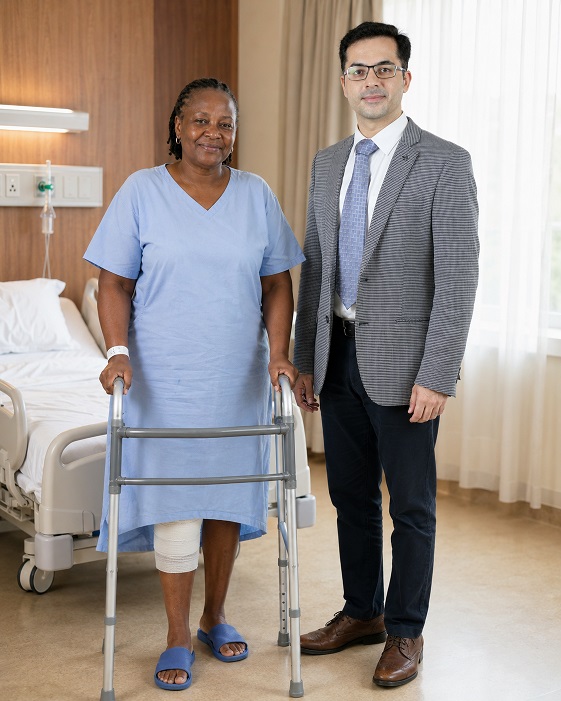
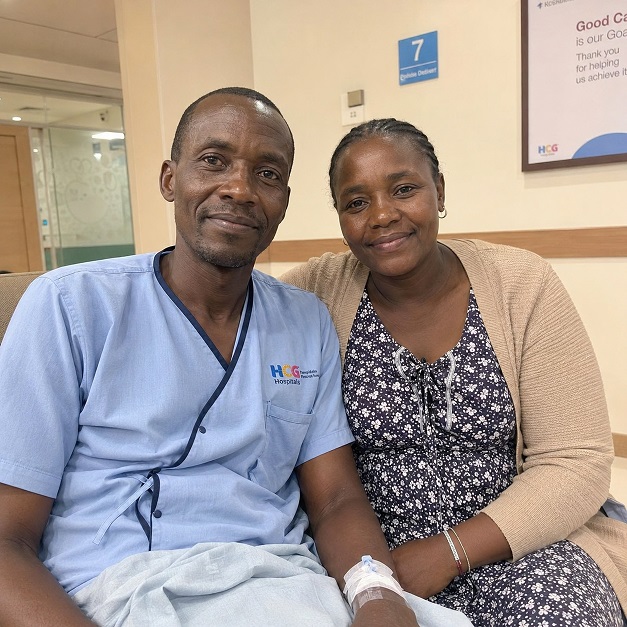
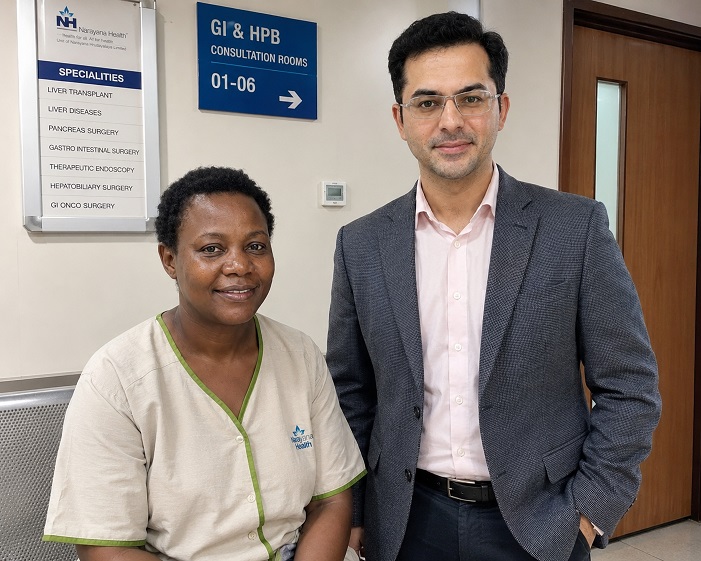
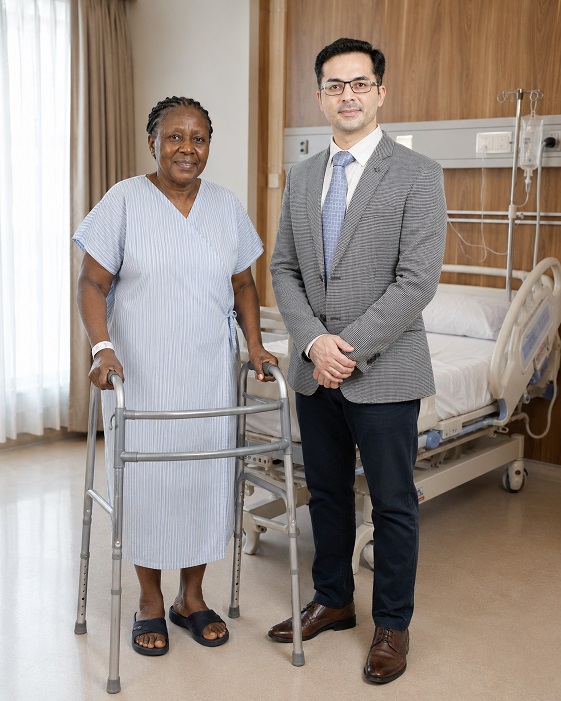
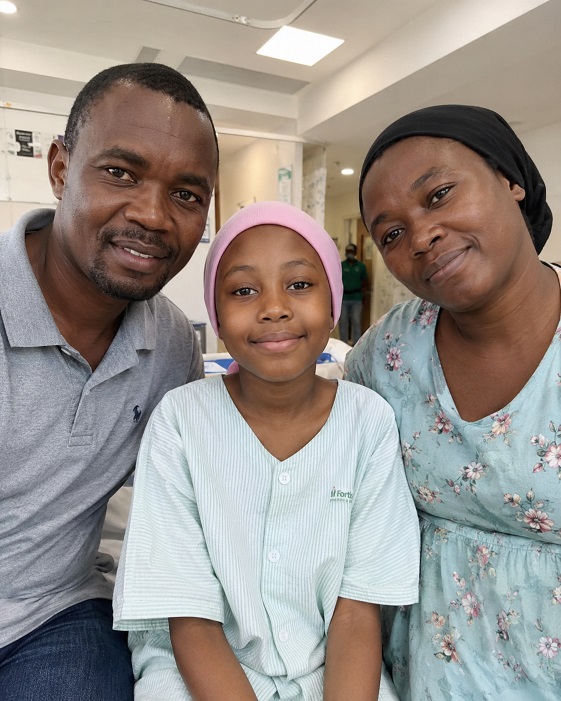
Patient Testimonials from Kenya


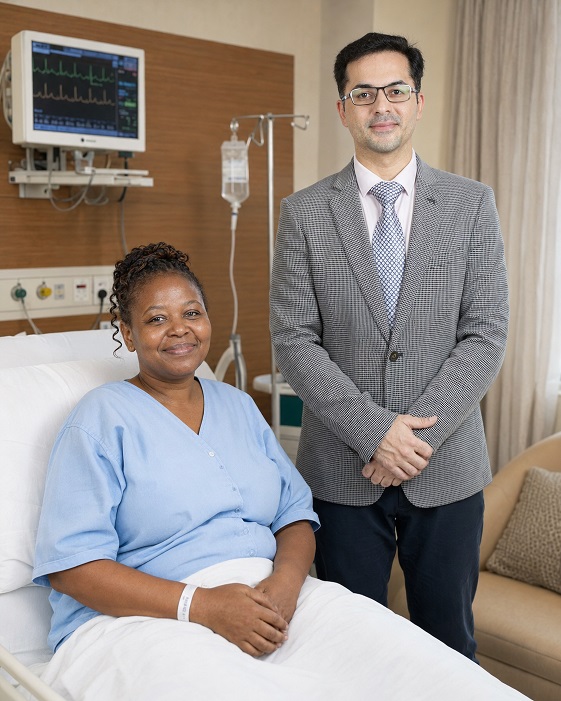
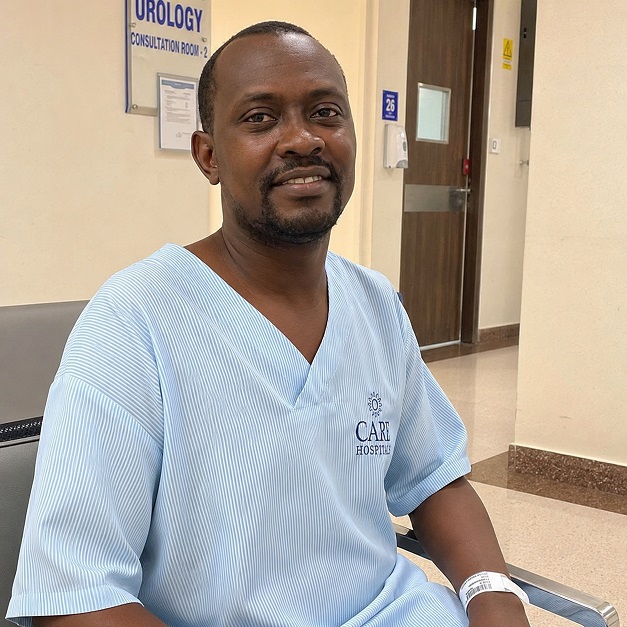
Ready to Take the First Step?
Share your Medical Reports with our Healthcare Managers Today and Get a FREE CONSULTATION, a Personalized Treatment Plan, and Complete Support from Arrival to Recovery.
Get Your Free ConsultationAreas We Serve
This resource has been thoughtfully prepared for patients from Kenya who are considering medical treatment in India. We also welcome patients from the wider region in the countries mentioned below-
We assist patients from:
- Ethiopia
- Somalia
- Tanzania
- Uganda
- Seychelles
- Guinea
- Guinea-Bissau
- Liberia
- Mali
- Mauritania
- Niger
- Nigeria
- Senegal
- Togo
- South Sudan
- Sierra Leone
Many of the insights, treatment pathways, hospital recommendations, travel guidance, and patient support services described here are equally relevant and may be used as a reference when planning treatment in India.
From Kenya to India: Your Complete Patient Support Guide
- Brain Tumour Surgery in India for Kenyan Patients
- Cancer Treatment and Surgery in India for Kenyan Patients
- Cardiac Treatment and Surgery in India for Kenyan Patients
- Heart Valve Replacement Surgery in India for Kenyan Patients
- Knee Replacement in India for Kenyan Patients
- Prostate Cancer Treatment and Surgery in India for Kenyan Patients
- Spine Treatment and Surgery in India for Kenyan Patients
- Selecting the Best Bariatric Surgeons and Hospitals in India: What Kenyan Patients Should Actually Look For
- Selecting the Best Cancer Surgeons and Hospitals in India: What Kenyan Patients Should Actually Look For
- Selecting the Best Cardiac Surgeons and Hospitals in India: What Kenyan Patients Should Actually Look For
- Selecting the Best Dental Surgeons and Clinics in India: What Kenyan Patients Should Actually Look For
- Selecting the Best Hip Surgeons and Hospitals in India: What Kenyan Patients Should Actually Look For
- Selecting the Best Kidney Transplant Surgeons and Hospitals in India: What Kenyan Patients Should Actually Look For
- Selecting the Best Knee Surgeons and Hospitals in India: What Kenyan Patients Should Actually Look For
- Selecting the Best Liver Transplant Surgeons and Hospitals in India: What Kenyan Patients Should Actually Look For
- Selecting the Best Neurosurgeons and Hospitals in India: What Kenyan Patients Should Actually Look For
- Selecting the Best Prostate Cancer Surgeons and Hospitals in India: What Kenyan Patients Should Actually Look For
- Selecting the Best Spine Surgeons and Hospitals in India: What Kenyan Patients Should Actually Look For