

Selecting the Best Reconstructive Urology Surgeons in India: What Kenyan Patients Should Actually Look For
Obstetric fistula is repaired in a single operation — and fewer than one in ten Kenyan women living with one ever receives it.
Obstetric fistula is one of the cruelest injuries in medicine, not because it is untreatable, but because it so often goes untreated for years while a genuinely straightforward surgical fix exists. A woman survives obstructed labour, often after losing the baby, only to be left with constant leaking of urine or stool through a hole torn between her bladder or bowel and her vaginal wall. What follows is frequently decades of stigma, isolation, and shame for an injury that skilled reconstructive urology can, in most cases, repair. Across 24 years of guiding international patients through Indian hospitals, this is one of the conditions where the gap between what medicine can do and what actually happens to the patient is widest, and where surgery genuinely gives someone their life back. This is the framework I use when a Kenyan woman with obstetric fistula, or another reconstructive urology need, is weighing treatment in India. It follows the surgeon-then-hospital structure of this series, and opens with a statistic that should reframe how urgently this condition deserves attention.
Healing Journeys of Kenyan Patients



Key Takeaways
- The guide focuses on obstetric fistula and complex reconstructive urology, explaining that Kenya has genuine capacity for straightforward fistula repair through its free surgical camps and treatment network, while complex or recurrent cases may require specialised reconstructive expertise. It notes an estimated 3,000 new obstetric fistula cases annually and that only about 7.5% are reported and treated.
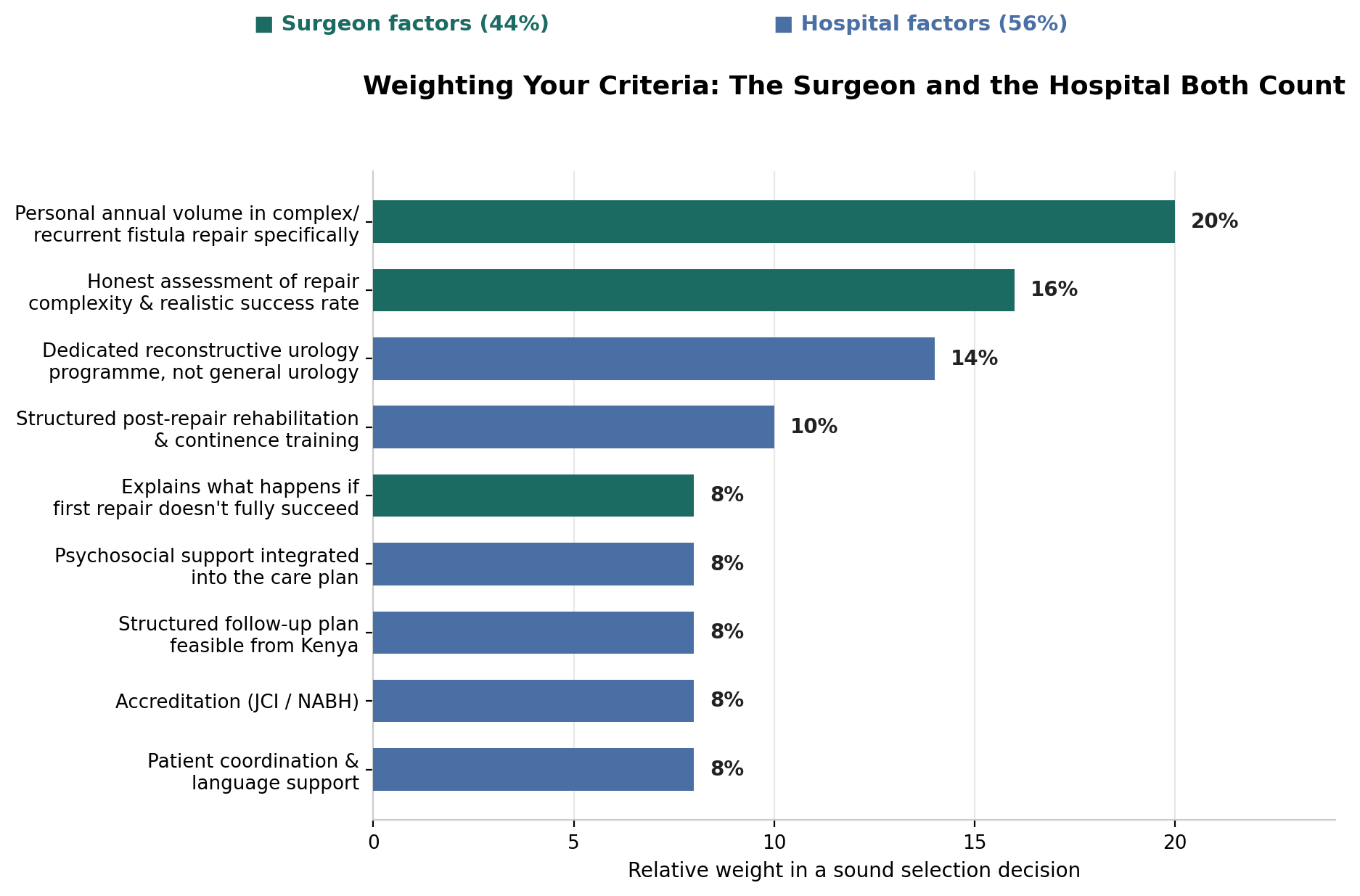
- For complex or recurrent fistula, particularly after a failed previous repair or years of untreated scarring, the guide recommends assessing surgeons based on their personal annual volume in complex fistula repair, not simply general urology experience. The page 3 chart gives 44% to surgeon factors and 56% to hospital factors, with complex/recurrent fistula volume carrying the highest individual weighting at 20%.
- Hospital selection should include a dedicated reconstructive urology or fistula programme, structured post-repair rehabilitation and continence training, psychosocial support, and a follow-up plan that can continue in Kenya. The guide also stresses that JCI/NABH accreditation is a safety filter but does not by itself establish reconstructive urology subspecialty expertise.
- The page 4 cost chart indicates approximately US$2,000–8,000 in India, while straightforward fistula repair in Kenya may be available through free camps. The guide also highlights the importance of asking what a second procedure would cost if the first repair does not fully succeed, since complex cases may require additional treatment.
Quick Facts
- Author
- Dr. Dheeraj Bojwani
- Experience
- 24+ Years of Experience
- Treatment
- Reconstructive Urology
- Patients
- Kenyan Patients
- Key Specialist
- Reconstructive Urologist
- Main Assessment
- Fistula type, scarring and previous repair history
- Key Priority
- Complex or recurrent case expertise
- Key Selection Factor
- Personal annual complex fistula repair volume
- Hospital Requirement
- Dedicated reconstructive urology programme
- Rehabilitation
- Continence training and catheter care
- Psychosocial Care
- Counselling/support integrated into treatment
- India Cost
- Approximately US$2,000–8,000
- Pre-Travel Records
- Full history and previous repair details
- Follow-Up
- Written plan with Kenyan doctor
- Key Warning Signs
- No complex-case volume or no plan for unsuccessful repair
- Decision Principle
- Match complex-case expertise with rehabilitation and long-term support
In Brief
For Kenyan women with complex or recurrent obstetric fistula, the guide recommends choosing a reconstructive urologist with substantial experience in difficult and previously repaired cases. A suitable hospital should combine specialised surgery with continence training, psychosocial support and a practical Kenya-based follow-up plan. The guide gives an indicative Indian cost of US$2,000–8,000 for complex fistula repair.
Before the surgeon: a treatable injury, rarely actually treated
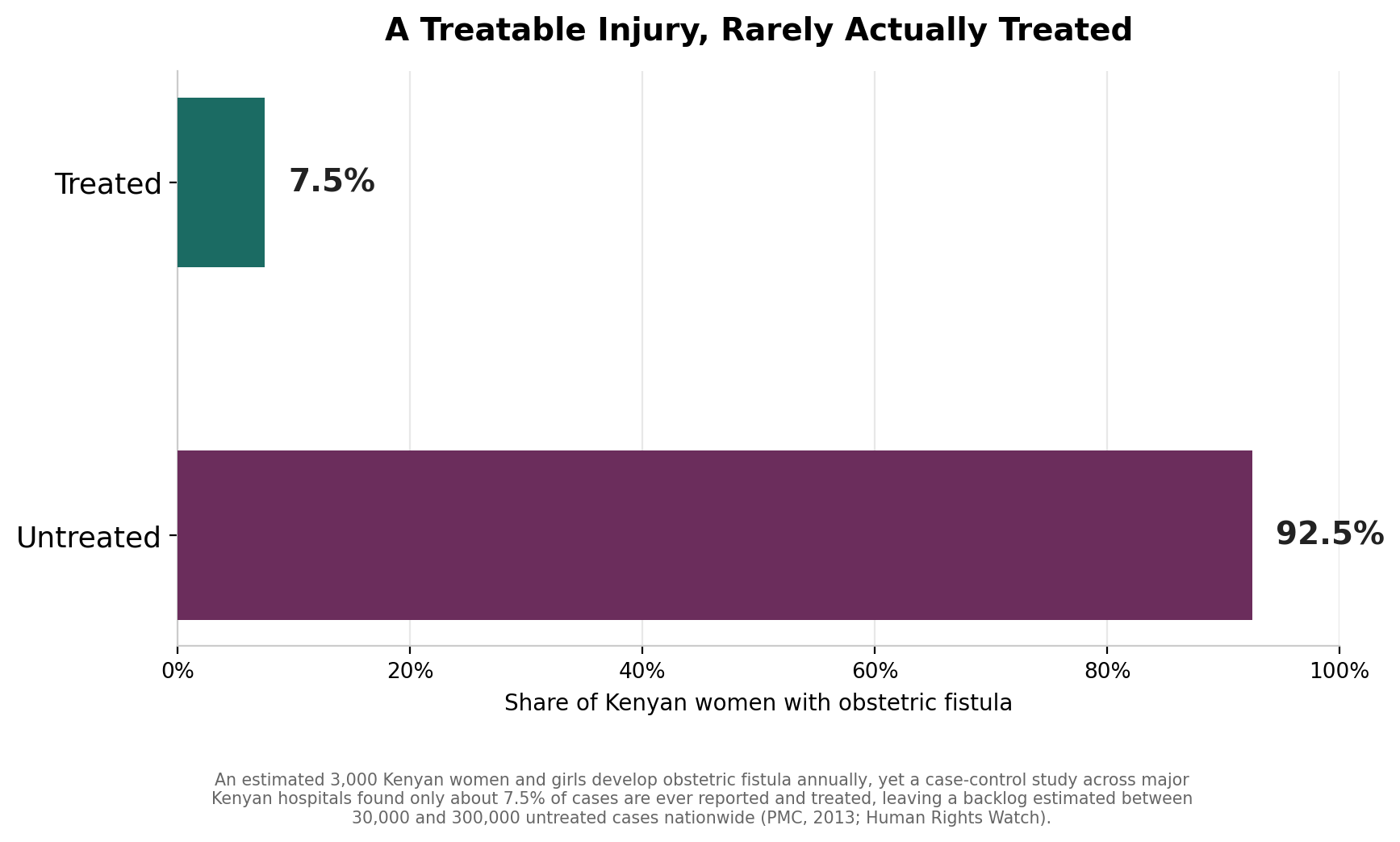
Kenya's Ministry of Health estimates roughly 3,000 women and girls develop obstetric fistula every year, caused by prolonged obstructed labour without timely access to emergency obstetric care. A case-control study conducted across major Kenyan hospitals found that only about 7.5% of fistula cases are ever reported and treated, and organisations working on the issue estimate the accumulated backlog of untreated cases nationwide at somewhere between 30,000 and 300,000 women.
The human cost of that gap is severe. Research across Kenyan counties found severe depression in over 66% of women living with fistula, anxiety linked to stigma and social exclusion in over half, and suicidal thoughts reported by more than one in five. Women have been documented living with untreated fistula for decades, one widely reported case involved a woman who lived with the condition for 46 years before receiving treatment at a free surgical camp.
This matters for how you think about treatment options. Kenya has built genuine capacity for straightforward fistula repair, largely through free surgical camps run by government and partner organisations, treating roughly 1,200 women a year. That capacity is worth pursuing first for a newly developed, uncomplicated fistula. But the enormous backlog exists partly because many cases are not straightforward: fistulas that have gone untreated for years develop scarring and tissue changes that make repair technically harder, and recurrent fistulas after a failed previous repair require a different level of reconstructive expertise than a first attempt.
Should you travel at all?
For a recently developed, straightforward fistula, Kenya's free repair camps and dedicated fistula treatment network, built with real investment over the past decade, are worth pursuing first, and many women achieve successful repair through this route.
For complex or recurrent fistula, cases where a previous repair has failed, fistulas that have gone untreated for years and developed significant scarring, or other reconstructive urology needs like complex urethral stricture, India is where I steer patients, confidently. India's leading reconstructive urology centres treat complex fistula repair as a distinct surgical subspecialty, with surgeons who have handled hundreds of complex and recurrent cases, at a fraction of UK or US cost, and often at less cost than the multiple attempts a complex case might otherwise require.
Part one: judging the surgeon
1. Personal annual volume in complex or recurrent fistula repair specifically
I weight this above every other factor, and the chart below reflects that. Ask how many complex or recurrent fistula cases, not straightforward first-time repairs, the surgeon personally handles each year.
2. An honest assessment of repair complexity and realistic success rate
Ask the surgeon to assess your specific case honestly, including how prior scarring or previous repair attempts affect the complexity and realistic chance of success this time.
3. Explains what happens if the first repair doesn't fully succeed
Ask directly what the plan is if this repair doesn't achieve full continence, since honest surgeons will acknowledge that even skilled repair isn't always successful on the first attempt for complex cases.
Part two: judging the hospital
For reconstructive urology, rehabilitation and psychosocial support carry real weight alongside the surgeon, reflected in the balance above, because recovery from fistula involves both physical healing and the emotional aftermath of years of stigma.
4. A dedicated reconstructive urology programme, not general urology
Ask whether the hospital has a specific reconstructive urology or fistula programme, rather than fistula repair being one occasional procedure among many performed by general urologists.
5. Structured post-repair rehabilitation and continence training
Ask what support looks like after surgery, including catheter care during healing and continence training, since these directly affect whether the repair's success translates into a genuinely resolved daily life.
6. Psychosocial support integrated into the care plan
Ask whether counselling or psychosocial support is part of the treatment plan, given the documented rates of depression and anxiety among women who have lived with fistula, often for years.
7. A structured follow-up plan feasible from Kenya
Ask how follow-up will work once you're home, and what warning signs would mean you need to seek care locally rather than waiting.
8. Accreditation, read properly
JCI and NABH accreditation are meaningful filters on safety and infection control, but say nothing about reconstructive urology sub-specialisation specifically. Use accreditation to exclude weak candidates, not to choose between the strong ones.
9. The cost you will actually pay
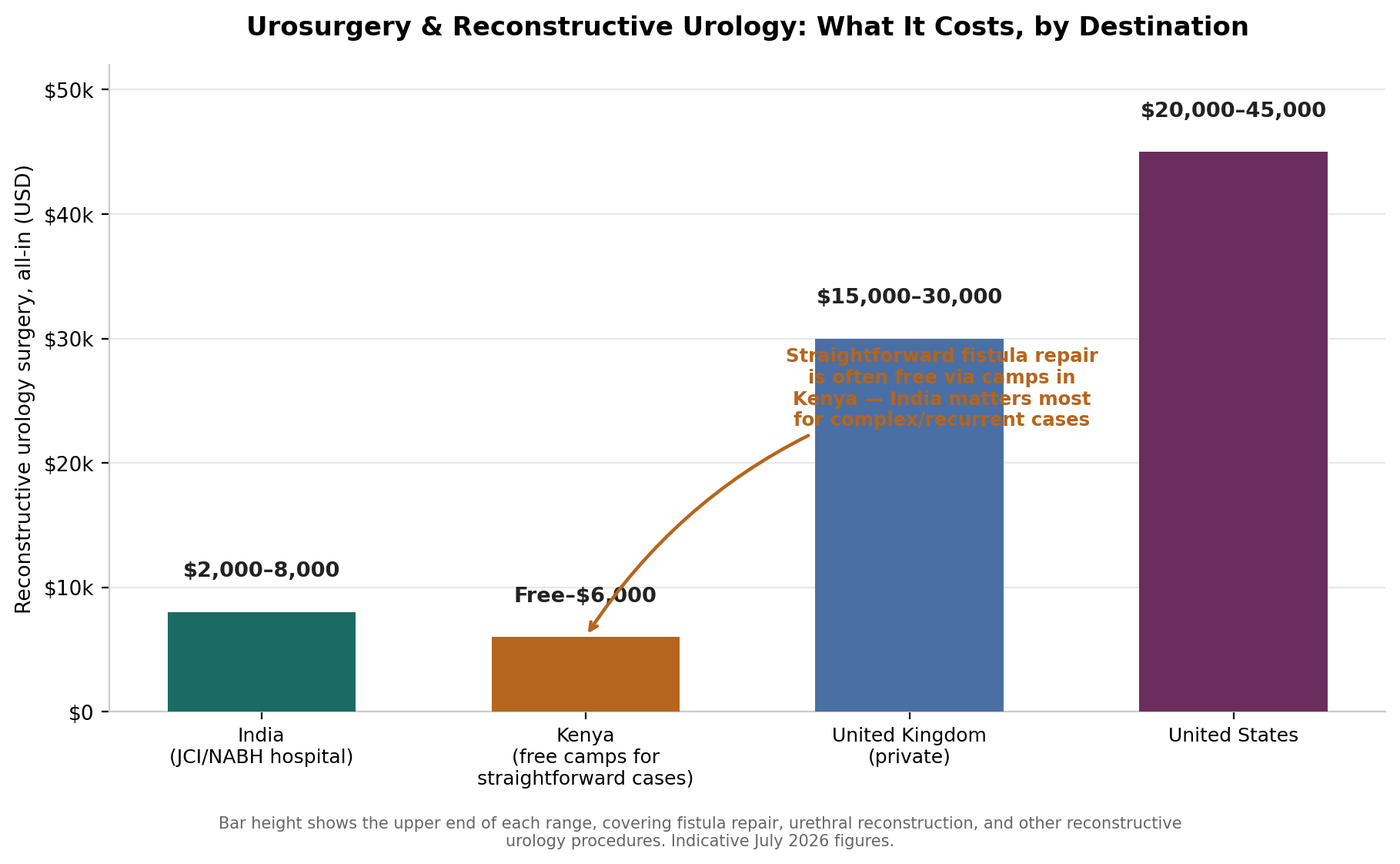
Let me be emphatic about this, because 24 years of handling these cases has taught me nothing more consistently: disputes almost never concern the quoted price. They concern what the quote silently omitted. For reconstructive urology specifically, insist the estimate states what a second procedure would cost if the first repair doesn't fully succeed, since this is a genuine possibility for complex cases.
Budget beyond the surgery. Direct Nairobi–Delhi and Nairobi–Mumbai flights run roughly 550 to 850 dollars return, and a stay of two to three weeks covers surgery and initial catheter healing before travel home.
Four signals that should make you pause
Certain patterns reliably precede a difficult outcome. A surgeon who cannot state personal volume in complex or recurrent fistula repair specifically. No honest discussion of what happens if the repair doesn't fully succeed. No psychosocial support offered despite the documented emotional toll of this condition. And a hospital unable to describe structured continence training after surgery.
None alone proves a bad hospital. Together they warrant a second opinion before you commit to surgery.
The Kenya-specific practicalities
Send your full history, including how long you've had symptoms and details of any previous repair attempts, not
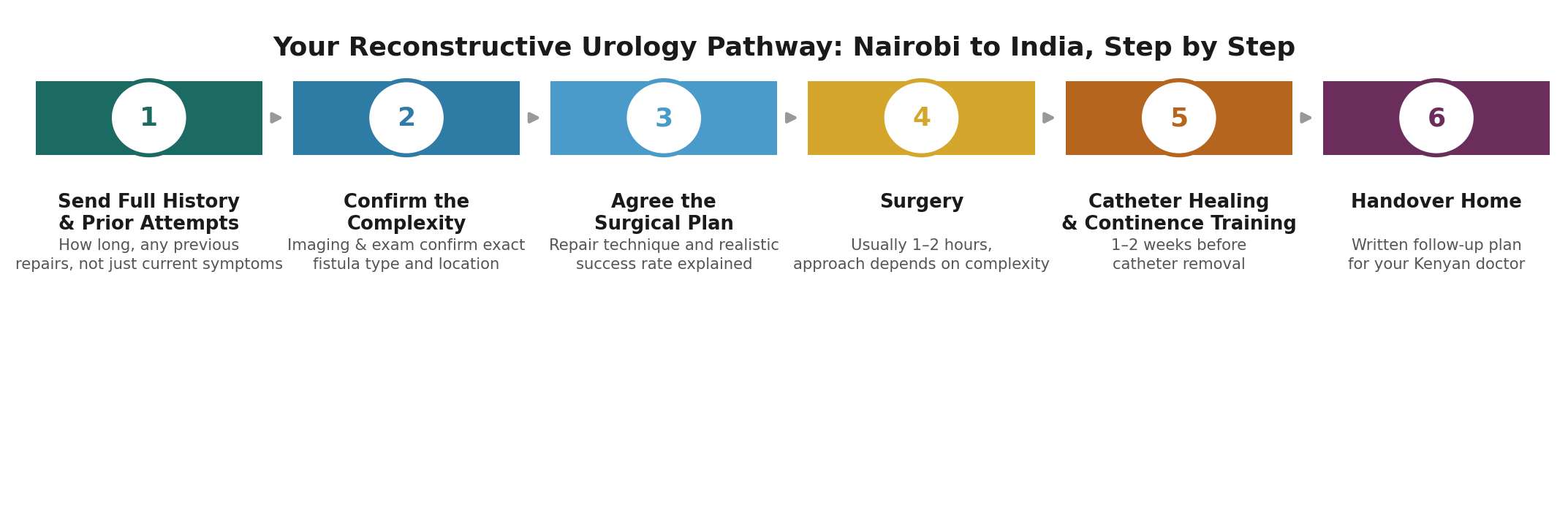
just a description of current symptoms, so the surgical team can properly assess complexity before you arrive.
Direct Nairobi–Delhi and Nairobi–Mumbai flights make this roughly a six-hour journey. The Indian medical e-visa is issued within three to five working days against a hospital letter, and an attendant can travel with you.
Agree in advance on a written follow-up plan, and identify a doctor in Kenya who can support your recovery and continence training once you are home.
The questions I would ask before paying a deposit
Of the surgeon:
- How many complex or recurrent fistula cases do you personally repair each year?
- How does my specific history, including any prior repairs, affect complexity and success rate?
- What happens if this repair doesn't fully succeed?
Of the hospital:
- Do you have a dedicated reconstructive urology or fistula programme?
- What does post-repair continence training involve?
- Is psychosocial support part of the care plan?
- What exactly is excluded from the quoted price?
- May I speak to a previous East African patient treated for a similar condition?
A team that answers all eight without irritation is very likely the right team. One that turns vague at the first or second has told you what you needed to know at no cost at all.
Straight Answers for Kenyan Patients about Reconstructive Urology Surgeons in India
Should I try to get fistula repair in Kenya first?
For a recent, straightforward fistula, yes, Kenya's free surgical camps and fistula treatment network are worth pursuing first. For complex or recurrent cases, especially after a previous repair attempt, specialist reconstructive urology expertise becomes more important.
How much does reconstructive urology surgery cost in India for a Kenyan patient?
Typically 2,000 to 8,000 US dollars for complex fistula repair. Straightforward repair is often free through Kenyan camps, while the same complex surgery runs 15,000 to 30,000 dollars in the UK and 20,000 to 45,000 in the US.
Why do so few Kenyan women with fistula get treated?
A case-control study found only about 7.5% of fistula cases in Kenya are ever reported and treated, against an estimated 3,000 new cases every year, leaving a backlog estimated between 30,000 and 300,000 untreated cases, driven by stigma, distance to treatment centres, and limited awareness that the condition is treatable.
Is obstetric fistula always curable with surgery?
Most cases, especially when treated relatively soon after they develop, can be successfully repaired. Complex or long-untreated fistulas, and those following a previous failed repair, are technically harder and may need more than one procedure, which is why an honest, case-specific assessment matters.
What is the emotional impact of living with untreated fistula?
Severe. Research in Kenya found severe depression in over 66% of affected women, anxiety linked to stigma in over half, and suicidal thoughts in more than one in five, underlining why psychosocial support alongside surgery matters as much as the repair itself.
What other conditions does reconstructive urology treat?
Beyond fistula, it covers complex urethral stricture, congenital urologic anomalies, and reconstruction after urologic trauma or cancer surgery, generally for cases where the urinary tract's normal function or structure needs to be surgically restored.
A closing word
For a Kenyan woman living with a complex or recurrent obstetric fistula, or facing another reconstructive urology need, India offers surgical sub-specialisation genuinely matched to difficult cases, alongside the rehabilitation and psychosocial support that turn a successful repair into a truly restored life, at a fraction of UK or US cost. The best surgeon is the one whose complex-case volume and honest complexity assessment show he understands what makes your case different from a straightforward first repair. The best hospital pairs him with genuine continence training and psychological support. If you would like me to look at your history and talk through honestly what your options are, send them across.
Sources
- 🌐 Factors associated with obstetric fistulae occurrence among patients attending selected hospitals in Kenya, 2010: a case control study. PMC
- 🌐 "I Am Not Dead, But I Am Not Living": Barriers to Fistula Prevention and Treatment in Kenya. Human Rights Watch, 2010. hr
- 🌐 Prevalence and risk factors associated with obstetric fistula among women of reproductive age in Bungoma, Kilifi and Kiambu Counties, Kenya
- 🌐 Building a country-wide Fistula Treatment Network in Kenya: results from the first six years (2014-2020). PMC. pmc.ncbi.nl
- 🌐 National Medical Commission of India — surgeon and specialist registration verification
- 🌐 National Accreditation Board for Hospitals & Healthcare Providers (NABH) — accredited hospital directory
Frequently Asked Questions by Kenyans about Reconstructive Urology Surgeons in India
Should a Kenyan patient try fistula treatment in Kenya first?
For a recent, straightforward fistula, the guide recommends considering Kenya's free surgical camps and dedicated treatment network first. Complex or recurrent cases may benefit from specialised reconstructive urology expertise in India.
Why are recurrent fistulas more difficult?
Previous surgery and long-standing fistulas can cause significant scarring and tissue changes, making subsequent reconstruction technically more complex.
How should I choose a reconstructive urologist?
Ask how many complex or recurrent fistula cases the surgeon personally repairs each year, rather than relying only on general urology experience.
What should the surgeon explain before surgery?
The surgeon should discuss the effect of previous repairs and scarring on complexity, the realistic chance of success and what would happen if the first repair does not fully succeed.
What should a suitable hospital provide?
Look for a dedicated reconstructive urology or fistula programme, rather than a general urology department that performs fistula repair only occasionally.
Why is continence training important?
Successful surgery needs to translate into improved daily function. Catheter care during healing and structured continence training can be important parts of recovery.
Why is psychosocial support included?
The guide highlights significant depression, anxiety and social stigma among women living with untreated fistula. Psychological and social support can therefore be an important part of comprehensive care.
How much does complex fistula repair cost in India?
The guide gives an indicative range of US$2,000–8,000 for complex reconstructive urology surgery in India.
What records should Kenyan patients send before travelling?
Send the complete history, duration of symptoms and details of every previous repair attempt, rather than only describing the current symptoms.
What are the main warning signs?
Be cautious if the surgeon cannot provide specific complex-case volume, avoids discussing what happens after an unsuccessful repair, or the hospital cannot explain its continence-training programme.
Page Summary
This seven-page Kenya patient guide explains how patients can evaluate reconstructive urology surgeons and hospitals in India, with particular focus on complex and recurrent obstetric fistula. It distinguishes straightforward fistula cases that may be treated through Kenya's existing free repair network from difficult cases involving long-standing scarring or previous failed repairs. The page 3 chart assigns 44% to surgeon factors and 56% to hospital factors, while the page 4 cost chart compares reconstructive urology costs across India, Kenya, the UK and US. The page 5 pathway shows full history and previous repairs → confirm complexity → agree surgical plan → surgery → catheter healing and continence training → handover to a Kenyan doctor.
Citation Block
| Topic | Information |
|---|---|
| Topic | Reconstructive Urology in India for Kenyan Patients |
| Treatment | Complex Fistula & Reconstructive Urology |
| Patients | Kenyan Patients |
| Specialist | Reconstructive Urologist |
| Main Assessment | Fistula type, scarring and previous repairs |
| Key Priority | Complex/recurrent case expertise |
| Surgeon Check | Annual complex/recurrent fistula volume |
| Success Assessment | Honest complexity and realistic success rate |
| Hospital Check | Dedicated reconstructive urology programme |
| Rehabilitation | Continence training and catheter care |
| Psychosocial Care | Counselling/support |
| India Cost | Approximately US$2,000–8,000 |
| Kenya Option | Free camps for straightforward fistula cases |
| Quote Check | Cost of a possible second procedure |
| Pre-Travel Records | Full history and previous repair details |
| Follow-Up | Kenya-based recovery and continence support |
| Quality Check | JCI/NABH accreditation |
| Warning Signs | No complex-case volume or unclear failure plan |
| Selection Weighting | 44% surgeon factors and 56% hospital factors |
| Top Criterion | Complex/recurrent fistula volume – 20% |
| Kenya Statistic | Approximately 3,000 new cases annually |
| Treatment Gap | About 7.5% reported and treated |
| Patient Pathway | History → complexity → surgical plan → repair → continence training → Kenya follow-up |
| Decision Principle | Choose specialised complex-case expertise with rehabilitation and psychosocial support |


Our Mission Statement
Our mission is to place patients at the centre of every healthcare decision by providing trustworthy, evidence-based, and unbiased medical information. We believe that informed patients make better decisions. Backed by personalised guidance from our experienced advisory team, we help patients understand their treatment options, compare them objectively, and confidently choose the path that best suits their medical needs and personal circumstances.
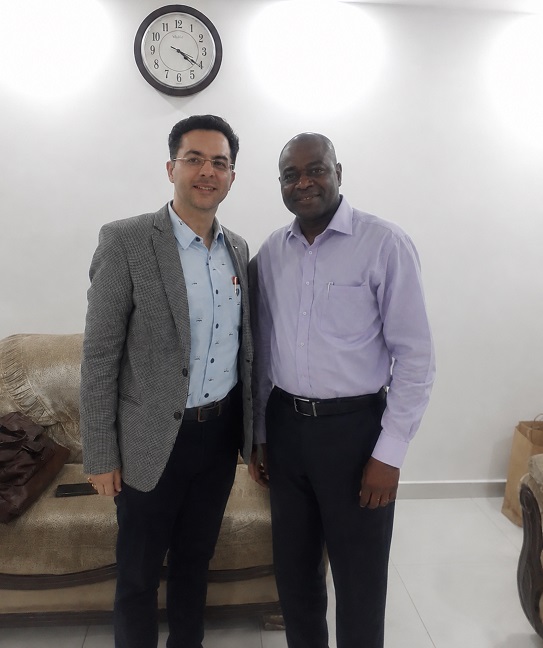
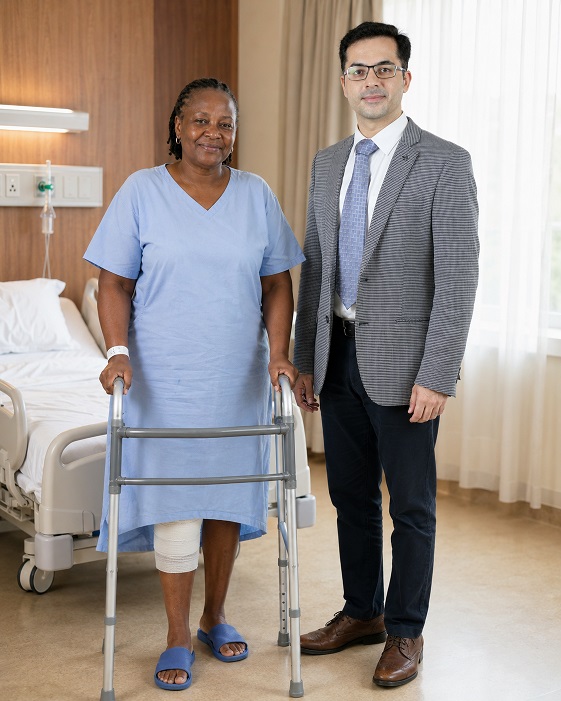
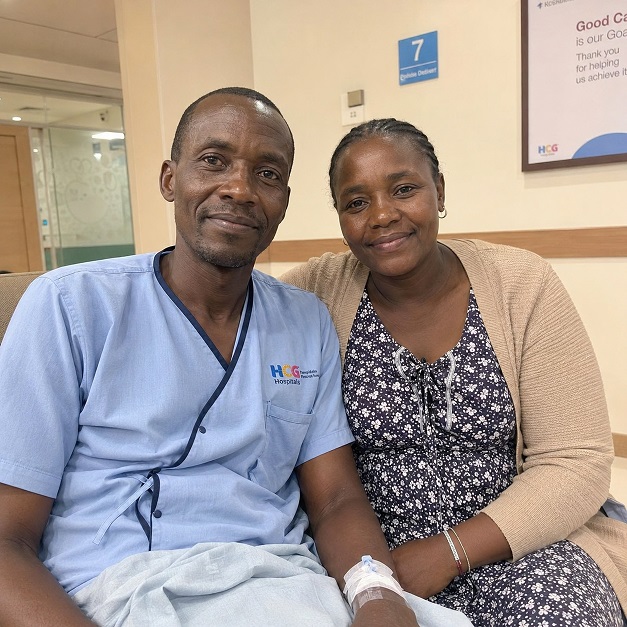
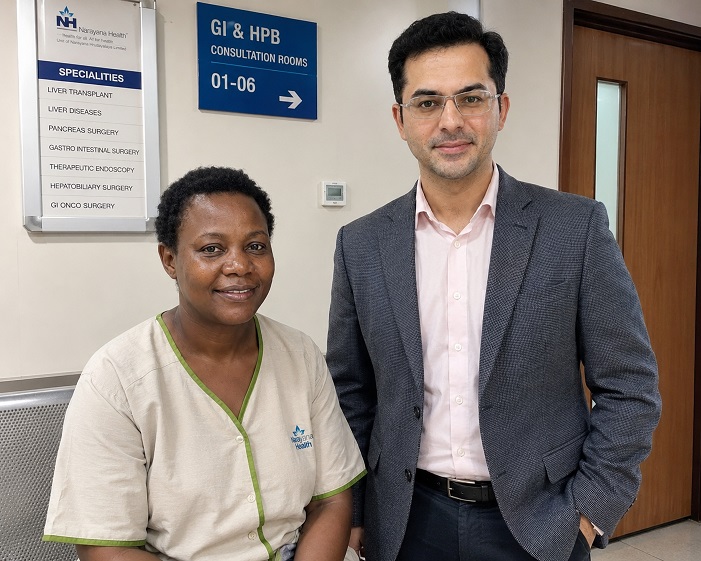
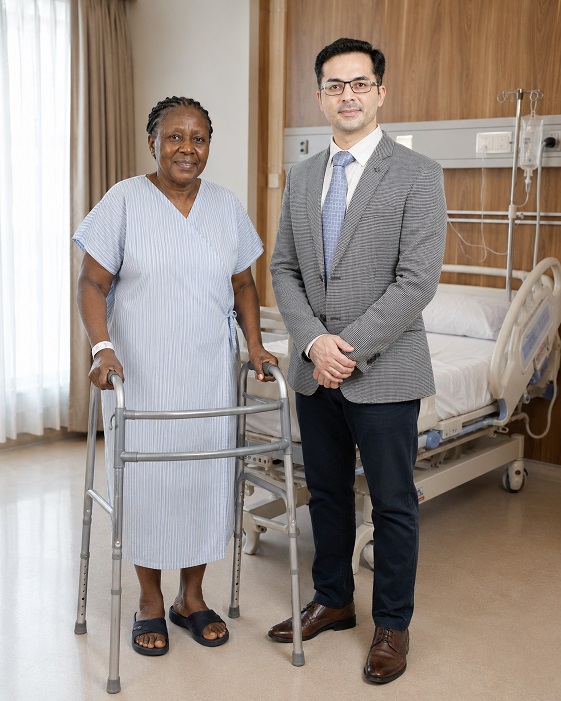
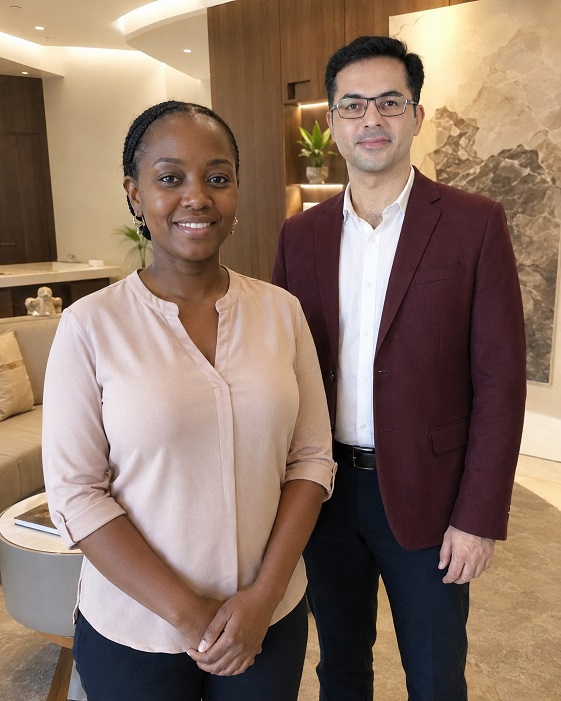
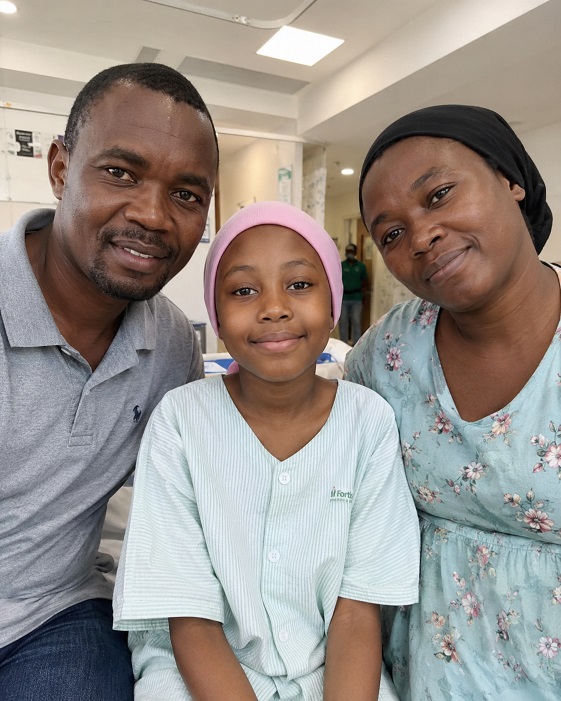
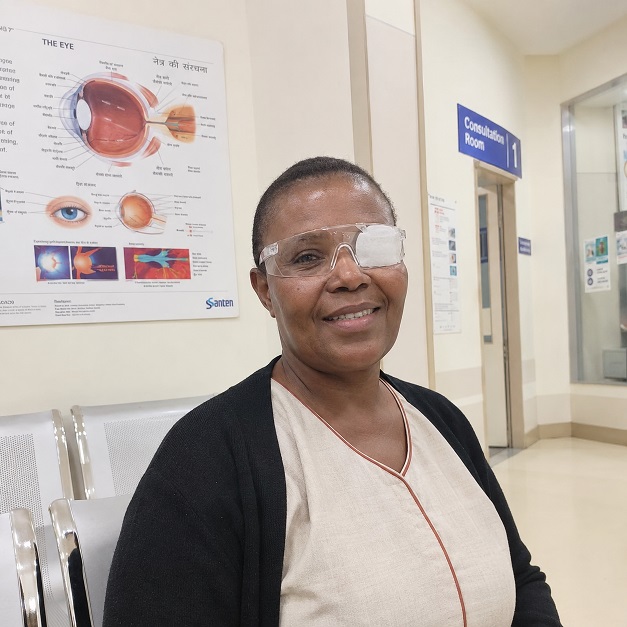
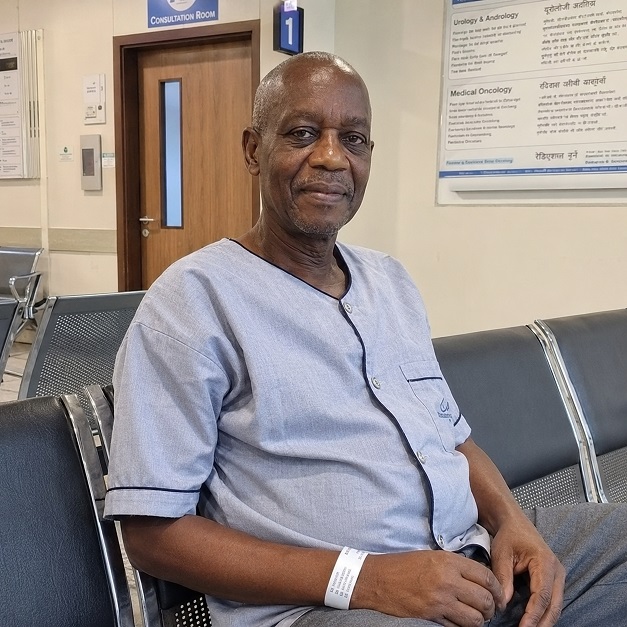
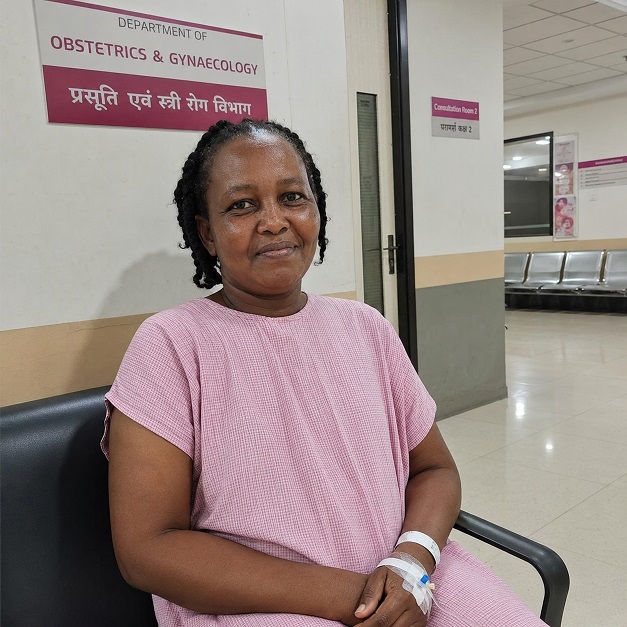
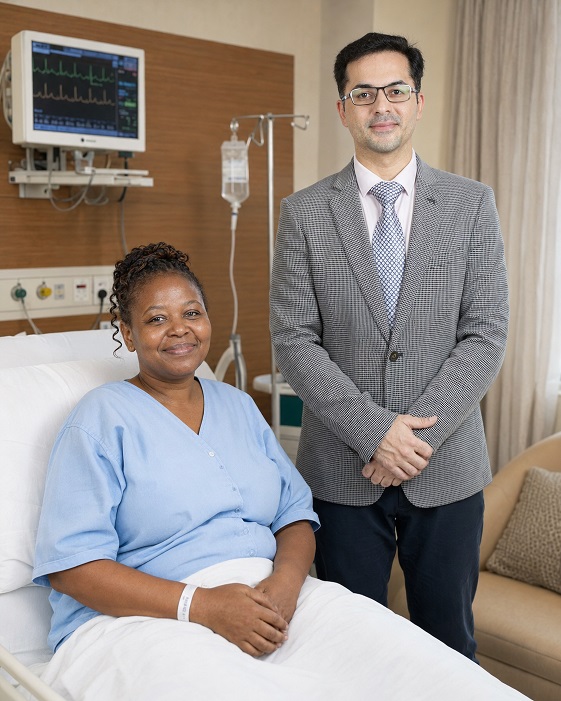
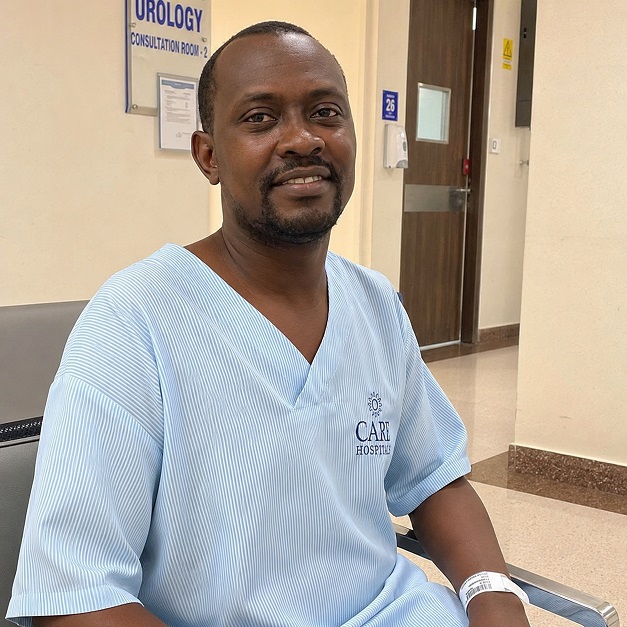
Patient Testimonials from Kenya
Ready to Take the First Step?
Share your Medical Reports with our Healthcare Managers Today and Get a FREE CONSULTATION, a Personalized Treatment Plan, and Complete Support from Arrival to Recovery.
Get Your Free ConsultationAreas We Serve
This resource has been thoughtfully prepared for patients from Kenya who are considering medical treatment in India. We also welcome patients from the wider region in the countries mentioned below-
We assist patients from:
- Ethiopia
- Somalia
- Tanzania
- Uganda
- Seychelles
- Guinea
- Guinea-Bissau
- Liberia
- Mali
- Mauritania
- Niger
- Nigeria
- Senegal
- Togo
- South Sudan
- Sierra Leone
Many of the insights, treatment pathways, hospital recommendations, travel guidance, and patient support services described here are equally relevant and may be used as a reference when planning treatment in India.
From Kenya to India: Your Complete Patient Support Guide
- Brain Tumour Surgery in India for Kenyan Patients
- Cancer Treatment and Surgery in India for Kenyan Patients
- Cardiac Treatment and Surgery in India for Kenyan Patients
- Heart Valve Replacement Surgery in India for Kenyan Patients
- Knee Replacement in India for Kenyan Patients
- Prostate Cancer Treatment and Surgery in India for Kenyan Patients
- Spine Treatment and Surgery in India for Kenyan Patients
- Selecting the Best Bariatric Surgeons and Hospitals in India: What Kenyan Patients Should Actually Look For
- Selecting the Best Cancer Surgeons and Hospitals in India: What Kenyan Patients Should Actually Look For
- Selecting the Best Cardiac Surgeons and Hospitals in India: What Kenyan Patients Should Actually Look For
- Selecting the Best Dental Surgeons and Clinics in India: What Kenyan Patients Should Actually Look For
- Selecting the Best Hip Surgeons and Hospitals in India: What Kenyan Patients Should Actually Look For
- Selecting the Best Kidney Transplant Surgeons and Hospitals in India: What Kenyan Patients Should Actually Look For
- Selecting the Best Knee Surgeons and Hospitals in India: What Kenyan Patients Should Actually Look For
- Selecting the Best Liver Transplant Surgeons and Hospitals in India: What Kenyan Patients Should Actually Look For
- Selecting the Best Neurosurgeons and Hospitals in India: What Kenyan Patients Should Actually Look For
- Selecting the Best Prostate Cancer Surgeons and Hospitals in India: What Kenyan Patients Should Actually Look For
- Selecting the Best Spine Surgeons and Hospitals in India: What Kenyan Patients Should Actually Look For