

Selecting the Best IVF and Fertility Specialists in India: What Kenyan Patients Should Actually Look For
Most infertility here traces back to an old, untreated infection that scarred the tubes — which is precisely the problem IVF is built to bypass.
Infertility carries a weight in Kenya that goes beyond the medical diagnosis itself. Women in particular often carry blame for a problem that frequently has nothing to do with them, facing genuine social and marital consequences for a condition that, in a large share of cases, traces back to a treatable infection contracted years earlier and never properly addressed. Across 24 years of guiding international patients through Indian hospitals, IVF is one of the few procedures in this series that doesn't just treat a diagnosis, it resolves an underlying cause that is unusually common, and unusually specific, among Kenyan patients. This is the framework I use when a Kenyan patient or couple is weighing IVF and fertility treatment in India. It follows the surgeon-then-hospital structure of this series, and opens with a fact about the underlying cause of infertility here that should shape the entire conversation with any fertility specialist.
Healing Journeys of Kenyan Patients






Key Takeaways
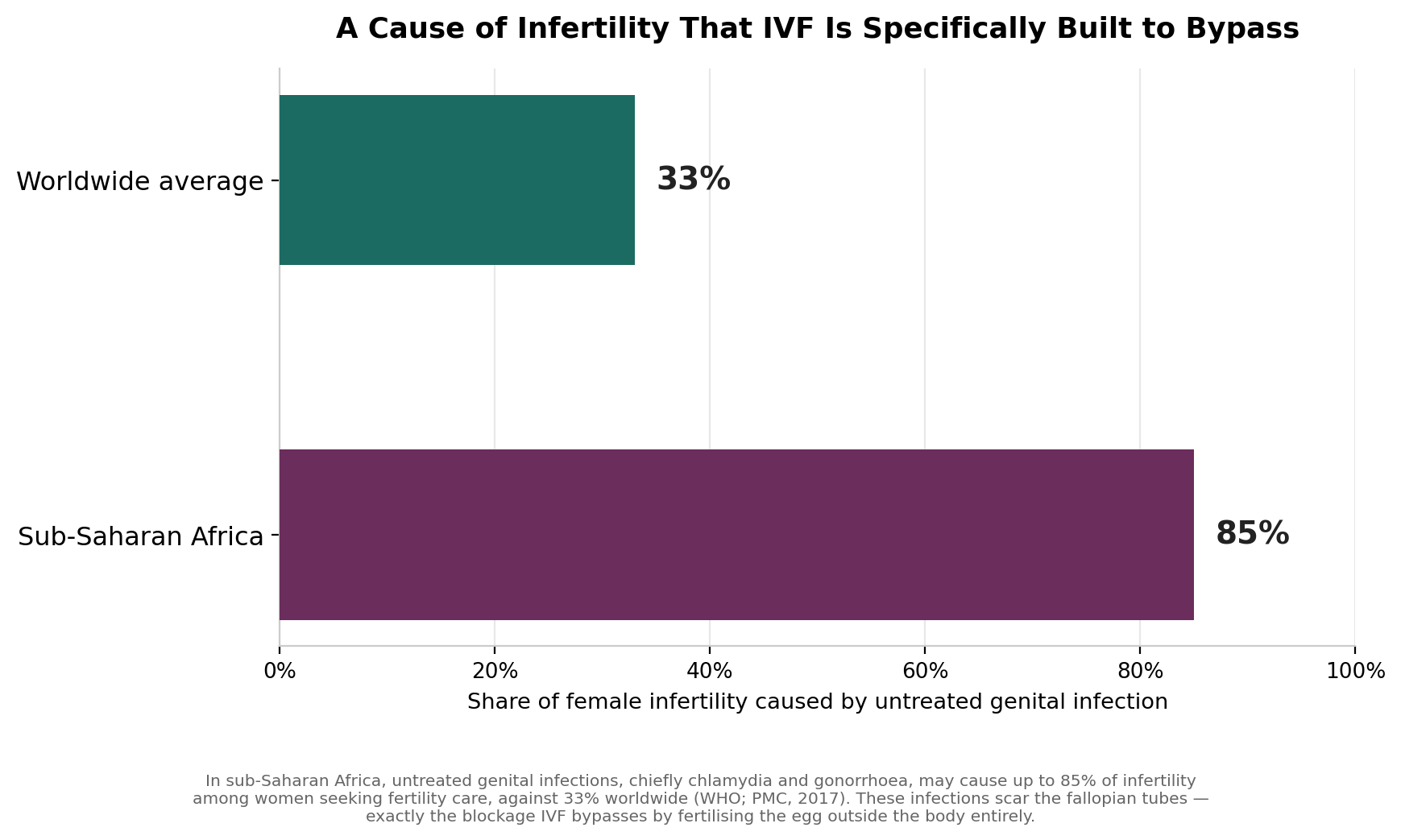
- The guide highlights tubal factor infertility as an important cause of infertility among Kenyan patients, linking it to untreated genital infections such as chlamydia and gonorrhoea. It cites evidence suggesting these infections may account for up to 85% of infertility among women seeking fertility care in sub-Saharan Africa, compared with about 33% worldwide.
- Because IVF fertilises the egg outside the body and transfers the embryo directly into the uterus, it bypasses damaged or blocked fallopian tubes. The guide therefore recommends identifying the actual cause of infertility before deciding on IVF rather than treating every couple with the same protocol.
- Both partners should undergo a complete infertility workup before treatment, including hormonal assessment, tubal evaluation, semen analysis and infection screening. Any identified active infection should generally be treated before the IVF cycle begins.
- Kenya has capable fertility clinics, particularly in Nairobi, so local treatment can be reasonable when couples have access to a trusted specialist and consistent monitoring. India becomes more relevant for couples needing a deeper diagnostic workup, unexplained previous IVF failures or lower overall costs when multiple cycles are required. The guide states that India performs more than 200,000 IVF cycles annually.
- Specialist selection should focus on experience with the patient's specific infertility cause, rather than general IVF volume alone. The specialist should also provide realistic multi-cycle expectations and avoid presenting an optimistic single-cycle success figure.
- The page 3 weighting chart assigns 52% to specialist factors and 48% to clinic factors. A complete infertility workup receives the highest weighting at 18%, followed by personal annual volume for the specific infertility cause and published success rates by age and diagnosis at 14% each.
- Clinic selection should include transparent success rates broken down by age and diagnosis, relevant genetic-testing capability, structured monitoring that can be coordinated with a Kenyan doctor, and appropriate accreditation. Patients should ask whether medication, ICSI and embryo freezing are included in the quoted price.
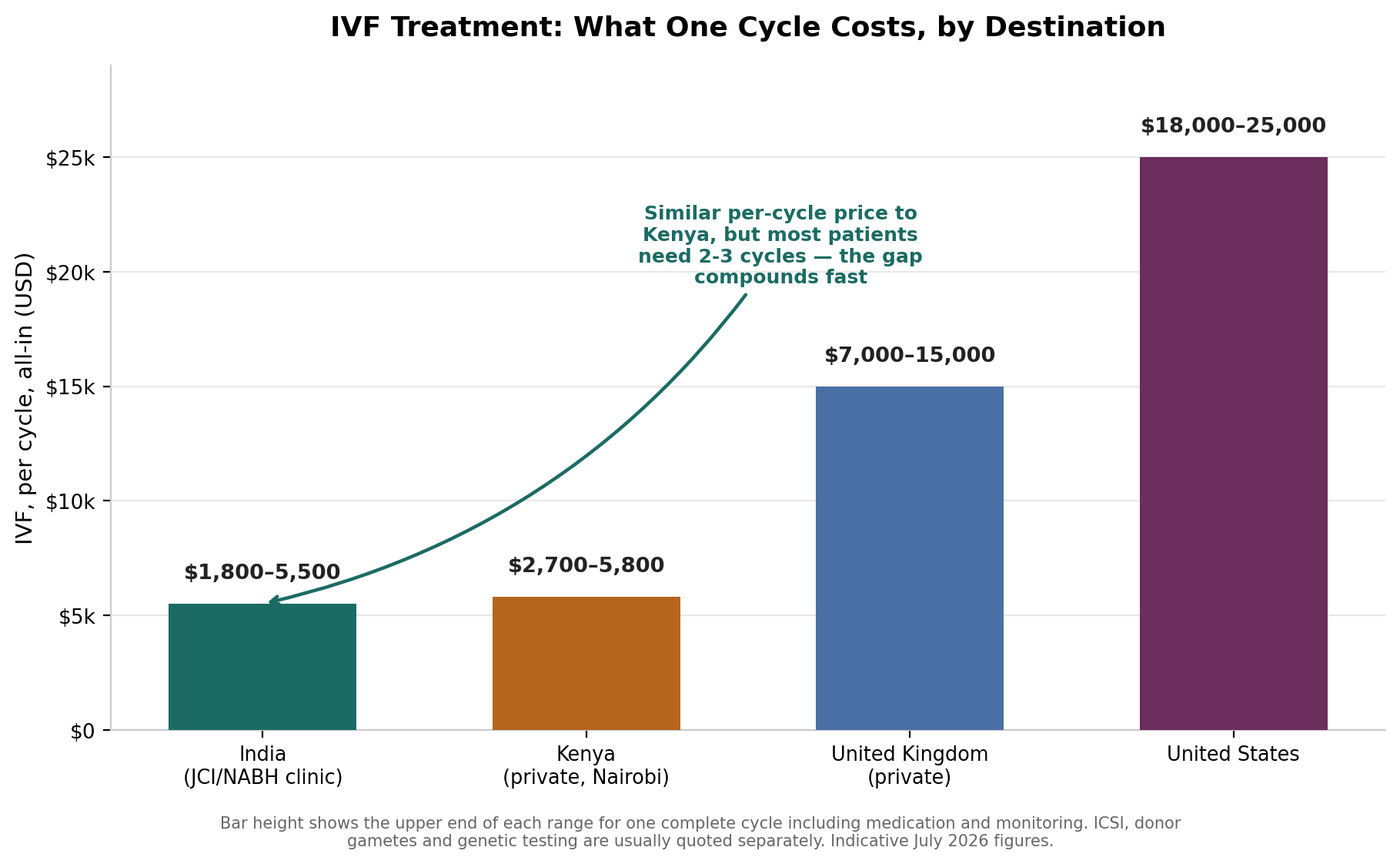
- The page 4 cost chart gives an indicative US$1,800–5,500 per IVF cycle in India, compared with US$2,700–5,800 in Kenya, US$7,000–15,000 in the UK and US$18,000–25,000 in the US. The guide stresses that many patients require two or three cycles, so the total multi-cycle cost should be considered rather than comparing only one cycle.
Quick Facts
- Author
- Dr. Dheeraj Bojwani
- Experience
- 24+ Years of Experience
- Treatment
- IVF & Fertility Treatment
- Patients
- Kenyan Fertility Patients
- Key Specialist
- IVF / Fertility Specialist
- Main Assessment
- Cause of infertility in both partners
- Key Priority
- Complete infertility workup before treatment
- Important Cause
- Tubal factor infertility
- Infection Screening
- Chlamydia and other genital infections
- Female Assessment
- Hormonal and tubal assessment
- Key Selection Factor
- Specialist experience with the specific infertility cause
- Clinic Check
- Success rates by age and diagnosis
- Genetic Testing
- PGT where clinically relevant
- India IVF Cost
- Approximately US$1,800–5,500 per cycle
- Kenya IVF Cost
- Approximately US$2,700–5,800 per cycle
- UK IVF Cost
- Approximately US$7,000–15,000 per cycle
- US IVF Cost
- Approximately US$18,000–25,000 per cycle
- Monitoring
- Structured plan that can be coordinated from Kenya
- Quality Check
- JCI/NABH accreditation
- Pre-Travel Records
- Complete fertility history and previous test/treatment records
- Treatment Duration
- Approximately 3–4 weeks in India for a complete cycle
- Follow-Up
- Pregnancy-test timeline and early pregnancy monitoring plan
- Key Warning Signs
- No full workup, no infection screening, headline-only success rates or unclear repeat-cycle costs
- Decision Principle
- Identify and address the cause of infertility before choosing an IVF protocol
In Brief
For Kenyan couples considering IVF in India, the guide recommends starting with a complete infertility workup for both partners, with particular attention to infection screening and tubal-factor infertility. IVF can directly bypass blocked or damaged fallopian tubes, but any active infection should generally be treated before treatment begins. Patients should compare diagnosis-specific success rates, specialist experience, monitoring arrangements and multi-cycle costs. The guide gives an indicative Indian IVF cost of US$1,800–5,500 per cycle.
Before the specialist: the cause of infertility here is different, and IVF answers it directly
In sub-Saharan Africa, untreated genital infections, chiefly chlamydia and gonorrhoea, may be responsible for up to 85% of infertility among women seeking fertility care, compared with roughly 33% worldwide. These infections, often asymptomatic for years, cause pelvic inflammatory disease that scars and blocks the fallopian tubes, the passage an egg must travel to be fertilised naturally. A Kenyan study reached findings consistent with this pattern, and research across the region has repeatedly identified tubal factor infertility, not age or ovulatory disorders as commonly seen elsewhere, as the dominant cause.
This matters enormously for how IVF should be understood and discussed. IVF doesn't work around tubal blockage indirectly, it bypasses it entirely, fertilising the egg outside the body and placing the resulting embryo directly into the uterus. For the large share of Kenyan patients whose infertility stems from tubal damage, IVF isn't simply one option among several; it is very often the most direct answer to the specific problem causing the infertility in the first place.
The practical takeaway is to insist on a proper diagnostic workup, for both partners, before treatment begins, including testing for chlamydia and other genital infections, tubal patency assessment, and semen analysis. Understanding the actual cause shapes not just whether IVF is right for you, but whether any underlying infection needs treatment first to give the cycle its best chance.
Should you travel at all?
Kenya has a growing number of genuinely capable fertility clinics, particularly in Nairobi, with reported success rates in a reasonable range, and for couples who have found a specialist they trust and can access consistent monitoring, treatment in Kenya is a reasonable option worth exploring.
For couples needing a more thorough diagnostic workup, cases where previous cycles have failed without a clear explanation, or where cost across the multiple cycles many patients ultimately need becomes a serious consideration, India is where I steer patients, confidently. India performs over 200,000 IVF cycles annually with decades of accumulated experience, and while a single cycle's price is often similar to Kenya's, India's meaningfully lower cost per cycle compounds into real savings for the substantial share of patients who need two or three attempts before success.
Part one: judging the specialist
1. A full infertility workup for both partners before treatment starts
I weight this above every other factor, and the chart below reflects that. Insist both partners are properly tested, hormonal panels, tubal assessment, semen analysis, and infection screening, before any treatment plan is proposed.
2. Personal annual volume in your specific infertility cause
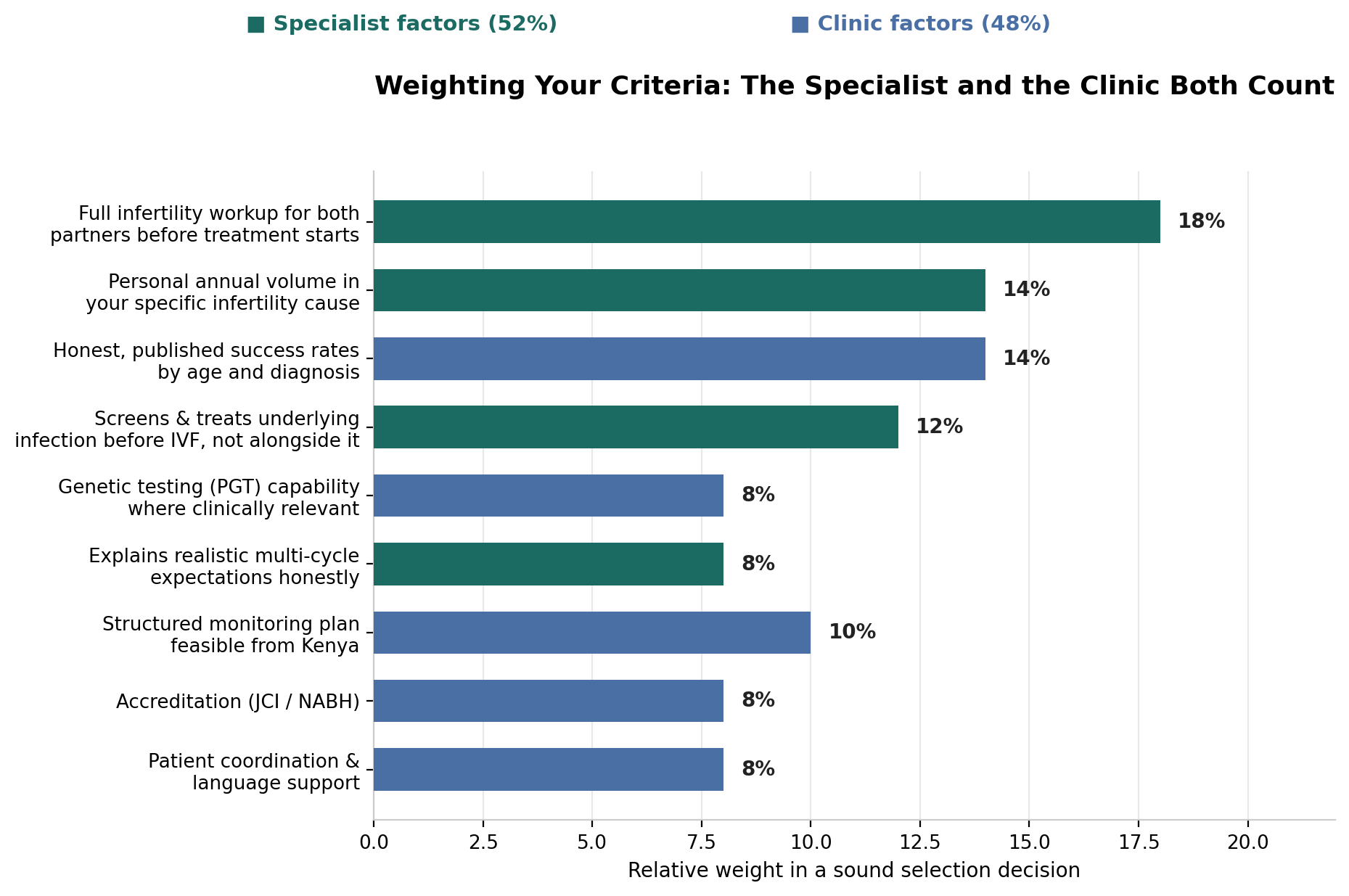
Ask how many cases matching your specific diagnosis, tubal factor, male factor, unexplained, the specialist personally treats each year.
3. Screens and treats underlying infection before IVF, not alongside it
If genital infection is identified, ask whether it will be treated and resolved before your IVF cycle begins, since active infection can affect outcomes and should generally be addressed first.
4. Explains realistic multi-cycle expectations honestly
Ask what your realistic chances of success are, honestly, and how many cycles patients with your specific profile typically need, rather than an optimistic single-cycle framing.
Part two: judging the clinic
For IVF, transparent success-rate reporting carries real weight alongside the specialist, reflected in the balance above, because outcomes vary enormously between clinics and age groups.
5. Honest, published success rates by age and diagnosis
Ask for the clinic's actual success rates broken down by age and diagnosis, not a single headline number that may not reflect a case like yours.
6. Genetic testing capability where clinically relevant
Ask whether pre-implantation genetic testing is available and appropriate for your situation, particularly relevant for recurrent pregnancy loss or advanced maternal age.
7. A structured monitoring plan feasible from Kenya
Ask what ongoing monitoring looks like during stimulation, and how results and next steps will be communicated if you need to coordinate with a doctor in Kenya between visits.
8. Accreditation, read properly
JCI and NABH accreditation are meaningful filters on safety and infection control, but say nothing about fertility sub-specialisation specifically. Use accreditation to exclude weak candidates, not to choose between the strong
ones.
9. The cost you will actually pay
Let me be emphatic about this, because 24 years of handling these cases has taught me nothing more consistently: disputes almost never concern the quoted price. They concern what the quote silently omitted. For IVF specifically, insist the estimate states whether medication, ICSI, and embryo freezing are included, and what a second cycle would cost if the first doesn't succeed.
Budget beyond the treatment. Direct Nairobi–Delhi and Nairobi–Mumbai flights run roughly 550 to 850 dollars return, and a complete cycle typically requires three to four weeks in India for stimulation, retrieval, and transfer, so plan accommodation accordingly.
Four signals that should make you pause
Certain patterns reliably precede a difficult outcome. A clinic that moves to treatment without a full workup for both partners. No mention of infection screening despite the regional prevalence of tubal factor infertility. Success rates quoted as one headline figure without breakdown by age or diagnosis. And a quote that doesn't specify what a repeat cycle would cost.
None alone proves a bad clinic. Together they warrant a second opinion before you commit to treatment.
The Kenya-specific practicalities
Send the full fertility history for both partners, prior test results, any previous treatment, not just a summary letter,
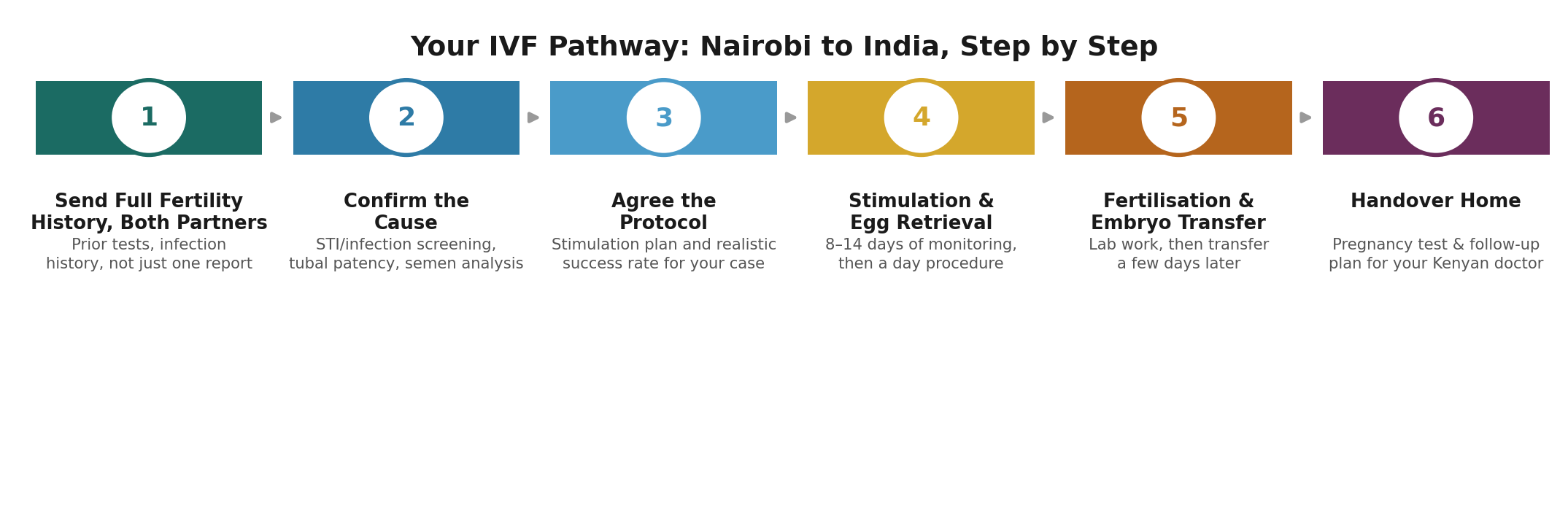
so the specialist can properly assess your specific cause before you arrive.
Direct Nairobi–Delhi and Nairobi–Mumbai flights make this roughly a six-hour journey. The Indian medical e-visa is issued within three to five working days against a hospital letter, and your partner can travel with you on a medical attendant visa.
Agree in advance on a written follow-up plan, including the pregnancy test timeline and who in Kenya will monitor early pregnancy once you are home.
The questions I would ask before paying a deposit
Of the specialist:
- Have both of us had a complete infertility workup, including infection screening?
- How many cases matching my specific diagnosis do you personally treat each year?
- If infection is found, will it be treated before my cycle begins?
- What are my realistic chances of success, and how many cycles might I need?
Of the clinic:
- What are your actual success rates broken down by age and diagnosis?
- Is genetic testing available if relevant to my situation?
- What does monitoring look like, and how would I coordinate with a doctor in Kenya?
- What exactly is excluded from the quoted price?
- May I speak to a previous East African patient treated for a similar cause?
A team that answers all nine without irritation is very likely the right team. One that turns vague at the first or third has told you what you needed to know at no cost at all.
Straight Answers for Kenyan Patients about IVF and Fertility Specialists in India
How do I choose the best fertility specialist in India as a Kenyan patient?
Insist on a full workup for both partners including infection screening before treatment begins, ask his annual volume in cases matching your specific diagnosis, and ask for honest success rates broken down by age and cause, not a single optimistic figure.
How much does IVF cost in India for a Kenyan patient?
Typically 1,800 to 5,500 US dollars per cycle, similar to Kenya's 2,700 to 5,800 dollars, but many patients need two to three cycles, and India's lower per-cycle cost compounds into real savings. The same treatment runs roughly 7,000 to 15,000 dollars per cycle in the UK and 18,000 to 25,000 in the US.
Why is tubal factor infertility so common in Kenya specifically?
Untreated genital infections, chiefly chlamydia and gonorrhoea, may cause up to 85% of infertility among African women seeking fertility care, compared to 33% worldwide, because these often-asymptomatic infections cause pelvic inflammatory disease that scars the fallopian tubes over time.
Does IVF actually solve tubal factor infertility?
Yes, directly. IVF fertilises the egg outside the body and places the embryo directly into the uterus, bypassing the fallopian tubes entirely, which is exactly the structure damaged by tubal factor infertility.
Should I be tested for infections before starting IVF?
Yes. Given how common untreated genital infection is as an underlying cause of infertility in Kenya, both partners should be screened, and any active infection should generally be treated before a cycle begins, since it can affect outcomes.
How many IVF cycles does it typically take to succeed?
It varies significantly by age and diagnosis, but many patients need more than one cycle. Ask your specialist for a realistic, diagnosis-specific estimate rather than assuming a single cycle will be sufficient, and factor multi-cycle costs into your planning from the start.
A closing word
For a Kenyan couple facing infertility, especially the tubal factor infertility that untreated genital infection causes so disproportionately here, IVF isn't simply an option among many, it is often the most direct route around the exact problem causing it. The best specialist is the one who insists on a complete workup for both partners and treats any underlying infection before your cycle begins. The best clinic pairs that honesty with transparent, diagnosis-specific success rates. If you would like me to look at your fertility history and talk through honestly what your options are, send them across.
Sources
- 🌐 Education, early screening and treatment of STIs could reduce infertility among women in Kenya
- 🌐 Sexually transmitted diseases and infertility. American Journal of Obstetrics & Gynecology. ajog.org/article/S0002-9378(16)3 0573-7
- 🌐 Chlamydia trachomatis infections in Kenya: sexually transmitted and ocular infections, a scoping review. Sage Journals, 2024
- 🌐 Understanding infertility: a specialist's guide for Nairobians
- 🌐 National Medical Commission of India — specialist registration verification
- 🌐 National Accreditation Board for Hospitals & Healthcare Providers (NABH) — accredited clinic directory
Frequently Asked Questions by Kenyans about IVF and Fertility Specialists in India
Why is a complete infertility workup important before IVF?
The guide recommends testing both partners before treatment to identify the actual cause of infertility and determine whether infections or other conditions need to be addressed first.
Why is tubal-factor infertility important for Kenyan patients?
The guide highlights tubal damage associated with untreated genital infections as a significant regional cause of female infertility. IVF can bypass blocked or damaged fallopian tubes.
Should both partners be tested?
Yes. The recommended workup includes hormonal and tubal assessment for the woman, semen analysis for the man and appropriate infection screening for both partners.
Should infections be treated before IVF?
The guide recommends that an identified active genital infection should generally be treated and resolved before the IVF cycle begins.
How should Kenyan patients choose an IVF specialist in India?
Ask how many cases matching your specific infertility diagnosis the specialist personally treats each year and request realistic success expectations for your age and diagnosis.
How should IVF success rates be compared?
Avoid a single headline percentage. Ask for actual success rates broken down by age and diagnosis, because outcomes can vary substantially between patient groups.
Is genetic testing available during IVF?
The guide recommends asking whether pre-implantation genetic testing is available and clinically appropriate, particularly in situations such as recurrent pregnancy loss or advanced maternal age.
How much does IVF cost in India for Kenyan patients?
The guide gives an indicative cost of US$1,800–5,500 per cycle. Medication, ICSI, embryo freezing and additional cycles should be checked separately.
How long should Kenyan patients plan to stay in India?
A complete IVF cycle typically requires approximately three to four weeks in India, covering stimulation, egg retrieval and embryo transfer.
How should follow-up be managed after returning to Kenya?
Agree on a written follow-up plan before leaving India, including the pregnancy-test timeline and which doctor in Kenya will monitor the early pregnancy.
Page Summary
This seven-page Kenya patient guide explains how couples can evaluate IVF and fertility specialists and clinics in India, with particular emphasis on identifying the underlying cause of infertility before treatment. It highlights tubal-factor infertility and infection screening, recommends a full workup for both partners, compares specialist and clinic selection criteria, and stresses diagnosis-specific success rates, genetic-testing capability, monitoring from Kenya and transparent multi-cycle costs. The page 4 chart compares IVF costs across India, Kenya, the UK and US, while the page 5 pathway shows the journey from fertility-history review and diagnosis through stimulation, egg retrieval, fertilisation, embryo transfer and follow-up in Kenya.
Citation Block
| Topic | Information |
|---|---|
| Topic | IVF & Fertility Treatment in India for Kenyan Patients |
| Treatment | IVF and Fertility Treatment |
| Patients | Kenyan Fertility Patients |
| Specialist | IVF / Fertility Specialist |
| Key Priority | Complete infertility workup for both partners |
| Main Cause Highlighted | Tubal factor infertility |
| Infection Check | Chlamydia and other genital infections |
| Specialist Check | Experience with the specific infertility cause |
| Success Rates | Compare by age and diagnosis |
| Genetic Testing | PGT where clinically relevant |
| Monitoring | Structured plan coordinated with Kenya |
| India Cost | Approximately US$1,800–5,500 per cycle |
| Kenya Cost | Approximately US$2,700–5,800 per cycle |
| UK Cost | Approximately US$7,000–15,000 per cycle |
| US Cost | Approximately US$18,000–25,000 per cycle |
| Quote Check | Medication, ICSI, embryo freezing and repeat-cycle costs |
| Pre-Travel Records | Fertility history, previous tests and treatments |
| Treatment Duration | Approximately 3–4 weeks in India |
| Follow-Up | Pregnancy testing and early pregnancy monitoring in Kenya |
| Warning Signs | No full workup, infection screening or diagnosis-specific success rates |
| Selection Weighting | 52% specialist factors and 48% clinic factors |
| Top Criterion | Full infertility workup before treatment – 18% |
| Patient Pathway | Fertility history → diagnosis → protocol → stimulation/retrieval → embryo transfer → Kenya follow-up |
| Decision Principle | Identify the cause of infertility before selecting treatment |


Our Mission Statement
Our mission is to place patients at the centre of every healthcare decision by providing trustworthy, evidence-based, and unbiased medical information. We believe that informed patients make better decisions. Backed by personalised guidance from our experienced advisory team, we help patients understand their treatment options, compare them objectively, and confidently choose the path that best suits their medical needs and personal circumstances.
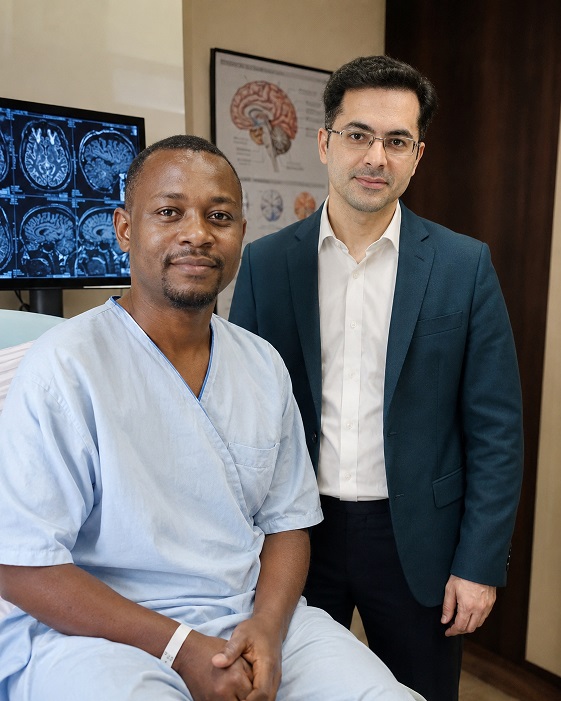
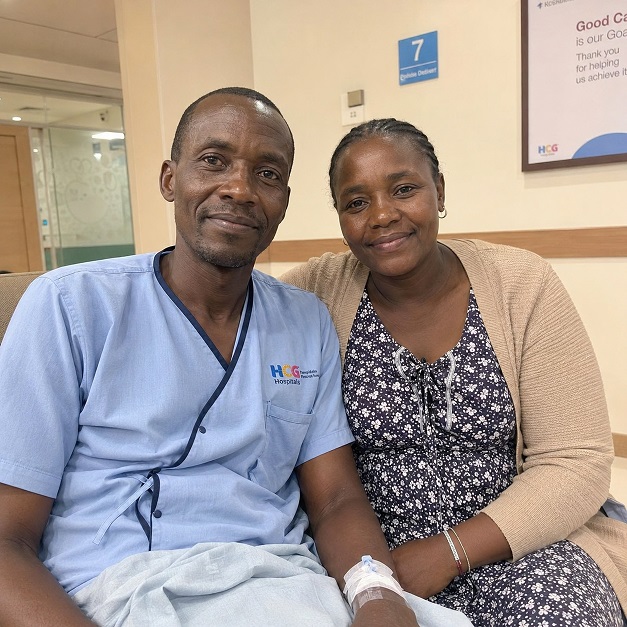
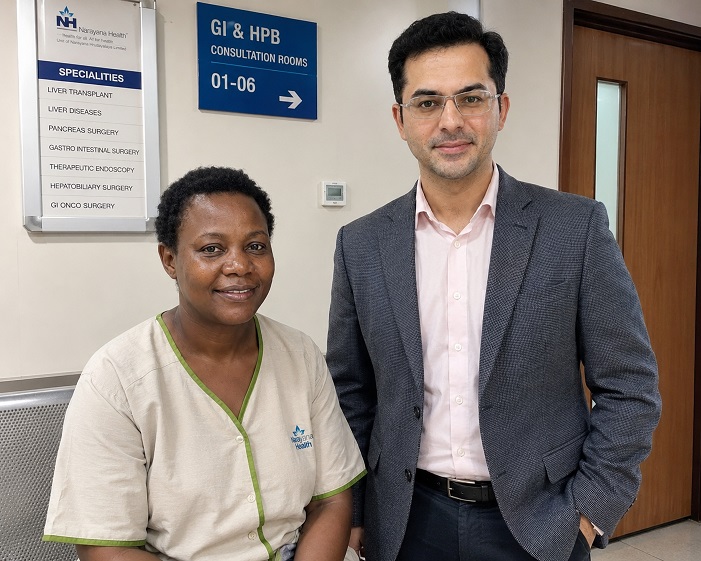
Patient Testimonials from Kenya


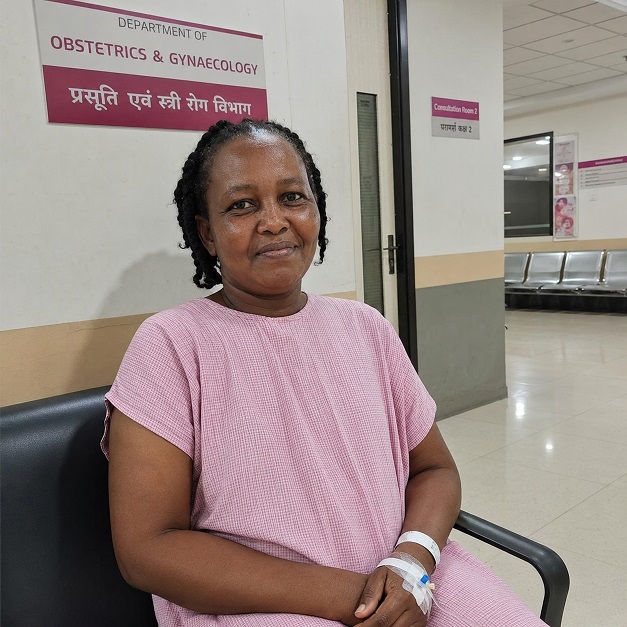
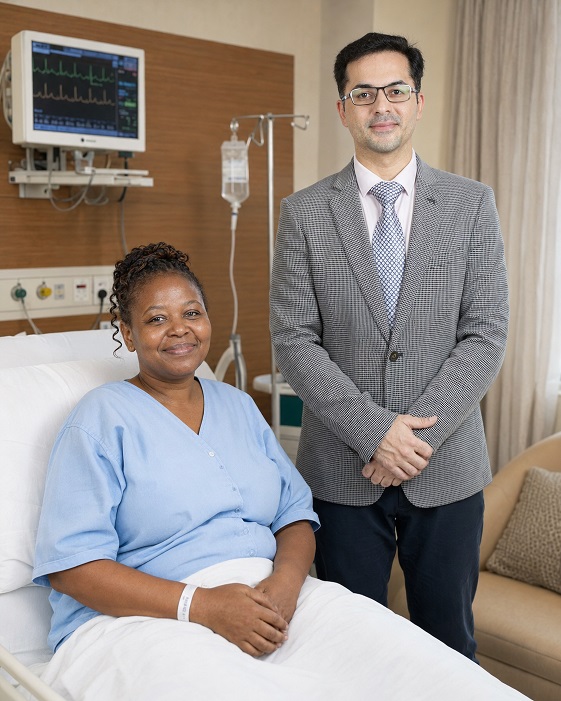
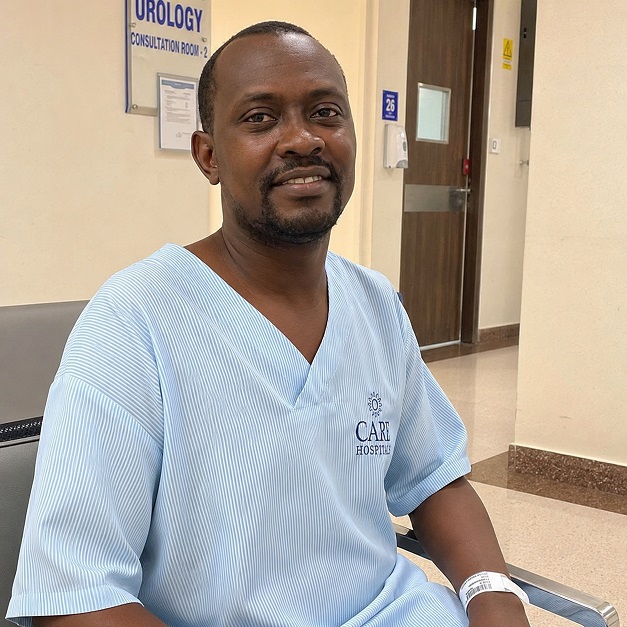
Ready to Take the First Step?
Share your Medical Reports with our Healthcare Managers Today and Get a FREE CONSULTATION, a Personalized Treatment Plan, and Complete Support from Arrival to Recovery.
Get Your Free ConsultationAreas We Serve
This resource has been thoughtfully prepared for patients from Kenya who are considering medical treatment in India. We also welcome patients from the wider region in the countries mentioned below-
We assist patients from:
- Ethiopia
- Somalia
- Tanzania
- Uganda
- Seychelles
- Guinea
- Guinea-Bissau
- Liberia
- Mali
- Mauritania
- Niger
- Nigeria
- Senegal
- Togo
- South Sudan
- Sierra Leone
Many of the insights, treatment pathways, hospital recommendations, travel guidance, and patient support services described here are equally relevant and may be used as a reference when planning treatment in India.
From Kenya to India: Your Complete Patient Support Guide
- Brain Tumour Surgery in India for Kenyan Patients
- Cancer Treatment and Surgery in India for Kenyan Patients
- Cardiac Treatment and Surgery in India for Kenyan Patients
- Heart Valve Replacement Surgery in India for Kenyan Patients
- Knee Replacement in India for Kenyan Patients
- Prostate Cancer Treatment and Surgery in India for Kenyan Patients
- Spine Treatment and Surgery in India for Kenyan Patients
- Selecting the Best Bariatric Surgeons and Hospitals in India: What Kenyan Patients Should Actually Look For
- Selecting the Best Cancer Surgeons and Hospitals in India: What Kenyan Patients Should Actually Look For
- Selecting the Best Cardiac Surgeons and Hospitals in India: What Kenyan Patients Should Actually Look For
- Selecting the Best Dental Surgeons and Clinics in India: What Kenyan Patients Should Actually Look For
- Selecting the Best Hip Surgeons and Hospitals in India: What Kenyan Patients Should Actually Look For
- Selecting the Best Kidney Transplant Surgeons and Hospitals in India: What Kenyan Patients Should Actually Look For
- Selecting the Best Knee Surgeons and Hospitals in India: What Kenyan Patients Should Actually Look For
- Selecting the Best Liver Transplant Surgeons and Hospitals in India: What Kenyan Patients Should Actually Look For
- Selecting the Best Neurosurgeons and Hospitals in India: What Kenyan Patients Should Actually Look For
- Selecting the Best Prostate Cancer Surgeons and Hospitals in India: What Kenyan Patients Should Actually Look For
- Selecting the Best Spine Surgeons and Hospitals in India: What Kenyan Patients Should Actually Look For