

Selecting the Best Heart Failure Surgeons and Hospitals in India: What Kenyan Patients Should Actually Look For
Heart failure here comes most often from years of uncontrolled blood pressure, in patients far younger than the textbooks describe — settle the cause before discussing any device.
Heart failure is a strange diagnosis to receive, because the heart hasn't stopped, it's simply stopped keeping up. Breathlessness on stairs that used to be easy, ankles that swell by evening, exhaustion that doesn't match how little you've done. Across 24 years of guiding international patients through Indian hospitals, the heart failure cases that go worst are the ones where the patient and family treat the diagnosis as a single event rather than what it actually is: a condition that responds dramatically to the right combination of medication, device, and sometimes surgery, but only if all three are actually pursued. This is the framework I use when a Kenyan patient is weighing heart failure treatment in India, from medication optimisation through device therapy to advanced surgical options. It follows the surgeon-then-hospital structure of this series, and opens with a fact specific to Kenya that should shape the entire conversation with any doctor treating you.
Healing Journeys of Kenyan Patients






Key Takeaways
- The guide explains that heart failure in Kenya has a different pattern from many Western countries. Hypertensive heart disease is identified as the leading cause, followed by ischemic heart disease and dilated cardiomyopathy, with rheumatic heart disease also contributing.
- The Kenya Heart Failure Registry cited in the guide recorded 7.4% in-hospital mortality and 14.7% six-month mortality. It also found that ARNI and SGLT-2 inhibitor use was largely absent from the treatment records reviewed, highlighting the importance of optimising medication before considering devices or surgery.
- Kenyan centres including Aga Khan University Hospital Nairobi, Kenyatta National Hospital and Moi Teaching and Referral Hospital manage medical heart failure and standard cardiac procedures. For advanced cases requiring LVAD implantation or heart transplant evaluation, India is presented as a major option because these services are not currently available domestically at meaningful scale.
- When selecting a surgeon, patients should focus on personal experience in advanced heart failure surgery, particularly LVAD implantation and transplant evaluation. The surgeon should also confirm that guideline-directed medical therapy has been fully optimised before recommending a device or surgical intervention.
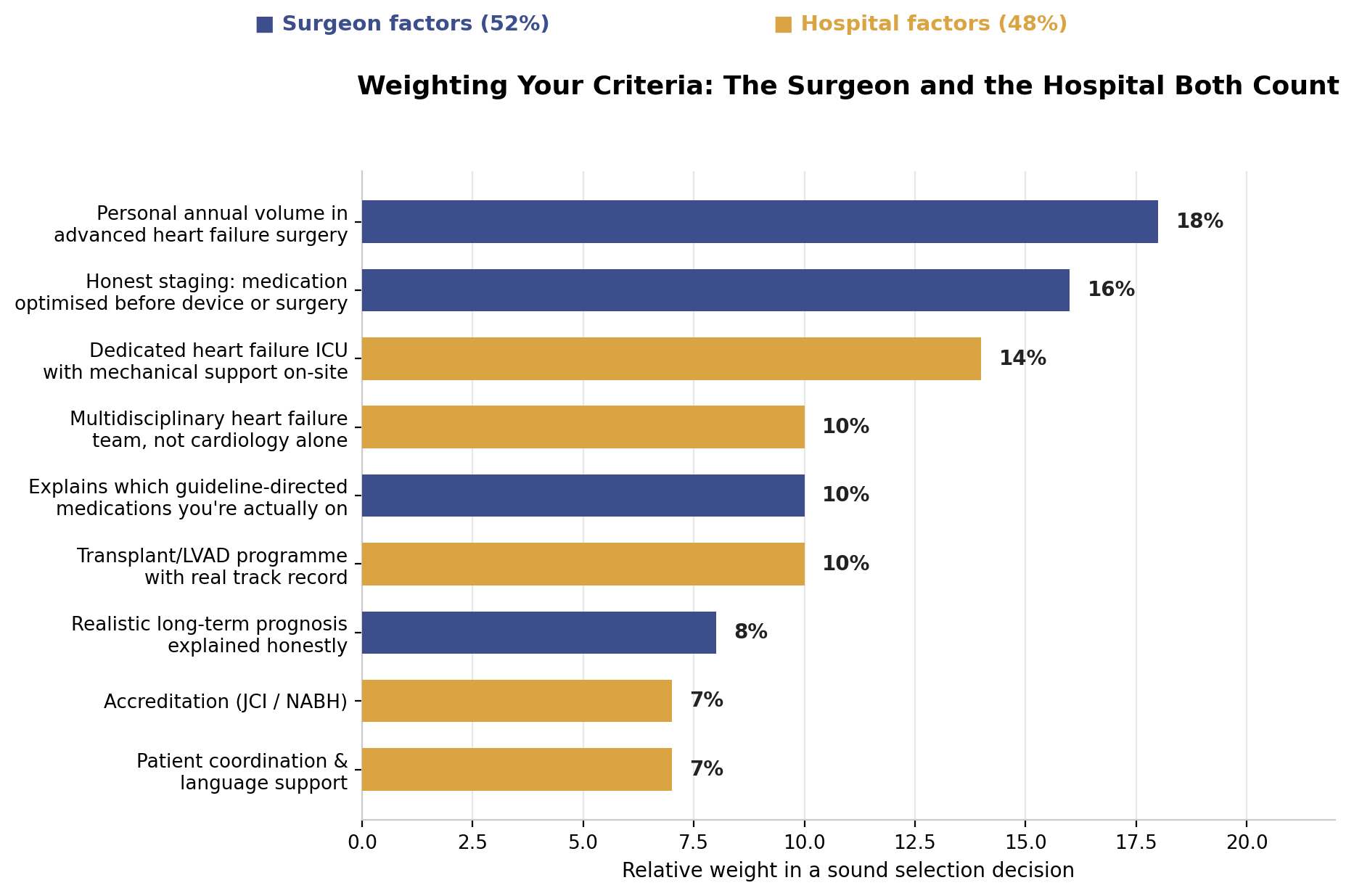
- Hospital selection should include a dedicated heart failure ICU with mechanical support, a multidisciplinary heart failure team and a genuine LVAD or transplant programme. The page 3 chart assigns 52% to surgeon factors and 48% to hospital factors, with advanced heart failure surgical volume receiving the highest individual weighting.
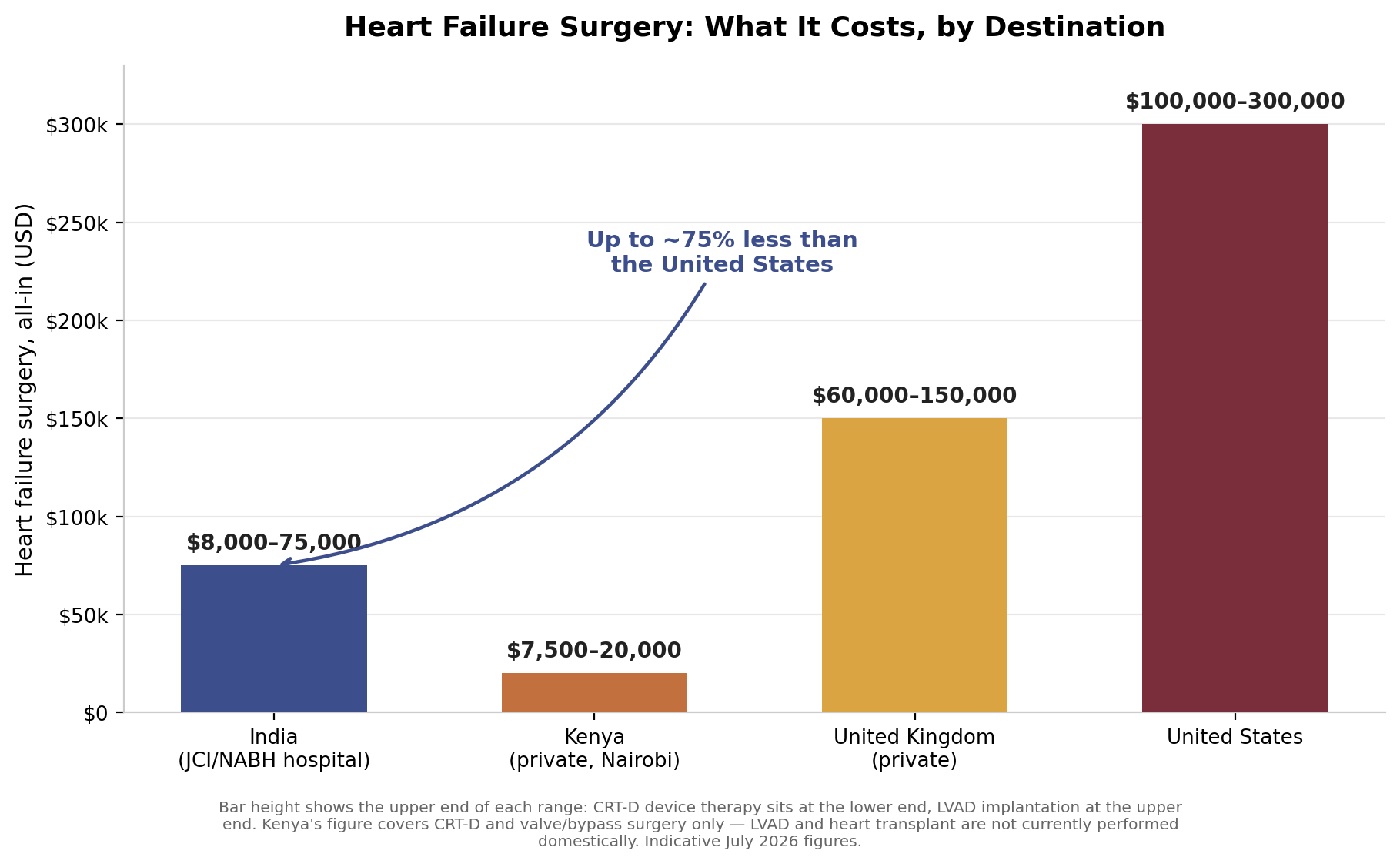
- The cost chart on page 5 gives an indicative range of US$8,000–75,000 in India, compared with US$7,500–20,000 for available procedures in Kenya, US$60,000–150,000 in the UK and US$100,000–300,000 in the US. The guide advises patients to clarify ICU days, device or donor-related costs and ongoing medication expenses.
- Before travelling, Kenyan patients should send their complete cardiac records, echocardiogram, ejection fraction and current medication list. The page 6 pathway covers assessment, therapy selection, treatment and ICU care, medication review and handover to a Kenyan cardiologist, emphasising that heart failure management continues lifelong after treatment in India.
Quick Facts
- Author
- Dr. Dheeraj Bojwani
- Experience
- 24+ Years of Experience
- Treatment
- Heart Failure Treatment & Advanced Cardiac Surgery
- Patients
- Kenyan Heart Failure Patients
- Key Specialist
- Advanced Heart Failure / Cardiac Surgeon
- Main Assessment
- Heart failure cause, severity, ejection fraction and current therapy
- Key Medication Classes
- ARNI, SGLT-2 inhibitor, beta-blocker and mineralocorticoid receptor antagonist
- Advanced Treatment
- LVAD implantation and heart transplant evaluation
- Key Selection Factor
- Personal annual volume in advanced heart failure surgery
- Hospital Requirement
- Dedicated heart failure ICU with mechanical support
- Multidisciplinary Care
- Heart failure specialists, transplant surgeons and rehabilitation staff
- India Treatment Cost
- Approximately US$8,000–75,000
- Kenya Treatment Cost
- Approximately US$7,500–20,000 for available procedures
- UK Treatment Cost
- Approximately US$60,000–150,000
- US Treatment Cost
- Approximately US$100,000–300,000
- Quality Check
- JCI/NABH accreditation
- Pre-Travel Records
- Cardiac records, echocardiogram, ejection fraction and medication list
- Travel Route
- Nairobi–Delhi or Nairobi–Mumbai
- Follow-Up
- Written medication and care plan with Kenyan cardiologist
- Key Warning Signs
- Surgery before medication optimisation, unclear LVAD/transplant experience or vague ICU and device costs
- Decision Principle
- Optimise medical therapy first and select advanced care according to the patient's actual stage and needs
In Brief
For Kenyan patients considering advanced heart failure treatment in India, the guide recommends confirming that guideline-directed medical therapy has been optimised before moving to device therapy or surgery. For patients requiring LVAD implantation or transplant evaluation, specialist experience, a dedicated heart failure ICU, multidisciplinary care and a proven programme are particularly important. The guide gives an indicative cost of US$8,000–75,000 in India, depending on the treatment required.
Before the surgeon: Kenya's heart failure looks different, and that matters
In the West, heart failure is overwhelmingly a disease of blocked arteries, the aftermath of heart attacks in older patients. Kenya's national multicentre heart failure registry tells a different story. Hypertensive heart disease, the heart's response to years of uncontrolled high blood pressure, is the leading cause, followed by ischemic heart disease and dilated cardiomyopathy, with rheumatic heart disease still a meaningful contributor. Kenyan heart failure patients are also, on average, younger than their Western counterparts.
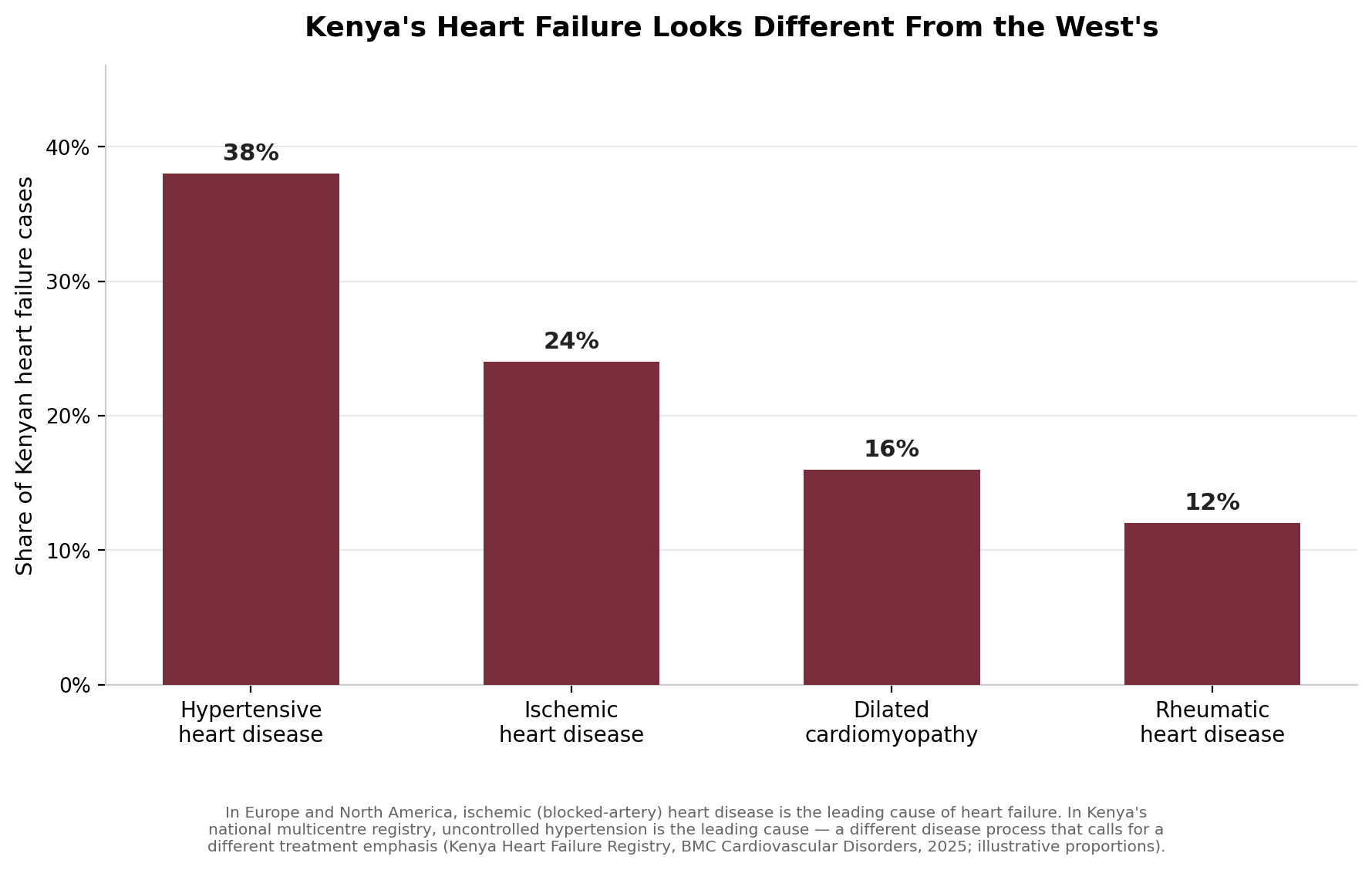
This matters practically because it changes what "treating heart failure well" should look like for you. It means blood pressure control is not a side issue but central to the disease itself. It also means the outcomes gap is real and measurable: the same registry recorded in-hospital mortality of 7.4% and six-month mortality of 14.7%, and, tellingly, found that angiotensin receptor-neprilysin inhibitors and SGLT-2 inhibitors, two medication classes proven to meaningfully reduce heart failure deaths worldwide, were largely absent from the treatment records reviewed.
The practical takeaway is to ask directly whether your current or proposed regimen includes these guideline- directed therapies, by name, before any conversation about devices or surgery begins. A device implanted into a patient whose medical therapy has not been optimised first is treating the wrong problem first.
Should you travel at all?
Kenya's cardiac centres, including Aga Khan University Hospital Nairobi, Kenyatta National Hospital and Moi Teaching and Referral Hospital, manage heart failure medically and perform standard cardiac surgery, valve repair, bypass, and CRT device implantation competently, and for a case responding to guideline-directed medication and standard device therapy, Kenya is a reasonable place to be treated.
For advanced heart failure, cases needing a left ventricular assist device or evaluation for heart transplant, India is not simply the better option, it is very often the only realistic one. LVAD implantation and heart transplantation are not currently performed domestically in Kenya at any meaningful scale, and India's leading heart failure programmes offer both, alongside the guideline-directed medical therapy that should precede them, at a fraction of UK or US cost.
On funding: Kenya's Social Health Authority funds overseas treatment only for 36 gazetted procedures unavailable domestically, capped at 500,000 shillings per patient per year, and adult LVAD implantation or heart transplantation is not currently among them. Budget to self-fund advanced heart failure surgery, and weigh that cost against the genuine reality that this level of care has no domestic alternative in Kenya today.
Part one: judging the surgeon
1. Personal annual volume in advanced heart failure surgery
I weight this above every other factor, and the chart below reflects that. Ask how many LVAD implantations or transplant evaluations the surgeon personally handles each year. This is a distinct subspecialty from general cardiac surgery.
2. Honest staging: medication optimised before device or surgery
Ask the surgeon to confirm, specifically, that guideline-directed medical therapy has been tried and optimised before recommending a device or surgery. If it hasn't, ask why not.
3. Explains which guideline-directed medications you're actually on
Ask by name whether ARNIs, SGLT-2 inhibitors, beta-blockers, and mineralocorticoid receptor antagonists are part of your regimen, and if not, why not. This combination is what most reliably reduces heart failure mortality.
4. Realistic long-term prognosis explained honestly
Ask what your realistic prognosis looks like with medical therapy alone versus with device or surgical intervention. A surgeon who gives you real numbers, not just reassurance, is treating you as a partner in the decision.
Part two: judging the hospital
For advanced heart failure care, hospital infrastructure carries slightly less weight than surgeon judgement, reflected in the balance above, but a genuine transplant and mechanical support programme cannot be improvised.
5. A dedicated heart failure ICU with mechanical support on-site
Ask whether the hospital has a dedicated heart failure ICU with ECMO or temporary mechanical support capability, not just a general cardiac ICU.
6. A multidisciplinary heart failure team, not cardiology alone
Ask whether your case is discussed by a team including heart failure specialists, transplant surgeons, and rehabilitation staff, not decided by a single cardiologist working alone.
7. A transplant or LVAD programme with a real track record
Ask for the programme's actual volume and outcomes in the specific therapy you need. A hospital that occasionally performs LVAD implantation is a different proposition from one with a dedicated, high-volume programme.
8. Accreditation, read properly
JCI and NABH accreditation are meaningful filters on safety and infection control, but say nothing about heart failure sub-specialisation specifically. Use accreditation to exclude weak candidates, not to choose between the strong ones.
9. The cost you will actually pay
Let me be emphatic about this, because 24 years of handling these cases has taught me nothing more consistently: disputes almost never concern the quoted price. They concern what the quote silently omitted. For heart failure surgery specifically, insist the estimate states how many ICU days are included, what device or donor-related costs are separate, and what ongoing medication costs to expect after discharge.
Budget beyond the surgery. Direct Nairobi–Delhi and Nairobi–Mumbai flights run roughly 550 to 850 dollars return, and advanced cases often require several weeks of in-country recovery and monitoring before flying is safe, so budget accommodation accordingly.
Four signals that should make you pause
Certain patterns reliably precede a difficult outcome. A surgeon who proposes a device or surgery without confirming medical therapy was optimised first. No mention of ARNIs or SGLT-2 inhibitors when discussing your regimen. A quote that doesn't distinguish device, surgery, and ICU costs clearly. And a hospital unable to describe its actual LVAD or transplant volume.
None alone proves a bad hospital. Together they warrant a second opinion before you commit to advanced heart failure treatment.
The Kenya-specific practicalities
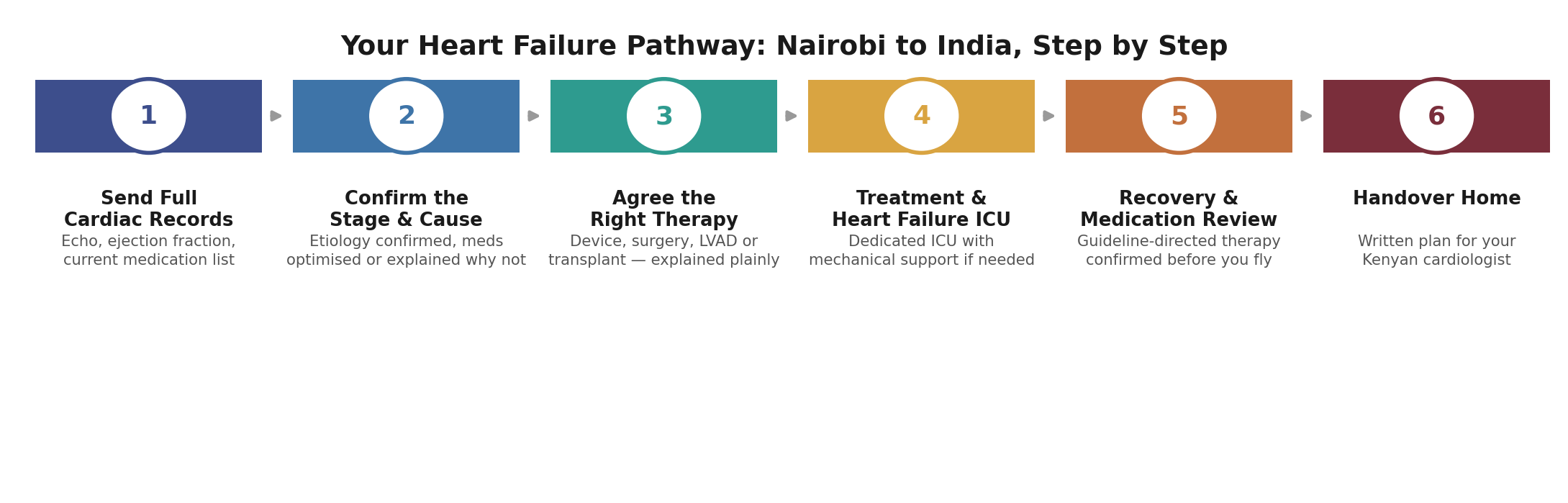
Send your full cardiac records, echocardiogram, ejection fraction, and complete current medication list, not just a summary letter, so the Indian team can assess exactly where your treatment currently stands.
Direct Nairobi–Delhi and Nairobi–Mumbai flights make this roughly a six-hour journey. The Indian medical e-visa is issued within three to five working days against a hospital letter, and up to two attendants can travel on a medical attendant visa.
Before you leave India, confirm in writing your full medication regimen and dosing, and identify a Kenyan cardiologist by name to continue your care, since heart failure management is lifelong, not a single visit.
The questions I would ask before paying a deposit
Of the surgeon:
- How many LVAD implantations or transplant evaluations do you personally handle each year?
- Has my medical therapy been fully optimised before recommending this device or surgery?
- Am I on an ARNI and an SGLT-2 inhibitor, and if not, why not?
- What is my realistic prognosis with and without this intervention?
Of the hospital:
- Do you have a dedicated heart failure ICU with mechanical support?
- Is my case discussed by a multidisciplinary heart failure team?
- What is your programme's actual volume in the therapy I need?
- What exactly is excluded from the quoted price?
- May I speak to a previous East African patient with a similar condition?
A team that answers all nine without irritation is very likely the right team. One that turns vague at the first or third has told you what you needed to know at no cost at all.
Straight Answers for Kenyan Patients about Heart Failure Surgeons and Hospitals in India
How do I choose the best surgeon in India for heart failure surgery as a Kenyan patient?
Ask his annual volume in advanced heart failure surgery specifically, whether your medical therapy has been optimised first, and whether ARNIs and SGLT-2 inhibitors are part of your regimen.
How much does heart failure surgery cost in India for a Kenyan patient?
Typically 8,000 to 75,000 US dollars all in, depending on whether the treatment is device therapy or LVAD implantation. The same care runs roughly 7,500 to 20,000 dollars in Kenya for available procedures, 60,000 to 150,000 in the UK, and 100,000 to 300,000 in the US.
Why is heart failure different in Kenya compared to Western countries?
Kenya's national heart failure registry found hypertensive heart disease, not blocked arteries, is the leading cause, and patients are typically younger. This means blood pressure control is central to treatment, and the same registry found key mortality-reducing medications were often missing from patients' regimens.
Will SHA fund my heart failure surgery in India?
Not currently for adult LVAD implantation or heart transplantation. These are not among SHA's 36 gazetted overseas-funded procedures, so budget to self-fund. This level of care also has no domestic alternative in Kenya today.
What is an LVAD, and who needs one?
A left ventricular assist device is a mechanical pump that helps a severely weakened heart circulate blood. It is used either as a bridge while awaiting a heart transplant or as long-term therapy for patients who aren't transplant candidates. It is not currently available domestically in Kenya.
What medications should I be on for heart failure?
Guideline-directed therapy typically includes a beta-blocker, an ARNI, a mineralocorticoid receptor antagonist, and an SGLT-2 inhibitor, in combination. Ask your doctor by name whether each is part of your regimen, since this combination is what most reliably improves survival.
A closing word
For advanced heart failure, India isn't simply more affordable for Kenyan patients, it is very often the only realistic path to LVAD implantation or transplant evaluation, paired with the guideline-directed medical therapy that gives any intervention its best chance of working. The best surgeon is the one whose advanced heart failure volume and insistence on optimised medical therapy first show he treats the whole disease, not just the device. The best hospital pairs him with a genuine heart failure ICU and a multidisciplinary team built for exactly this condition. If you would like me to look at your cardiac records and medication list and talk through honestly what your options are, send them across.
Sources
- 🌐 Heart failure in Kenya: epidemiology, management patterns, and outcomes from a national multicenter registry
- 🌐 Sex Differences in Clinical Characteristics, Treatment, and Outcomes of Cardiovascular Disease: Kenya Heart Registry Analysis
- 🌐 Multidimensional needs of patients living and dying with heart failure in Kenya: a serial interview study. PMC. pmc.ncbi.nlm.n
- 🌐 List of 36 Medical Services Covered by SHA for Treatment Outside Kenya. Tuko.co.ke, 2025
- 🌐 National Medical Commission of India — surgeon and specialist registration verification
- 🌐 National Accreditation Board for Hospitals & Healthcare Providers (NABH) — accredited hospital directory
Frequently Asked Questions by Kenyans about Heart Failure Surgeons and Hospitals in India
How should Kenyan patients choose a heart failure surgeon in India?
Ask about the surgeon's annual experience in advanced heart failure surgery, particularly LVAD implantation and transplant evaluation, rather than relying only on general cardiac surgery experience.
Does every Kenyan heart failure patient need treatment in India?
No. Patients responding to guideline-directed medication and standard device therapy may reasonably be treated in Kenya. India becomes particularly relevant for advanced cases requiring LVAD or transplant evaluation.
What medications should be reviewed before considering surgery?
The guide highlights ARNIs, SGLT-2 inhibitors, beta-blockers and mineralocorticoid receptor antagonists as important guideline-directed therapies. Patients should ask their doctor whether these are appropriate for their condition.
What is an LVAD?
A left ventricular assist device is a mechanical pump that helps a severely weakened heart circulate blood. It may be used as a bridge to transplantation or as longer-term support for selected patients.
Is heart transplantation available in Kenya?
The guide states that heart transplantation and LVAD implantation are not currently performed domestically in Kenya at meaningful scale, making India an important option for advanced cases.
What should a good heart failure hospital in India provide?
Patients should look for a dedicated heart failure ICU, mechanical-support capability, a multidisciplinary team and a transplant or LVAD programme with a genuine track record.
How much does advanced heart failure treatment cost in India?
The guide gives an indicative range of US$8,000–75,000, depending on the treatment. Patients should obtain a detailed quotation covering ICU, device or donor-related and medication costs.
Does SHA fund advanced heart failure treatment in India?
The guide states that adult LVAD implantation and heart transplantation are not currently among the 36 overseas procedures covered by SHA, so patients should plan for self-funding.
What records should Kenyan patients send before travelling?
Send the complete cardiac records, echocardiogram, ejection fraction and current medication list so the Indian team can understand the patient's treatment status before arrival.
How should follow-up be managed after treatment in India?
Before leaving India, patients should obtain a written medication and follow-up plan and identify a Kenyan cardiologist who can continue their care, because heart failure management is lifelong.
Page Summary
This guide explains how Kenyan patients can evaluate heart failure specialists and hospitals in India, focusing on medication optimisation, advanced heart failure surgery, LVAD and transplant programmes, dedicated ICU support, multidisciplinary care, costs and long-term follow-up. It highlights Kenya's heart failure patterns and treatment gaps, compares indicative costs between India, Kenya, the UK and US, and outlines the patient pathway from cardiac records and treatment assessment through advanced intervention, recovery and continued care with a Kenyan cardiologist.
Citation Block
| Topic | Information |
|---|---|
| Topic | Heart Failure Treatment & Surgery in India for Kenyan Patients |
| Treatment | Advanced Heart Failure Treatment and Surgery |
| Patients | Kenyan Heart Failure Patients |
| Specialist | Advanced Heart Failure / Cardiac Surgeon |
| Main Assessment | Cause, severity, ejection fraction and current therapy |
| Key Medication | ARNI, SGLT-2 inhibitor, beta-blocker and mineralocorticoid receptor antagonist |
| Advanced Treatment | LVAD implantation and heart transplant evaluation |
| Surgeon Check | Personal annual advanced heart failure surgery volume |
| Medical Optimisation | Confirm guideline-directed therapy before device or surgery |
| Hospital Requirement | Dedicated heart failure ICU with mechanical support |
| Multidisciplinary Team | Heart failure, transplant and rehabilitation specialists |
| Programme Check | Actual LVAD/transplant volume and outcomes |
| India Cost | Approximately US$8,000–75,000 |
| Kenya Cost | Approximately US$7,500–20,000 for available procedures |
| UK Cost | Approximately US$60,000–150,000 |
| US Cost | Approximately US$100,000–300,000 |
| Quote Check | ICU days, device/donor costs and medication expenses |
| Pre-Travel Records | Echocardiogram, ejection fraction and medication list |
| Follow-Up | Written plan with Kenyan cardiologist |
| Warning Signs | Unoptimised medication, unclear programme volume or vague pricing |
| Selection Weighting | 52% surgeon factors and 48% hospital factors |
| Key Statistic | 7.4% in-hospital and 14.7% six-month mortality cited |
| Patient Pathway | Records → assessment → therapy → treatment/ICU → medication review → Kenya follow-up |
| Decision Principle | Treat the whole heart failure condition, not only the device or surgery |


Our Mission Statement
Our mission is to place patients at the centre of every healthcare decision by providing trustworthy, evidence-based, and unbiased medical information. We believe that informed patients make better decisions. Backed by personalised guidance from our experienced advisory team, we help patients understand their treatment options, compare them objectively, and confidently choose the path that best suits their medical needs and personal circumstances.
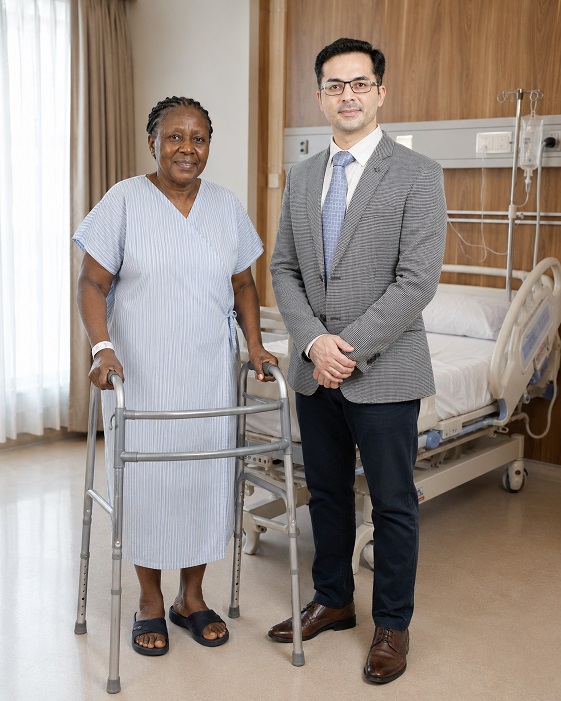
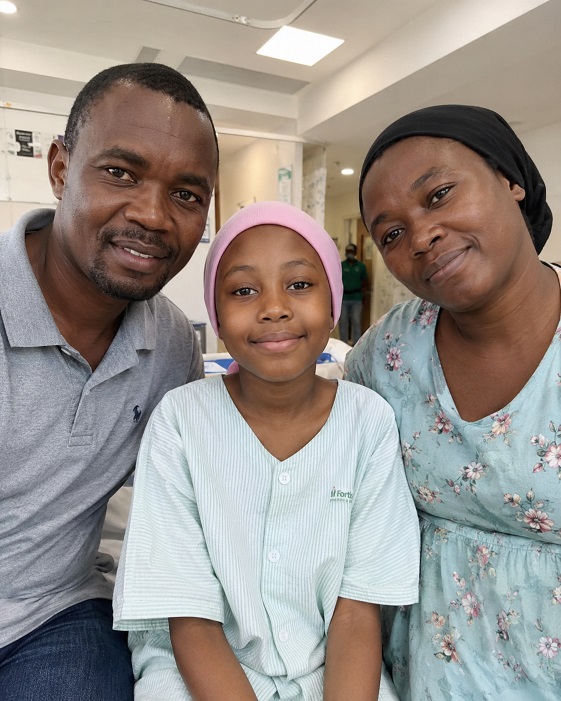
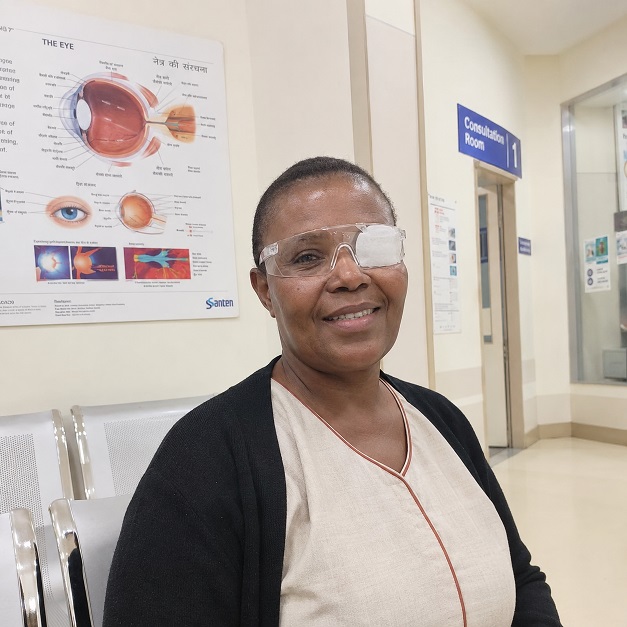
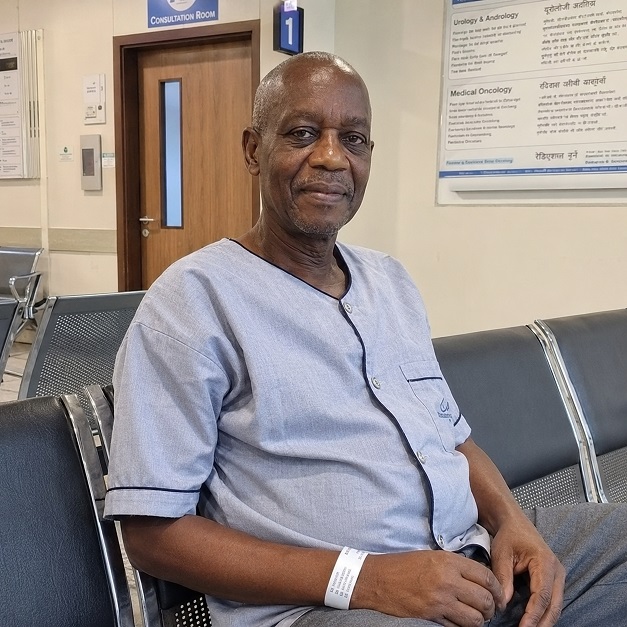
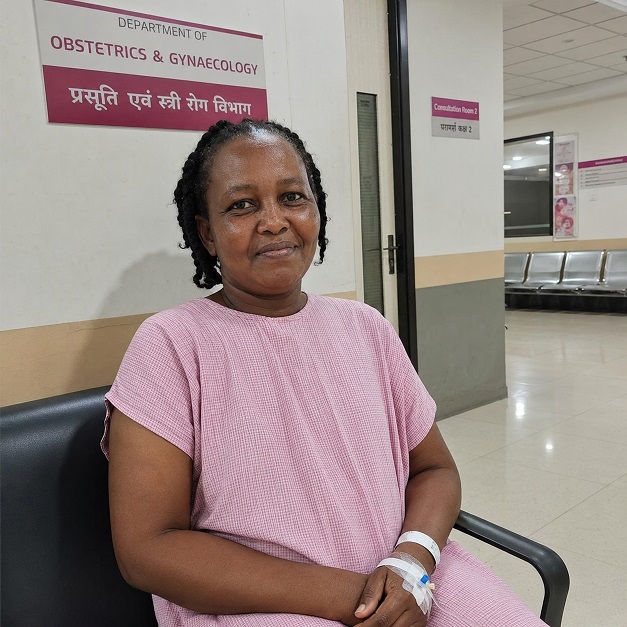
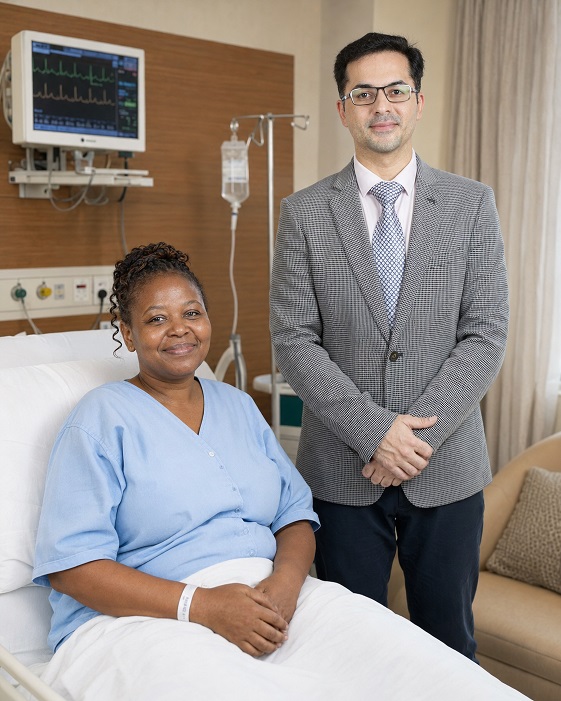
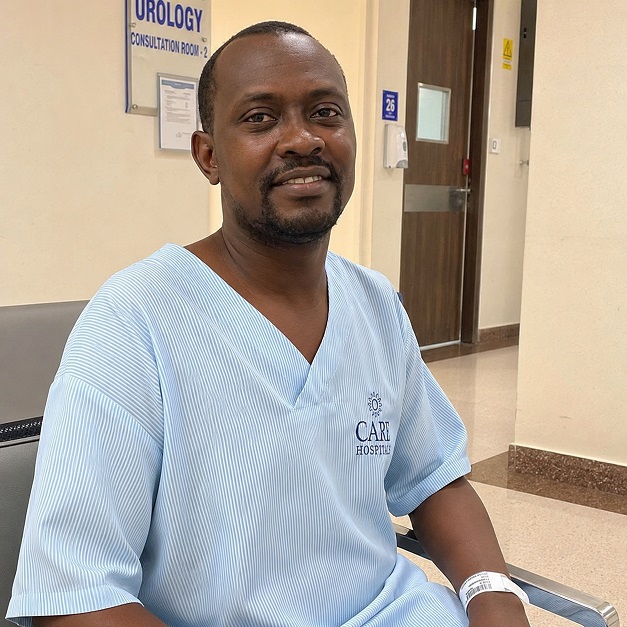
Patient Testimonials from Kenya


Ready to Take the First Step?
Share your Medical Reports with our Healthcare Managers Today and Get a FREE CONSULTATION, a Personalized Treatment Plan, and Complete Support from Arrival to Recovery.
Get Your Free ConsultationAreas We Serve
This resource has been thoughtfully prepared for patients from Kenya who are considering medical treatment in India. We also welcome patients from the wider region in the countries mentioned below-
We assist patients from:
- Ethiopia
- Somalia
- Tanzania
- Uganda
- Seychelles
- Guinea
- Guinea-Bissau
- Liberia
- Mali
- Mauritania
- Niger
- Nigeria
- Senegal
- Togo
- South Sudan
- Sierra Leone
Many of the insights, treatment pathways, hospital recommendations, travel guidance, and patient support services described here are equally relevant and may be used as a reference when planning treatment in India.
From Kenya to India: Your Complete Patient Support Guide
- Brain Tumour Surgery in India for Kenyan Patients
- Cancer Treatment and Surgery in India for Kenyan Patients
- Cardiac Treatment and Surgery in India for Kenyan Patients
- Heart Valve Replacement Surgery in India for Kenyan Patients
- Knee Replacement in India for Kenyan Patients
- Prostate Cancer Treatment and Surgery in India for Kenyan Patients
- Spine Treatment and Surgery in India for Kenyan Patients
- Selecting the Best Bariatric Surgeons and Hospitals in India: What Kenyan Patients Should Actually Look For
- Selecting the Best Cancer Surgeons and Hospitals in India: What Kenyan Patients Should Actually Look For
- Selecting the Best Cardiac Surgeons and Hospitals in India: What Kenyan Patients Should Actually Look For
- Selecting the Best Dental Surgeons and Clinics in India: What Kenyan Patients Should Actually Look For
- Selecting the Best Hip Surgeons and Hospitals in India: What Kenyan Patients Should Actually Look For
- Selecting the Best Kidney Transplant Surgeons and Hospitals in India: What Kenyan Patients Should Actually Look For
- Selecting the Best Knee Surgeons and Hospitals in India: What Kenyan Patients Should Actually Look For
- Selecting the Best Liver Transplant Surgeons and Hospitals in India: What Kenyan Patients Should Actually Look For
- Selecting the Best Neurosurgeons and Hospitals in India: What Kenyan Patients Should Actually Look For
- Selecting the Best Prostate Cancer Surgeons and Hospitals in India: What Kenyan Patients Should Actually Look For
- Selecting the Best Spine Surgeons and Hospitals in India: What Kenyan Patients Should Actually Look For