

Selecting the Best CyberKnife Centres and Specialists in India: What Kenyan Patients Should Actually Look For
Kenya has CyberKnife now — so the question is no longer whether the technology exists, but whether one machine can treat your tumour in time.
CyberKnife sounds more dramatic than it is. There is no blade, no incision, and for most patients, no hospital stay at all, just a robotic arm delivering pinpoint radiation to a tumour over one to five outpatient sessions. Across 24 years of guiding international patients through Indian hospitals, I have watched this technology genuinely change what is treatable, tumours near the spine, brain, liver, and lung that were once inoperable are now managed without surgery at all. But this is also the one report in this series where the honest starting point is different from every other topic: Kenya actually has a CyberKnife machine. This is the framework I use when a Kenyan patient is weighing CyberKnife treatment in India. It follows the surgeon-then-hospital structure of this series, and opens with a genuinely nuanced question this series doesn't usually get to ask: given that Kenya has this technology now, when does it still make sense to travel?
Healing Journeys of Kenyan Patients



Key Takeaways
- The guide explains that Kenya now has CyberKnife technology at Kenyatta University Teaching, Referral and Research Hospital (KUTRRH), which began treatment in September 2023 as the first CyberKnife centre in Sub-Saharan Africa. For straightforward cases with near-term availability, treatment in Kenya is presented as a reasonable option.
- KUTRRH operates with a single CyberKnife machine serving a population of about 55 million, as well as regional patients. The guide notes that 34 patients were already waiting when the centre opened, making capacity and realistic scheduling important considerations for patients who need timely treatment.
- India may be more appropriate for complex, recurrent or unusually located tumours, multiple lesions, or cases where Kenya cannot provide a timely treatment slot. Established Indian centres have operated CyberKnife programmes for much longer, with some radiosurgeons having personally treated several thousand cases.
- When selecting a specialist, the guide gives greatest importance to personal experience with the patient's specific tumour site. Brain, spine, lung and prostate cases require different expertise, and the radiosurgeon should explain why CyberKnife is preferable to conventional radiotherapy or surgery for the individual case.
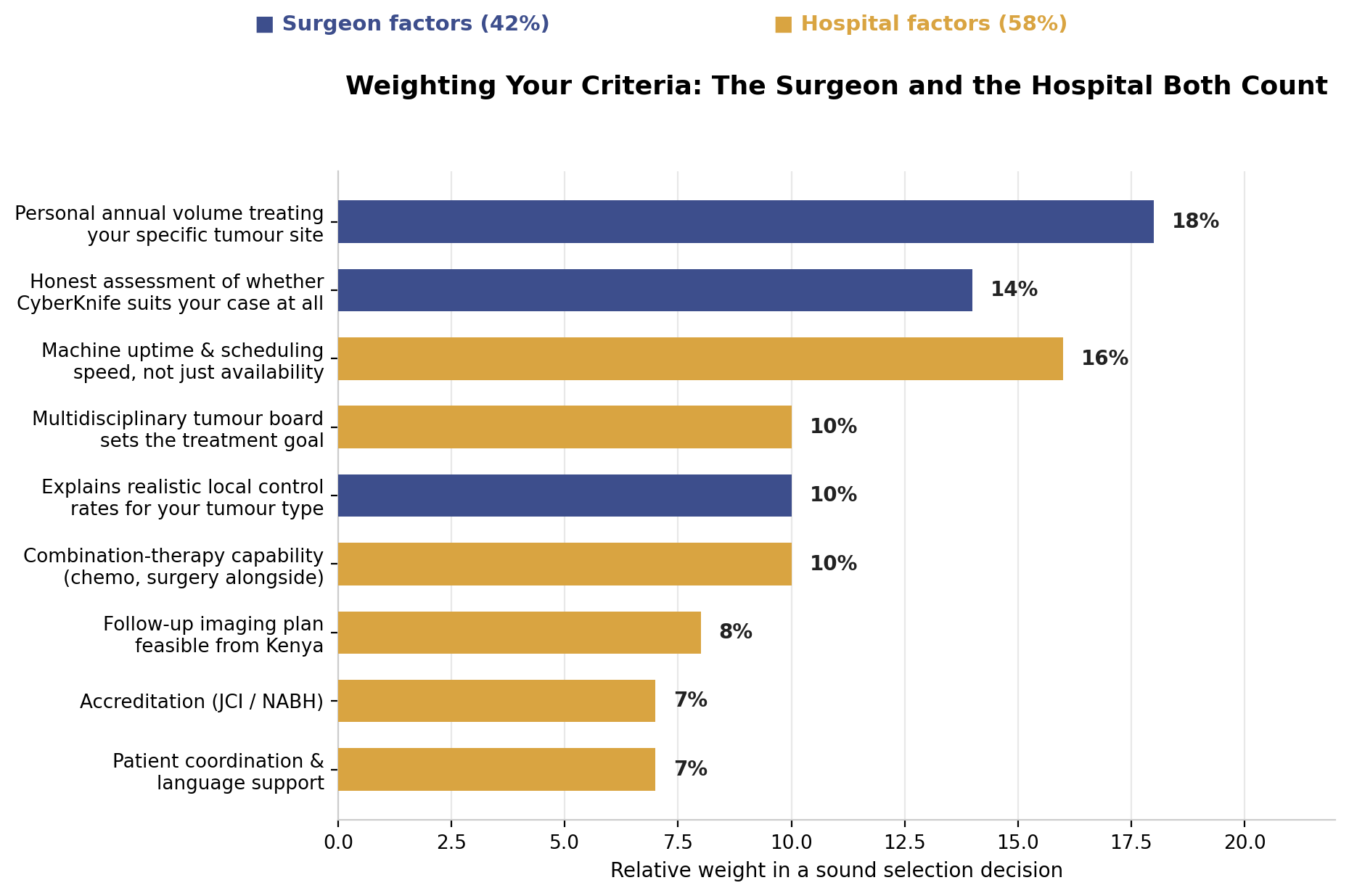
- Hospital selection focuses on machine uptime, scheduling speed, multidisciplinary tumour-board review, combination-treatment capability and follow-up imaging from Kenya. The page 3 chart gives 42% weighting to surgeon factors and 58% to hospital factors, with personal tumour-site experience receiving the highest individual weighting at 18%.
- The cost chart on page 5 gives an indicative range of US$3,600–10,000 in India, compared with approximately US$2,300–2,700 at KUTRRH under the subsidised Kenyan system, US$12,000–30,000 in the UK and US$35,000–90,000 in the US. Patients should confirm the number of sessions included and whether follow-up imaging is part of the package.
- Before travelling, Kenyan patients should send complete MRI or CT imaging and biopsy/pathology results, not just a summary letter. The treatment pathway shown on page 6 moves from full records and tumour-board review through treatment planning, one to five outpatient sessions, immediate recovery and a follow-up imaging plan for the Kenyan oncologist.
Quick Facts
- Author
- Dr. Dheeraj Bojwani
- Experience
- 24+ Years of Experience
- Treatment
- CyberKnife Radiosurgery
- Patients
- Kenyan Cancer Patients
- Key Specialist
- Radiosurgeon / Radiation Oncology Specialist
- Main Assessment
- Tumour type, location, size and treatment history
- Key Question
- Whether CyberKnife is appropriate for the individual case
- Treatment Sessions
- Typically 1–5 outpatient sessions
- Anaesthesia
- Not normally required
- Kenya CyberKnife Centre
- KUTRRH, Nairobi
- Kenya Availability
- One national CyberKnife machine
- India Treatment Cost
- Approximately US$3,600–10,000
- Kenya Treatment Cost
- Approximately US$2,300–2,700 at KUTRRH
- UK Treatment Cost
- Approximately US$12,000–30,000
- US Treatment Cost
- Approximately US$35,000–90,000
- Key Selection Factor
- Personal annual volume for the specific tumour site
- Hospital Requirement
- Multidisciplinary tumour-board review
- Machine Check
- Uptime and scheduling speed
- Combination Care
- Ability to coordinate chemotherapy or surgery when required
- Quality Check
- JCI/NABH accreditation
- Pre-Travel Records
- MRI/CT files and biopsy/pathology results
- Travel Route
- Nairobi–Delhi or Nairobi–Mumbai
- Follow-Up
- Written imaging schedule with Kenyan oncologist
- Key Warning Signs
- No tumour-board review, unclear session count or poor scheduling information
- Decision Principle
- Compare tumour expertise and capacity, not technology availability alone
In Brief
For Kenyan patients considering CyberKnife treatment in India, the key decision is whether the treatment is appropriate for the specific tumour and available within a clinically suitable timeframe. The guide recommends assessing tumour-site-specific radiosurgeon experience, multidisciplinary review, machine availability, combination-treatment capability and follow-up imaging. It gives an indicative cost of US$3,600–10,000 in India, while noting that straightforward cases with timely access to KUTRRH may reasonably be treated in Kenya.
Before the surgeon: one machine, a whole country, and what that actually means
In September 2023, Kenyatta University Teaching, Referral and Research Hospital became the first centre in Sub- Saharan Africa to offer CyberKnife treatment, a genuine milestone for the region. It is government-subsidised, covered for Kenyans under SHA, and by most accounts, well run. This deserves to be said plainly and without qualification, because this series should give credit where Kenya has made real progress.
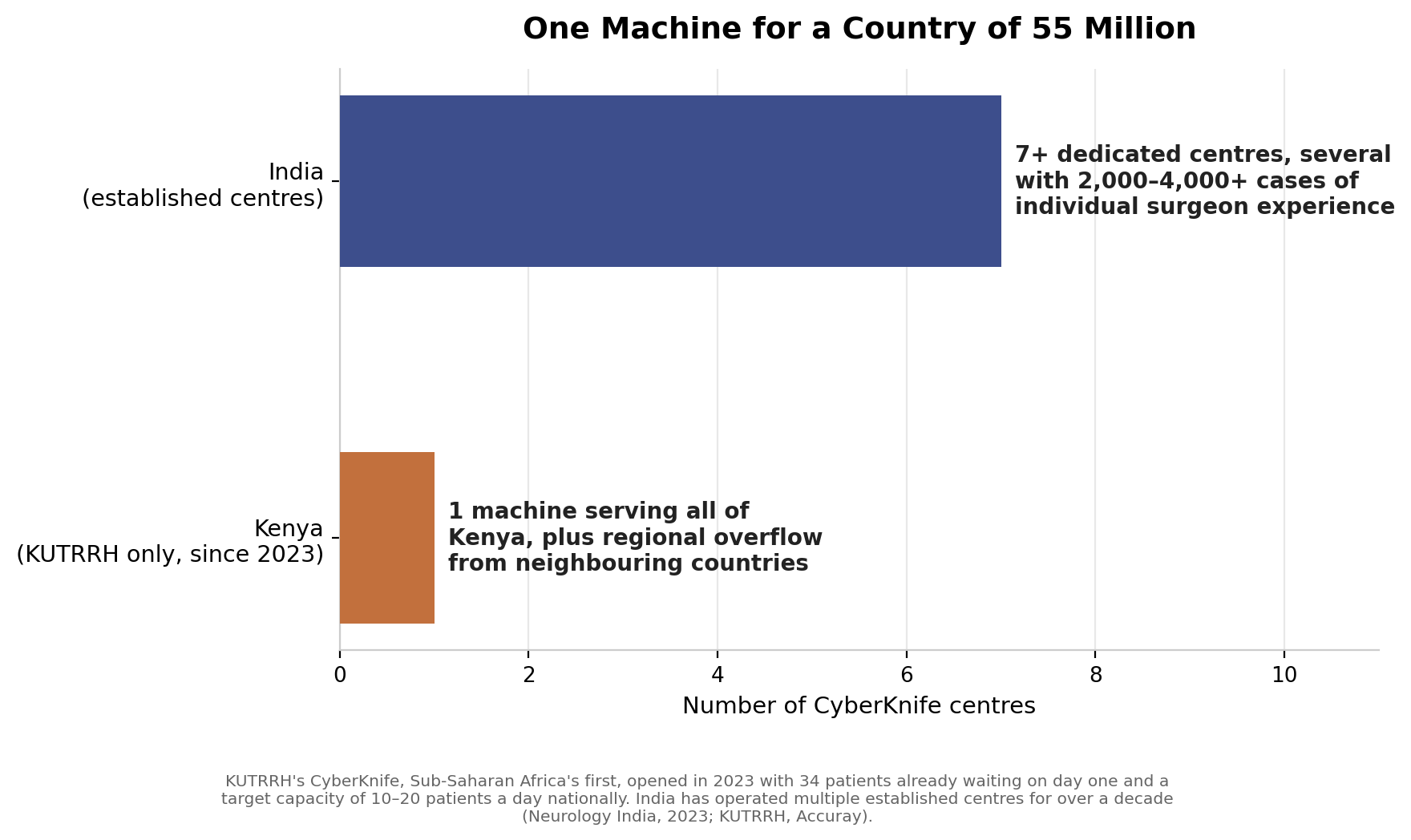
But a single machine, opened less than three years ago, serving not just Kenya's population of 55 million but overflow patients from neighbouring countries as well, has hard limits that have nothing to do with the skill of the people running it. On the day the centre opened, 34 patients were already on the waiting list, and the target capacity was set at 10 to 20 patients a day, nationally. India, by contrast, has operated multiple dedicated CyberKnife centres for well over a decade, some with individual radiosurgeons who have personally handled several thousand cases.
The practical takeaway is that this decision now genuinely turns on capacity and case complexity rather than whether the technology exists at all. Ask directly what the realistic wait time is at KUTRRH for your specific tumour type, and ask whether your case, if it is complex, recurrent, or in an unusual location, would be better served by a centre with deeper, longer-established experience in exactly that scenario.
Should you travel at all?
For a straightforward, single-lesion case, brain metastasis, early prostate cancer, a benign tumour in a standard location, where KUTRRH has near-term capacity, treatment in Kenya is genuinely worth pursuing first. It is subsidised, domestically accessible, and increasingly experienced.
For anything more complex, recurrent tumours after prior radiotherapy, multiple lesions, unusual anatomical locations, or simply a case that cannot get a timely slot at Kenya's single national machine, India is where I steer patients, confidently. The depth of case experience at India's established centres, several with individual surgeons who have personally performed thousands of CyberKnife procedures, is not something a three-year-old single- machine programme can yet match, however well it is run.
On funding: Kenya's Social Health Authority funds overseas treatment only for 36 gazetted procedures unavailable domestically, capped at 500,000 shillings per patient per year, and since CyberKnife itself is now available in Kenya, standard cases will not qualify under this overseas benefit. Separately, SHA's cancer care package caps combined treatment support at 400,000 shillings per family, which for a case needing chemotherapy, surgery, and radiotherapy together, costing 800,000 to 1.5 million shillings in total, still leaves a substantial gap most families cover out of pocket regardless of where treatment happens.
Part one: judging the surgeon
1. Personal annual volume treating your specific tumour site
I weight this above every other factor, and the chart below reflects that. Ask how many CyberKnife cases matching your specific tumour type and location the radiosurgeon has personally treated. Brain, spine, lung, and prostate cases each demand different expertise.
2. An honest assessment of whether CyberKnife suits your case at all
Ask directly why CyberKnife is being recommended over conventional radiotherapy or surgery for your specific tumour. Not every tumour is a good candidate, and a surgeon should explain the reasoning against your own imaging.
3. Explains realistic local control rates for your tumour type
Ask what success looks like specifically for your tumour type and stage, not a general success rate for CyberKnife overall. Outcomes vary considerably by tumour site and size.
Part two: judging the hospital
For CyberKnife specifically, machine availability and scheduling speed carry real weight alongside the surgeon, reflected in the balance above, because a technically excellent plan delayed by weeks can matter as much as the treatment itself.
4. Machine uptime and scheduling speed, not just availability
Ask how quickly treatment can begin once your case is confirmed, and how often the specific machine experiences downtime. A hospital with multiple machines has redundancy that a single-machine centre cannot offer.
5. A multidisciplinary tumour board sets the treatment goal
Ask whether your case is reviewed by a team including radiation oncology, medical oncology, and the relevant surgical specialty, not decided by one radiosurgeon alone.
6. Combination-therapy capability
Ask whether the hospital can coordinate chemotherapy or surgery alongside CyberKnife if your case needs combined treatment, rather than treating CyberKnife as an isolated procedure.
7. A follow-up imaging plan feasible from Kenya
Ask what the follow-up imaging schedule looks like, and how results will be shared with a Kenyan oncologist who can act on them locally.
8. Accreditation, read properly
JCI and NABH accreditation are meaningful filters on safety and infection control, but say nothing about radiosurgery sub-specialisation specifically. Use accreditation to exclude weak candidates, not to choose between the strong ones.
9. The cost you will actually pay
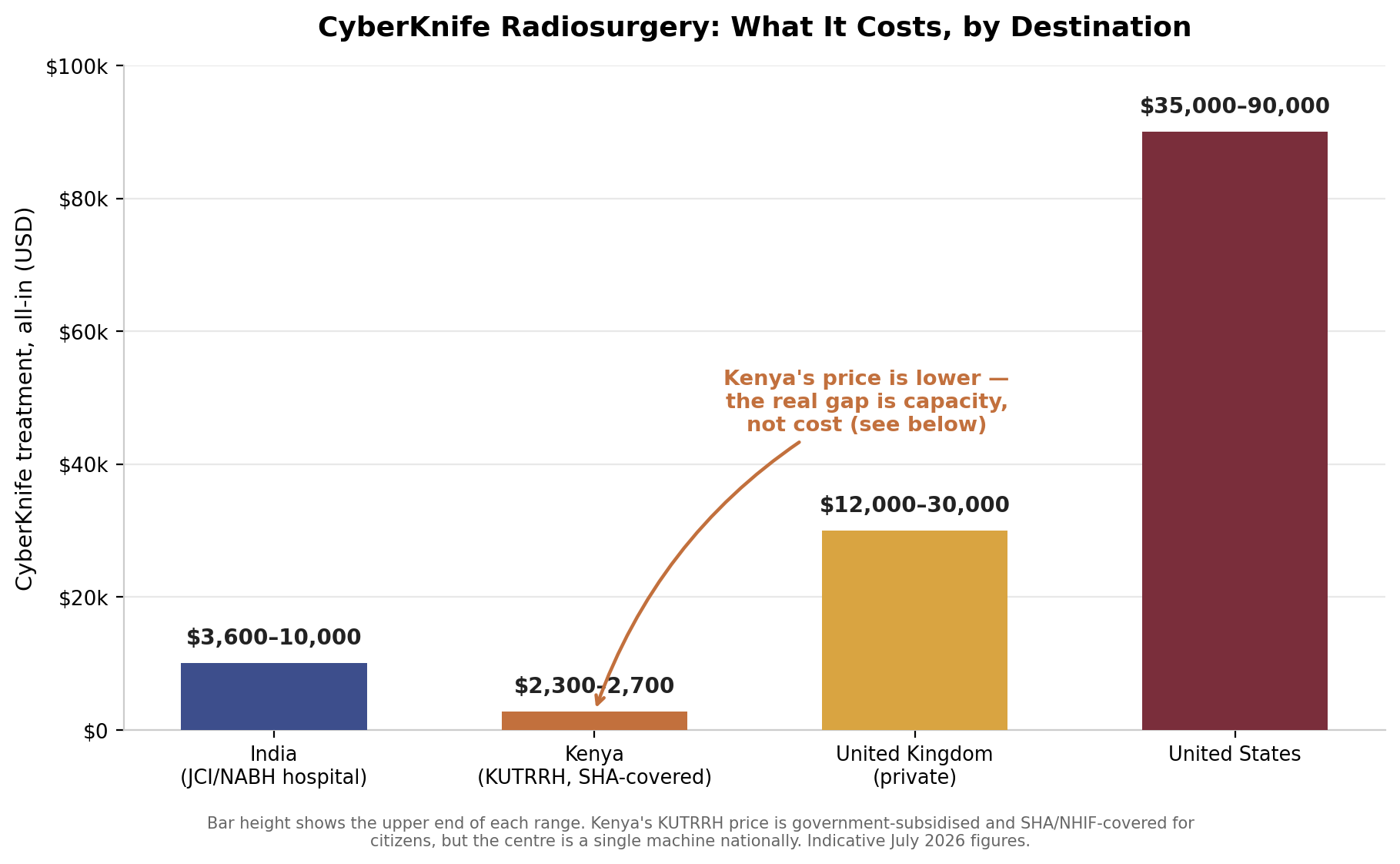
Let me be emphatic about this, because 24 years of handling these cases has taught me nothing more consistently: disputes almost never concern the quoted price. They concern what the quote silently omitted. For CyberKnife specifically, insist the estimate states how many sessions are included, what happens if additional sessions are needed, and whether follow-up imaging is part of the package.
Budget beyond the treatment. Direct Nairobi–Delhi and Nairobi–Mumbai flights run roughly 550 to 850 dollars return, and because CyberKnife itself requires no hospital stay, a stay of one to two weeks for planning and sessions keeps accommodation costs modest.
Four signals that should make you pause
Certain patterns reliably precede a difficult outcome. A radiosurgeon who cannot state personal volume in cases matching your tumour type. No tumour board review before committing to CyberKnife specifically. A quote that doesn't specify the number of sessions included. And a hospital unable to describe its actual machine uptime or scheduling speed.
None alone proves a bad hospital. Together they warrant a second opinion before you commit to treatment.
The Kenya-specific practicalities
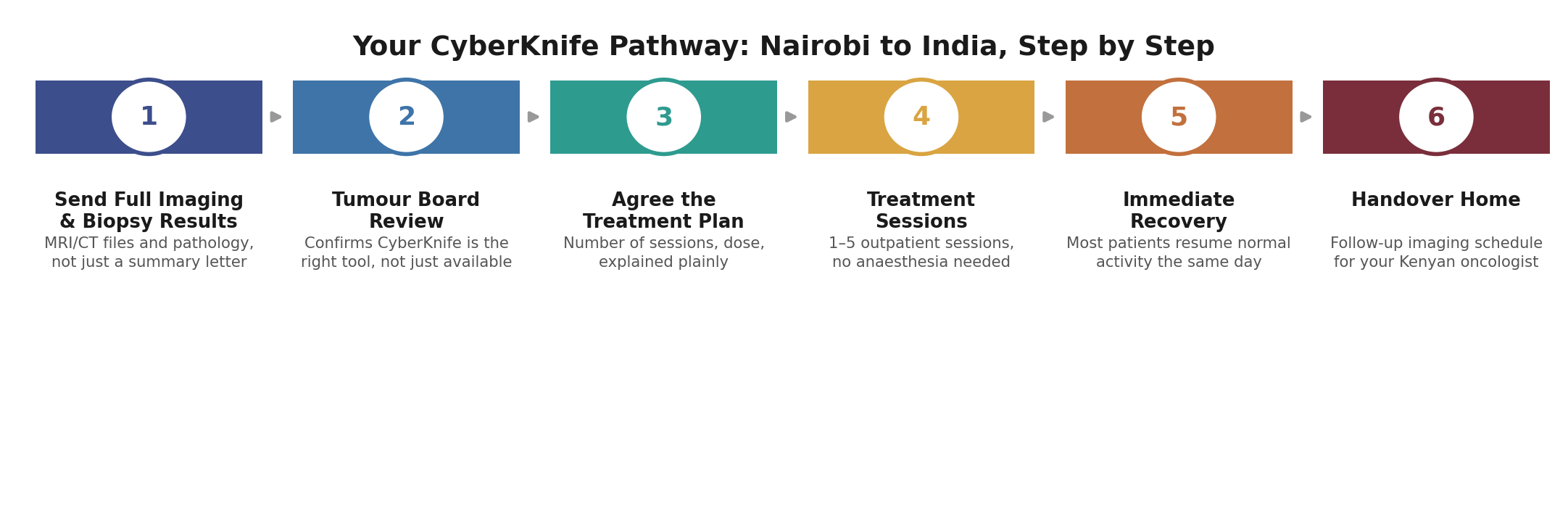
Send the full imaging, MRI or CT files, and any biopsy or pathology results, not just a summary letter, so the tumour board can assess your case properly before you arrive.
Direct Nairobi–Delhi and Nairobi–Mumbai flights make this roughly a six-hour journey. The Indian medical e-visa is issued within three to five working days against a hospital letter, and up to two attendants can travel on a medical attendant visa.
Agree in advance on a written follow-up imaging schedule your Kenyan oncologist can act on, since ongoing monitoring, not the treatment itself, is where most of the long-term relationship with your care happens.
The questions I would ask before paying a deposit
Of the surgeon:
- How many CyberKnife cases matching my tumour type have you personally treated?
- Why is CyberKnife the right choice for my case specifically, not conventional radiotherapy or surgery?
- What is the realistic local control rate for my specific tumour type and stage?
Of the hospital:
- How quickly can treatment begin once my case is confirmed?
- Is my case reviewed by a full multidisciplinary tumour board?
- Can you coordinate chemotherapy or surgery alongside this if needed?
- What exactly is excluded from the quoted price?
- May I speak to a previous East African patient treated for a similar tumour?
A team that answers all eight without irritation is very likely the right team. One that turns vague at the first or second has told you what you needed to know at no cost at all.
Straight Answers for Kenyan Patients about CyberKnife Centres and Specialists in India
Does Kenya have CyberKnife now?
Yes. KUTRRH in Nairobi has offered CyberKnife since September 2023, the first in Sub-Saharan Africa, subsidised and covered under SHA for Kenyans. For straightforward cases with near-term capacity, it's a reasonable first option.
So why would I still travel to India?
Capacity and case complexity. KUTRRH is a single machine serving Kenya and regional overflow patients, with real wait times, while India has multiple established centres with far deeper individual case experience, particularly for complex, recurrent, or unusually located tumours.
How much does CyberKnife cost in India for a Kenyan patient?
Typically 3,600 to 10,000 US dollars all in. At KUTRRH in Kenya, the subsidised price is roughly 2,300 to 2,700 dollars, though access depends on scheduling capacity. The same treatment runs 12,000 to 30,000 dollars in the UK and 35,000 to 90,000 in the US.
Will SHA fund CyberKnife treatment in India?
Not under the standard overseas benefit, since CyberKnife is now available domestically. SHA's separate cancer care package caps combined treatment support at 400,000 shillings per family, which often leaves a real gap for multi-modality cancer care regardless of where it happens.
What tumours can CyberKnife actually treat?
Brain, spine, lung, liver, pancreas, and prostate tumours, among others, particularly ones that are hard to reach surgically or have recurred after prior radiotherapy. Not every tumour is a good candidate; ask your radiosurgeon to explain why it's right for yours specifically.
Is CyberKnife painful, or does it require recovery time?
No. It's entirely non-invasive, requires no anaesthesia, and most patients resume normal activity the same day or within a day or two. Recovery time relates to how the tumour responds afterward, not the treatment itself.
A closing word
Kenya's CyberKnife programme at KUTRRH is a genuine achievement, and for a straightforward case with near- term capacity, it deserves serious consideration first. But for complex, recurrent, or urgent cases where a single national machine cannot offer a timely slot, India's established, high-volume centres remain the more confident choice, still at a fraction of UK or US cost. If you would like me to look at your imaging and reports and talk through honestly whether CyberKnife is right for you, and where, send them across.
Sources
- 🌐 KUTRRH Undertakes First CyberKnife Treatment in Sub-Saharan Africa. Capital News, 2023
- 🌐 Kenya acquires new Cyberknife device to aid cancer treatment. Daily Nation
- 🌐 History and Evolution of Radiosurgery in India: Strength to Strength. Neurology India, 2023
- 🌐 Bridging the gap in radiotherapy access in Kenya. The Lancet, 2025
- 🌐 National Medical Commission of India — surgeon and specialist registration verification
- 🌐 National Accreditation Board for Hospitals & Healthcare Providers (NABH) — accredited hospital directory
Frequently Asked Questions by Kenyans about CyberKnife Centres and Specialists in India
Does Kenya have CyberKnife treatment?
Yes. KUTRRH in Nairobi began offering CyberKnife in September 2023 and became the first centre in Sub-Saharan Africa to provide the technology.
Why would a Kenyan patient still consider India?
India may be more suitable when the case is complex, recurrent, unusually located or cannot receive a timely treatment slot in Kenya because KUTRRH currently has a single national machine.
What tumours can CyberKnife treat?
The guide mentions brain, spine, lung, liver, pancreas and prostate tumours, among others. Suitability depends on the individual tumour's characteristics.
Is CyberKnife suitable for every tumour?
No. The radiosurgeon should explain why CyberKnife is preferable to conventional radiotherapy or surgery based on the patient's imaging and tumour characteristics.
How should I choose a CyberKnife specialist in India?
Ask how many CyberKnife cases involving your specific tumour type and location the radiosurgeon has personally treated and ask for realistic local-control expectations.
How many CyberKnife sessions are usually required?
The guide describes treatment as typically one to five outpatient sessions, depending on the case and treatment plan.
Is CyberKnife painful or does it require hospitalisation?
CyberKnife is non-invasive and does not normally require anaesthesia. The guide states that most patients can resume normal activity the same day or within a day or two.
How much does CyberKnife cost in India for Kenyan patients?
The guide gives an indicative cost of approximately US$3,600–10,000 in India. The quotation should specify the number of sessions and whether follow-up imaging is included.
What should Kenyan patients send before travelling?
Send the complete MRI or CT files and any biopsy or pathology results, rather than only a summary letter, so the tumour board can properly assess the case before arrival.
Will SHA fund CyberKnife treatment in India?
The guide states that standard overseas treatment funding does not generally apply to CyberKnife because the treatment is now available domestically in Kenya.
Page Summary
This guide explains how Kenyan patients can assess CyberKnife treatment in India by focusing on tumour suitability, specialist experience, treatment capacity, machine uptime, multidisciplinary planning, costs and follow-up. It recognises KUTRRH's CyberKnife programme as an important Kenyan option for straightforward cases while explaining why established Indian centres may be preferable for complex, recurrent or urgent cases, and outlines the pathway from sharing imaging and pathology through tumour-board review, treatment sessions and follow-up with a Kenyan oncologist.
Citation Block
| Topic | Information |
|---|---|
| Topic | CyberKnife Radiosurgery in India for Kenyan Patients |
| Patients | Kenyan Cancer Patients |
| Specialist | Radiosurgeon / Radiation Oncology Specialist |
| Treatment | CyberKnife Radiosurgery |
| Main Assessment | Tumour type, location, size and previous treatment |
| Key Question | Whether CyberKnife is appropriate for the specific case |
| Surgeon Check | Personal experience with the specific tumour site |
| Tumour Expertise | Brain, spine, lung and prostate cases require different experience |
| Treatment Sessions | Typically 1–5 outpatient sessions |
| Anaesthesia | Not normally required |
| Kenya Centre | KUTRRH, Nairobi |
| Kenya Capacity | One CyberKnife machine nationally |
| India Capacity | Multiple established CyberKnife centres |
| Machine Check | Uptime and scheduling speed |
| Tumour Board | Radiation, medical and relevant surgical specialists |
| Combination Treatment | Ability to coordinate chemotherapy or surgery |
| Follow-Up | Imaging schedule feasible from Kenya |
| Accreditation | JCI/NABH |
| India Cost | Approximately US$3,600–10,000 |
| Kenya Cost | Approximately US$2,300–2,700 at KUTRRH |
| UK Cost | Approximately US$12,000–30,000 |
| US Cost | Approximately US$35,000–90,000 |
| Quote Check | Number of sessions and follow-up imaging |
| Pre-Travel Records | MRI/CT files and biopsy/pathology results |
| Travel Route | Nairobi–Delhi or Nairobi–Mumbai |
| Follow-Up Location | Kenya with the treating oncologist |
| Warning Signs | No tumour-board review, unclear session count or uncertain machine availability |
| Selection Weighting | 42% surgeon factors and 58% hospital factors |
| Top Criterion | Personal annual volume for the specific tumour site – 18% |
| Kenya Funding | Standard overseas SHA benefit generally does not apply because CyberKnife is available domestically |
| Patient Pathway | Imaging/pathology → tumour board → treatment plan → CyberKnife sessions → recovery → Kenya follow-up |
| Decision Principle | Consider capacity and case complexity, not simply whether CyberKnife exists |


Our Mission Statement
Our mission is to place patients at the centre of every healthcare decision by providing trustworthy, evidence-based, and unbiased medical information. We believe that informed patients make better decisions. Backed by personalised guidance from our experienced advisory team, we help patients understand their treatment options, compare them objectively, and confidently choose the path that best suits their medical needs and personal circumstances.
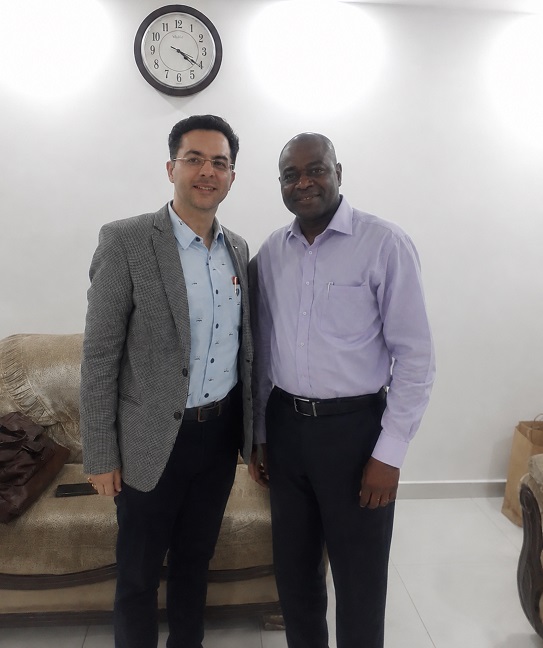
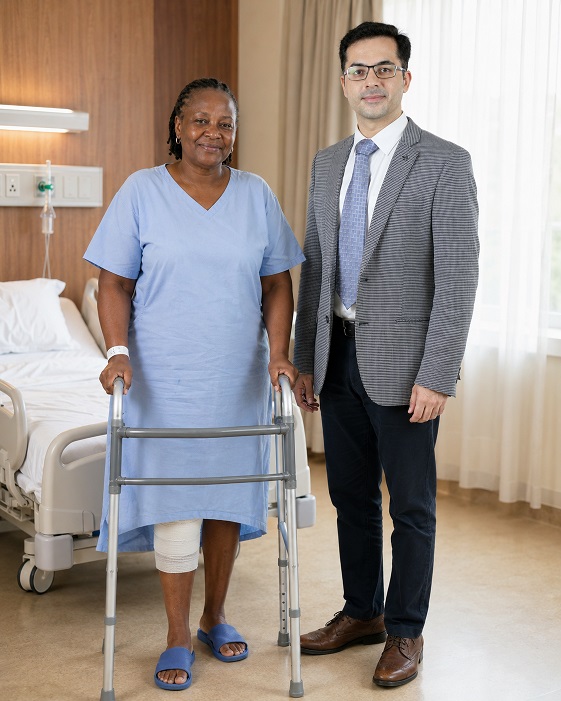
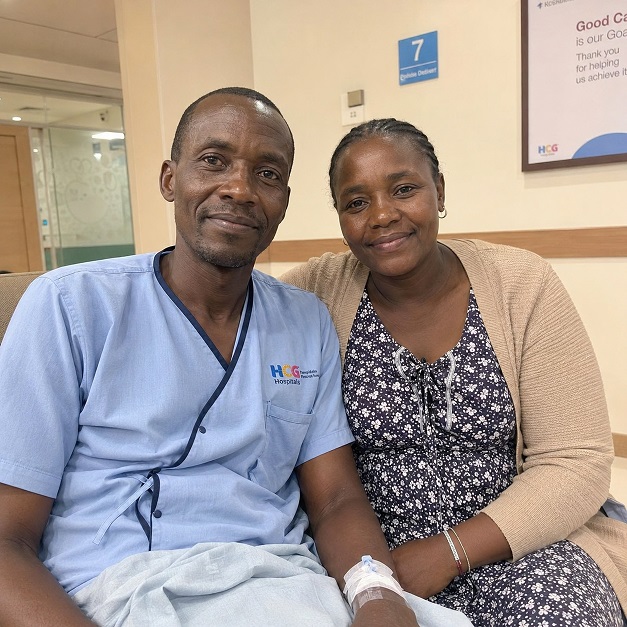
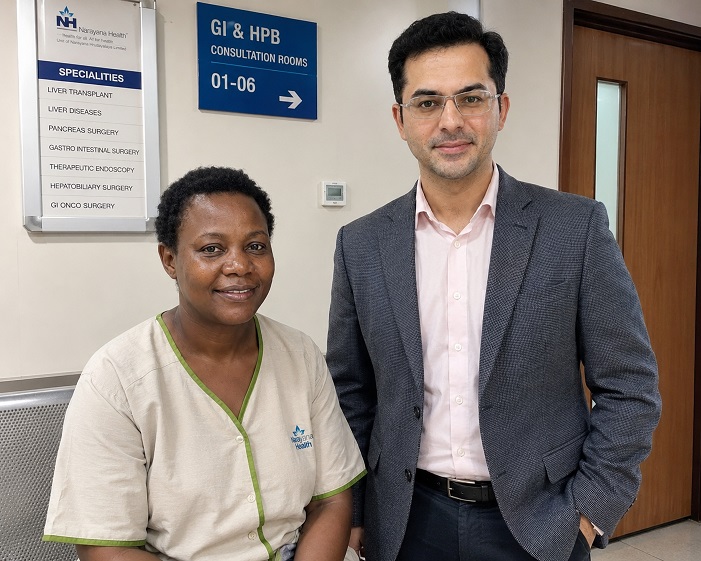
Patient Testimonials from Kenya
Ready to Take the First Step?
Share your Medical Reports with our Healthcare Managers Today and Get a FREE CONSULTATION, a Personalized Treatment Plan, and Complete Support from Arrival to Recovery.
Get Your Free ConsultationAreas We Serve
This resource has been thoughtfully prepared for patients from Kenya who are considering medical treatment in India. We also welcome patients from the wider region in the countries mentioned below-
We assist patients from:
- Ethiopia
- Somalia
- Tanzania
- Uganda
- Seychelles
- Guinea
- Guinea-Bissau
- Liberia
- Mali
- Mauritania
- Niger
- Nigeria
- Senegal
- Togo
- South Sudan
- Sierra Leone
Many of the insights, treatment pathways, hospital recommendations, travel guidance, and patient support services described here are equally relevant and may be used as a reference when planning treatment in India.
From Kenya to India: Your Complete Patient Support Guide
- Brain Tumour Surgery in India for Kenyan Patients
- Cancer Treatment and Surgery in India for Kenyan Patients
- Cardiac Treatment and Surgery in India for Kenyan Patients
- Heart Valve Replacement Surgery in India for Kenyan Patients
- Knee Replacement in India for Kenyan Patients
- Prostate Cancer Treatment and Surgery in India for Kenyan Patients
- Spine Treatment and Surgery in India for Kenyan Patients
- Selecting the Best Bariatric Surgeons and Hospitals in India: What Kenyan Patients Should Actually Look For
- Selecting the Best Cancer Surgeons and Hospitals in India: What Kenyan Patients Should Actually Look For
- Selecting the Best Cardiac Surgeons and Hospitals in India: What Kenyan Patients Should Actually Look For
- Selecting the Best Dental Surgeons and Clinics in India: What Kenyan Patients Should Actually Look For
- Selecting the Best Hip Surgeons and Hospitals in India: What Kenyan Patients Should Actually Look For
- Selecting the Best Kidney Transplant Surgeons and Hospitals in India: What Kenyan Patients Should Actually Look For
- Selecting the Best Knee Surgeons and Hospitals in India: What Kenyan Patients Should Actually Look For
- Selecting the Best Liver Transplant Surgeons and Hospitals in India: What Kenyan Patients Should Actually Look For
- Selecting the Best Neurosurgeons and Hospitals in India: What Kenyan Patients Should Actually Look For
- Selecting the Best Prostate Cancer Surgeons and Hospitals in India: What Kenyan Patients Should Actually Look For
- Selecting the Best Spine Surgeons and Hospitals in India: What Kenyan Patients Should Actually Look For