

Selecting the Best Cornea Transplant Surgeons and Hospitals in India: What Kenyan Patients Should Actually Look For
Corneal blindness is one of the few kinds of blindness that can be reversed — what stands in the way is donor tissue, not surgical skill.
Corneal blindness is unusual among causes of vision loss because it is, in principle, entirely reversible. Unlike glaucoma or advanced diabetic retinopathy, a scarred or diseased cornea can be replaced with healthy donor tissue and restore sight, often dramatically. Across 24 years of guiding international patients through Indian hospitals, corneal transplant is one of the most gratifying procedures in this series precisely because of that reversibility. But for a Kenyan patient, the path to that reversal runs into an obstacle that has little to do with surgical skill. This is the framework I use when a Kenyan patient is weighing corneal transplant or advanced eye surgery in India. It follows the surgeon-then-hospital structure of this series, and opens with a shortage this series hasn't encountered in quite this form before, one rooted in culture as much as infrastructure.
Healing Journeys of Kenyan Patients


Key Takeaways
- Kenya faces a significant shortage of donor corneal tissue. The guide states that the national eye bank estimates 30,000 corneas are needed nationwide, while donation remains limited partly because of cultural beliefs surrounding the body after death.
- The global shortage is also substantial, with approximately one donor cornea available for every 70 people who need one. For Kenyan patients, the guide recommends obtaining a realistic domestic waiting-time estimate rather than waiting indefinitely when vision continues to deteriorate.
- India may be particularly useful for urgent, complex or repeat corneal transplants and for patients facing long or uncertain waiting periods in Kenya. The guide highlights India's donor-tissue infrastructure and availability of techniques such as DALK, DSEK and DMEK.
- When selecting a surgeon, patients should focus on personal annual experience with their specific transplant technique. They should also ask why penetrating keratoplasty, DALK, DSEK or DMEK is appropriate and discuss realistic rejection risk and long-term graft survival.
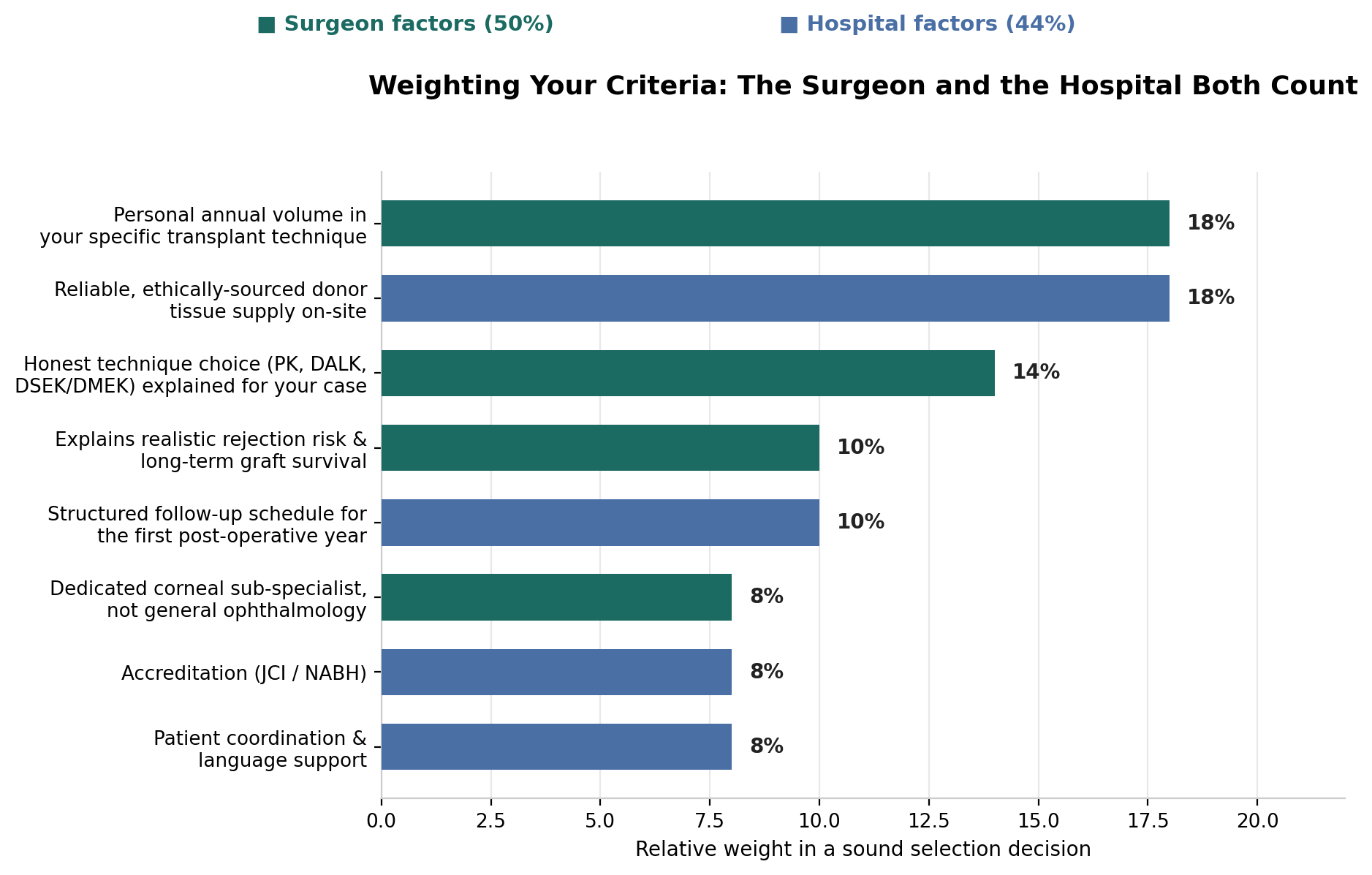
- Hospital selection should focus on a reliable, ethically sourced donor-tissue supply, structured first-year follow-up and appropriate safety standards. The page 3 chart gives 50% weighting to surgeon factors and 44% to hospital factors, with donor-tissue reliability receiving 18%.
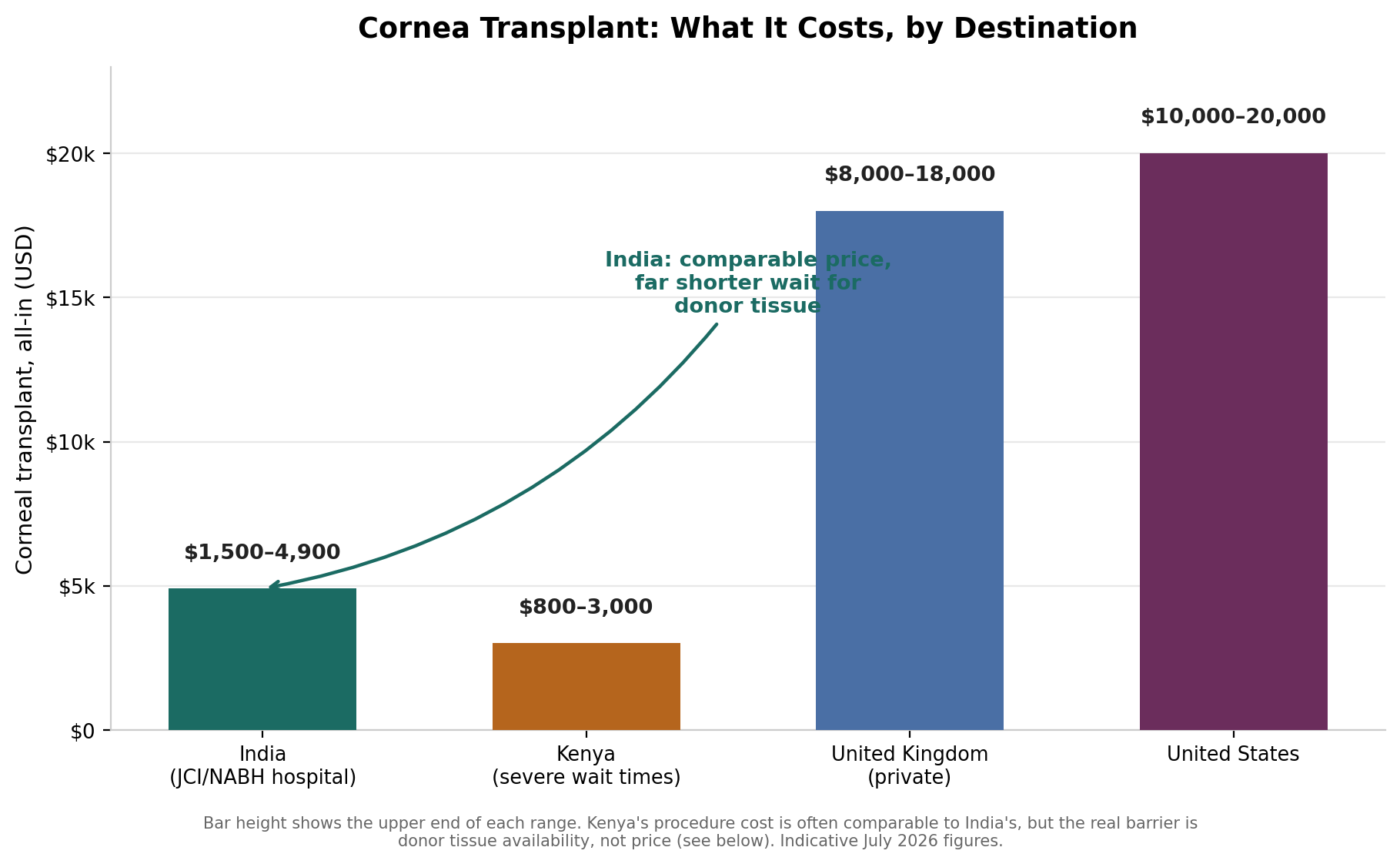
- The cost chart on page 4 gives an indicative range of US$1,500–4,900 in India, compared with US$800–3,000 in Kenya, US$8,000–18,000 in the UK and US$10,000–20,000 in the US. Patients should confirm whether donor tissue is included and what a repeat procedure would cost if the graft fails.
- Before travelling, Kenyan patients should send corneal topography, eye imaging and a clear history of the cause of corneal damage. The pathway shown on page 5 moves through technique confirmation, donor-tissue confirmation, surgery, early rejection monitoring and a written follow-up plan for the Kenyan ophthalmologist.
Quick Facts
- Author
- Dr. Dheeraj Bojwani
- Experience
- 24+ Years of Experience
- Treatment
- Cornea Transplant & Advanced Eye Surgery
- Patients
- Kenyan Eye Surgery Patients
- Key Specialist
- Corneal Sub-Specialist
- Main Assessment
- Cause and extent of corneal damage
- Key Surgical Options
- Penetrating Keratoplasty, DALK, DSEK and DMEK
- Key Selection Factor
- Personal annual volume in the specific transplant technique
- Donor Tissue
- Ethically sourced and reliably available matched tissue
- Kenya Cornea Requirement
- Approximately 30,000 corneas needed nationwide
- India Treatment Cost
- Approximately US$1,500–4,900
- Kenya Treatment Cost
- Approximately US$800–3,000
- UK Treatment Cost
- Approximately US$8,000–18,000
- US Treatment Cost
- Approximately US$10,000–20,000
- Rejection Monitoring
- Structured follow-up during the first post-operative year
- Quality Check
- JCI/NABH accreditation
- Pre-Travel Records
- Corneal topography, imaging and clinical history
- Hospital Stay
- Often one night or day case
- Travel Route
- Nairobi–Delhi or Nairobi–Mumbai
- Follow-Up
- Kenyan ophthalmologist with a written monitoring schedule
- Key Warning Sign
- No specific donor-tissue waiting time
- Decision Principle
- Match the transplant technique, donor tissue and long-term follow-up to the patient's condition
In Brief
For Kenyan patients considering cornea transplantation in India, the guide places particular emphasis on donor-tissue availability, technique-specific surgical experience and structured post-operative monitoring. Patients should understand why a particular technique is recommended, discuss rejection risk and graft survival, confirm the source and waiting time for donor tissue, and obtain a detailed quotation. The guide gives an indicative cost of US$1,500–4,900 in India, with shorter donor-tissue waits presented as a key practical advantage.
Before the surgeon: the shortage isn't skill, it's tissue
Kenya's national eye bank estimates that 30,000 corneas are needed nationwide to treat preventable corneal blindness. Meeting that need domestically has proven genuinely difficult, not primarily because Kenya lacks trained corneal surgeons or functioning eye banks, but because cornea donation remains rare. In many Kenyan communities, the body is considered sacred after death, an integral part of burial rituals and ancestral identity, and the idea of any tissue removal, even something as limited and invisible as a cornea, meets real cultural resistance.
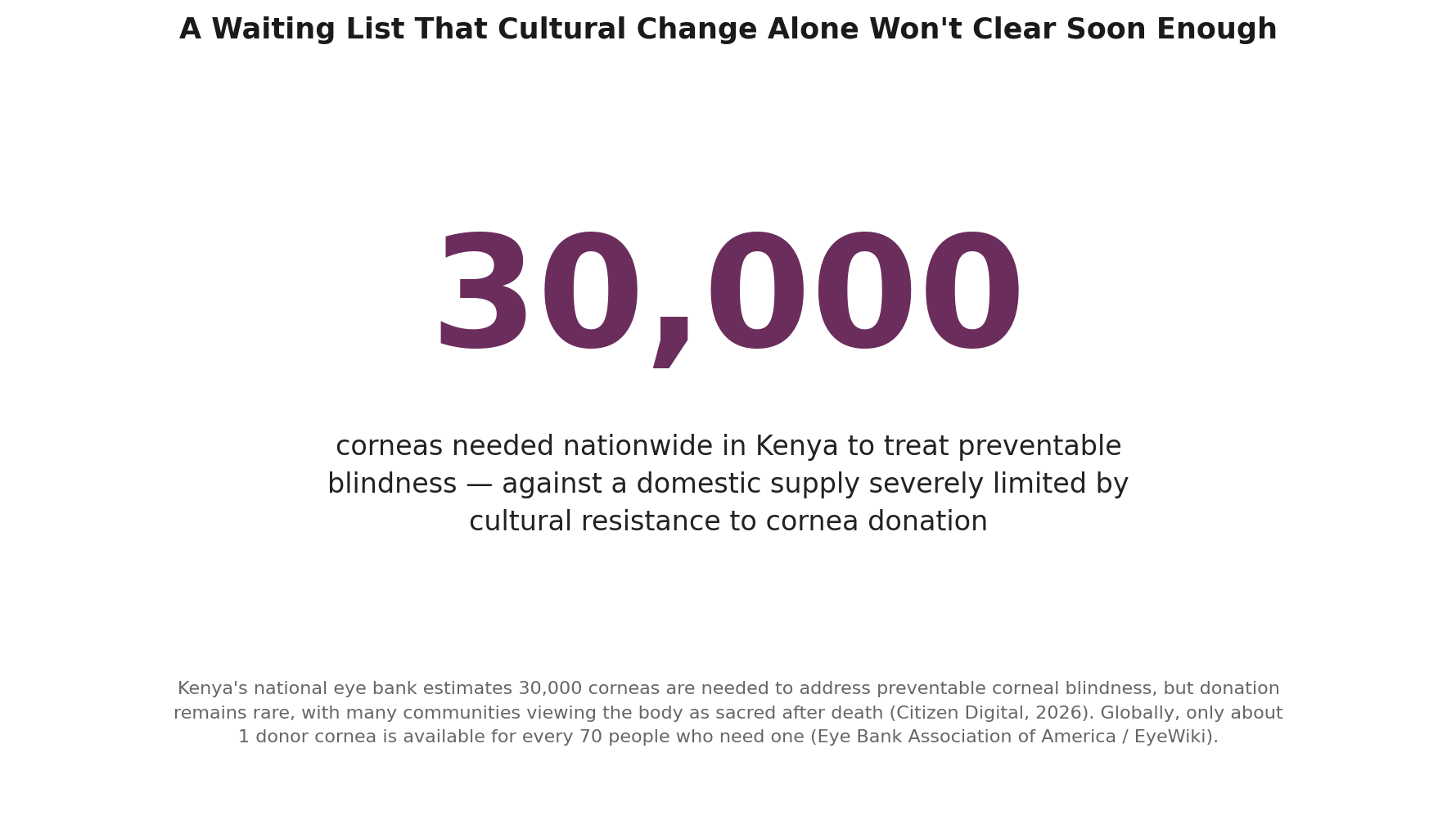
This is a genuinely different kind of scarcity from most of what this series covers. It isn't a missing machine or an underfunded programme; it's a supply chain that depends on individual families saying yes at the hardest possible moment, and that has proven slow to build even where eye banks and surgeons are ready. The global picture underscores how serious the gap can be even in better-resourced settings: worldwide, only about one donor cornea is available for every seventy people who need one.
The practical takeaway is not to wait indefinitely for a domestic donor while your vision, or a family member's, continues to deteriorate. Corneal scarring in particular can worsen over time, and delayed treatment for conditions like keratoconus or infectious keratitis can mean a more complex transplant is needed by the time tissue becomes available. Ask directly, and early, what a realistic domestic waiting time looks like for your specific condition, and weigh that honestly against traveling somewhere donor tissue is more readily available.
Should you travel at all?
Kenya has genuinely skilled corneal surgeons and functioning eye banks, including established programmes with decades of experience, and for patients who can access domestic donor tissue within a reasonable timeframe, particularly less urgent or stable cases, treatment in Kenya is a reasonable option worth exploring first.
For urgent cases, complex or repeat transplants, and for anyone facing a long, uncertain domestic wait, India is where I steer patients, confidently. India's eye banking infrastructure is among the most developed in the world for a country at its income level, with high-volume corneal transplant centres offering modern techniques, DALK and DSEK/DMEK alongside traditional full-thickness transplant, and typically far shorter waits for matched donor tissue than what many Kenyan patients currently face.
Part one: judging the surgeon
1. Personal annual volume in your specific transplant technique
I weight this above every other factor, and the chart below reflects that. Ask how many procedures matching your specific technique, full-thickness or one of the newer partial-thickness approaches, the surgeon personally performs each year.
2. An honest technique choice explained for your case
Ask why a specific technique, penetrating keratoplasty versus DALK versus DSEK or DMEK, is right for your particular corneal condition, since each has different recovery times and risk profiles.
3. Explains realistic rejection risk and long-term graft survival
Ask what your realistic risk of graft rejection is, and what long-term survival looks like for grafts matching your condition, with real numbers rather than general reassurance.
4. A dedicated corneal sub-specialist, not general ophthalmology
Confirm the surgeon is a corneal sub-specialist, not a general ophthalmologist who occasionally performs transplants, since corneal surgery is a distinct fellowship-trained skill.
Part two: judging the hospital
For corneal transplant, tissue supply reliability carries as much weight as the surgeon, reflected in the balance above, because even the best surgeon cannot operate without matched, ethically-sourced donor tissue on hand.
5. A reliable, ethically-sourced donor tissue supply on-site
Ask specifically how the hospital sources donor corneal tissue, and what realistic waiting times look like for your specific condition, rather than a vague assurance that tissue is "usually available."
6. A structured follow-up schedule for the first post-operative year
Ask what monitoring looks like in the months after surgery, since rejection risk is highest in this period and early detection significantly improves the odds of saving the graft.
7. Accreditation, read properly
JCI and NABH accreditation are meaningful filters on safety and infection control, but say nothing about corneal sub-specialisation specifically. Use accreditation to exclude weak candidates, not to choose between the strong
ones.
8. The cost you will actually pay
Let me be emphatic about this, because 24 years of handling these cases has taught me nothing more consistently: disputes almost never concern the quoted price. They concern what the quote silently omitted. For corneal transplant specifically, insist the estimate states whether donor tissue cost is included, and what a repeat procedure would cost if the graft fails or rejection occurs.
Budget beyond the surgery. Direct Nairobi–Delhi and Nairobi–Mumbai flights run roughly 550 to 850 dollars return, and a short hospital stay, often one night or day case, keeps accommodation costs modest, though you should budget for at least one follow-up visit in the following months.
Four signals that should make you pause
Certain patterns reliably precede a difficult outcome. A hospital unable to give you a specific, honest waiting time for matched donor tissue. No clear personal volume figure in your specific transplant technique. A quote that doesn't specify whether donor tissue cost is included. And no structured plan for monitoring rejection risk in the months after surgery.
None alone proves a bad hospital. Together they warrant a second opinion before you commit to surgery.
The Kenya-specific practicalities
Send corneal topography and imaging, along with a clear history of what caused your corneal damage, not just a
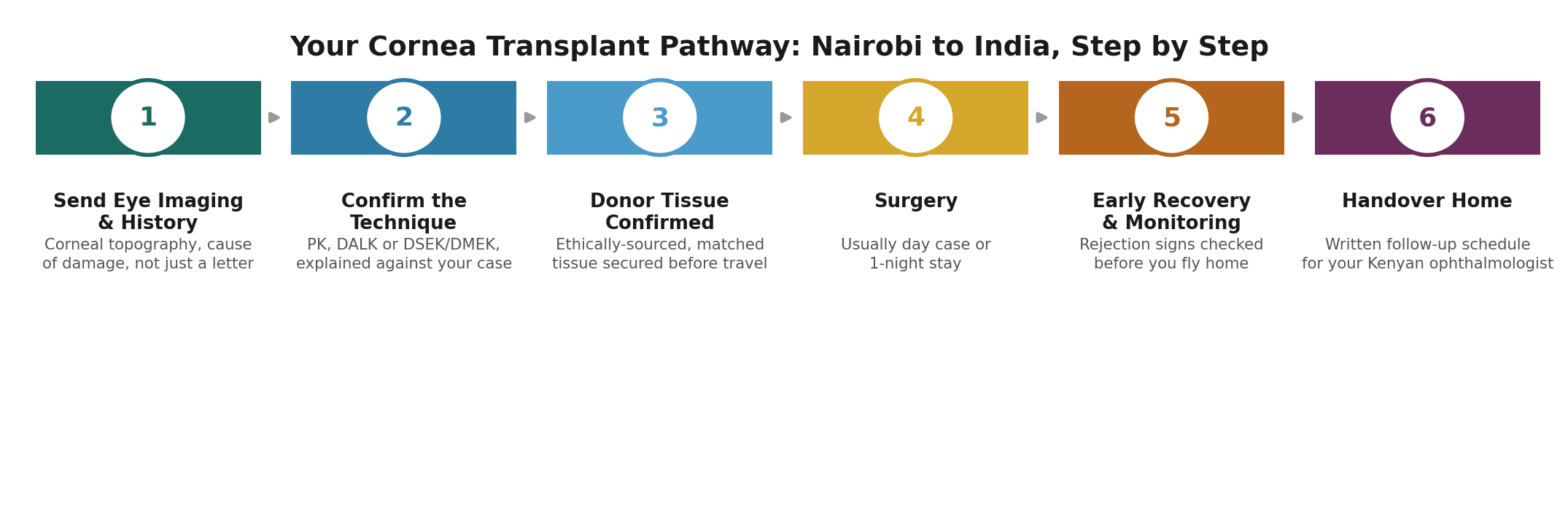
summary letter, so the surgical team can confirm the right technique and tissue match before you arrive.
Direct Nairobi–Delhi and Nairobi–Mumbai flights make this roughly a six-hour journey. The Indian medical e-visa is issued within three to five working days against a hospital letter, and an attendant can travel with you on a medical attendant visa.
Agree in advance on a written follow-up schedule your Kenyan ophthalmologist can continue, since rejection monitoring and vision assessment continue for months after you return home.
The questions I would ask before paying a deposit
Of the surgeon:
- How many procedures matching my specific technique do you personally perform each year?
- Why is this specific technique right for my corneal condition?
- What is my realistic rejection risk and long-term graft survival?
- Are you a dedicated corneal sub-specialist?
Of the hospital:
- How do you source donor tissue, and what is the realistic wait for my condition?
- What does monitoring look like in the first year after surgery?
- What exactly is excluded from the quoted price?
- What would a repeat procedure cost if this graft fails?
- May I speak to a previous East African patient treated for a similar condition?
A team that answers all nine without irritation is very likely the right team. One that turns vague at the first has told you what you needed to know at no cost at all.
Straight Answers for Kenyan Patients about Cornea Transplant Surgeons and Hospitals in India
Why is there a cornea shortage in Kenya specifically?
Kenya's national eye bank estimates 30,000 corneas are needed nationwide, but donation remains rare partly due to cultural beliefs that the body should remain intact after death. This is a genuine, ongoing barrier that domestic eye banks are working to address, but it hasn't closed the gap yet.
How much does a cornea transplant cost in India for a Kenyan patient?
Typically 1,500 to 4,900 US dollars all in. The procedure itself is often similarly priced in Kenya, but India generally offers far shorter waits for matched donor tissue. The same surgery runs roughly 8,000 to 18,000 dollars in the UK and 10,000 to 20,000 in the US.
Should I wait for a domestic donor cornea in Kenya?
It depends on your specific condition and how quickly it's progressing. Corneal scarring can worsen over time, and delayed treatment can mean a more complex procedure is eventually needed. Ask your Kenyan ophthalmologist for an honest, specific waiting-time estimate before deciding.
What's the difference between full-thickness and partial-thickness corneal transplants?
Penetrating keratoplasty replaces the full cornea and has a longer recovery. Newer techniques like DALK and DSEK/DMEK replace only the affected layer, generally offering faster recovery and lower rejection risk when appropriate for your specific condition.
How long does recovery take after a cornea transplant?
It varies by technique: endothelial procedures like DSEK/DMEK often show significant improvement within four to eight weeks, while full-thickness penetrating keratoplasty can take twelve to eighteen months for complete healing and stitch removal.
What is the risk of my body rejecting the donor cornea?
Rejection is a real risk with any transplant, though the cornea has a relatively favourable immune environment compared to other organs. Ask your surgeon for rejection rates specific to your technique and condition, and ensure you understand the warning signs to watch for during the critical first year.
A closing word
For a Kenyan patient with corneal blindness, a condition that is, in principle, entirely reversible, India offers the donor tissue reliability that Kenya's genuine but slowly-growing eye banking capacity cannot yet consistently match, at a comparable or lower cost. The best surgeon is the one whose technique-specific volume and honest rejection-risk explanation show he treats your exact condition as its own subspecialty. The best hospital pairs him with a tissue supply you can actually count on. If you would like me to look at your eye imaging and history and talk through honestly what your options are, send them across.
Sources
- 🌐 Kenya confronts critical cornea shortage amid cultural resistance
- 🌐 Corneal Donation. EyeWiki, American Academy of Ophthalmology
- 🌐 Corneal Transplantation in the Developing World. Cornea journal
- 🌐 Lighthouse Eye Bank — Kenya donor cornea shortage overview
- 🌐 National Medical Commission of India — surgeon and specialist registration verification
- 🌐 National Accreditation Board for Hospitals & Healthcare Providers (NABH) — accredited hospital directory
Frequently Asked Questions by Kenyans about Cornea Transplant Surgeons and Hospitals in India
Why is there a cornea shortage in Kenya?
The guide states that Kenya needs approximately 30,000 corneas, while donation remains limited partly because of cultural beliefs concerning the body after death.
Should Kenyan patients wait for a donor cornea locally?
It depends on the condition and progression. Patients should ask for a realistic waiting-time estimate and consider alternatives if vision is deteriorating or the domestic wait is uncertain.
Why might a Kenyan patient choose India for a cornea transplant?
India may be particularly useful for urgent, complex or repeat transplants and patients facing long donor-tissue waits. The guide also highlights access to several modern transplant techniques.
What is the difference between DALK, DSEK, DMEK and penetrating keratoplasty?
Penetrating keratoplasty replaces the full cornea, while DALK, DSEK and DMEK replace selected corneal layers. The appropriate technique depends on the patient's specific condition.
How should I choose a cornea transplant surgeon in India?
Ask how many procedures using your specific technique the surgeon personally performs each year and whether the surgeon is a dedicated corneal sub-specialist.
What should I know about corneal graft rejection?
Rejection remains a possible complication, so patients should ask for a realistic risk estimate and understand the monitoring and warning signs required during the first year.
How much does a cornea transplant cost in India for Kenyan patients?
The guide gives an indicative range of US$1,500–4,900. Patients should confirm whether donor tissue and other related costs are included.
What should be checked in the hospital before treatment?
Confirm the source of donor tissue, realistic waiting time, first-year monitoring arrangements and whether the hospital has appropriate accreditation and corneal services.
What should I send to the Indian eye hospital before travelling?
Send corneal topography, eye imaging and a clear history of the cause of corneal damage so the team can assess the appropriate technique and donor-tissue requirements.
How should follow-up be managed after returning to Kenya?
A written follow-up schedule should be agreed before leaving India so the Kenyan ophthalmologist can continue rejection monitoring and vision assessment for the following months.
Page Summary
This guide explains how Kenyan patients can choose cornea transplant surgeons and hospitals in India, focusing on donor-tissue availability, technique-specific surgical experience, appropriate transplant selection, rejection monitoring, hospital quality and costs. It highlights Kenya's estimated 30,000-cornea need, compares indicative transplant costs between India, Kenya, the UK and US, and outlines the patient pathway from pre-travel eye imaging through donor-tissue confirmation, surgery, early monitoring and continued follow-up with a Kenyan ophthalmologist.
Citation Block
| Topic | Information |
|---|---|
| Topic | Cornea Transplant & Advanced Eye Surgery in India for Kenyan Patients |
| Patients | Kenyan Eye Surgery Patients |
| Specialist | Dedicated Corneal Sub-Specialist |
| Treatment | Cornea Transplantation |
| Main Assessment | Cause and extent of corneal damage |
| Key Techniques | Penetrating Keratoplasty, DALK, DSEK and DMEK |
| Surgeon Check | Annual volume in the specific transplant technique |
| Technique Selection | Should be explained according to the patient's condition |
| Rejection Risk | Realistic risk and long-term graft survival should be discussed |
| Donor Tissue | Reliable, ethically sourced and appropriately matched |
| Hospital Check | Specific waiting time for donor tissue |
| Follow-Up | Structured monitoring during the first post-operative year |
| Accreditation | JCI/NABH |
| India Cost | Approximately US$1,500–4,900 |
| Kenya Cost | Approximately US$800–3,000 |
| UK Cost | Approximately US$8,000–18,000 |
| US Cost | Approximately US$10,000–20,000 |
| Quote Check | Confirm donor tissue cost and repeat-procedure costs |
| Pre-Travel Records | Corneal topography, imaging and clinical history |
| Hospital Stay | Often one night or day case |
| Travel Route | Nairobi–Delhi or Nairobi–Mumbai |
| Follow-Up Location | Kenya with a local ophthalmologist |
| Warning Signs | Unclear tissue waiting time, vague surgeon volume or no rejection-monitoring plan |
| Kenya Need | Approximately 30,000 corneas estimated to be needed nationwide |
| Global Availability | Approximately one donor cornea for every 70 people who need one |
| Selection Weighting | 50% surgeon factors and 44% hospital factors |
| Key Hospital Factor | Reliable donor tissue supply received 18% weighting |
| Patient Pathway | Imaging/history → technique confirmation → donor tissue → surgery → monitoring → Kenya follow-up |
| Decision Principle | Choose based on technique-specific expertise, tissue availability and long-term follow-up |

Our Mission Statement
Our mission is to place patients at the centre of every healthcare decision by providing trustworthy, evidence-based, and unbiased medical information. We believe that informed patients make better decisions. Backed by personalised guidance from our experienced advisory team, we help patients understand their treatment options, compare them objectively, and confidently choose the path that best suits their medical needs and personal circumstances.
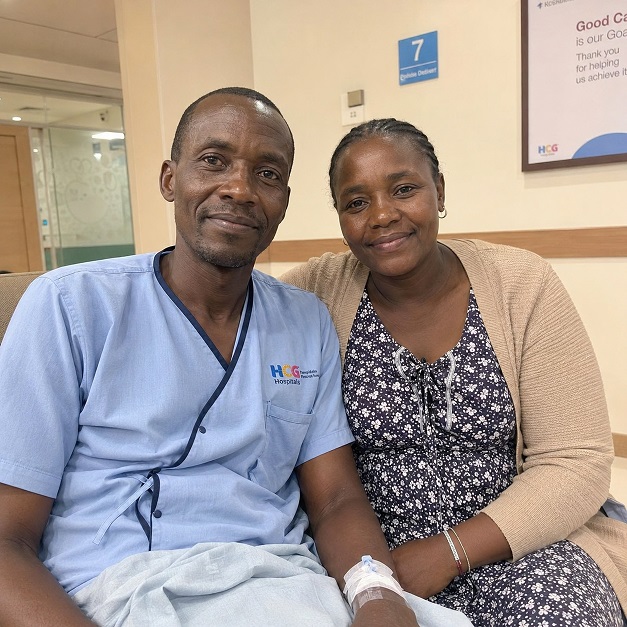
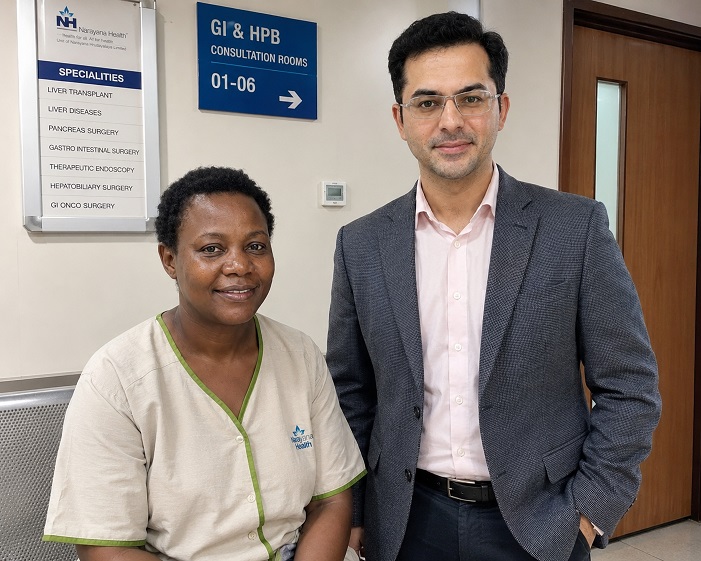
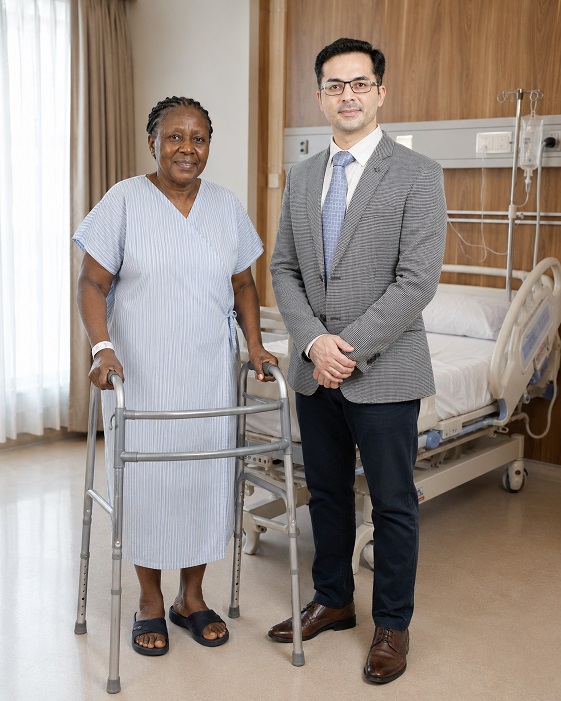
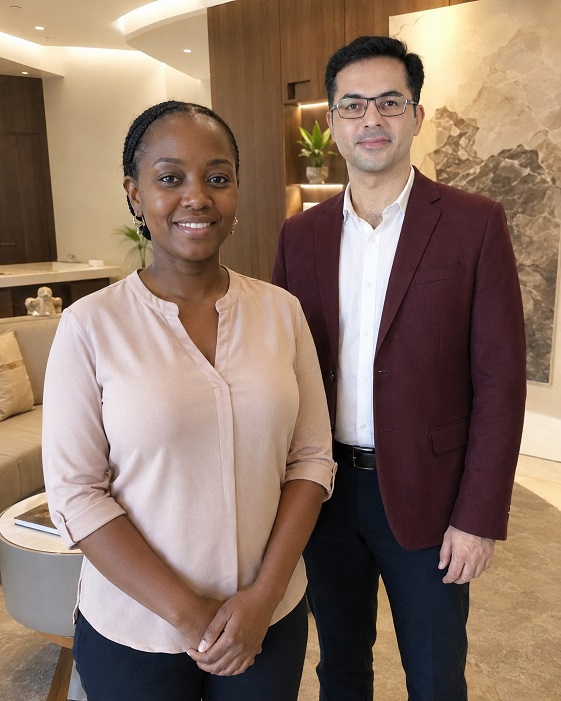
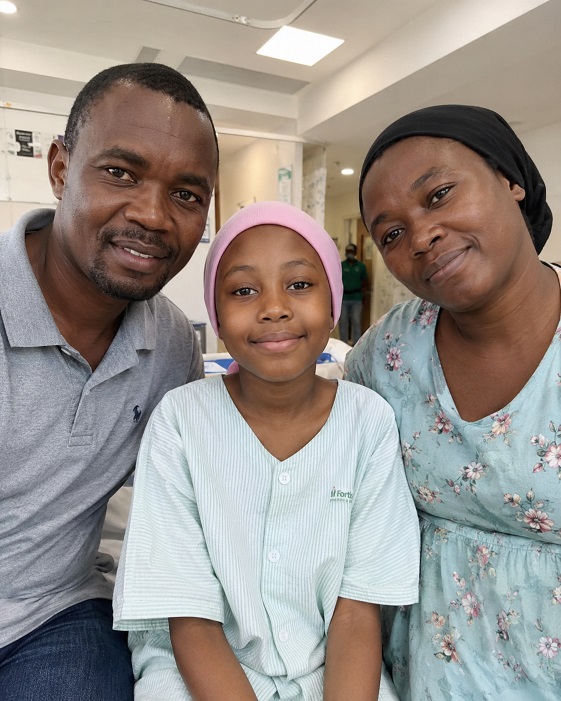
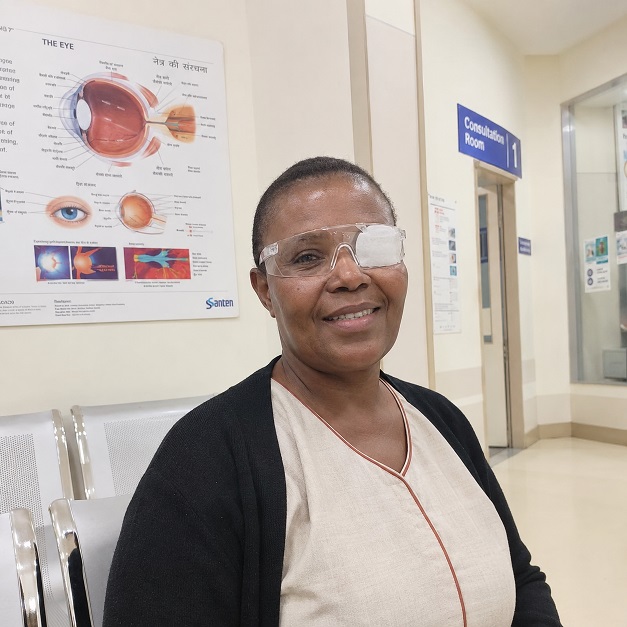
Patient Testimonials from Kenya
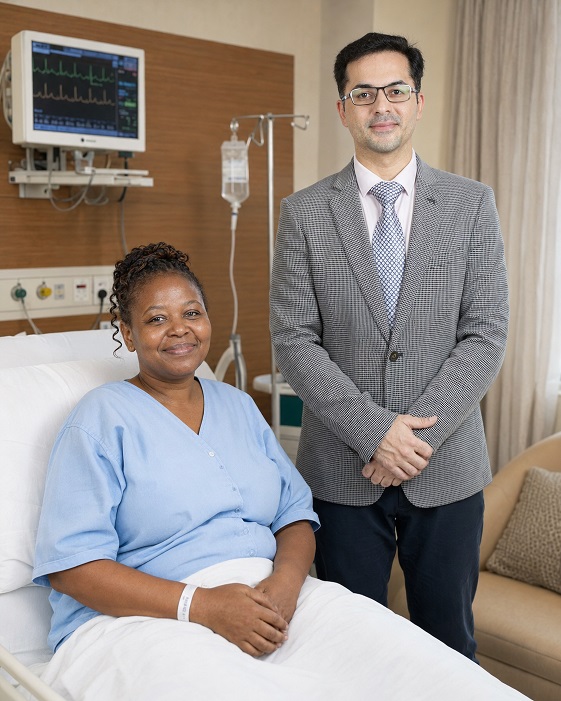
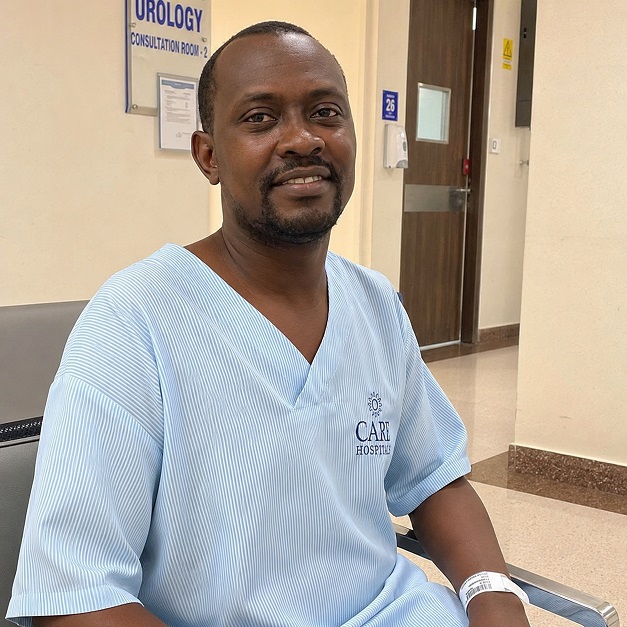
Ready to Take the First Step?
Share your Medical Reports with our Healthcare Managers Today and Get a FREE CONSULTATION, a Personalized Treatment Plan, and Complete Support from Arrival to Recovery.
Get Your Free ConsultationAreas We Serve
This resource has been thoughtfully prepared for patients from Kenya who are considering medical treatment in India. We also welcome patients from the wider region in the countries mentioned below-
We assist patients from:
- Ethiopia
- Somalia
- Tanzania
- Uganda
- Seychelles
- Guinea
- Guinea-Bissau
- Liberia
- Mali
- Mauritania
- Niger
- Nigeria
- Senegal
- Togo
- South Sudan
- Sierra Leone
Many of the insights, treatment pathways, hospital recommendations, travel guidance, and patient support services described here are equally relevant and may be used as a reference when planning treatment in India.
From Kenya to India: Your Complete Patient Support Guide
- Brain Tumour Surgery in India for Kenyan Patients
- Cancer Treatment and Surgery in India for Kenyan Patients
- Cardiac Treatment and Surgery in India for Kenyan Patients
- Heart Valve Replacement Surgery in India for Kenyan Patients
- Knee Replacement in India for Kenyan Patients
- Prostate Cancer Treatment and Surgery in India for Kenyan Patients
- Spine Treatment and Surgery in India for Kenyan Patients
- Selecting the Best Bariatric Surgeons and Hospitals in India: What Kenyan Patients Should Actually Look For
- Selecting the Best Cancer Surgeons and Hospitals in India: What Kenyan Patients Should Actually Look For
- Selecting the Best Cardiac Surgeons and Hospitals in India: What Kenyan Patients Should Actually Look For
- Selecting the Best Dental Surgeons and Clinics in India: What Kenyan Patients Should Actually Look For
- Selecting the Best Hip Surgeons and Hospitals in India: What Kenyan Patients Should Actually Look For
- Selecting the Best Kidney Transplant Surgeons and Hospitals in India: What Kenyan Patients Should Actually Look For
- Selecting the Best Knee Surgeons and Hospitals in India: What Kenyan Patients Should Actually Look For
- Selecting the Best Liver Transplant Surgeons and Hospitals in India: What Kenyan Patients Should Actually Look For
- Selecting the Best Neurosurgeons and Hospitals in India: What Kenyan Patients Should Actually Look For
- Selecting the Best Prostate Cancer Surgeons and Hospitals in India: What Kenyan Patients Should Actually Look For
- Selecting the Best Spine Surgeons and Hospitals in India: What Kenyan Patients Should Actually Look For