

Selecting the Best Blood Cancer Specialists and Hospitals in India: What Kenyan Patients Should Actually Look For
In much of western Kenya the commonest childhood blood cancer is Burkitt lymphoma, not leukemia — the subtype has to be pinned down precisely before any treatment plan is written.
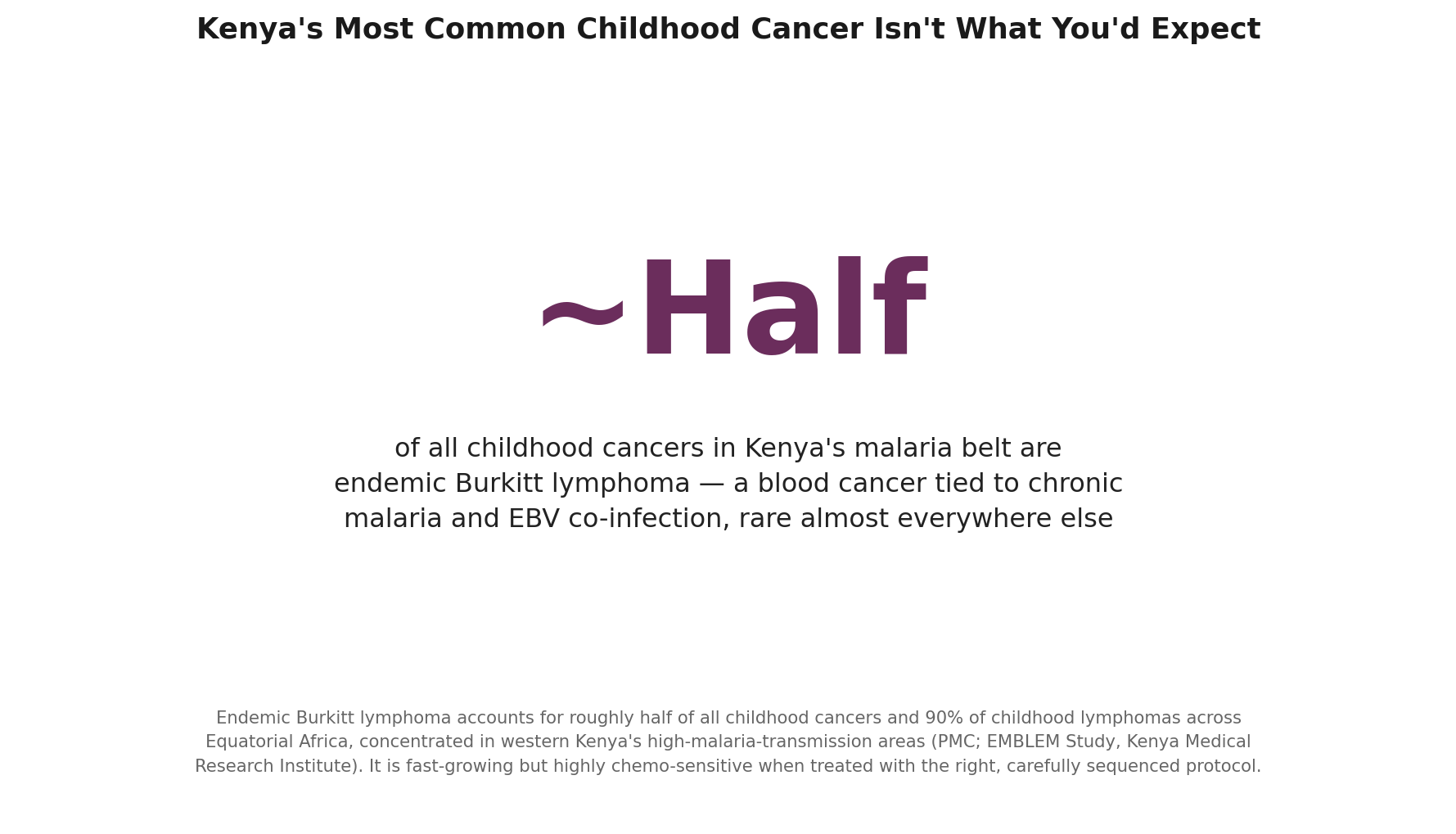
Ask most people to picture the leading childhood cancer in Kenya, and they'll likely guess leukemia, the cancer most familiar from global health messaging. In much of western Kenya, they'd be wrong. Endemic Burkitt lymphoma, a fast-growing cancer of the immune system tied specifically to chronic exposure to malaria alongside Epstein-Barr virus infection, accounts for roughly half of all childhood cancers and about 90% of childhood lymphomas across the malaria-transmission belt of equatorial Africa. It is genuinely rare almost everywhere else in the world. Across 24 years of guiding international patients through Indian hospitals, this is a cancer that illustrates something important about blood cancer care generally: getting the exact subtype right, and treating it with the specific protocol that subtype demands, matters enormously, and endemic Burkitt lymphoma is possibly the clearest example of why. This is the framework I use when a Kenyan patient with leukemia, lymphoma, or another blood cancer is weighing treatment in India. It follows the surgeon-then-hospital structure of this series, and opens with the region-specific cancer that makes subtype precision so important here.
Healing Journeys of Kenyan Patients
Key Takeaways
- The guide highlights endemic Burkitt lymphoma as a particularly important blood cancer in Kenya's malaria-transmission regions. It states that the disease accounts for roughly half of childhood cancers and about 90% of childhood lymphomas across Equatorial Africa, with chronic malaria exposure and Epstein-Barr virus identified as important factors.
- Burkitt lymphoma grows extremely rapidly but can be highly responsive to appropriately sequenced chemotherapy. Because rapid tumour breakdown can cause tumour lysis syndrome, the guide stresses close monitoring and preventive measures, particularly during the first days of treatment.
- The central recommendation is to confirm the exact blood cancer subtype before finalising treatment. Flow cytometry and molecular testing should identify the specific leukemia or lymphoma subtype because treatment protocols, risks and prognosis can differ significantly between diseases.
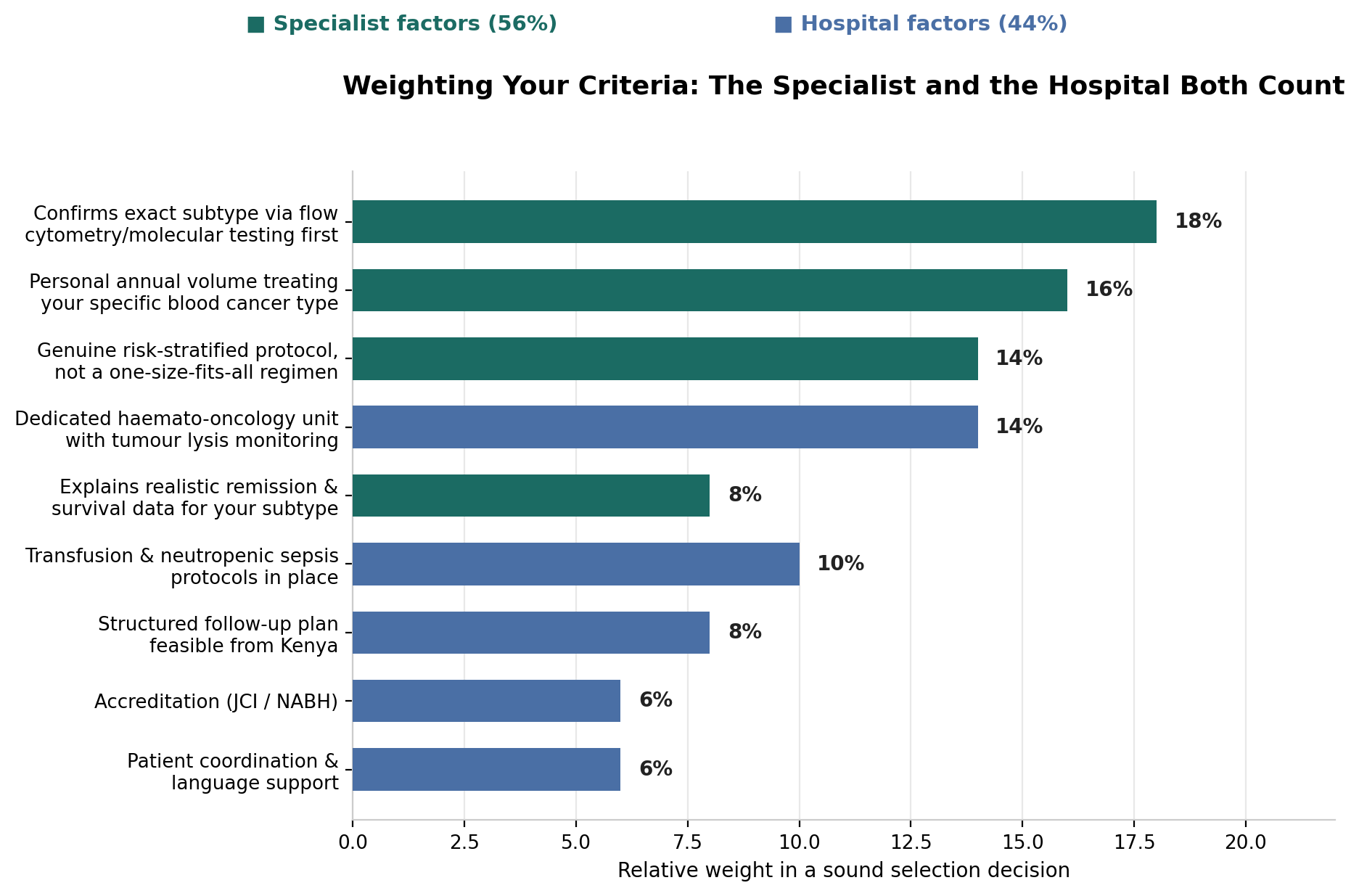
- Specialist selection should focus on the doctor's personal annual experience with the patient's exact blood cancer type, along with a risk-stratified treatment protocol and realistic remission and survival expectations. The guide gives 56% weighting to specialist factors and 44% to hospital factors, with subtype confirmation receiving the highest individual weighting at 18%.
- Hospital selection should include a dedicated haemato-oncology unit with tumour lysis monitoring, transfusion support and neutropenic sepsis protocols. India may be particularly relevant for relapsed or refractory disease, complex subtypes or cases requiring specialised diagnostic and treatment infrastructure.
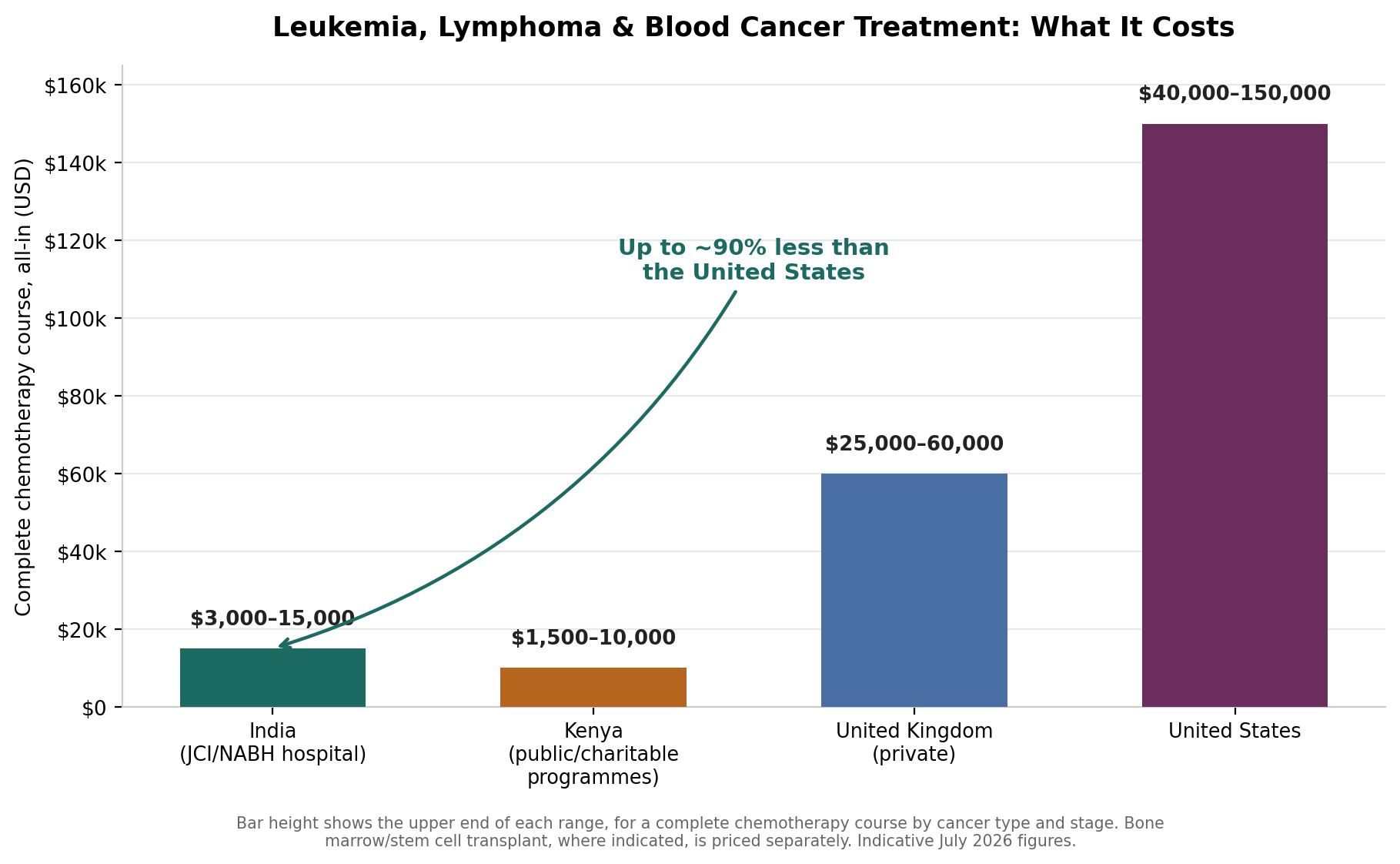
- The guide gives an indicative cost of US$3,000–15,000 in India, compared with US$1,500–10,000 through public or charitable programmes in Kenya, US$25,000–60,000 in the UK and US$40,000–150,000 in the US. Patients should confirm chemotherapy cycles, additional testing, transfusion support and the long-term follow-up plan before treatment.
Quick Facts
- Author
- Dr. Dheeraj Bojwani
- Experience
- 24+ Years of Experience
- Treatment
- Leukemia, Lymphoma & Blood Cancer Treatment
- Patients
- Kenyan Blood Cancer Patients
- Key Specialist
- Haemato-Oncologist
- Main Assessment
- Exact blood cancer subtype, risk category and disease stage
- Key Priority
- Confirm subtype through flow cytometry and molecular testing
- Important Cancer
- Endemic Burkitt lymphoma
- Key Risk
- Tumour lysis syndrome during treatment of rapidly growing cancers
- Treatment Approach
- Risk-stratified chemotherapy and appropriate supportive care
- Key Selection Factor
- Specialist experience with the specific blood cancer type
- Hospital Requirement
- Dedicated haemato-oncology unit with tumour lysis monitoring
- Infection Support
- Neutropenic sepsis protocols and rapid infection management
- India Treatment Cost
- Approximately US$3,000–15,000
- Kenya Treatment Cost
- Approximately US$1,500–10,000 through public/charitable programmes
- UK Treatment Cost
- Approximately US$25,000–60,000
- US Treatment Cost
- Approximately US$40,000–150,000
- Quality Check
- JCI/NABH accreditation
- Pre-Travel Records
- Blood counts, biopsy/bone marrow results and pathology reports
- Follow-Up
- Written monitoring plan with Kenyan doctor
- Key Warning Signs
- Treatment without confirmed subtype, no tumour lysis monitoring or unclear infection protocols
- Decision Principle
- Confirm the exact blood cancer subtype before selecting the treatment protocol
In Brief
For Kenyan patients considering leukemia, lymphoma or other blood cancer treatment in India, the guide places the greatest emphasis on confirming the exact subtype before treatment begins. Patients should look for specialists experienced with their specific cancer and hospitals equipped for tumour lysis monitoring, transfusion support and neutropenic sepsis management. The guide gives an indicative cost of US$3,000–15,000 for a complete chemotherapy course in India, depending on cancer type and stage.
Before the specialist: a cancer tied to two infections most children in this region will have already had
Endemic Burkitt lymphoma is strongly associated with chronic Plasmodium falciparum malaria exposure combined with Epstein-Barr virus infection, both extremely common in children across western Kenya, where malaria transmission occurs year-round. Research suggests the immune disruption caused by repeated malaria exposure allows EBV-infected cells to accumulate and eventually transform, driving the tumour's development specifically in this geographic pattern.
The genuinely encouraging part of this story is that endemic Burkitt lymphoma, despite being one of the fastest- growing human cancers, is also one of the more curable when treated with the right, carefully sequenced chemotherapy protocol. But that same speed of growth creates a specific danger during treatment: as cells die rapidly in response to chemotherapy, they can release their contents into the bloodstream fast enough to overwhelm the kidneys, a complication called tumour lysis syndrome that requires close monitoring and specific preventive measures, particularly in the first days of treatment. Getting this wrong, not the chemotherapy choice itself, is a leading cause of early treatment-related death in Burkitt lymphoma.
This matters for how a family should evaluate any blood cancer treatment plan, not just for Burkitt lymphoma specifically. The practical takeaway is to confirm, before treatment begins, that the exact subtype has been identified through proper diagnostic testing, flow cytometry, molecular markers, not just a general "lymphoma" or "leukemia" label, and that the treating team has explicit experience managing the specific risks that subtype carries, tumour lysis syndrome for Burkitt lymphoma among them.
Should you travel at all?
Kenyan centres with real experience in endemic Burkitt lymphoma, including hospitals in the western region where the disease is most concentrated, have built genuine expertise in diagnosing and treating this specific cancer, and for a straightforward case at an experienced centre, treatment in Kenya is a reasonable option worth pursuing.
For relapsed or refractory disease, other leukemia and lymphoma subtypes needing more specialised diagnostic and treatment infrastructure, or any case where subtype confirmation and risk-appropriate protocol design deserve a second opinion, India is where I steer patients, confidently. India's leading haemato-oncology centres combine comprehensive molecular diagnostic testing with dedicated tumour lysis and neutropenic sepsis monitoring protocols, at a fraction of UK or US cost.
Part one: judging the specialist
1. Confirms exact subtype via flow cytometry and molecular testing first
I weight this above every other factor, and the chart below reflects that. Insist your exact blood cancer subtype is confirmed through proper diagnostic testing before any treatment protocol is finalised, since the right treatment depends entirely on knowing precisely what you're treating.
2. Personal annual volume treating your specific blood cancer type
Ask how many cases matching your exact subtype, not blood cancer in general, the specialist personally treats each year.
3. A genuine risk-stratified protocol, not a one-size-fits-all regimen
Ask how your specific treatment protocol was chosen based on your subtype, risk factors, and disease stage, rather than a standard regimen applied broadly.
4. Explains realistic remission and survival data for your subtype
Ask what your realistic chances of remission and long-term survival look like specifically for your subtype and risk category, with real numbers.
Part two: judging the hospital
For blood cancer treatment, dedicated monitoring infrastructure carries as much weight as the specialist, reflected in the balance above, because the danger in blood cancer treatment often comes from managing the body's response to fast-acting chemotherapy, not the chemotherapy choice itself.
5. A dedicated haemato-oncology unit with tumour lysis monitoring
Ask whether the hospital has a dedicated haemato-oncology unit with specific protocols for tumour lysis syndrome monitoring, particularly important for fast-growing cancers like Burkitt lymphoma.
6. Transfusion and neutropenic sepsis protocols in place
Ask what protocols exist for managing low blood counts during treatment, including transfusion support and rapid response to infection during the vulnerable neutropenic period.
7. A structured follow-up plan feasible from Kenya
Ask what ongoing monitoring looks like once you're home, and how results will be communicated to a doctor in Kenya who can act on them.
8. Accreditation, read properly
JCI and NABH accreditation are meaningful filters on safety and infection control, but say nothing about haemato- oncology sub-specialisation specifically. Use accreditation to exclude weak candidates, not to choose between the strong ones.
9. The cost you will actually pay
Let me be emphatic about this, because 24 years of handling these cases has taught me nothing more consistently: disputes almost never concern the quoted price. They concern what the quote silently omitted. For blood cancer treatment specifically, insist the estimate states how many chemotherapy cycles are included, and what additional testing or transfusion support would cost if needed beyond the initial plan.
Budget beyond the treatment. Direct Nairobi–Delhi and Nairobi–Mumbai flights run roughly 550 to 850 dollars return, and a complete treatment course often spans several months, so plan for extended accommodation or multiple trips.
Four signals that should make you pause
Certain patterns reliably precede a difficult outcome. A treatment plan started without confirmed subtype testing. No specific mention of tumour lysis syndrome monitoring for fast-growing cancers. No clear personal volume figure in your exact subtype. And a hospital unable to describe its neutropenic sepsis response protocol.
None alone proves a bad hospital. Together they warrant a second opinion before you commit to treatment.
The Kenya-specific practicalities
Send the full blood counts, biopsy or bone marrow results, and any existing pathology report, not just a summary
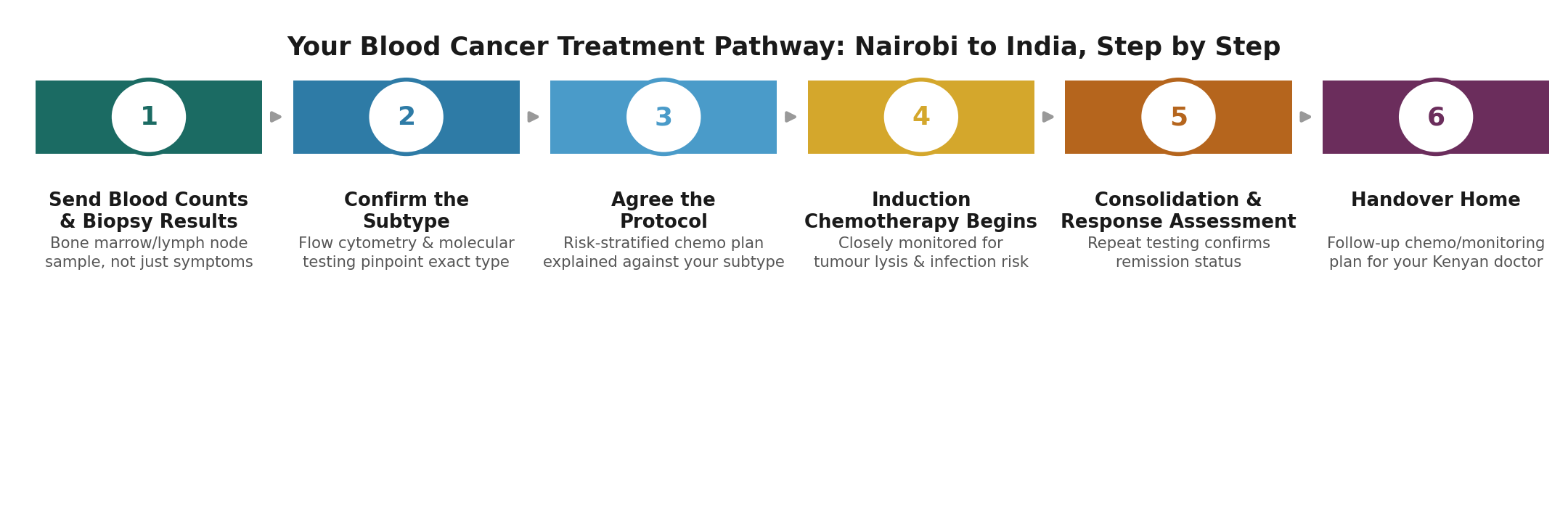
letter, so the specialist can confirm subtype and plan treatment before you arrive.
Direct Nairobi–Delhi and Nairobi–Mumbai flights make this roughly a six-hour journey. The Indian medical e-visa is issued within three to five working days against a hospital letter, and an attendant can travel with you.
Agree in advance on a written follow-up and monitoring schedule your Kenyan doctor can continue, since blood cancer surveillance continues for years after treatment ends.
The questions I would ask before committing
Of the specialist:
- Has my exact subtype been confirmed through flow cytometry or molecular testing?
- How many cases matching my specific subtype do you personally treat each year?
- How was my treatment protocol chosen based on my subtype and risk factors?
- What are my realistic chances of remission and survival, specifically?
Of the hospital:
- Do you have a dedicated haemato-oncology unit with tumour lysis monitoring?
- What are your transfusion and neutropenic sepsis protocols?
- What does follow-up look like once I'm back in Kenya?
- What exactly is excluded from the quoted price?
- May I speak to a previous East African patient treated for a similar diagnosis?
A team that answers all nine without irritation is very likely the right team. One that turns vague at the first or second has told you what you needed to know at no cost at all.
Straight Answers for Kenyan Patients about Blood Cancer Specialists and Hospitals in India
Why is Burkitt lymphoma such a significant issue in Kenya specifically?
Endemic Burkitt lymphoma accounts for roughly half of all childhood cancers and about 90% of childhood lymphomas across Equatorial Africa, concentrated in western Kenya's malaria-transmission areas, driven by the combined effect of chronic malaria exposure and Epstein-Barr virus infection in early childhood.
How much does blood cancer treatment cost in India for a Kenyan patient?
Typically 3,000 to 15,000 US dollars for a complete chemotherapy course, depending on cancer type and stage. The same treatment runs roughly 1,500 to 10,000 dollars in Kenya through public and charitable programmes, 25,000 to 60,000 in the UK, and 40,000 to 150,000 in the US.
What is tumour lysis syndrome, and why does it matter?
It's a dangerous complication where rapidly dying cancer cells release their contents into the bloodstream faster than the kidneys can process, most common with fast-growing cancers like Burkitt lymphoma. It requires close monitoring and specific preventive measures, particularly in the first days of chemotherapy.
Is Burkitt lymphoma curable?
Yes, often, when treated with the correct, carefully sequenced chemotherapy protocol and proper monitoring for complications like tumour lysis syndrome. It responds well to chemotherapy despite growing quickly, but the intensity of treatment required makes experienced, well-monitored care essential.
Why does confirming the exact blood cancer subtype matter so much?
Because leukemia and lymphoma are broad categories covering many distinct diseases, each with different treatment protocols, risks, and prognoses. Flow cytometry and molecular testing identify the exact subtype, which should determine every subsequent treatment decision.
What support does a family need during blood cancer treatment?
Beyond the medical care itself, families should expect an extended stay, often months, for a complete treatment course, along with genuine emotional and logistical support given how demanding intensive chemotherapy can be, particularly for a child.
A closing word
For a Kenyan patient or family facing leukemia, lymphoma, or another blood cancer, precision about the exact subtype and its specific risks, tumour lysis syndrome above all for fast-growing lymphomas like endemic Burkitt lymphoma, is what separates a genuinely curative treatment course from a dangerous one. India offers the diagnostic depth and dedicated monitoring infrastructure to get this right, at a fraction of UK or US cost. The best specialist is the one who insists on confirming your exact subtype before ever proposing a protocol. The best hospital pairs him with genuine tumour lysis and infection monitoring built into the plan. If you would like me to look at your test results and talk through honestly what your treatment plan should look like, send them across.
Sources
- 🌐 Factors influencing survival among Kenyan children diagnosed with endemic Burkitt lymphoma between 2003 and 2011: a historical cohort study
- 🌐 Endemic Burkitt lymphoma: a complication of asymptomatic malaria in sub-Saharan Africa based on published literature and primary data from Uganda, Tanzania, and Kenya
- 🌐 Burkitt lymphoma risk shows geographic and temporal associations with Plasmodium falciparum infections in Uganda, Tanzania, and Kenya. PNAS
- 🌐 National Medical Commission of India — specialist registration verification
- 🌐 National Accreditation Board for Hospitals & Healthcare Providers (NABH) — accredited hospital directory
Frequently Asked Questions by Kenyans about Blood Cancer Specialists and Hospitals in India
Why is confirming the exact blood cancer subtype so important?
Leukemia and lymphoma are broad categories containing different diseases with different treatment protocols and risks. The guide recommends flow cytometry and molecular testing before a treatment protocol is finalised.
Why is Burkitt lymphoma particularly important in Kenya?
The guide states that endemic Burkitt lymphoma accounts for roughly half of childhood cancers and about 90% of childhood lymphomas across Equatorial Africa, particularly in malaria-transmission regions.
Is Burkitt lymphoma curable?
The guide describes it as highly responsive to appropriately sequenced chemotherapy despite its rapid growth. Careful monitoring for complications such as tumour lysis syndrome is essential.
What is tumour lysis syndrome?
It occurs when rapidly dying cancer cells release their contents into the bloodstream faster than the body can safely process them. It can be particularly dangerous during initial treatment of fast-growing cancers such as Burkitt lymphoma.
How should Kenyan patients choose a blood cancer specialist in India?
Ask how many cases matching your exact subtype the specialist personally treats each year and how the proposed protocol was selected for your specific risk category.
What should a suitable blood cancer hospital provide?
Look for a dedicated haemato-oncology unit with tumour lysis monitoring, transfusion support and clear protocols for detecting and treating neutropenic sepsis.
How much does blood cancer treatment cost in India?
The guide gives an indicative range of US$3,000–15,000 for a complete chemotherapy course, depending on cancer type and stage.
What should be checked in the treatment quotation?
Confirm how many chemotherapy cycles are included and what additional testing or transfusion support could cost if these become necessary.
What records should Kenyan patients send before travelling?
Send full blood counts, biopsy or bone marrow results and existing pathology reports, rather than only a summary letter, so the Indian team can confirm the subtype before treatment.
How should follow-up be managed after treatment in India?
Agree on a written monitoring schedule that a Kenyan doctor can continue, because blood cancer surveillance may continue for years after treatment ends.
Page Summary
This seven-page guide explains how Kenyan patients can evaluate leukemia, lymphoma and blood cancer specialists and hospitals in India, with particular emphasis on exact subtype confirmation, risk-stratified treatment, tumour lysis monitoring, transfusion support, infection management and long-term follow-up. It highlights the importance of endemic Burkitt lymphoma in Kenya, compares indicative blood cancer treatment costs across India, Kenya, the UK and US, and outlines the pathway from blood counts and biopsy results through subtype confirmation, chemotherapy, response assessment and continued monitoring in Kenya.
Citation Block
| Topic | Information |
|---|---|
| Topic | Leukemia, Lymphoma & Blood Cancer Treatment in India for Kenyan Patients |
| Treatment | Blood Cancer Treatment & Chemotherapy |
| Patients | Kenyan Blood Cancer Patients |
| Specialist | Haemato-Oncologist |
| Main Assessment | Exact subtype, risk category and disease stage |
| Key Priority | Flow cytometry and molecular subtype confirmation |
| Important Cancer | Endemic Burkitt lymphoma |
| Key Risk | Tumour lysis syndrome |
| Specialist Check | Experience with the specific blood cancer type |
| Treatment Planning | Risk-stratified protocol based on subtype and stage |
| Hospital Requirement | Dedicated haemato-oncology unit |
| Supportive Care | Transfusion and neutropenic sepsis protocols |
| India Cost | Approximately US$3,000–15,000 |
| Kenya Cost | Approximately US$1,500–10,000 |
| UK Cost | Approximately US$25,000–60,000 |
| US Cost | Approximately US$40,000–150,000 |
| Quote Check | Chemotherapy cycles, additional testing and transfusion support |
| Pre-Travel Records | Blood counts, biopsy/bone marrow and pathology reports |
| Follow-Up | Structured monitoring with Kenyan doctor |
| Warning Signs | No confirmed subtype, tumour lysis plan or infection protocol |
| Selection Weighting | 56% specialist factors and 44% hospital factors |
| Top Criterion | Exact subtype confirmation – 18% |
| Key Statistic | Burkitt lymphoma accounts for roughly half of childhood cancers in Kenya's malaria belt |
| Patient Pathway | Records → subtype confirmation → protocol → chemotherapy → response assessment → Kenya follow-up |
| Decision Principle | Exact subtype and risk should determine the treatment plan |


Our Mission Statement
Our mission is to place patients at the centre of every healthcare decision by providing trustworthy, evidence-based, and unbiased medical information. We believe that informed patients make better decisions. Backed by personalised guidance from our experienced advisory team, we help patients understand their treatment options, compare them objectively, and confidently choose the path that best suits their medical needs and personal circumstances.
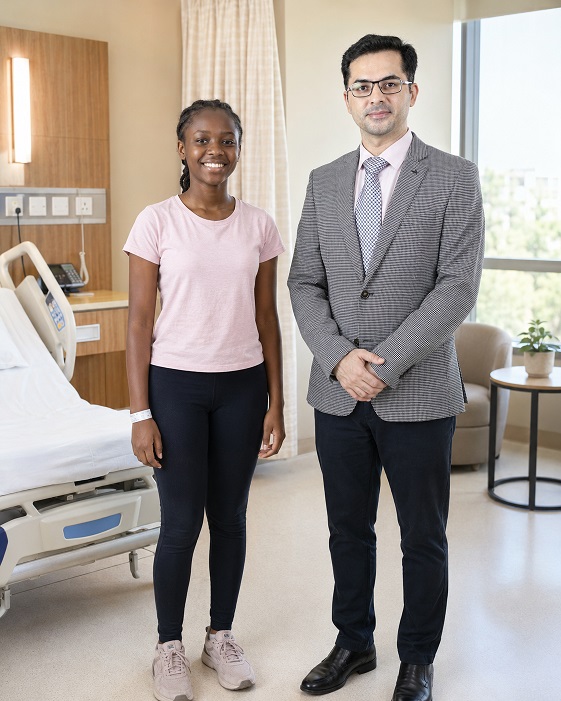
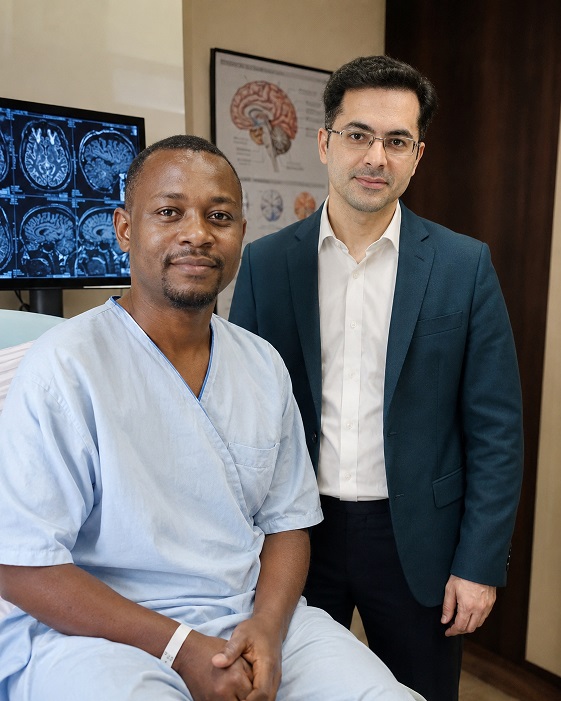
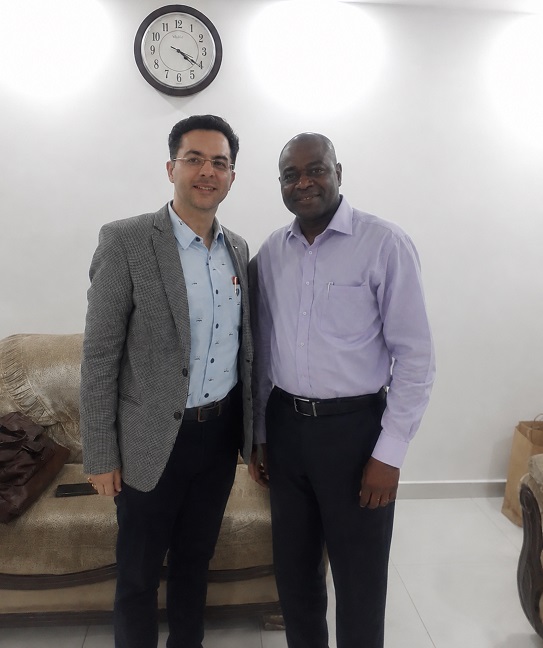
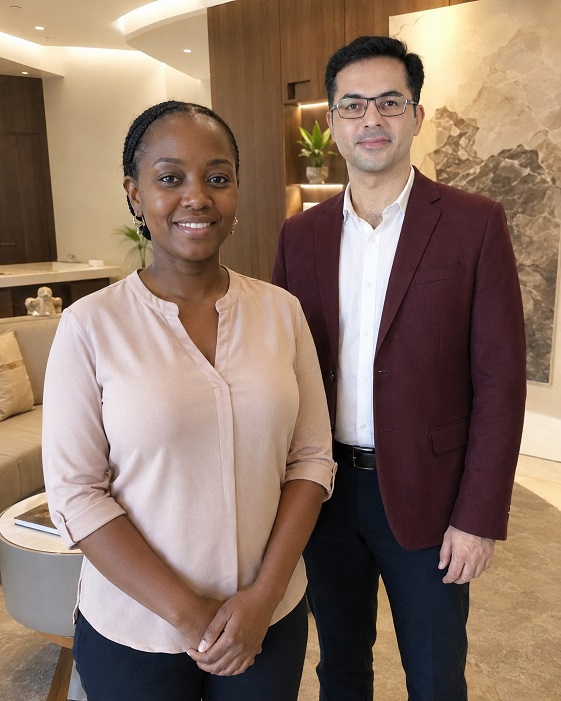
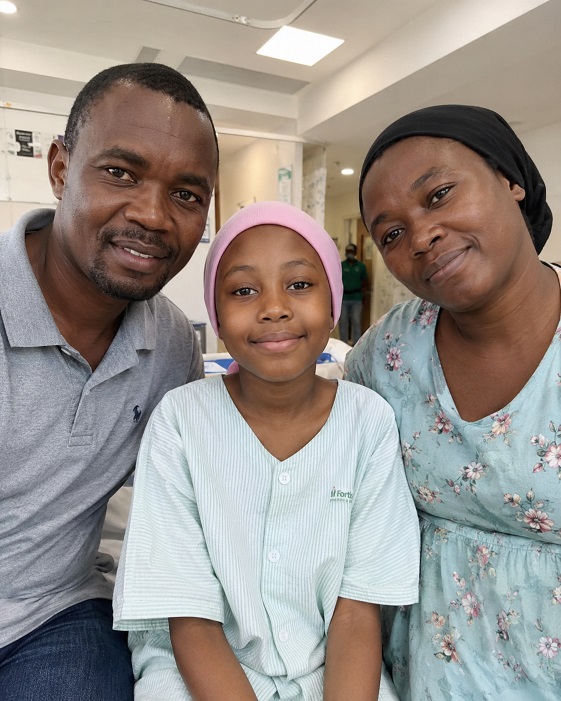
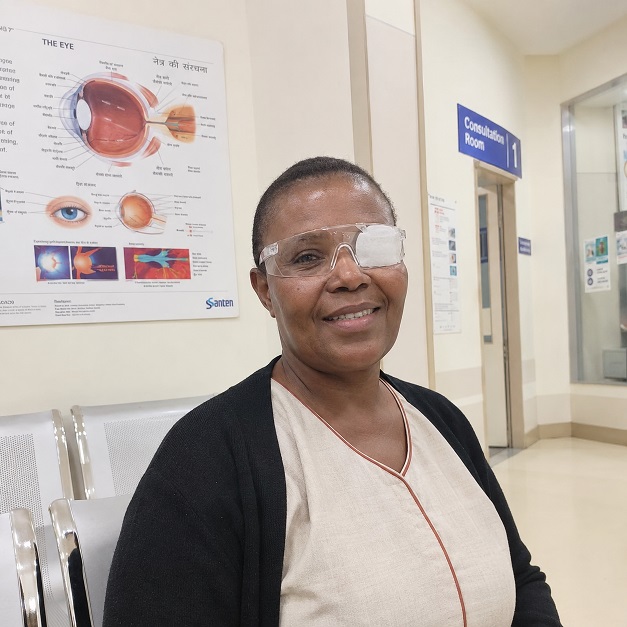
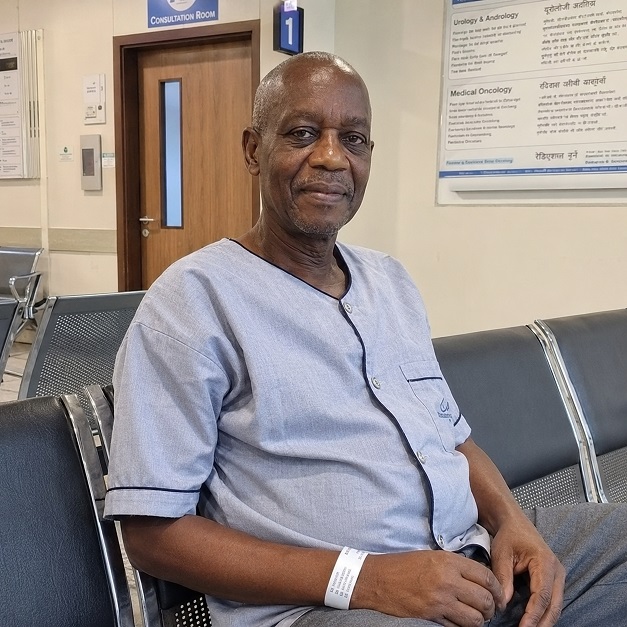
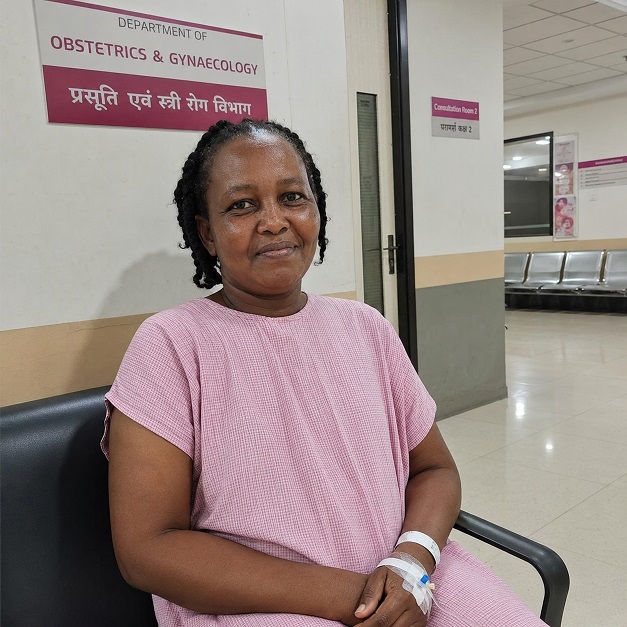
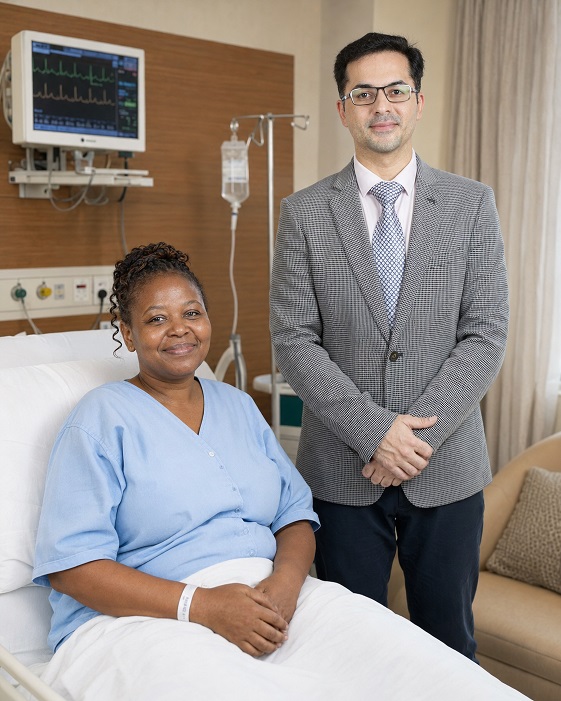
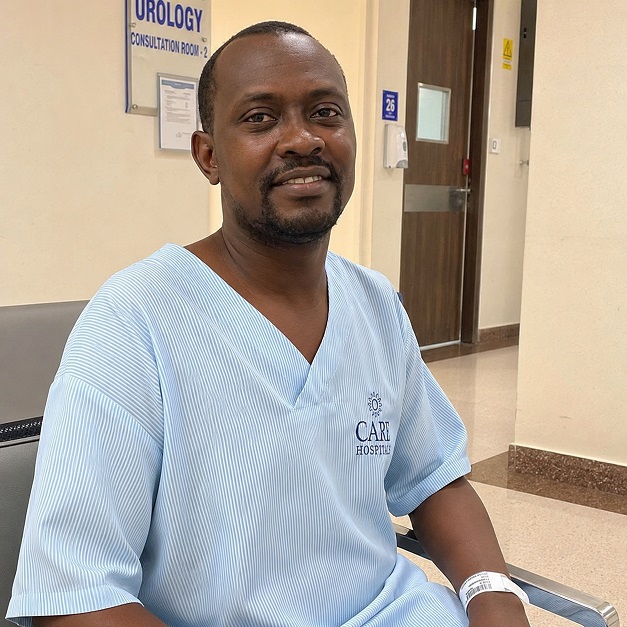
Patient Testimonials from Kenya
Ready to Take the First Step?
Share your Medical Reports with our Healthcare Managers Today and Get a FREE CONSULTATION, a Personalized Treatment Plan, and Complete Support from Arrival to Recovery.
Get Your Free ConsultationAreas We Serve
This resource has been thoughtfully prepared for patients from Kenya who are considering medical treatment in India. We also welcome patients from the wider region in the countries mentioned below-
We assist patients from:
- Ethiopia
- Somalia
- Tanzania
- Uganda
- Seychelles
- Guinea
- Guinea-Bissau
- Liberia
- Mali
- Mauritania
- Niger
- Nigeria
- Senegal
- Togo
- South Sudan
- Sierra Leone
Many of the insights, treatment pathways, hospital recommendations, travel guidance, and patient support services described here are equally relevant and may be used as a reference when planning treatment in India.
From Kenya to India: Your Complete Patient Support Guide
- Brain Tumour Surgery in India for Kenyan Patients
- Cancer Treatment and Surgery in India for Kenyan Patients
- Cardiac Treatment and Surgery in India for Kenyan Patients
- Heart Valve Replacement Surgery in India for Kenyan Patients
- Knee Replacement in India for Kenyan Patients
- Prostate Cancer Treatment and Surgery in India for Kenyan Patients
- Spine Treatment and Surgery in India for Kenyan Patients
- Selecting the Best Bariatric Surgeons and Hospitals in India: What Kenyan Patients Should Actually Look For
- Selecting the Best Cancer Surgeons and Hospitals in India: What Kenyan Patients Should Actually Look For
- Selecting the Best Cardiac Surgeons and Hospitals in India: What Kenyan Patients Should Actually Look For
- Selecting the Best Dental Surgeons and Clinics in India: What Kenyan Patients Should Actually Look For
- Selecting the Best Hip Surgeons and Hospitals in India: What Kenyan Patients Should Actually Look For
- Selecting the Best Kidney Transplant Surgeons and Hospitals in India: What Kenyan Patients Should Actually Look For
- Selecting the Best Knee Surgeons and Hospitals in India: What Kenyan Patients Should Actually Look For
- Selecting the Best Liver Transplant Surgeons and Hospitals in India: What Kenyan Patients Should Actually Look For
- Selecting the Best Neurosurgeons and Hospitals in India: What Kenyan Patients Should Actually Look For
- Selecting the Best Prostate Cancer Surgeons and Hospitals in India: What Kenyan Patients Should Actually Look For
- Selecting the Best Spine Surgeons and Hospitals in India: What Kenyan Patients Should Actually Look For