

Prostate Treatment and Surgery in India for Patients from Somalia
A man goes in for surgery on what everyone assumed was simply an enlarged prostate. He comes out having had cancer removed — cancer nobody knew was there until the tissue reached the laboratory. In Somalia, this happens far more often than anyone realises.
The first published study of its kind from Somalia looked back at hundreds of men who had surgery for benign prostatic hyperplasia — the common, non-cancerous enlargement of the prostate that causes difficulty urinating as men age. Nobody in that group had been diagnosed with cancer beforehand. Yet when the removed tissue was examined afterward, close to one in six of them had prostate cancer growing inside the very tissue that had just been treated as "just BPH." For 24 years I have watched assumptions like this cost patients time they could not afford to lose, and I write here as an independent adviser with no hospital's interest attached to my advice.
India performs prostate surgery, and the PSA testing, biopsy and pathology review that should come before it, at genuine scale — urologists who see this exact scenario regularly, not occasionally, at a fraction of what the same evaluation costs in the West or the Gulf. That combination of proper diagnostic rigour and affordability is what actually protects a patient in your position.
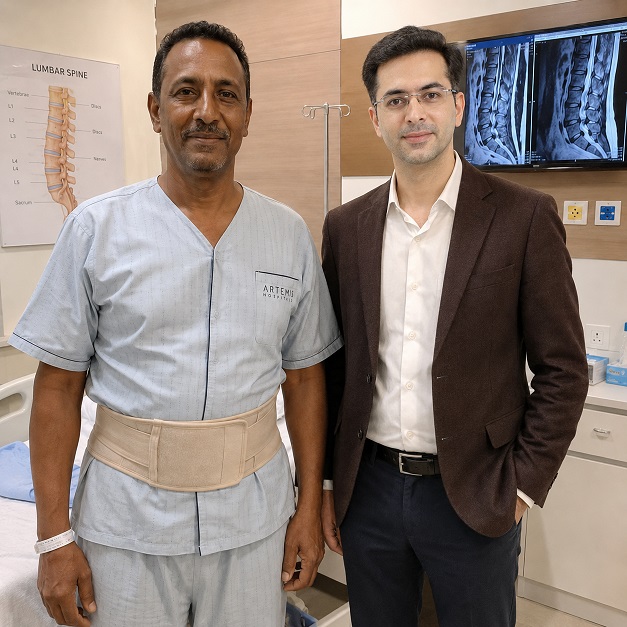
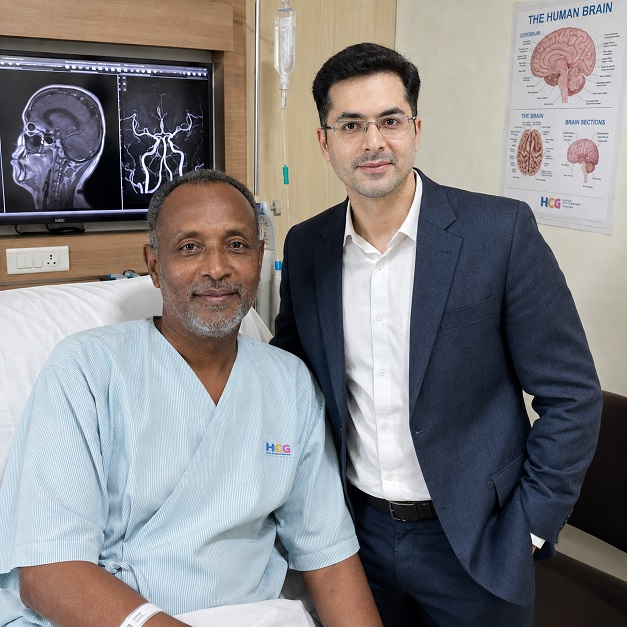
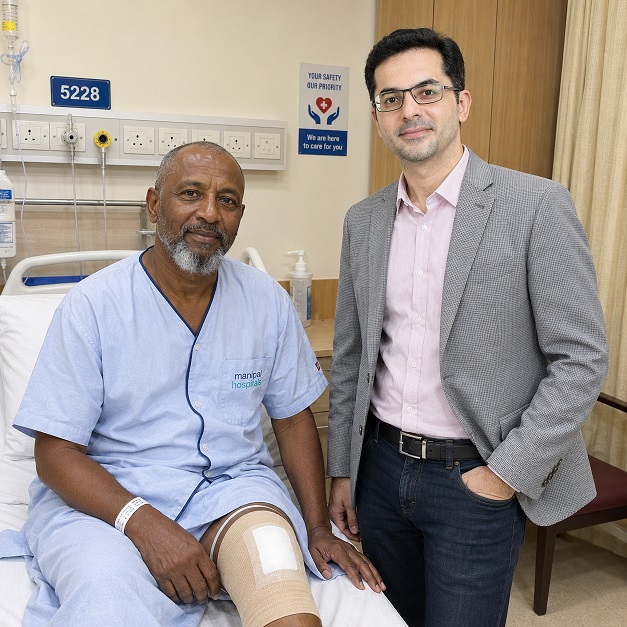
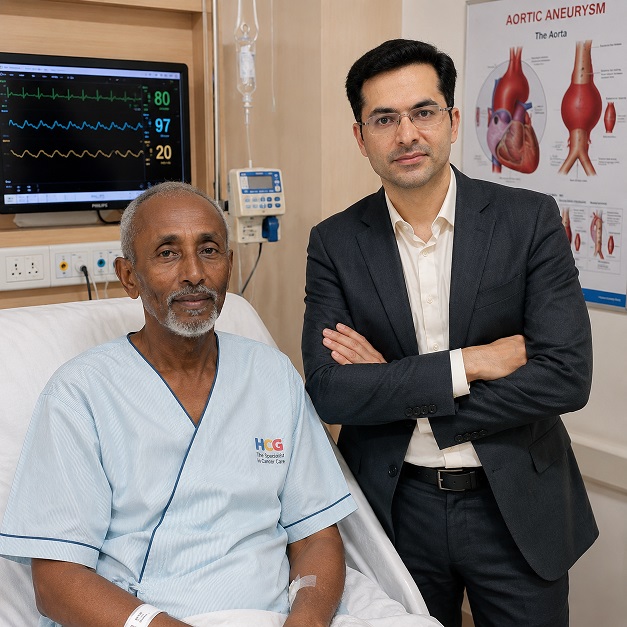
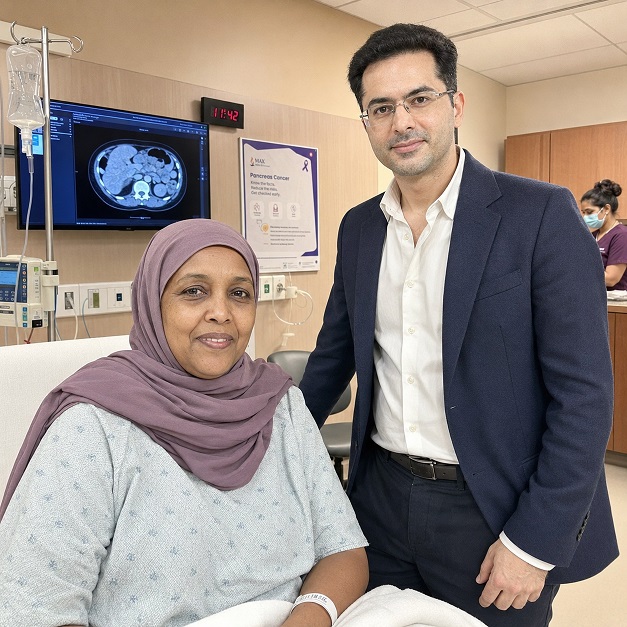
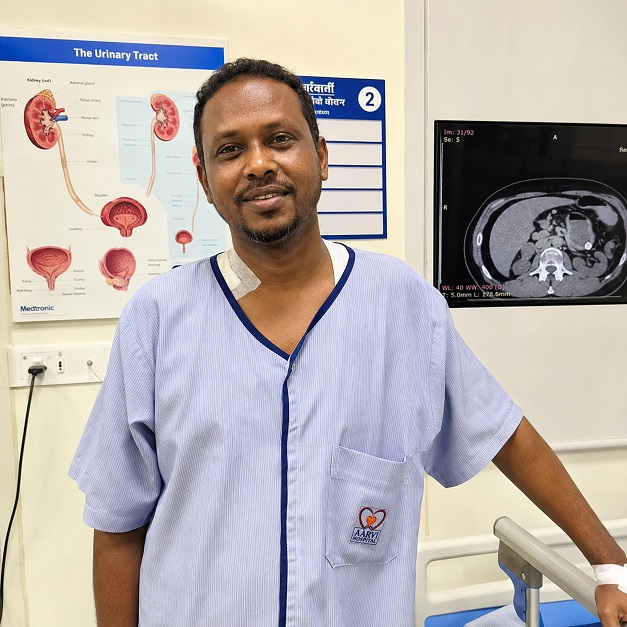
Healing Journeys of Somali Patients
Key Takeaways
- The guide highlights an important finding from the first published Somali hospital-based study of its kind involving 538 men who underwent surgery for benign prostatic hyperplasia (BPH). None had been diagnosed with prostate cancer beforehand, yet prostate cancer was subsequently identified in removed tissue in a significant proportion of patients.
- The chart on page 2 shows that incidental prostate cancer was found in 17.6% of all BPH surgery patients, equivalent to roughly one in six men. The rate was 18.3% among TURP patients and 13.5% among men undergoing open prostatectomy.
- BPH and prostate cancer can produce similar urinary symptoms, including slow urination, frequent night-time urination and a feeling that the bladder has not emptied completely. Testing is therefore important before assuming symptoms are caused only by benign enlargement.
- The guide identifies PSA blood testing as a particularly important pre-treatment investigation. Where clinically appropriate, biopsy and pathology assessment may also be needed before deciding on prostate treatment.
- According to the document, Somalia has no national prostate cancer screening programme, cancer registry or standard referral pathway for suspicious prostate findings. PSA testing is primarily available through private urban laboratories.
- The guide stresses that finding prostate cancer does not automatically mean a patient requires immediate surgery or radiotherapy. Some early, low-grade cancers may be managed with active surveillance, involving regular monitoring rather than immediate intervention.
Quick Facts
- Treatment
- Prostate Treatment & Surgery
- Country
- India
- Intended Audience
- Somali Patients
- Primary Conditions
- Benign Prostatic Hyperplasia (BPH) and Prostate Cancer
- Somali BPH Surgery Patients with Incidental Cancer
- 17.6%
- Incidental Cancer After TURP
- 18.3%
- Incidental Cancer After Open Prostatectomy
- 13.5%
- Five-Year Survival Highlighted
- 79%
- Primary Pre-Treatment Test
- PSA Blood Test
- Additional Evaluation
- Urological Assessment, Imaging, Biopsy and Pathology Where Appropriate
- Active Surveillance in Somali Study
- 54.7%
- Hormone Therapy in Somali Study
- 28.4%
- Other Treatment – Surgery/Radiotherapy
- 16.9%
- Surgical Trifecta
- Cancer Control, Urinary Continence and Sexual Function
In Brief
Prostate treatment and surgery in India for Somali patients may involve BPH management, PSA testing, biopsy, pathology review, active surveillance or treatment for confirmed prostate cancer. The Somali study highlighted in the guide found incidental prostate cancer in 17.6% of men undergoing BPH surgery, demonstrating why proper evaluation before a prostate procedure is important. Prostate treatment in India is estimated at approximately US$2,500–US$8,000 all-in, depending on whether the patient requires BPH surgery or cancer treatment.
"Just an enlarged prostate"? Not always.
This is the single most important fact in this entire guide, and it comes from Somalia's own hospital data, not a foreign study assumed to apply. Benign prostatic hyperplasia and prostate cancer can feel identical to a patient — both cause slow urination, frequent night-time trips to the bathroom, a sense of incomplete emptying. Only proper testing tells them apart, and in Somalia, a striking number of men never received that testing before their surgery.
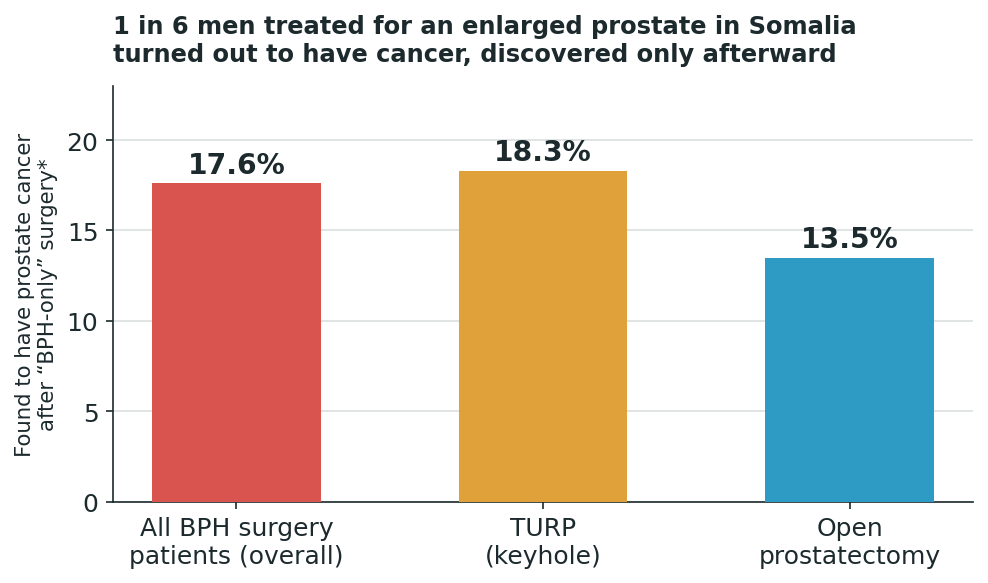
Findings from the first published Somali study of its kind, at the country's only cancer centre.
The Somali difference: the test that should come first is the test most men never get
Somalia has no national prostate cancer screening programme, no cancer registry, and no standard referral pathway for suspicious findings. PSA blood testing exists only through private urban laboratories, paid for out of pocket, which keeps it out of reach for a large share of the population. The digital rectal exam, a simple part of standard urological assessment elsewhere, is significantly underused. The result is that many men proceed straight to surgery for urinary symptoms without ever having the one test that could have told a different story beforehand.
This is not a reason for alarm. It is a reason to insist on PSA testing, and where appropriate a biopsy, before agreeing to any prostate procedure — a step that costs little compared with what it can reveal.
A cancer finding does not automatically mean aggressive treatment
This is the reassuring half of the same Somali data, and it deserves equal attention. Most of the men found to have incidental cancer were not rushed into further surgery or radiotherapy. The majority were managed with active surveillance — regular monitoring rather than immediate intervention — reflecting international guidance that many early, low-grade prostate cancers grow slowly enough that watching is the wiser first step.
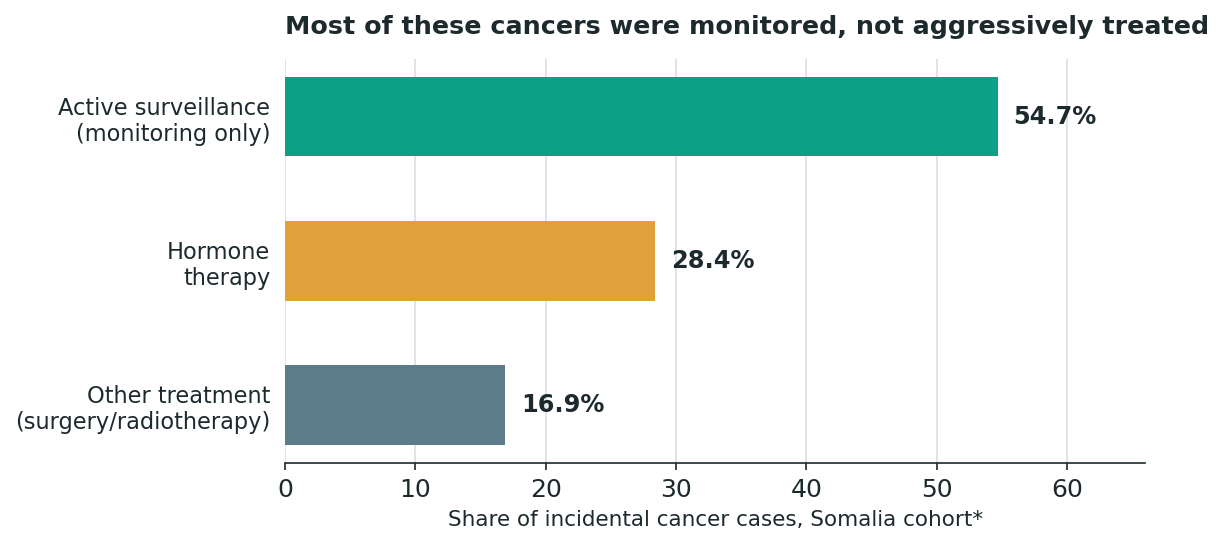
A cancer diagnosis is not automatically a call to aggressive treatment. Often, watching carefully is the right first move.
When surgery is the right call, the "trifecta" is what to ask about
For prostate cancer that does need treatment, and for BPH causing real symptoms, ask your surgeon directly about three outcomes together, not just one: cancer control, urinary continence, and sexual function. A skilled surgeon using nerve-sparing or robotic technique where appropriate will discuss all three honestly, including realistic trade-offs, rather than focusing only on removing the cancer and leaving the rest as an afterthought. These conversations can feel uncomfortable to raise, but avoiding them out of embarrassment only means finding out the hard way, after surgery, what nobody explained beforehand.
Choosing the surgeon and hospital is the real decision
Ask specifically how many prostate procedures the surgeon performs each year, and whether a genuine uro-oncology team, not a single surgeon, reviews cases where cancer is confirmed or suspected. Confirm NABH accreditation in India or, better, international JCI accreditation. A team that discusses active surveillance as a real option, not just surgery, is a team taking your case seriously rather than defaulting to the most profitable path.
What it costs — a number you can actually plan around
Somalia has run on the US dollar for a generation, the shilling itself never meaningfully reissued since 1991, so it fits that Indian hospitals quote this care the same way — in dollars, not a currency that shifts by the week. Prostate treatment in a reputable private Indian hospital typically runs US$2,500 to US$8,000 all-in, covering assessment, procedure and initial follow-up, with the range reflecting whether the case is BPH surgery or cancer treatment. Set that beside the alternatives and the case makes itself.
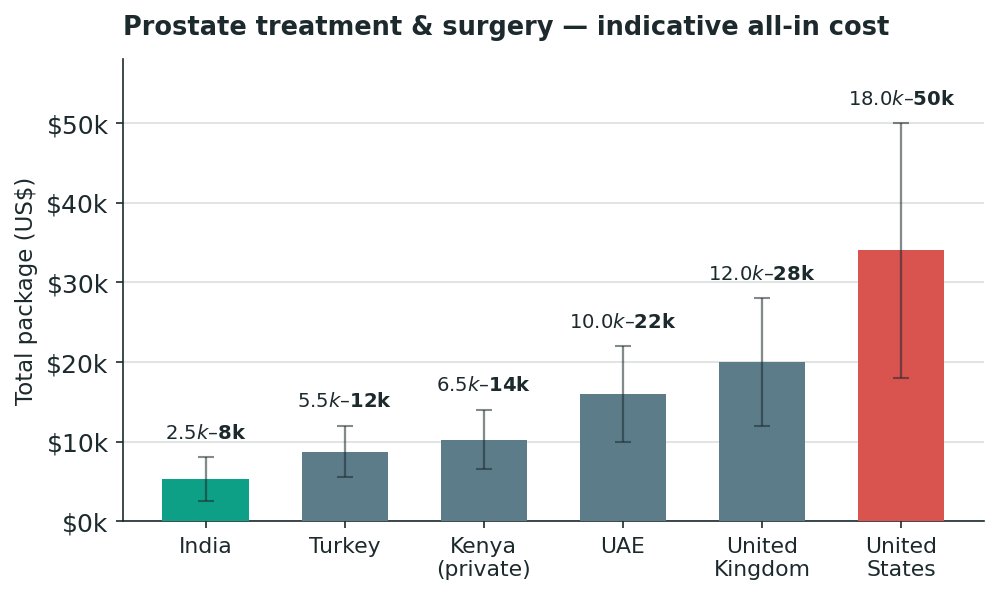
Indicative all-in cost for prostate treatment. India sits far below every common alternative.
One rule protects every Somali family who makes this journey: get the estimate in writing before a single flight is booked , and confirm it includes PSA testing and pathology review, not just the procedure itself. In more than 24 years arranging this kind of care, the disputes I have seen were almost never about the price itself — they were about a test, or a finding, nobody had bothered to check for.
Four signals that should make you stop and walk away
- No PSA test before surgery — Surgery scheduled without a PSA blood test first has skipped the most basic safeguard.
- Only one outcome discussed — If continence and sexual function are never mentioned alongside cancer control, ask why.
- Surgery pushed over surveillance — For low-risk findings, a team that never mentions monitoring as an option may be over-treating.
- The price keeps moving — A verbal estimate that shifts each time you ask is not an estimate. Demand a fixed figure in writing.
The practical journey from Somalia — plan it before you fly
The medicine is the easy part; the logistics are what genuinely trip families up. There is no direct flight between Somalia and India; patients route through Nairobi, Addis Ababa, Dubai or Djibouti. Because there is no full Indian mission inside Somalia, the medical visa is issued through the Embassy of India in Addis Ababa or the High Commission in Nairobi , against a written invitation letter from the treating hospital. Somali patients may bring up to two medical attendants on attendant visas. Since your route crosses yellow-fever territory, carry a valid yellow-fever vaccination certificate . Above every other instruction: send your actual PSA results and any imaging, not a written summary , so the team can plan properly before you ever leave home.
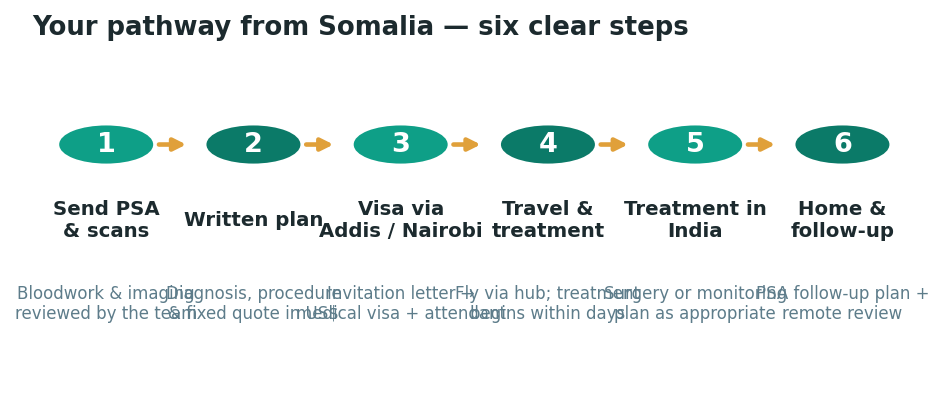
The complete route, start to finish — most of it arranged before you ever leave Somalia.
Straight answers
I have urinary symptoms but no PSA test yet — what should I do first?
Ask for a PSA blood test and a proper urological assessment before agreeing to any surgery date. It is a simple, inexpensive step that fundamentally changes what your surgeon needs to plan for.
If cancer is found, does that mean immediate surgery?
Not necessarily. Many early, low-grade findings are appropriately managed with active surveillance rather than immediate treatment. Your uro-oncology team should discuss this option honestly, not skip past it.
How long will I need to stay in India?
For most procedures, plan on roughly two to three weeks, including the procedure itself, hospital recovery, and a check before you are cleared to fly home.
What happens once I am home in Somalia?
You leave with a complete treatment record, including pathology results and a follow-up PSA schedule. A properly run hospital reviews your progress remotely by phone or video — essential when specialist urology follow-up inside Somalia remains limited.
The test that takes minutes can change everything that follows
A great many Somali men have lived with prostate symptoms assuming the worst outcome was already known, when in truth the most important information — a simple blood test — was never gathered at all. That is a gap worth closing before surgery, not after.
Sources & Useful Links
- 🌐 Indian medical visa (Somali nationals): indianvisaonline.gov.in
- 🌐 Embassy of India, Addis Ababa: eoiaddisababa.gov.in
- 🌐 High Commission of India, Nairobi: hcinairobi.gov.in
- 🌐 Yellow-fever requirements: who.int/health-topics/yellow-fever
- 🌐 Hospital accreditation (India): nabh.co · jointcommissioninternational.org
- 🌐 Verify a surgeon's registration: nmc.org.in
Do not decide alone, and do not decide blind
If you want your PSA results and scans reviewed properly and an honest written plan — including whether surveillance, not surgery, is the right first step — that is precisely the independent guidance I provide, without a single hospital's interest attached to my advice.
Dr. Dheeraj Bojwani · Independent medical travel advisor
Frequently Asked Questions by Somali Patients about Prostate Treatment and Surgery in India
Why should Somali patients have a PSA test before prostate surgery in India?
BPH and prostate cancer can cause similar urinary symptoms. The guide's cited Somali study found previously undiagnosed prostate cancer in 17.6% of men who underwent BPH surgery, making proper pre-treatment assessment important.
How much does prostate treatment in India cost for Somali patients?
The guide estimates approximately US$2,500–US$8,000 all-in, including assessment, the procedure and initial follow-up. The final amount depends on whether treatment is for BPH or prostate cancer.
Can Somali patients receive BPH treatment in India?
Yes. Indian urology centres provide evaluation and surgical treatment for benign prostatic hyperplasia. The guide stresses that PSA testing should be performed before assuming urinary symptoms are caused only by BPH.
Does finding prostate cancer mean a Somali patient needs immediate surgery?
Not necessarily. Some early, low-grade prostate cancers can be managed through active surveillance rather than immediate surgery or radiotherapy.
What is active surveillance for prostate cancer?
Active surveillance involves carefully monitoring prostate cancer rather than treating it immediately. In the Somali study highlighted in the document, 54.7% of incidental cancer cases were managed with active surveillance.
What should Somali patients discuss before prostate cancer surgery in India?
The guide recommends discussing three outcomes together: cancer control, urinary continence and sexual function. Patients should understand the potential effects of treatment on all three.
Can robotic or nerve-sparing prostate surgery be performed in India?
The guide identifies robotic and nerve-sparing techniques as options that may be considered where appropriate. Suitability depends on the diagnosis and individual treatment plan.
What records should Somali patients send before travelling to India?
Patients should send their actual PSA results and available imaging, rather than only a written summary, so the Indian urology team can review the case properly.
How long should Somali patients plan to stay in India for prostate treatment?
For most procedures, the guide recommends approximately two to three weeks, including treatment, hospital recovery and a medical check before flying home.
What are the red flags when choosing prostate treatment in India?
The guide identifies four warning signs: no PSA test before surgery, discussion of only one surgical outcome, surgery being pushed over surveillance for low-risk disease, and a treatment price that keeps changing.
Page Summary
This guide explains prostate treatment and surgery in India for Somali patients, with particular attention to distinguishing benign prostatic hyperplasia (BPH) from prostate cancer before treatment. The document draws on a Somali hospital-based study involving 538 BPH surgery patients who had not been diagnosed with cancer before their procedures.
Citation Block
| Topic | Information |
|---|---|
| Topic Information | Details |
| Procedure | Prostate Treatment & Surgery |
| Country | India |
| Intended Audience | Somali Patients |
| Conditions Covered | Benign Prostatic Hyperplasia (BPH) and Prostate Cancer |
| Procedures / Management | BPH Surgery, TURP, Prostate Surgery, Active Surveillance, Hormone Therapy and Cancer Treatment |
| Primary Pre-Treatment Test | PSA Blood Test |
| Additional Assessment | Urological Assessment, Imaging, Biopsy and Pathology Where Appropriate |
| Incidental Cancer Rate | 17.6% Among Somali BPH Surgery Patients in the Cited Study |
| Treatment Decision | Active Surveillance vs Treatment According to Cancer Risk |
| Follow-Up | Pathology Results, PSA Schedule and Remote Phone/Video Review |
| Author | Dr. Dheeraj Bojwani |
| Experience | 24+ Years in Medical Travel |


Our Mission Statement
Our mission is to place patients at the centre of every healthcare decision by providing trustworthy, evidence-based, and unbiased medical information. We believe that informed patients make better decisions. Backed by personalised guidance from our experienced advisory team, we help patients understand their treatment options, compare them objectively, and confidently choose the path that best suits their medical needs and personal circumstances.
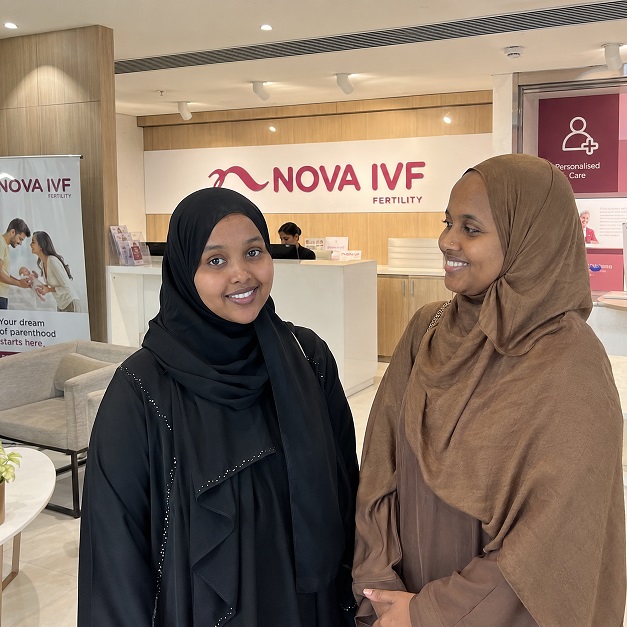
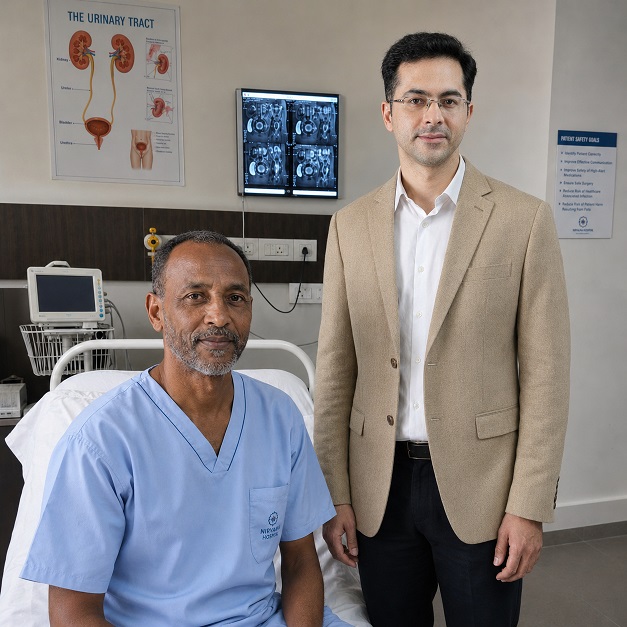
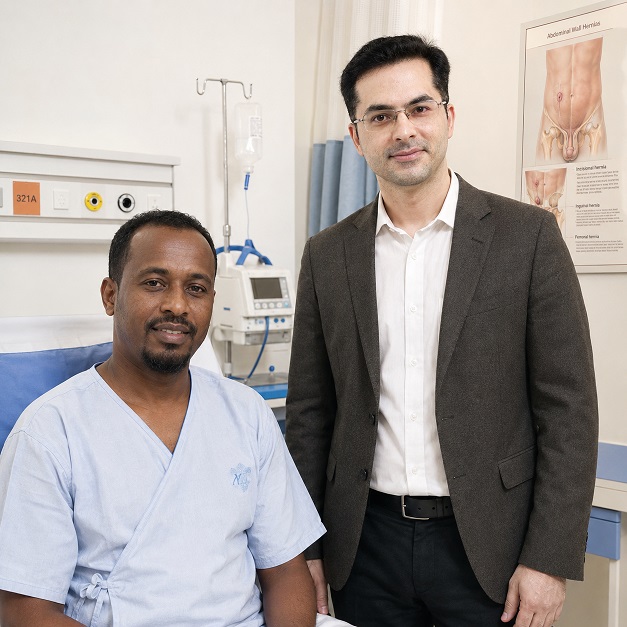
Patient Testimonials from Somalia

Ready to Take the First Step?
Share your Medical Reports with our Healthcare Managers Today and Get a FREE CONSULTATION, a Personalized Treatment Plan, and Complete Support from Arrival to Recovery.
Get Your Free ConsultationAreas We Serve
This resource has been thoughtfully prepared for patients from Somalia who are considering medical treatment in India. We also welcome patients from the wider region in the countries mentioned below-
We assist patients from:
- Ethiopia
- Djibouti
- Yemen
- Kenya
- Seychelles
- Somalia
- South Sudan
- Tanzania
- Uganda
- Zambia
- Zimbabwe
- Angola
- Cameroon
- Central African Republic
Many of the insights, treatment pathways, hospital recommendations, travel guidance, and patient support services described here are equally relevant and may be used as a reference when planning treatment in India.
From Somalia to India: Your Complete Patient Support Guide
- Best Brain Tumour Surgeons & Hospitals in India for Somali Patients
- Best Cancer Treatment Surgeons & Hospitals in India for Somali Patients
- Best Cardiac Surgeons & Hospitals in India for Somali Patients
- Best CyberKnife Teams & Centres in India for Somali Patients
- Best Heart Valve Replacement Surgeons & Hospitals in India for Somali Patients
- Best Hip Surgeons & Hospitals in India for Somali Patients
- Best Knee Surgeons & Hospitals in India for Somali Patients
- Best Neurosurgeons & Hospitals in India for Somali Patients
- Best Paediatric Cardiac Surgeons & Hospitals in India for Somali Patients
- Best Paediatric Neurosurgeons & Hospitals in India for Somali Patients
- Best Spine Surgeons & Hospitals in India for Somali Patients
- Bariatric Surgery in India for Patients from Somalia
- Brain Tumour Surgery in India for Patients from Somalia
- Cancer Treatment and Surgery in India for Patients from Somalia
- Cardiac Surgery in India for Patients from Somalia
- Cosmetic and Plastic Surgery in India for Patients from Somalia
- CyberKnife Treatment in India for Patients from Somalia
- Dental Surgery in India for Patients from Somalia