

Cosmetic and Plastic Surgery in India for Patients from Somalia
This is not one specialty pretending to be simple. It is reconstructive medicine for old injuries and burns, and elective enhancement for those who choose it — and both deserve a surgeon who understands exactly how skin like yours actually heals.
Plastic surgery carries two very different faces, and Somali patients arrive at both of them. Some come seeking reconstruction — a burn scar that never healed properly, an old injury that still restricts movement or draws stares, the legacy of years many families would rather not revisit. Others come by genuine choice, for enhancement they have thought carefully about. Both deserve the same seriousness, the same qualified hands, and the same honesty about how skin like yours specifically responds to surgery. For 24 years I have guided patients through both kinds of decision, and I write here as an independent adviser with no hospital's interest attached to my advice.
India performs both reconstructive and cosmetic plastic surgery at genuine scale, with surgeons who see darker skin types daily rather than occasionally — a distinction that matters more here than almost any other specialty — at a fraction of what the same care costs in the West or the Gulf. That combination of relevant experience and affordability is what actually protects your result.
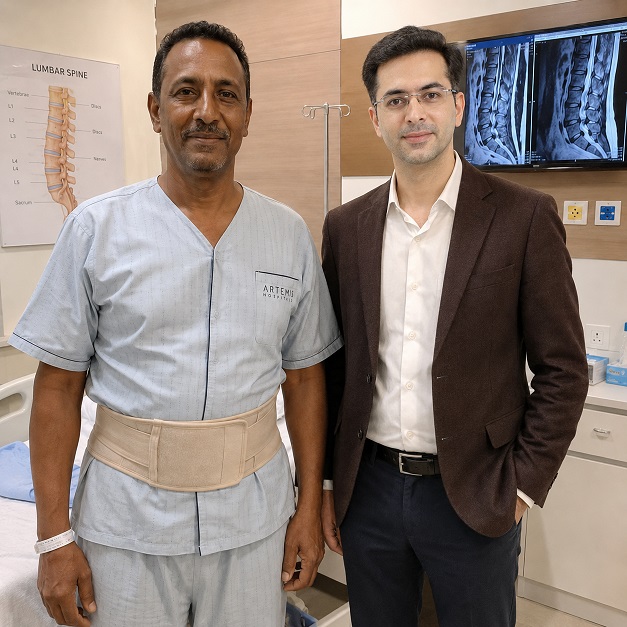
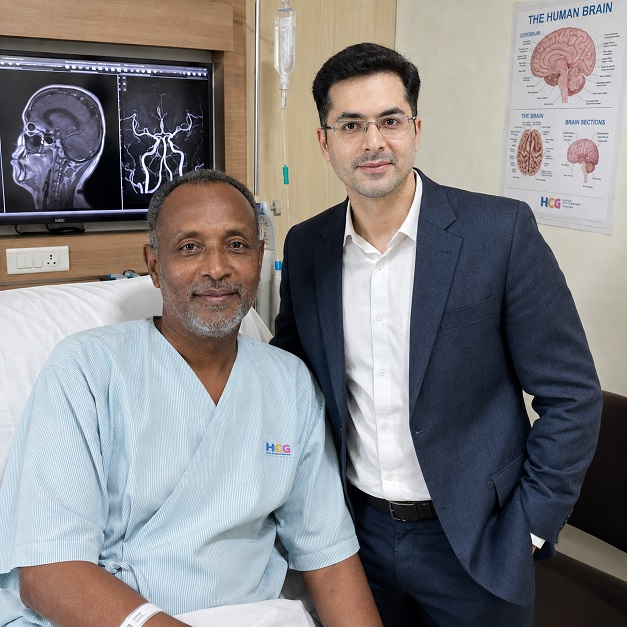
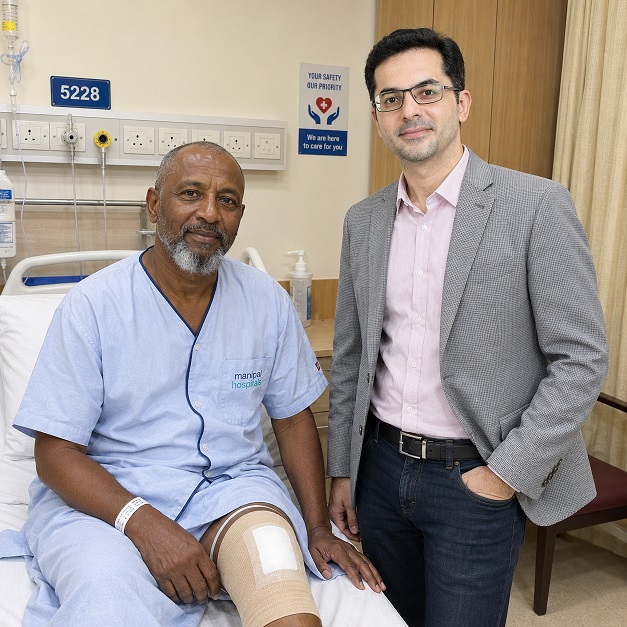
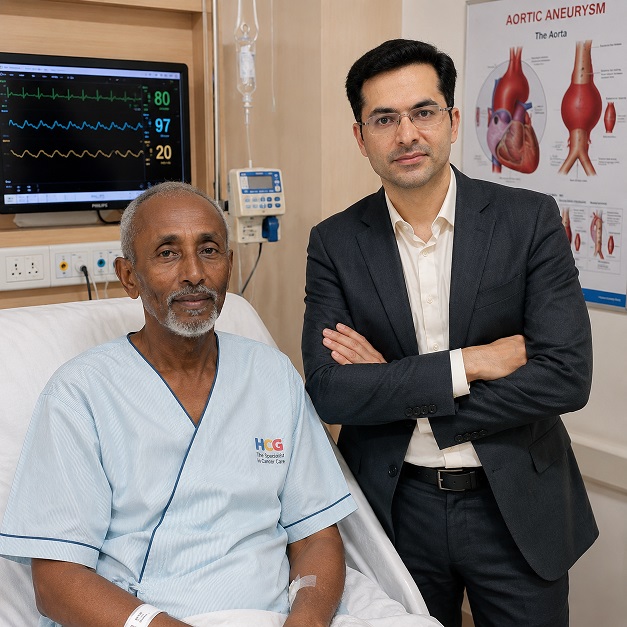
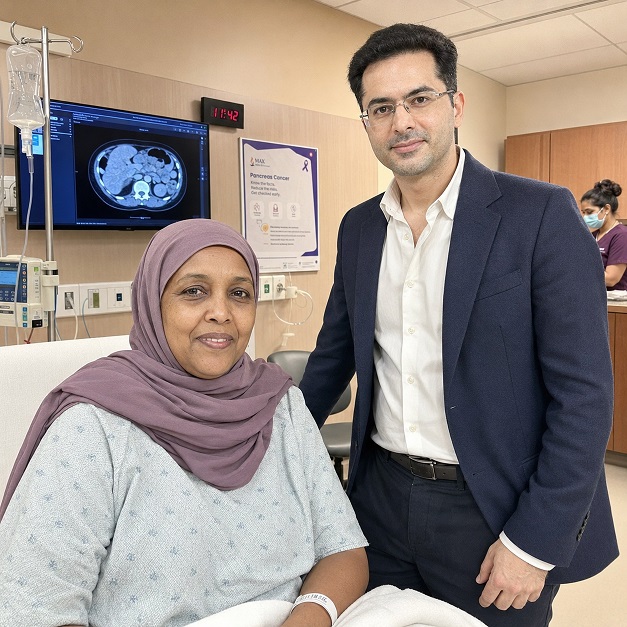
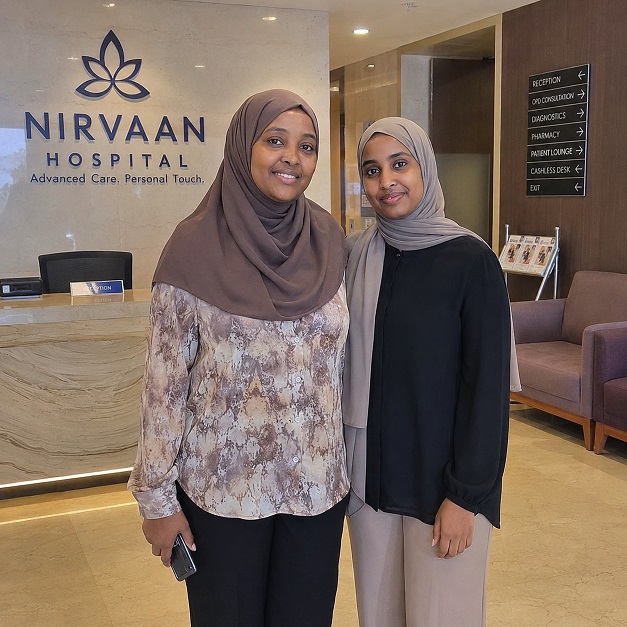
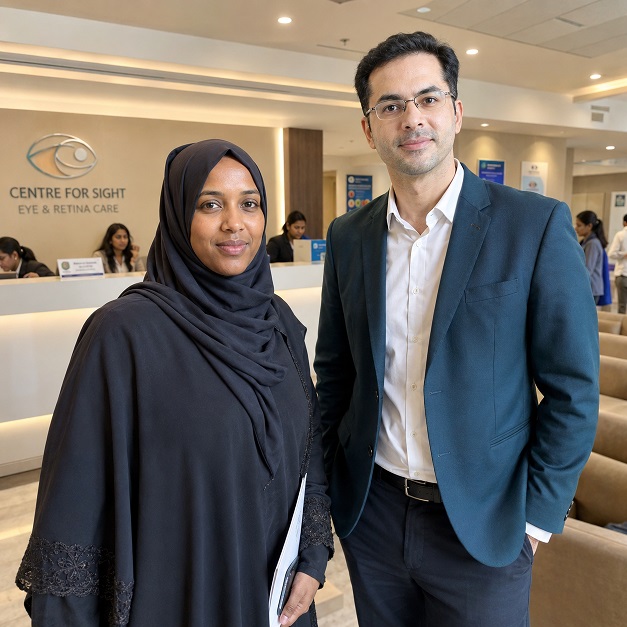
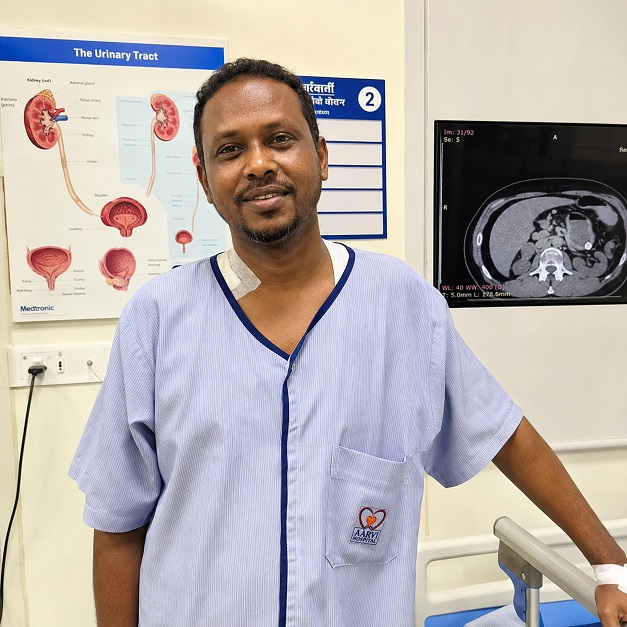
Healing Journeys of Somali Patients
Key Takeaways
- For Somali patients, cosmetic and plastic surgery in India includes two distinct areas: reconstructive surgery and elective cosmetic enhancement. Reconstructive treatment may address burn contractures, traumatic scars and old injuries that restrict movement or cause pain, while cosmetic surgery is performed by personal choice.
- One of the most important considerations highlighted in the guide is keloid and hypertrophic scarring in darker skin. The page 2 chart illustrates keloid-scarring risk in darker skin tones as up to 15× the baseline risk, making experience with similar skin types particularly important when choosing a surgeon.
- Higher scarring risk does not mean Somali patients should automatically avoid surgery. Instead, incision placement, wound tension, surgical technique and postoperative scar care should be planned specifically for the patient's skin.
- For many Somali patients, plastic surgery may be reconstructive rather than purely cosmetic. The guide specifically mentions burn contractures, traumatic scarring and previously untreated injuries that may affect movement, comfort and appearance.
- Patients should ask to see real surgical results from people with a similar skin tone, rather than relying on a general portfolio or stock before-and-after images.
- The guide warns that the title “cosmetic surgeon” alone does not establish specialist training. A genuine plastic surgeon in India should hold a recognised postgraduate qualification such as MCh or DNB in Plastic Surgery.
- Combining several cosmetic procedures into one operation may appear convenient for international patients, but the guide warns that this can increase complication risk because of longer anaesthesia, greater combined blood loss and a more demanding recovery.
- After returning to Somalia, patients should have a complete scar-care plan and follow-up instructions, with remote phone or video review to monitor healing and scar development over the following months.
Quick Facts
- Specialty
- Cosmetic & Reconstructive Plastic Surgery
- Country
- India
- Intended Audience
- Somali Patients
- Treatment Categories
- Reconstructive Surgery and Elective Cosmetic Surgery
- Reconstructive Conditions Mentioned
- Burn Contractures, Traumatic Scarring and Old Injuries
- Key Skin Consideration
- Keloid and Hypertrophic Scarring
- Keloid Risk in Darker Skin
- Up to 15× baseline
- Single-Procedure Complication Rate
- 4.2%
- Combined-Procedure Complication Rate
- 7.6%
- Key Surgeon Qualification
- MCh or DNB in Plastic Surgery
- Skin-Type Experience
- Experience with similar darker skin tones should be confirmed.
- Patient Results
- Ask for genuine results on similar skin tones.
- Hospital Accreditation
- NABH or JCI
- Average Single-Procedure Cost
- US$1,800–US$5,500 All-In
In Brief
Cosmetic and reconstructive plastic surgery in India for Somali patients requires particular attention to how darker skin heals and scars. The guide highlights an up to 15× higher keloid-scarring risk in darker skin and recommends choosing a qualified MCh or DNB plastic surgeon with genuine experience treating similar skin tones. Combining procedures may also increase complications, with the page 3 chart showing 4.2% for a single procedure versus 7.6% for combined procedures. A single procedure in India is estimated at approximately US$1,800–US$5,500 all-in, with around two weeks in India recommended for most single procedures.
The scarring factor most clinics never mention
This is the single most important technical fact in this entire guide, and it is routinely left out of glossy before-and-after marketing. Darker skin, including the great majority of Somali skin, carries a substantially higher risk of keloid and hypertrophic scarring — thick, raised scars that can extend beyond the original incision and, in some cases, cause itching, tightness or restricted movement long after the surgery itself. This is not a reason to avoid surgery. It is a reason to choose a surgeon who plans for it from the first cut, with incision placement, wound tension and after-care all adjusted accordingly.
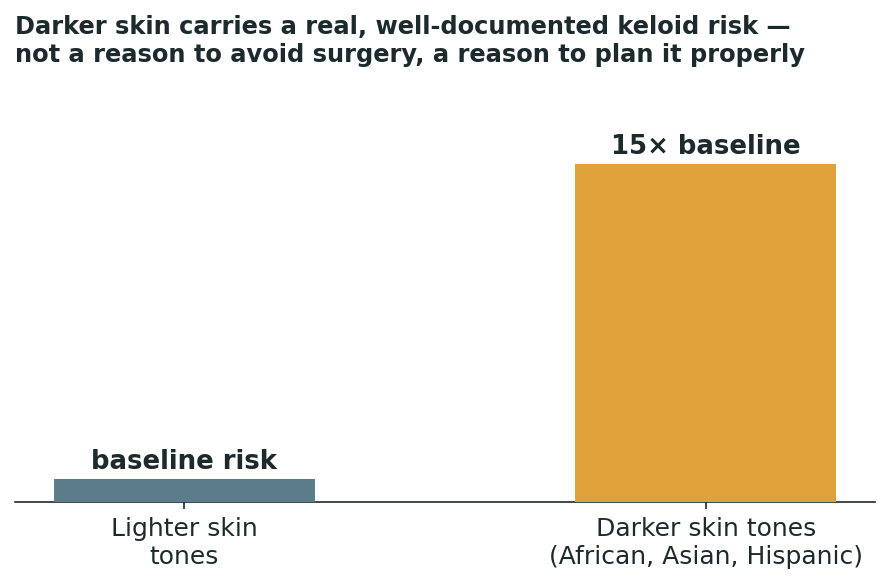
A well-documented biological difference, not a rare complication — and one a good surgeon plans around.
The Somali difference: reconstruction is often the real need, not enhancement
Years of conflict have left many Somali patients with burn contractures, traumatic scarring, and injuries that were never properly treated at the time — problems that restrict movement, cause pain, or affect confidence in ways that go well beyond appearance. This is reconstructive surgery in the fullest medical sense, and it deserves to be evaluated with the same rigour as any other serious operation, not folded quietly into a "cosmetic" category as an afterthought.
Whichever category your case falls into, the technical question is the same: does this surgeon have real, regular experience operating on skin that scars the way yours does? Ask directly, and ask to see results on patients with a similar skin tone, not a generalised portfolio.
"Cosmetic surgeon" is not a protected title everywhere
In many countries, including places Somali patients sometimes travel to first, anyone can call themselves a "cosmetic surgeon" regardless of their actual training, since the term itself carries no formal, protected meaning. A genuine plastic surgeon in India holds a specific postgraduate qualification — an MCh or DNB in Plastic Surgery — earned after years of dedicated training beyond a general medical degree, and typically includes exactly the reconstructive experience that burn and trauma cases demand. Ask for this qualification by name, not just a reassuring job title, before agreeing to anything, and be wary of anyone who deflects the question.
The temptation that quietly doubles your risk
Combining several procedures into a single trip is tempting when travel itself is expensive and difficult to arrange — but the evidence is clear that doing so meaningfully raises the chance of complications, through longer time under anaesthesia, greater combined blood loss, and a harder recovery for the body to manage all at once. This is worth knowing before you ask a surgeon to "do everything in one visit," even when the logistics of travelling from Somalia make that idea genuinely appealing.
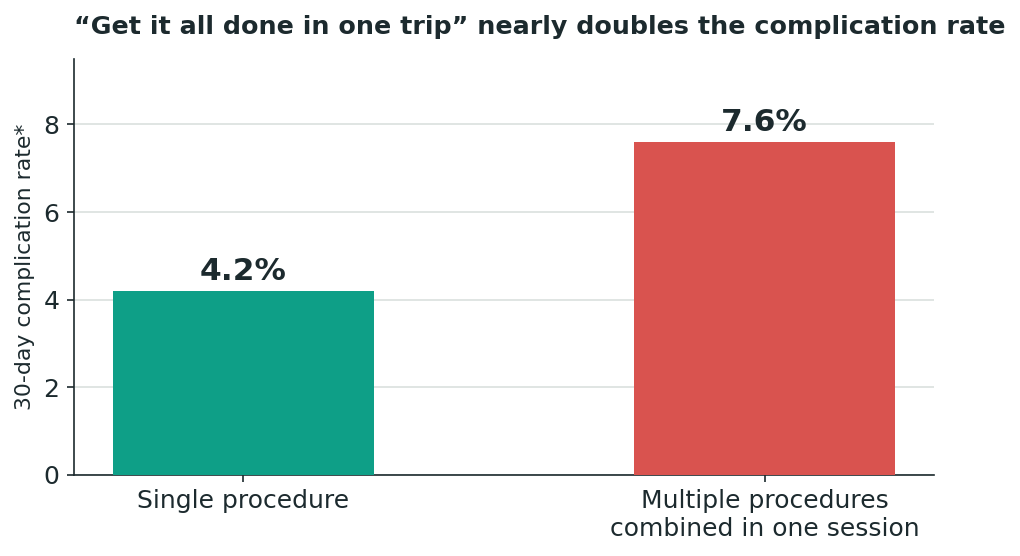
A real and measured difference, not a scare tactic — from registry data tracking surgical outcomes.
Choosing the surgeon and hospital is the real decision
Ask specifically for the surgeon's qualification, their experience with your exact procedure on skin similar to yours, and honest photographs of real results, not stock images. Confirm NABH accreditation in India or, better, international JCI accreditation. A surgeon confident in their work will answer these questions directly and without defensiveness.
What it costs — a number you can actually plan around
Somalia has run on the US dollar for a generation, the shilling itself never meaningfully reissued since 1991, so it fits that Indian hospitals quote this care the same way — in dollars, not a currency that shifts by the week. A single cosmetic or reconstructive procedure in a reputable private Indian hospital typically runs US$1,800 to US$5,500 all-in, covering consultation, surgery and initial follow-up. Set that beside the alternatives and the case makes itself.
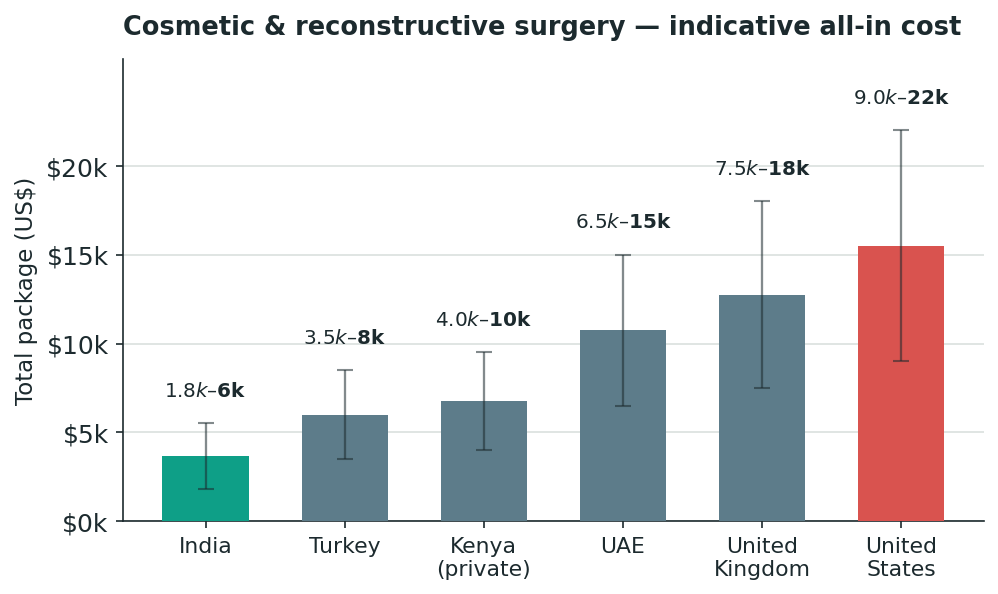
Indicative all-in cost for a single cosmetic or reconstructive procedure. India sits far below every common alternative.
One rule protects every Somali family who makes this journey: get the estimate in writing before a single flight is booked, and confirm it names the specific procedure and the surgeon's exact qualification. In more than 24 years arranging this kind of care, the disputes I have seen were almost never about the price itself — they were about a scope of work, or a qualification, nobody had bothered to confirm.
Four signals that should make you stop and walk away
- No qualification named — “Cosmetic surgeon” alone is not a qualification. Ask for the specific postgraduate degree.
- No skin-type experience shown — Ask to see real results on similar skin tones, not a generic portfolio.
- Pressure to combine procedures — If cost or convenience is the only reason to combine surgeries, question it.
- The price keeps moving — A verbal estimate that shifts each time you ask is not an estimate. Demand a fixed figure in writing.
Straight answers
Does keloid risk mean I should avoid surgery altogether?
No. It means incision placement, technique and after-care should be planned specifically around your skin from the outset, which a genuinely experienced surgeon does as a matter of course, not an exception.
Is reconstructive surgery for an old injury treated differently from elective surgery?
The evaluation is equally rigorous either way, though reconstructive cases often involve functional goals, like restoring movement, alongside appearance, which shapes the specific technique chosen.
How long will I need to stay in India?
This varies by procedure, but plan on roughly two weeks for most single procedures, including surgery and supervised early healing before you are cleared to fly home.
What happens once I am home in Somalia?
You leave with a complete scar-care plan and follow-up instructions. A properly run hospital reviews your healing remotely by phone or video — especially useful for monitoring how a scar is developing over the following months.
The practical journey from Somalia — plan it before you fly
The medicine is the easy part; the logistics are what genuinely trip families up. There is no direct flight between Somalia and India; patients route through Nairobi, Addis Ababa, Dubai or Djibouti. Because there is no full Indian mission inside Somalia, the medical visa is issued through the Embassy of India in Addis Ababa or the High Commission in Nairobi, against a written invitation letter from the treating hospital. Somali patients may bring up to two medical attendants on attendant visas. Since your route crosses yellow-fever territory, carry a valid yellow-fever vaccination certificate. Above every other instruction: send clear photographs, not just a description, so the surgeon can assess your skin and plan properly before you ever leave home.
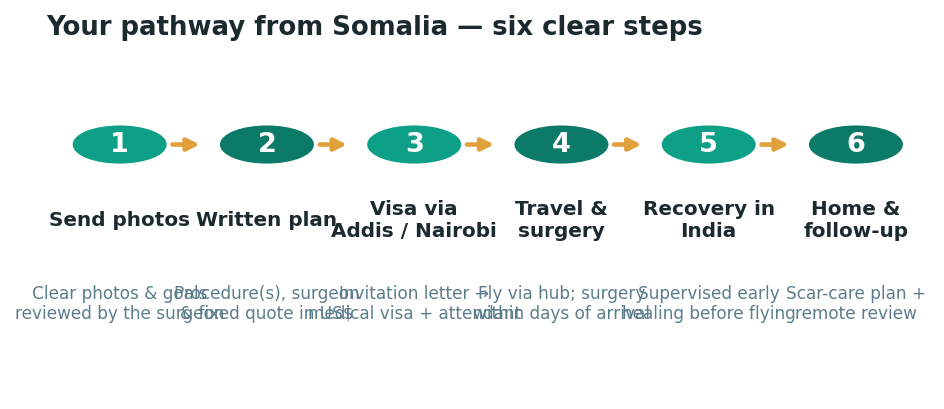
The complete route, start to finish — most of it arranged before you ever leave Somalia.
Whatever brought you here, you deserve a surgeon who actually understands your skin
Whether the goal is repairing what conflict or accident took, or choosing a change for yourself, the standard should be the same: real qualifications, real experience with skin like yours, and an honest plan written down before you travel.
Sources & Useful Links
- 🌐 Indian medical visa (Somali nationals): indianvisaonline.gov.in
- 🌐 Embassy of India, Addis Ababa: eoiaddisababa.gov.in
- 🌐 High Commission of India, Nairobi: hcinairobi.gov.in
- 🌐 Yellow-fever requirements: who.int/health-topics/yellow-fever
- 🌐 Hospital accreditation (India): nabh.co · jointcommissioninternational.org
- 🌐 Verify a surgeon's registration: nmc.org.in
Do not decide alone, and do not decide blind
If you want your photographs reviewed properly and an honest written plan — including which surgeon's qualification and experience actually fits your case — that is precisely the independent guidance I provide, without a single hospital's interest attached to my advice.
Dr. Dheeraj Bojwani · Independent medical travel advisor
Frequently Asked Questions by Somali Patients about Cosmetic and Plastic Surgery in India
Why is skin type important for Somali patients considering plastic surgery?
The guide highlights that darker skin has a higher risk of keloid and hypertrophic scarring. Surgeons should therefore plan incision placement, wound tension and after-care carefully.
Does a higher keloid risk mean Somali patients should avoid surgery?
No. The guide says higher keloid risk is not a reason to avoid surgery, but it makes choosing a surgeon experienced with similar skin types especially important.
What plastic surgery qualifications should Somali patients check in India?
Patients should look for a recognised postgraduate qualification such as MCh or DNB in Plastic Surgery. The title “cosmetic surgeon” alone does not confirm specialist plastic-surgery training.
How much does cosmetic or plastic surgery in India cost for Somali patients?
The guide estimates approximately US$1,800–US$5,500 all-in for a single procedure, including consultation, surgery and initial follow-up.
Is reconstructive surgery only about improving appearance?
No. Reconstructive surgery may treat burn contractures, traumatic scars and old injuries that cause pain or restrict movement, so functional improvement can be an important goal.
Is it safe to combine several cosmetic procedures in one operation?
The guide advises caution. The page 3 chart shows a 4.2% complication rate for a single procedure versus 7.6% when multiple procedures are combined.
What should Somali patients send before travelling to India?
Patients should send clear photographs rather than only a written description. This allows the surgeon to assess the skin and begin planning before travel.
How long should Somali patients stay in India after plastic surgery?
The guide recommends planning approximately two weeks for most single procedures. This includes surgery and supervised early healing before the patient is cleared to fly home.
What follow-up is needed after returning to Somalia?
Patients should leave India with a complete scar-care plan and follow-up instructions. Healing and scar development can then be reviewed remotely by phone or video.
What are the warning signs when choosing a plastic surgery provider?
The guide highlights four red flags: no specific qualification, no similar skin-type experience, pressure to combine procedures and a price that keeps changing.
Page Summary
This guide explains cosmetic and reconstructive plastic surgery in India for Somali patients, while making an important distinction between elective enhancement and medically meaningful reconstruction after burns, trauma or old injuries. Both require appropriately qualified plastic surgeons and careful planning.
Citation Block
| Topic | Information |
|---|---|
| Topic Information | Details |
| Procedure | Cosmetic & Reconstructive Plastic Surgery |
| Country | India |
| Intended Audience | Somali Patients |
| Conditions Covered | Burn Contractures, Traumatic Scarring, Old Injuries and Elective Cosmetic Concerns |
| Procedures | Reconstructive Plastic Surgery, Scar/Burn Reconstruction and Elective Cosmetic Procedures |
| Typical Stay | Approximately 2 Weeks for Most Single Procedures |
| Hospital Stay | Not Specifically Stated in the Guide |
| Recovery | Supervised Early Healing in India Followed by Scar Care and Remote Monitoring |
| Average Treatment Cost | US$1,800–US$5,500 All-In for a Single Procedure |
| Key Skin Consideration | Increased Risk of Keloid and Hypertrophic Scarring in Darker Skin |
| Surgeon Qualification | MCh or DNB in Plastic Surgery |
| Hospital Accreditation | NABH or JCI |
| Pre-Travel Requirement | Clear Photographs for Surgeon Review |

Our Mission Statement
Our mission is to place patients at the centre of every healthcare decision by providing trustworthy, evidence-based, and unbiased medical information. We believe that informed patients make better decisions. Backed by personalised guidance from our experienced advisory team, we help patients understand their treatment options, compare them objectively, and confidently choose the path that best suits their medical needs and personal circumstances.
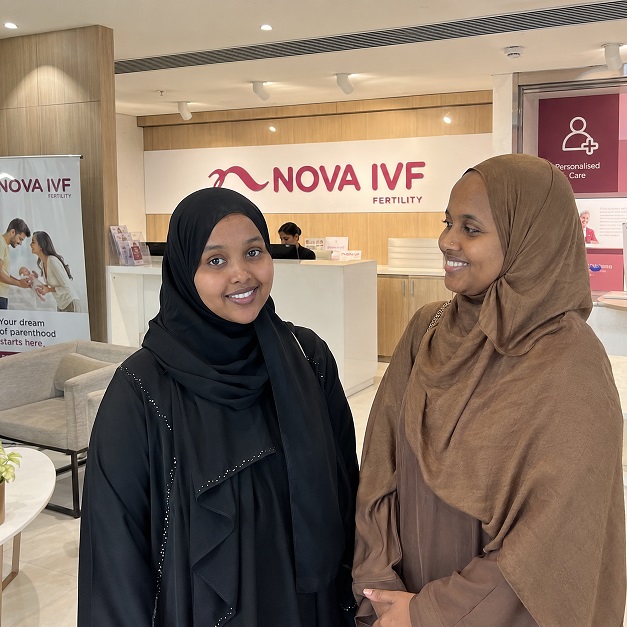
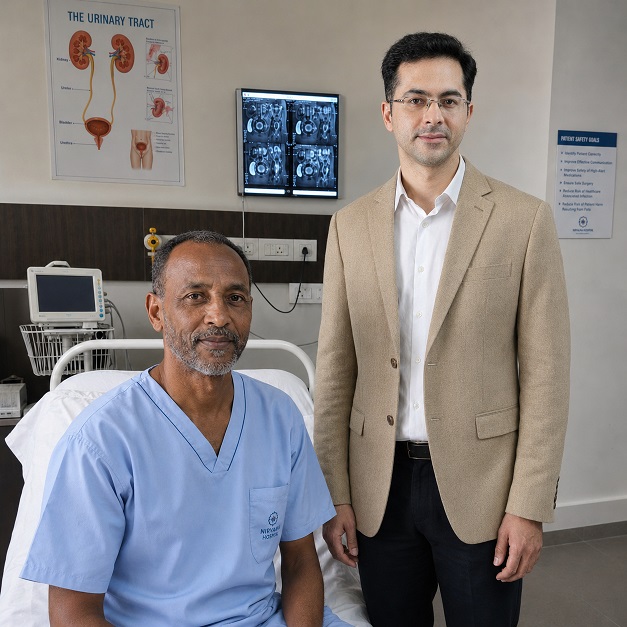
Patient Testimonials from Somalia
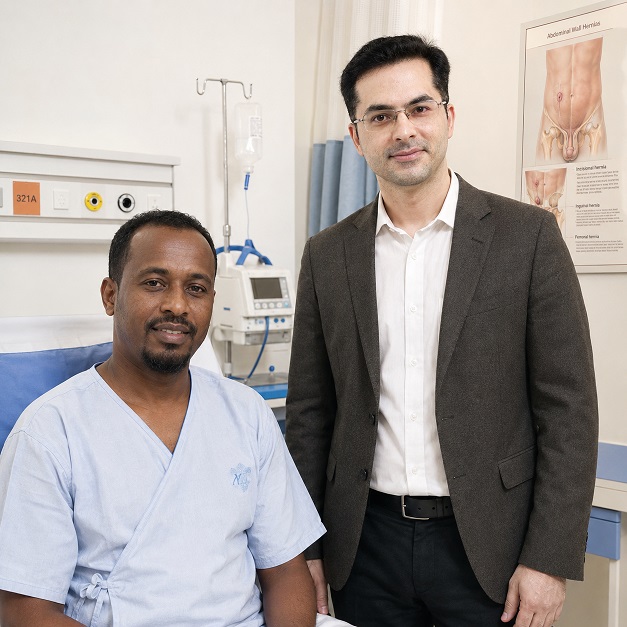
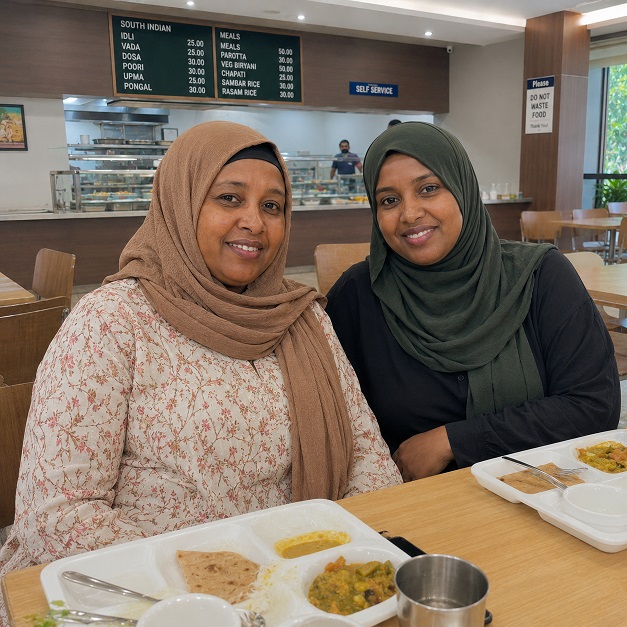
Ready to Take the First Step?
Share your Medical Reports with our Healthcare Managers Today and Get a FREE CONSULTATION, a Personalized Treatment Plan, and Complete Support from Arrival to Recovery.
Get Your Free ConsultationAreas We Serve
This resource has been thoughtfully prepared for patients from Somalia who are considering medical treatment in India. We also welcome patients from the wider region in the countries mentioned below-
We assist patients from:
- Ethiopia
- Djibouti
- Yemen
- Kenya
- Seychelles
- Somalia
- South Sudan
- Tanzania
- Uganda
- Zambia
- Zimbabwe
- Angola
- Cameroon
- Central African Republic
Many of the insights, treatment pathways, hospital recommendations, travel guidance, and patient support services described here are equally relevant and may be used as a reference when planning treatment in India.
From Somalia to India: Your Complete Patient Support Guide
- Best Brain Tumour Surgeons & Hospitals in India for Somali Patients
- Best Cancer Treatment Surgeons & Hospitals in India for Somali Patients
- Best Cardiac Surgeons & Hospitals in India for Somali Patients
- Best CyberKnife Teams & Centres in India for Somali Patients
- Best Heart Valve Replacement Surgeons & Hospitals in India for Somali Patients
- Best Hip Surgeons & Hospitals in India for Somali Patients
- Best Knee Surgeons & Hospitals in India for Somali Patients
- Best Neurosurgeons & Hospitals in India for Somali Patients
- Best Paediatric Cardiac Surgeons & Hospitals in India for Somali Patients
- Best Paediatric Neurosurgeons & Hospitals in India for Somali Patients
- Best Spine Surgeons & Hospitals in India for Somali Patients
- Bariatric Surgery in India for Patients from Somalia
- Brain Tumour Surgery in India for Patients from Somalia
- Cancer Treatment and Surgery in India for Patients from Somalia
- Cardiac Surgery in India for Patients from Somalia
- Cosmetic and Plastic Surgery in India for Patients from Somalia
- CyberKnife Treatment in India for Patients from Somalia
- Dental Surgery in India for Patients from Somalia