

Paediatric Neurosurgery in India for Patients from Somalia
A child's head growing too fast, or a spine that never closed properly, is not a mystery and not a life sentence. It is one of the most treatable areas in all of surgery — when it is caught, named correctly, and treated by people who operate on children every week, not occasionally.
Of every childhood neurosurgical condition I see referred from Somalia, one dominates all others: hydrocephalus, a build-up of fluid around the brain that makes an infant's head grow too large, too fast. It is common across this entire region, it is genuinely treatable, and yet fear and misinformation cause many families to delay far longer than they should. For 24 years I have guided parents through exactly this fear, and I write here as an independent adviser with no hospital's interest attached to my advice.
India's paediatric neurosurgical centres manage this condition, and the congenital spine and skull conditions that often accompany it, at a scale few countries can match — genuinely paediatric teams, not adult surgeons working on smaller patients, at a fraction of what the same care costs in the West or the Gulf. That distinction, paediatric versus adult expertise, matters more here than in almost any other specialty.
Healing Journeys of Somali Patients
Key Takeaways
- Hydrocephalus is the childhood neurosurgical condition most prominently highlighted in this guide for Somali families. It is caused by a build-up of fluid around the brain and may lead to an infant's head growing unusually large or rapidly.
- The guide states that approximately 49% of African childhood hydrocephalus is congenital, meaning it is present from birth.
- The chart on page 2 provides an illustrative breakdown of hydrocephalus causes across Africa: 49% congenital, 41% post-infectious following newborn infection and 10% from other causes such as tumours or bleeding.
- Hydrocephalus is described as a treatable condition, but delayed assessment can allow pressure on the developing brain to cause harm that earlier treatment might have prevented.
- For Somali families, the guide identifies difficulty accessing scans and fear surrounding an enlarging head as factors that may delay diagnosis. Parents are advised to seek evaluation when a child's head appears to be growing unusually quickly rather than waiting for the problem to resolve naturally.
- Two established treatments are highlighted: a shunt, which drains fluid elsewhere in the body, and an endoscopic procedure, which creates another drainage pathway without an implanted device.
- A paediatric neurosurgeon should determine which treatment is appropriate according to the child's anatomy, diagnosis and clinical circumstances.
- Shunt revision is an important part of long-term planning. The guide states that approximately 45% of shunts need at least one revision by two years.
- The page 3 chart illustrates this clearly: approximately 55% of children with a shunt are shown as working without revision at two years, while 45% need at least one revision by two years. The document emphasises that revision does not necessarily mean the original surgery failed.
- After shunt placement, warning signs such as headache, repeated vomiting, unusual drowsiness, irritability or changes in the child's usual behaviour should prompt medical review.
Quick Facts
- Treatment
- Paediatric Neurosurgery
- Country
- India
- Intended Audience
- Somali Children & Families
- Primary Condition Highlighted
- Hydrocephalus
- Congenital Hydrocephalus in African Childhood Cases
- 49%
- Post-Infectious Hydrocephalus
- 41%
- Other Hydrocephalus Causes
- 10%
- Hydrocephalus Treatments
- Shunt or Endoscopic Procedure
- Shunts Needing at Least One Revision by Two Years
- Approximately 45%
- Shunts Working Without Revision at Two Years
- Approximately 55%
- Important Shunt Warning Signs
- Headache, Repeated Vomiting, Drowsiness, Irritability and Behaviour Change
- Infant Hydrocephalus Warning Signs
- Rapid Head Growth, Bulging Soft Spot and Downward-Looking Eyes
- Other Conditions Covered
- Spina Bifida, Craniosynostosis and Childhood Brain Tumours
- Specialist Required
- Paediatric Neurosurgeon
In Brief
Paediatric neurosurgery in India for Somali patients commonly includes treatment for hydrocephalus as well as spina bifida, craniosynostosis and childhood brain tumours. Hydrocephalus may be treated with a shunt or an endoscopic procedure depending on the child's condition. The guide emphasises that shunt revision can be an expected part of long-term care, with approximately 45% needing at least one revision by two years. A single paediatric neurosurgical procedure is estimated at approximately US$5,000–US$12,000 all-in.
Why children develop hydrocephalus in this region
Across Africa, roughly two causes account for almost every case: an infection soon after birth that disrupts how fluid drains around the brain, or a structural difference present from birth itself, often alongside spina bifida. Both are well understood, both are treatable, and neither is anyone's fault.
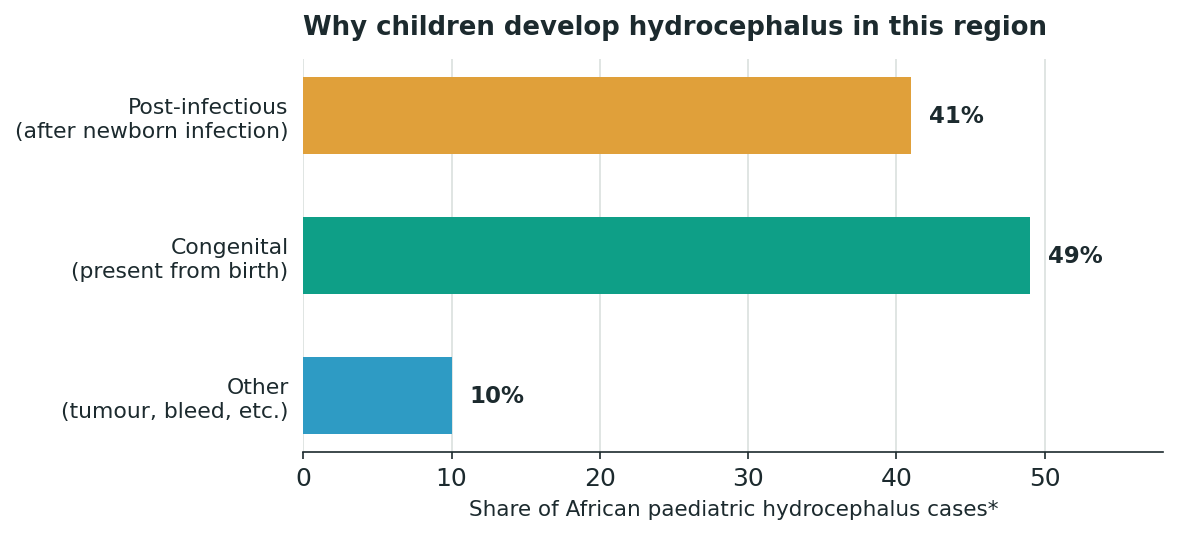
Illustrative breakdown of what causes childhood hydrocephalus across the region.
The Somali difference: fear of the diagnosis delays the treatment
Because scans are still hard to reach across much of Somalia, and because an enlarging head is frightening to witness without an explanation, many families wait months before seeking care — time in which pressure on a developing brain can cause harm that earlier treatment would have prevented. The single most protective thing a parent can do is seek evaluation the moment a head seems to be growing unusually fast, rather than waiting to see if it resolves on its own.
Treatment itself is one of two well-established procedures: a shunt, which drains fluid to elsewhere in the body, or an endoscopic procedure that creates a new drainage pathway without any implanted device. A properly trained paediatric neurosurgeon will explain honestly which is right for your child, and why.
A second procedure is not a failure — it is how shunts work
This single point causes more needless distress than almost anything else in paediatric neurosurgery, so it deserves to be said plainly: shunts commonly need at least one revision, most often within the first two years, and this is expected maintenance, not evidence that the first operation went wrong. A blocked or disconnected shunt is a mechanical device doing what mechanical devices sometimes do, not a surgeon's mistake.
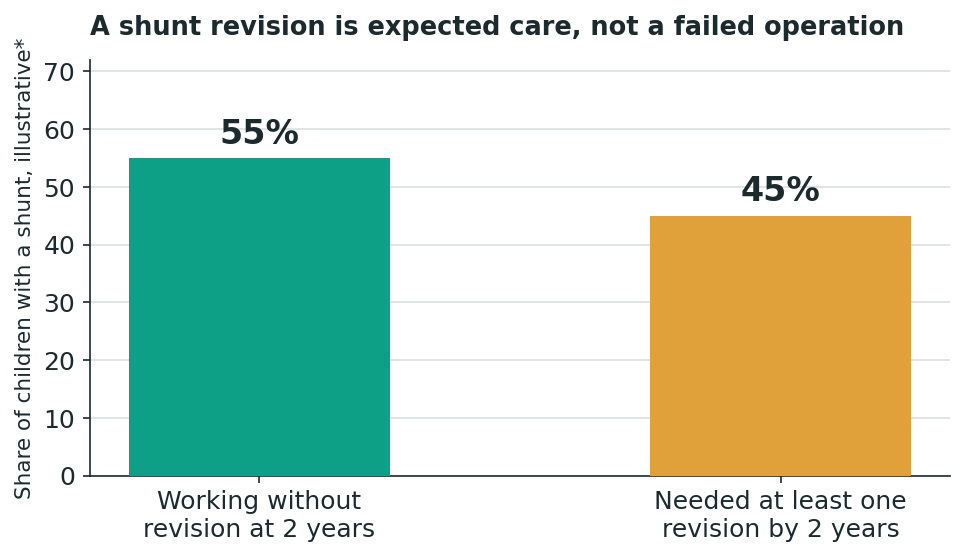
Needing a revision is common and expected — it does not mean the original surgery failed.
Warning signs every parent should know
After a shunt is placed, watch for headache, repeated vomiting, unusual drowsiness, irritability, or a change in your child's usual behaviour — these can signal that a shunt needs attention and should prompt prompt medical review, not a wait-and-see approach. For infants not yet diagnosed, a head circumference crossing its growth curve, a bulging soft spot, or the eyes appearing to look downward are signs that deserve imaging without delay. Trust your own observation here: parents are usually the first to notice that something about their child's behaviour or appearance has changed, often before any doctor does.
Beyond hydrocephalus: the wider scope of paediatric neurosurgery
Hydrocephalus is the condition I see most often referred from Somalia, but it is not the only one. Spina bifida, where the spine does not close fully during development, frequently accompanies hydrocephalus and needs its own careful assessment. Craniosynostosis, where the skull bones fuse too early and distort growth, and childhood brain tumours, which behave very differently from adult ones, both fall within this same specialty. Whatever the specific diagnosis, the same principle holds: a genuinely paediatric team, working from proper imaging, gives your child the best possible chance.
Choosing the surgeon and hospital is the real decision
Ask specifically whether the surgeon is a genuine paediatric neurosurgeon, operating on children as their primary practice, not an adult neurosurgeon who occasionally treats children. Confirm the hospital has a dedicated paediatric neuro-ICU and paediatric anaesthesia team, and NABH accreditation in India or, better, international JCI accreditation. In a child, the margin for error in anaesthesia, fluid management and post-operative monitoring is smaller than in an adult, and the team's specific paediatric experience is what protects that margin.
What it costs — a number you can actually plan around
Somalia has run on the US dollar for a generation, the shilling itself never meaningfully reissued since 1991, so it fits that Indian hospitals quote this care the same way — in dollars, not a currency that shifts by the week. A single paediatric neurosurgical procedure in a reputable private Indian hospital typically runs US$5,000 to US$12,000 all-in, covering diagnosis, surgery, ICU stay and initial recovery. Set that beside the alternatives and the case makes itself.
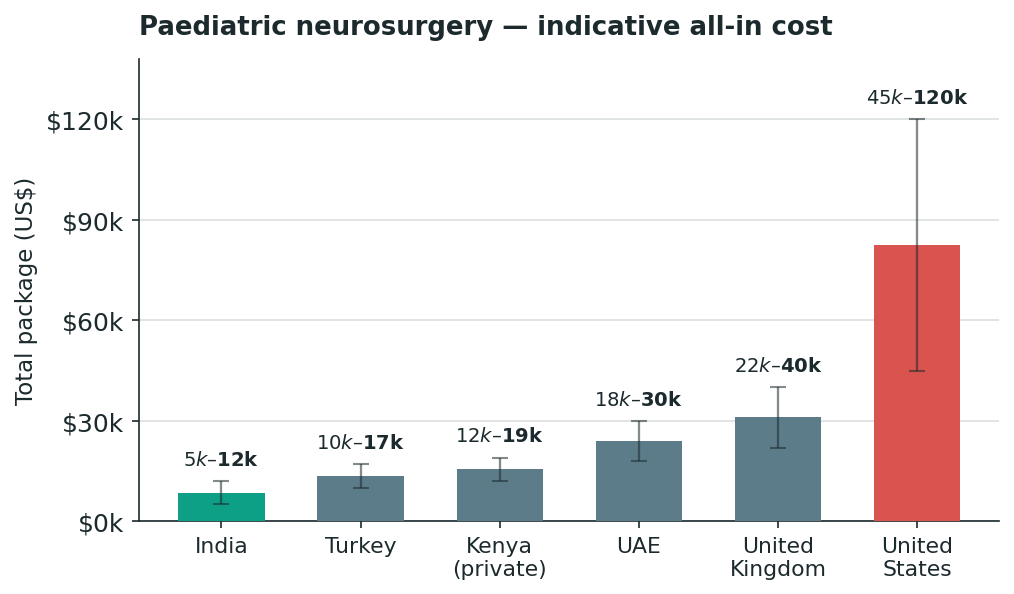
Indicative all-in cost for a single paediatric neurosurgical procedure. India sits far below every common alternative.
One rule protects every Somali family who makes this journey: get the estimate in writing before a single flight is booked, and ask what a possible future revision would cost, since honesty about that possibility is a sign of a trustworthy team. In more than 24 years arranging this kind of care, the disputes I have seen were almost never about the price itself — they were about a cost, or a possibility, nobody had bothered to mention.
Four signals that should make you stop and walk away
- No paediatric-specific team — If the surgeon, anaesthetist and ICU are not genuinely paediatric-focused, keep looking.
- Revision risk never mentioned — A team that promises a shunt will never need attention again is not being honest with you.
- No explanation of alternatives — If shunt versus endoscopic treatment was never discussed, the plan was rushed.
- The price keeps moving — A verbal estimate that shifts each time you ask is not an estimate. Demand a fixed figure in writing.
Straight answers
Did I cause this by something I did during pregnancy?
Almost certainly not. Hydrocephalus most often follows a newborn infection or a structural difference present from conception, neither of which reflects anything a parent did or failed to do.
Will my child develop normally after treatment?
Many children treated promptly go on to develop well. Earlier treatment consistently gives better outcomes than delayed treatment, which is why acting quickly matters more than almost any other single factor.
How long will we need to stay in India?
Plan on two to three weeks: several days in hospital, and the remainder for recovery and a check before your child is cleared to fly home.
What happens once we are home in Somalia?
You leave with a complete discharge summary, a warning-signs guide, and a follow-up plan. A properly run hospital reviews your child's progress remotely by phone or video — essential when specialist paediatric neurology follow-up inside Somalia remains scarce.
The practical journey from Somalia — plan it before you fly
The medicine is the easy part; the logistics are what genuinely trip families up. There is no direct flight between Somalia and India; patients route through Nairobi, Addis Ababa, Dubai or Djibouti. Because there is no full Indian mission inside Somalia, the medical visa is issued through the Embassy of India in Addis Ababa or the High Commission in Nairobi, against a written invitation letter from the treating hospital. Somali patients may bring up to two medical attendants on attendant visas. Since your route crosses yellow-fever territory, carry a valid yellow-fever vaccination certificate. Above every other instruction: send your child's actual scan and head-circumference records, not a written summary, so the team can plan properly before you ever leave home.
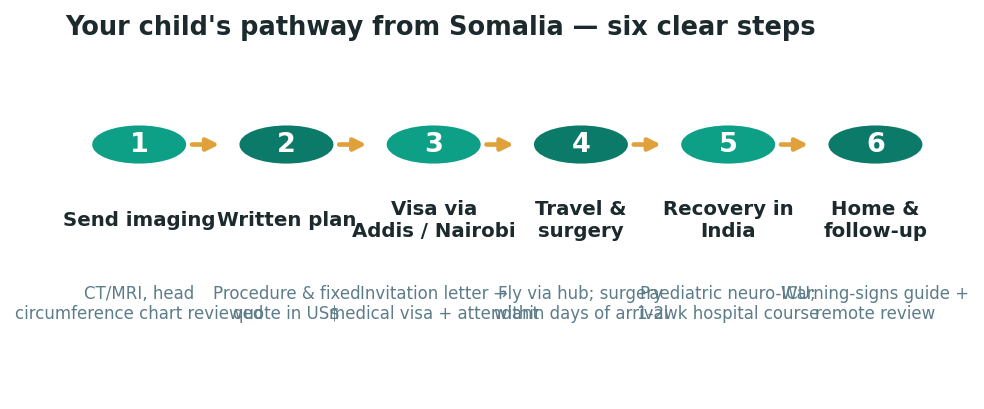
The complete route, start to finish — most of it arranged before you ever leave Somalia.
A treatable condition should never become an untreated one out of fear
Hydrocephalus looks frightening and is, in truth, one of the more reliably treatable conditions in paediatric surgery. The families who do best are the ones who seek evaluation early, ask direct questions, and choose a genuinely paediatric team — not the ones who wait for certainty that never fully arrives on its own.
Sources & Useful Links
- 🌐 Indian medical visa (Somali nationals): indianvisaonline.gov.in
- 🌐 Embassy of India, Addis Ababa: eoiaddisababa.gov.in
- 🌐 High Commission of India, Nairobi: hcinairobi.gov.in
- 🌐 Yellow-fever requirements: who.int/health-topics/yellow-fever
- 🌐 Hospital accreditation (India): nabh.co · jointcommissioninternational.org
- 🌐 Verify a surgeon's registration: nmc.org.in
Do not decide alone, and do not decide blind
If you want your child's scan reviewed properly and an honest written plan — including what a genuinely paediatric team looks like — that is precisely the independent guidance I provide, without a single hospital's interest attached to my advice.
Dr. Dheeraj Bojwani · Independent medical travel advisor
Frequently Asked Questions by Somali Patients about Paediatric Neurosurgery in India
Why do Somali families travel to India for paediatric neurosurgery?
India provides access to specialised paediatric neurosurgeons, paediatric anaesthesia teams and dedicated neuro-ICU care for conditions such as hydrocephalus, spina bifida, craniosynostosis and childhood brain tumours.
How much does paediatric neurosurgery in India cost for Somali patients?
A single paediatric neurosurgical procedure is estimated at approximately US$5,000–US$12,000 all-in, including diagnosis, surgery, ICU stay and initial recovery.
How is hydrocephalus treated in Somali children travelling to India?
The guide describes two established approaches: shunt surgery, which drains excess fluid elsewhere in the body, and an endoscopic procedure, which creates another drainage pathway without an implanted device.
Does a shunt revision mean the first hydrocephalus surgery failed?
No. The guide emphasises that revision is an expected part of shunt care in many children. Approximately 45% are shown as requiring at least one revision by two years.
What warning signs should Somali parents watch for after shunt surgery?
Headache, repeated vomiting, unusual drowsiness, irritability or a change in the child's normal behaviour may indicate that the shunt needs medical attention.
What are the warning signs of hydrocephalus in an infant?
Important signs include rapidly increasing head circumference, a bulging soft spot and eyes appearing to look downward. The guide recommends imaging without delay when these signs occur.
What records should Somali families send before travelling to India?
Families should send the child's actual CT or MRI scans and head-circumference records, rather than relying only on a written medical summary.
How long should Somali families plan to stay in India?
The guide recommends approximately two to three weeks, including several days in hospital and additional time for recovery and assessment before the child is cleared to fly home.
How should Somali families choose a paediatric neurosurgeon in India?
They should confirm that paediatric neurosurgery is the surgeon's primary practice and that the hospital provides dedicated paediatric neuro-ICU and paediatric anaesthesia support.
What are the red flags when arranging paediatric neurosurgery in India?
The guide highlights four warning signs: no paediatric-specific team, no discussion of shunt revision risk, no explanation of shunt versus endoscopic treatment alternatives, and a treatment price that keeps changing.
Page Summary
This guide explains paediatric neurosurgery in India for Somali patients, with particular attention to hydrocephalus, a build-up of fluid around the brain that can cause an infant's head to grow unusually quickly. The guide identifies hydrocephalus as the childhood neurosurgical condition most frequently referred from Somalia.
Citation Block
| Topic | Information |
|---|---|
| Topic Information | Details |
| Procedure | Paediatric Neurosurgery |
| Country | India |
| Intended Audience | Somali Children & Families |
| Primary Condition | Hydrocephalus |
| Conditions Covered | Hydrocephalus, Spina Bifida, Craniosynostosis and Childhood Brain Tumours |
| Procedures | Shunt Surgery, Endoscopic Hydrocephalus Treatment and Condition-Specific Paediatric Neurosurgery |
| Hydrocephalus Causes | Congenital 49%, Post-Infectious 41%, Other 10% |
| Shunt Revision | Approximately 45% Need at Least One Revision by Two Years |
| Specialist | Paediatric Neurosurgeon |
| Hospital Facility | Dedicated Paediatric Neuro-ICU |
| Anaesthesia | Paediatric Anaesthesia Team |
| Hospital Stay | Several Days; Depends on Procedure and Recovery |
| Typical Stay in India | Approximately 2–3 Weeks |

Our Mission Statement
Our mission is to place patients at the centre of every healthcare decision by providing trustworthy, evidence-based, and unbiased medical information. We believe that informed patients make better decisions. Backed by personalised guidance from our experienced advisory team, we help patients understand their treatment options, compare them objectively, and confidently choose the path that best suits their medical needs and personal circumstances.
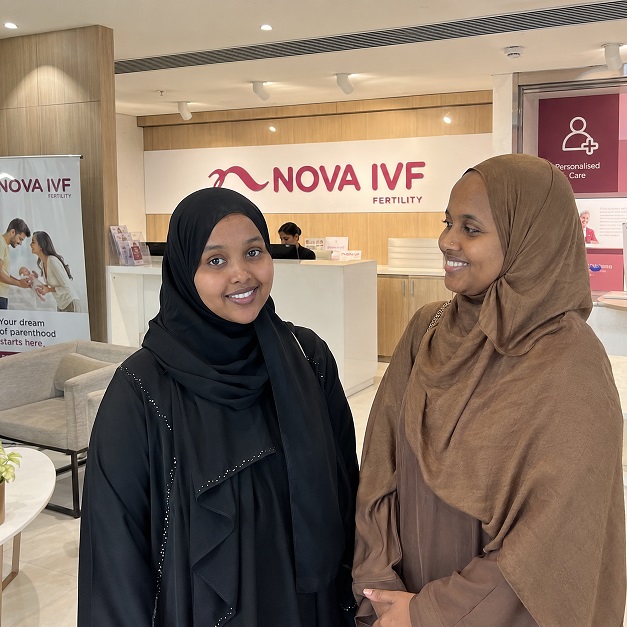
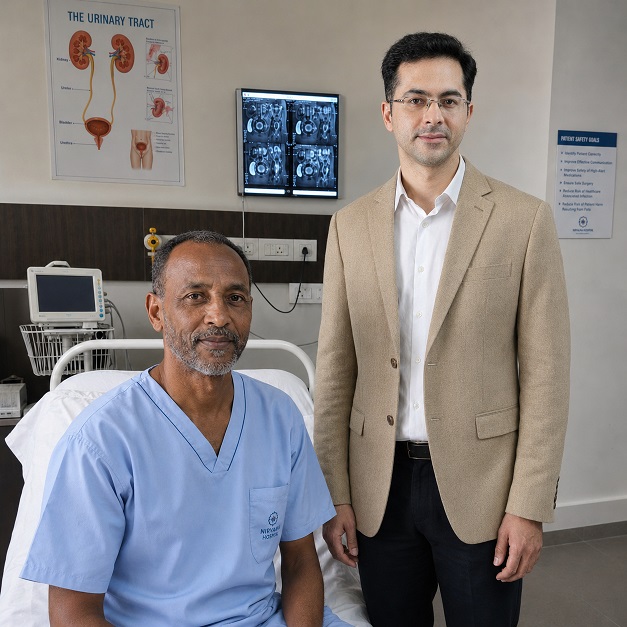
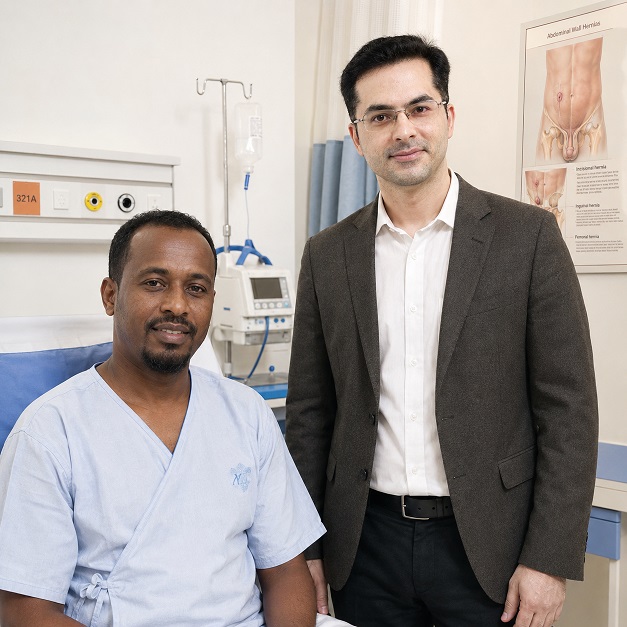
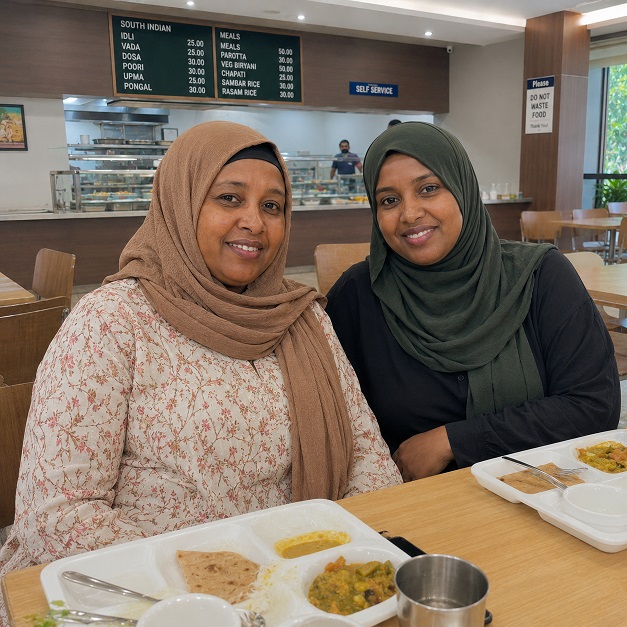
Patient Testimonials from Somalia
Ready to Take the First Step?
Share your Medical Reports with our Healthcare Managers Today and Get a FREE CONSULTATION, a Personalized Treatment Plan, and Complete Support from Arrival to Recovery.
Get Your Free ConsultationAreas We Serve
This resource has been thoughtfully prepared for patients from Somalia who are considering medical treatment in India. We also welcome patients from the wider region in the countries mentioned below-
We assist patients from:
- Ethiopia
- Djibouti
- Yemen
- Kenya
- Seychelles
- Somalia
- South Sudan
- Tanzania
- Uganda
- Zambia
- Zimbabwe
- Angola
- Cameroon
- Central African Republic
Many of the insights, treatment pathways, hospital recommendations, travel guidance, and patient support services described here are equally relevant and may be used as a reference when planning treatment in India.
From Somalia to India: Your Complete Patient Support Guide
- Best Brain Tumour Surgeons & Hospitals in India for Somali Patients
- Best Cancer Treatment Surgeons & Hospitals in India for Somali Patients
- Best Cardiac Surgeons & Hospitals in India for Somali Patients
- Best CyberKnife Teams & Centres in India for Somali Patients
- Best Heart Valve Replacement Surgeons & Hospitals in India for Somali Patients
- Best Hip Surgeons & Hospitals in India for Somali Patients
- Best Knee Surgeons & Hospitals in India for Somali Patients
- Best Neurosurgeons & Hospitals in India for Somali Patients
- Best Paediatric Cardiac Surgeons & Hospitals in India for Somali Patients
- Best Paediatric Neurosurgeons & Hospitals in India for Somali Patients
- Best Spine Surgeons & Hospitals in India for Somali Patients
- Bariatric Surgery in India for Patients from Somalia
- Brain Tumour Surgery in India for Patients from Somalia
- Cancer Treatment and Surgery in India for Patients from Somalia
- Cardiac Surgery in India for Patients from Somalia
- Cosmetic and Plastic Surgery in India for Patients from Somalia
- CyberKnife Treatment in India for Patients from Somalia
- Dental Surgery in India for Patients from Somalia