

Paediatric Cardiac Surgery in India for Patients from Somalia
A hole in a child's heart, present since birth, is rarely a death sentence — unless it is left too long. Across Africa, the tragedy is almost never that these defects cannot be fixed. It is that time runs out before anyone tries.
Congenital heart disease — a structural difference in the heart present from birth — is one of the most common birth conditions in the world, and one of the most successfully treated wherever surgery is genuinely available. Across Africa, it is neither rare nor mysterious. What is tragic is how rarely it is actually treated: by one careful accounting, only about three children in every hundred who need heart surgery on this continent ever receive it. Not because the surgery does not work. Because it is not reached in time, or not reached at all. For 24 years I have worked to close exactly that gap for families from places like Somalia, and I write here as an independent adviser with no hospital's interest attached to my advice.
India performs paediatric cardiac surgery, including the most complex congenital repairs, at a scale that genuinely matches the need — dedicated children's heart teams operating every week, not occasionally, at a fraction of what the same surgery costs in the West or the Gulf. For a Somali family, that combination of skill and affordability is very often the only realistic route to treatment that exists.
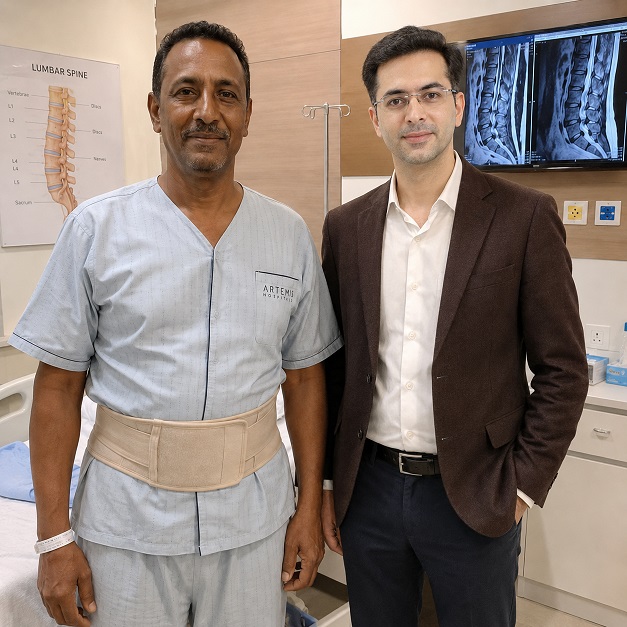
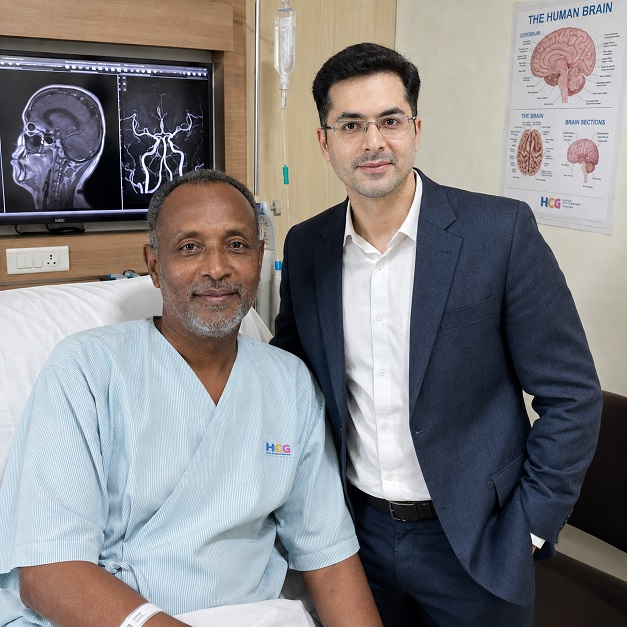
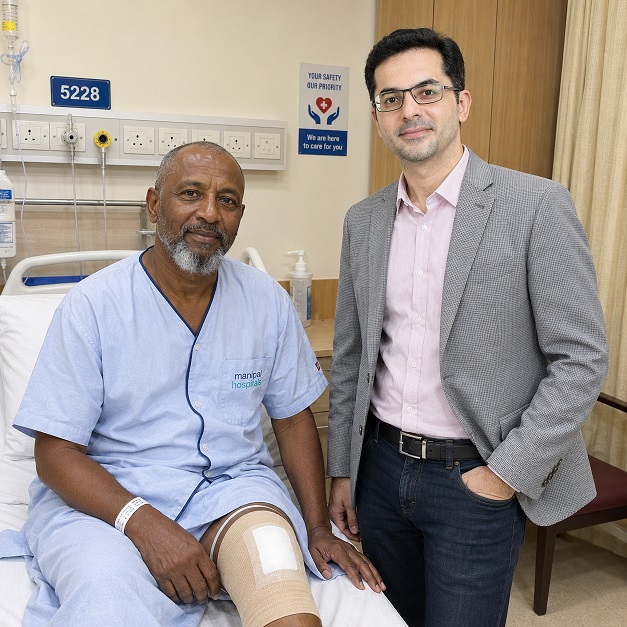
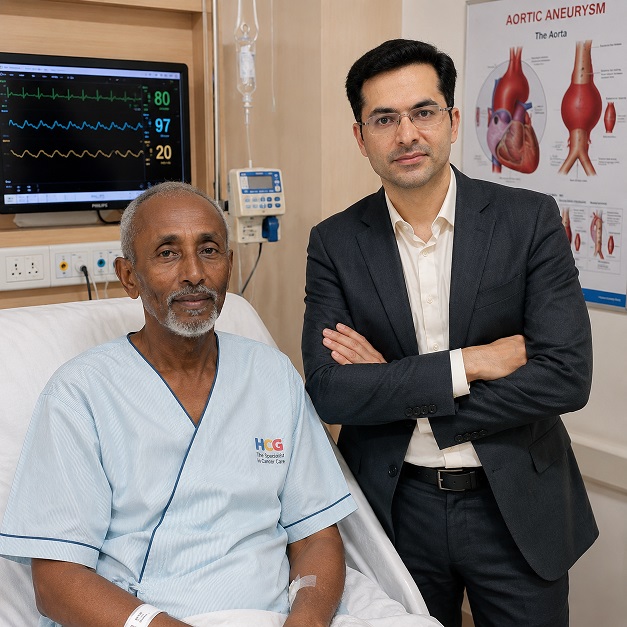
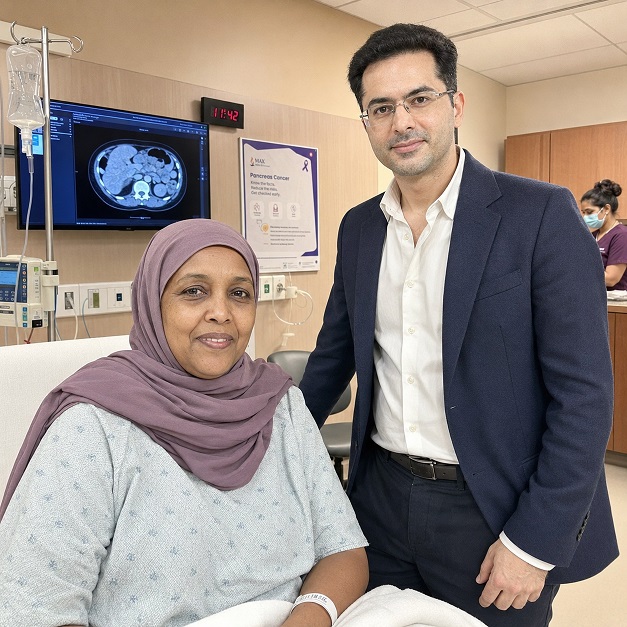
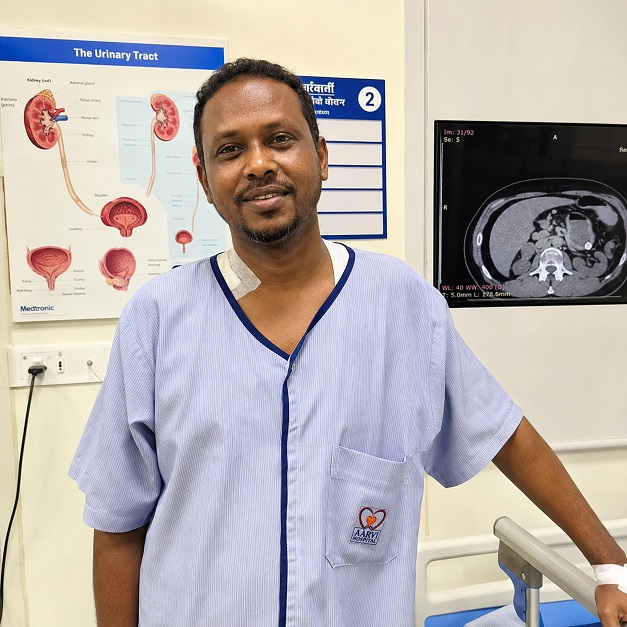
Healing Journeys of Somali Patients
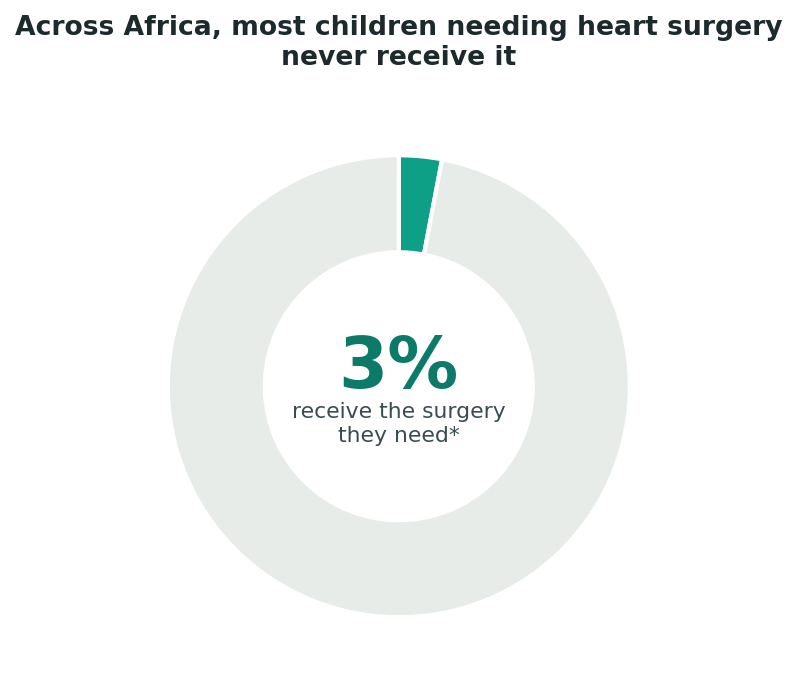
This is not a treatment problem. It is an access problem, and it is solvable.
Key Takeaways
- The guide highlights a major treatment-access gap for children with congenital heart disease across Africa. It states that only approximately 3% of African children who need heart surgery receive it.
- The chart on page 2 illustrates this treatment gap, showing that only 3% of children needing heart surgery receive the operation. The guide frames this primarily as an access problem rather than a lack of effective treatment.
- Congenital heart disease refers to a structural difference in the heart that is present from birth. Many congenital heart defects can be successfully treated when diagnosed and managed at the appropriate time.
- The document also reports that approximately 47–63% of congenital heart disease is diagnosed only after harm has already occurred, highlighting the importance of early cardiac evaluation.
- Timing is especially important in congenital heart surgery. Some defects involving abnormal blood flow between the heart chambers can permanently damage the blood vessels in the lungs when left untreated for years.
- One serious consequence of delayed treatment is Eisenmenger syndrome. Once irreversible pulmonary vascular damage has developed, the original heart defect may no longer be correctable through the operation that could have been performed earlier.
- The page 3 timing chart contrasts treatment while the surgical window remains open, associated in the guide with normal life expectancy, with delayed diagnosis after irreversible damage begins. The chart notes Eisenmenger syndrome in approximately 16% of delayed cases.
- Not every congenital heart defect requires immediate surgery. Some small defects may close naturally, while others require intervention within days of birth. Treatment timing should therefore be individualised rather than automatically rushed or delayed.
- The guide recommends assessment by a genuine paediatric cardiologist, ideally supported by an echocardiogram rather than relying on symptoms or examination alone.
Quick Facts
- Treatment
- Paediatric Cardiac Surgery
- Country
- India
- Intended Audience
- Somali Children & Families
- Primary Condition
- Congenital Heart Disease
- African Children Needing Heart Surgery Who Receive It
- Approximately 3%
- CHD Diagnosed Only After Harm Has Occurred
- Approximately 47–63%
- Major Risk of Delayed Treatment
- Irreversible Pulmonary Vascular Damage
- Serious Complication of Delay
- Eisenmenger Syndrome
- Eisenmenger Syndrome in Delayed Cases – Chart Figure
- Approximately 16%
- First Diagnostic Requirement
- Paediatric Cardiology Assessment
- Important Diagnostic Test
- Echocardiogram
- Treatment Timing
- Individualised According to the Exact Defect and Child's Condition
- Small Congenital Defects
- Some May Close Naturally
- Complex Congenital Defects
- May Require Early Surgery or Staged Repairs
In Brief
Paediatric cardiac surgery in India for Somali patients may treat congenital heart defects that require timely specialist intervention. The guide stresses that treatment timing can be as important as surgical skill because prolonged delay may lead to irreversible pulmonary vascular damage such as Eisenmenger syndrome. A single paediatric cardiac procedure is estimated at approximately US$6,500–US$13,000 all-in, including diagnosis, surgery, ICU stay and initial recovery.
The window that closes if you wait too long
Many congenital heart defects involve a hole or connection that lets blood flow the wrong way between the heart's chambers. Repaired in infancy or early childhood, the outcome is usually excellent — a normal life, a normal heart. Left unrepaired for years, the extra blood flow can permanently damage the blood vessels in the lungs, a condition called Eisenmenger syndrome. Once that damage is done, it cannot be undone by any operation. This is why, in paediatric heart disease more than almost anywhere else in medicine, timing is as important as the surgeon's skill. A defect that would have been a straightforward repair at eighteen months can become an entirely different, far harder problem by the time a child is eight.
Not every defect looks the same, and not every child needs surgery immediately
Some congenital heart defects are small and close on their own; others are serious from birth and need attention within days. Between those extremes sits a wide range of conditions that benefit from careful, individualised timing — not automatic urgency, and not automatic delay either. A genuine paediatric cardiologist, not a general physician working from a stethoscope alone, is who should make that judgement, ideally confirmed by an echocardiogram rather than assumed from symptoms.
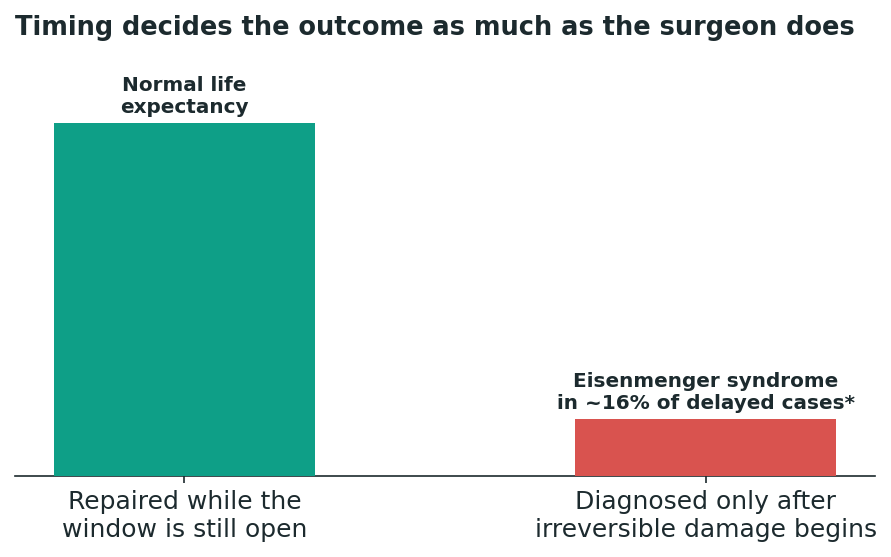
The same defect, treated at two different moments, can lead to entirely different lives.
The Somali difference: a real first, and a real gap still to close
Somalia's own capacity for this care is still being built. The country's first-ever paediatric open- heart operations were performed only recently, when a visiting Italian surgical team worked alongside local doctors in Mogadishu to operate on two Somali children — a genuine milestone, and proof that the skill and the will exist. But one visiting team, however skilled, cannot meet the need of an entire country. For the great majority of Somali children with congenital heart disease today, travel remains the only route to timely treatment.
This is precisely why an early diagnosis matters so much. A murmur heard at a routine check-up, or breathlessness that seems disproportionate to a child's activity, deserves an echocardiogram promptly — not a wait to see whether the child "grows out of it."
Choosing the surgeon and hospital is the real decision
Ask specifically whether the surgical, anaesthesia and ICU teams are genuinely paediatric cardiac specialists, not adult cardiac teams occasionally treating children. Confirm the hospital manages the specific defect your child has regularly, not as a rare case, and ask how staged repairs are handled if your child's condition needs more than one surgery over time. Confirm NABH accreditation in India or, better, international JCI accreditation. In a small child's heart, experience with that exact defect is not a preference — it is the difference that matters most.
What it costs — a number you can actually plan around
Somalia has run on the US dollar for a generation, the shilling itself never meaningfully reissued since 1991, so it fits that Indian hospitals quote this care the same way — in dollars, not a currency that shifts by the week. A single paediatric cardiac procedure in a reputable private Indian hospital typically runs US$6,500 to US$13,000 all-in, covering diagnosis, surgery, ICU stay and initial recovery. Set that beside the alternatives and the case makes itself.
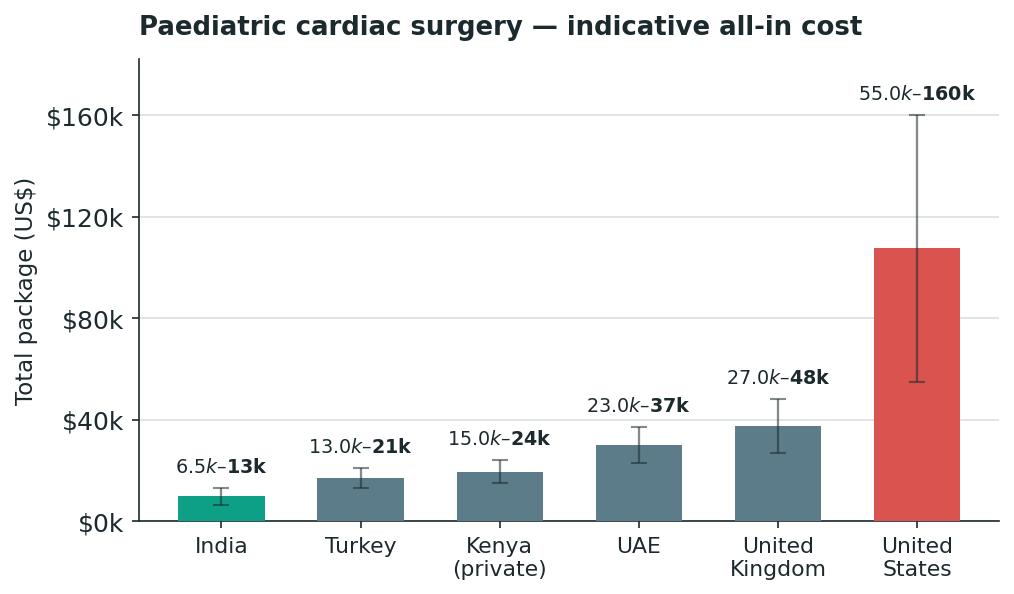
Indicative all-in cost for a single paediatric cardiac procedure. India sits far below every common alternative.
One rule protects every Somali family who makes this journey: get the estimate in writing before a single flight is booked, and insist it names the actual defect and procedure, not just "heart surgery." In more than 24 years arranging this kind of care, the disputes I have seen were almost never about the price itself — they were about a diagnosis, or a cost, nobody had bothered to write down.
Four signals that should make you stop and walk away
- No echocardiogram reviewed — A surgery quote arrives before anyone has actually looked at your child's heart on imaging. Refuse it.
- No paediatric-specific team — If the surgeon, anaesthetist and ICU are not genuinely paediatric cardiac specialists, keep looking.
- “Wait and see” for a known defect — Watchful monitoring is sometimes right, but it should be a deliberate plan, not a default to avoid a hard conversation.
- The price keeps moving — A verbal estimate that shifts each time you ask is not an estimate. Demand a fixed figure in writing.
Straight answers
My baby seems healthy — can a heart defect really be that serious?
Yes, and this is exactly what makes congenital heart disease dangerous: many children look and act well for months or years while damage quietly accumulates. A murmur or breathlessness deserves an echocardiogram, not reassurance based on appearance alone.
Is my child too young for heart surgery?
Very rarely. Modern paediatric cardiac surgery is performed safely on infants, including newborns, when a genuinely paediatric team is involved. Age alone is rarely the limiting factor.
How long will we need to stay in India?
Plan on three to four weeks: several days in intensive care, roughly one to two weeks in hospital overall, and the remainder for recovery before your child is cleared to fly home.
What happens once we are home in Somalia?
You leave with a complete discharge summary, procedure details and a medication schedule. A properly run hospital reviews your child's progress remotely by phone or video — essential when specialist paediatric cardiac follow-up inside Somalia remains scarce.
The practical journey from Somalia — plan it before you fly
The medicine is the easy part; the logistics are what genuinely trip families up. There is no direct flight between Somalia and India; patients route through Nairobi, Addis Ababa, Dubai or Djibouti. Because there is no full Indian mission inside Somalia, the medical visa is issued through the Embassy of
India in Addis Ababa or the High Commission in Nairobi, against a written invitation letter from the treating hospital. Somali patients may bring up to two medical attendants on attendant visas. Since your route crosses yellow-fever territory, carry a valid yellow-fever vaccination certificate. Above every other instruction: send your child's actual echocardiogram, not a written summary, so the paediatric team can plan the real treatment, and its timing, before you ever leave home.
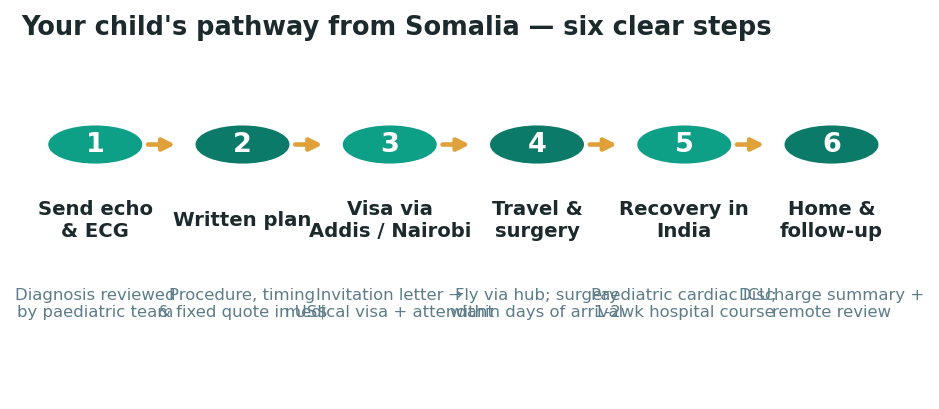
The complete route, start to finish — most of it arranged before you ever leave Somalia.
The gap is in access, never in what is possible for your child
Somalia's first paediatric open-heart operations prove the point beyond argument: these are not impossible conditions to treat. They are conditions that need to be reached in time, by people who do this work every week. That combination exists, it is affordable, and it is available now — the only question is whether it is reached before the window closes.
Sources & Useful Links
- 🌐 Indian medical visa (Somali nationals): indianvisaonline.gov.in
- 🌐 Embassy of India, Addis Ababa: eoiaddisababa.gov.in
- 🌐 High Commission of India, Nairobi: hcinairobi.gov.in
- 🌐 Yellow-fever requirements: who.int/health-topics/yellow-fever
- 🌐 Hospital accreditation (India): nabh.co · jointcommissioninternational.org
- 🌐 Verify a surgeon's registration: nmc.org.in
Do not decide alone, and do not decide blind
If you want your child's echocardiogram reviewed properly and an honest written plan — including how urgently treatment is genuinely needed — that is precisely the independent guidance I provide, without a single hospital's interest attached to my advice.
Dr. Dheeraj Bojwani · Independent medical travel advisor
Frequently Asked Questions by Somali Patients about Paediatric Cardiac Surgery in India
Why do Somali families travel to India for paediatric cardiac surgery?
India provides access to dedicated paediatric cardiac surgeons, children's cardiac anaesthesia teams and specialised ICUs that regularly treat congenital heart defects. The guide notes that access to this level of care remains limited for many Somali children.
How much does paediatric cardiac surgery in India cost for Somali patients?
A single procedure is estimated at approximately US$6,500–US$13,000 all-in, including diagnosis, surgery, ICU stay and initial recovery.
Why is early treatment important for Somali children with congenital heart disease?
Some unrepaired heart defects can progressively damage the blood vessels in the lungs. Once irreversible damage such as Eisenmenger syndrome develops, an operation that could previously have repaired the defect may no longer be possible.
Does every Somali child with a congenital heart defect need immediate surgery?
No. Some small defects may close naturally, while others require early intervention. The timing should be determined individually by a paediatric cardiologist using the child's diagnosis and echocardiogram.
What should Somali families send before travelling to India?
Families should send the child's actual echocardiogram, rather than only a written medical summary, so the paediatric cardiac team can assess the defect and determine treatment timing.
Can newborns and infants undergo heart surgery in India?
Yes. The guide states that modern paediatric cardiac surgery can be performed on infants, including newborns, when treatment is provided by a genuinely specialised paediatric cardiac team.
How long will a Somali child stay in hospital after heart surgery in India?
The guide suggests several days in intensive care and approximately one to two weeks in hospital overall, although the exact duration depends on the defect, operation and recovery.
How long should Somali families plan to stay in India?
Approximately three to four weeks should generally be planned, allowing time for surgery, ICU care, hospital recovery and assessment before the child is cleared to fly home.
How should Somali families choose a paediatric cardiac hospital in India?
They should confirm that the surgeon, anaesthetist and ICU team are genuinely paediatric cardiac specialists, that the hospital regularly treats the child's exact defect, and that appropriate accreditation is available.
What are the red flags when arranging paediatric heart surgery in India?
The guide identifies four warning signs: no echocardiogram reviewed, no paediatric-specific team, inappropriate "wait and see" advice for a known defect, and a treatment price that keeps changing.
"Wait and see" for a known defect The price keeps moving
Watchful monitoring is sometimes right, but it should A verbal estimate that shifts each time you ask is not be a deliberate plan, not a default to avoid a hard an estimate. Demand a fixed figure in writing. conversation.
Page Summary
This guide explains paediatric cardiac surgery in India for Somali patients, focusing on congenital heart disease, timely diagnosis and access to specialised children's heart teams. It reports that only approximately 3% of African children who require heart surgery receive it, while approximately 47–63% of congenital heart disease is diagnosed only after harm has already occurred.
Citation Block
| Topic | Information |
|---|---|
| Topic Information | Details |
| Procedure | Paediatric Cardiac Surgery |
| Country | India |
| Intended Audience | Somali Children & Families |
| Conditions Covered | Congenital Heart Disease and Structural Heart Defects Present from Birth |
| Procedures | Congenital Heart Defect Repair and Staged Paediatric Cardiac Surgery Where Required |
| Major Risk of Delay | Irreversible Pulmonary Vascular Damage / Eisenmenger Syndrome |
| Important Diagnostic Test | Echocardiogram |
| Specialist Assessment | Paediatric Cardiologist |
| Surgical Team | Paediatric Cardiac Surgeon, Paediatric Anaesthesia and Paediatric Cardiac ICU Team |
| Hospital Stay | Approximately 1–2 Weeks Overall |
| Intensive Care | Several Days |
| Typical Stay in India | Approximately 3–4 Weeks |
| Recovery | Hospital Recovery Followed by Additional Recovery Before Clearance to Fly Home |


Our Mission Statement
Our mission is to place patients at the centre of every healthcare decision by providing trustworthy, evidence-based, and unbiased medical information. We believe that informed patients make better decisions. Backed by personalised guidance from our experienced advisory team, we help patients understand their treatment options, compare them objectively, and confidently choose the path that best suits their medical needs and personal circumstances.
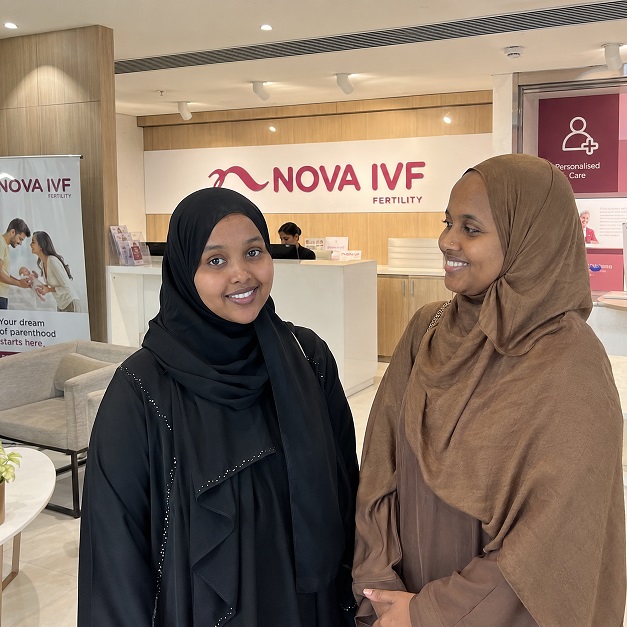
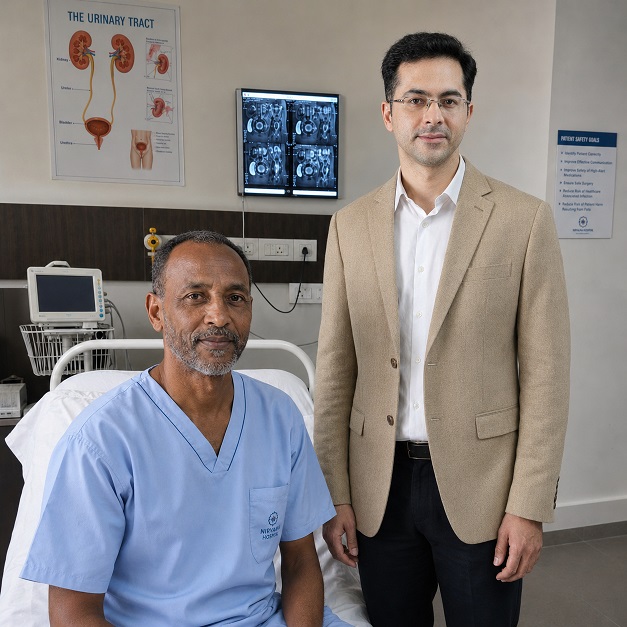
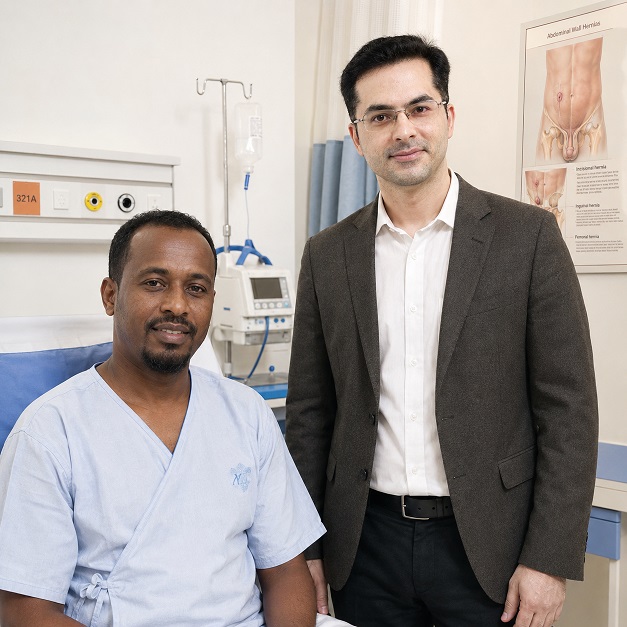
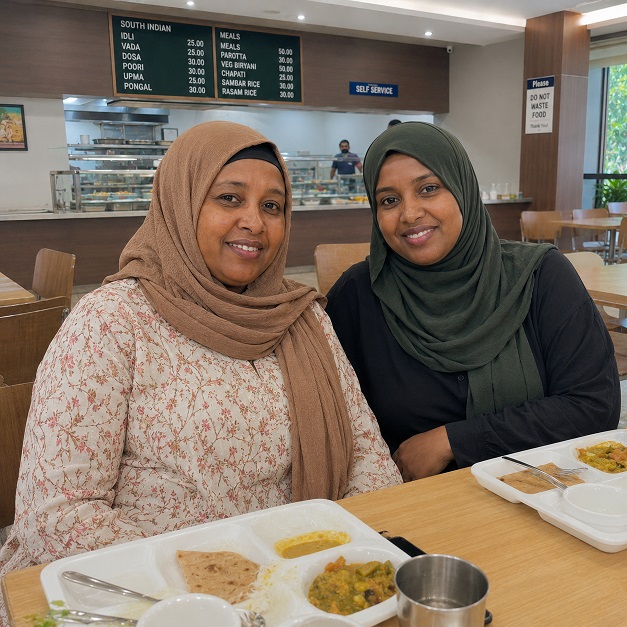
Patient Testimonials from Somalia
Ready to Take the First Step?
Share your Medical Reports with our Healthcare Managers Today and Get a FREE CONSULTATION, a Personalized Treatment Plan, and Complete Support from Arrival to Recovery.
Get Your Free ConsultationAreas We Serve
This resource has been thoughtfully prepared for patients from Somalia who are considering medical treatment in India. We also welcome patients from the wider region in the countries mentioned below-
We assist patients from:
- Ethiopia
- Djibouti
- Yemen
- Kenya
- Seychelles
- Somalia
- South Sudan
- Tanzania
- Uganda
- Zambia
- Zimbabwe
- Angola
- Cameroon
- Central African Republic
Many of the insights, treatment pathways, hospital recommendations, travel guidance, and patient support services described here are equally relevant and may be used as a reference when planning treatment in India.
From Somalia to India: Your Complete Patient Support Guide
- Best Brain Tumour Surgeons & Hospitals in India for Somali Patients
- Best Cancer Treatment Surgeons & Hospitals in India for Somali Patients
- Best Cardiac Surgeons & Hospitals in India for Somali Patients
- Best CyberKnife Teams & Centres in India for Somali Patients
- Best Heart Valve Replacement Surgeons & Hospitals in India for Somali Patients
- Best Hip Surgeons & Hospitals in India for Somali Patients
- Best Knee Surgeons & Hospitals in India for Somali Patients
- Best Neurosurgeons & Hospitals in India for Somali Patients
- Best Paediatric Cardiac Surgeons & Hospitals in India for Somali Patients
- Best Paediatric Neurosurgeons & Hospitals in India for Somali Patients
- Best Spine Surgeons & Hospitals in India for Somali Patients
- Bariatric Surgery in India for Patients from Somalia
- Brain Tumour Surgery in India for Patients from Somalia
- Cancer Treatment and Surgery in India for Patients from Somalia
- Cardiac Surgery in India for Patients from Somalia
- Cosmetic and Plastic Surgery in India for Patients from Somalia
- CyberKnife Treatment in India for Patients from Somalia
- Dental Surgery in India for Patients from Somalia