

Neurosurgery in India for Patients from Somalia
A country of roughly four million people should, by the World Health Organization's own arithmetic, have twenty neurosurgeons. Somaliland has none. Understanding what that gap actually means — and what to do about it — is the purpose of this guide.
Neurosurgery is unforgiving of delay and unforgiving of guesswork in equal measure, which makes it one of the hardest specialties to go without. Yet a peer-reviewed 2021 assessment of Somaliland found precisely that gap: against a World Health Organization benchmark of one neurosurgeon per two hundred thousand people, a population of nearly four million should support twenty neurosurgeons. It has none. Across the wider country, the picture is not meaningfully better. For 24 years I have guided patients from places with exactly this kind of gap, and I write here as an independent adviser with no hospital's interest attached to my advice.
India closes that gap at real scale. Its leading neurosurgical centres treat trauma, hydrocephalus, tumours and vascular conditions by the thousand each year, matched to the right sub-specialist rather than whoever happens to be available — at a fraction of what the same care costs in the West or the Gulf. For a Somali family, that is not a convenience. It is very often the only route to treatment that exists at all.
Healing Journeys of Somali Patients
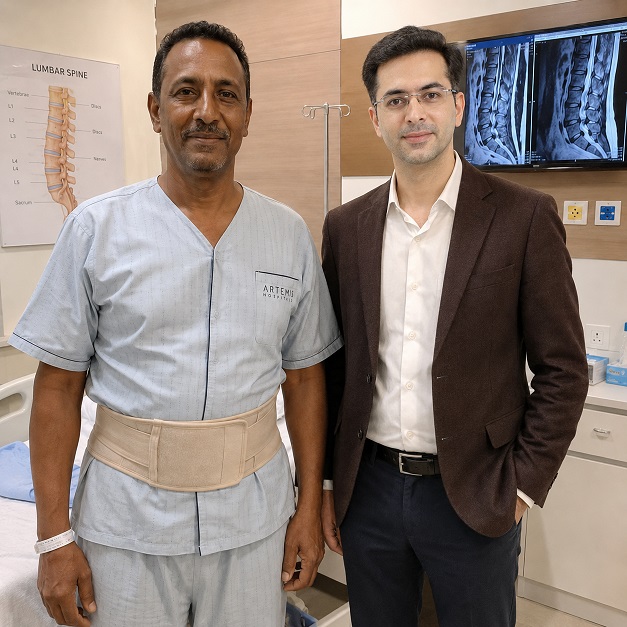
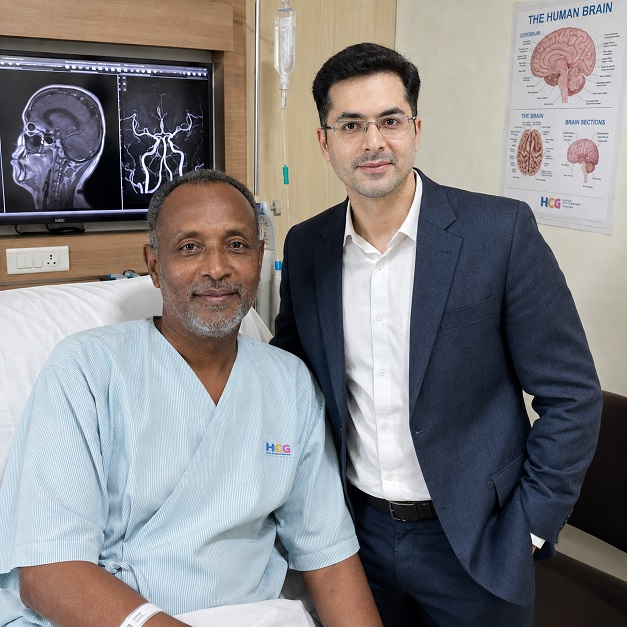
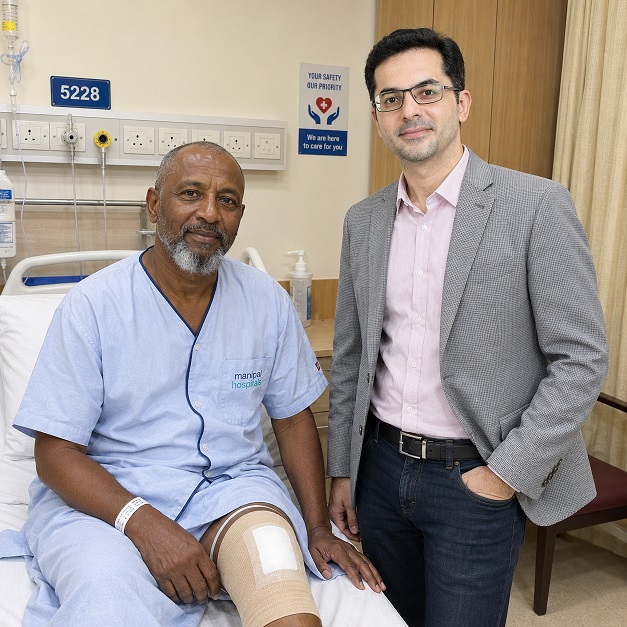
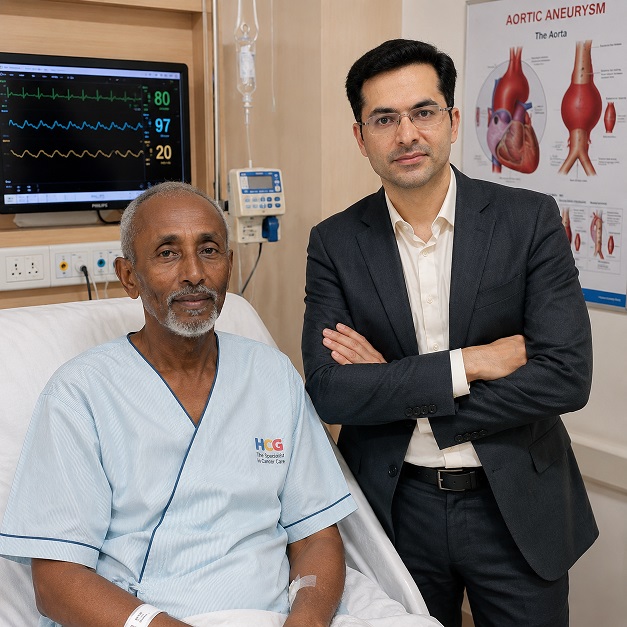
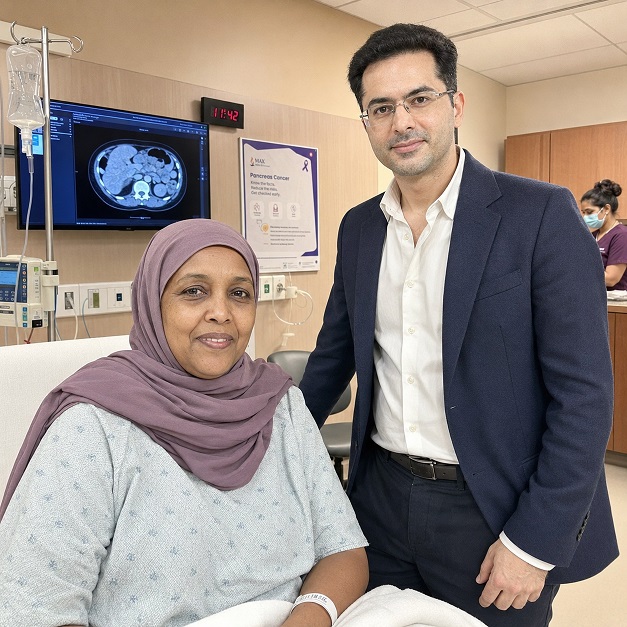
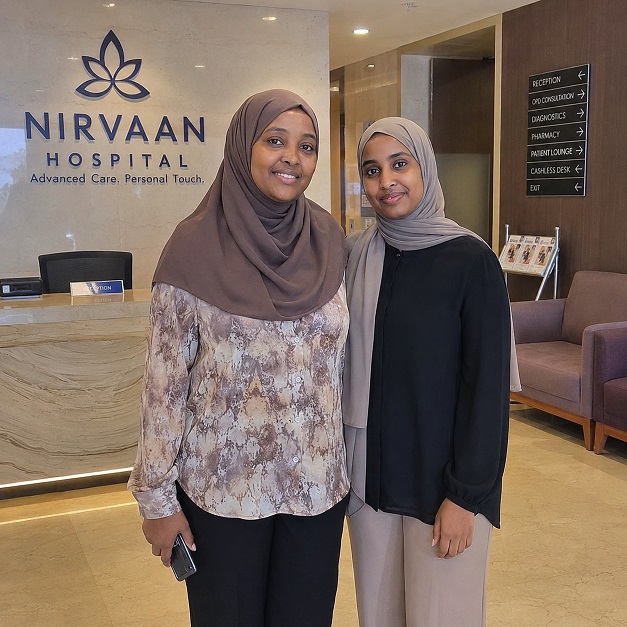
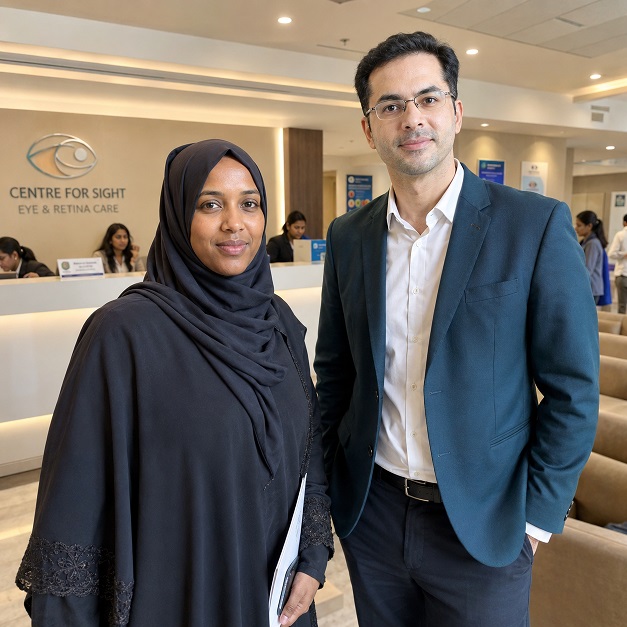
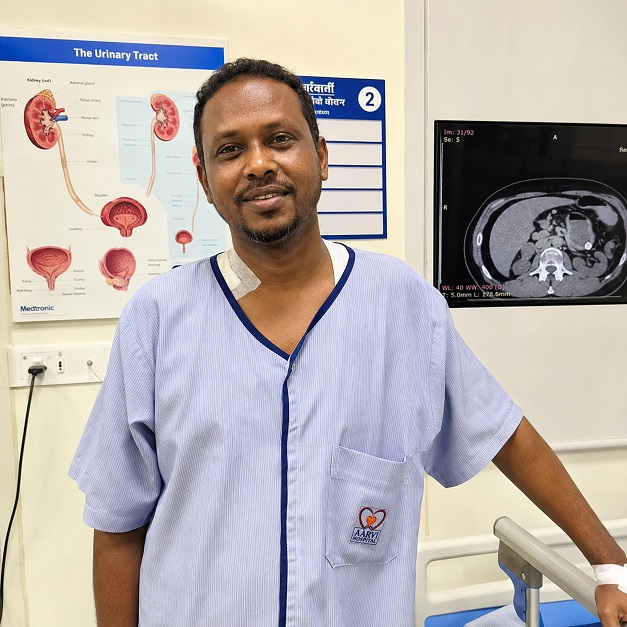
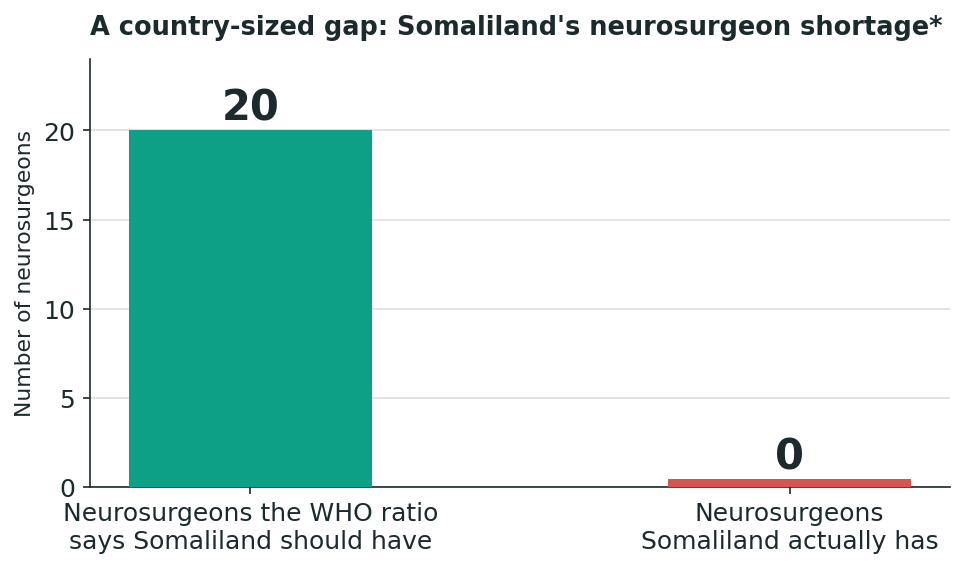
A gap this size means nearly every neurosurgical condition in the country must be treated elsewhere.
Key Takeaways
- The guide highlights a major neurosurgical workforce shortage affecting Somali patients. A cited 2021 assessment found that Somaliland, with a population of nearly four million, would require approximately 20 neurosurgeons under the referenced WHO workforce benchmark but had none.
- The chart on page 2 illustrates this gap directly, comparing 20 neurosurgeons indicated by the referenced ratio with zero available in Somaliland.
- Neurosurgical conditions must first be separated into emergency and planned cases. True emergencies require treatment at the nearest capable facility rather than waiting for international travel arrangements.
- The page 2 emergency-versus-planned diagram identifies severe head injury with declining consciousness, sudden severe headache, rapid weakness or paralysis, and signs of rising intracranial pressure as emergencies. Stable hydrocephalus, slow-growing tumours or cysts, chronic back or nerve pain without red flags, and functional or congenital conditions may allow planned treatment.
- The guide identifies paediatric hydrocephalus and adult trauma as particularly important concerns. It states that roughly 41% of African paediatric hydrocephalus is post-infectious, while nearly half of cases are described as being present from birth.
- Hydrocephalus in children may be treated with a shunt or an endoscopic procedure, depending on the child's condition and specialist assessment.
- For adults, road-traffic injuries and the legacy of conflict contribute to head and spinal trauma. The guide stresses that earlier proper evaluation can significantly affect outcomes.
- "Neurosurgeon" should not be treated as a single uniform specialty. The document distinguishes tumour, vascular, spine, functional, skull-base and paediatric neurosurgery, each requiring relevant focused experience.
- Somali patients should therefore ask whether the proposed surgeon regularly treats their exact neurological condition and how many similar cases the surgeon manages each year.
Quick Facts
- Treatment
- Neurosurgery & Nervous-System Conditions
- Country
- India
- Intended Audience
- Somali Patients
- WHO-Recommended Neurosurgeons for Somaliland in Cited Assessment
- 20
- Neurosurgeons Reported in Somaliland
- 0
- African Paediatric Hydrocephalus Described as Post-Infectious
- Approximately 41%
- Important Paediatric Condition
- Hydrocephalus
- Important Adult Condition
- Head and Spinal Trauma
- Hydrocephalus Treatments Mentioned
- Shunt or Endoscopic Procedure
- Neurosurgical Sub-Specialties
- Tumour, Vascular, Spine, Functional, Skull-Base and Paediatric Neurosurgery
- First Treatment Decision
- Emergency vs Planned Condition
- Emergency Adult Signs
- Severe Head Injury, Sudden Severe Headache, Rapid Weakness or Paralysis and Rising Intracranial Pressure Signs
- Infant Warning Signs
- Rapidly Enlarging Head, Bulging Soft Spot, Persistent Vomiting and Unusual Drowsiness
- Important Hospital Facility
- Dedicated Neuro-ICU
In Brief
Neurosurgery in India for Somali patients may involve hydrocephalus, brain tumours, spinal conditions, trauma, vascular disorders and other nervous-system conditions. The guide stresses the importance of distinguishing emergencies from planned cases and matching each patient with the correct neurosurgical sub-specialist. A single procedure is estimated at approximately US$6,000–US$14,000 all-in, including diagnosis, surgery, ICU stay and initial recovery.
First, know which journey you are actually on
Neurosurgical conditions split cleanly into two very different categories, and confusing them can cost a life. Some conditions are true emergencies that cannot wait for a flight, a visa or a scan review — they need the nearest capable hands, immediately. Others are serious but stable enough to allow real planning: choosing the right specialist, the right hospital, and travelling on your own timeline. Knowing which one you are facing is the first and most important decision in this entire guide.
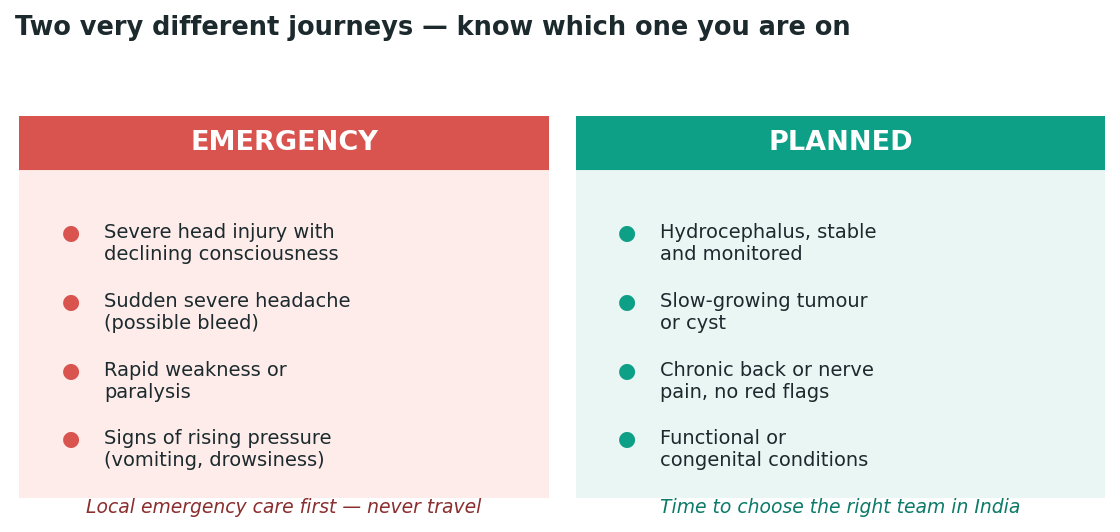
Emergencies are treated where you are. Planned conditions are where careful choice actually helps.
The Somali difference: hydrocephalus in children, and trauma in adults
Across Africa, hydrocephalus in infants is common and frequently under-recognised — roughly two in five cases follow a newborn infection, and nearly half are present from birth. Left untreated, a baby's head continues to enlarge and brain development suffers; treated promptly, either with a shunt or an endoscopic procedure, outcomes are genuinely good. This is very often the first neurosurgical diagnosis a Somali family ever encounters, and it deserves the same urgency as any other serious paediatric condition.
In adults, trauma dominates — road-traffic injuries and the long legacy of conflict mean head and spinal injuries are common, and Somalia's thin trauma and imaging infrastructure means many are not fully assessed until damage has already progressed. Both patterns point to the same lesson: earlier proper evaluation changes outcomes more than almost anything a surgeon can do later.
Matching the right specialist to your exact condition
"Neurosurgeon" is not one job. Tumour, vascular, spine, functional, skull-base and paediatric neurosurgery are genuinely different sub-specialties, each demanding years of focused experience beyond general neurosurgical training. A surgeon who is excellent with adult tumours is not automatically the right choice for an infant's hydrocephalus, and a spine specialist is not automatically the right choice for a cerebral aneurysm. Ask specifically whether the surgeon proposed for your case operates on this exact condition regularly, not neurosurgery in general, and how many similar cases they handle in a typical year. A generalist handling a rare vascular case, or an adult specialist operating on an infant, is a mismatch worth questioning before you travel, not after.
Warning signs that deserve attention now, not later
In adults: a headache unlike any before it, sudden weakness or numbness on one side, slurred speech, or loss of consciousness. In infants: a rapidly enlarging head, a bulging soft spot, persistent vomiting, or unusual drowsiness. None of these should be watched and waited on. Somalia's thin imaging infrastructure means many families delay seeking a scan simply because reaching one is genuinely difficult — but delay is consistently the factor that turns a treatable problem into a harder one.
Choosing the surgeon and hospital is the real decision
Beyond the surgeon, ask about the hospital's neuro-ICU: dedicated beds, twenty-four-hour cover, and a team experienced in exactly the recovery your condition demands. Confirm NABH accreditation in India or, better, international JCI accreditation. In neurosurgery more than almost any other specialty, the days immediately after surgery are where outcomes are truly won or lost.
What it costs — a number you can actually plan around
Somalia has run on the US dollar for a generation, the shilling itself never meaningfully reissued since 1991, so it fits that Indian hospitals quote neurosurgical care the same way — in dollars, not a currency that shifts by the week. A single neurosurgical procedure in a reputable private Indian hospital typically runs US$6,000 to US$14,000 all-in, covering diagnosis, surgery, ICU stay and initial recovery, though complex cases vary. Set that beside the alternatives and the case makes itself.
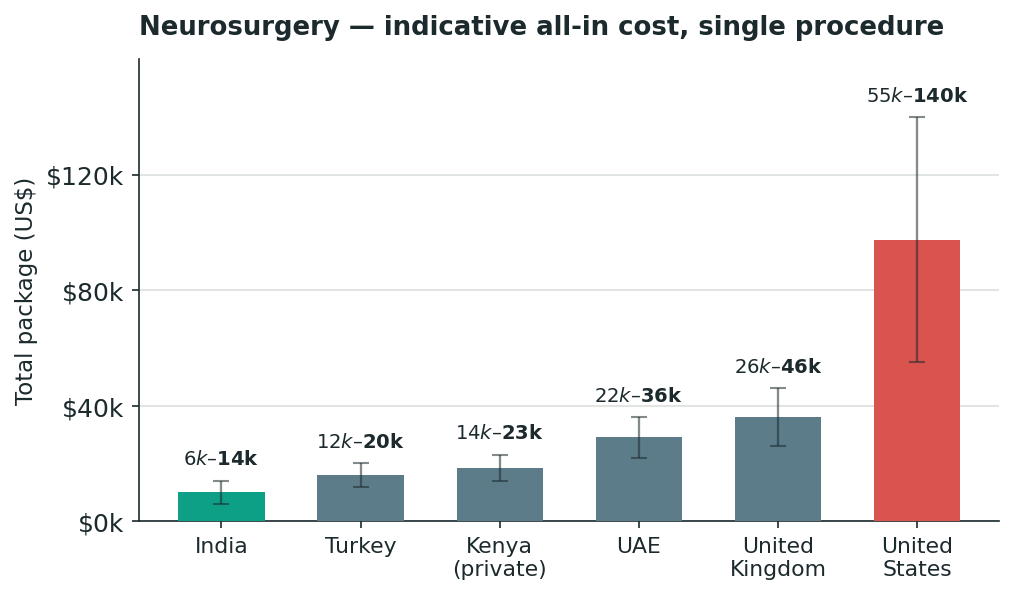
Indicative all-in cost for a single neurosurgical procedure. India sits far below every common alternative.
One rule protects every Somali family who makes this journey: get the estimate in writing before a single flight is booked, and insist it names the actual procedure, not just "brain surgery" or "spine surgery." In more than 24 years arranging this kind of care, the disputes I have seen were almost never about the price itself — they were about a diagnosis, or a cost, nobody had bothered to write down.
Four signals that should make you stop and walk away
- No sub-specialist match confirmed — If nobody can tell you the surgeon's specific experience with your exact condition, ask again.
- No neuro-ICU mentioned — Post-operative neuro care is not optional. If it is not discussed, the plan is incomplete.
- Urgency misjudged either way — A true emergency told to “arrange travel first,” or a stable condition rushed unnecessarily, are both red flags.
- The price keeps moving — A verbal estimate that shifts each time you ask is not an estimate. Demand a fixed figure in writing.
Straight answers
My child's head seems larger than normal — is that hydrocephalus?
It can be, and it deserves prompt evaluation either way. Hydrocephalus is very treatable when caught early, and delay is the main driver of poor outcomes, not the condition itself.
Is it safe to travel with a neurosurgical condition at all?
For stable, planned conditions, yes, once your team confirms you are fit to fly. For true emergencies, local care first is always the right answer — travel is never the correct response to a genuine crisis.
How long will I need to stay in India?
It depends heavily on the procedure, but plan for roughly three to four weeks in total, including hospital stay, early recovery, and a check before you are cleared to fly home.
What happens once I am home in Somalia?
You leave with a complete discharge summary, imaging and a follow-up plan. A properly run hospital reviews your progress remotely by phone or video — essential when specialist neurological follow-up inside Somalia remains scarce.
The practical journey from Somalia — plan it before you fly
The medicine is the easy part; the logistics are what genuinely trip families up. There is no direct flight between Somalia and India; patients route through Nairobi, Addis Ababa, Dubai or Djibouti. Because there is no full Indian mission inside Somalia, the medical visa is issued through the Embassy of India in Addis Ababa or the High Commission in Nairobi, against a written invitation letter from the treating hospital. Somali patients may bring up to two medical attendants on attendant visas. Since your route crosses yellow-fever territory, carry a valid yellow-fever vaccination certificate. Above every other instruction: send your actual scan, not a written summary, so the right sub-specialist can be matched before you ever leave home.
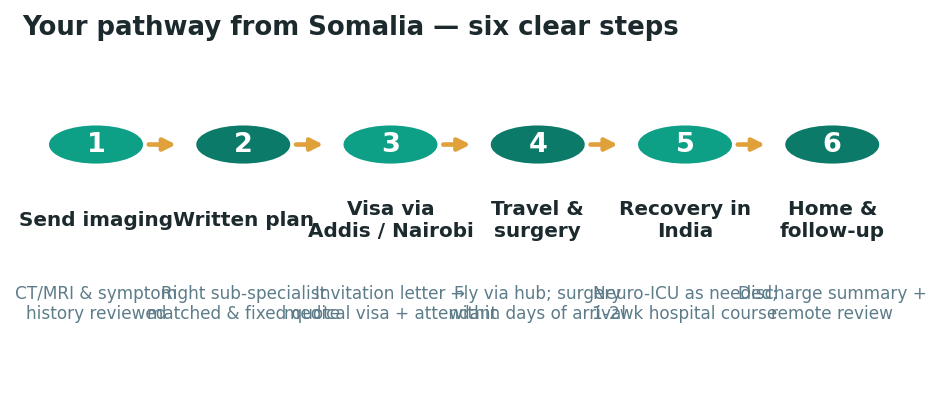
The complete route, start to finish — most of it arranged before you ever leave Somalia, for planned conditions.
A gap in the system is not a gap in what is possible for you
Somalia's shortage of neurosurgeons is a fact about the country's health system, not a verdict on what can be done for any one patient. The right specialist, matched to the right condition, treated at the right time, remains genuinely available — it simply has to be reached deliberately, rather than assumed to be nearby.
Sources & Useful Links
- 🌐 Indian medical visa (Somali nationals): indianvisaonline.gov.in
- 🌐 Embassy of India, Addis Ababa: eoiaddisababa.gov.in
- 🌐 High Commission of India, Nairobi: hcinairobi.gov.in
- 🌐 Yellow-fever requirements: who.int/health-topics/yellow-fever
- 🌐 Hospital accreditation (India): nabh.co · jointcommissioninternational.org
- 🌐 Verify a surgeon's registration: nmc.org.in
Do not decide alone, and do not decide blind
If you want your scan reviewed properly and an honest written plan — including which sub- specialist your exact condition actually needs — that is precisely the independent guidance I provide, without a single hospital's interest attached to my advice.
Dr. Dheeraj Bojwani · Independent medical travel advisor
Frequently Asked Questions by Somali Patients about Neurosurgery in India
Why do Somali patients travel to India for neurosurgery?
The guide highlights a major shortage of neurosurgical specialists in Somalia/Somaliland. India provides access to dedicated paediatric, tumour, vascular, spine, skull-base and other neurosurgical sub-specialists.
How much does neurosurgery in India cost for Somali patients?
A single neurosurgical procedure is estimated at approximately US$6,000–US$14,000 all-in, covering diagnosis, surgery, ICU stay and initial recovery. Complex cases may cost more.
Can Somali children receive hydrocephalus treatment in India?
Yes. The guide describes hydrocephalus treatment using a shunt or an endoscopic procedure, depending on the child's condition and specialist assessment.
Should Somali patients travel to India during a neurosurgical emergency?
No. The guide specifically states that true emergencies should receive care at the nearest capable facility first. International travel is appropriate only when the condition is stable enough for planned treatment.
Which neurosurgeon should Somali patients choose in India?
The surgeon should have focused experience with the patient's exact condition. A paediatric hydrocephalus case, for example, should not automatically be assigned to a surgeon whose primary experience is adult tumours or spine surgery.
Why is a neuro-ICU important for Somali neurosurgery patients?
Postoperative neurological monitoring can be critical. The guide recommends a hospital with dedicated neuro-ICU beds, 24-hour coverage and an experienced neurological recovery team.
How long should Somali patients stay in India after neurosurgery?
For planned cases, the guide recommends allowing approximately three to four weeks, including hospitalisation, early recovery and assessment before being cleared to fly home.
What scans should Somali patients send before travelling for neurosurgery?
Patients should send their actual CT or MRI scans together with their symptom history, rather than relying only on a written medical summary.
What warning signs require urgent neurological assessment?
In adults, severe unusual headache, sudden one-sided weakness or numbness, slurred speech and loss of consciousness require urgent attention. In infants, rapidly increasing head size, a bulging soft spot, persistent vomiting and unusual drowsiness are warning signs.
What are the red flags when arranging neurosurgery in India?
The guide identifies four major warning signs: no confirmed sub-specialist match, no neuro-ICU discussion, incorrect assessment of urgency, and a treatment price that keeps changing.
Page Summary
This guide explains neurosurgery in India for Somali patients against the background of a significant shortage of neurosurgical specialists. The cited 2021 assessment reports that Somaliland would require approximately 20 neurosurgeons according to the referenced WHO workforce benchmark but had zero. The page 2 chart visually demonstrates this 20-versus-0 gap.
Citation Block
| Topic | Information |
|---|---|
| Topic Information | Details |
| Procedure | Neurosurgery & Nervous-System Treatment |
| Country | India |
| Intended Audience | Somali Patients |
| Conditions Covered | Hydrocephalus, Brain Tumours, Head Trauma, Spinal Injuries, Vascular, Functional and Congenital Neurological Conditions |
| Procedures | Hydrocephalus Shunt, Endoscopic Procedures and Condition-Specific Brain/Spine Surgery |
| Primary Paediatric Concern | Hydrocephalus |
| Primary Adult Concern | Head and Spinal Trauma |
| First Clinical Decision | Emergency vs Planned Condition |
| Sub-Specialties | Tumour, Vascular, Spine, Functional, Skull-Base and Paediatric Neurosurgery |
| Important Hospital Facility | Dedicated Neuro-ICU with 24-Hour Cover |
| Hospital Stay | Procedure-Dependent |
| Typical Stay in India | Approximately 3–4 Weeks for Planned Cases |
| Recovery | Depends on Procedure, Neurological Condition and Postoperative Course |

Our Mission Statement
Our mission is to place patients at the centre of every healthcare decision by providing trustworthy, evidence-based, and unbiased medical information. We believe that informed patients make better decisions. Backed by personalised guidance from our experienced advisory team, we help patients understand their treatment options, compare them objectively, and confidently choose the path that best suits their medical needs and personal circumstances.
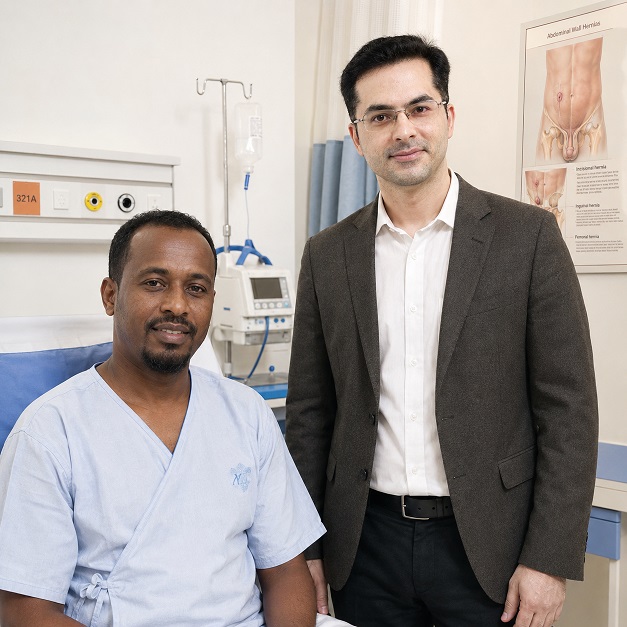
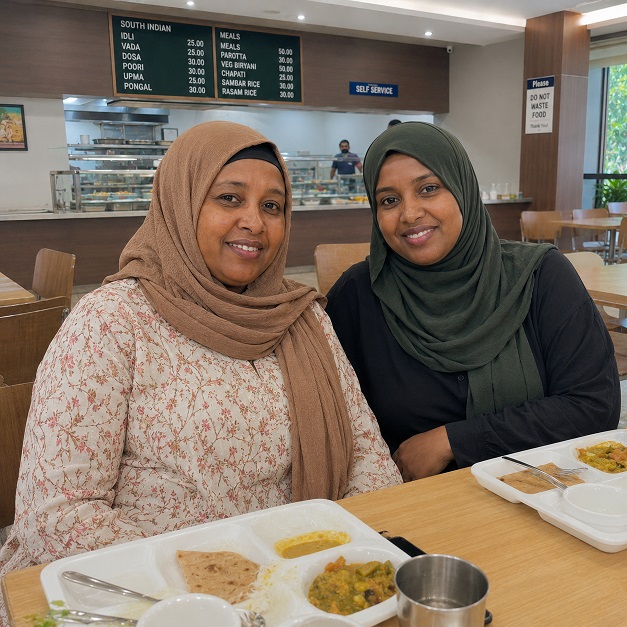
Patient Testimonials from Somalia
Ready to Take the First Step?
Share your Medical Reports with our Healthcare Managers Today and Get a FREE CONSULTATION, a Personalized Treatment Plan, and Complete Support from Arrival to Recovery.
Get Your Free ConsultationAreas We Serve
This resource has been thoughtfully prepared for patients from Somalia who are considering medical treatment in India. We also welcome patients from the wider region in the countries mentioned below-
We assist patients from:
- Ethiopia
- Djibouti
- Yemen
- Kenya
- Seychelles
- Somalia
- South Sudan
- Tanzania
- Uganda
- Zambia
- Zimbabwe
- Angola
- Cameroon
- Central African Republic
Many of the insights, treatment pathways, hospital recommendations, travel guidance, and patient support services described here are equally relevant and may be used as a reference when planning treatment in India.
From Somalia to India: Your Complete Patient Support Guide
- Best Brain Tumour Surgeons & Hospitals in India for Somali Patients
- Best Cancer Treatment Surgeons & Hospitals in India for Somali Patients
- Best Cardiac Surgeons & Hospitals in India for Somali Patients
- Best CyberKnife Teams & Centres in India for Somali Patients
- Best Heart Valve Replacement Surgeons & Hospitals in India for Somali Patients
- Best Hip Surgeons & Hospitals in India for Somali Patients
- Best Knee Surgeons & Hospitals in India for Somali Patients
- Best Neurosurgeons & Hospitals in India for Somali Patients
- Best Paediatric Cardiac Surgeons & Hospitals in India for Somali Patients
- Best Paediatric Neurosurgeons & Hospitals in India for Somali Patients
- Best Spine Surgeons & Hospitals in India for Somali Patients
- Bariatric Surgery in India for Patients from Somalia
- Brain Tumour Surgery in India for Patients from Somalia
- Cancer Treatment and Surgery in India for Patients from Somalia
- Cardiac Surgery in India for Patients from Somalia
- Cosmetic and Plastic Surgery in India for Patients from Somalia
- CyberKnife Treatment in India for Patients from Somalia
- Dental Surgery in India for Patients from Somalia