 Apollo Hospital
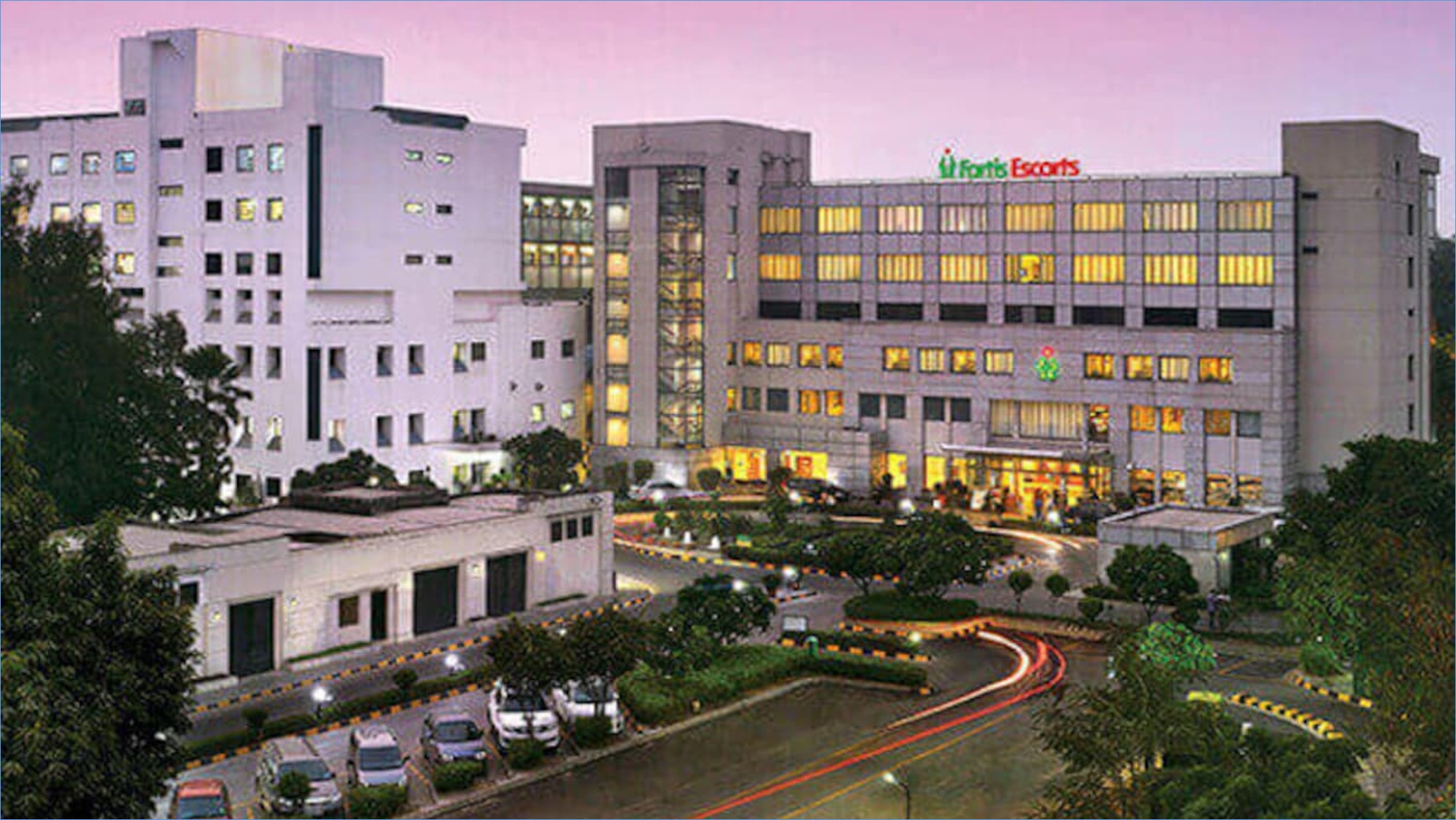
 Fortis Hospital
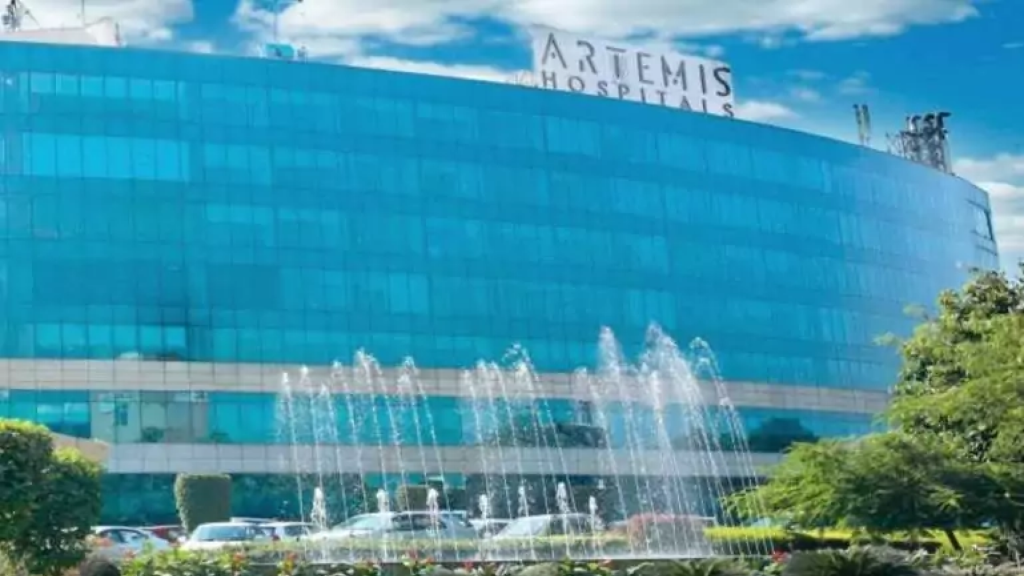
 Artemis Hospital
 Max Hospital
 Columbia Asia Hospital
 Medanta Hospital


 Jaslok Hospital
 Lilavati Hospital


 Global Hospitals

 :
: LOW COST Spinal Fusion Surgery in India
Plan your Spinal Fusion Surgery in India with Dheeraj Bojwani Consultants
Our daily activities leave little or no time for our body to relax and heal itself. Improper sitting habits, wrong posture in standing, sudden movements, jerks, or accidents affect our backs the most. Back aches are the most common complaints we hear everyday. While some spine problems go away with proper care, some may require surgery for a permanent solution. Choosing the right treatment is vital and Dheeraj Bojwani Consultants in India provide access to the best spine surgeons, at affordable rates.
How things function at Dheeraj Bojwani Consultants:
- Excellent panel : Patients are guided and assisted to choose the treatment most suitable for them, under the #1 specialists in India.
- Primary facilities : We take care the most important facets like appointment with doctors, your medical visa, accommodation, healthy meals.
- Recovery assistance : You may have to stay in the hospital for 2 to 3 days post treatment depending on your surgery. Dheeraj Bojwani Consultants will help you in your speedy recovery.
- Low cost : The cost involved in the treatment, your stay, flight tickets, meals etc is nearly 25% of the expenses in western countries.
- Other services : Quick visa letter, flight ticket bookings, languators, foreign exchange facility, hotel arrangement, vacation tours and plans.
Spinal Fusion Surgery Cost in India
Spinal Fusion Surgery Cost in India starts from $4,500 USD,and varies depending on how many levels need to be fused, your medical history and comorbidities, seniority of the surgeon, types of hospital and the city where you choose to get the surgery done.
| Procedure | USA | Thailand | UK | India |
| Complex Spine Surgery with Implants | $14,000 | $12,000 | $13,000 | $6,000 |
| Spinal Fusion Surgery | $62,000 | $55,500 | $60,000 | $3,500 |
| Simple Spine Surgery | $20,000 | $15,500 | $18,500 | $2,000 |
The Cost of the Spinal fusion surgery is the major factor that is considered while visiting another country. Low cost is not the only criteria, patient looks for a quality output with low cost. India is proving to be much beneficial for such patients as the cost of the treatment is low without compromising the quality.
INCLUDES
- Surgery
- Hospital Stay
- Medicines
- Airport Transfers
DON’T INCLUDE
- Hotel Stay
- Air Tickets
- Visa
STAY
- Hospital: 2-3 days
- India: 10-12 days
 |
BEST PROVIDER FOR NEUROSURGERY AND SPINE CARE BY THE FICCI AND MTCM FOR THE YEAR 2019 AND 2021 |
 |
MORE THAN 3,000 INTERNATIONAL PATIENTS OPERATED IN LAST 18 YEARS FOR VARIOUS SPINE AND NEUROSURGERY PROCEDURES |
 |
SPINE SURGERY FELLOWSHIPS PROVIDED TO SURGEONS FROM VARIOUS COUNTRIES UNDER THE AEGIS OF GOVT. OF INDIA OVERSEAS TRAINING PROGRAMS |
DHEERAJ BOJWANI SERVICES
Affordable and Seamless Medical Tourism in India for Over 20 Years
Pretravel Consultation
Destination Selection
Hospital Selection
Medical Visa
Post-Operative Care
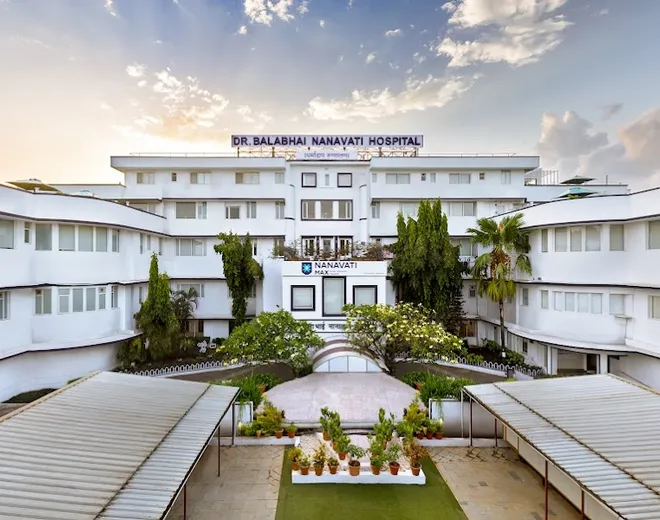
BEST HOSPITALS FOR SPINAL FUSION SURGERY IN INDIA

Top Surgeons for Spinal Fusion in India

Dr. Sandeep Vaishya
MBBS, MS (General Surgery), M.Ch (Neurosurgery)
25+ Years of Experience
Dr. Sandeep Vaishya is a highly esteemed neurosurgeon with more than 25+ years of experience, focusing on intricate spinal , which encompass minimally invasive methods and spinal fusion He serves as the Executive Director of Neurosurgery at Fortis Memorial...
Book Appointment >
Dr. Bipin Swarn Walia
MBBS, MS – General Surgery, M.Ch – Neuro Surgery
38+ Years of Experience
Dr. Bipin S. Walia stands as one of the most distinguished and esteemed neurosurgeons in India, specializing in spine and neuro surgery with remarkable expertise. With a career spanning over 38+ years, including a significant period of service in the Indian Army...
Book Appointment >Patient from Ghana – Mr Jerome Mensah shares his experience of his Spinal Fusion Surgery in India

Mr Jerome Mensah from Ghana
My spinal fusion surgery was a great success at Dheeraj Bojwani Group in India. From my first appointment at the hospital to my last consultation visit every aspect of the course of treatment was full of care and warmth with utmost perfection. Thanks to the group with all my heart. I will surely recommend them to anyone in need of spinal fusion surgery for other various treatment options that the group deals into.
★★★★★ Published
TO GET A FREE NO-OBLIGATION QUOTE FOR SPINAL FUSION SURGERY IN INDIA
India & International : +91-9860755000 / +91-9371136499
 WhatsApp Us
What is Spinal Fusion Surgery?
 This procedure is used primarily to eliminate the pain caused by an abnormal motion of the vertebrae by immobilizing the vertebrae themselves. Spinal Fusion Surgery is a worldwide performed back surgery in which two or more vertebrae are joined together (fused), so that no individual movement occurs in the operated vertebral levels. The idea of the surgery is to permanently connect the vertebrae to each other using plates, screws or rods to hold the vertebrae and graft in place to promote healing after spinal fusion. One such method which has gained popularity is cervical laminectomy surgery, this procedure helps to relieve pressure on the spinal cord by enlarging spinal canal.
Conditions Successfully Treated with Spinal Fusion Surgery
Chronic back pain is one of the most common problems in adults and even in teens because of our metropolitan lifestyle but prolonged suffering from such condition may be signalling you to get a permanent solution. The most common areas of pain are in lumbar region which is located below the rib cage. Such condition can be a reason for natural disorders like degenerative arthritis or it could be tumor, scoliosis, infection or spondylolisthesis. Certain conditions treated with spinal fusion surgery in India are as follows:
- degenerative disc disease
- spinal disc herniation
- discogenic pain
- spinal tumor
- vertebral fracture
- Scoliosis
- Kyphosis (i.e, Scheuermann's disease)
- Spondylolisthesis
- Spondylosis
- Posterior Rami Syndrome
- Other degenerative spinal conditions
- any condition that causes instability of the spine

Spinal Fusion Surgery Preparations and Procedure:
Caution: Always inform your surgeon or nurse about the medicines you are taking, even medicines or herbs without a prescription.
The first step, before considering spinal fusion surgery, the patient should know details about who should choose spinal fusion surgery as an option. Sometimes people come in with neck and back pain but may not require the surgery to fix the pain. One of the main reasons neurosurgeons perform spinal fusion surgery is axial pain which could be because of post-trauma leading to spine instability or in conditions as spondylitis where one vertebra slips onto another.
Preparations before Spinal Fusion Surgery
- If you are a smoker, you need to stop smoking. Patients who have spinal fusion surgery and continue to smoke have difficulty healing.
- Two weeks before surgery, your doctor or nurse may ask you to stop taking drugs that will resist blot clots. These include aspirin, ibuprofen (Advil, Motrin), naproxen (Aleve, Naprosyn), and other drugs like these.
- If you have diabetes, heart disease, or other medical problems, your surgeon will ask you to see your regular doctor before the surgery.
- Talk to your doctor if you have been drinking a lot of alcohol.
- Ask your doctor which drug you should still take on the day of the surgery.
- Always let your doctor know about any cold, flu, fever, herpes breakout, or other illnesses you may have.
Procedure On Your Surgery Day:
- Spinal fusion surgery is performed under anaesthetic conditions so the patients won’t feel pain during the surgery.
- It could be performed via posterior or anterior incisions and sometimes even a combination of both of these approaches is used by the doctors in this surgery.
- After carefully making the incisions, with the help of bone graft the two vertebrae will be joined together.
- For grafting, the patient’s own bone can be used (autograft) or the bone obtained from cadavers (allograft) can be used.
- Combined Anterior & Posterior Fusion Procedure is nothing more than performing both an anterior and postero-lateral fusion at the same time, or at least under the same anaesthetics. The advantage is that the chance of achieving a fusion and of eliminating the source of symptoms is improved.
- Fusion requires a process of healing which is similar to the way broken bones heal.
- You might be asked not to drink or eat anything for 6 to 12 hours before the surgery procedure.
What are the types of spinal fusion surgery?
There are different types of spinal fusion surgery, and the surgeon may recommend the type of procedure according to the patient's condition.
Internal fusion between the internal body:
In this procedure, the intervertebral disc is removed and the vertebrae are fused together through an incision in the lower abdomen. The disc between the vertebrae is then replaced with an artificial disc.
Posterior lateral procedure:
In this procedure, the vertebrae in the middle of the back and the vertebrae connected to them are connected with screws and rods without disturbing the disc.
Posterior lateral fusion procedure:
It is the same internal posterior procedure with the difference being the removal of bone from the back of the pelvis and it is placed along the back and side of the vertebrae to be fused.
Combining anterior and posterior fusion procedures:
When doctors perform both anterior and posterior fusions at the same time, it is called combined posterior fusion.
Patient Testimonial: Mr. Peter, Nigeria – Spine Surgery for his Aunty
Mr. Peter, Nigeria
Spine Surgery for his Aunty
Hi, I am Peter from Nigeria. My aunt had been suffering from severe back problems for a long time, but we were unable to find any good medical facility in our country. A friend of mine suggested that we contact Dheeraj Bojwani Consultants, through whom he had visited India a year ago for medical treatment. We sent them our query and received a call the very next morning.
They were very friendly and helpful, guiding us through the visa process, which was quite commendable. Within a few weeks, all the arrangements were completed, and we arrived in India for my aunt’s spinal fusion surgery in Hyderabad. The hospital staff was very welcoming, and everything went smoothly. The surgery was affordable and performed by a team of skilled spine surgeons. We are deeply grateful to the team for all their support.
What are the Benefits of Spinal Fusion Surgery in India?
In most cases, spinal fusion can eliminate the pain and other symptoms. It is important for a surgeon to explain the options, and benefits of spinal fusion surgery. There are many advantages of Spinal fusion surgery such as:
By fusing the level, there is less concern that the patient will need surgery again at that level. If the discs and/or facets are pain generators, as is often the case, a fusion will ensure that motion at the level is stopped, potentially eliminating the low back pain.
The second advantage of spinal fusion surgery is that it reduces the post-decompressive deformity. Some patients develop post-laminectomy kyphosis, which is an abnormal alignment of the spine. This too can often lead to additional surgery. Similarly, a fusion can correct any deformity the patient had before surgery and ensure that the normal alignment of the spine is restored. This may reduce wear and tear (and need for future surgery) on the neighbouring levels.
To get free no obligation Quote For Spinal Fusion Surgery :
Click Here Whatsapp UsPhone Numbers Reach Us-
India & International : +91-9860755000 / +91-9371136499
UK : +44-2081332571
Canada & USA : +1-4155992537
Recovery after Spinal Fusion Surgery:
A patient has to spend 3-4 days in the hospital, however, in serious cases; the hospitalization can even extend to 5-6 days. For elderly people, it is commonly recommended that after the spinal surgery, they should stay in rehabilitation centres for about a week, so that the proper patient care can be taken.
During the rehabilitation program, simple aerobic and cardiovascular exercises are taught to the older people, so that any strain on their heart or chest due to the spinal surgery is controlled effectively.
The spinal fusion process in every patient is quite different as every individual has a different body constitution. In every patient, the body heals slowly and the bone graft takes substantial time to fuse with the vertebrae.
The process of healing after the spinal fusion recovery is similar to that after a bone fracture. Spinal fusion healing time in a young and healthy adult is 4 to 6 weeks, in case of a single layer spinal fusion. In older people and people with a job that doesn't demand much physical work, the spinal fusion recovery time can take around 4 to 5 months. Read more on spine surgery recovery time.
After the spinal fusion surgery in India, the patients have to follow certain restrictions in their daily activities. For instance, patients have to comply with the advice of the medical expert with respect to the movement of the legs.
In many cases, postoperative measures include putting braces to protect the bones. There are various types of braces that can be used.
Spinal Fusion Surgery Risks and Complications:
With every surgery there comes a fair share of risks and complications, some of the most common risk of spinal fusion surgery includes:
- Infection
- Anesthetic problems
- Urinary difficulties
- Absent or decreased intestinal function
- Blood clots
- Pseudarthrosis
The alternatives to spinal fusion surgery are intra-discal electro thermal coagulation, disc replacement, posterior dynamic stabilization and Disc regeneration.
Why Spinal Fusion Surgery in India?
The primary reason people travel abroad for a medical purpose is to save on medical treatment costs in their home country. With several leading medical tourism destinations offering world-class health care at state-of-the-art facilities, yet at costs as much as half of those in Europe or North America, it is no wonder the medical tourism industry has expanded rapidly in the past decade.
Spinal Fusion Surgery Benefits India has boosted medical tourism in the country in last few decades. Spinal Fusion Surgery Cost in India is the key factor that has attracted patients from overseas and comes with budget-friendly packages as compared to its competitors and western countries.
As it is already being in focus on the risk related to spine surgeries, so low price tags are not the only quality that patients think about. Highly trained and skilled surgeons, excellent infrastructure, good post-op care for a successful outcome are also the decisive factor that patient aboard look forward to. Since India is amongst the best in the world and the lowest in terms of cost of spinal fusion surgeries, attracted people across the world.
Patients can go for spinal fusion surgery in India in following cities:
| Mumbai | Hyderabad | Kerala |
| Delhi | Pune | Goa |
| Bangalore | Nagpur | Jaipur |
| Chennai | Gurgaon | Chandigarh |
How many International patients came to India for Spinal Fusion Surgery?
The list of TOP 15 countries from where the Spinal Fusion Surgery Patients travelling to India are given below. The major reason of large number of patients travelling to India for medical treatment from these countries is because of availability of top spine surgery hospitals in India, affordable prices and very good air connectivity, tourism options and many more reasons.
The maximum number of patients for Spinal Fusion Surgery come from – USA, UK, Canada, Australia, Kenya, Nigeria, Saudi Arabia, Sri Lanka, Turkmenistan, Afghanistan
Why Plan Spine Fusion Surgery in India with Dheeraj Bojwani Group?
With a strong emphasis on our client's safety and comfort, Dheeraj Bojwani Group provides those choosing medical tourism with choices of physicians in India that are often heads of the department and have a PhD in addition to their MD degrees.
You just have to send us a query regarding your Spine fusion surgery in India and within 24 hours an assistant from Dheeraj Bojwani Group will contact you for further details and interaction. From that point you don’t have to worry about anything. That assistant will take care of all your proceedings like arranging VISA, accommodation, appointment with the doctor with round the clock services to make your medical tour hassle free.
To get free no obligation Quote For Spinal Fusion Surgery :
Click Here Whatsapp UsPhone Numbers Reach Us-
India & International : +91-9860755000 / +91-9371136499
UK : +44-2081332571
Canada & USA : +1-4155992537
Some of the common countries from which patients travel to India for surgery are:
| USA | UK | Canada |
| Australia | New Zealand | Nigeria |
| Kenya | Ethiopia | Uganda |
| Tanzania | Zambia | Congo |
| Sri Lanka | Bangladesh | Pakistan |
| Afghanistan | Nepal | Uzbekistan |
Below are the downloadable links that will help you to plan your medical trip to India in a more organized and better way. Attached word and pdf files gives information that will help you to know India more and make your trip to India easy and memorable one.
| Click icon to Download Document | ||||||
| About India |  |  | Destinations in India | | | |
| Indian Embassy List | | | Medical Tourism FAQ | | | |
| Visa For India | | | ||||
- How can I get Best Spine Surgery in India?
- India has a number of renowned Spine Surgeons, and choosing one can be tricky. Send us your medical reports and we will find the best suitable Spine Surgeon for you.
- What is the best way to cure lower back pain?
- Stretching, moving your body, some ice at the aching portion are some of the ways to cure a lower back pain. Check out our webpage for more information. If your pain persists, consults a doctor.
- What limitations will I have after surgery and for how long?
- You will advised not to eat anything 6 to 12 hours before the surgery, stop the intake of drugs without consulting your doctor. For more info on limitations and precautions, visit our website.
- How soon after the surgery can I start physical therapy?
- Hospital stay after a surgery is nearly 3-4 days, and may expand to 5-6 days in serious cases. Afterwards, you can immediately go for a physical therapy as the surgeon guides.
- What will make the Spine go Back to Being Straight Again?
- A good Spinal Fusion Surgery is a sure shot way to restore your spine's alignment. Ask Dheeraj Bojwani Consultants for assistance in reaching the best spine surgeon/hospital in India.
Related Articles:
Our City Specific Services:
Our Blog Posts
Our Patient's Experiences
- Affordable Laser Spine Surgery offered a New Life to Jayden Mackerras from Australia
- Cameroon Patient Gets Successful Brain Aneurysm Surgery in India
- Sudan Patient’s Experience After Gamma Knife Surgery in India
- International Patient’s Journey for Parkinson’s Treatment in India
- Zambia Patient Gets Best Price Spinal Fusion Surgery in India
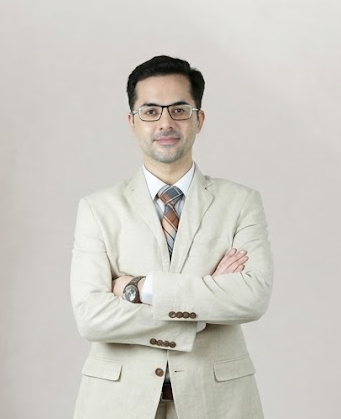
Dr. Dheeraj Bojwani
Medical Content Editor, Reviewer & International Patient Facilitator
Medical Tourism Advisor for International Patients who want to travel to India for Healthcare. With over 24 years of experience and having assisted more than 5,000 international patients, he helps patients from Australia, New Zealand, Africa, the Middle East, and around the world access leading hospitals and specialists across India.