 Apollo Hospital
 Fortis Hospital
 Artemis Hospital
 Max Hospital
 Columbia Asia Hospital
 Medanta Hospital


 Jaslok Hospital
 Lilavati Hospital


 Global Hospitals

 :
: Spine Scoliosis Surgery Cost in India - Lowest Cost Estimate
Plan your Scoliosis Surgery in India with Dheeraj Bojwani Consultants
Scoliosis is a medical condition in which the spine is curved and often looks deformed. The only way of repairing Scoliosis is through, which is the longest and the most complicated orthopedic surgical procedure. Dheeraj Bojwani Consultants is a premier healthcare company in India providing facilities to access the best spinals surgeons in India at affordable rates.
How things function at Dheeraj Bojwani Consultants:
- Experts : Dheeraj Bojwani Consultants has association with the #1 spinal surgeons and specialists in India.
- Primary care : Our team take care the most important factors like appointment with doctors, your medical visa, accommodation, health meals.
- Low cost : The cost involved in the treatment, your stay, flight tickets, meals etc is nearly 25% of the expenses in western countries.
- Professionalism : The benefit of Scoliosis Surgery under Dheeraj Bojwani Consultants ensures utmost care to maintain ethics in meeting patient's need.
- Other services : Quick visa letter, flight ticket bookings, languators, foreign exchange facility, hotel arrangement, vacation tours and plans.
Scoliosis Surgery in India
Vital Information
Phone :
+91-9371136499/ Whatsapp : Chat
Chat
Spine Scoliosis Surgery Cost in India
The cost of spine scoliosis surgery in India begins at US $8,000 and can vary based on several factors, including the number of levels that require surgeries, the patient's medical history and any comorbidities, the surgeon selected, the hospital chosen, and the city in which the surgery is performed.
Advance Scoliosis Treatment in India is available at quite affordable prices. We offers an incredibly low cost of scoliosis surgery in India which goes to around 60-80% less than prevailing USA and UK rates. The following Cost comparison is a good curtain-raiser for global patients looking for medical services in India.
| Type of Scoliosis Surgery | USA | UK | India | Thailand | Singapore |
| Anterior Fusion | $35,000 | $28,000 | $10,000 | $12,000 | $15,000 |
| Posterior Fusion | $38,000 | $30,000 | $11,000 | $14,000 | $16,500 |
| Kyphosis | $40,000 | $32,000 | $12,000 | $15,000 | $18,000 |
| VATS | $45,000 | $36,000 | $16,000 | $17,000 | $21,000 |
 |
BEST PROVIDER FOR NEUROSURGERY AND SPINE CARE BY THE FICCI AND MTCM FOR THE YEAR 2019 AND 2021 |
 |
MORE THAN 3,000 INTERNATIONAL PATIENTS OPERATED IN LAST 18 YEARS FOR VARIOUS SPINE AND NEUROSURGERY PROCEDURES |
 |
SPINE SURGERY FELLOWSHIPS PROVIDED TO SURGEONS FROM VARIOUS COUNTRIES UNDER THE AEGIS OF GOVT. OF INDIA OVERSEAS TRAINING PROGRAMS |
DHEERAJ BOJWANI SERVICES
Affordable and Seamless Medical Tourism in India for Over 20 Years
Pretravel Consultation
Destination Selection
Hospital Selection
Medical Visa
Post-Operative Care
BEST SPINE SURGEON FOR SCOLIOSIS SURGERY IN INDIA
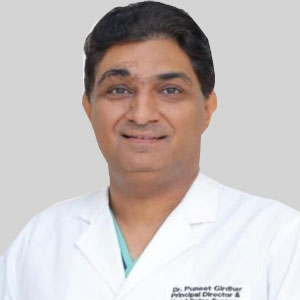
Dr. Puneet Girdhar
MBBS, MS, M.Ch (Ortho)
25+ Years of Experience
Dr. Puneet Girdhar is a top scoliosis spine surgeon in India with 25+ years of experience. His regions of interest encompass robotic spinal surgical treatment, chronic low back & neck pain, spinal deformity corrections, revision spine surgery, spinal trauma, and tumors.
Book Appointment >
Dr. Hitesh Garg
MBBS, MS (Ortho), Fellowship
18+ Years of Experience
Dr. Hitesh Garg is India's best spine scoliosis surgeon at Artemis hospital, Gurgaon. He has a wealthy experience of more than 18+ years in spine surgery and has worked at many apex institutes around the globe like Yale College (US), Shriners medical institution for children, Philadelphia (US).
Book Appointment >New Zealand Patient Ms. Agathee shares her Scoliosis Surgery Experience in India

Ms. Paupiah Agathee from New Zealand
“Everything about Dheeraj Bojwani Consultants oozes perfection and professionalism. I was treated so well and warmly by each team member that I didn’t realize that I’m away from home. I came across from the front desk to the surgery room. My stay there was free from the trauma of undergoing the surgery and all associated stress. And today almost it’s a year after my scoliosis surgery in India, and I am doing everything I love and everything I want to do. Thank you so much for converting my fears to a positive experience of optimum health.
★★★★★ Published
TO GET A FREE NO-OBLIGATION QUOTE FOR SCOLIOSIS SURGERY IN INDIA
India & International : +91-9860755000 / +91-9371136499
 WhatsApp Us
What is Scoliosis?
 Scoliosis is a spine deformity in which a person's spine is curved from side to side. It is a complex 3D deformity, on an x-ray, viewed from the rear, the backbone of an individual with scoliosis may look more like an "S" or a "C" than a straight line. Scoliosis is typically classified as either congenital (caused by vertebral anomalies present at birth), idiopathic (cause unknown, sub-classified as infantile, juvenile, adolescent, or adult according to when onset occurred), or neuromuscular (having developed as a secondary symptom of another condition, such as spina bifida, cerebral palsy, spinal muscular atrophy, or physical trauma).
Different Types of Scoliosis
Different types of scoliosis surgery are now possible with advance scoliosis treatment in India. Each of them is named and defined according to the age, cause of scoliosis, and spinal curvature. There are two primary divisions of scoliosis:
Structural: It is caused by neuromuscular diseases, congenital disabilities, certain infections, injury, metabolic diseases, connective tissue disorders, rheumatic diseases, tumors, and other unknown factors
Nonstructural: also known as functional scoliosis is reasoned by underlying conditions such as a difference in leg length, inflammatory diseases, or muscle spasms, including appendicitis.
Idiopathic scoliosis: Idiopathic scoliosis is the most common type. Affecting nearly 4% of the population and is common in females. The reasons may include differences in leg length, hereditary conditions, injury, infections, and tumors. It is subdivided into three categories:
- Infantile scoliosis: extends from birth to age three
- Juvenile scoliosis: is caused between the ages three and nine
- Adolescent scoliosis: scoliosis extends from 10 to 18
Congenital scoliosis: It is a rare type of scoliosis caused by an abnormally shaped spine bone since birth.
Neuromuscular scoliosis: is a lateral curvature of the spine occurring due to muscular weakness or neuromuscular diseases such as cerebral palsy, spina bifida, paralytic conditions, spinal cord tumors, neurofibromatosis, and muscular dystrophy.
Degenerative scoliosis: happens in adults due to weakening of the spine with aging. Scoliosis is also characterized based on spinal curvature. Thus following are the types found:
- Thoracic curve scoliosis
- Lumbar curve scoliosis
- Thoracolumbar curve scoliosis
Causes of Spine Scoliosis:
Scoliosis often presents itself, or worsens, during the adolescence growth spurt and is more commonly diagnosed in females versus males. The origins of spine scoliosis are as follows:
- Hereditary Factors
- Some Neuromuscular conditions, such as muscular dystrophy or cerebral palsy.
- Specific congenital disabilities that may lead to spine deformities.
- Spine Injuries or infections are leading to the scoliosis condition.
Symptoms of Scoliosis:
Some of the signs and symptoms of spine scoliosis may include:
- Uneven Waist
- Uneven Shoulders
- One hip raised higher than the other
- One Shoulder blade is a little raised than the other.
- The head may be off-center
- opposite sides of the body may not appear leveled
Diagnosis of Scoliosis:
There are different ways of diagnosing spine scoliosis in India. Some of such methods are mentioned below.
X-rays: Several x-ray pictures are taken of patient’s spine, including views taken from the back and sides. Other problems, such as broken, incomplete, or fused bones may also be seen. Child's caregiver may also check if your child's bones are still growing.
CT scan: Also called a CAT scan. A particular x-ray machine uses a computer to take pictures of a patient's body. It may be used to look at the patient’s bones, brain, muscles, body organs, and blood vessels. The patient may be given a dye by mouth or in an IV before the pictures are taken. The dye is helpful to see the photos better. People who are allergic to iodine or shellfish (lobster, crab, or shrimp) may be allergic to some dyes. Tell the caregiver if your child is allergic to shellfish, or has other allergies or medical conditions.
MRI(magnetic resonance imaging): Popularly known for three-dimensional photos. An MRI may be used to look at the patient’s brain, muscles, joints, bones, or blood vessels. The patient needs to lie still during an MRI. Never enter the MRI room with an oxygen tank, wristwatch, or any other metal objects to avoid injuries.
What are the Types of Scoliosis Surgery?
Scoliosis surgery is usually recommended by orthopedists for curves that can progress with age (i.e., higher than 45 to 50 degrees), curves that would be cosmetically unacceptable as an adult, cerebral palsy and spina bifida curves that could interfere with sitting and care, and curves that affect physiological functions such as breathing. There are two types of scoliosis surgery available in India:
- Anterior Fusion: This surgical approach is through an incision or cuts at the side of the chest wall.
- Posterior Fusion: This surgical approach is through an incision on the back and involves the use of metal instrumentation to correct the curve.
To get free no obligation Quote For Best Price Scoliosis Surgery in India
Click Here Whatsapp UsPhone Numbers Reach Us-
India & International : +91-9860755000 / +91-9371136499
UK : +44-2081332571
Canada & USA : +1-4155992537
What are the Surgical Approaches for Scoliosis Surgery in India?
Different surgical approaches opted by the surgeons for scoliosis depends on the patient’s medical condition and age. Sometimes more than one surgery produces the most favorable results. Some of the surgical approaches include:
- Anterior-posterior approach (front and back)
- Anterior approach (front)
- Thoracoscopic surgery (VATS, Video-Assisted Thoracoscopic Surgery)
- Thoracoplasty (rib resection, rib removal)
- Osteotomies (bone removal)
- Hemivertebrae excision (partial or complete removal of a vertebra)
- Kyphosis surgery
- Flatback surgery
- Vertebral column resection
What are Common Procedures for Spine Scoliosis Surgery?
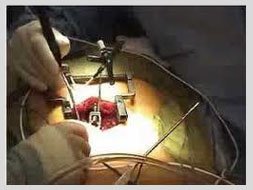
- Posterior Approach for scoliosis : A long incision is made on the whole length of the thoracic spine and muscles are separated from the spine giving access to the spine. Rods are then inserted to reduce the curve, even screws are used to hold them still. Bone is inserted for spine fusion which can progress from 6-12 months.
- Anterior Approach: Severe deformation and rigid curvature require a more active approach, i.e., anterior. This procedure requires open incision and removal of the ribs. This leads to diaphragm released from the chest wall and the spine so that proper access is presented to the spine. The spinal disc is removed to lose the spine, and new rods are introduced to reduce curvature, and screws are used to keep it in place.
- Thoracoplasty: It is a complementary surgical to reduce the rib hump that affects most scoliosis patients with a thoracic curve. A rib hump is an evidence that there is some rotational deformity to the spine. Thoracoplasty can help to obtain bone grafts from the ribs instead of the pelvis, regardless of whether a rib hump is present.
Post-operative Care for Scoliosis Surgery
- Patients can usually start to move around about 2 to 3 days after the surgery and when they start feeling better, and total hospital stay is often about 4 to 7 days.
- The more immobile the spine is kept, the better it will fuse after the surgery. Bending, lifting, and twisting are all discouraged for the first three months after surgery.
- The patient will be monitored with periodic examinations and x-rays for 1 to 2 years after the surgery. Once the bone is solidly fused no further treatment is required.
- Patients can resume normal activity levels after a thoracic fusion since fusing the thoracic and upper lumbar spine does not change the biomechanics of the spine all that much. Female patients who have had a scoliosis fusion can still become pregnant and deliver babies vaginally.
Successful Patient Testimonial for Scoliosis Surgery in India
Mr. Mohammed Rasool, Iraq
Scoliosis Surgery for His Mother
I’m Mohammed Rasool from Iraq. My mother, aged 60, had been suffering from severe back pain for the past two years. After medical evaluation, she was diagnosed with spinal scoliosis. Since receiving advanced healthcare in Iraq was difficult, I began searching online for experienced doctors abroad who could help her.
After extensive research, I came across Dr. Dheeraj Bojwani Consultants along with a few other medical tourism companies in India for my mother’s scoliosis surgery. The Dheeraj Bojwani team was highly responsive and answered all my queries about the surgery in detail. They assured me that everything—from travel and accommodation to surgery arrangements—would be well taken care of. I’m glad we decided to travel to India for her treatment.
Upon arriving in India, the hospitality and professionalism of Dr. Dheeraj Bojwani Consultants were truly impressive. Everything was perfectly scheduled and organized—from her doctor’s consultations to the surgery timetable, hotel bookings, and other necessities. The surgery lasted for about five hours and was highly successful. The physiotherapist guided her through a personalized exercise plan to support her recovery. I sincerely thank the entire team at Dheeraj Bojwani Consultants and the best spine surgery hospital in India for helping my mother regain her health.
What are the Benefits of Scoliosis Surgery in India?
- The anterior approach allows additional segment motion, and through this procedure, stress overload on a few segments can be prevented.
- Scoliosis surgery recovers efficiently, and most patients take 3-4 week to fully recover.
- Curve: One of the most Dr.astic benefits of scoliosis surgery is stopping the progressive curvature of the spine.
- Lung and Heart Health: Scoliosis can affect heart and lung health. Damage to these organs occurs as the curve reaches 70 degrees. A curve of 100 degrees can cause severe injury. Surgery can help to eliminate the possibilities of severe damage.
- Scoliosis surgery may help to prevent the future possibilities of developing other pain-related issues such as chronic back pain, arthritis of the spine, etc.
List of Best Hospitals Scoliosis Surgery in India
- Kokilaben Dhirubhai Ambani Hospital, Mumbai
- New Age Wockhardt Hospital, Mumbai
- Nanavati Super Specialty Hospital, Mumbai
- Global Hospitals, Mumbai
- BGS Gleneagles Hospital, Bangalore
- Breach Candy Hospital, Mumbai
- Sir HN Reliance Foundation Hospital, Mumbai
- Sir Ganga Ram Hospital, New Delhi
- Fortis Hiranandani Hospital, Vashi
- Fortis Flt. Lt. Rajan Dhall Hospital, Vasant Kunj, New Delhi
- Fortis Hospital, Shalimar Bagh, New Delhi
- Asian Heart Institute, Mumbai
- Apollo Hospitals, Mumbai
- Medanta The Medicity, Gurgaon, India
- Artemis Hospital, Gurgaon, India
- Jaslok Hospital, Mumbai
- Saifee Hospital, Mumbai
- Sri Ramachandra Medical Centre, Chennai
- Dr. Rela Institute and Medical Centre, Chennai
- P.D Hinduja Hospital & Medical Research Centre, Mumbai
- Fortis Memorial Research Institute, Gurgaon
- Indian Spinal Injuries Center, New Delhi
- Indraprastha Apollo Hospital, New Delhi
- BLK Super Speciality Hospital, New Delhi
- IBS Institute of Brain and Spine, New Delhi
- Primus Super Speciality Hospital, New Delhi
- Max Super Speciality Hospital, Saket, New Delhi
- Max Super Speciality hospital, Patparganj, New Delhi
- Manipal Hospitals Dwarka, Delhi
- Venkateshwar Hospital, New Delhi
- Fortis Escorts Heart Institute, New Delhi
- Apollo Spectra Hospital, New Delhi
- Apollo Spectra Hospital, Chennai
- Columbia Asia Hospital, Bangalore(Whitefield)
- MIOT International, Chennai
- MGM Healthcare, Chennai
- SIMS Hospital, Vadapalani, Chennai
Why India For Scoliosis Surgery?
- India has emerged as a pioneer in the field of health sector dealing the best to global patients suffering from scoliosis and other medical ailments.
- A large number of leading spines, Neurosurgery and Orthopedic Centers of India are present which offer the highest possible standards of the spine and neuro healthcare to patients.
- India has world-class spine surgeons and orthopedic expertise and has provided surgery and medical treatments to most complex cases of Spine like the Degenerated Disc Disease, Multi-Level Herniated Discs, Scoliosis, Kyphosis, Spinal Stenosis, Spondylolisthesis, Spinal Tumors, Spinal Fractures, and Malformations.
- Top Scoliosis hospitals in India are accredited with JCI accreditations, which are approved once they follow stringent protocols of quality and hygiene.
These are available at hospitals in the following cities with latest amenities and state-of-art-facilities.
| Mumbai | Hyderabad | Kerala |
| Delhi | Pune | Goa |
| Bangalore | Nagpur | Jaipur |
| Chennai | Gurgaon | Chandigarh |
Why International Patients Coming to India for Scoliosis Surgery?
Dheeraj Bhojwani Consultants provides exclusive scoliosis surgery International packages. The primary reason of a large number of patients traveling to India for medical treatment from these countries is because of availability of best scoliosis surgery hospitals in India, affordable prices and excellent air connectivity, variety of foods, availability of translators, tourism options.
The maximum numbers of patients for Scoliosis Surgery come from – UK, Canada, USA, Australia, Afghanistan, Iraq, Oman, Nigeria, Sudan, Uzbekistan.
Some of the common countries from which patients travel to India for surgery are:
| USA | UK | Canada |
| Australia | New Zealand | Nigeria |
| Kenya | Ethiopia | Uganda |
| Tanzania | Zambia | Congo |
| Sri Lanka | Bangladesh | Pakistan |
| Afghanistan | Nepal | Uzbekistan |
To get free no obligation Quote For Best Price Scoliosis Surgery in India
Click Here Whatsapp UsPhone Numbers Reach Us-
India & International : +91-9860755000 / +91-9371136499
UK : +44-2081332571
Canada & USA : +1-4155992537
Below are the downloadable links that will help you to plan your medical trip to India in a more organized and better way. Attached word and pdf files gives information that will help you to know India more and make your trip to India easy and memorable one.
| Click icon to Download Document | ||||||
| About India |  |  | Destinations in India | | | |
| Indian Embassy List | | | Medical Tourism FAQ | | | |
| Visa For India | | | ||||
- How can I get the best Treatment Options for Scoliosis?
- For best treatment options for scoliosis, ask Dheeraj Bojwani Consultants, the premier medical tourism company in India, with network of the best medical practiotioners in India.
- Do I have to wear a Brace if I have Scoliosis?
- Most people with scoliosis do not have to wear a brace. But the larger a curve gets, the more likely surgery may be needed to correct it. Therefore, depending on your signs of curve progression, your doctor may recommend you wear a specially designed back brace.
- What degree do you decide to do a brace?
- Brace is generally used to prevent scoliosis from worsening if you have: -A moderate curve (25 to 40 degrees) -A progressive curve (has increased by more than 5 degrees)
- How long will I need to wear the brace? Can I wear it at night only?
- You need to wear a brace until your spine stops growing. The most common daytime braces are worn 16 to 23 hours each day. Your doctor will advise you about which brace and the wearing time best for you.
- Are there other options for brace treatment?
- There are many treatment options on the internet, claiming to treat curves, but have NO scientific backing. Most experts recommend bracing when there is a high potential for continued progression of a curve.
Related Articles:
Our City Specific Services
Our Blog Posts
Our Patient's Experiences
- Affordable Laser Spine Surgery offered a New Life to Jayden Mackerras from Australia
- Cameroon Patient Gets Successful Brain Aneurysm Surgery in India
- Sudan Patient’s Experience After Gamma Knife Surgery in India
- International Patient’s Journey for Parkinson’s Treatment in India
- Zambia Patient Gets Best Price Spinal Fusion Surgery in India