Apollo Hospital
 Fortis Hospital
 Artemis Hospital
 Max Hospital
 Columbia Asia Hospital
 Medanta Hospital


 Jaslok Hospital
 Lilavati Hospital


 Global Hospitals

 :
: Neurosurgery Cost in India - Get Price Estimate
Plan your Neurosurgery in India with Dheeraj Bojwani Consultants
Neurosurgery is that area of medical care treating nervous system, spinal column. Neurosurgery is extremely advanced and requires veteran hands and latest know-how of technology for an affirmative treatment. Dheeraj Bojwani Consultants is a medical tourism company in India has a network of the most renowned Neurosurgeons and hospitals in India, and helps overseas patients access the best of these services at affordable rates.
How things function at Dheeraj Bojwani Consultants
- Basic facilities : Our company assists international patients with the arrangement of medical visa, accommodation for the patient and family, meals, appointment with surgeons, lab tests, etc.
- Veteran Panel : Dheeraj Bojwani Consultants has ties only with the best Neurosurgeons and hospitals, an eminent prospect while in treating any medical condition anywhere.
- Ethical : Receiving treatment in India with Dheeraj Bojwani Consultants ensures utmost care to maintain ethics in meeting the patient’s need.
- Affordability : Complicates medical treatments usually cost a lot but here at Dheeraj Bojwani consultants, we make sure that your financial aspects do not your medical treatments. We offer low cost neurosurgery, to suit your pocket.
- Other amenities : We also take care of quick visa letter, health diet as advised by your attending surgeon, to and fro airport travel, vacation tour, etc.
Key Takeaways
- Neurosurgery cost in India ranges from INR 3,00,000 to INR 7,00,000 (approximately USD 3,600 to USD 11,700), varying by hospital, surgeon experience, and condition severity.
- Typical hospital stay for neurosurgery is 2–3 days, with a recommended total stay in India of 10–12 days for recovery and follow‑up.
- Dheeraj Bojwani Consultants assists international patients with medical visa, accommodation, meals, surgeon appointments, lab tests, airport transfers, health diet advice, and optional vacation tours.
- Common neurosurgery procedures offered include craniotomy, laminectomy, deep brain stimulation, Gamma Knife radiosurgery, and ventricular shunt placement.
- More than 3,000 international patients have been operated on in the last 18 years for various spine and neurosurgery procedures.
What is Neurosurgery Cost in India
Neurosurgery Cost in India ranges from INR 3,00,000 to INR 7,00,000, which is approximately USD 3,600 to USD 11,700. Though the exact treatment Cost depends on multiple factors such as the hospital's stays, surgeon's experience, types of hospital, severity of the condition, patient's general condition, etc.
A considerable cost difference is evident in India when it comes to Neurosurgery. India is much affordable along with zero patient waitlists. Interestingly, the quality delivered at such a low-cost neurosurgery international packages doesn't compromise the quality of treatment, as the foreign patients are accustomed to getting in their respective country. This is due to the outburst of the private sector which is comprised of top neurosurgery hospitals and clinics in India with the latest technology and best practitioners.
| Type of Neurosurgery | USA | UK | India | Thailand | Singapore |
| Craniotomy | $35,000 | $28,000 | $5,000 | $6,500 | $7,500 |
| Laminectomy | $30,000 | $24,000 | $4,000 | $5,000 | $6,500 |
| DBS | $75,000 | $60,000 | $18,000 | $24,000 | $28,000 |
| Meningocele Repair | $40,000 | $32,000 | $5,100 | $6,500 | $7,800 |
| Endoscopic Endonasal | $32,000 | $25,000 | $5,000 | $6,800 | $7,500 |
INCLUDES
- Surgery
- Hospital Stay
- Medicines
- Airport Transfers
DON’T INCLUDE
- Hotel Stay
- Air Tickets
- Visa
STAY
- Hospital: 2-3 days
- India: 10-12 days
 |
BEST PROVIDER FOR NEUROSURGERY AND SPINE CARE BY THE FICCI AND MTCM FOR THE YEAR 2019 AND 2021 |
 |
MORE THAN 3,000 INTERNATIONAL PATIENTS OPERATED IN LAST 18 YEARS FOR VARIOUS SPINE AND NEUROSURGERY PROCEDURES |
 |
SPINE SURGERY FELLOWSHIPS PROVIDED TO SURGEONS FROM VARIOUS COUNTRIES UNDER THE AEGIS OF GOVT. OF INDIA OVERSEAS TRAINING PROGRAMS |
DHEERAJ BOJWANI SERVICES
Affordable and Seamless Medical Tourism in India for Over 20 Years
Pretravel Consultation
Destination Selection
Hospital Selection
Medical Visa
Post-Operative Care
Top Surgeons for Neurosurgery in India

Dr. Sandeep Vaishya
MBBS, MS (General Surgery), M.Ch (Neurosurgery)
+25 Years of Experience
Dr. Sandeep Vaishya is a highly esteemed neurosurgeon with more than 25+ years of experience, focusing on intricate spinal , which encompass minimally invasive methods and spinal fusion He serves as the Executive Director of Neurosurgery at Fortis Memorial...
Book Appointment >
Dr. Arun Saroha
MBBS, MS (Surg), M.Ch
+ 22 Years of Experience
Dr. Arun Saroha is recognized as the leading Neurosurgeon and Spine Surgeon at Max Hospital in Delhi India, specializing in procedures related to the brain and spine. He is regarded as the top 10 neurosurgeon in India , focusing on the treatment of intricate brain and spine disorders...
Book Appointment >Nigerian Patients' Successful Neurosurgery Experience in India
Mrs. Zang, Nigeria
Neuro Surgery For her Husband
“I am Mrs. Zang from Nigeria. My husband had been suffering from neurological problems for years, and his condition was getting worse every minute. Our family doctor had recommended neurosurgery as the only relief.
As we could not find good treatment in our native country, we decided to come to India, as it is developed and has great medical facilities at a considerably low cost compared to Western countries. We searched online for guidance in finding the right surgeon and hospital.”
After a few weeks of rigorous search on the internet, we found Dr. Dheeraj Bojwani Consultants, who assured us of a low budget and one-of-a-kind treatment. All we had to do was fly to India. Every arrangement was already made, and we were happy with the efforts and hospitality of the consultant. The surgery was successful and now my husband has to recover quickly. I thank the Dheeraj Bojwani team for their assistance.
TO GET A FREE NO-OBLIGATION QUOTE FOR NEUROSURGERY DISORDERS IN INDIA
India & International : +91-9860755000 / +91-9371136499
 WhatsApp Us
Overview
Neurosurgery is a medical specialty concerned with the diagnosis, prevention, surgical treatment, and rehabilitation of disorders affecting the human brain. It’s a misconception that neurosurgery is only brain surgery, but it is much more! It includes diseases of the brain, spinal cord and spinal column, and peripheral nerves within all parts of the body. The specialty of neurosurgical care includes both adult and pediatric patients. Dependent upon the nature of the injury or disease, a neurological surgeon may provide surgical and non-surgical care.
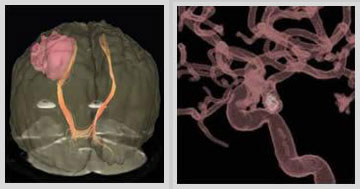
The specialty of neurosurgical care includes both adult and pediatric patients. Dependent upon the nature of the injury or disease, a neurological surgeon may provide surgical and non-surgical care.
What are Neurological Disorders?
- Amyotrophic Lateral Sclerosis
- Aphasia
- Asperger Syndrome
- Arachnoiditis
- Dystonia
- Encephalitis and Meningitis
- Encephalopathy
- Facial Nerve Problems
- Fainting
- Guillain-Barre Syndrome
- Head Injury
- Hematoma
- Huntington Disease
- Internal Bleeding
- Lead Poisoning
- Learning Disabilities
- MELAS Syndrome
- Meralgia Paresthetica
- Motion Sickness
- Multiple Sclerosis
- Myasthenia Gravi
- Stroke
- Stroke Prevention
- Thoracic Outlet Syndrome
- Tourette Syndrome
- Tremor
- Trigeminal neuralgia
- Vertigo
- Ramsay Hunt Syndrome
- Restless Leg Syndrome
- Arteriovenous Malformation
- Autism
- Blood Clots
- Brain Aneurysm
- Brain Concussion
- Brain Hemorrhage
- Brain Tumor
- Canavan Disease
- Cauda Equina Syndrome
- Cerebral Palsy
- Charcot-Marie-Tooth-Disease
- Compartment Syndrome
- Complex Regional Pain Syndrome
- Creutzfeldt-Jakob Disease
- Devic's Syndrome
- Dizziness
- Pick Disease
- Pinched Nerve
- Reye Syndrome
- Seizure
- Seizures Symptoms and Types
- Sinus Headache
- Spinal Cord Injury
- Stem Cells
- Peripheral Neuropathy
- Neuropathic Pain
- Parkinson's Disease
- Narcolepsy
- Pseudotumor Cerebri
- Progressive Supranuclear Palsy
Neurosurgery Procedures in India
- Laminectomy
- Craniotomy
- Rhizotomy
- Corpus Callosotomy
- Stereotactic Radiosurgery
- Hemispherectomy
- Endotracheal Intubation
- Deep Brain Stimulation
- Meningocele Repair
- Sympathectomy
- Vagal Nerve Stimulation
- Pallidotomy
- Sacral Nerve Stimulation
- Ventricular Shunt
- Cerebral Aneurysm Repair
- Anterior Temporal Lobectomy
Commonly Performed Neurological Procedures
Laminectomy: In this surgical procedure to remove a portion of the bony arch on the dorsal surface of a vertebra. It is performed to relieve back pain that has not been helped by more conservative treatments. In most cases, a laminectomy is an elective procedure rather than emergency surgery. It is also known as a lumbar laminectomy or an open decompression when performed in the lower back.
Craniotomy: It is brain surgery to remove a lesion in the brain through an opening in the skull. It is the most commonly performed surgery for brain tumor removal and also to remove a blood clot (hematoma), to control hemorrhage from a weak, cerebral aneurysm, to repair arteriovenous malformations (abnormal connections of blood vessels), to drain a brain abscess, to relieve pressure inside the skull, to perform a biopsy, or to inspect the brain.
Rhizotomy: Performed under general anesthesia, rhizotomy is the cutting of nerve roots as they enter the spinal cord. It is a treatment for spasticity that is unresponsive to less invasive procedures. The patient lies face down. An incision is made along the lower spine, exposing the sensory nerve roots at the center of the spine. Individual nerve rootlets are electrically stimulated.
Corpus Callosotomy: Corpus Callosotomy is a treatment for epilepsy, in which a group of fibers connecting the two sides of the brain, called the corpus callosum, is cut. Epilepsy is unresponsive to drug treatments, and hence surgical methods are used for the disorder. A person with epilepsy is considered a right candidate for the surgery or another if it has seizures that are not adequately controlled by drug therapy, and has tried at least two different anti-epileptic drugs. The purpose of this procedure is to prevent further seizure activity from one half of the brain to the other.
Stereotactic Radiosurgery: In this neurosurgery, a precise beam of radiation is used to destroy tissue in the brain affected with tumors, arteriovenous malformations and in some cases, benign eye tumors, or other disorders within the brain. The procedure distorts the DNA of the tumor cells and leading them to degrade. The shrinking of a tumor or closing off of a vessel occurs over a period of time. For benign tumors and vessels, this will usually be 18 months to two years. For malignant or metastatic tumors, results may be seen in a few months, because these cells are very fast-growing.
Meningocele repair: Meningocele repair is to repair the spine and spinal membranes birth defects. The surgery is necessary to close the abnormal openings in the membranes to decrease the risk of infection and protect the integrity of the spina column and the tissue inside. A myelomeningocele is the most severe type of spina bifida because in this the spinal cord has herniated into the protruding sac exposing neural tissue and nerves. Meningocele repair can increase life expectancy.
Top 10 Neurosurgery Hospitals in India
- Bombay Hospital Mumbai India
- Artemis Hospital Delhi, India
- Global Hospital Bangalore, India
- Medanta Hospital Gurgaon, India
- Kokilaben Dhirubhai Ambani Hospital Mumbai, India
- Nanavati Hospital Mumbai, India
- BLK Super Speciality Hospital New Delhi, India
- Sparsh Hospital, Yeshwanthpur, Bangalore
- Aster CMI Hospital, Hebbel, Bangalore
- Fortis Hospital, Cunningham Road, Bangalore
- Sims Hospital, Chennai
- Miot International Hospital, Chennai
- Fortis Hiranandani Hospital, Mumbai
- Seven Hills Hospital, Mumbai
Neurosurgery in Indian Hospitals has been practiced for years with state-of-the-art technology and experienced surgeons. Neurosurgical hospitals in India are JCI accredited and are known worldwide.
- Neurogen Brain and Spine Institute, Mumbai
- Fortis Memorial Hospital, Gurgaon
- Artemis Hospital, Gurgaon
- Medanta - The Medicity, Gurgaon
- Apollo Hospitals, Greams Road, Chennai
- Apollo Hospital (Bannerghatta Road) Bangalore
- BLK Super Speciality Hospital, New Delhi
- Global Hospitals, Chennai
- Global Hospitals, Mumbai
- Fortis Hospital, Mulund, Mumbai
- Manipal Hospital (Old Airport Road) Bangalore
- Jaslok Hospital, Mumbai
- New Age Wockhardt Hospital, Mumbai
- Columbia Asia Hospital, Bangalore(Whitefield)
- SIMS Hospital, Vadapalani, Chennai
- Apollo Spectra Hospital, Chennai
- Apollo Spectra Hospital, Bangalore
- Dr. Rela Institute and Medical Centre, Chennai
- Venkateshwar Hospital, New Delhi
- Narayana Superspeciality Hospital
- Max Super Specialty Hospital, Delhi
- Sir HN Reliance Foundation Hospital, Mumbai
- Apollo Gleneagles Hospital, Kolkata
- Fortis Escorts Heart Institute, New Delhi
- Max Super Speciality Hospital, Saket, New Delhi
- Fortis Hospital, Bangalore
- Sir Ganga Ram Hospital, New Delhi
- Fortis Malar Hospital, Chennai
- BGS Gleneagles Global Hospitals, Bangalore
- Aster Medcity, Kochi
- Narayana Multispeciality Hospital, Bangalore
- Batra Hospital & Medical Research Centre, New Delhi
- Fortis Flt. Lt. Rajan Dhall Hospital, Vasant Kunj, New Delhi
- Nanavati Super Specialty Hospital, Mumbai
- Saifee Hospital, Mumbai
- Bombay Hospital & Medical Research Center, Mumbai
- Aster CMI Hospital (Hebbel) Bangalore
- Aster RV Hospital (J P Nagar) Bangalore
- MIOT International, Chennai
- Rainbow Hospital, Bangalore
- MGM Healthcare, Chennai
- Sri Ramachandra Medical Centre, Chennai
- Vijaya Hospital, Chennai
To get free no obligation Quote For Neurosurgery:
Click Here Whatsapp UsPhone Numbers Reach Us-
India & International : +91-9860755000 / +91-9371136499
UK : +44-2081332571
Canada & USA : +1-4155992537
Neurological Diagnostic methods in India
Neurological diagnostic tests and procedures are designed to locate and diagnose nervous system issues and disorders. Some of the most common screening tests include:
- Neurological examinations - these help determine the function and status of speech, balance, coordination, reflexes, mental condition as well as brain tumors or infections such as meningitis or encephalitis.
- Fluoroscopy - a type of x-ray that utilizes pulsed low dose radiation beams to create continuous images of body parts. Pictures can be sent to a monitor for immediate viewing or videotaped. In some cases, contrast mediums or dyes may be used to provide specific focus to certain areas of the body.
- Cerebral angiogram - often utilized to diagnose and pinpoint narrowing or obstruction of arteries or blood vessels in the brain or neck. They may also be used to determine the size and location of brain aneurysms, tumors, or vascular malformations.
- Brain scans - include but are not limited to MRIs (magnetic resonance imaging), computed tomography (CT) and positron emission tomography (PET). Brain scans can diagnose the location of brain hemorrhages, malformations in blood vessels, and be used to locate and diagnose tumor growth.
- Electroencephalography - also known as an EEG, this test monitors brain activity. It's often used to diagnose brain damage caused by head injuries, seizure disorders, or inflammation in the spinal cord or brain caused by degenerative diseases, metabolic disorders, and some psychiatric disorders.
- Electromyography - also known as EMG, this test is utilized to diagnose muscle dysfunction, spinal cord disease processes and diagnose nerve damage or malfunction. The test measures and records electrical activity from the spinal cord or brain to peripheral nerve roots located in the legs or arms.
What are Pre-operative Necessities of Neurosurgery?
The usual preoperative care that needs to be taken care includes:
- blood checkup, heart function evaluation (e.g. EKG), medical clearance by your internist, a chest X-Ray, and possibly a localizing MRI or CT scan to help minimize the surgery.
- Sometimes you may require a cerebral angiogram to be performed so that the surgeon has a "blood vessel" road map prior to your neurosurgery surgery.
- Functional studies (special MRI, EEG, or magnetoencephalography) also might be necessary to guide the surgeon.
- Cerebral blood flow studies are adequate and considered useful essential to show the surgeon the state of your brain's blood supply reserves.
- A family member is advised for support if you're afraid, that's only normal. Sometimes, sleep is difficult, so don't hesitate to ask for sleeping medication, if you want it.
What Post-Operative care to be taken After Surgery?
- After the neurosurgery, patient will be kept in observation for 24hours the recovery room or an intensive care unit setting.
- A postoperative CAT scan will be performed while the patient is in intensive care, repeating the neurologic examination every hour or so while administering the usual post-operative medications.
- If all is well, the patient will return to a regular room in the following morning. Depending upon circumstances, patient can start their physical therapy sessions soon after.
What is Advance Neurological Procedure?
Gamma Knife surgery: Patients with certain types of brain tumors and disorders no longer need to "go under the knife" or endure physically draining radiation therapy to find relief. With Gamma Knife technology, specialists can deliver over 200 beams of radiation with scalpel-like precision directly to tumors and lesions. Although many people have never heard of Gamma Knife, the procedure has been around for a long time. Unlike traditional surgery, Gamma Knife procedures don't involve the use of a "knife" or scalpel. No incisions are made at all. The skull never has to be opened up.
What are the Benefits Planning Neurosurgery in India?
- Planning neurosurgery in India is hassle-free and very convenient.
- Neurosurgery hospitals in India charge a low-cost expense for neurosurgery as compared to other developed nations.
- Neurosurgeons in India are experienced and have been trained and practice in one of the most reputed institutes in India and abroad, a skilled neurosurgeon eliminates the risks of manual errors.
- Affordable medical tourism international packages as compared to western countries.
Why India For Neurosurgery?
Of late, India has embarked by all its leaps and bounds in catering to various Neurosurgery procedures. Every year we see thousands of international patients coming down to India from different parts of the world. The factor behind this haul is undoubtedly the presence of costly medical infrastructure with state of the art hospitals unlike we find in developed nations of US and UK wherein, the patients get medical services through cutting edge technology and staffed by a well-experienced, trained and qualified multinational team of top neurosurgery experts in India.
The Indian Neurosurgeons and the Neurological team are of the highest quality and deliver state-of-art medical and surgical care in these highly specialized fields of neurosurgery. They are known to cater personalized care and attention with value-added services besides results of world class standard at very low-cost neurosurgery which is affordable to all sections of society.
Cities offering the new age neurology surgeries in India are as follows:
| Mumbai | Hyderabad | Kerala |
| Delhi | Pune | Goa |
| Bangalore | Nagpur | Jaipur |
| Chennai | Gurgaon | Chandigarh |
South African Patient shares her experience of Neurosurgery in India

Ms. Nosihle Buthelezi from South Africa
“Hello I’m Ms. Nosihle Buthelezi from South Africa and having a brain-related problem is a devastating thing because of the complications involved when a loved one is suffering from it. A person often fails to comprehend that what would be the right thing to do during such times. However, all the doctors, nurses and helping staff at Dheeraj Bojwani Consultants in India are supportive, and understanding and they ensure that you feel comfortable and positive. Everything was explained to us about the neurosurgery procedure I was about to go through and what to expect afterward so that we are prepared in advance for every kind of situation. Their staff's members are available all the time for emotional support and never make you feel alone.”
★★★★★ Published
International Patients came to India for Neurosurgery
The list of TOP 10 African countries from where the Neurosurgery patients traveling to India are given below. The primary reason of large number of patients going to India for medical treatment from these countries is because of availability of World’s best neurosurgeons in India, affordable prices and excellent air connectivity, tourism options and many more reasons.
To get free no obligation Quote For Neurosurgery:
Click Here Whatsapp UsPhone Numbers Reach Us-
India & International : +91-9860755000 / +91-9371136499
UK : +44-2081332571
Canada & USA : +1-4155992537
The maximum number of patients for Neurosurgery come from – Sudan, Ethiopia, Tanzania, South Africa, Kenya, Nigeria, Rwanda, Zambia, Somalia, Mozambique
Some of the common countries from which patients travel to India for surgery are:
| USA | UK | Canada |
| Australia | New Zealand | Nigeria |
| Kenya | Ethiopia | Uganda |
| Tanzania | Zambia | Congo |
| Sri Lanka | Bangladesh | Pakistan |
| Afghanistan | Nepal | Uzbekistan |
Below are the downloadable links that will help you to plan your medical trip to India in a more organized and better way. Attached word and pdf files gives information that will help you to know India more and make your trip to India easy and memorable one.
| Click icon to Download Document | ||||||
| About India |  |  | Destinations in India | | | |
| Indian Embassy List | | | Medical Tourism FAQ | | | |
| Visa For India | | | ||||
Frequently Asked Questions
Related Articles:
Our City Specific Services
Our Blog Posts
Our Patient's Experiences
- Affordable Laser Spine Surgery offered a New Life to Jayden Mackerras from Australia
- Cameroon Patient Gets Successful Brain Aneurysm Surgery in India
- Sudan Patient’s Experience After Gamma Knife Surgery in India
- International Patient’s Journey for Parkinson’s Treatment in India
- Zambia Patient Gets Best Price Spinal Fusion Surgery in India
Our objective is to empower patients with accurate, evidence-based, and patient-centric information, enabling them to make informed healthcare decisions with confidence. We combine reliable medical knowledge with personalized guidance and compassionate support, helping every patient choose the treatment that best serves their health and long-term well-being.
Quick Facts
Neurosurgery is a medical specialty for the diagnosis, prevention, surgical treatment, and rehabilitation of disorders affecting the brain, spinal cord, spinal column, and peripheral nerves in adults and children.
Cost in India ranges from INR 3,00,000 to INR 7,00,000 (approximately USD 3,600 to USD 11,700), varying by hospital, surgeon experience, and condition severity.
Hospital stay is typically 2–3 days, with a recommended total stay in India of 10–12 days for recovery and follow-up.
Common procedures include craniotomy, laminectomy, deep brain stimulation, Gamma Knife radiosurgery, and ventricular shunt placement.
Last updated: May 2026