What Is Spinal Fusion Surgery?
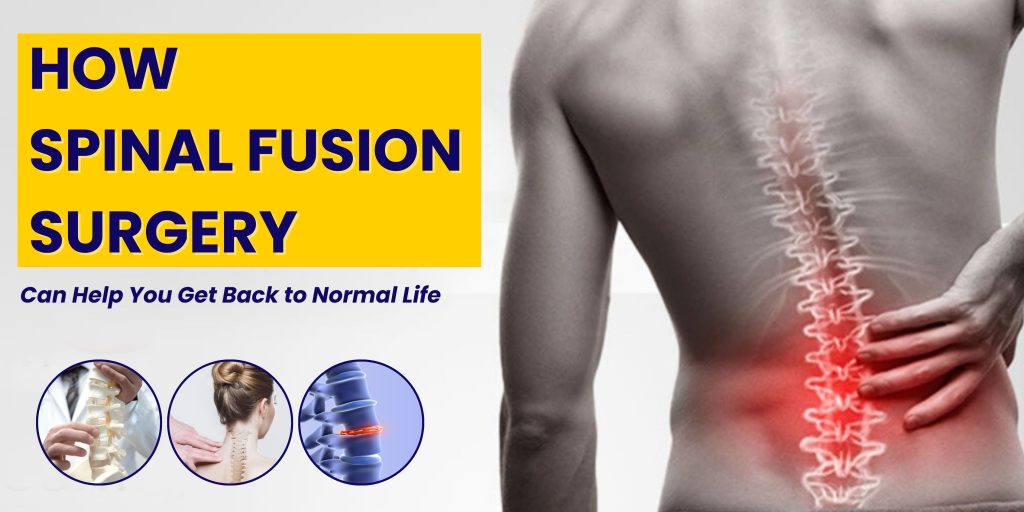
Spinal fusion surgery is a medical procedure designed to join two or more vertebrae in the spine and effectively eliminate motion between them. It is typically recommended for patients with conditions such as degenerative disc disease or spinal instability, but it may also be used for severe deformities like scoliosis. During the procedure, a surgeon removes damaged disc material and uses bone grafts, metal rods, or screws to stabilize the spine because these tools help promote the growth of new bone between the vertebrae. The goal of spinal fusion is to alleviate pain and restore stability so patients can return to their daily activities with reduced discomfort.
How It Works
Spinal fusion surgery is a medical procedure designed to alleviate pain and restore stability to the spine by permanently connecting two or more vertebrae. The process begins with the surgeon making an incision in the back or neck, depending on the location of the problem. Once the incision is made, the surgeon carefully removes any damaged disc material or bone spurs that may be pressing on the spinal nerves.
After preparing the vertebrae, the surgeon places a bone graft, which can be sourced from the patient’s own body, a donor, or synthetic materials, between the vertebrae to promote fusion. This graft serves as a scaffold for new bone growth, encouraging the vertebrae to heal together over time. To enhance stability during the healing process, the surgeon may also use metal rods, screws, or plates to hold the vertebrae in place. The entire procedure typically lasts several hours, and patients are monitored closely during recovery to manage pain and prevent complications.
Types Of Spinal Fusion
Types of spinal fusion are categorized by the surgical approach: anterior (from the front), posterior (from the back), and lateral (from the side).
Anterior approach
Anterior Lumbar Interbody Fusion (ALIF): The surgeon accesses the lumbar spine through an incision in the abdomen. The damaged disc is replaced with a bone graft or implant to fuse the vertebrae together.
Anterior Cervical Discectomy and Fusion (ACDF): This is used for problems in the neck (cervical spine). The surgeon accesses the spine from the front of the neck to remove the damaged disc and fuse the vertebrae.
Posterior approach
Posterior Lumbar Interbody Fusion (PLIF): A surgical procedure that approaches the lumbar spine through an incision in the middle of the lower back. The damaged disc is removed and a bone graft is placed in the space between the vertebrae.
Transforaminal Lumbar Interbody Fusion (TLIF): A variation of the PLIF, this procedure accesses the spine from a more lateral position in the lower back (transforaminal). It requires less nerve retraction than a traditional PLIF.
Lateral approach
Extreme Lateral Interbody Fusion (XLIF): A minimally invasive procedure where the surgeon operates through an incision on the side of the waist, passing through the psoas muscle to access the spine.
Oblique Lateral Interbody Fusion (OLIF): A lateral approach performed at an oblique angle. This technique is often used to avoid the psoas muscle and can access some lower lumbar levels that are difficult to reach with a direct lateral approach.
How Should I Prepare For Spinal Fusion Surgery?
Preparing for spinal fusion surgery involves several important steps to ensure a smooth process and optimal recovery. First, it is essential to have a thorough discussion with your healthcare provider about the procedure, including potential risks and benefits.
You should also arrange for any necessary pre-operative tests, such as blood work or imaging studies, as recommended by your spinal fusion surgeon. It is advisable to follow any specific dietary or medication guidelines provided by your medical team in the days leading up to the surgery. Finally, having a support system in place for post-operative care can significantly enhance your recovery experience.
What Are The Benefits Of Spinal Fusion Surgery?
The primary benefits of spinal fusion surgery are pain relief and restoring stability to the spine. It is used to correct serious conditions that have not responded to non-surgical treatments.
Stabilizes the spine: By fusing painful, moving vertebrae into a single, solid bone, the surgery can eliminate painful motion.
Relieves nerve compression: Fusion can remove pressure on the nerves caused by conditions like a slipped disc or spinal stenosis, which reduces symptoms such as tingling and numbness.
Restores spinal stability: It can correct severe spinal instability caused by trauma, degenerative disc disease, or tumors.
Corrects deformity: Spinal fusions are performed to fix deformities like scoliosis or kyphosis, which improves posture and can alleviate associated pain.
Improves quality of life: By reducing pain and improving function, the procedure can allow patients to resume many daily activities and hobbies they were previously unable to enjoy.
What Is The Recovery Time For Spinal Fusion Surgery?
The recovery time following spinal fusion surgery can vary significantly based on several factors, including the patient’s overall health, the specific procedure performed, and adherence to post-operative care instructions.
Generally, patients can expect an initial recovery period of several weeks, during which they may experience pain and limited mobility. Full recovery, allowing for a return to normal activities, may take anywhere from three to six months, with some individuals requiring even longer for complete healing. It is essential for patients to follow their surgeon’s recommendations and attend follow-up appointments to monitor their progress.
Conclusion
Spinal fusion surgery is a significant procedure aimed at alleviating pain and restoring stability to the spine. Patients must engage in thorough discussions with their healthcare providers to understand the implications of the surgery, including recovery time and the possibility of complications. Ultimately, spinal fusion can offer substantial relief and improved quality of life for many individuals, but it is essential to approach the decision with a comprehensive understanding of the procedure and its outcomes.