What Is Laser Spine Surgery?
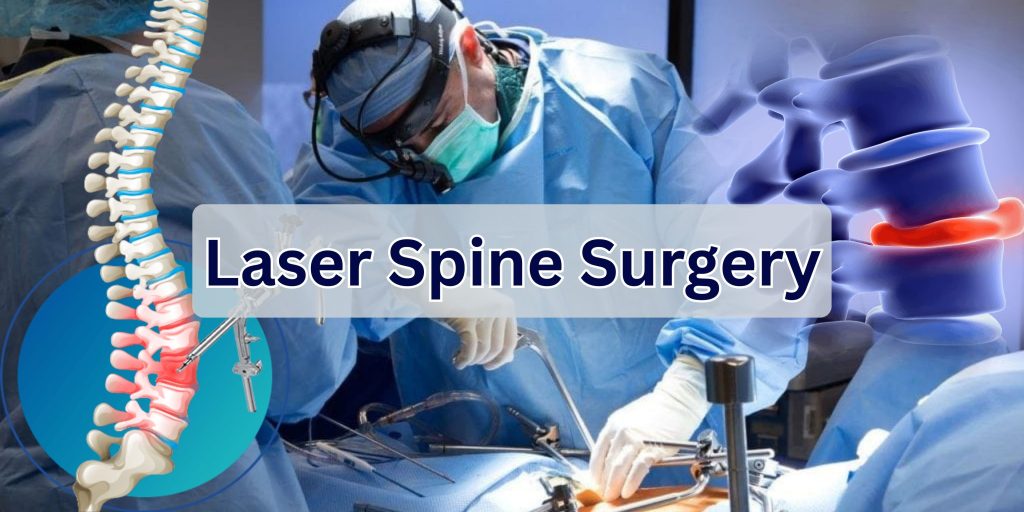
Laser spine surgery is a minimally invasive procedure designed to treat various spinal conditions. Utilizing advanced laser technology, this technique allows surgeons to target and address issues such as herniated discs, spinal stenosis, and other related disorders with precision. The benefits of laser spine surgery include reduced recovery time, less postoperative pain, and minimal scarring compared to traditional open surgery. This innovative approach aims to enhance patient outcomes while promoting a quicker return to daily activities.
How Does it Work?
Laser spine surgery utilizes focused laser technology to treat various spinal conditions. The procedure involves the precise application of laser energy to targeted areas of the spine, which can help to reduce pain, remove herniated disc material, or alleviate pressure on nerves. By employing minimally invasive techniques, this surgery typically results in less tissue damage, reduced recovery time, and a lower risk of complications compared to traditional open surgery. The surgeon carefully navigates the laser to ensure accuracy, allowing for effective treatment while preserving surrounding healthy tissue.
Benefits Of Surgery Include:
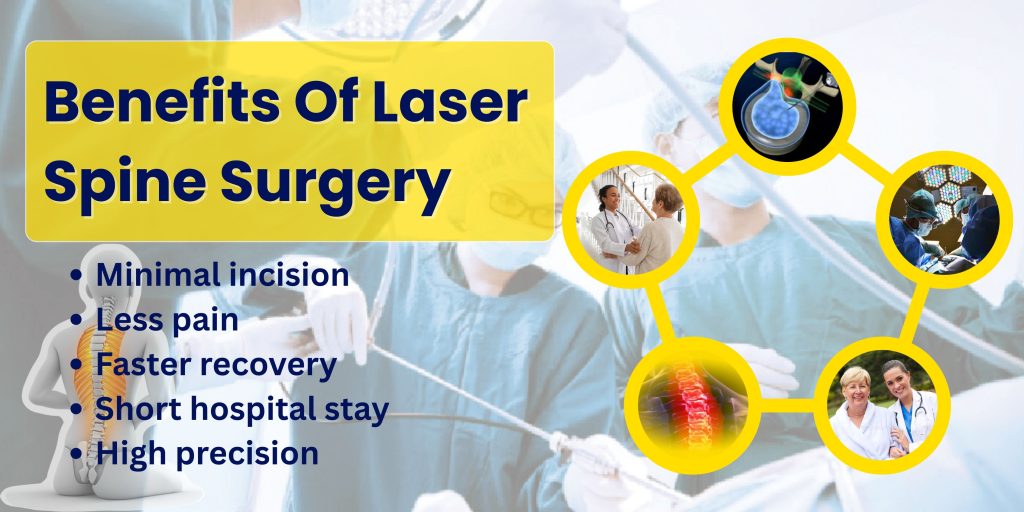
This surgery offers several advantages, including reduced recovery time, minimal scarring, and less postoperative pain compared to traditional surgical methods. This innovative approach allows for precise targeting of affected areas, which can lead to improved outcomes and quicker return to daily activities. Additionally, patients often experience shorter hospital stays and a lower risk of complications, making spine surgery an appealing option for those seeking relief from spinal issues.
Common Spine Problems That Can Be Treated With Surgery
Laser spine surgery is an effective treatment option for various common spinal issues. Conditions such as herniated discs, spinal stenosis, and degenerative disc disease can often be addressed through this minimally invasive technique. By utilizing laser technology, surgeons can target and alleviate pain while promoting faster recovery times and reduced scarring compared to traditional surgical methods. This innovative approach not only enhances patient comfort but also improves overall outcomes, making it a viable choice for those suffering from chronic spine problems.
What Should Patients Expect?
Patients undergoing Spine Surgery can anticipate a minimally invasive procedure designed to alleviate pain and improve mobility. Prior to the surgery, a thorough evaluation will be conducted to determine the most appropriate treatment plan tailored to individual needs.
Before Surgery?
Prior to undergoing Spine Surgery, it is essential to understand the procedure and its implications. This preparation phase may include diagnostic imaging, medical evaluations, and a review of the patient’s medical history to ensure optimal outcomes. Additionally, patients are advised to follow pre-operative instructions carefully, which may involve dietary restrictions or adjustments to medications. Such measures are crucial for minimizing risks and enhancing the effectiveness of the surgery.
During Surgery?
The process of spine surgery involves the use of advanced laser technology to treat various spinal conditions. Through small incisions, the spine surgeon can access the spine and utilize lasers to remove or shrink problematic tissue, thereby reducing recovery time and minimizing trauma to surrounding structures.
After Surgery?
Following the laser spine surgery procedure, patients can expect a recovery period that varies based on individual circumstances and the specific nature of their surgery. It is essential to adhere to post-operative care instructions provided by the medical team to ensure optimal healing and minimize complications. Regular follow-up appointments will be scheduled to monitor progress and address any concerns that may arise during the recovery phase.
Conclusion
Spine laser surgery offers a minimally invasive alternative for individuals suffering from various spinal conditions. While this surgery may not be suitable for everyone, it represents a significant advancement in spinal care, providing hope for many seeking relief from chronic pain and mobility issues.