What Is Spinal Fusion Surgery, And Why Is It Recommended?
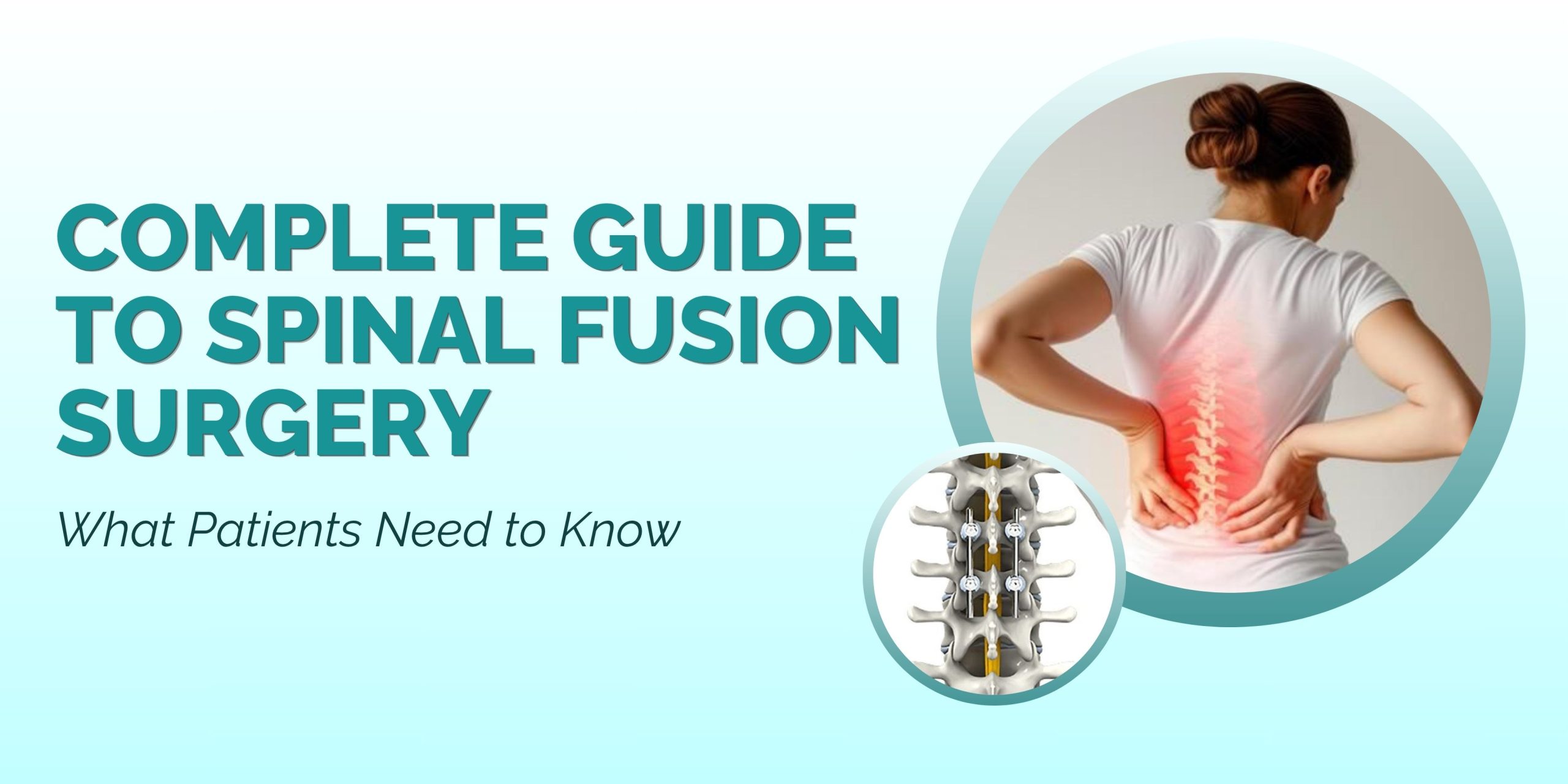
Spinal fusion surgery is a medical procedure designed to join two or more vertebrae in the spine, effectively eliminating motion between them. This surgical intervention is typically recommended for patients suffering from various spinal conditions, such as degenerative disc disease, spinal instability, or severe spinal deformities like scoliosis. The primary goal of spinal fusion is to alleviate pain, restore stability, and improve overall function by creating a solid bone mass where the vertebrae are fused together.
Patients may be advised to undergo spinal fusion when conservative treatments, such as physical therapy or medication, have failed to provide adequate relief, or when there is a significant risk of further spinal damage. Ultimately, spinal fusion surgery aims to enhance the quality of life for individuals suffering from debilitating spinal conditions by reducing pain and improving mobility.
What Type Of Spinal Fusion Is Best For My Condition?
Cervical (Neck) Fusion
- ACDF (Anterior Cervical Discectomy & Fusion): Considered the gold standard for herniated discs or degenerative disc disease in the neck. It allows direct access to the disc with minimal muscle disruption.
- Posterior Cervical Fusion: Best for complex conditions affecting the back of the spine or cases requiring extensive stabilization.
Lumbar (Lower Back) Fusion
- TLIF (Transforaminal Lumbar Interbody Fusion): Best for spondylolisthesis (slipped vertebrae) and degenerative disc disease. It is often performed minimally invasively to reduce nerve manipulation.
- ALIF (Anterior Lumbar Interbody Fusion): Ideal for patients needing restoration of spinal alignment (lordosis) or larger implants. It avoids back muscle dissection but requires an abdominal approach.
- XLIF/LLIF (Lateral Lumbar Interbody Fusion): Preferred for scoliosis and multilevel fusions. It reaches the spine from the side, preserving major back and abdominal muscles.
- PLIF (Posterior Lumbar Interbody Fusion): Best for spinal stenosis where direct decompression of the spinal canal is required.
Choosing The Surgical Approach
- Minimally Invasive (MISS): Recommended for herniated discs and simple fusions to ensure faster recovery (1–2 weeks), less blood loss, and smaller scars.
- Traditional Open Fusion: Still the best choice for complex deformities, severe scoliosis, or revisions of previous surgeries where maximum visibility and reconstruction are necessary
Is The Surgery Open, Minimally Invasive, Or Robotic-Assisted?
- Minimally Invasive Spine Surgery (MISS): This has become the leading strategy for modern spinal care. It uses small incisions (often under an inch) and tubular retractors to tunnel to the spine without cutting through muscle. It is preferred for conditions like herniated discs, spinal stenosis, and lower-grade spondylolisthesis because it reduces blood loss and hospital stays (often 1–2 days).
- Robotic-Assisted Surgery: Frequently combined with MISS, robots are now widely used to improve the precision of pedicle screw placement. In 2026, robots allow for real-time 3D navigation, reducing radiation exposure for the surgical team and ensuring hardware is placed at the optimal trajectory. It is particularly beneficial for complex anatomy or multi-level fusions.
- Open Spine Surgery: While less common than in the past, it remains the “gold standard” for severe spinal deformities (like complex scoliosis), major trauma, spinal tumors, or revision surgeries where extensive direct visualization and manipulation are required.
What Technology And Implants Are Used During Surgery?
Core Implants and Hardware
- Interbody Cages: Used to replace a damaged disc and maintain spinal height.
- Porous Titanium: A leading choice in 2026, these 3D-printed cages feature a lattice structure that mimics natural bone, promoting faster “ingrowth” than solid materials.
- PEEK (Polyetheretherketone): A high-performance plastic preferred for its radiolucency (allowing clear X-ray views) and its elasticity, which is similar to human bone.
Fixation Devices:
- Pedicle Screws & Rods: Typically made of titanium or cobalt-chrome, these act as internal “scaffolding” to stabilize the spine while the bone fuses.
- Expandable Cages: These can be inserted into the spine in a collapsed state and expanded to a custom height, which is ideal for minimally invasive procedures.
Biologics (Bone Growth Materials)
- Autograft: The patient’s own bone, often harvested from the surgical site or the hip, remains the gold standard for promoting fusion.
- Synthetic Bone Substitutes: Advanced ceramics and bioactive glass that serve as a scaffold for new bone to grow into.
- DBM (Demineralized Bone Matrix): Processed allograft bone that contains growth factors to stimulate healing.
What Is The Hospital’s Success Rate For Spinal Fusion?
In 2026, spinal fusion surgery in top Indian hospitals boasts high success rates, typically ranging from 85% to 95%. Leading institutions like Indraprastha Apollo Hospital report success rates as high as 99.6% for certain procedures. This high performance is attributed to the widespread use of robotic-assisted navigation and minimally invasive techniques, which enhance precision and reduce recovery complications.
Factors such as the patient’s age, bone quality, and adherence to post-operative rehabilitation are critical, as success is defined not just by radiographic bone fusion but also by significant pain reduction and a return to functional mobility
What Lifestyle Changes Are Needed After Spinal Fusion?
After undergoing spinal fusion surgery, individuals must adopt several lifestyle modifications to ensure optimal recovery and long-term spinal health. Initially, it is crucial to prioritize rest and allow the body ample time to heal, which may involve limiting physical activities and avoiding heavy lifting or strenuous exercises for several weeks. Gradually reintroducing movement through gentle stretching and low-impact activities, such as walking or swimming, can help maintain mobility without placing undue stress on the spine. Additionally, maintaining a healthy weight is essential, as excess body weight can strain the spine and hinder recovery. Furthermore, individuals should be mindful of their posture during daily activities, ensuring that they sit and stand with proper alignment to prevent additional strain on the spine.
Conclusion
Spinal fusion surgery is a significant intervention aimed at alleviating pain and restoring stability in the spine. While it can offer substantial benefits for patients suffering from various spinal conditions, it is essential to approach this procedure with careful consideration of the potential risks and long-term outcomes. Ongoing research and advancements in surgical techniques continue to enhance the effectiveness of spinal fusion, but patients must remain informed and engaged in their treatment decisions. Ultimately, a collaborative approach between healthcare providers and patients is crucial for optimizing results and ensuring a successful recovery.