What Is Spinal Surgery And What Are The Reasons For Its Performance?
Spine surgery refers to a range of surgical procedures aimed at addressing various conditions affecting the spine, which may include herniated discs, spinal stenosis, scoliosis, and degenerative disc disease, among others. The primary objective of these surgeries is to alleviate pain, restore function, and improve the quality of life for patients suffering from spinal disorders.
The decision to proceed with surgery is typically made after conservative treatments, such as physical therapy, medication, or injections, have failed to provide adequate relief. Depending on the specific condition and its severity, spine surgery can involve procedures such as discectomy, laminectomy, spinal fusion, or artificial disc replacement, each tailored to the individual needs of the patient.
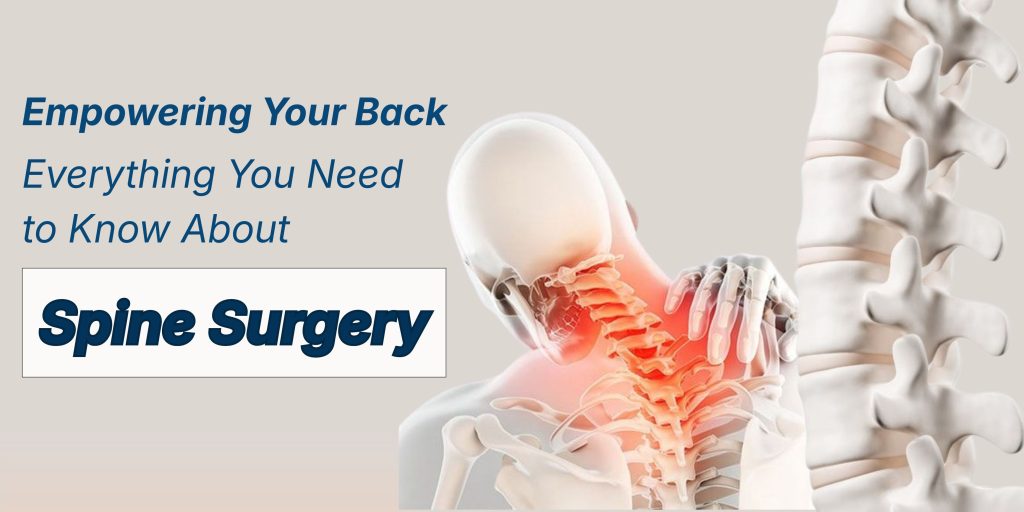
What Symptoms Indicate That I May Need Spine Surgery?
Certain symptoms may suggest that spine surgery could be necessary for an individual experiencing spinal issues. Persistent pain that does not improve with conservative treatments, such as physical therapy or medication, can be a significant indicator. Additionally, if the pain radiates down the arms or legs, often accompanied by numbness, tingling, or weakness, it may signal nerve compression that requires surgical intervention.
Other concerning signs include a loss of bladder or bowel control, which could indicate a serious condition known as cauda equina syndrome, necessitating immediate medical attention. Furthermore, if an individual experiences difficulty walking or maintaining balance, it may reflect underlying spinal instability or deformity that could benefit from surgical correction.
What Results Can I Expect After Spine Surgery?
After undergoing spine surgery, patients can anticipate a range of outcomes that vary based on the specific procedure performed, the underlying condition being treated, and individual health factors. Generally, the primary goal of spine surgery is to alleviate pain, improve mobility, and restore function.
Many patients report significant reductions in pain levels, particularly if the surgery addresses issues such as herniated discs, spinal stenosis, or degenerative disc disease. Additionally, improvements in strength and stability are often noted, allowing individuals to return to daily activities with greater ease. However, it is important to recognize that recovery can be a gradual process, and some patients may experience temporary discomfort or limitations as they heal.
Can Spine Surgery Completely Relieve My Back Or Neck Pain?

Spine surgery has the potential to significantly alleviate back or neck pain, but it is important to understand that complete relief is not guaranteed for every individual. The effectiveness of the procedure largely depends on the specific condition being treated, the underlying causes of the pain, and the overall health of the patient.
However, factors such as the duration of the pain, the presence of other medical conditions, and the patient’s adherence to post-operative rehabilitation can all influence the outcome. Additionally, while many patients experience substantial improvement in their symptoms following surgery, some may still encounter residual discomfort or develop new pain syndromes.
What Are The Potential Risks And Complications Associated With Spine Surgery?
Spine surgery involves several risks and possible complications that patients need to understand prior to the procedure. These risks may encompass infection, blood clots, nerve injury, and issues related to anesthesia. Furthermore, there is a chance of ongoing pain or discomfort after the surgery, along with the possibility of needing additional surgical procedures. It is essential for patients to engage in a discussion about these risks with their healthcare provider to ensure they make a well-informed decision about their treatment alternatives.
What Is The Typical Recovery Time After Undergoing Spine Surgery?
The length of recovery after spine surgery can differ greatly depending on various factors, such as the specific procedure conducted, the overall health of the patient, and the degree to which post-operative care instructions are followed.
In general, patients should anticipate an initial recovery phase lasting several weeks, during which they may encounter pain and restricted mobility. For instance, minimally invasive surgeries often result in shorter recovery times, allowing individuals to return to light activities within a few weeks, while more extensive procedures, such as spinal fusion, may require several months for a full recovery.
Can Spine Surgery Permanently Cure Back Pain?
The question of whether spine surgery can provide a permanent solution to back pain is complex and multifaceted. While surgical interventions can be effective in alleviating pain caused by specific conditions such as herniated discs, spinal stenosis, or degenerative disc disease, the outcomes can vary significantly among individuals.
Additionally, while some patients experience substantial relief and improved quality of life post-surgery, others may continue to experience pain due to factors unrelated to the spine, such as muscle strain or psychological components. Therefore, while spine surgery can be a valuable option for certain patients, it is essential to approach it with realistic expectations and to consider it as part of a a thorough treatment strategy that could encompass physical therapy, medication, and changes in lifestyle.
Conclusion
Spine surgery represents a critical intervention for individuals suffering from various spinal disorders, including herniated discs, spinal stenosis, and degenerative disc disease. The decision to proceed with surgical options is typically made after a comprehensive evaluation of the patient’s condition, including a thorough medical history, physical examination, and advanced imaging studies. Ultimately, a collaborative approach involving the patient, their family, and a multidisciplinary medical team is crucial in determining the most appropriate course of action, ensuring that the patient is well-informed and prepared for the journey toward recovery.