What Is Neurosurgery?
Neurosurgery is a specialized field of medicine focused on the diagnosis and surgical treatment of disorders affecting the nervous system, which includes the brain, spinal cord, and peripheral nerves. This discipline encompasses a wide range of conditions, from traumatic injuries and tumors to congenital anomalies and degenerative diseases. Neurosurgeons employ advanced techniques and technologies to perform intricate procedures aimed at alleviating pain, restoring function, and improving the quality of life for patients suffering from neurological issues.
What Are Neurological Disorders?
Neurological disorders are medical conditions that affect the nervous system, including the brain, spinal cord, and all peripheral nerves. They are caused by structural, biochemical, or electrical abnormalities in nerve cells, which can result in a wide range of symptoms affecting movement, thought, and sensation.
Types Of Disorders
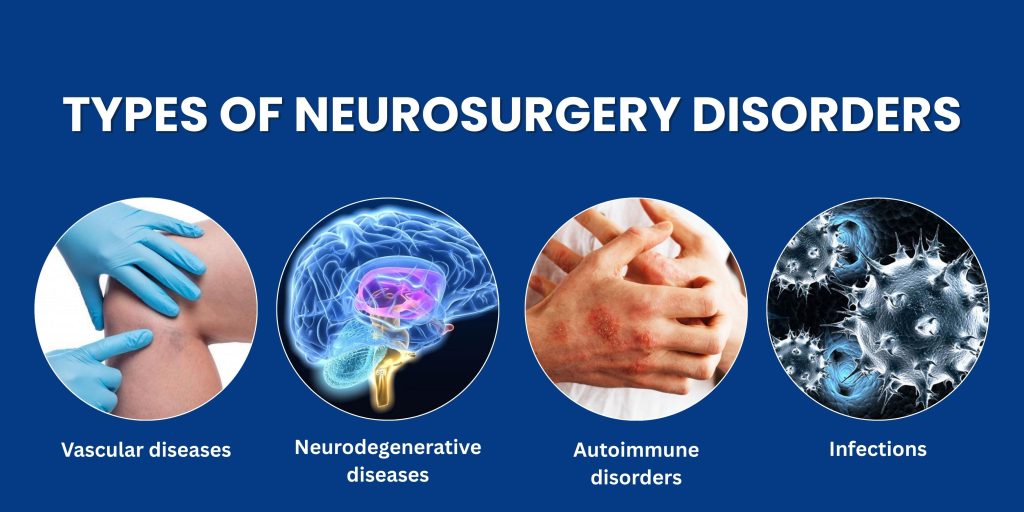
Neurodegenerative diseases: These are progressive conditions that cause nerve cells to gradually break down and die. Examples include Alzheimer’s disease, Parkinson’s disease, and Huntington’s disease.
Vascular diseases: This category includes disorders related to blood vessels that supply the brain and spinal cord. Stroke, which can be ischemic (blocked blood vessel) or hemorrhagic (ruptured blood vessel), is a major example.
Infections: Infections caused by viruses, bacteria, or fungi can affect the nervous system. Examples include meningitis (inflammation of the brain and spinal cord lining) and encephalitis (brain inflammation).
Autoimmune disorders: These conditions cause the body’s immune system to mistakenly attack its own nervous system tissues. Multiple Sclerosis (MS) and Guillain-Barré syndrome are well-known examples.
Structural and injury-related disorders: These involve physical damage to the nervous system. This can be caused by trauma, such as a spinal cord or traumatic brain injury, or structural defects from birth.
Seizure disorders: These disorders are characterized by unpredictable and recurring seizures caused by abnormal electrical activity in the brain. The most recognized condition is epilepsy.
What Are The Most Commonly Performed Neurological Procedures?
Common symptoms
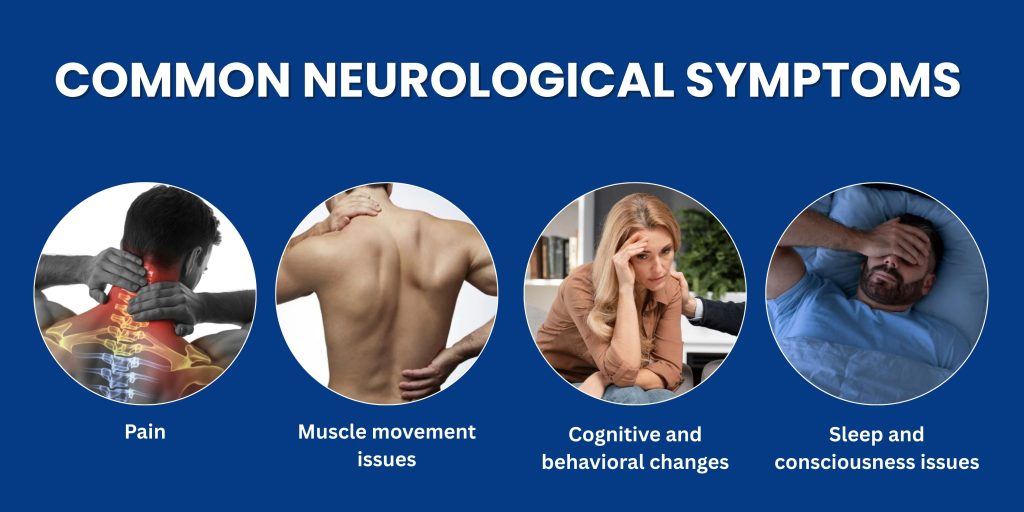
Pain: Chronic headaches (including migraines), neck, and back pain are frequently associated with neurological problems.
Muscle movement issues: This can include muscle weakness, tremors, stiffness, paralysis, or difficulty with coordination.
Sensory changes: Symptoms often involve numbness, tingling, or a loss of sensation, as well as changes to vision, hearing, smell, or taste.
Cognitive and behavioral changes: Patients may experience memory loss, confusion, difficulty concentrating, or mood swings.
Sleep and consciousness issues: Some neurological disorders can cause insomnia, excessive sleepiness, seizures, or loss of consciousness.
What Is An Advanced Neurological Or Neurosurgical Procedure?
An advanced neurological or neurosurgical procedure refers to complex medical interventions designed to diagnose, treat, or manage disorders of the nervous system, which includes the brain, spinal cord, and peripheral nerves.
These procedures often involve sophisticated techniques such as minimally invasive surgery, stereotactic surgery, or neuroendoscopy, which utilize advanced imaging technologies to enhance precision and reduce recovery times. Conditions addressed by these procedures can range from brain tumors and vascular malformations to epilepsy and chronic pain syndromes.
Furthermore, advancements in robotics and artificial intelligence are increasingly being integrated into these procedures, allowing for greater accuracy and improved surgical techniques, ultimately leading to enhanced patient safety and efficacy in treatment.
What Are The Benefits Of Neurosurgery?
Neurosurgery offers a multitude of benefits that significantly enhance patient outcomes and quality of life. One of the primary advantages is its ability to address a wide range of neurological disorders, including brain tumors, epilepsy, and traumatic brain injuries, through precise surgical interventions.
These procedures can alleviate symptoms, reduce pain, and in many cases, provide a cure for conditions that were previously deemed untreatable. Additionally, advancements in neurosurgical techniques, such as minimally invasive surgery and stereotactic navigation, have led to reduced recovery times and lower risks of complications, allowing patients to return to their daily activities more swiftly.
Furthermore, neurosurgery plays a crucial role in improving neurological function, as it can relieve pressure on the brain or spinal cord, restore blood flow, and enhance overall cognitive abilities. The integration of cutting-edge technology, such as intraoperative imaging and robotic assistance, further enhances the precision and effectiveness of these procedures, ultimately leading to better long-term outcomes for patients.
Conclusion
Neurosurgery represents a critical field within medicine, focusing on the diagnosis, treatment, and rehabilitation of disorders affecting the nervous system, including the brain, spinal cord, and peripheral nerves. The advancements in neurosurgical techniques, coupled with innovations in imaging and technology, have significantly improved patient outcomes and reduced recovery times.
Furthermore, the interdisciplinary collaboration among neurosurgeons, neurologists, radiologists, and rehabilitation specialists is essential for providing comprehensive care, ensuring that patients receive tailored treatment plans that address both their immediate surgical needs and long-term health goals. As the field continues to evolve, ongoing research and clinical trials are vital for developing new therapies and enhancing existing practices, ultimately striving to improve the quality of life for individuals affected by neurological disorders.